
Product Design Services
This stage is part of Yijin Solution’s full New Product Development Services.
At Yijin Solution, the product design stage is built with prototyping, validation, and production in mind. Appearance, structure, materials, ergonomics, and reliability are developed alongside engineering and manufacturing input.
Coming from early-stage concept development? The engineering context built during ideation carries directly into this stage. No re-briefing, no lost knowledge, no rework.

Why Product Design Matters in Development
Design is the stage where early product direction becomes an executable definition. Decisions made here ripple through every stage that follows.
Turns concepts into clear direction
The design stage takes broad early concepts and narrows them into specific form, structure, and material decisions. Prototyping and production teams can then work from a defined product direction, instead of an open idea.
More than appearance
Good design is not only about how a product looks. It also covers structural logic, user experience, and how the product behaves in real use. A product that looks right but does not assemble well, feel right in the hand, or hold up in everyday use creates issues that surface later and cost more to resolve.
Cheaper changes, earlier
Issues identified during design are far easier and less costly to fix than the same issues found after prototyping, validation, or tooling. Layout, assembly logic, and material decisions can still be adjusted freely at this stage.
Smoother downstream execution
Decisions made during design directly affect how smoothly prototyping, testing, and production move forward. A clear, well-considered design output gives every later stage a stronger starting point.

What We Support in This Stage
At this stage, we help shape the product idea into a design that can be built, tested, and improved. The focus is to make key design decisions clearer before the project moves into prototyping and later production.
Appearance design
Defines the product’s visual direction based on brand tone, target users, and use scenarios.
What you get:
- Visual direction
- Form studies
- Appearance proposals ready for stakeholder review


Structure design
Translates functional needs into internal layout, part relationships, and assembly logic.
What you get:
- Structural layout
- Component arrangement
- Assembly approach documentation
Color, Material, Finish (CMF) design
Aligns material selection, color direction, and surface finishes with both the product’s positioning and the realities of manufacturing.
What you get:
- Material specifications
- Color specifications
- Finish specifications, all tied to manufacturing feasibility


Ergonomics and user interaction design
Evaluates grip, operation, reach, and interaction flow against real use scenarios.
What you get:
- Ergonomic assessment
- Interaction layout
- Use-scenario documentation
Experience and detail design
Resolves the small-scale elements that shape how a product feels in use.
What you get:
- Detail refinements
- Experience specifications
- Design completeness review


Reliability and testing design
Brings use-related risk into the design stage before prototyping begins. This reduces critical issues that would otherwise surface only after physical samples are built.
What you get:
- Early reliability assessment
- Test-readiness preparation
Packaging design
Develops packaging direction based on product form and shipping requirements.
What you get:
- Packaging direction
- Protection strategy
- Presentation guidelines


Instruction manual design
Organizes user guidance, installation support, and operating instructions around the product’s actual use logic.
What you get:
- Manual structure
- Content direction
- Delivery-readiness documentation

How We Work in the Design Stage
The design stage follows a four-step workflow. Each step builds on the previous one and prepares for what comes next.
Review inputs and goals
Concept inputs and project goals from ideation are the starting point. Requirements, constraints, and priorities are confirmed before design work begins.
Develop the design direction
Appearance, structure, CMF, and interaction are developed in parallel. Engineering and manufacturing input keep the design aligned with execution realities from day one.
Align with manufacturing needs
Design outputs are reviewed against manufacturing constraints. These include mold flow, tolerances, assembly sequences, and material availability. Design for Manufacturability (DFM) happens here, not after the fact.
Prepare for prototyping and validation
Final design outputs are packaged for the next stage. Computer-Aided Design (CAD) models, engineering drawings, material specifications, and assembly documentation are all prepared. The goal is a clean handoff to physical prototyping with minimal back-and-forth.
Our Design Team’s Credentials
Yijin Solution’s design team includes Red Dot and Golden Pin award-winning designers with experience across consumer electronics, industrial equipment, and IoT products.
These credentials reflect a team that can balance appearance, usability, and manufacturability when design outputs need to move through prototyping and production.


Case Studies
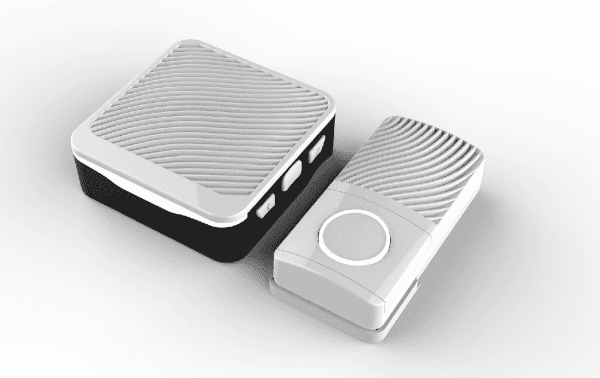
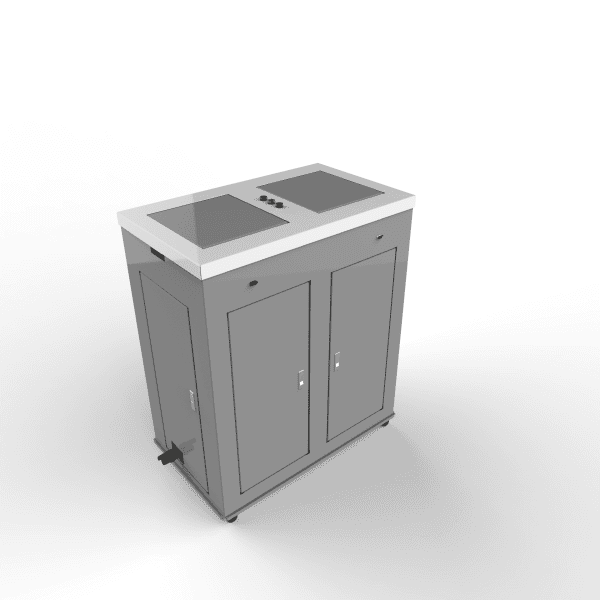
A consumer electronics product requiring injection-molded housings, electronic assembly, and multi-part coordination. Yijin managed the full BOM, tooling, assembly, finishing, and delivery as a full service contract manufacturer.
An IoT-enabled product with sheet metal, injection-molded, and electronic components. Production support covered manufacturing coordination, assembly sequencing, and quality control across multiple processes.
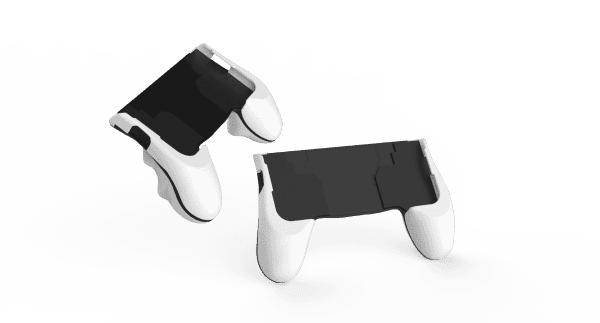
A compact consumer device with tight tolerances and appearance-critical finishing. Production support included mold optimization, assembly process validation, and packaging coordination for retail-ready delivery.
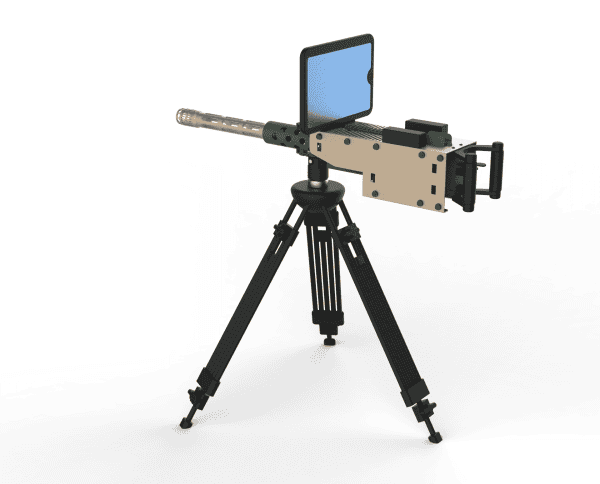
A complex electromechanical product involving multiple materials, electronic subsystems, and ergonomic assembly requirements. Yijin provided contract research and manufacturing services covering pilot production, quality stabilization, and volume ramp-up.
Why Choose Yijin Solution for Product Design

We bring manufacturing and assembly thinking into design from the start, so structure, material, and process decisions are made against real production conditions rather than reviewed after the design is finished.

Design outputs are shaped to match the requirements of prototyping, testing, and production, so the work produced at this stage moves directly into the next without needing to be re-engineered first.

Design, prototyping, validation, and production are supported within the same team, so context, decisions, and intent carry across stages without the gaps that come from separate suppliers.

Design choices are checked against real machine capability, tooling constraints, and material supply within our own operation, so calls made at this stage hold up when the project moves into manufacturing.
Not Sure Where to Start? Get a Free Consultation
You might have an idea on a napkin, a set of functional requirements, or a reference product you want to improve. Either way, the next step is a conversation. Tell us about your project’s current state and what it needs.


Product Design Services FAQs
We support both. The Product Design stage covers appearance, structure, CMF, ergonomics, reliability, packaging, and instruction manual design. These are not separate services. They are integrated support areas within one development stage.
Yes. If you are still at the concept level, the right starting point is our early-stage concept development support. The ideation stage builds the foundation from which the design stage works from.
That is the goal. Design outputs include CAD models, engineering drawings, material specifications, and assembly documentation. They are prepared specifically for physical prototyping. The handoff into the prototype stage is built into how we work.
Manufacturing constraints are part of the design process, not an afterthought. Mold flow, tolerances, assembly sequences, and material availability are reviewed during the design. They are not left until after prototyping is complete.
Yes, packaging design and instruction manual design are both included in the Product Design stage. They are treated as part of the delivery experience, not as standalone add-on services.
Get a Free Consultation
Whether you are coming from a completed ideation stage or you have a concept ready for design work, the next step is a conversation. Tell us about your product’s current state and what it needs. You can also explore our full new product development services to see how each stage connects.
 English
  Spanish
  German
  French