Acrylic CNC Machining Service for Custom Plastic Parts
Acrylic CNC machining service for display cases, signage, protective barriers, and optical components in cast, extruded, colored, and impact-modified PMMA. Milling, routing, and turning centers at our ISO 9001 certified facility in Shenzhen cut acrylic to tight, repeatable tolerances without cracking or crazing the edge.
Upload your STEP, IGES, DWG, PDF, or STL file to receive a quote and manufacturability review within 24 hours.
- Prototype lead time 3 to 5 business days, production 2 to 3 weeks
- Tolerances ±0.13 mm general, ±0.05 mm on critical features
- Cast, extruded, colored, and impact-modified acrylic stock
- No minimum order. Single prototypes through production runs

Join 3000+ companies who work with Yijin Solution


Acrylic CNC Machining Manufacturing Capabilities
These specifications apply across our milling, routing, and turning centers running acrylic. Exact tolerance and edge finish depend on part geometry and sheet thickness.
| Feature | Description |
|---|---|
| General Tolerance | ±0.13 mm (±0.005 in) on standard features |
| Tight Tolerance | ±0.05 mm on critical features with secondary fixturing |
| Surface Finish | Ra 1.6–3.2 μm as-machined; near-optical clarity with flame or diamond polish |
| Lead Time and Part Size | Prototypes 3 to 5 days, production 2 to 3 weeks; sheet to 2,000 × 1,200 mm or block to 600 × 400 × 300 mm |
Acrylic Material Grades
We stock and machine cast, extruded, colored, and impact-modified PMMA sheet and block, selected for optical clarity, machinability, or impact resistance.
Cast Acrylic (Clear)
Cell-cast PMMA with tensile strength around 72 MPa and optical clarity near 92% light transmission. Machines cleaner than extruded sheet and resists crazing and stress cracking during cutting, making it the default choice for optical parts, display cases, and tight-tolerance work.
Extruded Acrylic
Continuous-cast PMMA with tighter sheet-thickness tolerance and lower cost than cast acrylic, trading some machinability and optical clarity. Softens and re-solidifies more readily under heat, so cutting parameters run slower to avoid gumming the tool.
Colored & Tinted Acrylic
Cast or extruded PMMA in transparent, translucent, and opaque colors for signage, retail displays, and branded enclosures, held to the same tolerances as clear stock.
Impact-Modified Acrylic
PMMA modified with an impact-resistant additive for parts exposed to handling or minor impact, trading a small amount of optical clarity for toughness in guards and enclosures.
Acrylic Surface Finishes
We apply these finishes in-house to control edge clarity and surface quality on every acrylic part.
Surface Finish
SPECIFICATION

As-Machined / Saw-Cut
Parts ship directly off the machine or saw with a translucent, tool-marked edge. Standard finish for internal components and parts that will be bonded or painted.

Flame Polishing
A precision flame melts the top layer of a cut edge to a glass-clear, optical finish in seconds, the standard treatment for visible edges on signage and display parts.

Diamond & Buff Polishing
Sequential buffing wheels and polishing compound remove tool marks mechanically for a clear finish on edges and faces too thick or complex for flame polishing.

Sanding
Progressive grit sanding smooths saw or router marks to prepare an edge for bonding, painting, or a subsequent polishing pass.

Silkscreen Printing
UV-cured ink printed directly onto the acrylic surface for logos, scales, and graphics on signage and instrument panels.

Solvent Bonding & Sealing
Acrylic-specific solvent cement welds mating edges into a single optically clear joint, used for display cases, tanks, and enclosures assembled from multiple machined panels.
Types of Acrylic CNC Machining We Offer
We run acrylic parts through dedicated tooling and feed rates tuned to the material’s brittleness, distinct from our metal machining programs.

CNC Routing
Single-flute O-flute router bits cut flat sheet stock into signage, enclosure panels, and cutouts with a clean, chip-free edge, holding ±0.13 mm on standard features.

CNC Milling
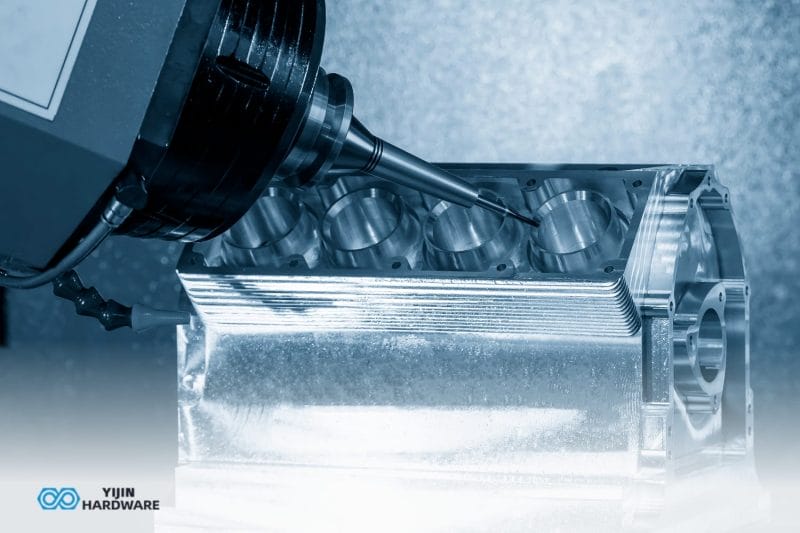
3-axis and multi-axis centers machine pockets, bosses, and 3D contours from acrylic block, producing display stands, optical housings, and parts with features on multiple faces.

CNC Turning
Live-tooling lathes machine round parts such as light pipes, knobs, and bushings from cast acrylic rod, including cross-drilled and threaded features.
Applications of Acrylic CNC Machining
Point-of-purchase displays, product stands, and branded fixtures machined to exact dimensions with polished, presentation-ready edges.
Illuminated and non-illuminated signage, letterforms, and dimensional lettering cut and edge-polished for retail and architectural branding.
Sneeze guards, safety shields, and partition panels that need optical clarity along with impact resistance.
Archival display cases and pedestals machined and solvent-bonded from cast acrylic for optical clarity and UV-stable protection.
Equipment windows, instrument covers, and diagnostic housings that need clarity, chemical resistance, and repeat cleaning.
Light diffusers, light pipes, and lens components machined to precise optical tolerances for LED and architectural lighting.
Partitions, handrail infill panels, and interior design elements machined and polished to specified sheet thickness and edge finish.
Panels and viewing windows machined and solvent-bonded into optically clear tanks and enclosures for aquatic and laboratory use.
Sight glasses, viewing ports, and machine guards that combine optical clarity with impact resistance on the shop floor.
Yijin Solution Acrylic CNC Machining Factory
Yijin Solution operates a 25,000+ m² manufacturing facility in Shenzhen, China. The plastics machining cell runs the same milling, routing, and turning centers as our metal production lines, set up with acrylic-specific feeds, speeds, and single-flute tooling to prevent the chipping and edge cracking that acrylic’s brittleness can cause.
Calipers, CMMs, and surface comparators verify every batch against ISO 9001 quality systems, with material certificates available for cast, extruded, colored, and impact-modified grades.
What's Acrylic CNC Machining
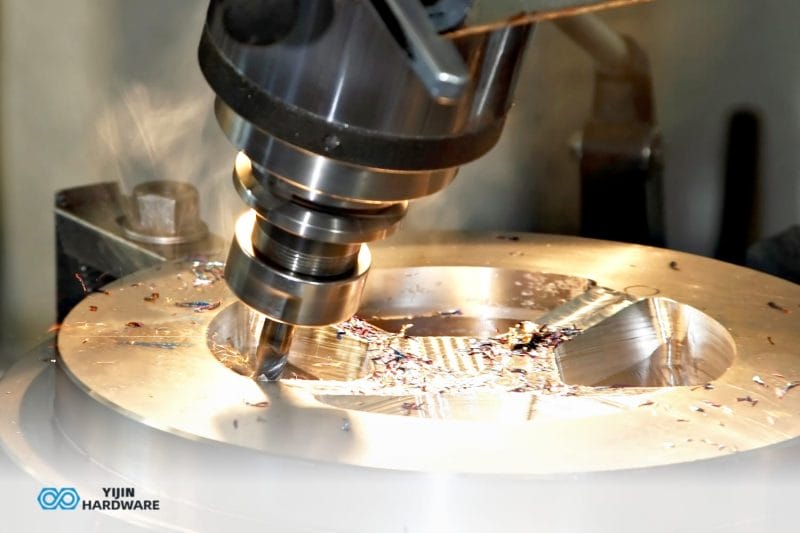
Acrylic CNC machining shapes solid sheets or blocks of PMMA (polymethyl methacrylate) into finished parts by cutting away material with rotating tools, the same subtractive process used on metal but run at plastic-specific speeds and with sharp single-flute tooling to keep the brittle material from chipping or cracking along the cut edge.
Acrylic is prized for optical clarity near 92% light transmission and machines to tight tolerances, making it a common substitute for glass in signage, display cases, and protective barriers where weight and impact resistance matter.
How Acrylic CNC Machining Works
Acrylic CNC machining follows four steps from a digital design to a finished part.
- Design to program: CAM software converts your CAD file into tool paths, choosing feeds and speeds that limit heat buildup and edge chipping in the plastic.
- Machining: routing, milling, or turning centers cut the part from acrylic sheet, block, or rod, using sharp single-flute or O-flute tools to keep chips clearing cleanly without melting.
- Edge finishing: cut edges are flame polished, diamond polished, or sanded to the clarity or surface quality the application requires.
- Inspection and assembly: critical dimensions are checked against the drawing, and parts are solvent bonded into assemblies where specified, before shipping.
Why Choose Yijin Solution for Acrylic CNC Machining
We control every step of acrylic machining from programming through edge finishing and inspection.

CMMs and surface comparators verify every critical batch. Parts hold ±0.13 mm general and ±0.05 mm on critical machined features.

Prototypes ship in 3 to 5 business days and production runs in 2 to 3 weeks, run on the same centers as our metal production.

Single-piece prototypes and production runs of thousands of parts go through the same machining centers and inspection standards.

Cast, extruded, colored, and impact-modified acrylic stock, chosen for the clarity, cost, or toughness your part needs.

Direct factory pricing without broker margins. Acrylic machines quickly compared to metal, keeping per-part cost low for prototypes and short runs.

ISO 9001 certified production with material certificates and dimensional reports available on every order.
FAQs About Acrylic CNC Machining
What Is Acrylic CNC Machining Used For?
Acrylic CNC machining produces custom parts such as display panels, protective barriers, light diffusers, and enclosures that need optical clarity along with a machined, dimensionally precise edge.
How Does Acrylic Compare to Polycarbonate in Machining?
Acrylic is more brittle than polycarbonate and prone to chipping or edge cracking without sharp single-flute tooling and controlled feed rates, but it offers higher optical clarity and takes a flame-polished finish that polycarbonate cannot.
What Tolerances Can Acrylic CNC Machining Achieve?
Standard acrylic CNC machining holds ±0.13 mm (±0.005 in) on general features, with ±0.05 mm achievable on critical features using secondary fixturing. Sheet thickness and part geometry affect what is realistic for a given design.
What Secondary Processes Are Available for Acrylic Parts?
We offer flame polishing, diamond and buff polishing, sanding, silkscreen printing, and solvent bonding in-house, chosen for edge clarity, cosmetic appearance, or assembly requirements.
What Certifications Do You Hold for Acrylic CNC Machining?
Our acrylic CNC machining runs under ISO 9001 certified quality systems, with material certificates and dimensional inspection reports available on request.
Can I Get an Instant Quote for Acrylic CNC Machining?
Yes. Upload your STEP, IGES, DWG, PDF, or STL file for a quote and manufacturability review within 24 hours, with no minimum order quantity.
What Industries Use Acrylic CNC Machined Parts?
Retail display, signage, medical device, lighting, architectural, and industrial equipment manufacturers use acrylic CNC machined parts for their combination of optical clarity, machinability, and impact resistance.
What Lead Times Should I Expect for Acrylic CNC Machining?
Prototype orders typically ship in 3 to 5 business days and production runs in 2 to 3 weeks, depending on part complexity and edge finish requirements.
Acrylic CNC Machining Guides

12 Types of Bolts With Pictures & Names
A bolt is a threaded fastener that passes through a part and is held by a nut on the other
Types of Sheet Metal Fasteners: A Complete Selection Guide
Every sheet metal assembly depends on its fasteners. The joint type you specify will determine how the assembly performs under
What are High Strength Fasteners? Types, Grades & How to Select the Right One
High-strength fasteners span a wide spectrum from SAE Grade 8 hex bolts and metric Class 10.9 socket heads to fully

Start today. Get parts made fast.
Free Machined Parts Design to Your Projects with Reduced Lead Times Times.