Exciting News! Yijin Hardware is rebranding to Yijin Solution. Read more →
white overlay bottom.png
Trusted By

Our Custom Sheet Metal Fabrication Services

We offer end-to-end sheet metal fabrication under one roof. Each process runs on dedicated production lines with full traceability from raw material to finished part.

Laser Cutting Services

We cut steel up to 20 mm and aluminum up to 12 mm with positional accuracy of ±0.02 mm. Our 30 fiber laser machines handle flat sheet profiling, fine-feature cutting, and high-volume nesting. Parts come off the table burr-free and ready for bending or welding with no secondary cleanup required.

Waterjet Cutting Services

Waterjet cutting handles materials that laser and plasma cannot — including titanium, copper, and heat-sensitive alloys — with no thermal distortion. We cut sheet metal up to 150 mm thick with edge accuracy of ±0.1 mm. The cold-cutting process preserves material properties, so parts go straight to assembly without heat treatment.

Plasma Cutting Services

Plasma cutting delivers fast, cost-effective profiles on carbon steel, stainless steel, and aluminum plate up to 50 mm thick. It's the right process for structural parts, brackets, and frames where speed and material removal rate matter more than fine-feature detail. Cut edges are clean enough for direct welding.

Metal Bending Services

Our CNC press brakes form bends, flanges, and channels in sheet metal from 0.5 mm to 6 mm thick. We hold bend angle tolerances of ±0.5° and positional accuracy of ±0.05 mm across full production runs. Free DFM review confirms bend radii, minimum flange lengths, and springback compensation before production starts.

Stamping Services

Progressive and single-station stamping produce sheet metal parts with holes, slots, embossments, and formed features at high speed. We run production volumes from 1,000 to 500,000+ pieces with consistent dimensional accuracy across every part. Tooling is designed and built in-house, which shortens lead time and keeps per-part costs down.

Scale Production. Optimize for Tomorrow.

Accelerate program efficiency, simplify collaboration, and strengthen your supply chain to
achieve guaranteed momentum and seamless execution for every project.

Sheet Metal Manufacturing Capabilities

We hold tight tolerances on every sheet metal part we produce – from single prototypes to full production runs.
FeatureDescription
Precision Tolerance±0.10 mm
Standard Tolerance±0.30 mm
Standard Lead TimePrototyping: 3–7 days; Production: 7–15 days
Maximum Part Size2440 × 1220 mm

Sheet Metal Materials

We stock and process a wide range of sheet metal materials. Each material is sourced with full mill certification and incoming inspection records.

Steel Sheet

TypeCommon Grades
Carbon Steel (Mild Steel)SPCC, SPHC, Q235, S235JR, A36
Galvanized SteelSGCC, DX51D, Hot-dip, Electro-galvanized
Spring Steel65Mn, SK5, SUP9

Learn more about steel sheet metal fabrication services

TypeCommon Grades
Austenitic304, 304L, 316, 316L, 321
Ferritic430, 410
Duplex2205

Learn more about stainless steel sheet metal fabrication services

TypeCommon Grades
General Purpose1050, 1060, 1100
Structural5052, 5083, 6061-T6
Aerospace Grade7075-T6, 2024-T3

Learn more about aluminum sheet metal fabrication services

TypeCommon Grades
Pure CopperC1100 (T2), C1020 (TU1)
BrassC2600 (H65), C2680 (H62), C2801 (H59)
BronzePhosphor bronze C5191, Beryllium copper C1720

Learn more about copper sheet metal fabrication services

steel sheet metal

Sheet Metal Fabrication Surface Finishes

We offer a comprehensive range of surface finishing options to meet your
aesthetic, functional, and protective requirements.

Surface Finish

SPECIFICATION

Anodizing

Anodizing builds a hard oxide layer on aluminum surfaces. It improves corrosion resistance and allows color dyeing without paint. Available in Type II and Type III hard anodize up to 50 μm thickness.

Powder Coating

Electrostatic powder coating delivers a durable, even finish in any RAL color. Coating thickness ranges from 60 to 120 μm. It resists chipping, scratching, and UV fading better than wet paint.

Types of Metal Plating

Plating

Zinc, nickel, and chrome plating add corrosion protection and conductivity to steel and copper parts. Zinc plating with chromate passivation provides 96–200 hours of salt spray resistance.
brushed aluminum cnc square mounting plate center bore web

Brushing

Mechanical brushing creates a uniform satin grain on stainless steel and aluminum. It removes surface imperfections and produces a professional, non-reflective appearance.

stainless steel cnc polished flanged caps set of four web

Polishing

Multi-stage polishing achieves mirror finishes down to Ra 0.05 μm. Common on stainless steel parts for medical, food processing, and optical applications.

Passivation Surface Finish Options

Passivation

Citric or nitric acid passivation removes free iron from stainless steel surfaces. This restores the chromium oxide layer and maximizes corrosion resistance. Processed per ASTM A967 and AMS 2700.

Why Choose Yijin Solution Sheet Metal Fabrication Services

As one of the best sheet metal fabricators in the industry, we provide high-quality fabrication services with precision, efficiency, and cost-effectiveness, making us a trusted choice for clients.

precision and quality
Precision and Quality

Zeiss CMMs and optical measurement systems verify every critical dimension. We hold bend tolerances to ±0.05 mm and laser cutting accuracy to ±0.02 mm. First Article Inspection and PPAP Level 3 documentation are standard.

fast turnaround
Fast Turnaround

Sheet metal prototypes ship in 3–7 days. Production orders complete in 2–4 weeks depending on complexity. Our dedicated laser cutting lines and in-house finishing eliminate supplier handoffs that slow delivery.

order any size
Order any size

No minimum order quantity. We produce single prototypes and runs of 100,000+ parts on the same production lines with identical quality controls.

prototyping to production
Prototyping to Production

Your prototype and production parts come from the same factory, same equipment, and same quality system. There's no vendor transition when you're ready to scale.

wide range materials
Wide range of materials

We process steel, stainless steel, aluminum, copper, brass, and titanium sheet. Material certificates and incoming inspection records accompany every order.

cost effective
Cost-effective

Direct factory pricing with no middleman markups. Free DFM review identifies design changes that reduce material waste and machining time before production starts.

white overlay top opt.png

How Much Does Sheet Metal Fabrication Cost?

Cost ComponentDetailsCost (USD)
Raw Material CostSteel plate (500 × 500 mm, 2 mm thick, density 7.4 kg/cm³, $0.50/kg)$1.85 per piece
Machining Cost15 seconds per part, machine rate $70/hour at 85% efficiency$0.34 per piece
Total Production CostMaterial + Machining$2.19 per piece

To get a detailed and accurate estimate tailored to your specific requirements, feel free to request a free quote.

sheet metal manufacturing process the full guide to fabrication
what are the common applications of sheet metal

Applications of Sheet Metal

Sheet metal is a versatile manufacturing process for a range of metal components. The process can support high-volume commodity products and low-volume, one-of-a-kind applications. Common sheet metal parts include:

  • Electrical enclosure
  • Parts for computer electronics
  • Chassis
  • Brackets
  • Cabinets
  • Mounts
  • Appliances
white overlay bottom.png

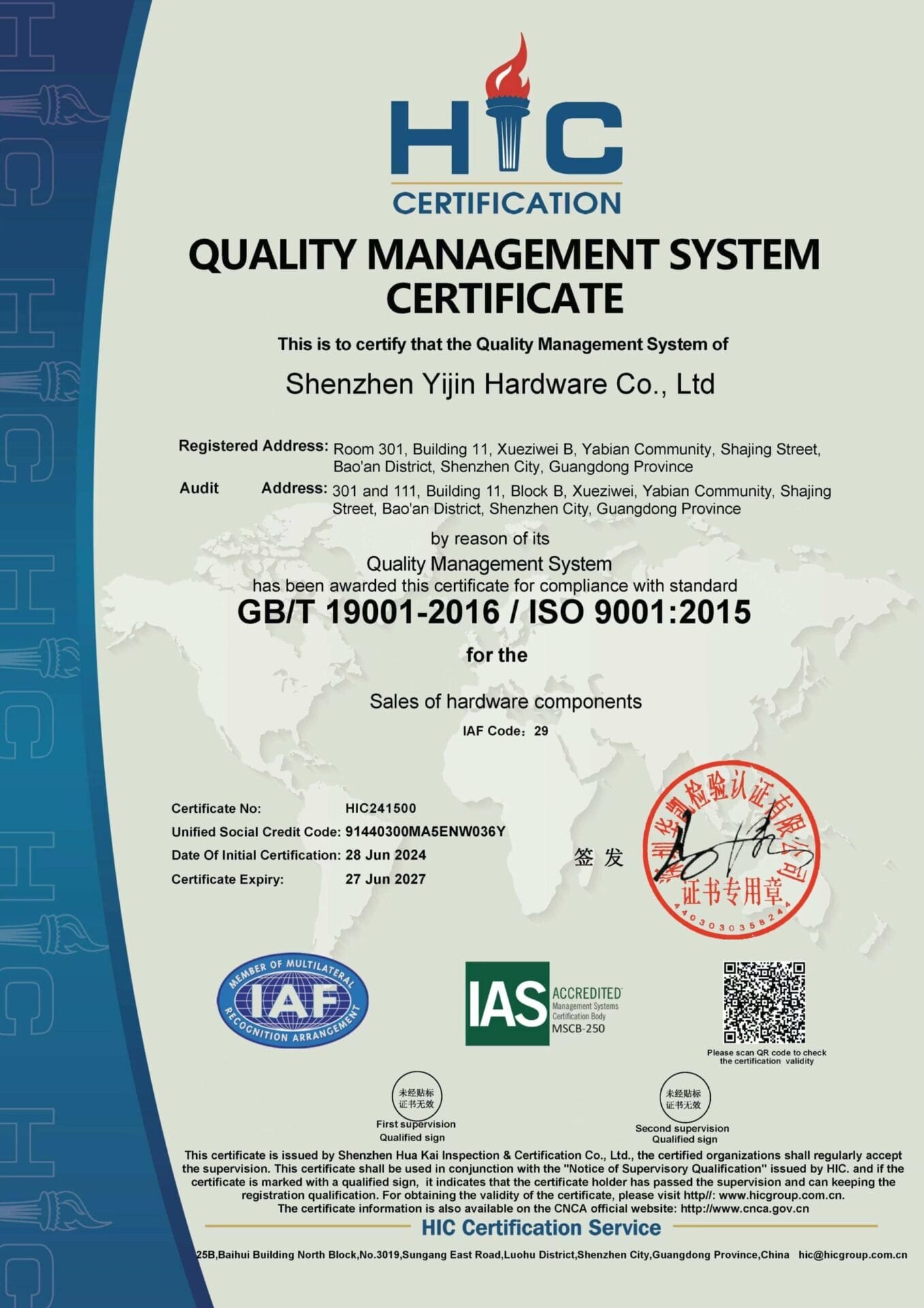
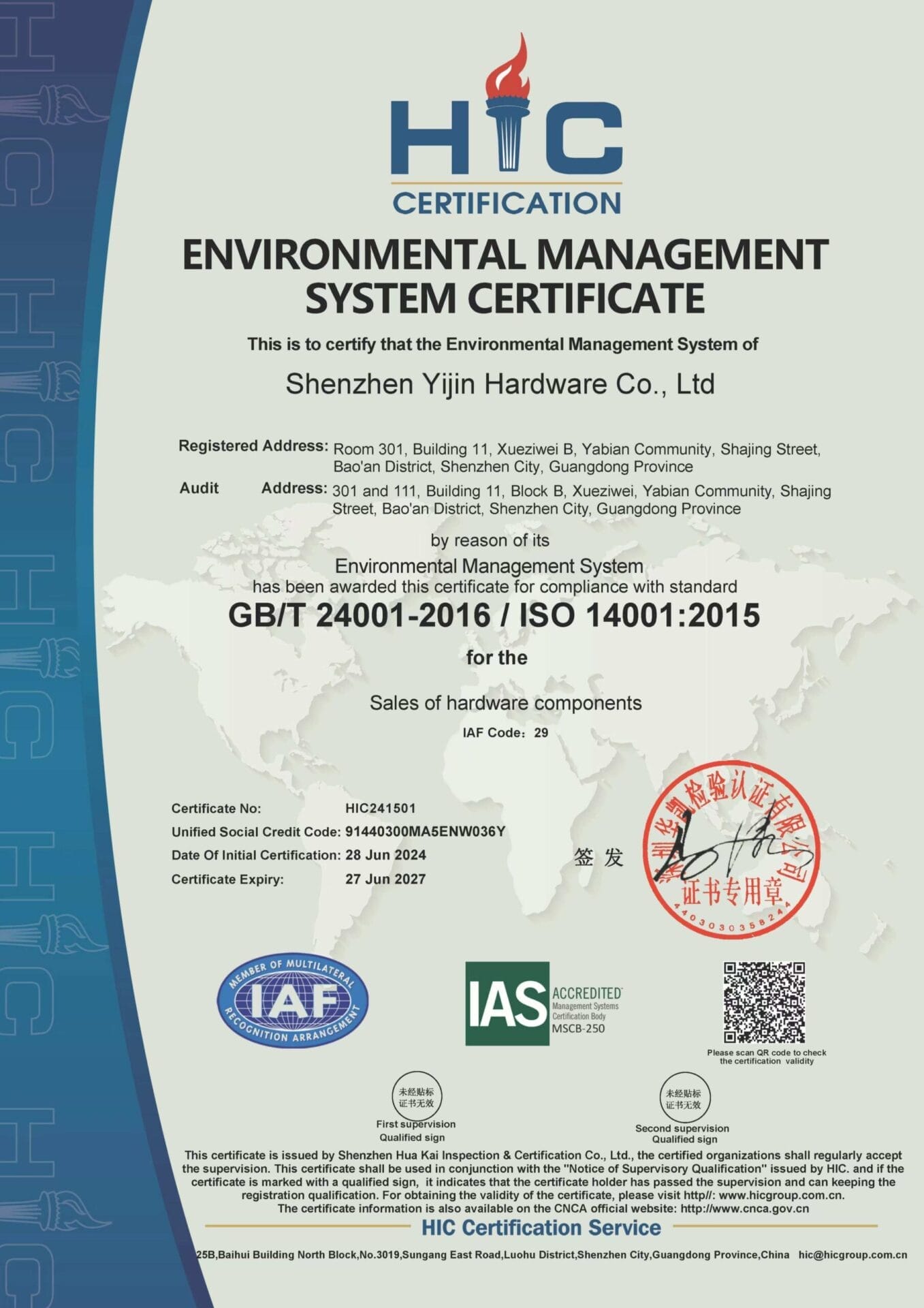
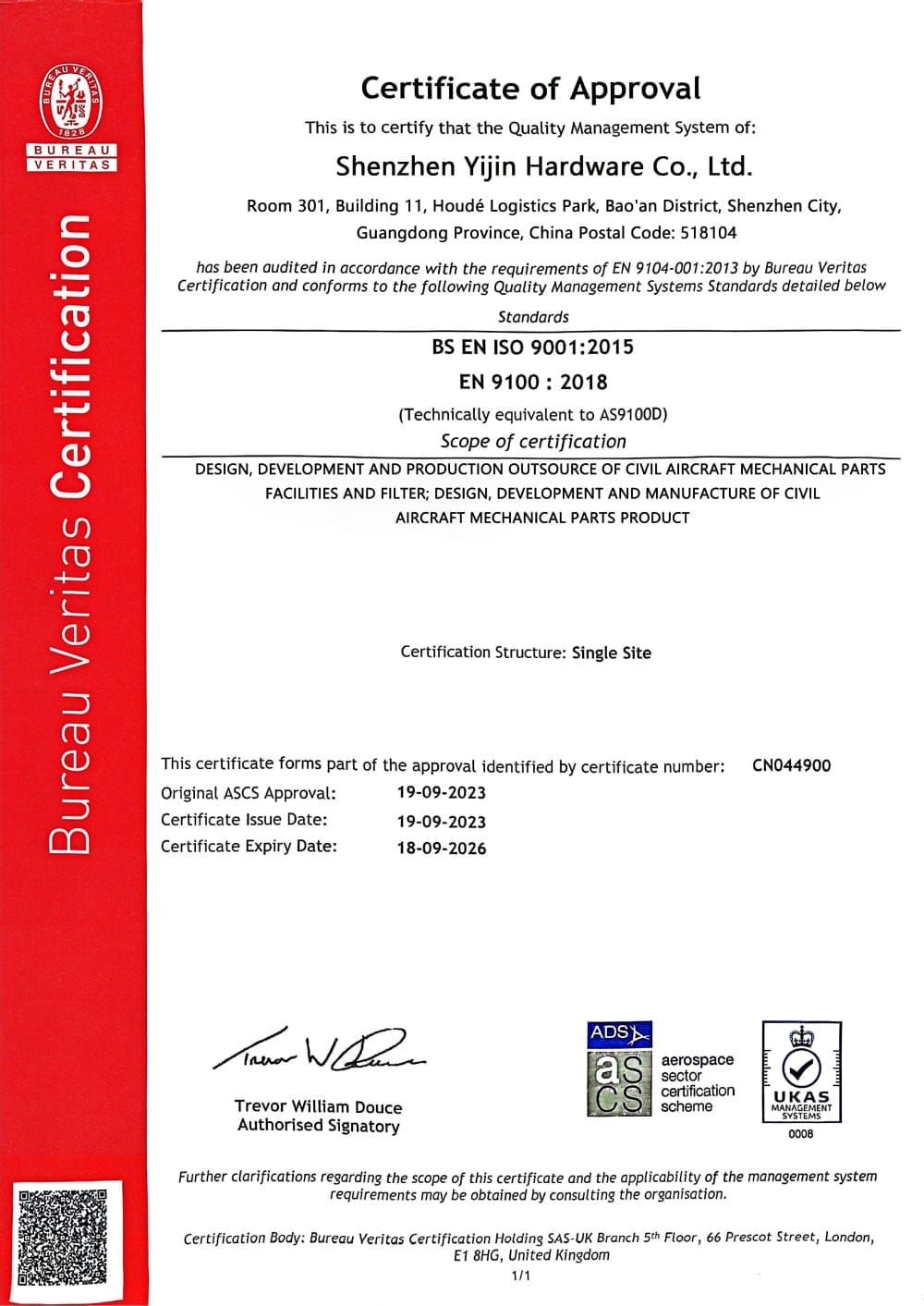
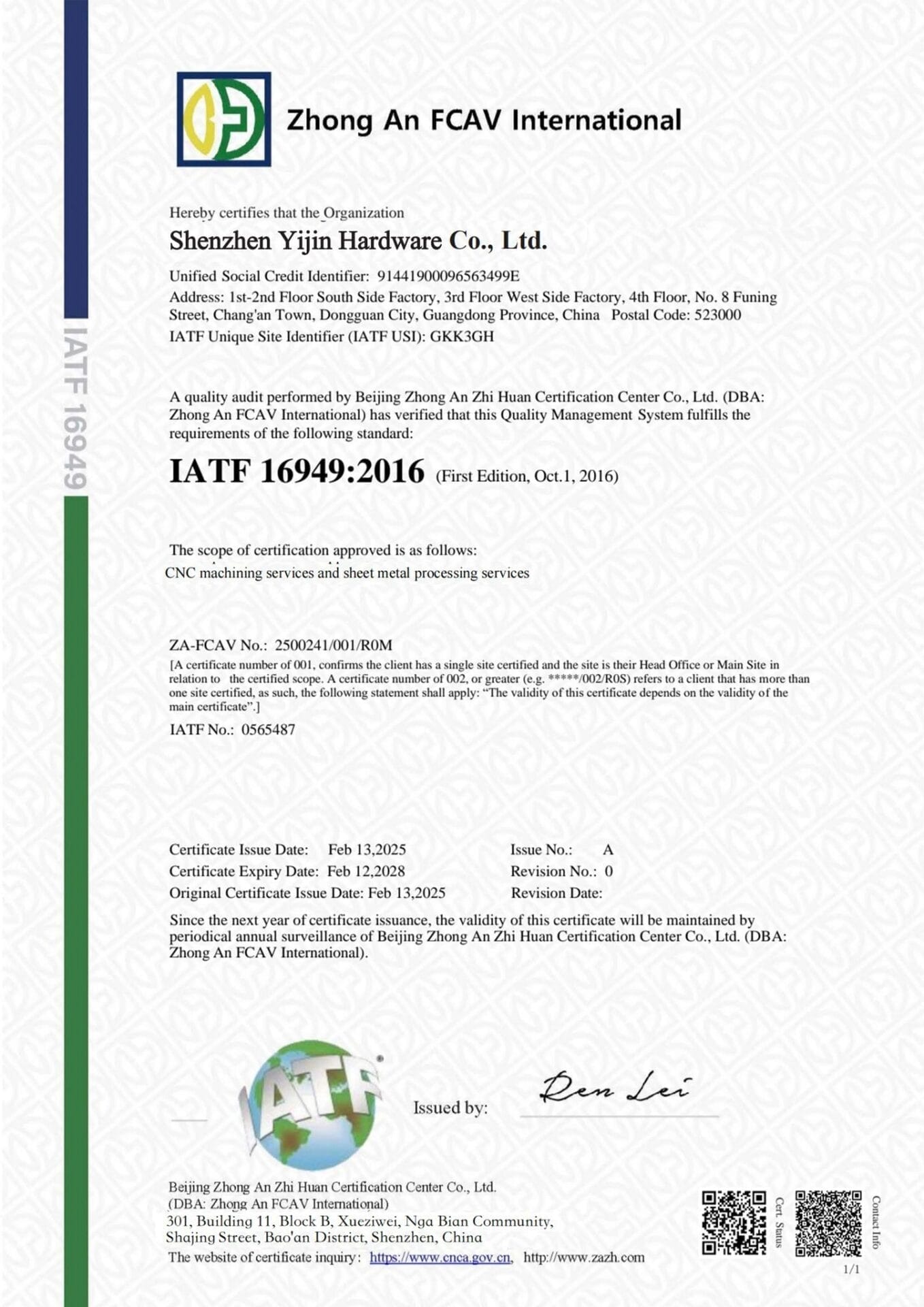
Our Certifications

Yijin Solution Sheet Metal Factory

Yijin Solution operates a 25,000+ m² sheet metal fabrication facility in Shenzhen, China. Our factory houses 30 laser cutting machines, 136+ CNC machining centers, and 281 inspection instruments — all under one roof. This means your sheet metal parts move from cutting to bending, welding, finishing, and inspection without leaving our facility.

We serve clients across North America, Europe, and Asia-Pacific. Every order ships with full dimensional inspection reports and material certifications. Our AS9100D and IATF 16949 certifications qualify us for aerospace and automotive projects, so commercial and industrial sheet metal work falls well within our quality standards.

Sheet Metal Part Gallery

Our factory produces custom sheet metal parts for aerospace, automotive, medical, marine, and industrial equipment. We handle everything from one-off prototypes to high-volume production runs in metal and plastic.

Every part is manufactured to your specifications and inspected using Zeiss CMMs and 281 testing instruments before shipping.

Start Your First Sheet Metal Project

We make it simple to go from design to delivered parts. Follow these four steps to start your sheet metal fabrication project.

Get a quote icon

Get a quote

Upload your Sheet Metal CAD to our platform, select your lead time and get an instant or 24hr Sheet Metal online quote.

Production icon

Production

We assign the most suited sheet metal fabricators to your order, with the Sheet Metal production starting immediately.

Quality control icon

Quality control

We guarantee your sheet metal part order arrives to specification, with our industry leading virtual and physical quality standards.

Delivery icon

Delivery

We ship your sheet metal parts on express services where possible, including physical delivery notes and inspection reports. You can also track your custom sheet metal fabrication parts every step of the way.

FAQs About Sheet Metal Fabrication

We answer the most common questions about sheet metal fabrication below. 

Sheet metal fabrication often involves the application of finishing techniques to enhance the appearance, durability, and functionality of the fabricated components.

Here are some common finishing options used in sheet metal fabrication:

  1. Deburring: Deburring is the process of removing sharp edges, burrs, and rough surfaces from sheet metal. It is typically achieved through mechanical methods such as grinding, filing, or sanding. Deburring improves safety, prevents injuries, and ensures smooth edges.

  2. Grinding and Polishing: Grinding and polishing are techniques used to refine the surface of sheet metal. Polishing is performed using abrasive compounds or buffing wheels to achieve a high-gloss, reflective finish.

  3. Sanding: Sanding is a process of using abrasive materials or sandpaper to achieve a smooth and consistent surface finish. It is commonly employed to remove surface irregularities, scratches, or paint coatings.

  4. Painting: Painting is a popular finishing option that provides both aesthetic appeal and protection for sheet metal components. The sheet metal surface is prepared, primed, and then painted using various procedures such as spraying, dipping, or powder coating. Painting permits the modification of color, texture, and finish.

  5. Powder Coating: Powder coating is a durable and environmentally friendly finishing method. It involves applying a dry powder electrostatically to the sheet metal surface. The coated component is then heated, causing the powder to melt, flow, and form a protective and decorative coating.

  6. Anodizing Aluminium: Sheet metal is most commonly anodized. Anodizing is the electrochemical chemical process in which a protective layer of oxide is formed on the surface of aluminum. Anodizing improves corrosion resistance, durability, and the ability to introduce different colors and finishes.

  7. Plating: Plating involves depositing a layer of metal onto the sheet metal surface through electroplating or electroless plating methods. This finishing option boosts corrosion resistance, wear resistance, and aesthetics. Chrome, nickel, zinc, and gold are common plating materials.

  8. Passivation: Passivation is a process that uses chemicals to make stainless steel sheet metal resistant to corrosion. It works by increasing the formation of a protective layer of oxide on the metal’s surface, which helps to get rid of surface contaminants like iron and other impurities.

The choice of finishing option depends on factors such as the desired appearance, functionality, environmental conditions, and budgetary considerations.

Fabrication service providers can provide guidance and expertise in selecting the most suitable finishing technique for specific sheet metal components or products.

Sheet metal technique refers to the set of manufacturing processes used to shape flat metal sheets into functional parts and assemblies. The most common techniques include cutting, bending, stamping, and joining.

Cutting methods range from laser cutting and waterjet cutting to plasma cutting and shearing. Laser cutting delivers the tightest tolerances, often within ±0.1 mm, and handles complex geometries without additional tooling. Waterjet cutting suits heat-sensitive materials because it generates no thermal distortion.

Bending uses press brakes to form angles and flanges in sheet metal. The bend radius, material thickness, and grain direction all affect the final result. Bend radii should be confirmed with your fabricator before design lock to avoid springback issues.

Stamping and forming are high-volume techniques. A die presses the sheet into shape in a single stroke or a series of progressive stages. Stamping is cost-effective above 1,000 units but requires upfront tooling investment.

Joining methods include welding (TIG, MIG, spot), riveting, and hardware insertion. The choice depends on the material, load requirements, and whether the assembly needs to be disassembled later.

Each technique serves a different purpose. The right combination depends on part geometry, material type, production volume, and tolerance requirements.

Yes. Sheet metal accepts a wide range of surface finishes, including painting, powder coating, anodizing, plating, and brushing.

Painting and powder coating are the most common options for color and corrosion protection. Powder coating is more durable than wet paint and doesn’t use solvents, making it the preferred choice for parts exposed to outdoor conditions or heavy handling. Standard powder coat thickness ranges from 60 to 80 microns.

Anodizing applies specifically to aluminum. It creates a hard oxide layer that resists scratching and corrosion. Type II anodizing is standard for cosmetic parts, while Type III (hard anodize) adds wear resistance for functional components.

For stainless steel, passivation removes surface contaminants and restores the chromium oxide layer that prevents rust. Electropolishing takes this a step further by smoothing the surface to a mirror-like finish, common in medical and food-grade applications.

Surface preparation matters as much as the finish itself. Deburring, cleaning, and priming ensure proper adhesion and a consistent result. Your fabricator should confirm the preparation steps before production begins.

Sheet metal fabrication works with a broad range of metals and alloys. The most widely used materials are steel, stainless steel, aluminum, copper, and brass.

Mild steel (such as SPCC or CR steel) is the most cost-effective option for structural parts, enclosures, and brackets. It’s easy to cut, bend, and weld, though it requires a protective finish to prevent corrosion.

Stainless Steel 304 and 316L are standard choices for corrosion-resistant applications. 316L performs better in chloride-rich or marine environments. Both grades are harder to form than mild steel, so bend radii and tooling wear should be factored into the design.

Aluminum 5052 and 6061 are popular for lightweight parts. 5052 offers better formability and corrosion resistance, making it the correct specification for enclosures and panels. 6061 is stronger and machines well, but it’s more prone to cracking during tight bends.

Copper and brass are selected for their electrical conductivity and thermal properties. They’re common in busbars, heat sinks, and RF shielding applications.

Material selection should match the part’s mechanical requirements, operating environment, and finishing needs. Your fabricator’s DFM review can identify the best material for your application before production starts.

Standard sheet metal thicknesses range from 0.5 mm to 6.0 mm for most fabrication projects. Material thinner than 0.5 mm is classified as foil, and material thicker than 6.0 mm is considered plate.

For steel and stainless steel, the most common gauges fall between 0.8 mm and 3.0 mm. Thinner gauges (0.5–1.0 mm) suit lightweight enclosures and cosmetic panels. Thicker gauges (2.0–4.0 mm) are used for structural brackets, chassis, and load-bearing components.

Aluminum sheet is typically specified between 0.5 mm and 5.0 mm. Thinner aluminum bends easily but dents more readily. Thicker aluminum provides rigidity but increases material cost and requires larger bend radii.

Thickness affects more than strength. It directly impacts bend radius limits, weld parameters, cutting speed, and overall part weight. A 1.5 mm stainless steel panel, for example, requires a minimum inside bend radius of roughly 1.5 mm to avoid cracking.

When selecting thickness, balance structural performance against weight and cost. Your fabricator can recommend the optimal gauge based on the part’s function and loading conditions.

Beyond the standard metals, sheet metal fabrication also works with specialty alloys and less common materials for specific performance requirements.

Titanium sheet is used in aerospace and medical applications where high strength-to-weight ratio and biocompatibility are required. Titanium Grade 2 is the most common sheet form. It’s corrosion-resistant and weldable, but significantly harder to form and cut than aluminum or steel.

Galvanized steel has a zinc coating that provides built-in corrosion protection without additional finishing. It’s widely used in HVAC ductwork, electrical enclosures, and outdoor equipment. The zinc layer does affect weldability, so joint design should account for this.

Spring steel (such as AISI 1095 or 301 stainless) is selected for parts that need to flex repeatedly without permanent deformation. Clips, retaining bands, and contact springs are typical applications.

Nickel alloys like Inconel 625 and Hastelloy handle extreme temperatures and aggressive chemical environments. These materials are common in energy, chemical processing, and marine industries. They’re expensive and difficult to machine, so they’re specified only when standard materials can’t meet the operating conditions.

Choosing a specialty material increases cost and lead time. Confirm availability and formability with your fabricator during the DFM review to avoid delays.

Accuracy depends on the cutting method, bending equipment, and material properties. Modern CNC-controlled equipment delivers repeatable precision across production runs.

For cutting, laser cutting achieves tolerances of ±0.1 mm on most materials. Fiber lasers handle thin sheets with minimal heat distortion, while CO2 lasers suit thicker gauges. Waterjet cutting holds ±0.13 mm and avoids thermal effects entirely. Plasma cutting is faster for thick steel but less precise, typically ±0.5 mm.

For bending, CNC press brakes hold angular tolerances within ±0.5° and positional tolerances within ±0.1 mm on flange lengths. Accuracy depends on material thickness, grain direction, and the number of bends in sequence. Each bend introduces a small cumulative error, so parts with multiple bends should have tolerances reviewed during DFM.

Punching and stamping operations typically achieve ±0.1 mm on hole positions and diameters. Tool wear gradually reduces accuracy over long runs, so inspection intervals matter for high-volume production.

To get the best accuracy from your fabricator, provide clear tolerances on critical dimensions and flag which features are functional versus cosmetic. Over-tolerancing every dimension increases cost without improving part performance.

Sheet metal fabrication covers a range of processes that convert flat sheets into finished parts. Here are the primary processes available through most full-service fabricators.

  1. Laser Cutting: Uses a focused laser beam to cut sheet metal with high precision. Suitable for complex profiles, fine features, and tight tolerances down to ±0.1 mm.

  2. CNC Punching: A turret punch press creates holes, slots, and cutouts using interchangeable tooling. It’s efficient for parts with many identical features and supports production volumes from prototype to high-volume runs.

  3. Bending and Forming: CNC press brakes bend sheet metal into angles, channels, and enclosure shapes. Multi-axis back gauges ensure repeatable flange lengths across batches.

  4. Welding: TIG, MIG, and spot welding join sheet metal parts into assemblies. TIG welding produces the cleanest welds for visible surfaces. Spot welding is faster and suits high-volume structural joints.

  5. Stamping: Progressive or transfer dies stamp sheet metal into complex shapes at high speed. Stamping is cost-effective for volumes above 1,000 units, with per-part costs dropping significantly at scale.

  6. Hardware Insertion: PEM studs, standoffs, and clinch nuts are pressed into sheet metal to provide threaded fastening points. This eliminates the need for welded nuts and simplifies assembly.

  7. Finishing: Post-fabrication processes including deburring, powder coating, anodizing, plating, and passivation. These improve corrosion resistance, appearance, and surface hardness depending on the application.

A full-service fabricator combines these processes under one roof, reducing lead times and eliminating the coordination overhead of managing multiple suppliers.

Sheet Metal Guides

Start today. Get parts made fast.

Free Machined Parts Design to Your Projects with Fast Turnaround Times.

Upload your 2D drawings and at least one 3D CAD file for a faster, more accurate quote. If you have multiple files, please compress them into a .zip or .rar. Prefer email? Send your RFQ to info@yijinsolution.com.

Drag & Drop Files, Choose Files to Upload You can upload up to 15 files.
Checkboxes
1 / 2 SERVICE

Request a Quote

Upload your design files for a fast quote, accurate lead times, and free DFM analysis.

Checkboxes
Drag & Drop Files, Choose Files to Upload You can upload up to 15 files.

Please attach your 2D CAD drawings and 3D CAD models in any format including STEP, IGES, DWG, PDF, STL, etc. If you have multiple files, compress them into a ZIP or RAR. Alternatively, send your RFQ by email to info@yijinsolution.com.