white overlay bottom.png

What is Metal 3D Printing and How does it Work?

Metal additive manufacturing uses powder bed fusion or binder jetting metal processes to build parts by selectively melting or binding fine metal powder layer by layer. DMLS and Selective Laser Melting (SLM) direct high-powered lasers onto metal powder beds, fusing metal particles at temperatures exceeding 1400 °C. Binder Jetting deposits liquid binding agent onto each layer of powder, then sinters parts in furnaces at 1100-1300 °C.

what is metal 3d printing and how does it work
white overlay top opt.png

Our Metal 3D Printing Services: DMLS and Binder Jetting

We provide DMLS for aerospace-grade functional parts requiring full density and Binder Jetting for functional metal prototypes and production parts. DMLS uses a fiber laser to melt metal powder in 20-60 μm layers, achieving ±0.1 mm dimensional accuracy and Ra 6-10 μm surface roughness. Our stainless steel 3D printing service binds 420 stainless powder with bronze infiltration.

our metal 3d printing services dmls and binder jetting metal 3d printing
how do dmls and binder jetting compare for your application metal 3d printing

How do DMLS and Binder Jetting Compare for Your Application?

DMLS produces fully dense parts with superior strength and durability for structural aerospace applications, while binder jetting metal achieves lower cost for metal prototypes and production parts. DMLS requires support structures for overhangs exceeding 45° from vertical, needing wire EDM removal. Binder Jetting self-supports overhangs in loose powder, eliminating support removal but introducing shrinkage requiring CAD compensation.

What Industries and Applications Use Metal 3D Printing?

Metal 3D printers serve aerospace, automotive, medical device, and power generation industries requiring custom parts, weight reduction, and rapid prototype development. Aerospace companies produce turbine blades, aluminum heat exchangers, and Inconel 718 fuel nozzles through topology optimization. Automotive manufacturers create exhaust manifolds, engine mounts, and restoration parts.

what industries and applications use metal 3d printing
what design considerations apply to metal 3d printing

What Design Considerations Apply to Metal 3D Printing?

Creating metal components requires minimum wall thickness 0.4 to 0.8 mm, depending on material. DMLS self-supporting angles reach 45° from horizontal, while shallower overhangs need removable supports. Design for Additive Manufacturing enables topology optimization, reducing part weight through organic lattice geometries.

What Quality Standards Govern Metal 3D Printing?

We follow ASTM F3303 for qualification of metal additive manufacturing technology machines, establishing Installation Qualification (IQ), Operational Qualification (OQ), and Performance Qualification (PQ) protocols. Parts undergo coordinate measuring machine (CMM) inspection. Material certification includes mill test reports per ASTM E1479 and tensile testing per ASTM E8.

what quality standards govern metal 3d printing
why choose yijin hardware for metal 3d printing service

Why Choose Yijin Hardware for Metal 3D Printing Service?

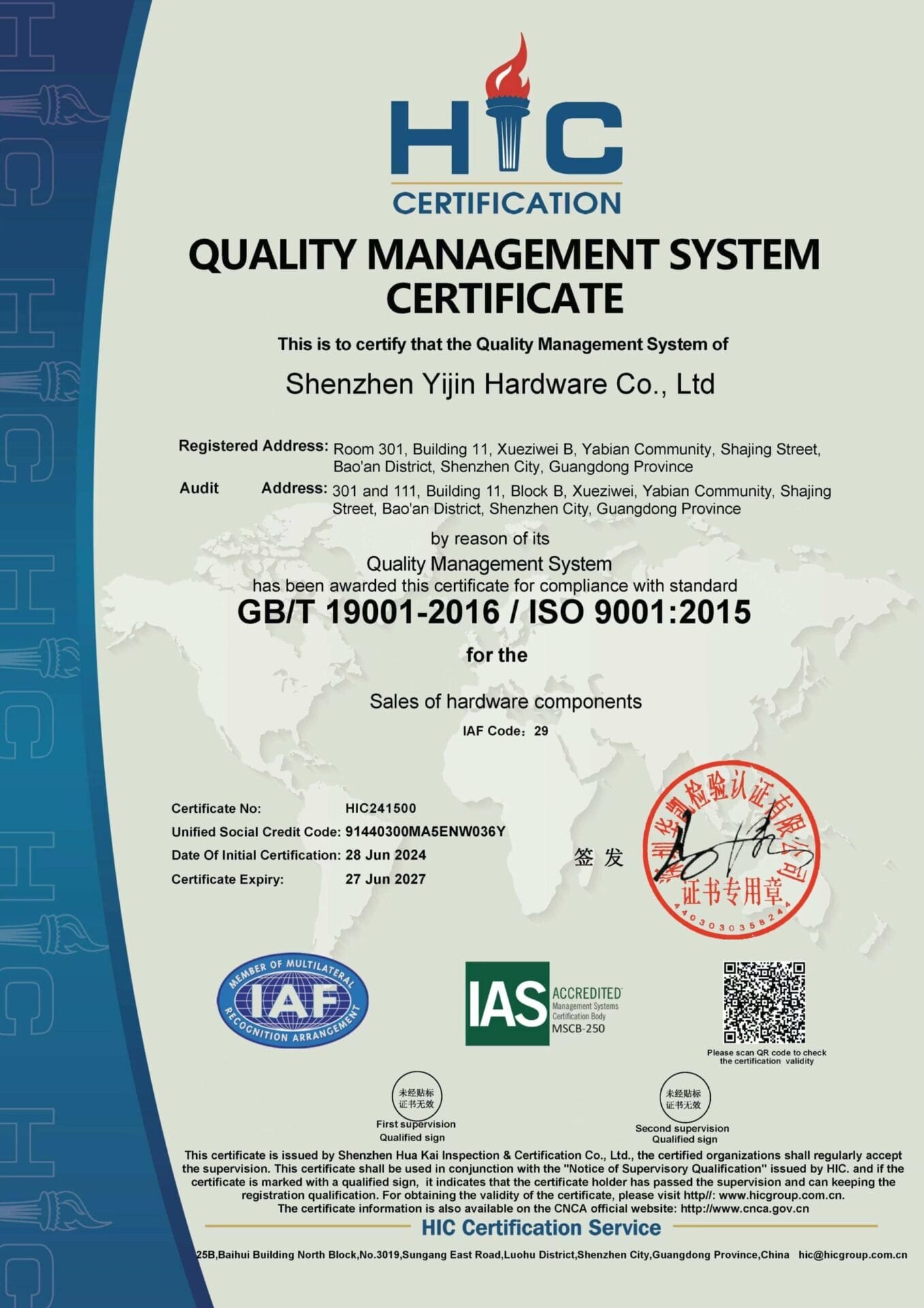
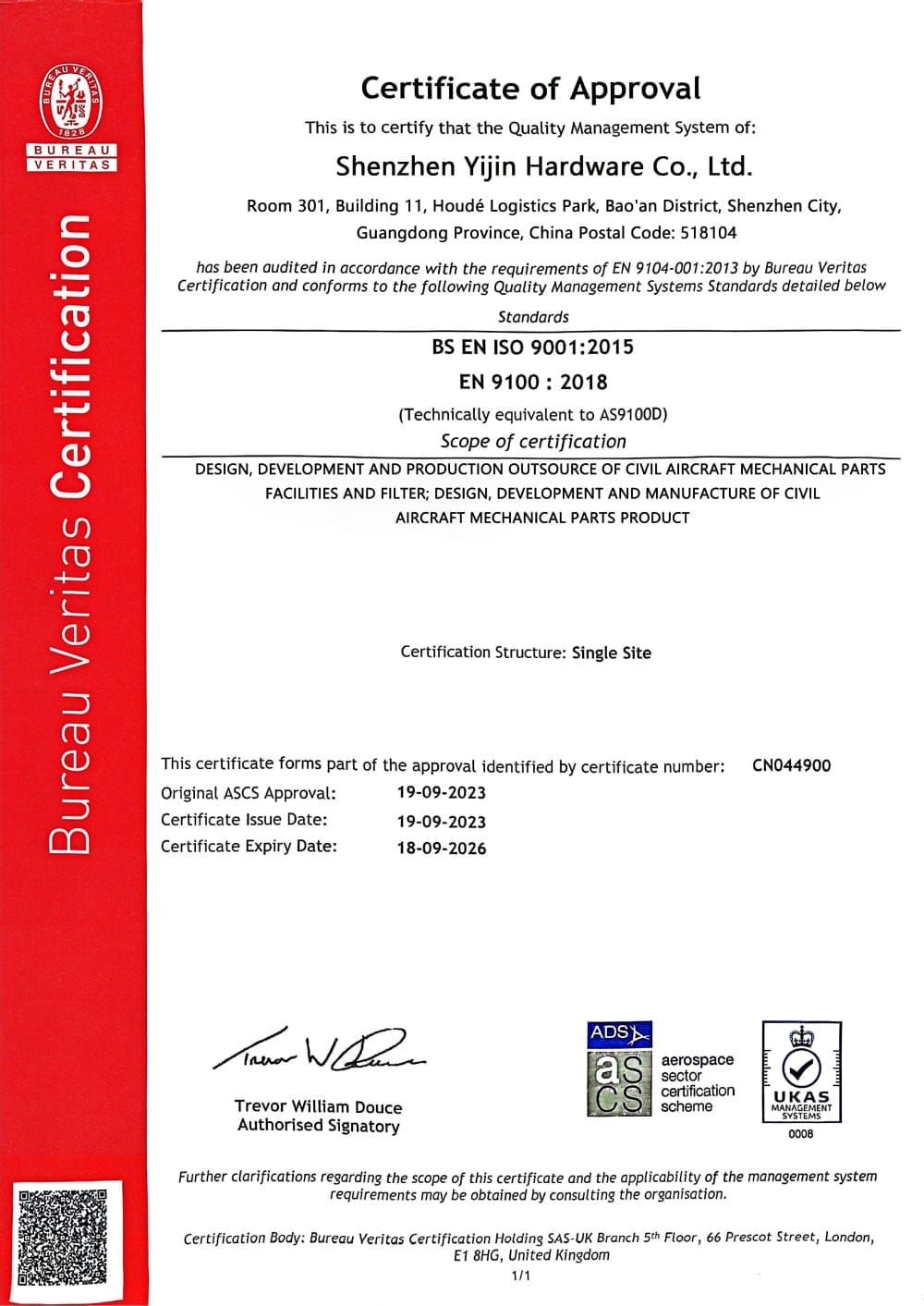
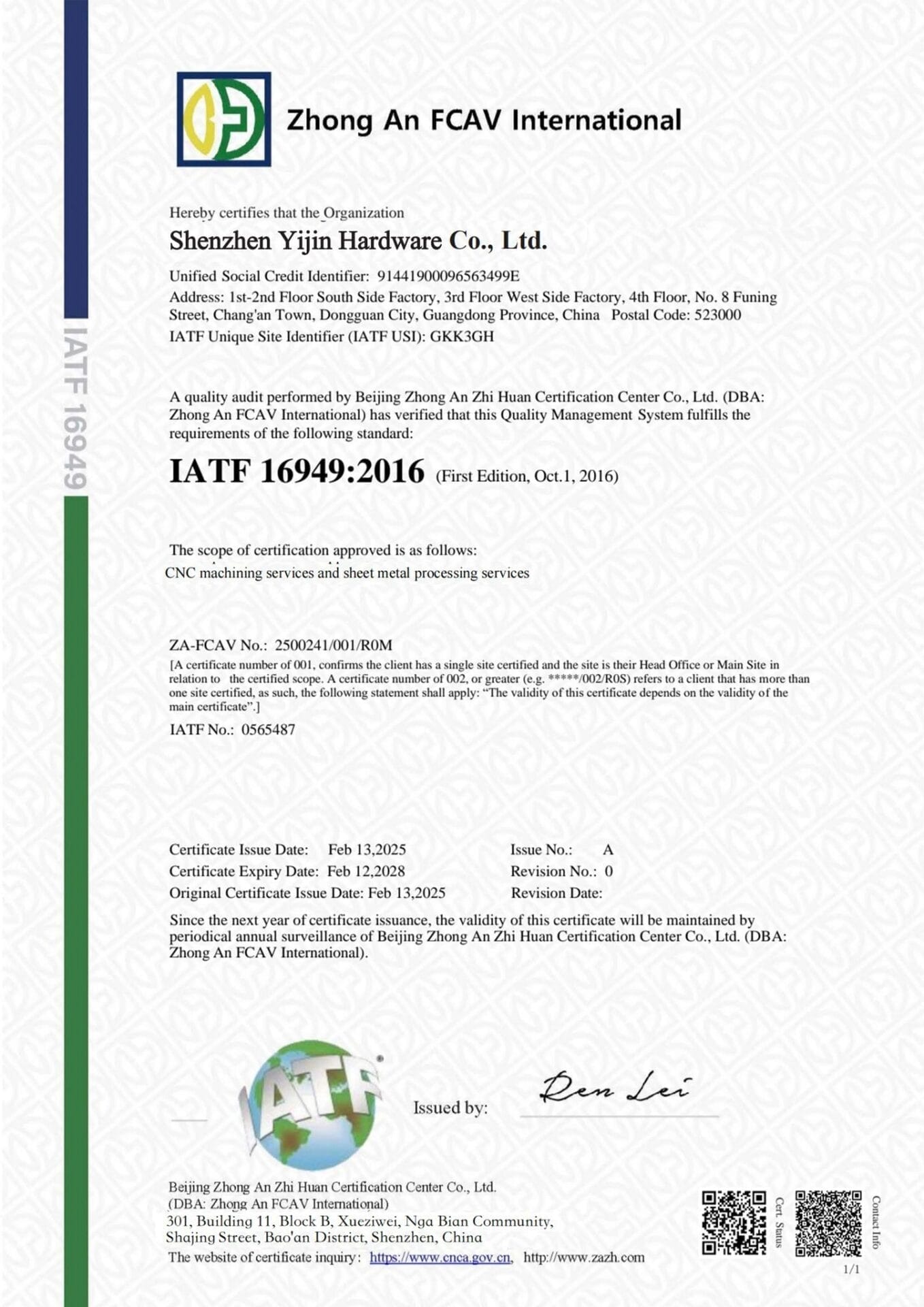
We combine metal 3D printing material expertise with comprehensive machining for hybrid manufacturing, delivering quality metal parts with precision-machined features. Our engineers provide design consultation, identifying part consolidation opportunities and cost savings. With ISO 9001:2015 and AS9100D certifications, we maintain quality from powder qualification through inspection, helping get products to market faster.

white overlay bottom.png

What Our Clients Say

Marcus L. ★★★★★
Insert Molding Service
YIJIN’s insert molding service was fast and precise. Our custom components came out flawless, meeting tight tolerances and quality standards. Highly recommend for efficient production.
2025-10-27
Sarah K. ★★★★★
CNC Machining Service
Excellent CNC machining from YIJIN! The parts were accurately milled with tight tolerances. Communication was smooth and delivery on time. Perfect for prototype and production runs.
2025-10-27

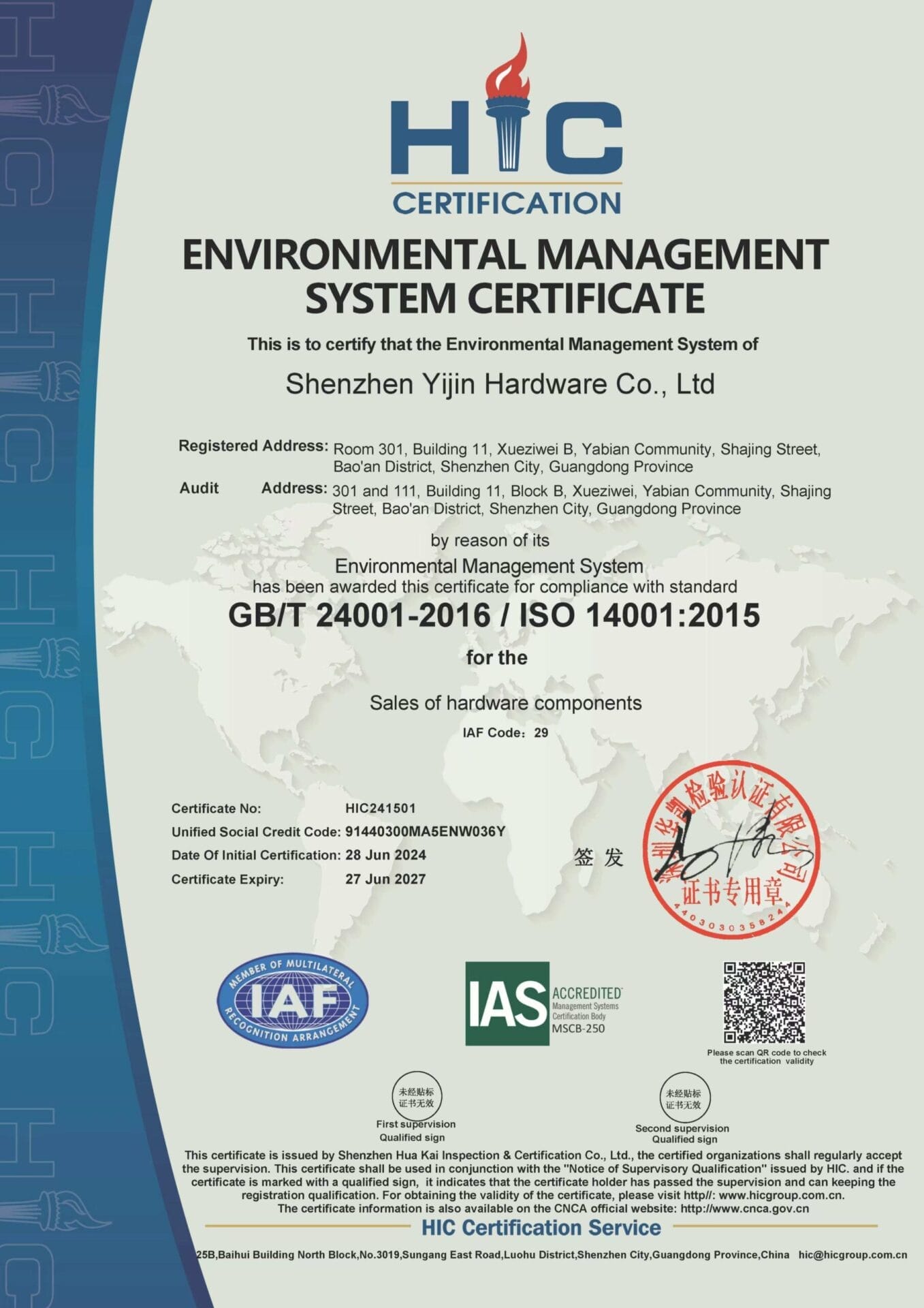
Yijin Hardware Factory

Certificate

Metal 3D Printing Services FAQs

Metal 3D printing proves cost-effective for parts requiring complex geometries like conformal cooling channels or consolidating assemblies. The technology eliminates tooling costs and long lead times. For simple geometries, machining remains economical at higher volumes.

Support removal adds labor and produces a rougher finish than machining. Parts show residual stresses requiring heat treatment. Build failures from contamination waste significant time.

Surfaces angled less than 45° from horizontal require supports in powder bed fusion to prevent collapse. Surfaces exceeding 45° self-support as layers bond to sufficient underlying material. Violating this creates rough finish or failures.

CNC Resources

Start today. Get parts made fast.

Free Machined Parts Design to Your Projects with Fast Turnaround Times.

en_USEN

Please attach your 2D CAD drawings and 3D CAD models in any format including STEP, IGES, DWG, PDF, STL, etc. If you have multiple files, compress them into a ZIP or RAR. Alternatively, send your RFQ by email to info@yijinsolution.com.

Click or drag files to this area to upload.You can upload up to 15 files.
Checkboxes

Please attach your 2D CAD drawings and 3D CAD models in any format including STEP, IGES, DWG, PDF, STL, etc. If you have multiple files, compress them into a ZIP or RAR. Alternatively, send your RFQ by email to info@yijinsolution.com.

3D Drawing Formats: .step/.stp, .dwg, .m3d, .x_t, .sldprt, .stl, .CATPart, .CATProduct, .iges/.igs
2D Drawing Formats: .dwg, .cdw, .SLDDRW, .scr

Compressed Formats: .zip, .rar, .7z

Image Formats: .pdf, .jpg/.jpeg, .gif, .png, .webp, .tif/.tiff

Video Format: .mp4

Office Formats: .txt, .docx, .xlsx, .ppt, .ods