Precision CNC Machining for Consumer Goods & Electronics
We build parts for things you use every day. Here at Yijin Solution, our CNC machining makes parts for consumer products you probably have in your home right now. Got a smartphone? We might have made some parts of it. Kitchen gadgets? Those too.
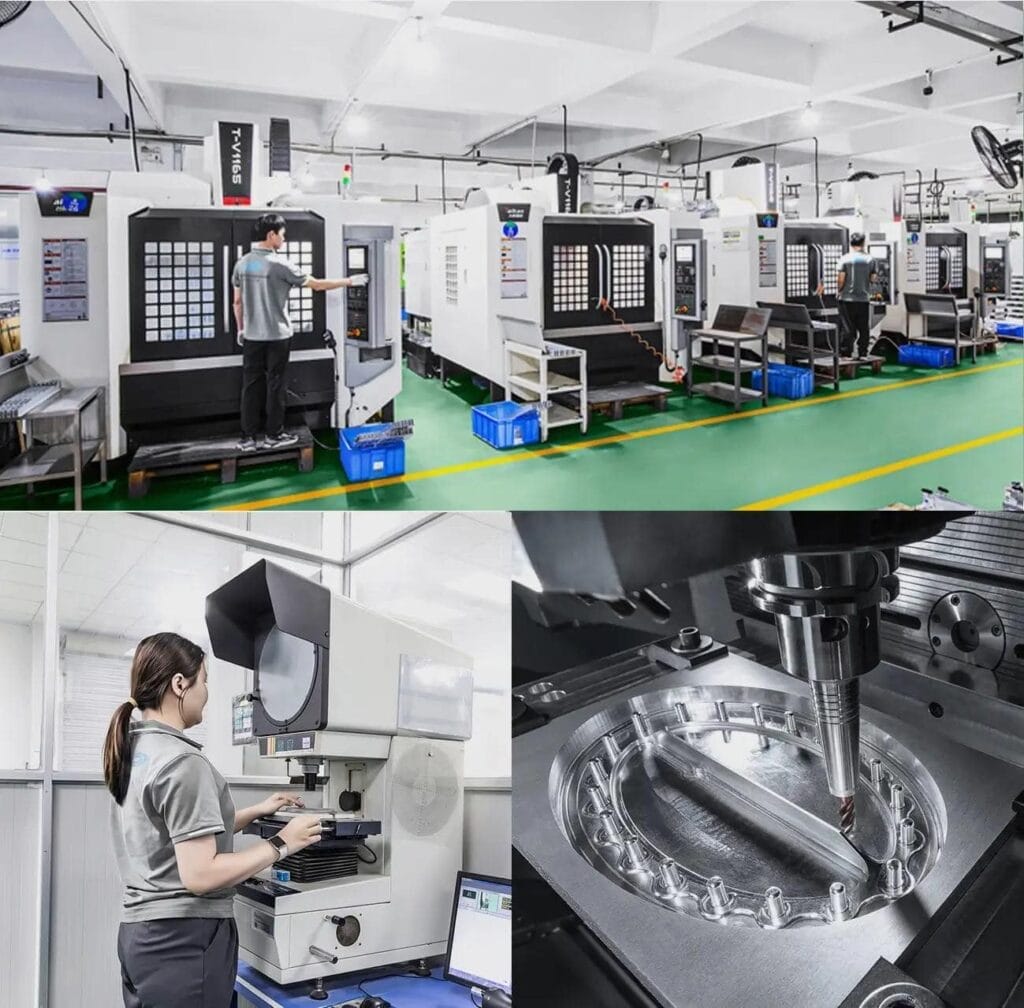
Our machines are highly calibrated for consumer products. We have workshops in China and Florida where we make parts for several different industries.
- ⬤Service
- ⬤Your Details
- ⬤Submit


CNC Machining for Consumer Products | What is It?
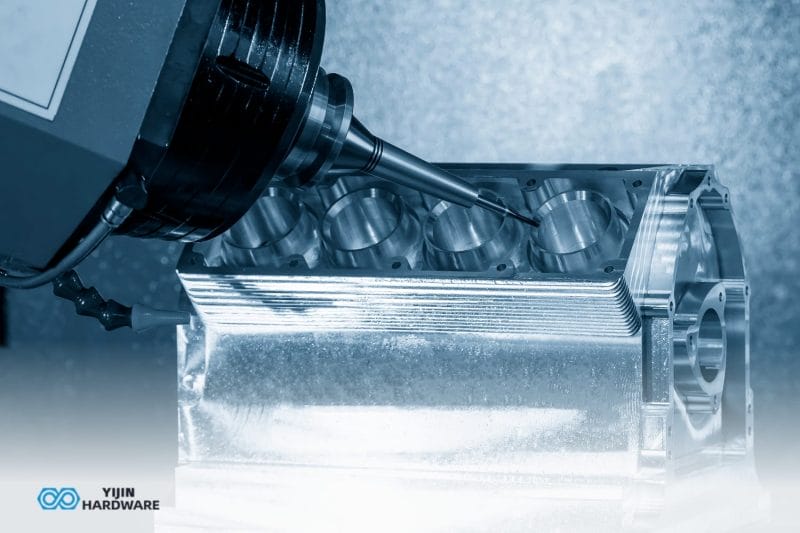
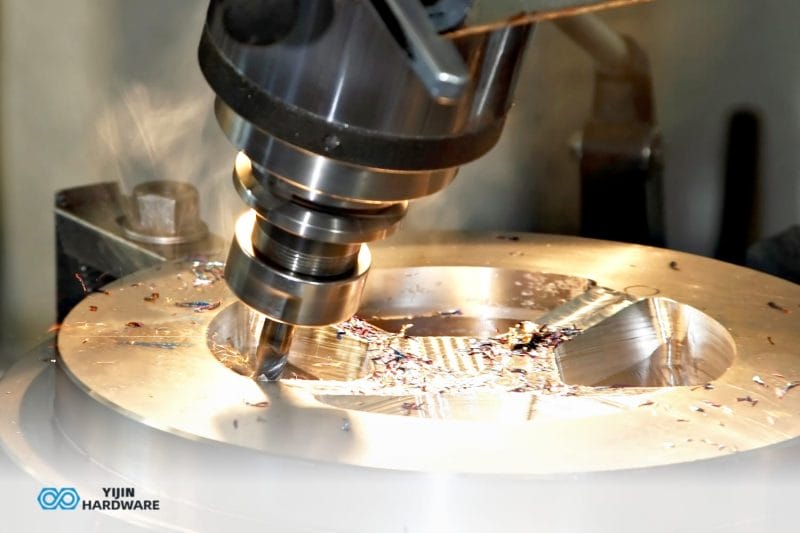
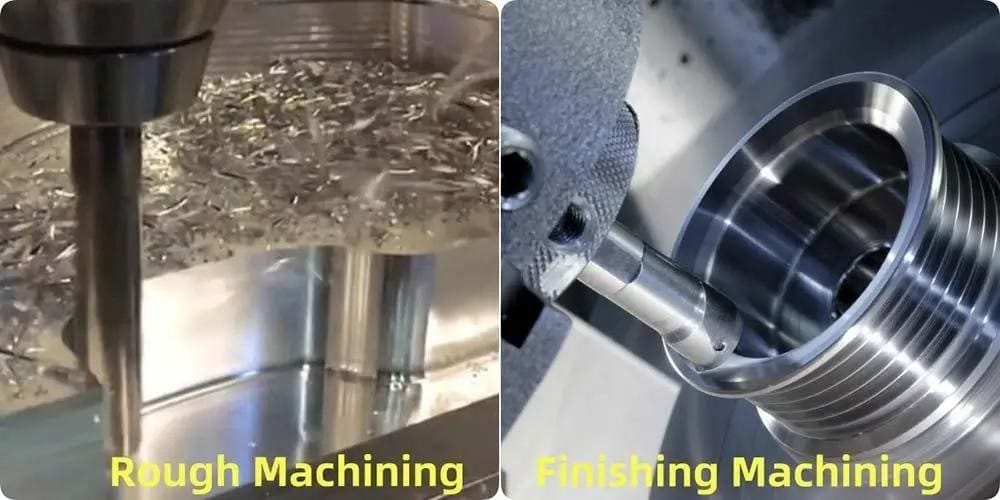
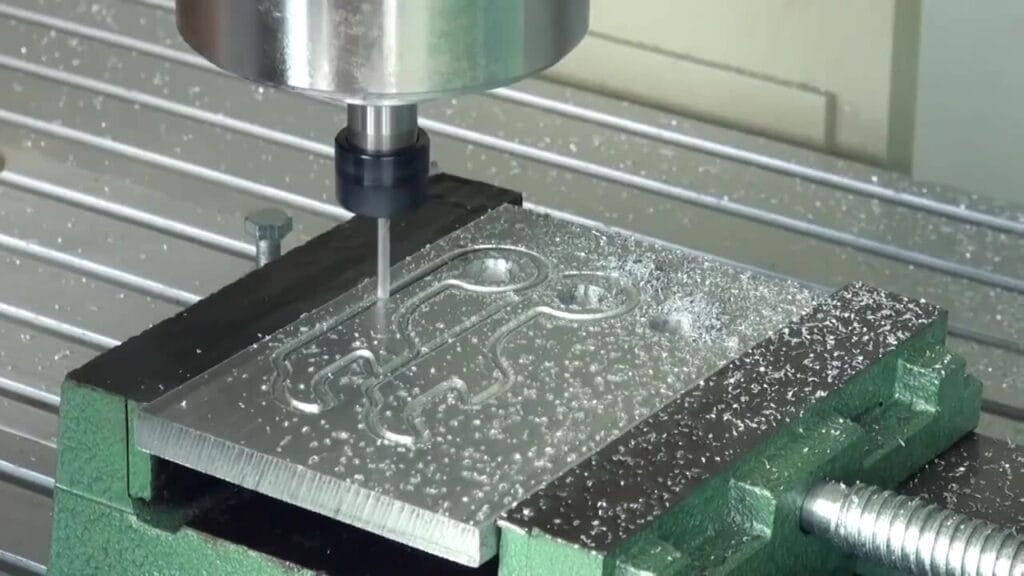
CNC is Computer Numerical Control. We give the computer instructions and a design. They follow these exactly. The machine starts with a block of material, then it cuts away the parts it doesn’t need. What’s left is your perfect part!
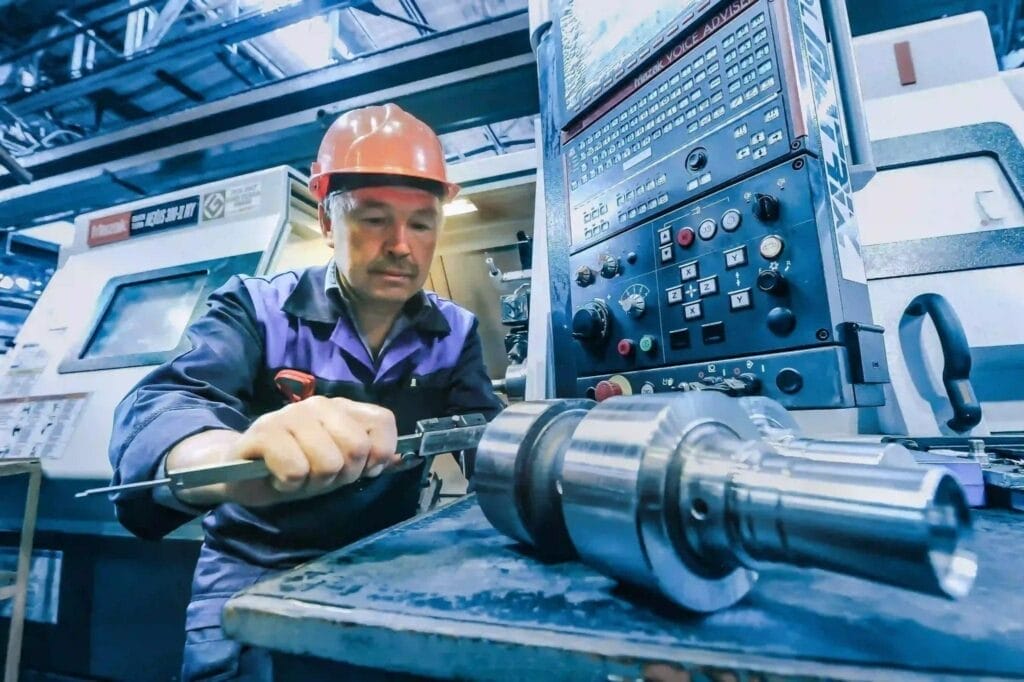
We use this process to make all kinds of consumer goods. Our machines can mill complicated shapes from aluminum, steel, and plastic. We work with a range of materials. Need just one prototype? We can do that. Need thousands of identical parts? We handle that too. Our CNC machine services work great for both.


What CNC Machining Services do We Offer for Consumer Products?
Yijin Solution provides complete consumer goods machining services designed specifically for modern manufacturing needs. Our capabilities are:
Multi-Axis Machining Work
- 3-axis CNC milling for normal parts
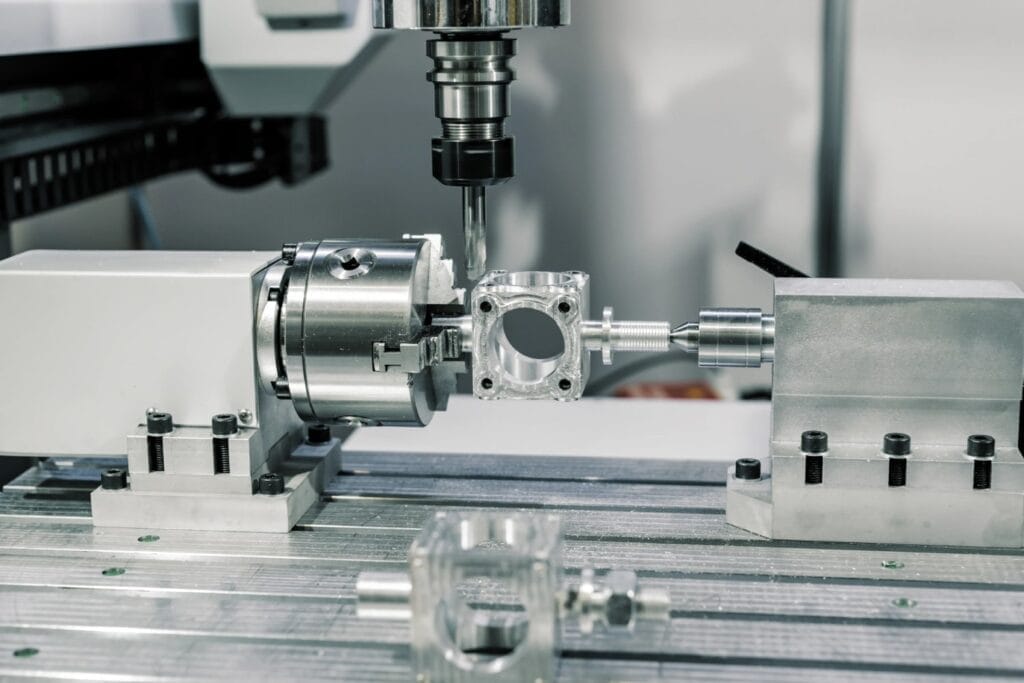
- 4-axis machining for complicated curved surfaces
- 5-axis simultaneous machining for intricate geometries
- EDM (Electrical Discharge Machining) for ultra-precise features
Material Expertise
- Aluminum alloys (6061, 7075) for lightweight, durable components
- Stainless steel (304, 316) for kitchen and bathroom applications
- Engineering plastics (ABS, PC, POM, PEEK) for electrical and lightweight requirements
- Specialty materials: titanium, brass, copper, and composites
Comprehensive Services
- Rapid prototyping (10–15 day turnaround)
- Low-volume production (10–500 units)
- Mass production capabilities (500+ units)
- Full inspection with CMM verification
| Service Type | Capabilities | Applications | Materials |
|---|---|---|---|
| CNC Milling | 3-5 axis machining, tolerances to ±0.1 mm | Complex housings, components | Aluminum, steel, plastics |
| CNC Turning | Precision cylindrical parts, threading | Knobs, connectors, fittings | Aluminum, brass, steel |
| Prototyping | 10–15 day turnaround, DFM feedback | Product validation, testing | All materials |
| Production | Runs from 10-10,000+ units | Market-ready components | All materials |
What Should You Check Before Sending a Consumer Product Design for CNC Machining?
A short design review before you submit your file catches problems that get expensive to fix later. Our free DFM review covers these points on every consumer product part.
Design for Manufacturability (DFM) Checklist
- Wall thickness: Keep walls above 0.5 mm for metals and 1 mm for plastics to avoid warping during machining.
- Internal corners: Specify a radius wherever two walls meet. Sharp internal corners need a tool change and add cost.
- Tolerances: Apply tight tolerances only where fit or function requires them. A standard ±0.1 mm is enough for most features.
- Deep pockets: Keep pocket depth under four times the pocket width so standard tooling can reach the full depth.
- Threads and inserts: Confirm thread type and insert placement early. Both affect tooling and assembly cost.
- Surface finish: Match the finish to the part’s use. A cosmetic housing needs a different finish than an internal bracket.
Send us your CAD file, and our engineers will flag any of these issues, along with a cost estimate, within 24 hours.


Which Materials Work Best for Consumer Product CNC Machining?
Aluminum alloys provide the optimal balance of lightweight properties, excellent machinability, and superior aesthetics for consumer products. Aluminum 6061-T6 offers versatility across electronics housings, kitchen tools, and decorative components due to its strength-to-weight ratio and compatibility with anodizing finishes.
Top Materials for Consumer Applications:
We select materials based on specific product requirements and performance needs. Different materials offer unique advantages for consumer applications, from lightweight metals to specialized plastics in various industries.
Metals
- Aluminum 6061-T6: Best all-around performance, excellent for electronics housings
- Aluminum 7075: Higher strength for premium applications, machines 3–4 times faster than steel
- Stainless Steel 304/316: Superior corrosion resistance for kitchen products and bathroom fixtures
- Brass C360: Excellent for decorative components with premium appearance
Plastics
- ABS: Cost-effective for consumer electronics enclosures
- Polycarbonate (PC): Transparent applications with impact resistance
- POM (Delrin): Low friction properties for moving parts
- PEEK: High-performance applications requiring heat resistance
Our material selection process delivers versatility through carefully chosen options that balance functionality, environmental factors, cost constraints, and aesthetic goals for your specific application.
How do We Ensure Quality in Consumer Product Manufacturing?
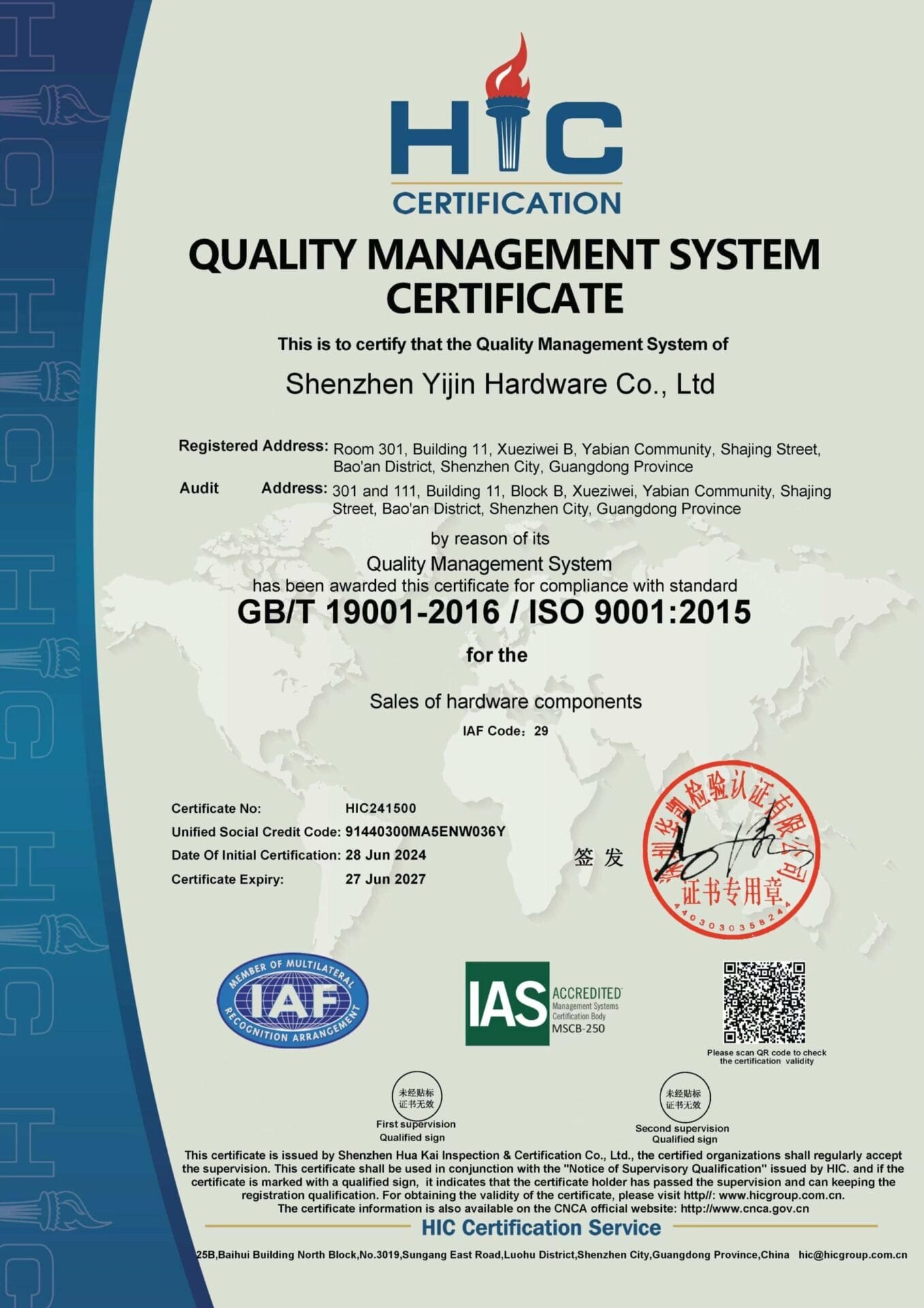
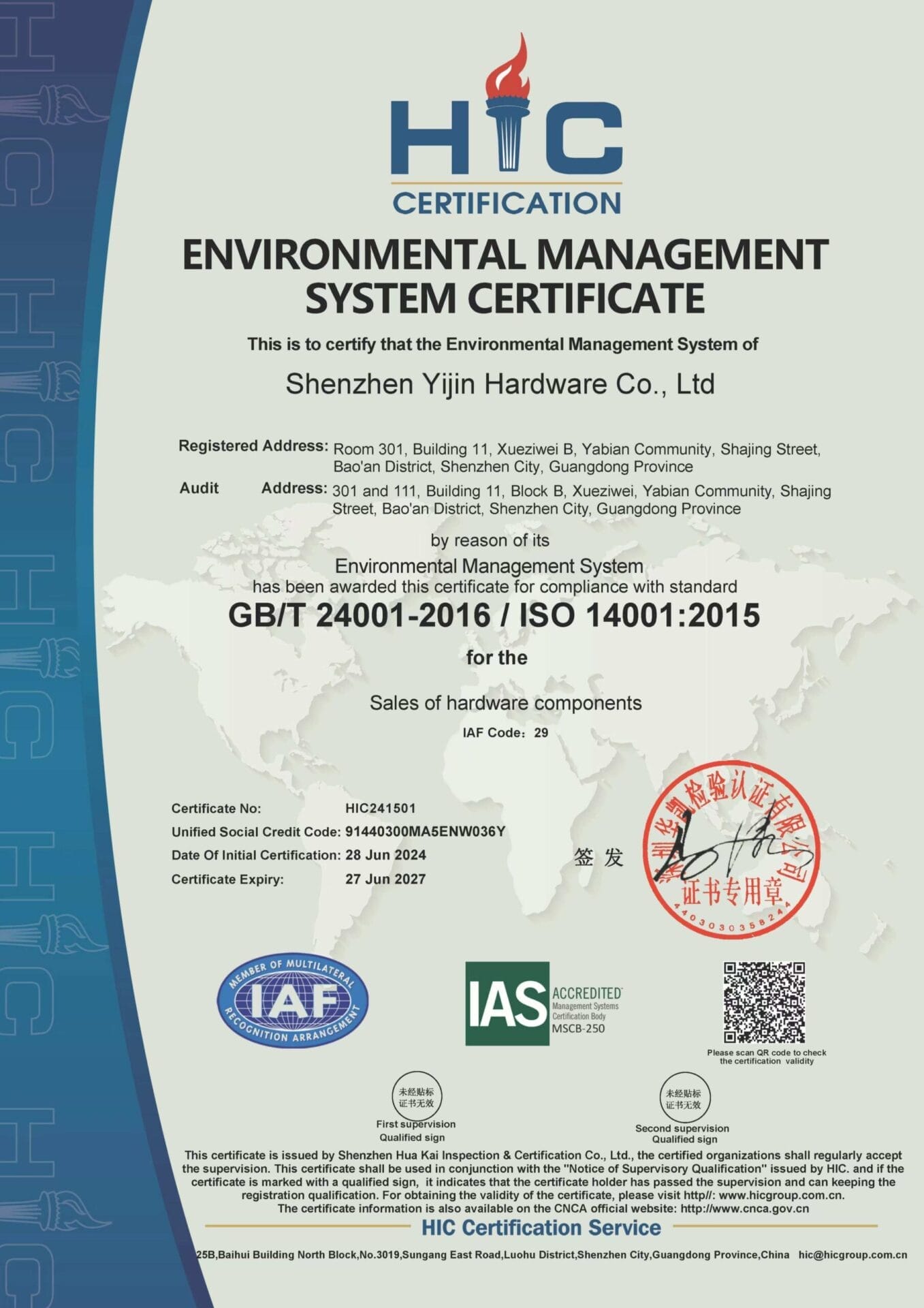
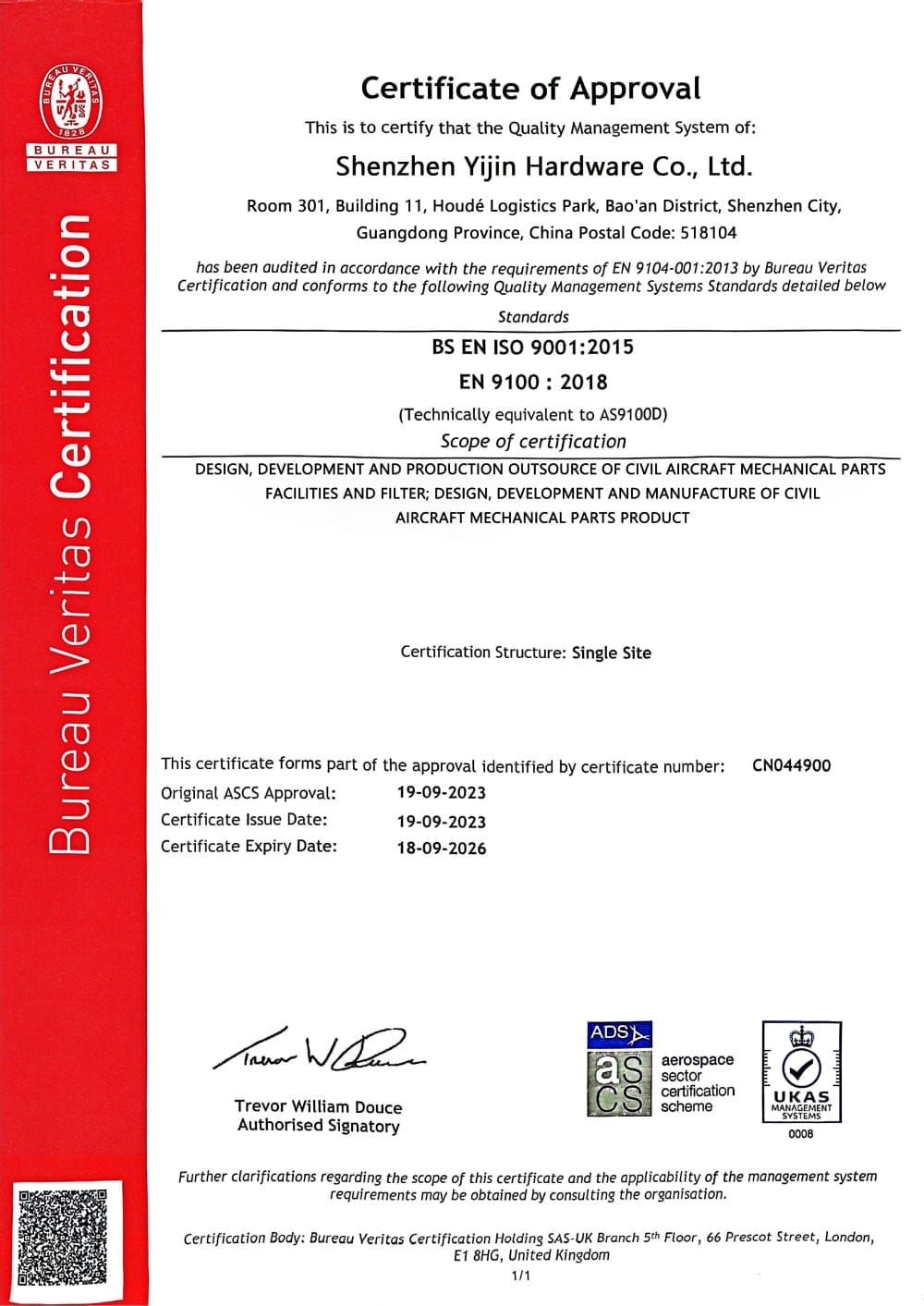
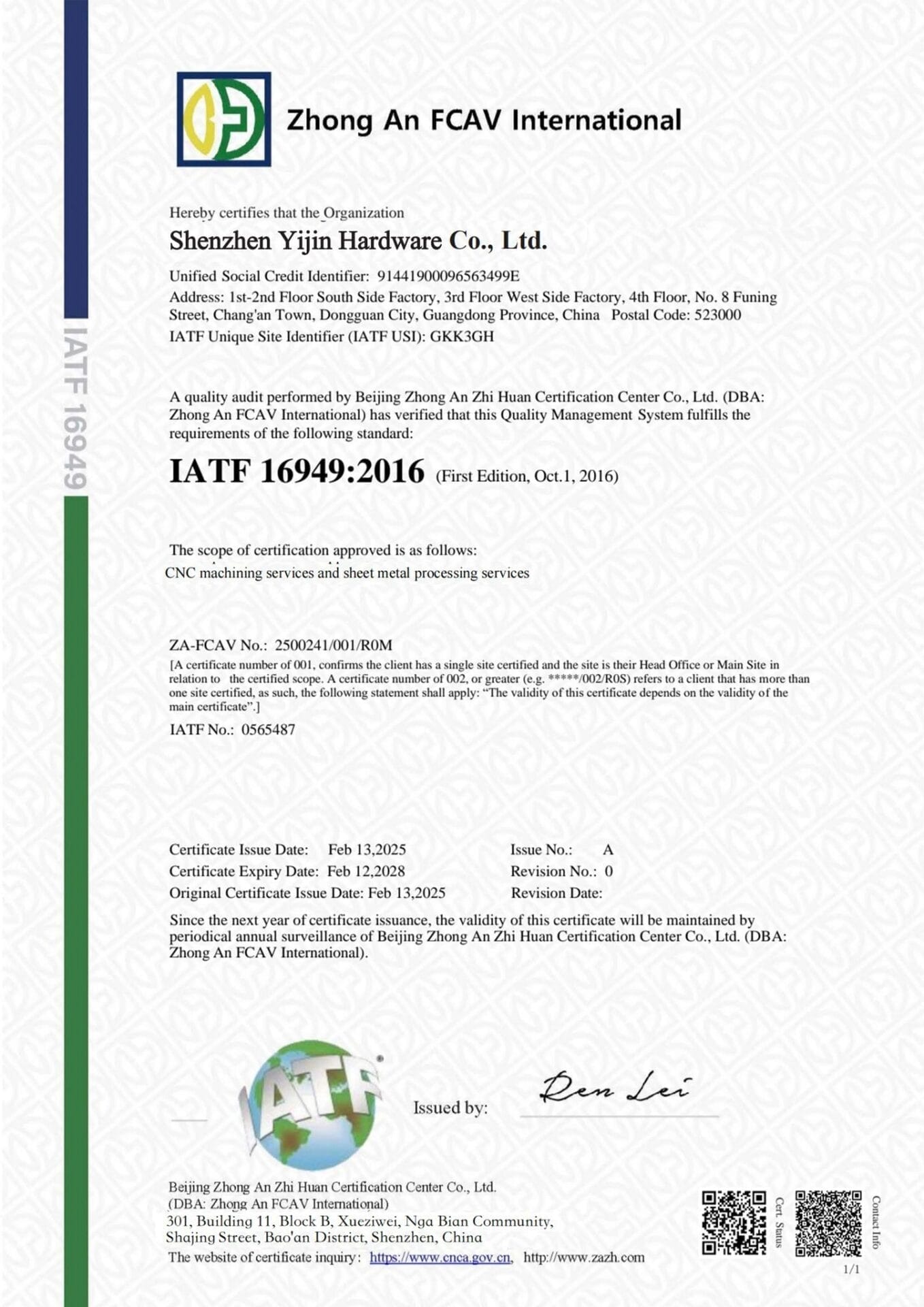
Yijin Solution implements ISO 9001-certified quality management systems throughout our machining process. Our comprehensive approach includes:
Inspection Technologies
- Coordinate Measuring Machines (CMM) with high precision to 0.001 mm
- Optical measurement systems for surface finish inspection
- Material hardness testing equipment
- 3D scanning for complex geometries
Quality Assurance Process
- Raw material verification and certification
- First article inspection (FAI) before production
- In-process inspections at critical manufacturing stages
- Final dimensional verification against ISO 2768 tolerance standards
- Surface finish and visual inspection under controlled lighting
Documentation and Compliance
- Material certifications and traceability
- Dimensional inspection reports
- Surface finish verification
- Functional testing results
- RoHS and REACH compliance for applicable products
We perform additional appearance inspections for consumer-facing components, ensuring both functional precision and aesthetic quality that meets the expectations of premium brands.
What Is the Environmental Impact of CNC Machining for Consumer Products?
CNC machining removes material to create your part, so waste and recycling matter here more than in molding processes. We track both to keep your project’s footprint low.
Material Yield and Recycling
Aluminum and steel chips from CNC machining are fully recyclable. We route scrap metal from every job to certified recyclers instead of landfill, recovering value from material that would otherwise go to waste.
Energy and Material Efficiency
CNC centers cut on demand, so there is no idle mold heating and no extra material sitting in inventory. You pay for the material your part actually uses, plus the recyclable scrap we recover on your behalf.
If sustainability reporting is part of your product launch, ask your account engineer for yield and recycling data specific to your part.


What Consumer Products Can Be Made with CNC Machining?
CNC machining excels at creating precision components for a wide variety of consumer products. We produce parts for almost any consumer good requiring durability, precision, and aesthetic quality.
Electronic Devices
- Smartphone and tablet frames
- Laptop housings and internal brackets
- Camera bodies and lens components
- Audio equipment enclosures and controls
- Heat sinks and thermal management components
Home and Kitchen Products
- Premium knife handles and kitchen tool components
- Faucet parts and bathroom fixtures
- Decorative hardware and furniture components
- Specialty cookware elements and serving tools
- Appliance components requiring precision
Personal Care and Lifestyle
- Electric shaver components
- Hair styling tool housings
- Premium writing instrument bodies
- Watch cases and jewelry elements
- Luxury brand product components
Recreational Equipment
- Bicycle components and accessories
- Fishing reel parts and outdoor equipment
- Drone frames and components
- Gaming accessories and controllers
- Musical instrument components
Our mill capabilities allow us to produce parts with both the precise mechanical functionality and premium aesthetics these consumer products demand.
How Does CNC Machining Cost Compare to Injection Molding?
Cost becomes the deciding factor once your design is locked in. CNC machining and injection molding solve the same problem through different economics, and the right choice depends on your volume.
Tooling Investment
Injection molding needs a steel or aluminum mold before you can produce a single part. Molds for consumer products typically run $2,000 to $25,000, depending on part complexity and cavity count. CNC machining needs no tooling. You send us your CAD file, and we start cutting the same week.
Where the Break-Even Point Falls
For most consumer parts, CNC machining stays cheaper up to 500–1,000 units. Past that range, injection molding’s lower per-part cost outweighs its tooling expense. We calculate the exact crossover point for your part before you commit to either process.
When CNC Machining Wins on Cost
- Prototype and pre-production runs under 500 units
- Designs that still need revisions before a mold is worth cutting
- Parts with tight tolerances that molded plastic cannot reliably hold
- Specialty products in volumes too low to justify a mold
Our engineers review your volume forecast during quoting. If injection molding would save you money, we tell you, even when that means recommending a different process.
How does Our CNC Process Take You from Prototype to Production?
Our CNC manufacturing process follows a clear, structured pathway from concept to finished product. We manage every stage of development, ensuring seamless transitions between prototyping and full production.
1. Design and Engineering Phase
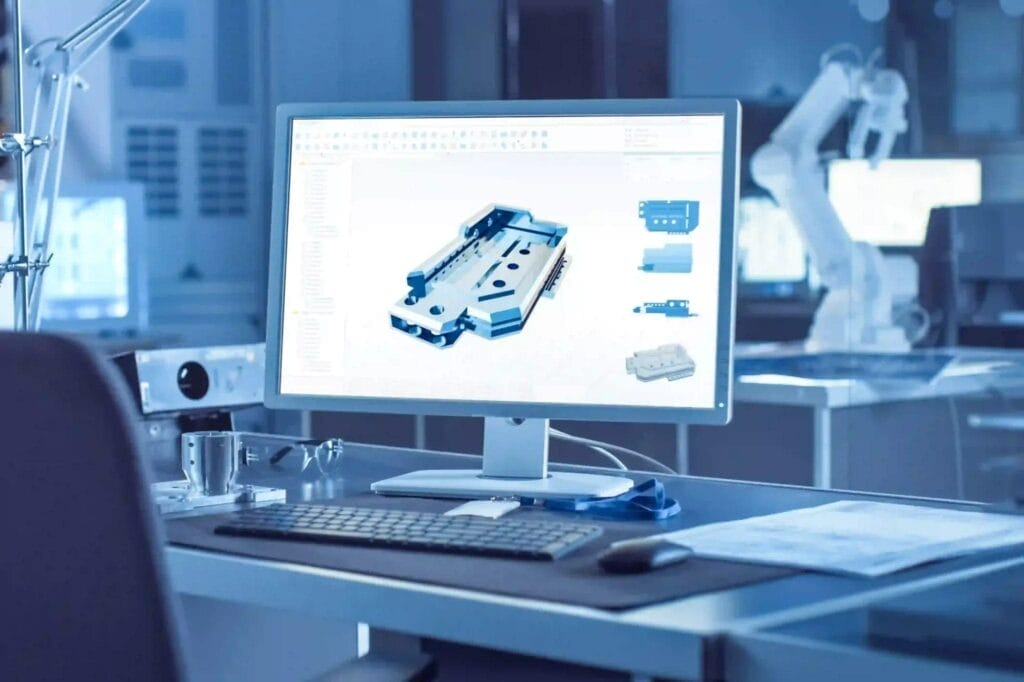
- Design Review: We analyze your CAD files for manufacturability
- DFM Optimization: Our engineers suggest modifications to improve quality and reduce costs
- Material Selection: We recommend optimal materials based on your requirements
- Process Planning: We develop detailed manufacturing strategies
- Timeframe: Typically 1–3 days
2. Prototyping Phase
- Toolpath Programming: Creating precise machine instructions
- Material Preparation: Cutting stock to size, preparing for machining
- CNC Operation: Producing initial samples using production equipment
- Inspection: Comprehensive dimensional verification
- Finishing: Applying specified surface treatments
- Timeframe: 10–15 days, depending on complexity
3. Production Scaling
- Fixture Development: Creating specialized holding tools for efficient machining
- Process Optimization: Refining programs for maximum efficiency
- Statistical Process Control: Implementing monitoring systems for consistent quality
- Batch Production: Manufacturing machine parts in specified quantities
- Timeframe: 1–3 weeks, depending on volume and complexity
Our Industry 4.0-compatible production cells enable seamless scaling from single prototypes to thousands of units while maintaining consistent quality throughout. We also offer 3D printing services for rapid prototyping when appropriate for concept validation before CNC production.
How Does CNC Machining Compare to Other Manufacturing Methods?
CNC machining is one of several ways to produce consumer product parts. The right method changes with your design, volume, and material, so here is how it stacks up against the other processes we offer.
| Method | Best for | Typical lead time | Tooling cost |
|---|---|---|---|
| CNC machining | Prototypes, low-volume runs, tight tolerances | 10–15 days | None |
| 3D printing | Complex geometries, rapid concept validation | 2–5 days | None |
| Injection molding | Production above 1,000 units | 4–8 weeks tooling, then days per run | $2,000–$25,000+ |
| Die casting | High-volume metal parts with complex features | 4–8 weeks tooling, then days per run | $5,000–$50,000+ |
We run all four processes from the same facility. You can start with CNC-machined prototypes and move to molding or die casting once your design and volume are locked in, without switching suppliers.


Why Choose Yijin Solution for Consumer Product CNC Machining?
Yijin Solution, a China-based manufacturer, delivers exceptional consumer product components through our specialized manufacturing capabilities and comprehensive service approach:
Technical Expertise
- Advanced machine technology from MAZAK, DMG MORI, and Okuma
- 15+ years experience in precision machine manufacturing
- Multi-disciplinary engineering team with consumer product expertise
- Proprietary fixture designs for complex geometries
Service Advantages
- Complete turnkey solutions from design to delivery
- Sub-assembly and component integration capabilities
- Free DFM analysis with every project
- Transparent communication and project management
Unique Capabilities
- Specialty Box Parts Processing: For components with internal cavities and multiple hole systems
- Multi-Station Mixed Processing: For irregularly shaped parts requiring complex operations
- Integrated Surface Finishing: In-house anodizing, texturing, and surface treatments
- Component Assembly: Sub-assembly services for mechanical parts and systems
Our dual presence in China and the United States (1825 NW Corporate Blvd, Suite 110-I48, Boca Raton, FL 33431) provides manufacturing flexibility with local technical support for American clients. Contact us today to discuss how we can use CNC to bring your consumer product ideas to life.
What Our Clients Say
CNC Machining for Consumer Products FAQs
Standard tolerances for consumer product components are typically ±0.1 mm (±0.004 inches) for general dimensions, which exceeds the precision of most other manufacturing methods. Critical functional features can be machined to tighter tolerances of ±0.025 mm (±0.001 inches) when required for precise fits and interfaces. These tolerances follow ISO 2768 medium grade specifications, though we can work to fine grade tolerances for specialized applications where extreme precision is necessary.
Typical lead times for CNC machined consumer products run 10–15 days, depending on complexity, quantity, and finishing requirements. A mini order can ship in as little as 7 days for urgent development needs. Production scheduling follows a transparent timeline with regular progress updates, and we maintain buffer capacity to accommodate unexpected demand fluctuations without compromising delivery commitments.
Anodizing delivers superior aesthetic and functional properties for aluminum components, offering vibrant colors, hardened surfaces, and excellent wear resistance in consumer applications. For plastic components, vapor polishing creates glass-like transparent or high-gloss surfaces impossible to achieve through mechanical methods alone. When exceptional tactile quality is required, combinations of bead blasting followed by clear anodizing create sophisticated matte finishes with fingerprint resistance, while brushed finishes with laser etching enable distinctive branding elements on premium consumer products.
CNC Resources

3D-Printed Snap-Fit Trim Housing Prototype: From CAD Review to Functional Assembly Validation
How a matched prototype set turned a visual concept into a practical basis for fit, feature, and production-readiness decisions. A

Low-Volume & Prototype CNC Machining in China
How prototype CNC machining prices behave from 1 to 500 units, what the move to production involves, and what a

CNC Milling | A Practical Guide to Parts, Tolerances, and Material Selection
Learn how CNC milling services handle part types, realistic tolerances, materials, 3-axis and 5-axis work, DFM, pricing, inspection, and sourcing
Start today. Get parts made fast.
Free Machined Parts Design to Your Projects with Fast Turnaround Times.
 English
  Spanish
  German
  French