China Aluminum CNC Machining
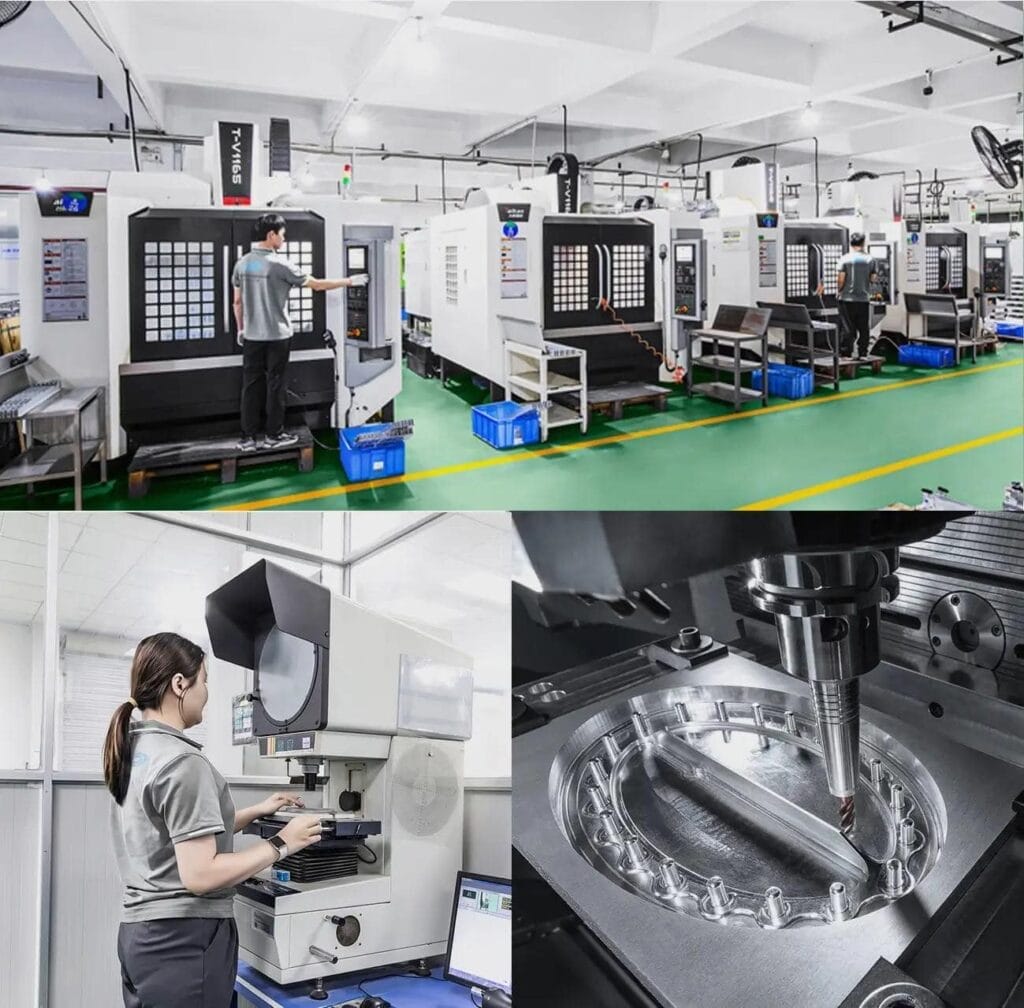
China Aluminum CNC Machining takes standard aluminum blocks and transforms them into precise, custom parts that meet exact specifications. The process uses computer-controlled cutting, drilling, and shaping to turn ordinary metal into components with exceptional precision. At Yijin Solution, our China Aluminum CNC Machining services achieve tolerances as tight as ±0.01 mm on critical dimensions, thinner than a human hair.
What sets our machining apart is the combination of advanced CNC technology and specialized expertise gained from thousands of successful projects. This ensures superior results for demanding industries such as aerospace with its strict standards, automotive with its durability requirements, electronics with its miniaturization challenges, and renewable energy applications where performance is non-negotiable.
Your quote reflects five factors: material grade, part complexity, tolerance requirements, order quantity, and finishing. Simple parts with standard tolerances typically cost less per unit than complex geometries machined to ±0.01 mm. We don’t enforce a fixed minimum order quantity. You can start with a single prototype or move straight into full production. A mini order can ship in as little as 7 days, and standard production runs take 10–15 days.
- ⬤Service
- ⬤Your Details
- ⬤Submit


What is CNC Aluminum Machining?
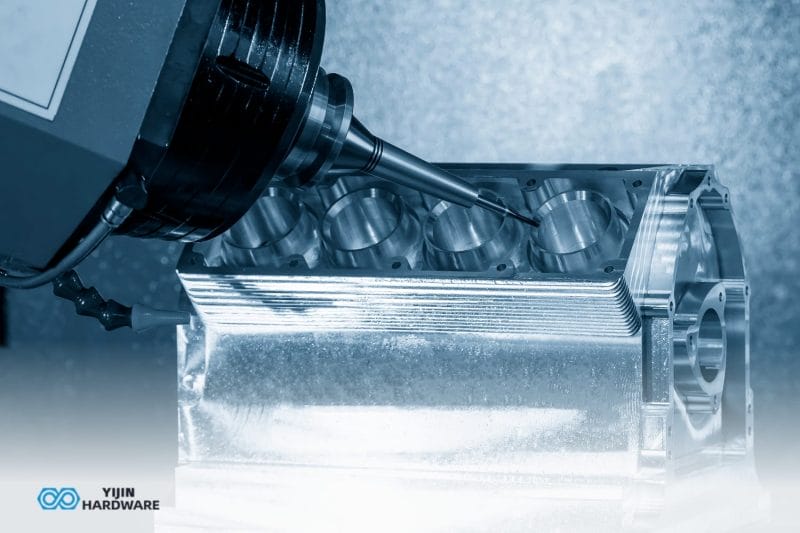
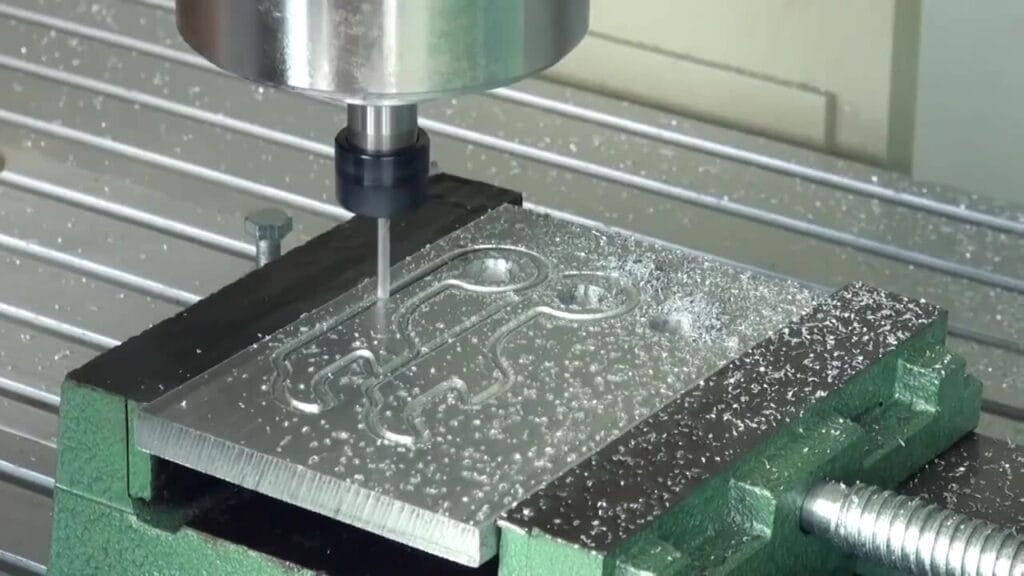
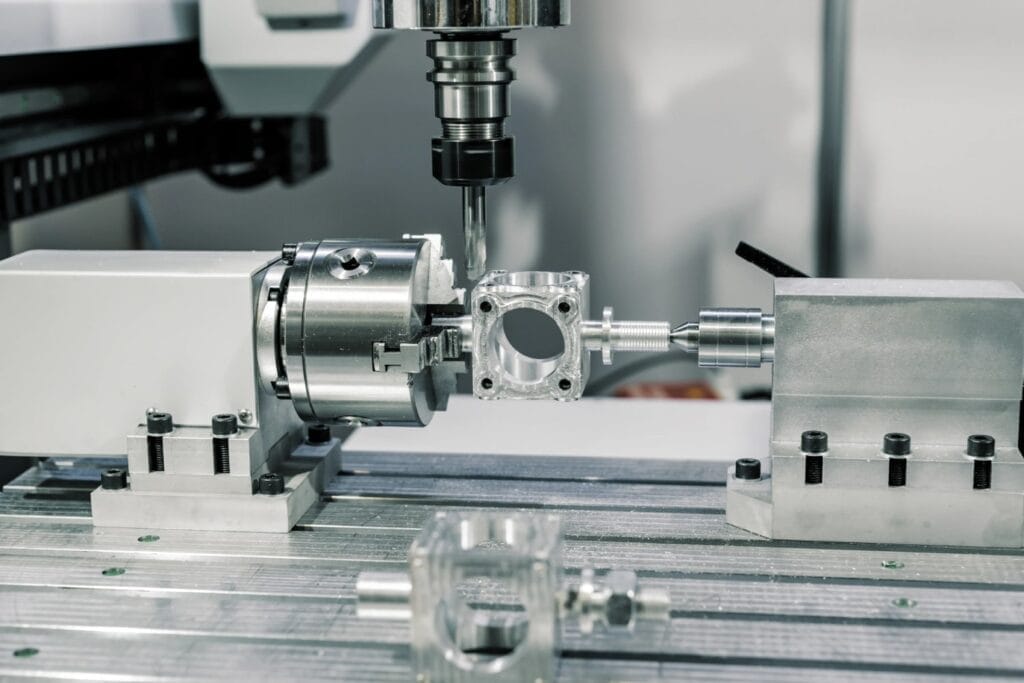
CNC aluminum machining harnesses computer-controlled equipment to cut, drill and shape aluminum with precision that’s hard to believe until you see it. These machines follow digital instructions that remove material exactly where needed — no more, no less. The result? Custom parts with tolerances that would have been impossible just decades ago.
What really sets CNC apart is the consistency. Parts match their digital twins almost perfectly, fitting together the first time without all that filing and adjusting that drives traditional fabricators crazy. That’s why industries where failure isn’t an option — aerospace, medical, defense — won’t use anything else. When performance matters, CNC machining delivers.
Core Machining Processes
Our aluminum parts capabilities cover all the essential chip-forming processes needed for complex components:
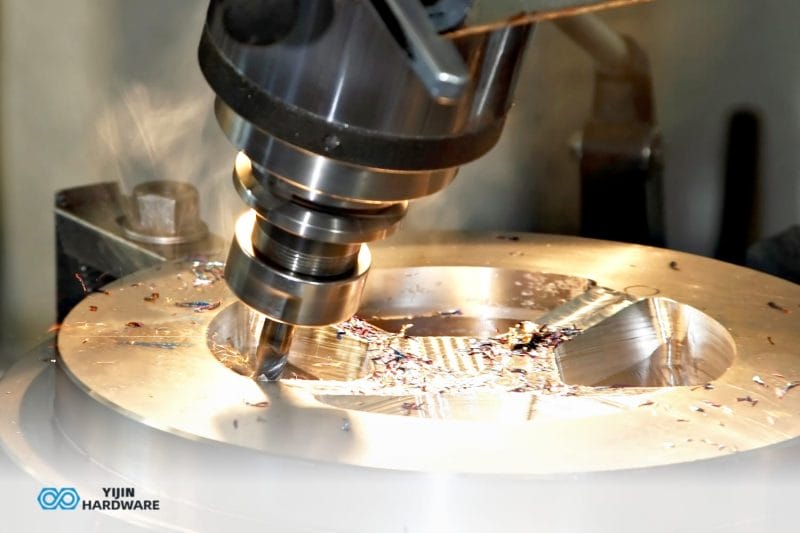
- CNC mill operations: Multi-axis cutting that carves complex geometries from solid blocks
- CNC turning: Creates those perfectly cylindrical components with incredible surface finish that just can’t be matched by manual methods
- Drilling: Puts holes exactly where you need them, with precise depth control down to fractions of a millimeter
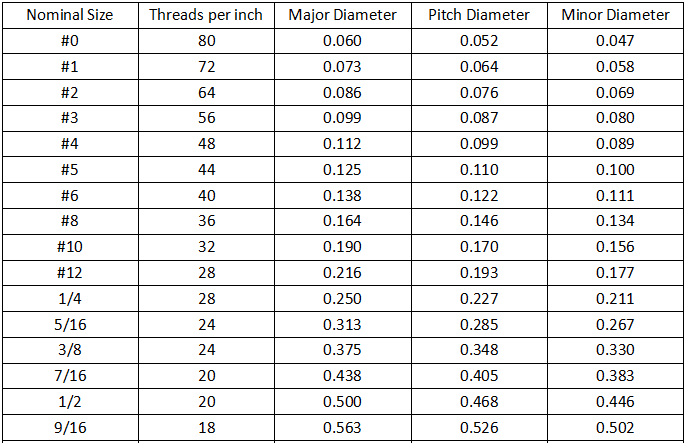
- Tapping: Forms those critical internal threads in aluminum alloys without damaging the surrounding material
- Reaming: Fine-tunes hole diameters for those precision fits where components need to mate perfectly
| Machining Method | Capabilities | Typical Applications |
|---|---|---|
| CNC Milling | Complex 3D geometries, pockets, slots | Electronic enclosures, aerospace components |
| CNC Turning | Cylindrical parts, threads, tapered features | Shafts, bushings, precision fittings |
| High-Speed Machining | Thin walls, intricate details, rapid production | Medical devices, semiconductor components |

Our Aluminum Machining Services
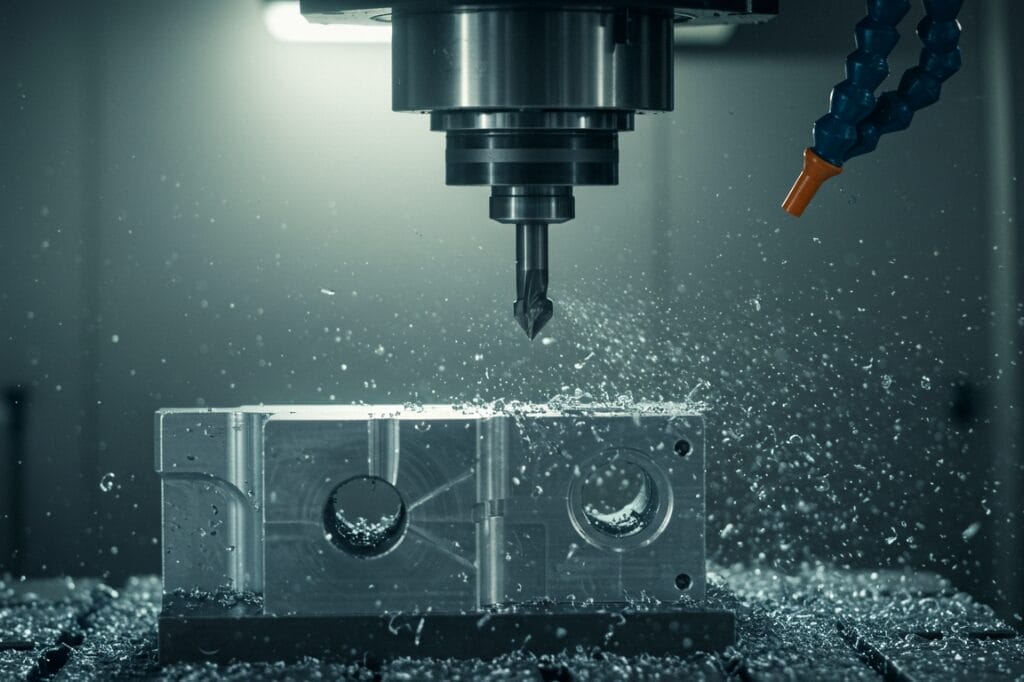
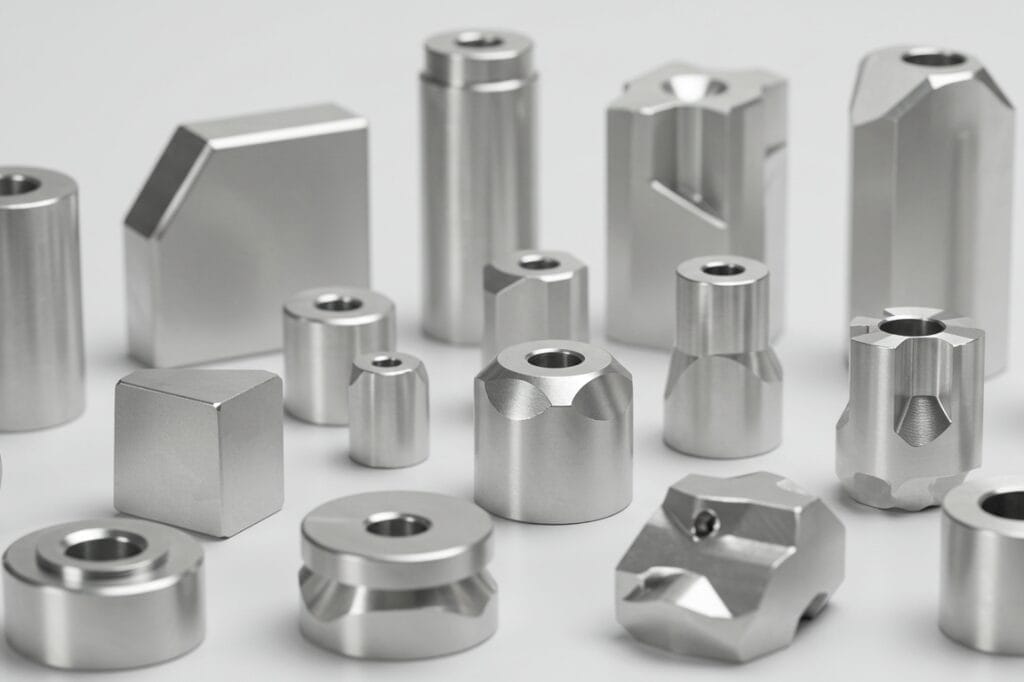
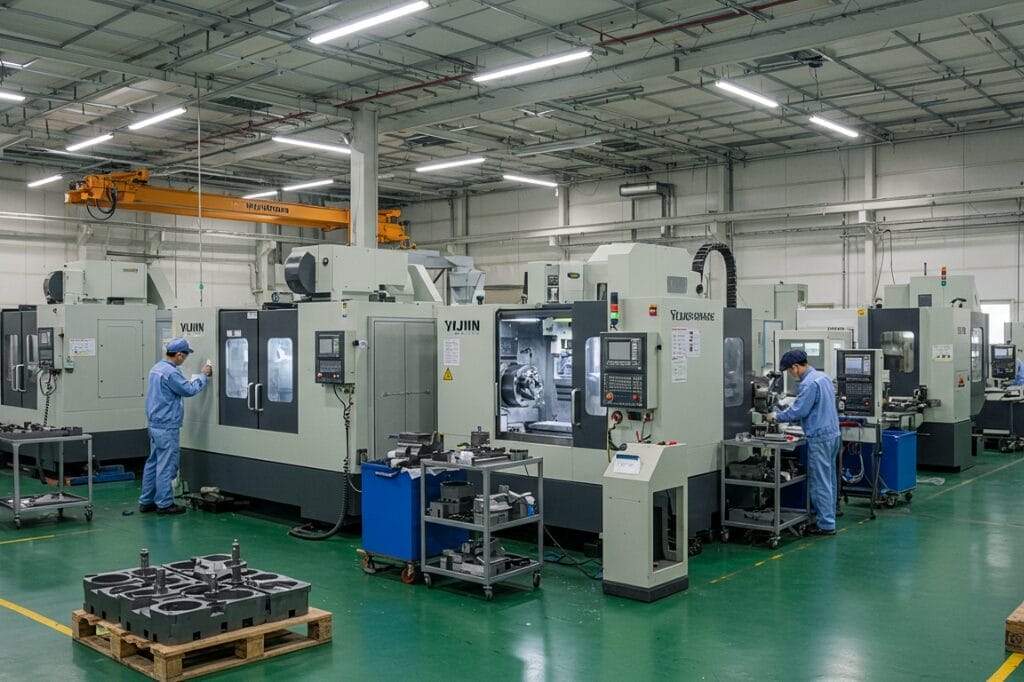
Yijin Solution handles everything aluminum – from quick one-off prototypes to massive production runs that keep the machines humming 24/7. The services cover all the bases: precision milling for those complex shapes, turning for cylindrical components, plus drilling and tapping of any commercial alloy you throw our way. The surface finishes are exceptional — smooth enough to make quality control smile.
What really sets the shop apart? Those crazy tight tolerances of ±0.01 mm on critical features. That’s precision most competitors won’t even attempt.
Turnaround times stay tight too — as quick as 7 days for a mini order where yesterday wasn’t soon enough, with standard production running 10–15 days for most jobs. When other shops say, “that’s impossible,” Yijin finds a way to make it happen.
Technical Capabilities
- Minimum wall thickness: 0.5 mm
- Minimum hole diameter: 0.3 mm
- Surface finish: Ra 0.4 μm to 3.2 μm
- Maximum part dimensions: 500 × 500 × 250 mm
- Specialized sheet metal fabrication for aluminum components
| Aluminum Alloy | Key Properties | Ideal Applications |
|---|---|---|
| Aluminum 6061 | Tensile strength: 310 MPa, excellent machinability | General-purpose, electronics |
| Aluminum 7075 | Tensile strength: 572 MPa, high strength | Aerospace-grade material with excellent strength-to-weight ratio |
| 2024 | Tensile strength: 483 MPa, good fatigue resistance | Aircraft fittings, gears, shafts |
| 5052 | Tensile strength: 228 MPa, weldability | Marine applications, chemical equipment |
How do We Ensure Quality in Aluminum Machining?
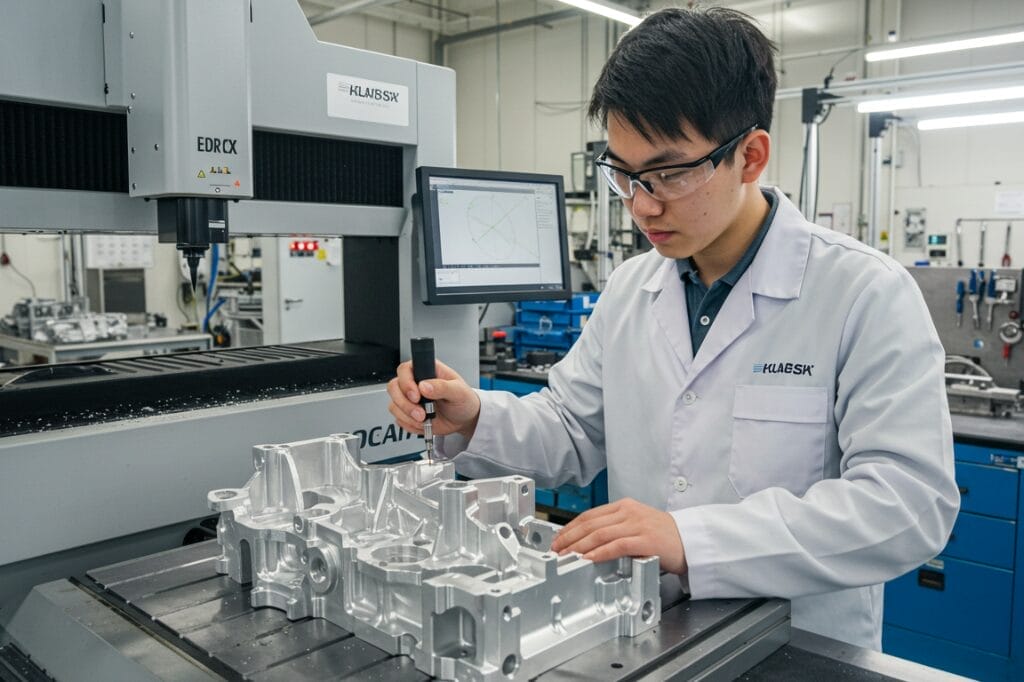
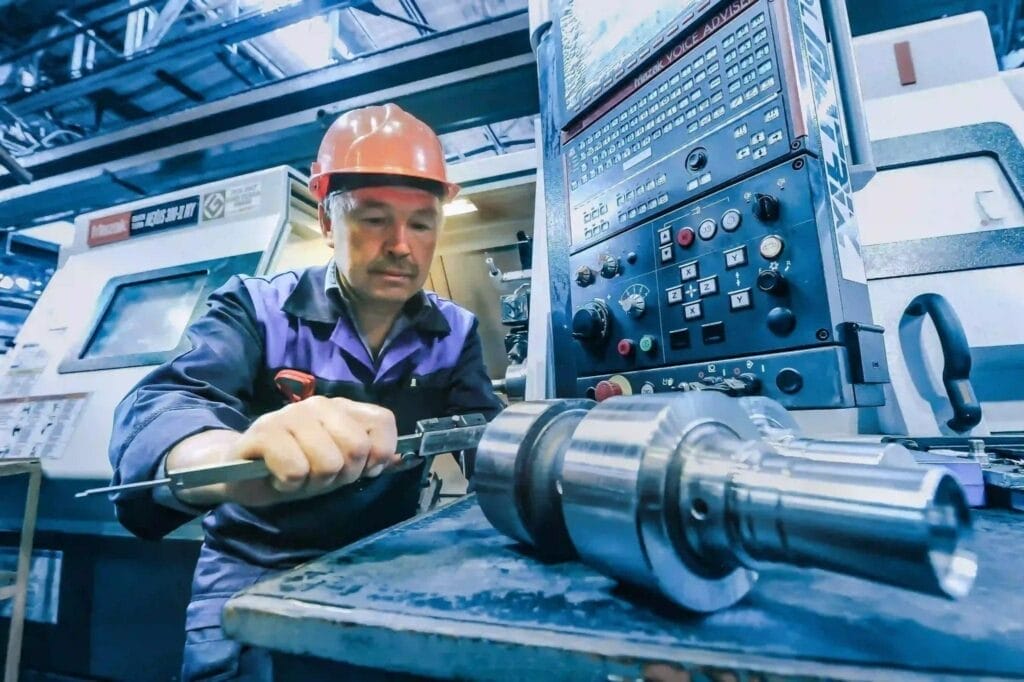
Yijin Solution implements rigorous quality control processes for all machined aluminum parts through comprehensive inspection protocols. Our quality assurance begins with first article inspection (FAI) using advanced coordinate measuring machines (CMM) that verify dimensional accuracy to ±0.01 mm. Every production batch undergoes statistical process control (SPC) with documented verification against CAD specifications to ensure consistent quality.
Advanced Metrology Equipment
- Coordinate Measuring Machines (CMM): 3D dimensional verification
- Optical Comparators: Visual inspection of profiles and features
- Surface Roughness Testers: Verification of Ra measurements
- Thread Gages: GO/NO-GO verification of threaded features
- Digital Micrometers: High-precision manual measurement
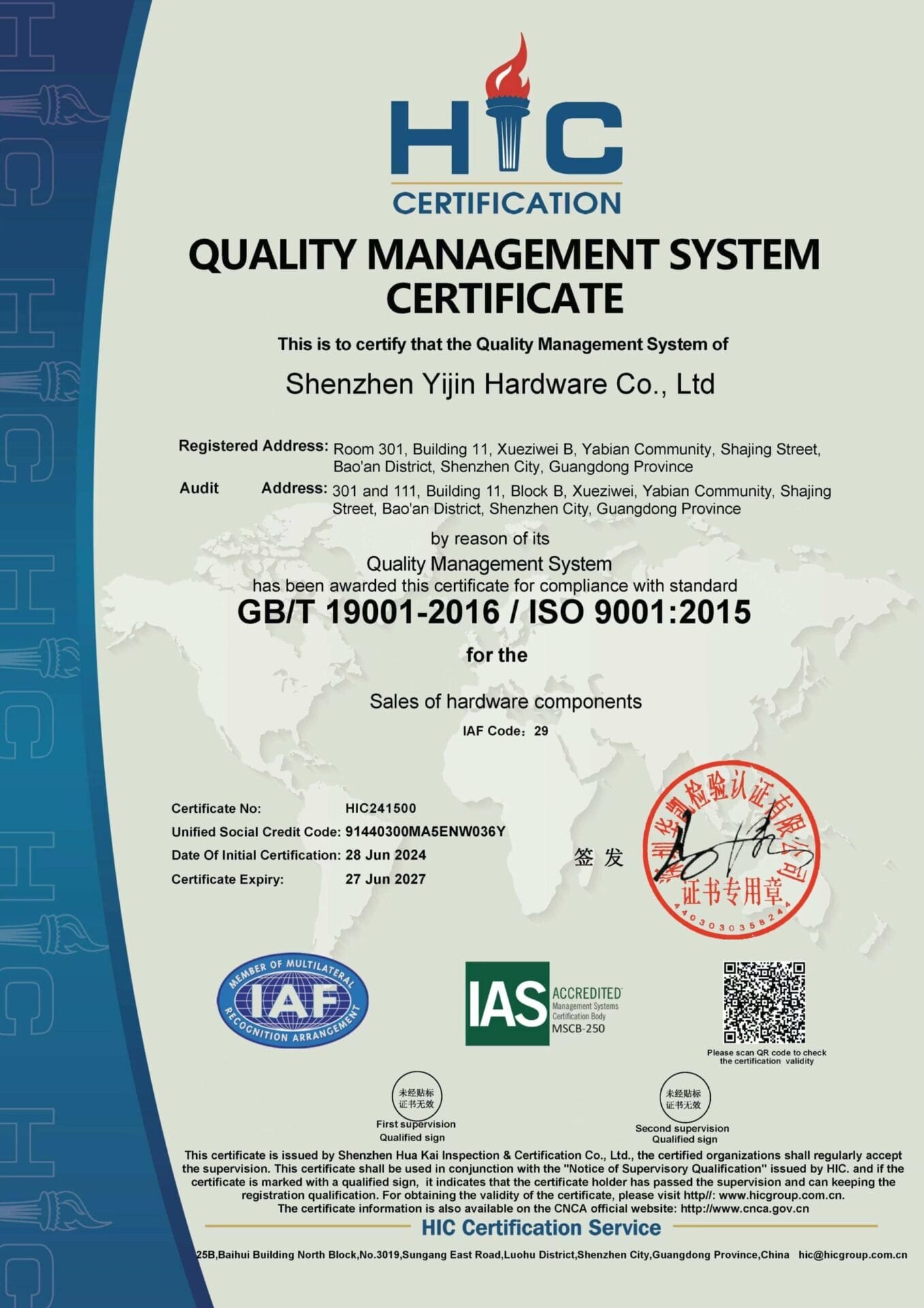
Our ISO 9001-certified quality management system ensures repeatable, consistent results for every component. We maintain complete material traceability with certificates of conformance (CoC) for all aluminum stock used in production. Our quality team performs multiple in-process inspections during machining operations, checking critical dimensions before proceeding to subsequent operations.
What Challenges Exist in Aluminum Machining?
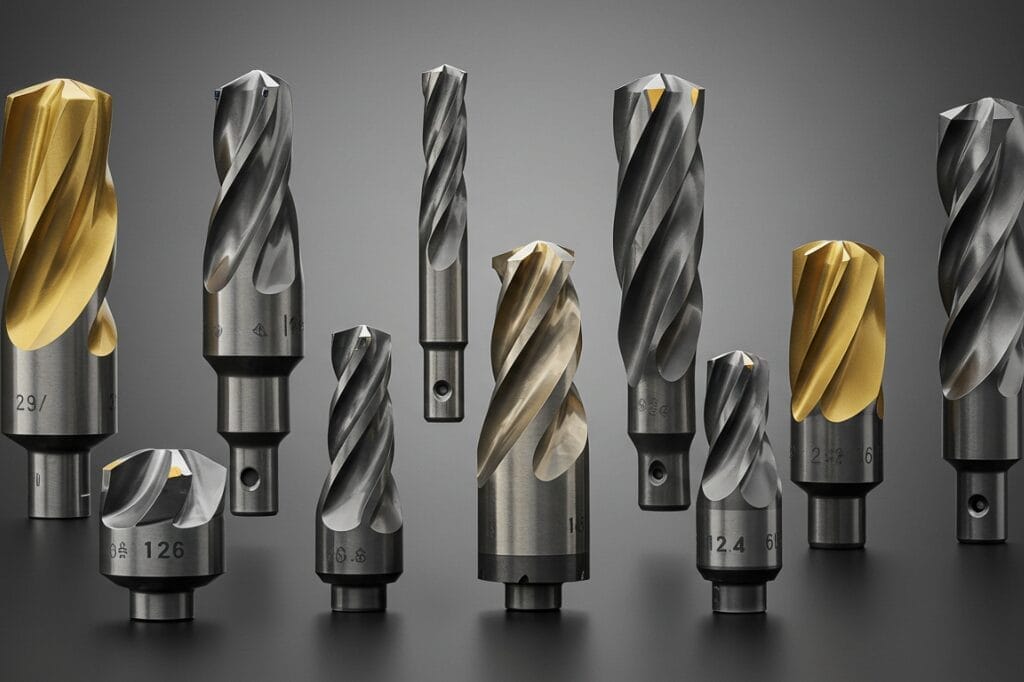
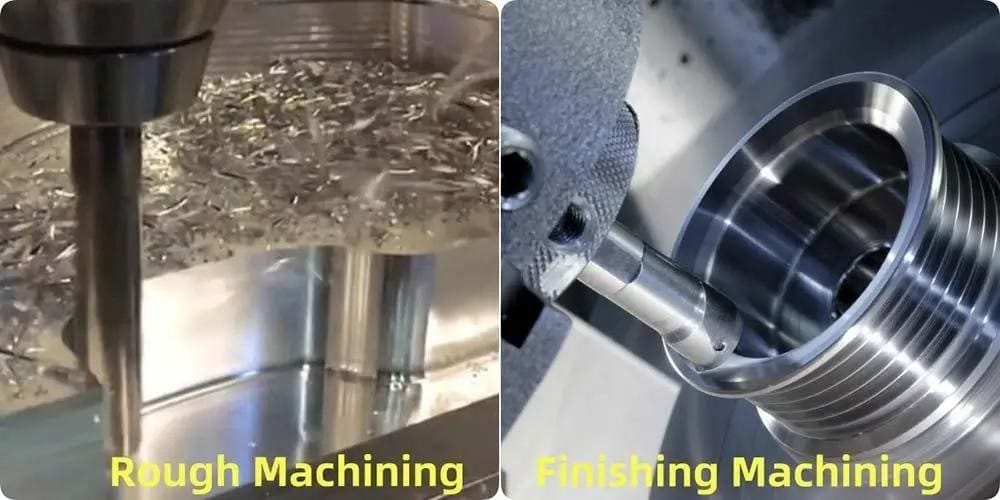
Custom aluminum machining presents specific technical challenges that require specialized knowledge and techniques to overcome. The primary challenge is built-up edge (BUE) formation, where particles adhere to cutting tools, affecting surface finish and dimensional accuracy. We prevent BUE through optimized cutting speeds (200-600 m/min), specialized tool coatings, and appropriate cooling strategies.
Technical Solutions for Aluminum Challenges
| Challenge | Technical Solution | Implementation |
|---|---|---|
| Built-up Edge (BUE) | PVD-coated cutting tools, higher speeds | Cutting speeds 2-3× faster than steel |
| Chip Evacuation | High-pressure coolant systems, chip breakers | 70-100 PSI coolant pressure |
| Thermal Expansion | Temperature monitoring, thermal modeling | Compensation for 23.1 × 10^-6/°C coefficient |
| Chatter/Vibration | toolholder balance rating G2.5, rigid fixturing | Vibration monitoring at >10,000 RPM |
Our expertise includes specialized tooling geometries with 2-3 flute end mills that balance chip evacuation with tool strength. We use optimized rake angles (10-15°) and relief angles (8-12°) specifically designed for aluminum’s mechanical properties. These technical parameters ensure superior surface finish and dimensional stability.
What Post-Processing Options do We Offer?
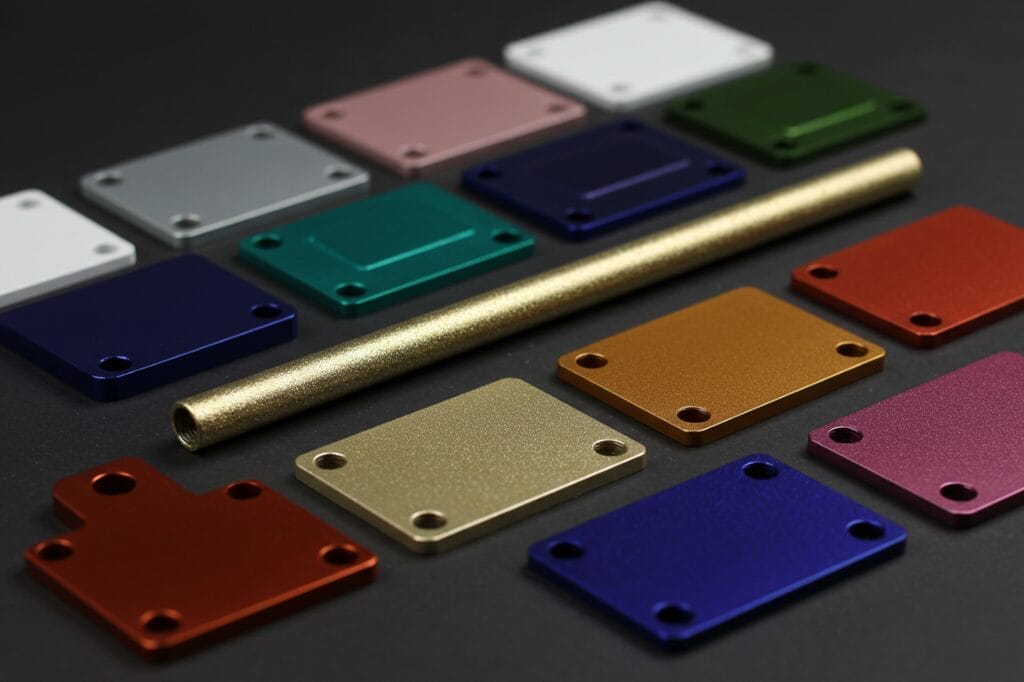
Yijin Solution provides extensive post-processing services to enhance functionality, appearance, and performance of machined aluminum parts. Our anodize capabilities include Type II (decorative) and Type III (hardcoat) processes that create protective oxide layers of 5-25 μm and 25-50+ μm thickness, respectively. These treatments improve corrosion resistance, hardness, and wear properties while allowing for various color options.
Post-Processing Specifications
- Anodizing Types II: 5-25 μm coating thickness, 16 color options
- Type III (Hardcoat): 25-50+ μm thickness, Hardness 60-70 Rockwell C
- Powder coating: 75-125 μm thickness, 2,000+ color options
- Bead Blasting: 150-600 grit media for controlled surface texture
- Plating: 5-25 μm thickness, Hardness 48-52 Rockwell C
Our post-processing operations maintain the same quality standards as our machining processes, with comprehensive testing for coating adhesion, thickness, and performance. We perform salt spray testing for corrosion resistant verification (ASTM B117) and hardness testing for anodized surfaces (ASTM E18) to ensure consistent quality.
Which Industries Benefit from Our Aluminum Machining?
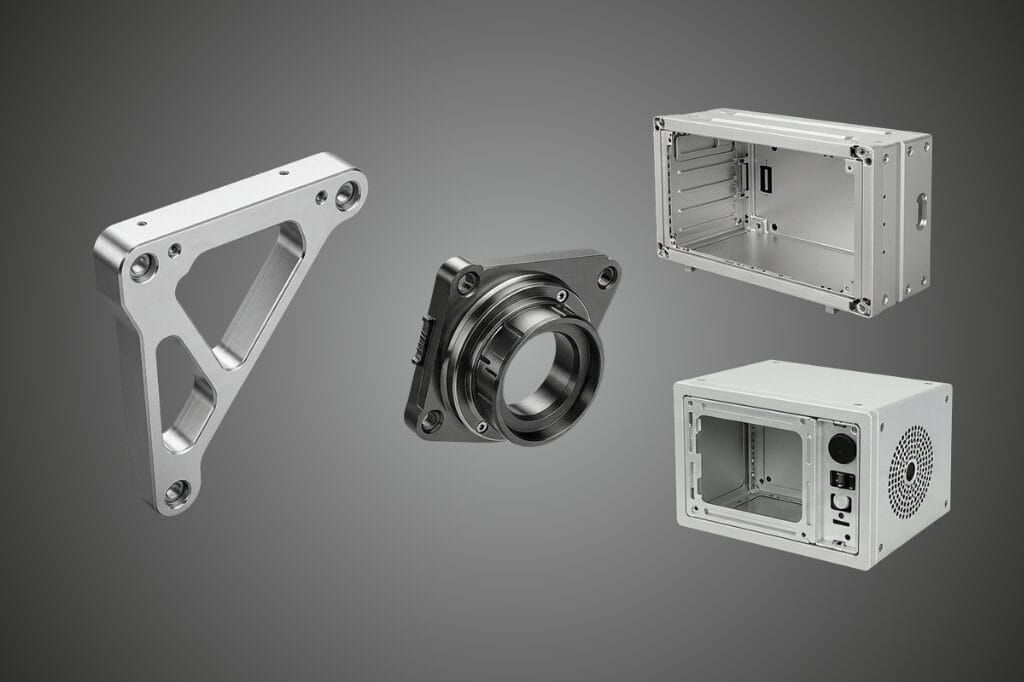
Aerospace manufacturers rely on our precision machining for critical components requiring high strength-to-weight ratio and tight tolerances. We produce structural components, brackets, and housings from 7075 and 2024 alloys that meet rigorous industry standards. Our aerospace customers value our ability to achieve demanding tolerances while maintaining full material traceability.
Industry-Specific Applications
- Aerospace: Structural brackets, avionics housings, interior components
- Automotive: Engine components, transmission parts, heat sinks
- Electronics: Enclosures, heat sinks, chassis, EMI shielding components
- Medical: Instrument housings, surgical tools, imaging equipment components
- Renewable Energy: Solar panel frames, heat exchangers, mounting systems
We specialize in components for semiconductor manufacturing equipment where cleanliness and precision are paramount. Our cleanroom-compatible manufacturing processes ensure components meet industry cleanliness standards with particulate control and special packaging options.
Why Choose Yijin Solution for Aluminum Machining?
Yijin Solution offers unmatched expertise with specialized knowledge of aluminum-specific cutting parameters, tooling selection, and quality control methods. Our technical capabilities exceed industry standards with achievable tolerances of ±0.01 mm on critical dimensions and surface finishes as fine as Ra 0.4 μm. We maintain a comprehensive quality management system with rigorous inspection protocols that ensure consistent quality for every component.
Our Technical Advantages
- Specialized tooling with PVD coatings and optimized geometries
- High-speed milling machines with spindle speeds up to 20,000 RPM
- Advanced fixturing systems that compensate for thermal expansion
- In-house material testing capabilities including hardness testing and CMM
- Ability to weld aluminum components when designs require it
Our Step-by-Step DFM Review Process
Every quote includes a free design for manufacturability review from our engineering team. Here’s how it works:
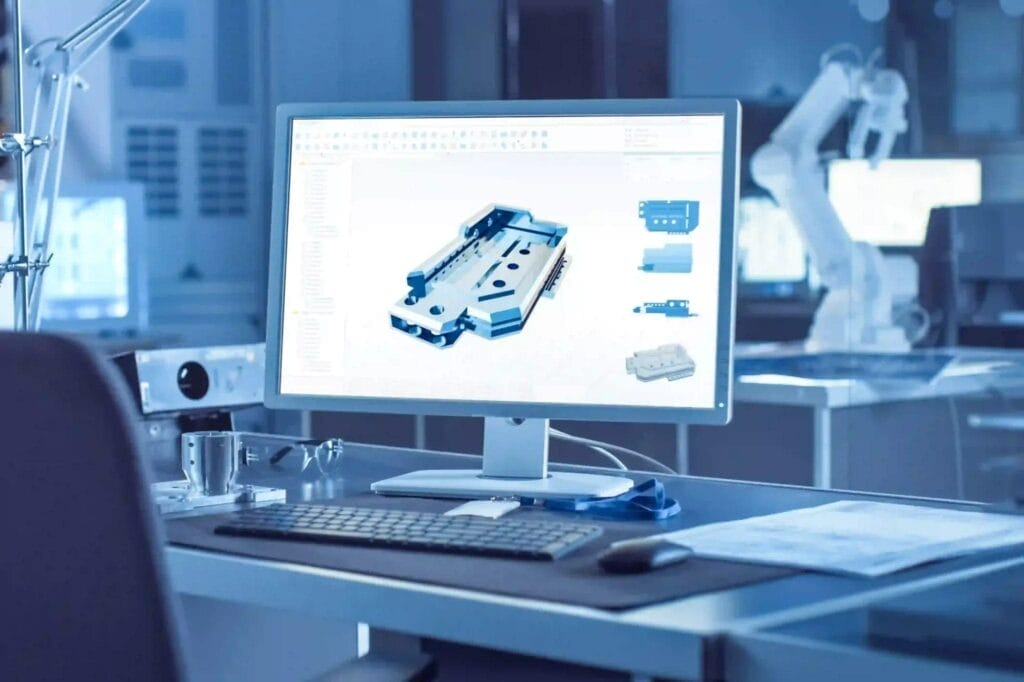
- Upload your CAD file. Send us your 3D model with your target tolerances and material choice.
- Engineers flag risk areas. We check wall thickness, deep pockets, and tool access before machining starts.
- You get specific fixes. We suggest radius changes, wall thickness adjustments, or feature simplifications that cut cost without hurting function.
- We confirm the final spec. Once you approve the changes, we lock the design and move to machining.
Our aluminum machining services have helped customers across multiple industries achieve their precision component needs. We understand the unique challenges of machining aluminum and have developed specialized processes to overcome them, resulting in superior components that meet or exceed specifications.
CNC Machining vs. Die Casting for Aluminum Parts
CNC machining and die casting both produce precise aluminum parts. The right process depends on your volume, your tolerances, and how settled your design is. The table below compares the two on the factors buyers ask about most.
| Factor | CNC machining | Die casting |
|---|---|---|
| Tooling | No mold required. Machining starts from your CAD file. | A steel mold is built before the first part. |
| Upfront timeline | No tooling stage, so parts move straight to machining after DFM review. | Mold tooling and samples take 25–35 days. Production runs then take 7–15 days. |
| Tolerances | ±0.05 mm standard, ±0.01 mm on precision features | ±0.30 mm standard, ±0.10 mm on precision features |
| Maximum part size | Milling up to 3000 mm long, turning up to 400 mm diameter | Up to 400 × 400 × 200 mm |
| Typical alloys | Wrought grades such as 6061, 7075, 2024, and 5052 | Casting alloys such as A380 and ADC12 |
| Design changes | Update the CAD file, and the next run reflects the change. | Geometry changes usually require mold rework. |
| Cost profile | No tooling investment, which suits prototypes and low to mid volumes. | Tooling investment up front, offset by a lower unit cost at high volumes. |
| Best fit | Prototypes, low to mid volumes, and tight-tolerance features | High volumes of a stable, finalized design |
Many aluminum programs use both processes. You can validate the design with CNC machined prototypes, then move to die casting once the geometry is stable. Critical features on cast parts can also be machined afterward to hold tighter tolerances.
We run both processes, so one DFM review covers the switch. Learn more about our die casting services.
Buyer's Guide: Choosing an Aluminum CNC Machining Supplier in China
Sourcing aluminum parts from China works best when you compare suppliers on evidence, not price alone. These six checks cover the factors that shape part quality and delivery. Each one also shows how we meet it.
Certifications that match your industry
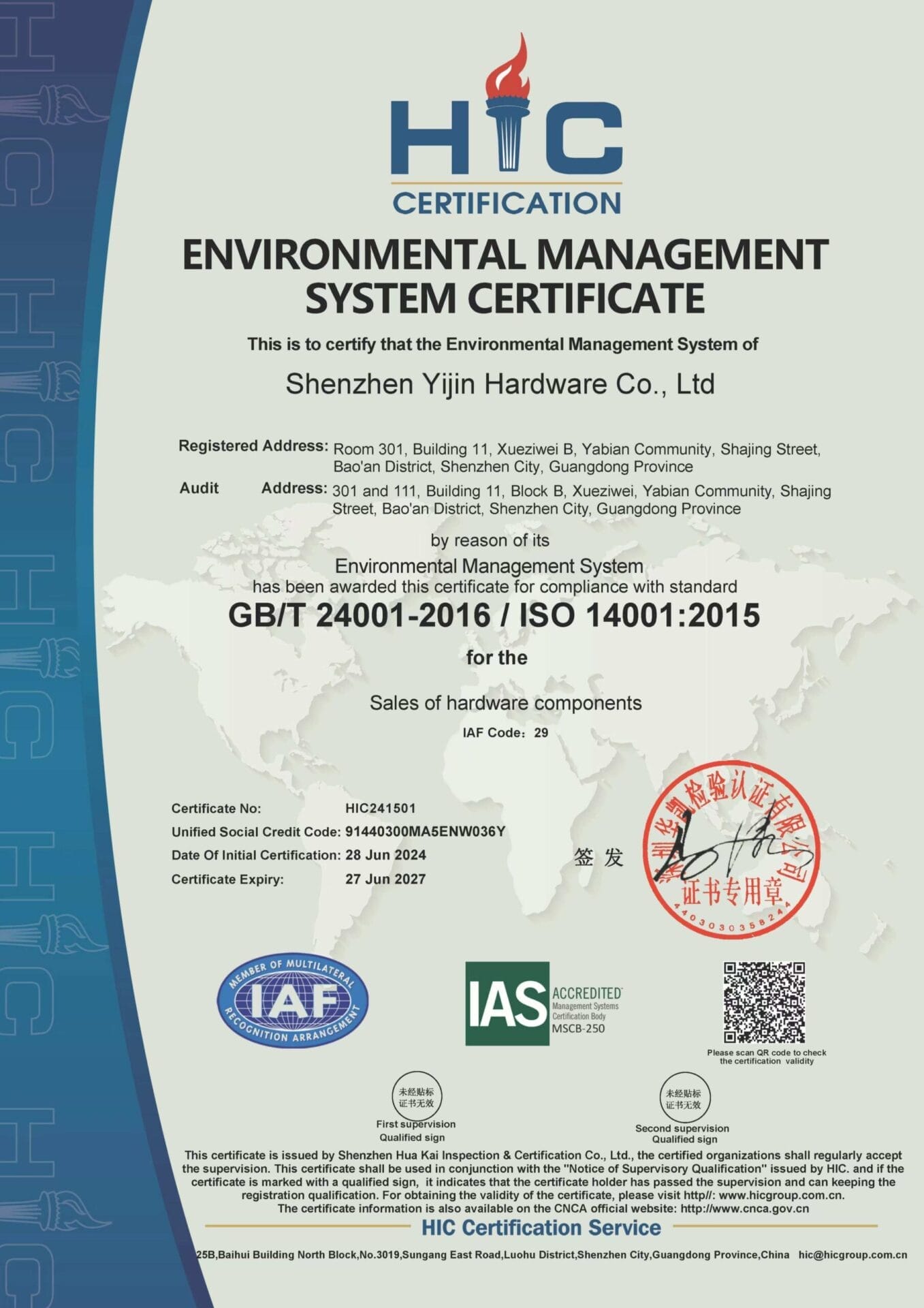
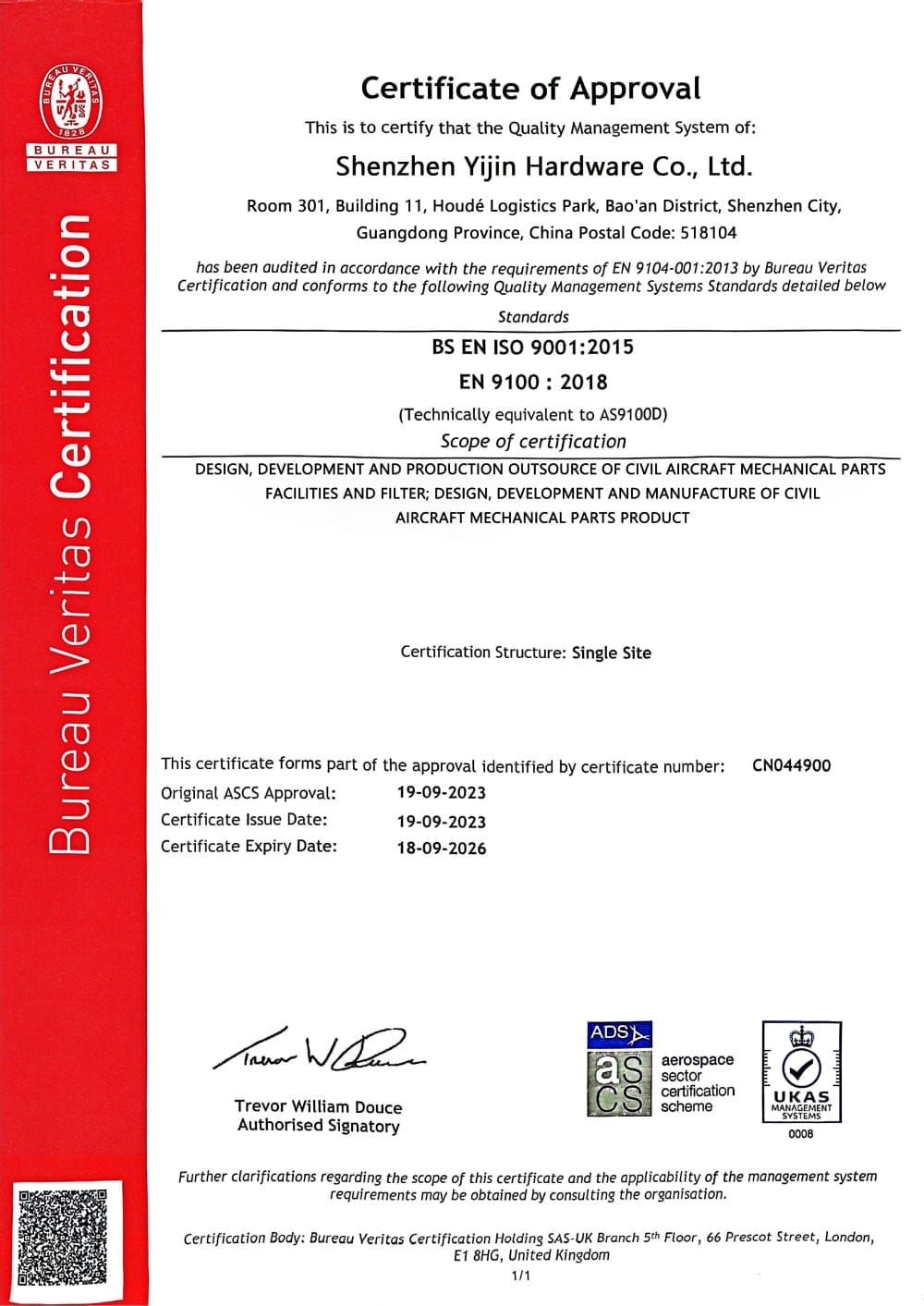
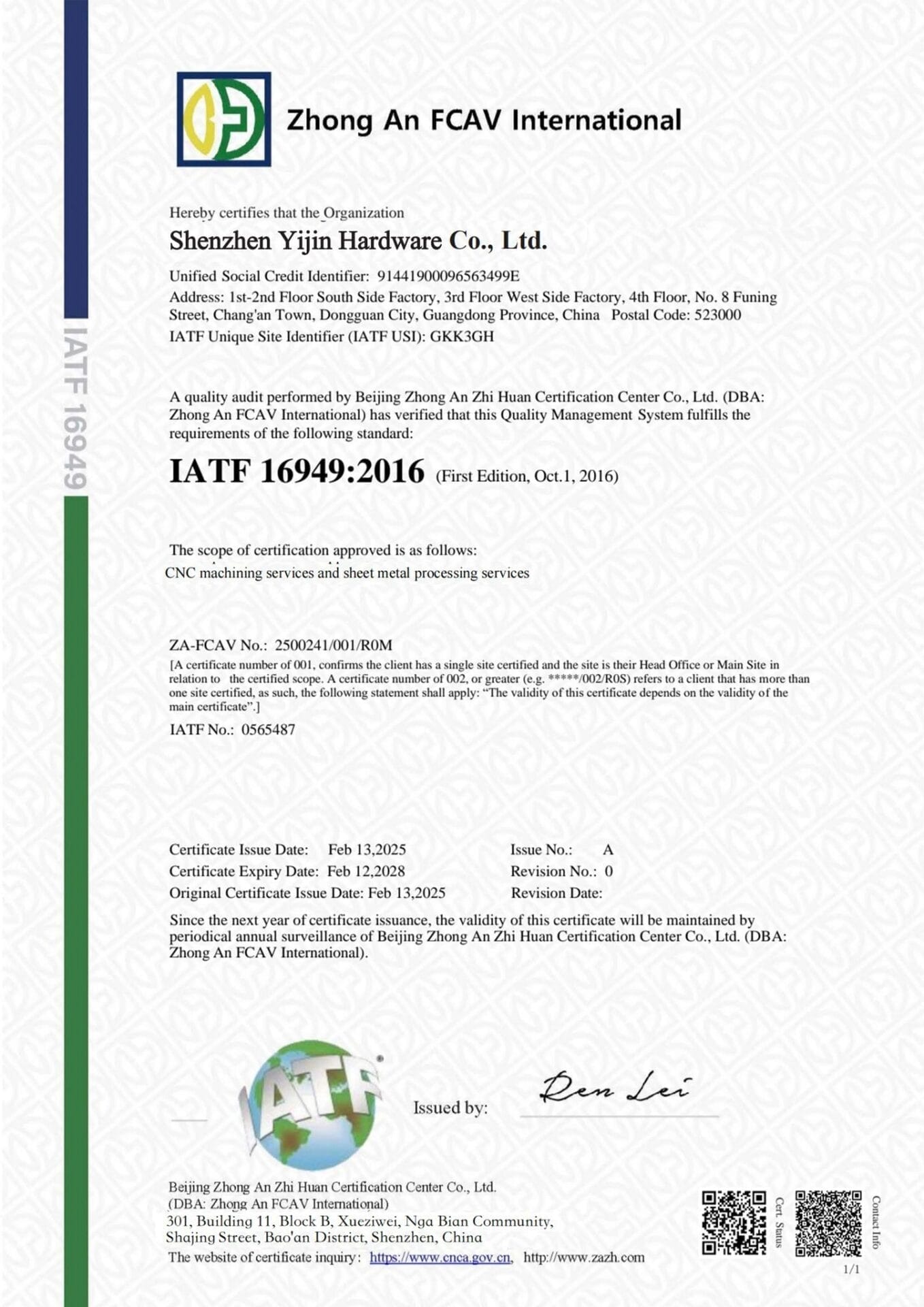
Ask for current certificates, not just logos. ISO 9001 covers quality management, IATF 16949 covers automotive, and ISO 13485 covers medical devices. We hold all three, plus ISO 14001.
A factory, not a broker
Ask where your parts are actually machined and who inspects them. We run our own factory in Shenzhen, so machining and quality control stay with one team.
Inspection you can verify
Ask which equipment measures your parts and which reports ship with them. We inspect on Zeiss CMMs and can provide First Article Inspection and PPAP Level 3 documentation.
Traceable aluminum grades
Specify the exact alloy and temper, such as 6061-T6 or 7075-T6. Material composition analysis is part of our documentation, so each batch matches your drawing.
Tolerances stated on the quote
Get the achievable tolerance in writing before you approve an order. We hold ±0.05 mm as standard and ±0.01 mm on precision features, with ISO 2768 as the general tolerance reference.
Prototype to production under one roof
Changing suppliers between prototype and production means requalifying parts. We machine single prototypes and full production runs under the same quality system.
What Our Clients Say
Aluminum Machining Service FAQs
Aluminum is relatively easy to machine compared to other metals due to its low cutting resistance and excellent machinability rating. Most aluminum alloys have a machinability rating of 70-90% (with 100% representing free-cutting brass), allowing for higher cutting speeds and lower tool wear. However, aluminum’s softness creates unique challenges, including built-up edge formation and chip evacuation issues that require specialized techniques and tooling to address properly.
Aluminum is significantly easier to machine than steel, requiring approximately 30% of the power needed to cut similar steel components. The cutting speed for aluminum typically ranges from 200-600 m/min, compared to just 30-150 m/min for most steels. Aluminum’s thermal conductivity allows for more efficient heat dissipation during machining, reducing thermal damage risks. However, aluminum requires different tooling geometries, typically with fewer flutes (2-3) and specialized coatings to prevent material adhesion.
Aluminum machining costs typically range from $30-$150 per hour depending on complexity, tolerances, and quantity. Simple parts with standard tolerances (±0.1 mm) generally cost 20-40% less than complex components requiring tight tolerance specifications (±0.01 mm). Volume significantly impacts pricing—prototype quantities may cost 2-3 times more per unit than production volumes of 1,000+ pieces. Additional factors affecting cost include material grade (6061 being most economical, 7075 commanding a premium), post-processing requirements, and design complexity including internal features that require specialized tooling.
We don’t enforce a fixed minimum order quantity for aluminum CNC machining. You can order a single prototype or scale straight into a full production run, and your quote adjusts to match the volume.
We ship prototypes and low-volume orders by air, and larger production runs by sea freight. We handle export documentation and can work with your preferred freight forwarder or customs broker to clear parts on your end.
We accept wire transfer, credit card, and PayPal, typically with a deposit at order confirmation and the balance due before shipment on larger runs. Every project starts with a signed NDA, and your CAD files and specifications stay confidential throughout production.
CNC Resources

3D-Printed Snap-Fit Trim Housing Prototype: From CAD Review to Functional Assembly Validation
How a matched prototype set turned a visual concept into a practical basis for fit, feature, and production-readiness decisions. A

Low-Volume & Prototype CNC Machining in China
How prototype CNC machining prices behave from 1 to 500 units, what the move to production involves, and what a

CNC Milling | A Practical Guide to Parts, Tolerances, and Material Selection
Learn how CNC milling services handle part types, realistic tolerances, materials, 3-axis and 5-axis work, DFM, pricing, inspection, and sourcing
Start today. Get parts made fast.
Free Machined Parts Design to Your Projects with Fast Turnaround Times.
 English
  Spanish
  German
  French