Precision CNC Bar Turning for Defense & Aerospace Parts
CNC bar turning for the defense industry produces high-precision components for aeronautical systems, arms industry applications, and aircraft engine assemblies. It removes material from rotating metal bars using computer-controlled cutting tools. Tolerances reach as tight as ±0.0001” for mission-critical defense parts.
Defense components must meet strict regulatory standards and perform reliably under extreme conditions. Yijin Solution delivers ITAR-compliant CNC bar turning with full material traceability for aerospace, naval, and ground system applications.
- ⬤Service
- ⬤Your Details
- ⬤Submit


What is CNC Bar Turning for Defense Applications?
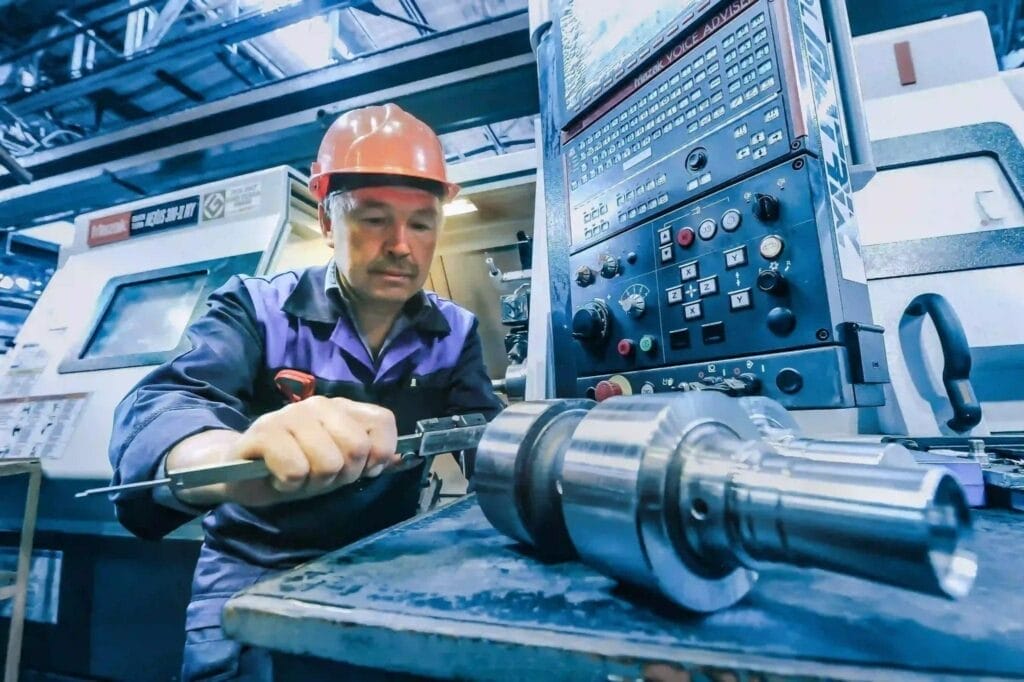
CNC bar turning for defense applications is a machining process that creates components like ammunition parts, fasteners, and connectors for military equipment. CNC bar turning removes material from rotating metal bars using computerized cutting tools. This is done on a special lathe that follows pre-programmed instructions without you interening manually yourself.
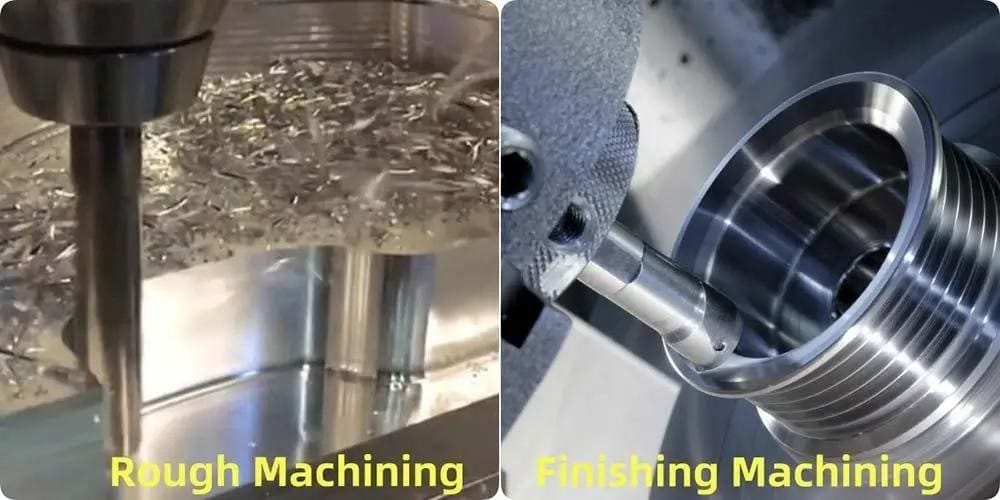
This technology produces small-diameter, high-precision parts impossible to achieve with other manufacturing methods while maintaining the tight tolerances (up to 0.0005 inches) required for mission-critical defense components. The machining process excels at creating components with straight, conical, curved, or grooved surfaces for military applications ranging from aircraft hydraulic systems to missile guidance mechanisms.
Defense CNC machining differs from standard machining through its enhanced security protocols, stricter quality controls, and ability to work with specialized military-grade materials. Modern military machining utilizes multi-spindle machines and Swiss-type turning technologies originally developed for watchmaking, which are now adapted to create components that must perform flawlessly in battlefield conditions.
| Defense Bar Turning Features | Capability | Application Benefit |
|---|---|---|
| Tolerance Precision | ±0.0001” (±0.0025 mm) | Ensures flawless operation in critical systems |
| Diameter Range | 1–32 mm | Versatility for various defense parts |
| Production Capacity | 100–10,000 parts/year | Scalable for defense contract requirements |
Advanced Swiss CNC Machines Technology
Swiss-style turning uses a sliding headstock design with guide bushing support that significantly reduces deflection and vibration during the machining process. This enables tolerances as tight as a few micrometers—critical for components like missile guidance systems and military aircraft control mechanisms. In contrast to traditional machining methods, most Swiss machines feature both main and secondary spindles with multiple tool positions that can cut simultaneously, dramatically increasing production efficiency for military and defense components. Our advanced 4-axis and 5-axis Swiss machining centers enable complex geometries with undercuts and intricate features unachievable with conventional methods.


Our CNC Bar Turning Services for Defense Applications
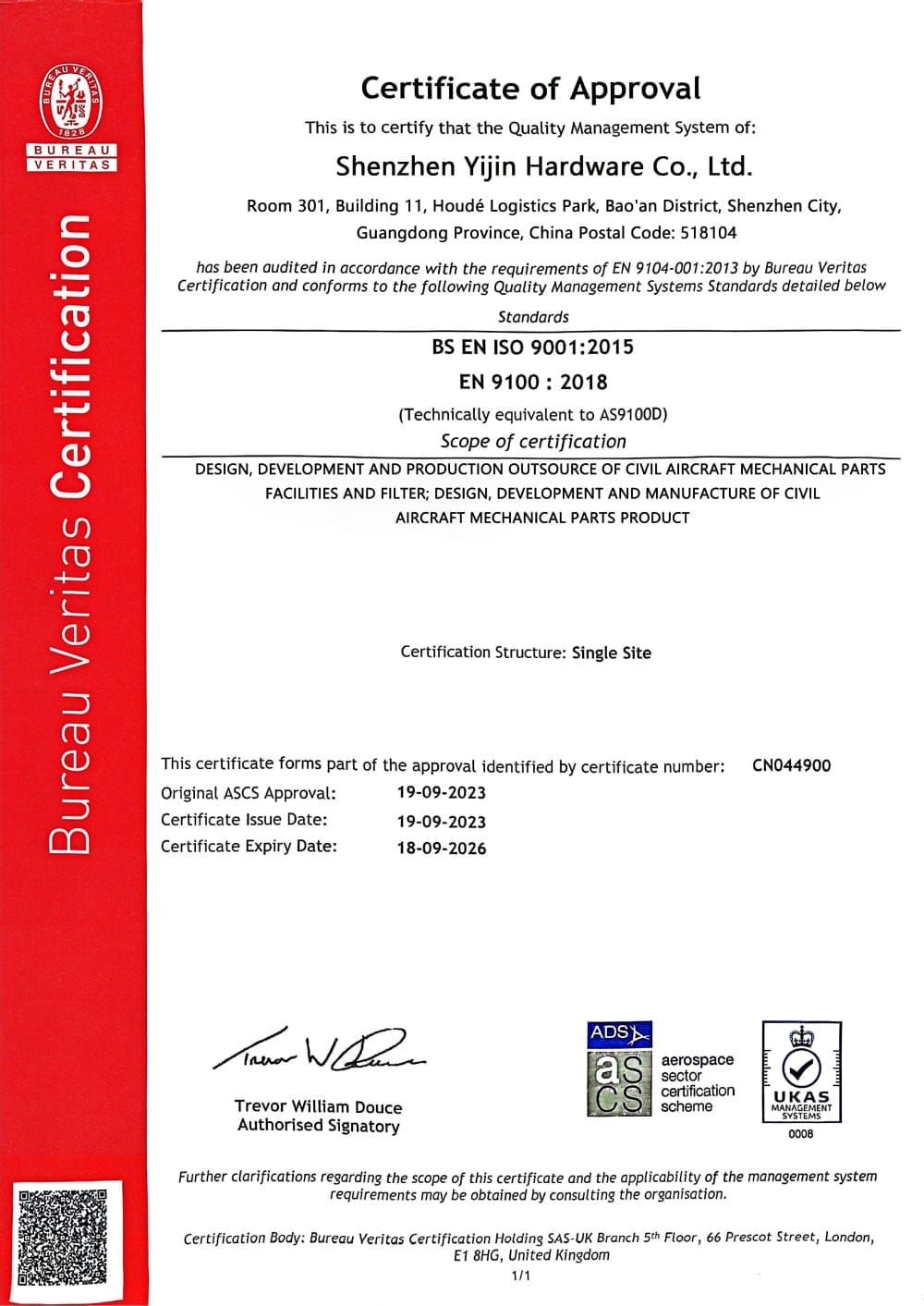
Yijin Solution provides comprehensive CNC machining for military applications, with capabilities spanning from prototyping to high-volume production runs of 10,000+ parts annually. Our defense-focused machining solutions include both standard CNC turning and Swiss machining capabilities for ultra-precision components requiring specification tolerances as tight as ±0.0001″ (±0.0025 mm). We maintain AS9100 and ISO 9001 certifications specifically for aerospace and defense quality management, ensuring all components meet or exceed military specifications.
Our defense industry CNC services encompass the complete manufacturing process from secure handling of technical data through material sourcing, precision machining, comprehensive inspection, documentation, and secure delivery. We specialize in working with defense-grade materials including titanium, specialty steels, nickel alloys, aerospace components, and filled plastic materials like PEEK and PPS with full certification and traceability documentation throughout the supply chain.
| Material Capability | Properties | Defense Applications |
|---|---|---|
| Titanium Alloys | Exceptional strength-to-weight ratio | Aircraft structural components, missile parts |
| Stainless Steel | Superior corrosion resistance | Marine environments, extreme conditions |
| Nickel Alloys | Heat and corrosion resistance | Engine components, high-temperature systems |
| Specialty Alloys (M50, 4340, 14-4) | Engineered for specific requirements | Mission-critical applications with unique needs |
Value-Added Services for Defense Components
Our machine shop offers comprehensive secondary operations, including:
- Anodizing and passivation for corrosion protection
- Thread rolling for superior strength in assembly applications
- Precision etching for component identification
- Heat treatment to enhance material properties
- Custom machining for specialized applications
- Advanced multi-axis simultaneous machining for complex defense parts with compound angles and contoured surfaces
Contact us today to discuss your military machining needs and discover how our precision CNC turning for defense can deliver mission-critical components with uncompromising quality.


How do Defense Industry Specifications Impact CNC Bar Turning?
Defense industry specifications require CNC military machining operations to meet exceptionally stringent standards for precision and consistency, material quality, and documentation that exceed commercial requirements. Mil-spec standards establish detailed parameters for materials, processes, and testing that directly impact every aspect of the manufacturing of components from material selection to final inspection. These requirements exist because defense parts must perform reliably in extreme environments, where failure can have catastrophic consequences.
Standard tolerance in commercial CNC machining typically achieves ±0.005” (0.13 mm), but military applications often require precision ranging from ±0.005” to as tight as ±0.0001” (0.0025 mm) for mission-critical components. Geometric Dimensioning and Tolerancing (GD&T) following ASME Y14.5 specification establishes form tolerances, profile boundaries, and orientation parameters that ensure proper function and assembly of complex defense systems.
GD&T Requirements for Defense Components
- Form Tolerances: Determine the basic geometric tolerance of the part for proper function
- Profile Tolerances: Set boundaries around surfaces within which elements must lie
- Orientation Tolerances: Establish the form’s orientation in relation to reference points
What Materials are Optimal for Defense CNC Bar Turning?
Defense-grade materials for military CNC machining services must meet specific performance requirements for stress, temperature resistance, and environmental exposure while maintaining complete traceability. Titanium alloys provide an exceptional strength-to-weight advantage, making them ideal for aircraft components and systems under high stress. These alloys maintain their structural integrity across extreme temperature ranges experienced in aerospace and battlefield environments.
Stainless steel variants deliver superior corrosion resistance for naval applications and components exposed to harsh environmental conditions, with specific grades engineered for marine environments. High and low-carbon steels provide strength and durability for various structural applications and armor components, with heat treatment options to enhance specific properties.
Specialty materials like cobalt chrome offer outstanding specific strength and wear resistance for high-precision components, while ferro-nickel provides specific magnetic properties for specialized detection and electronic applications. For non-structural components requiring specific properties, various materials like filled plastics offer lightweight alternatives with chemical resistance and thermal stability, capable of manufacturing intricate parts for specialized applications.
Critical Material Properties for Defense Applications
- Tensile Strength: Maximum stress a material can withstand before failure
- Yield Strength: Stress at which a material begins to deform permanently
- Hardness: Resistance to permanent indentation or deformation
- Corrosion Resistance: Ability to withstand chemical degradation
- Heat Resistance: Ability to maintain properties at elevated temperatures
- Fatigue Strength: Ability to withstand cyclic loading without failure


What Quality Control Measures Ensure Defense Component Reliability?
Quality control for machined parts in defense applications requires comprehensive inspection methodologies and documentation that validate conformance to exact specifications. First article inspection reports (FAIRs) verify all component dimensions and characteristics before production begins, ensuring design specifications can be consistently achieved. This quality assurance process is critical for defense applications where components must perform flawlessly in mission-critical situations.
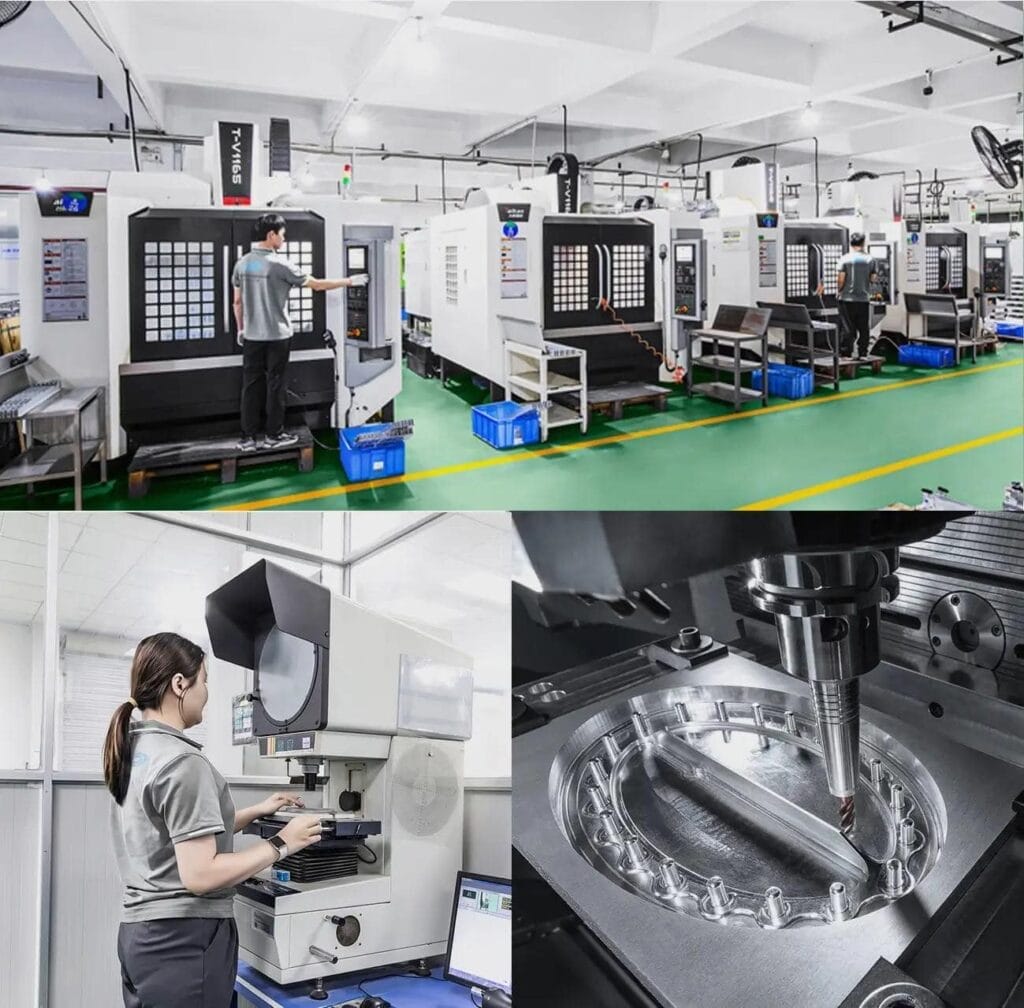
Defense-grade quality and accuracy control utilizes advanced measurement systems including coordinate measuring machines (CMMs), optical comparators, and laser scanning technologies calibrated to NIST standards. These systems verify tolerances as tight as ±0.0001” with complete documentation of all measurements. Surface finish quality is typically measured at 125RA for standard applications, with capabilities for enhanced finishes when required to meet the highest standards of precision manufacturing.
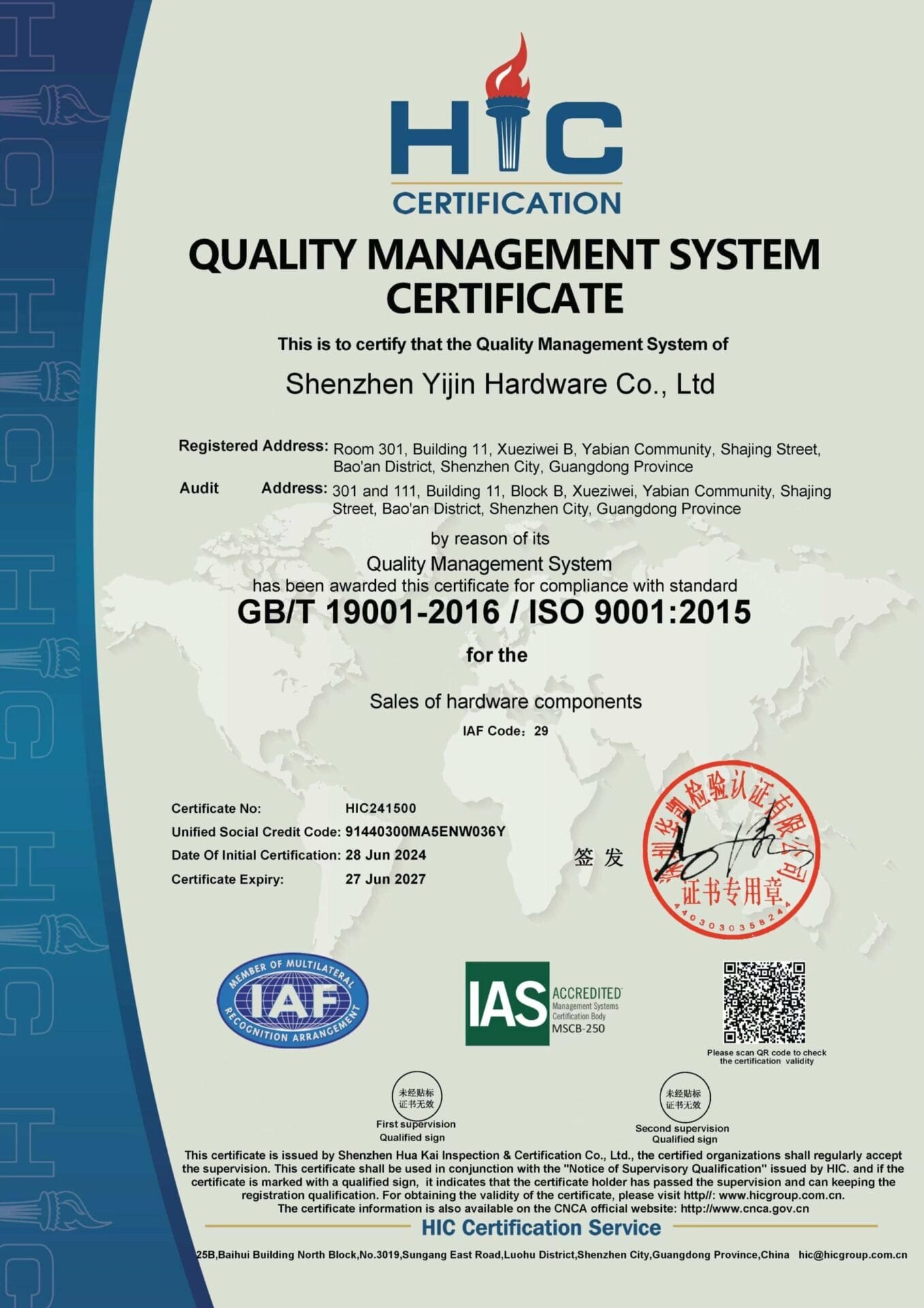
Quality management systems for defense manufacturing must be certified to AS9100 standards, which extend beyond ISO 9001 to address aerospace and defense-specific requirements. This certification ensures robust processes for nonconformance management, configuration control, and risk mitigation essential for defense contracts.
Multi-Stage Inspection Process
- Material Verification: Confirming material composition and certification
- In-Process Inspection: Measuring critical dimensions during production
- Final Dimensional Verification: Complete inspection of all specifications
- Surface Finish Analysis: Verification of required surface characteristics
- Documentation Review: Comprehensive validation of all required records
How does ITAR Compliance Affect Defense Manufacturing?
ITAR compliance fundamentally shapes machining for the defense industry by establishing stringent security requirements for handling technical data and controlling access to defense articles. The International Traffic in Arms Regulations administered by the U.S. Department of State requires mandatory registration for companies producing parts with precision for the United States Munitions List (USML). These regulations prevent unauthorized access to sensitive military technologies by foreign entities.
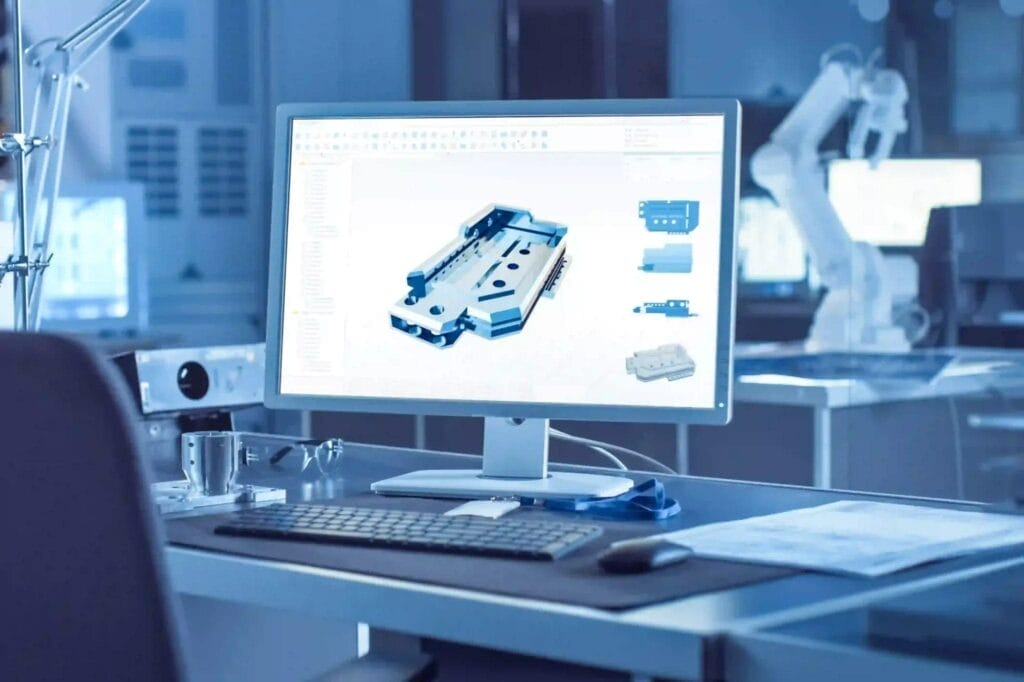
ITAR compliance impacts CNC bar turning operations by requiring secure facilities with controlled access, documentation controls, and employment restrictions. All technical drawings, CAD files, manufacturing parameters, and production specifications must be secured with appropriate cybersecurity measures and physical safeguards. Defense contractors must ensure all staff working on ITAR projects are U.S. citizens or qualify for exemptions under specific criteria.
Defense Federal Acquisition Regulation Supplement (DFARS) compliance complements ITAR by ensuring proper sourcing of materials and cybersecurity protections for industry components. Together, these regulations create a comprehensive framework that protects national security interests while enabling legitimate defense manufacturing. Violations can result in severe penalties including substantial fines, loss of contracts, and criminal charges.


What Defense Applications Benefit from Precision CNC Bar Turning?
Precision CNC bar turning creates critical components for multiple defense sectors including aerospace, naval, ground vehicles, and weapons systems. Fighter jets, bombers, and drone platforms such as the F-35 Lightning II and MQ-9 Reaper rely on precision-turned components for flight control systems, hydraulics, and propulsion. These components must withstand extreme temperatures and pressure variations at altitude while maintaining perfect operation.
Naval applications include submarine components requiring corrosion resistance and pressure tolerance for deep-sea operations, along with ship propulsion system parts manufactured to withstand constant exposure to saltwater environments. Sonar and radar housing components protect sensitive electronic detection equipment from maritime conditions while maintaining signal integrity.
Specific Defense Components We Manufacture
| Component Type | Application | Critical Requirements |
|---|---|---|
| Actuator Arms | Night Vision Goggles | Ultra-precision tolerances, lightweight |
| Blade Cutters | Safety Cable Systems | Hardness, edge retention, durability |
| Load Sleeves | Cable Clamp Assemblies | Strength, corrosion resistance |
| Pivot Balls | Military Aircraft | Precision sphericity, surface finish |
| Shell Receptacles | Heat-Resistant Connectors | Temperature resistance, conductivity |
| Release Clips | Weapon System Pivots | Reliability, durability in field conditions |
Why Choose Yijin Solution for CNC Bar Turning in Defense Manufacturing?
Yijin Solution offers defense contractors comprehensive manufacturing solutions with industry-leading precision capabilities and complete regulatory compliance. Our multi-axis machining processes specifically address the unique challenges of defense production with ultra-precision tolerances to ±0.0001″, extensive experience with defense-grade materials, and comprehensive quality control systems certified to AS9100 and ISO 9001 standards. We understand that components for OEMs must perform flawlessly in extreme conditions where failure is not an option.
Our advanced manufacturing capabilities include the latest 5-axis CNC machining centers with dynamic tooling area of the machine adjustments, enabling single-setup production of complex geometries with tight tolerances while minimizing handling and maximizing consistency.
Our commitment to security and compliance includes ITAR registration, comprehensive security protocols for technical data, and complete material traceability documentation for defense contracts. With cost-effective capabilities ranging from prototyping to high-volume production runs of 10,000+ parts annually, we provide scalable manufacturing resources for prime contractors and subcontractors throughout the supply chain. Partner with Yijin Solution for custom-made defense component solutions that deliver precision, reliability, and security for your most demanding applications.

What Our Clients Say
CNC Bar Turning for Defense: Frequently Asked Questions
Defense CNC machining services provide several critical certifications, including AS9100 for aerospace and defense quality management systems and ISO 9001 for general quality management. NADCAP accreditation is often necessary for special processes like plating and surface treatments used in defense components. For manufacturers working with export-controlled defense articles, ITAR registration with the U.S. Department of State is mandatory, while Defense Federal Acquisition Regulation Supplement (DFARS) compliance ensures proper material sourcing and cybersecurity protections for technical data.
Swiss-style CNC lathes improve defense component quality through their unique design of feeding bar stock with a guide bushing that significantly reduces deflection and vibration during machining operations. This technology, originally created for Swiss watchmaking in the 1870s, secures workpieces with both a collet and a guide bushing for superior rigidity, allowing these machines to produce parts with precision and hold tolerances as small as a few tenths of a thousandth of an inch (a few micrometers). The design is particularly valuable for slender defense components where deflection could compromise precision, while automation and five-axis capabilities enable simultaneous cutting operations that increase production efficiency while maintaining exceptional quality control for complex parts requiring multiple-precision operations.
Material traceability for high-performance defense components requires comprehensive documentation that tracks raw materials from their source through the entire manufacturing process to the finished component. This documentation must include mill certifications verifying material composition, mechanical properties, and heat treatment history with unique identifying numbers that connect the raw material to the finished part. Defense contracts typically require material test reports validating conformance to specifications, along with documentation of any secondary processing such as heat treatment or surface finishing. This traceability chain enables verification that all materials meet military specifications and provides crucial information for failure analysis if issues arise in the field.
CNC Resources

3D-Printed Snap-Fit Trim Housing Prototype: From CAD Review to Functional Assembly Validation
How a matched prototype set turned a visual concept into a practical basis for fit, feature, and production-readiness decisions. A

Low-Volume & Prototype CNC Machining in China
How prototype CNC machining prices behave from 1 to 500 units, what the move to production involves, and what a

CNC Milling | A Practical Guide to Parts, Tolerances, and Material Selection
Learn how CNC milling services handle part types, realistic tolerances, materials, 3-axis and 5-axis work, DFM, pricing, inspection, and sourcing
Start today. Get parts made fast.
Free Machined Parts Design to Your Projects with Fast Turnaround Times.
 English
  Spanish
  German
  French