



Precision CNC Turning for Medical Devices & Surgical Tools
Medical CNC turning produces high-precision turned components for medical devices, surgical instruments, and implants — with tolerances down to ±0.0004” (10 μm). We are an ISO 13485 certified manufacturer and FDA 21 CFR Part 820 compliant supplier, delivering the material traceability, process validation documentation, and biocompatible expertise that medical device OEMs require.
- ⬤Service
- ⬤Your Details
- ⬤Submit


What is Medical CNC Turning & How Does It Work?
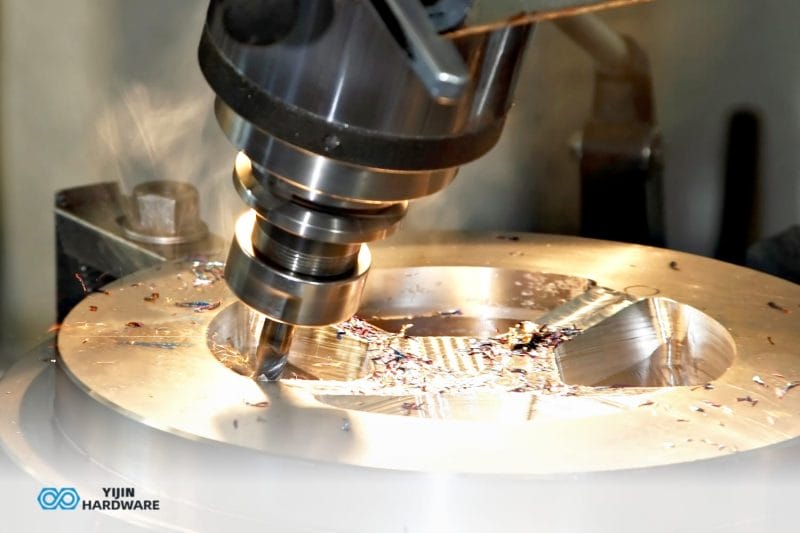
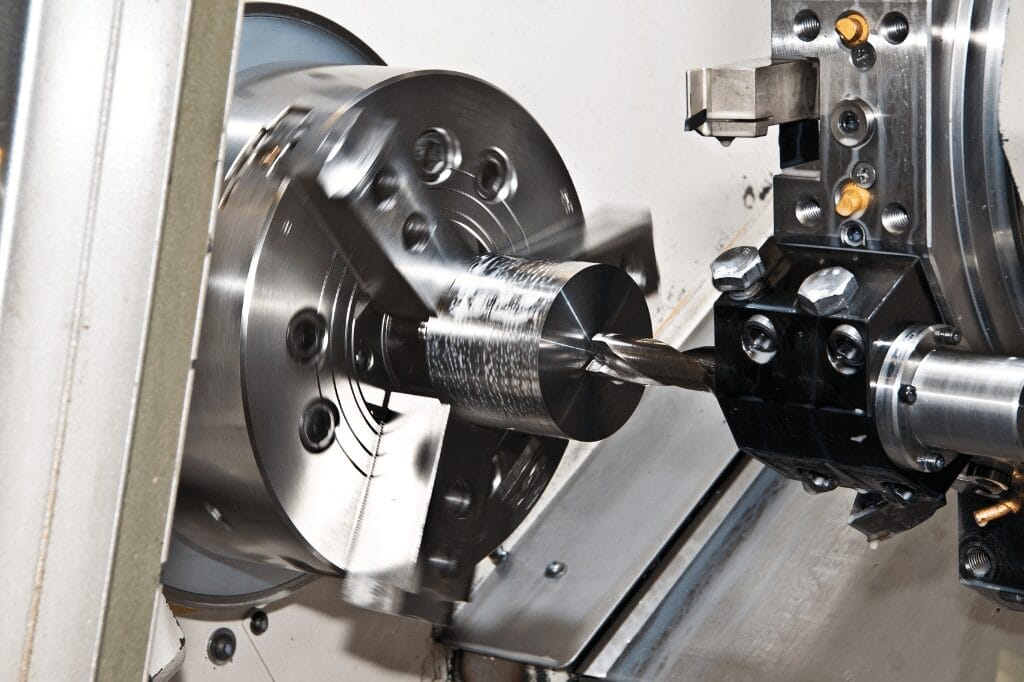
Medical CNC turning produces precision cylindrical turned components for implants, surgical instruments, and diagnostic devices by rotating biocompatible workpieces against multi-axis cutting tools — driven by G-code and M-code from CAD/CAM design software. As the workpiece rotates, controlled tool paths remove material to achieve the tight tolerances and complex geometries that life-critical medical applications demand.
Important Parts of the Medical Turning Process
- Lathe Operation: Workpiece rotation with linear tool movement creating helical cutting paths
- Boring: Internal surface cutting technique essential for cannulated surgical instruments
- Facing: Precise cutting of perpendicular faces for critical mating surfaces
- Multi-axis Control: Simultaneous control of multiple axes for complex shapes
Medical CNC machining differs from standard CNC machining by adhering to FDA 21 CFR Part 820 and ISO 13485, requiring validated processes, comprehensive documentation, and rigorous quality control. For medical applications, this precision approach enables production of components for life-sustaining devices where even microscopic flaws could have serious consequences for many medical procedures.
| Feature | Standard CNC | Medical CNC Machining |
|---|---|---|
| Tolerances | ±0.005″ to ±0.002″ | Down to ±0.0004″ (10 μm) |
| Quality System | ISO 9001 | ISO 13485 (medical-specific) |
| Documentation | Basic production records | Comprehensive validation package |
| Material Traceability | Limited | Complete lot traceability |


Our Medical CNC Turning Services
Yijin Solution provides comprehensive machining services specializing in manufacturing precision parts for orthopedic implants, surgical tools, and diagnostic equipment with tight tolerances as small as ±0.0004″ (10 μm). Our capabilities include both standard and Swiss CNC technology, enabling production of components from 0.5 mm to 300 mm in diameter while maintaining exceptional dimensional accuracy and surface quality.
Medical Components We Manufacture
- Orthopedic Hardware: Bone screws, pins, plates, and joint replacement components
- Surgical Instruments: Forceps, scalpel handles, endoscopic components, and robotic surgery parts
- Medical Equipment: Precision housings, connectors, and mechanical interfaces
- Minimally Invasive Devices: Micromachined components for catheters and endoscopic tools
Our advanced capabilities include Swiss machining for components requiring microscopic examination, with ultra-precision turning achieving workpiece tolerances below 1 μm. We maintain strict material control protocols ensuring all components are manufactured from certified medical-grade materials including titanium alloys (Ti6Al4V), stainless steel, and medical-grade plastic like PEEK for various medical applications.

What Precision and Tolerance Levels Can Medical CNC Turning Achieve?
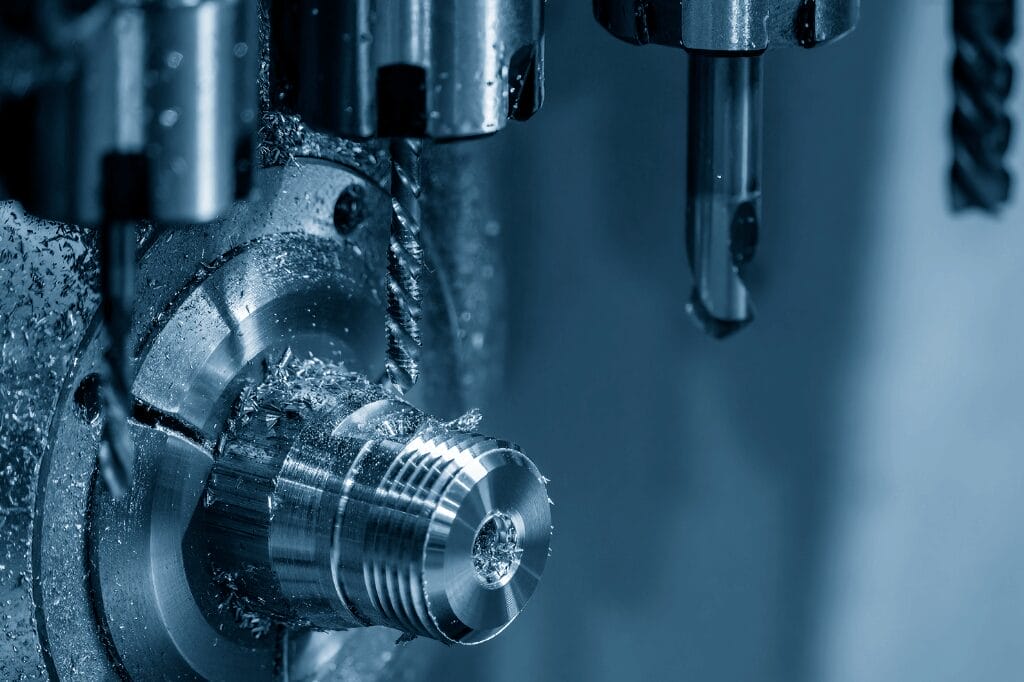
CNC turning achieves exceptional precision with tolerances as tight as ±0.0004″ (±0.010 mm) using multi-axis machining centers specifically optimized for healthcare applications. Ultra-precision turning operations maintain workpiece tolerances below 1 μm (micrometer), essential for critical medical components where dimensional accuracy directly impacts device functionality in the medical sector.
Advanced Precision-Enabling Technologies
- Thermal Stability Systems: Near-zero thermal expansion during machining operations
- High-Speed Spindles: Speeds up to 10,000 RPM for optimal surface finish
- Sensitive Clamping Technology: Specialized fixtures for delicate medical component manufacturing
- In-Process Measurement: Real-time dimensional verification during machining process
Surface finish quality is measured using metrics like Ra (Average roughness), with our Swiss CNC machines typically producing a 64-125Ra finish directly off the machine. For medical applications requiring superior surface characteristics, our centerless grinding capabilities achieve surface finishes down to 6Ra, essential for components where biocompatibility depends on surface characteristics.
| Machining Method | Achievable Tolerances | Surface Finish Range |
|---|---|---|
| Standard CNC Turning | ±0.005″ to ±0.002″ | 125-64Ra |
| Multi-axis Machining | ±0.002″ to ±0.0004″ | 64-32Ra |
| Ultra-precision Turning | <1 μm (0.00004″) | 32-16Ra |
| Centerless Grinding | ±0.0002″ (±0.005 mm) | Down to 6Ra |
Which Materials Are Used in Medical CNC Turning?
Medical manufacturing works with a comprehensive range of biocompatible materials specifically selected for their performance characteristics in the medical field. Titanium, particularly Ti6Al4V (Grade 5), is a primary material for orthopedic implants due to its exceptional strength-to-weight ratio, corrosion resistance, and biocompatibility with human tissue.
Core Medical-Grade Materials
- Ti6Al4V (Grade 5): Primary titanium alloy for orthopedic and dental implants
- 316L Stainless Steel: Corrosion-resistant alloy for surgical tools
- PEEK (Polyetheretherketone): Advanced polymer with bone-like mechanical properties
- Cobalt-Chrome Alloys: Wear-resistant material for articulating joint surfaces
Each material requires precise machining parameters to maintain optimal surface characteristics and prevent microstructural changes that could affect biocompatibility. Our material expertise extends to understanding sterilization compatibility, with processes designed to ensure components withstand repeated autoclaving, gamma irradiation, or ethylene oxide treatments without degradation.
| Material | Surface Treatment Options | Sterilization Compatibility |
|---|---|---|
| Titanium | Anodizing, Passivation | All methods (Autoclave, EtO, Gamma) |
| Stainless Steel | Electropolishing, Passivation | All methods (Autoclave, EtO, Gamma) |
| Plastic (PEEK) | Plasma treatment | Temperature-limited (EtO preferred) |
| Cobalt-Chrome | Polishing, Passivation | All methods (Autoclave, EtO, Gamma) |
How Does Multi-Axis CNC Turning Benefit Medical Device Manufacturing?
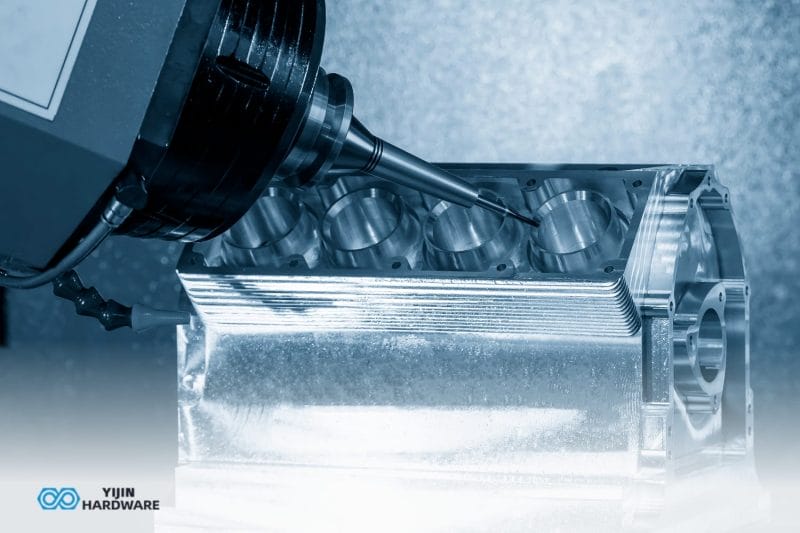
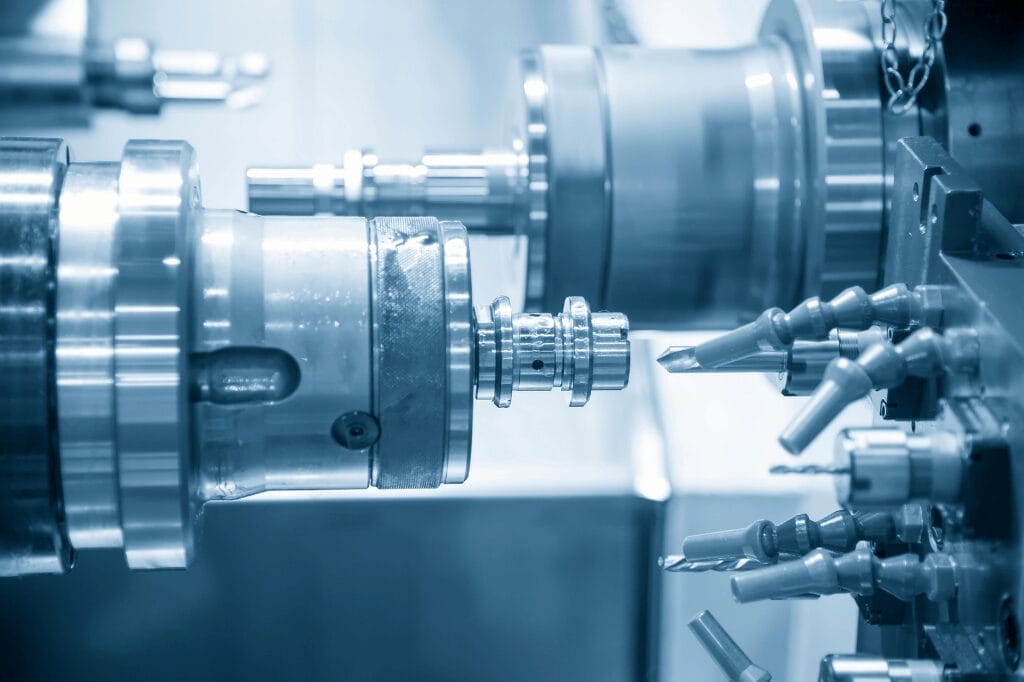
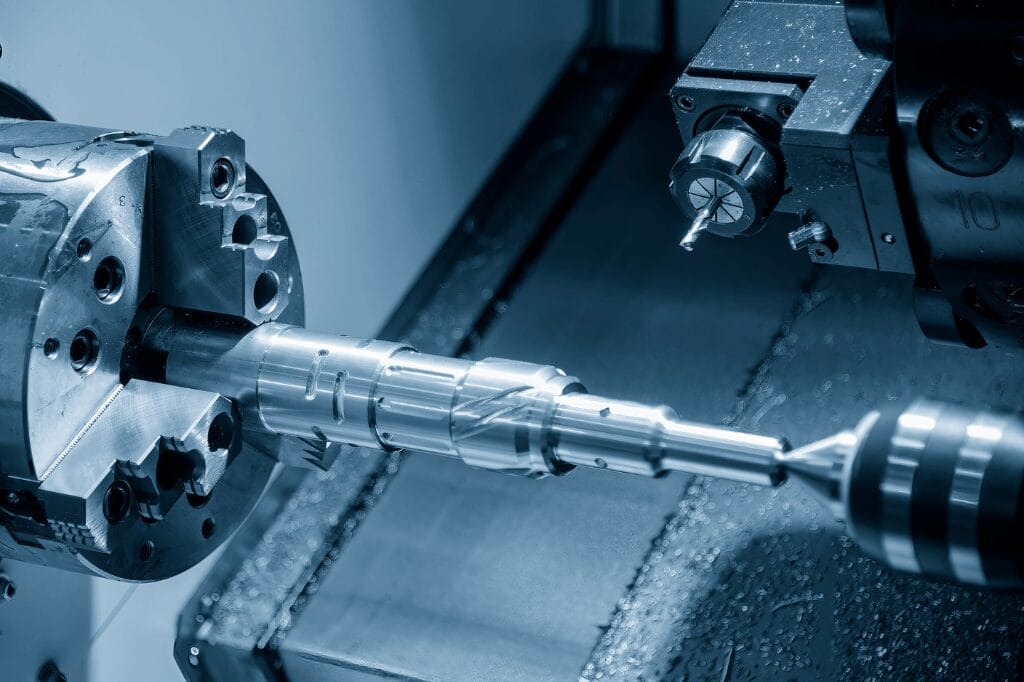
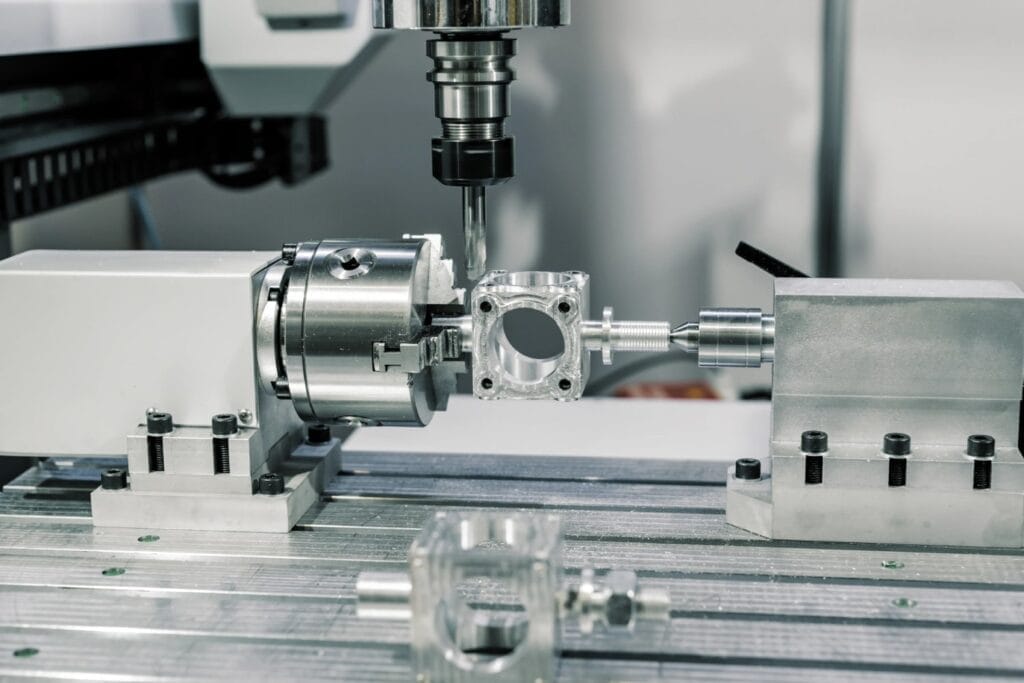
Multi-axis CNC machining revolutionizes medical device manufacturing by enabling the production of complex parts in a single setup, significantly reducing positioning errors and improving dimensional accuracy. 5-axis turning systems operate across traditional X/Y/Z coordinates while adding rotational movement around two additional axes, allowing cutting tools to approach workpieces from virtually any angle.
Key Advantages of Multi-Axis Medical Machining
- Single-Setup Manufacturing: Eliminates cumulative errors from multiple fixturing operations
- Complex Geometry Creation: Enables undercuts, angled features, and organic contours
- Improved Surface Quality: Optimized tool approaches for superior surface finish
- Enhanced Production Efficiency: Reduced setup time and improved consistency
For micromachined components, this precision is critical when producing complex medical parts invisible to the unaided eye. Modern CAM software systems automatically convert 3-axis toolpaths into 5-axis movements, optimizing tool approaches while maintaining material removal rates appropriate for delicate medical materials.
The technology enables rapid prototyping while maintaining the dimensional accuracy required for life-critical applications. CNC machining is ideal for producing medical devices with intricate parts where component geometries are increasingly complex while dimensions continue to shrink. CNC machining delivers the precision necessary to achieve design specifications consistently for medical device manufacturing.
Medical CNC Turning Case Study
- Miniature Bone Screw Challenge: Producing 2.7 mm diameter titanium bone screws with complex thread profiles and tolerance requirements of ±0.0004″.
- Solution: Implemented Swiss-type CNC turning with specialized fixturing and custom cutting tools, achieving required tolerances while maintaining thread integrity.
- Result: Successfully produced 10,000+ units with zero defects, reduced manufacturing time by 30%, and enabled immediate sterilization without additional processing.
What Quality Standards and Regulatory Compliance Apply to Medical CNC Turning?
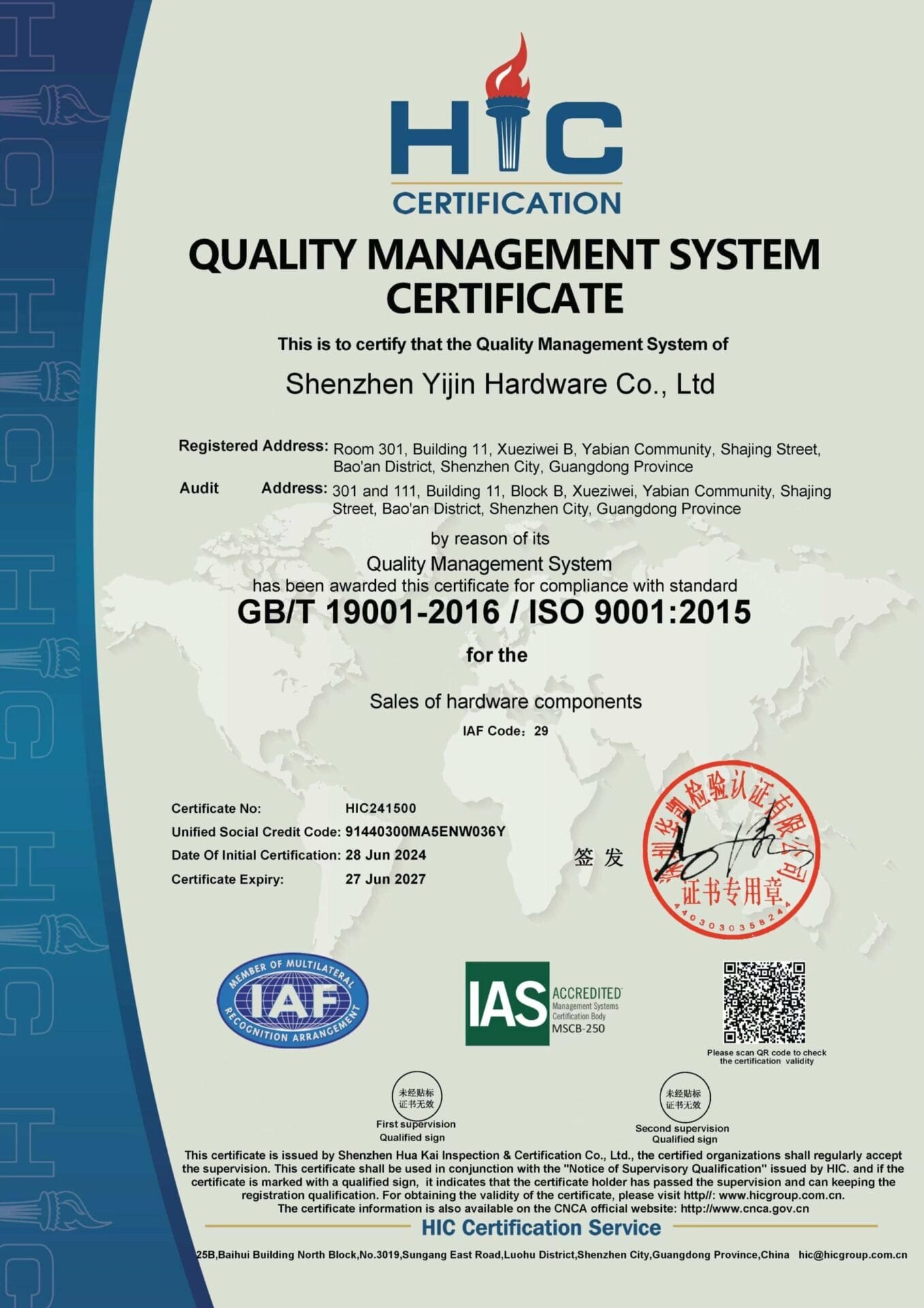
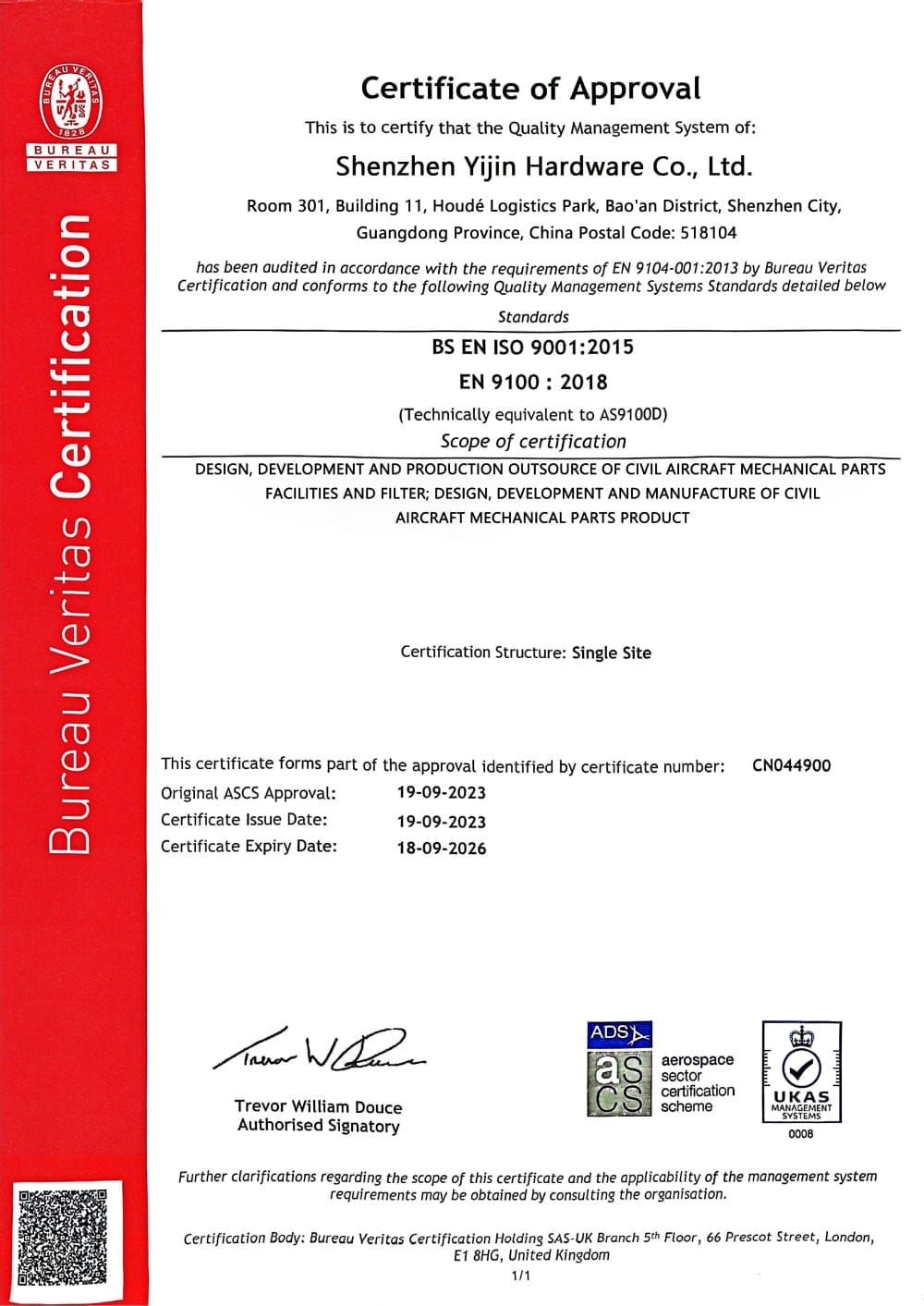
CNC machining for medical devices must strictly adhere to ISO 13485:2016, the specialized quality management system standard for medical device manufacturing that adapts the process-based model for regulated medical production. This certification requires thorough documentation, with comprehensive risk management procedures integrated throughout the manufacturing process.
Critical Regulatory Requirements
- FDA 21 CFR Part 820: U.S. quality system regulation for medical devices
- ISO 13485:2016: Medical-specific quality management system requirements
- ISO 14971: Risk management system for medical devices
- EU MDR: European requirements for exported medical components
Our precision machining services incorporate material certification, process validation, and comprehensive testing protocols. Unlike competitors who may only perform sample testing, we conduct 100% inspection of critical dimensions on medical components, ensuring complete conformance to specifications. Medical devices must meet these requirements to ensure patient safety.
Validated Quality Assurance Process
The medical device validation process follows the IQ/OQ/PQ framework:
Installation Qualification (IQ):
- Verification of machine calibration and capability studies
- Documentation of tooling specifications and fixture accuracy
- Confirmation of measurement system accuracy through gauge R&R studies
Operational Qualification (OQ):
- Process parameter optimization through Design of Experiments (DOE)
- Documentation of critical process parameters (cutting speed, feed rate, etc.)
- Statistical analysis of process capability (Cpk) for critical dimensions
Performance Qualification (PQ):
- Production of validation batch under actual manufacturing conditions
- 100% inspection of critical characteristics on validation batch
- Statistical analysis confirming process stability and consistency
Why Choose Yijin Solution for Medical CNC Turning?
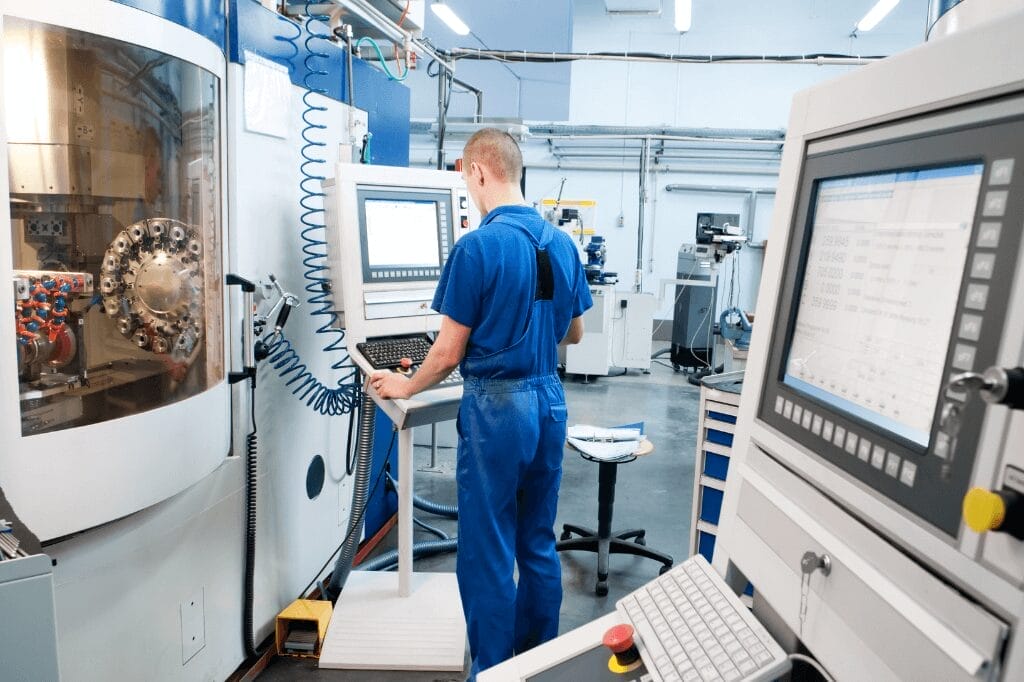
Yijin Solution differentiates itself through specialized expertise in precision CNC machined components with advanced machining capabilities for manufacturing life-critical parts to tolerances as tight as ±0.0004″ (10 μm). Our ISO 13485-certified quality management system ensures every aspect of production meets the stringent requirements for medical manufacturers, with validated processes that maintain consistent quality from prototype to production.
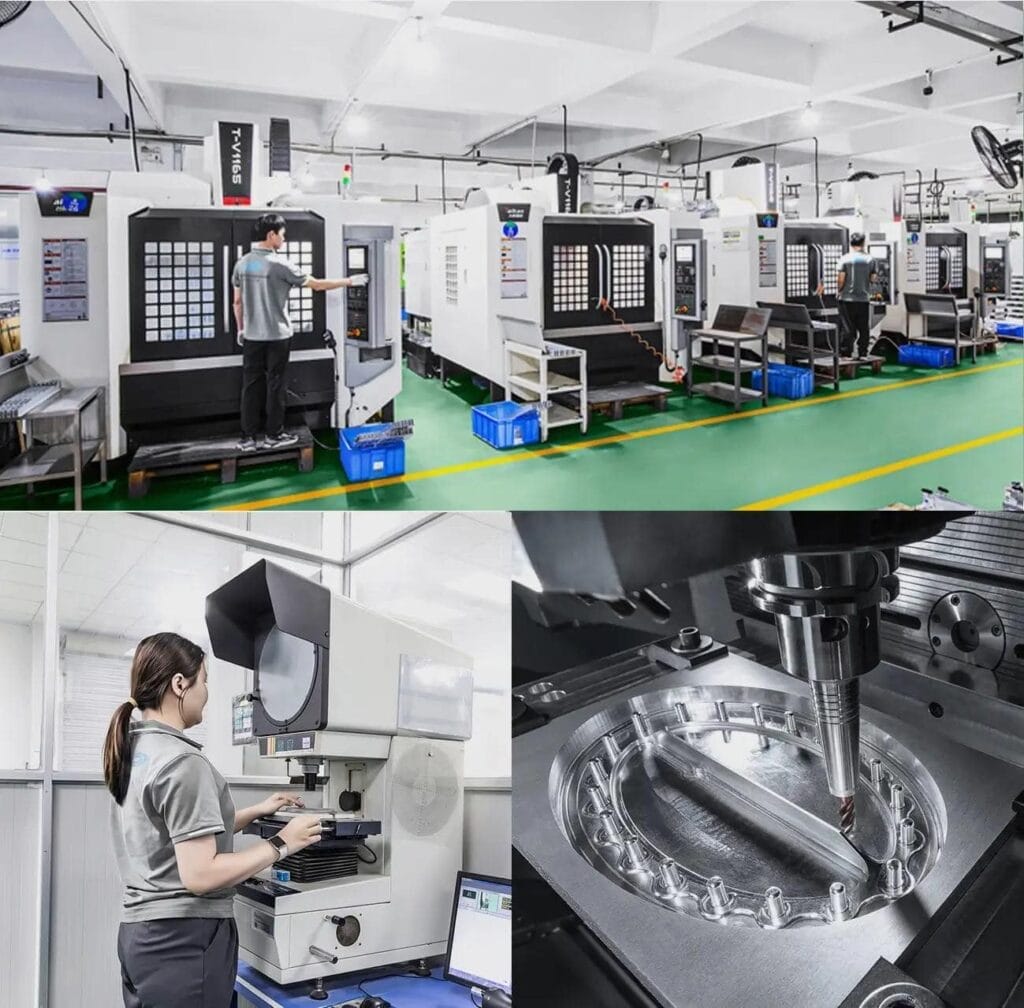
Unlike general machine shops, we operate industrial CNC machines dedicated for medical production, eliminating cross-contamination risks while ensuring optimal material handling. Our comprehensive documentation packages support your regulatory submissions with complete material traceability, process validation records, and dimensional verification reports.
Our Unique Medical Machining Advantages
- Micromachining Capability: Production of small parts requiring microscopic examination
- Thermal Stability Technology: Temperature-controlled environment with near-zero thermal expansion
- Process Validation Support: Complete IQ/OQ/PQ documentation for regulatory submissions
- Contamination Control Protocols: Dedicated machining cells with controlled environment
- CNC Milling Integration: Combined turning and mill operations for complete production
By choosing Yijin Solution as your partner, you gain access to specialized expertise that delivers custom parts meeting the highest standards of precision and accuracy for medical products. CNC machines ensure every component is manufactured to exact specifications, making our services commonly used in the medical device industry for producing complex medical components.
What Our Clients Say

Frequently Asked Questions About Medical CNC Turning
Standard CNC turning and medical CNC turning differ primarily in regulatory requirements, quality assurance protocols, and material handling processes. Medical machining operates under ISO 13485 certification rather than standard ISO 9001, requiring more comprehensive documentation and validated manufacturing processes that demonstrate consistent quality.
Medical applications demand higher precision with tolerances typically ranging from ±0.002″ down to ±0.0004″ compared to standard turning’s ±0.005″ to ±0.002″ tolerance range. Additionally, medical turning requires strict material traceability, controlled environments to prevent contamination, and comprehensive testing to ensure biocompatibility for components for medical devices.
CNC machining can produce a wide range of medical devices including orthopedic implant components, surgical tools, minimally invasive device parts, diagnostic equipment components, and complex medical assemblies. Specific applications include bone screws and pins for medical implants, precision housings for medical imaging equipment, parts for surgical robots, and custom hardware for specialized devices.
Advanced capabilities enable production of miniaturized components for minimally invasive surgery, including specialized cannulae with burr-free ends and precise notching, flaring, crimping, and grinding. Endoscopy components with intricate features such as micro-sized housings for cameras and sensors represent another important application where precision turning is essential for various medical needs.
Surface finish directly impacts medical device performance and safety by affecting biocompatibility, wear characteristics, fatigue resistance, and infection control properties. Surface roughness measured in Ra values (lower numbers indicating smoother surfaces) determines how biological tissues interact with implanted components; smoother surfaces generally reduce bacterial adhesion and biofilm formation while improving tissue integration for permanent implants.
For orthopedic implants, controlled surface roughness in specific areas promotes osseointegration (bone attachment), while overly rough surfaces can accelerate wear and particle generation, potentially causing adverse tissue reactions. The medical manufacturing industry recognizes that machining technology significantly influences surface characteristics, with post-processing treatments like electropolishing improving corrosion resistance for critical medical components.
CNC Resources

3D-Printed Snap-Fit Trim Housing Prototype: From CAD Review to Functional Assembly Validation
How a matched prototype set turned a visual concept into a practical basis for fit, feature, and production-readiness decisions. A

Low-Volume & Prototype CNC Machining in China
How prototype CNC machining prices behave from 1 to 500 units, what the move to production involves, and what a

CNC Milling | A Practical Guide to Parts, Tolerances, and Material Selection
Learn how CNC milling services handle part types, realistic tolerances, materials, 3-axis and 5-axis work, DFM, pricing, inspection, and sourcing
Start today. Get parts made fast.
Free Machined Parts Design to Your Projects with Fast Turnaround Times.