





Gewinde sind im Grunde schraubenförmige Rippen, die in zylindrische oder konische Oberflächen eingearbeitet werden. Sie sind ziemlich genial - sie wandeln eine Drehbewegung in eine lineare Bewegung um, wenn man etwas wie eine Schraube dreht. Es handelt sich dabei nicht um zufällige Merkmale, sondern um Präzisionselemente, die bei der Befestigung von Gegenständen, bei der Herstellung von Dichtungen und bei der Kraftübertragung in buchstäblich allen Industriezweigen wichtige Aufgaben übernehmen. Es gibt eine ganze Reihe verschiedener Gewindetypen, von denen jeder für eine optimale Leistung sorgt, je nachdem, was man vorhat. Auch die weltweite Kompatibilität ist von großer Bedeutung - stellen Sie sich das Chaos vor, wenn die Gewinde in verschiedenen Ländern nicht übereinstimmen würden!
Wichtigste Erkenntnisse
- Die Form des Gewindes (seine Gestalt und sein Profil) wirkt sich direkt auf seine Belastbarkeit, seine Gesamtfestigkeit und seine Eignung für bestimmte Anwendungen aus
- Die Art der Herstellung des Gewindes macht einen gewaltigen Unterschied in der Qualität und den mechanischen Eigenschaften aus - es gibt einen großen Unterschied zwischen gewalzten und geschnittenen Gewinden
- Weltweit dominieren zwei Normen: Metrische ISO-Gewinde und der Unified Thread Standard (hauptsächlich in den USA verwendet).
- Die Gewindeklasse (bei der es eigentlich um die Toleranz geht) bestimmt, wie die Teile zusammenpassen und wie sie sich in der Praxis verhalten werden
- Bei der CNC-Bearbeitung von Teilen ist die exakte Einhaltung der Gewindespezifikationen absolut entscheidend - ein winziger Fehler und nichts passt mehr zusammen.
Was sind mechanische Gewinde und wie funktionieren sie?
Die Gewindetechnik ist ziemlich faszinierend, wenn man sie genau betrachtet - im Grunde handelt es sich um schraubenförmige, geneigte Ebenen, die um Zylinder oder Kegel gewickelt sind. Ein Schraubengewinde ist im Grunde nur ein spiralförmiger Steg, mit dem man Kraft übertragen und Dinge sicher zusammenhalten kann.
Das Ganze funktioniert nach einem recht einfachen Prinzip: Dreht man etwas im Kreis, erhält man eine geradlinige Bewegung. Wie gut diese Umwandlung funktioniert, hängt von ein paar wichtigen Dingen ab: dem Winkel des Gewindes, der Steigung (wie weit die Spiralen auseinander liegen) und der Reibung (die immer alles zu verkomplizieren scheint). Es ist eines dieser genial einfachen mechanischen Konzepte, die es schon immer gab, die aber immer noch perfekt funktionieren.
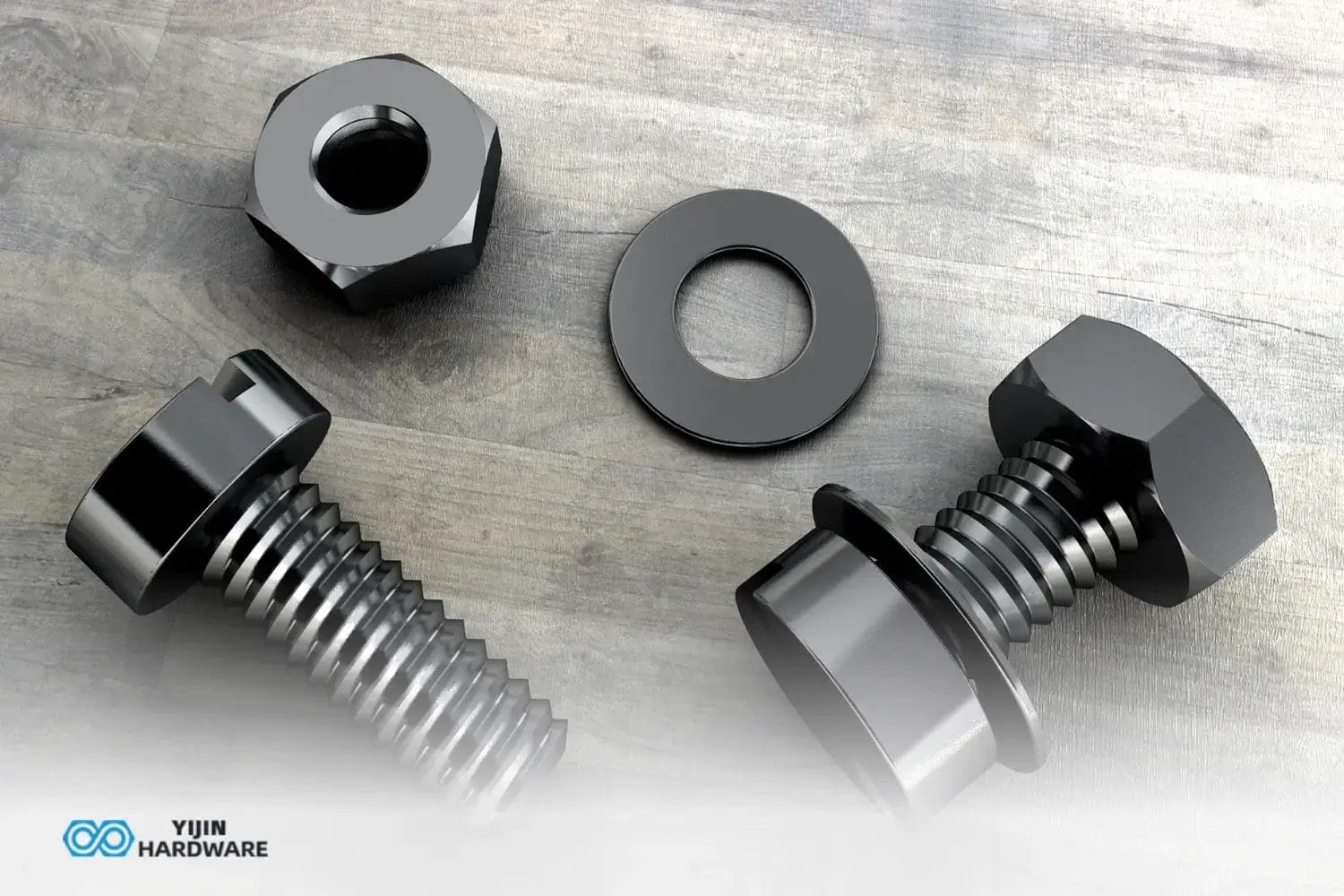
Es gibt Außengewinde (wie bei Bolzen und Schrauben) und Innengewinde (wie bei Muttern und Gewindelöchern). Die meisten Gewinde sind rechtsgängig, das heißt, sie ziehen sich im Uhrzeigersinn fest. Gelegentlich stößt man aber auch auf Linksgewinde, die in die entgegengesetzte Richtung drehen.
Gewinderichtung und Startkonfiguration

- Rechtsgängige Gewinde: Diese werden im Uhrzeigersinn angezogen und sind bei den meisten Anwendungen der Standard. Wenn nichts anderes angegeben ist, gehen Sie davon aus, dass es sich um eine rechtsdrehende Schraube handelt.
- Linksgewinde: Sie werden gegen den Uhrzeigersinn angezogen und kommen bei speziellen Anwendungen zum Einsatz. Sie werden manchmal speziell verwendet, um ein Lösen in bestimmten rotierenden Geräten zu verhindern oder wenn Sie sicherstellen müssen, dass etwas nur in eine Richtung installiert werden kann.
- Eingängige Gewinde: Dies ist die Grundausführung mit einem durchgehenden spiralförmigen Steg. Sie wird in den meisten alltäglichen Anwendungen verwendet.
- Mehrgängige Gewinde: Hier gibt es zwei oder mehr parallele schraubenförmige Stege, die nebeneinander laufen. Das Tolle daran ist, dass sie einen schnelleren linearen Verfahrweg bei gleicher Gewindesteigung ermöglichen - deshalb werden sie z. B. für die Befestigung von Kameraobjektiven verwendet, bei denen ein schnelles Einrasten gewünscht wird.
Wenn man sich das ganze Fadenkonzept anschaut, ist es im Grunde eine einfache Maschine - eine schiefe Ebene - die einfach im Kreis herumgewickelt wird. Ziemlich clever, wenn man darüber nachdenkt.
Wie werden Gewindeformen klassifiziert und verglichen?
Die Einteilung der Gewindeformen erfolgt nach der Form des Querschnittsprofils. V-Gewinde mit ihren um 60° abgewinkelten Flanken dominieren in der Befestigungstechnik, während Vierkant- und Trapezgewinde mit ihren eher rechtwinkligen Tragseiten in der Kraftübertragung glänzen. Es gibt eine Vielzahl unterschiedlicher Gewindearten.
Kegelstumpfgewinde haben ein asymmetrisches Profil, bei dem eine Flanke fast senkrecht zur Achse steht - perfekt für die Aufnahme von unidirektionalen Schubkräften. Der von Ihnen gewählte Gewindetyp wirkt sich direkt auf die Lastverteilung, die Festigkeit und den Fertigungsaufwand aus.
Jüngste Fortschritte bei der Herstellung sind Fahren eines Auslegers in speziellen Gewindedesigns. Anschauen Luft- und Raumfahrt UNJ-Gewinde - sie sind wesentlich widerstandsfähiger und halten bei zyklischer Belastung wesentlich länger als Standardgewinde. Wenn Sie etwas bauen, das auf keinen Fall versagen darf - wie z. B. Teile für Flugzeuge oder Raumfahrzeuge - sind diese Spezialgewinde nicht nur schön, sondern unerlässlich. Die zusätzliche Fertigungskomplexität zahlt sich bei Anwendungen aus, bei denen das Leben buchstäblich von der perfekten Funktion jeder Komponente abhängt.
| Gewindeform | Profil-Winkel | Primäre Anwendungen | Die wichtigsten Vorteile |
|---|---|---|---|
| V-Gewinde | 60° (ISO/UTS), 55° (Whitworth) | Allgemeine Befestigung | Selbstzentrierend, einfache Fertigung |
| Quadratisches Gewinde | 0° (quadratische Seiten) | Kraftübertragung | Maximale Effizienz, minimale Reibung |
| Trapezförmiges Gewinde | 30° (ISO) | Spindeln, Buchsen | Gute Stärke, mäßige Effizienz |
| Gewindespitze | 45°/7° (asymmetrisch) | Hohe Axiallasten | Maximale Stärke in einer Richtung |
Gewindeform Wirkungsgradmerkmale
- V-Fäden25-30% Mechanischer Wirkungsgrad, ausgezeichnet für Gewindeverbindungen
- Quadratische Gewinde: 80-90% Wirkungsgrad, ideal für die Kraftübertragung
- Acme-Gewinde: 50% Effizienz, Ausgewogenheit zwischen Stärke und Herstellbarkeit
- Achsschenkel-Gewinde: Abgerundetes Profil für raue Einsatzbedingungen
Welche internationalen Gewindenormen sind in der Fertigung am wichtigsten?
Metrische ISO-Gewinde beherrschen mit ihrem einfachen Bezeichnungssystem die Welt der Fertigung. Sie verwenden dieses symmetrische 60°-V-Profil sowohl in Grob- als auch in Feingewindeausführungen. Sie werden als “M” geschrieben, gefolgt von Durchmesser und Steigung - wie M10×1,5 für ein Gewinde mit 10 mm Durchmesser und 1,5 mm Steigung. Der Unified Thread Standard (UTS) verwendet im Grunde dasselbe 60°-Profil, verwendet aber stattdessen Zollmaße.
Das Whitworth-Gewinde mit seinem leicht abweichenden 55°-Winkel ist in bestimmten Industriezweigen, vor allem im Vereinigten Königreich, immer noch weit verbreitet. Rohrgewinde sind eine ganz eigene Sache - es gibt sie in parallelen und konischen Varianten, die speziell dafür entwickelt wurden, druckdichte Verbindungen herzustellen, die unter Druck nicht lecken. Sie sind trotz neuerer Normen immer noch überall in Sanitär- und Pneumatiksystemen zu finden.
| Gewinde Standard | Profil-Winkel | Messsystem | Benennung Beispiel |
|---|---|---|---|
| Metrisches ISO-Gewinde | 60° | Metrisch (mm) | M10×1.5 |
| UNC-Gewinde (UTS) | 60° | Imperial (Zoll) | 3/8-16 UNC |
| Whitworth-Gewinde | 55° | Imperial (Zoll) | 1/2″ BSW |
| Rohrgewinde (NPT/BSP) | 60°/55° | Inch-basierte nominal | 1/2″ NPT |
Erläuterung der Gewindenormbezeichnungen
- Metrisches Gewinde (M): M10×1,5 = 10 mm Hauptdurchmesser, 1,5 mm Gewindesteigung
- UNC/UNF: 3/8-16 UNC = 3/8″ Durchmesser, 16 Gewinde pro Zoll, grobe Reihe
- NPT: 1/2″ NPT = nominale 1/2″ Rohrgröße (nicht tatsächlicher Durchmesser), 14 TPI
- BSP: G1/2 = gerades Gewinde (parallel), R1/2 = kegeliges Gewinde
Welche kritischen Parameter bestimmen die Thread-Leistung?
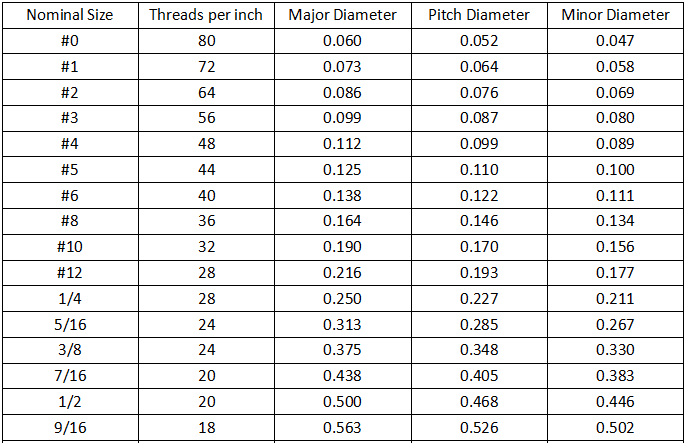
Die Gewindesteigung bestimmt die Abstände und spielt eine große Rolle für die Festigkeit. Metrische Systeme messen die Steigung als Abstand zwischen benachbarten Gewinden in Millimetern. Imperiale Systeme drehen dies um und zählen Gewinde pro Zoll (TPI). Diese groben Gewinde bieten mehr Material an den Scheitelpunkten, was die Zugfestigkeit deutlich erhöht.
Der Hauptdurchmesser legt die Nenngröße fest, während der Nebendurchmesser die Zugfestigkeit drastisch beeinflusst. Der Steigungsdurchmesser - der Punkt, an dem die Gewindedicke der lichten Weite entspricht - bestimmt, wie gut Außen- und Innengewinde funktionell zusammenpassen. Die Gewindeserie sagt alles über die Fertigungspräzision und das Spiel zwischen den zueinander passenden Teilen aus.
Der Unterschied zwischen Feingewinde und Grobgewinde ist nicht nur akademisch - wenn Sie das falsche Gewinde wählen, kann Ihre Baugruppe unter Last versagen oder sich im Laufe der Zeit lösen. Ich habe gesehen, wie Konstrukteure diesen Fehler wiederholt gemacht haben.
| Parameter | Definition | Auswirkungen auf die Leistung |
|---|---|---|
| Außengewinde oder Außendurchmesser | Größter Durchmesser des Außengewindes | Bestimmt die Gewindegröße |
| Kleiner Durchmesser | Kleinster Durchmesser des Außengewindes | Beeinflusst die Stärke |
| Teilungsdurchmesser | wobei die Fadendicke der Lückenbreite entspricht | Kontrollen passen |
| Gewindelehrenwerkzeug | Misst den Abstand zwischen den Fäden | Überprüft Spezifikationen |
Gewindetoleranz-Klassen
- Einheitsklassen: 1A/1B (loser Sitz), 2A/2B (Standard), 3A/3B (Präzision)
- ISO-Klassen: 4g/4H (lose), 6g/6H (Standard), 7g/7H (Präzision)
- Flanken des Gewindes: Abgewinkelte Flächen, die zwischen zusammenpassenden Gewinden Kontakt herstellen
Wie wirkt sich das Herstellungsverfahren auf die Gewindequalität aus?

Gewindeschneiden ist genau das, wonach es sich anhört - man schneidet das Material mit Schneidwerkzeugen buchstäblich weg, um das Gewindeprofil zu erstellen. Es ist sehr vielseitig und funktioniert bei praktisch jedem Material, aber die Gewinde sind am Ende schwächer als bei anderen Methoden. Das Verfahren umfasst in der Regel mehrere Durchgänge, bei denen nach und nach mehr Material abgetragen wird, bis die endgültige Gewindeform erreicht ist.
Gewindewalzen ist etwas völlig anderes: Statt das Material abzutrennen, wird es kalt verformt. Dadurch bleibt die innere Kornstruktur des Metalls erhalten und die Oberfläche wird gehärtet. Das Ergebnis? Erheblich bessere Ermüdungsfestigkeit und Gesamtfestigkeit. Ingenieure konstruieren diese Gewinde speziell für bestimmte Belastungsbedingungen auf der Grundlage präziser geometrischer Parameter.
Methoden der Garnherstellung
- Gewindeschneiden: Hervorragend geeignet für Einzelanfertigungen, Innengewinde oder wenn Sie eine Sonderanfertigung benötigen, die es nicht in Standardgrößen gibt.
- Gewindewalzen: Bietet höhere Festigkeit, viel glattere Oberflächengüte, und stellt Teile in der Produktion viel schneller her
- Schneckengewinde: Diese speziellen schraubenförmigen Gewinde sieht man in Schneckengetrieben und industriellen Förderanlagen
- Konstruktion des Gewindes: Ändert sich drastisch, je nachdem, was die Anwendung braucht und wie sie geladen werden soll
Die Wahl der Methode ist nicht nur akademisch - sie macht einen echten Unterschied darin, wie lange Teile halten und wie viel Last sie bewältigen können, bevor sie versagen. Ich habe schon erlebt, dass identisch aussehende Gewinde bei Belastungstests völlig unterschiedlich abschneiden, nur weil sie anders hergestellt wurden.
Welche Gewindetypen eignen sich besonders gut für Spezialanwendungen?
Die drei gebräuchlichsten Gewindearten sind V-Gewinde für Befestigungszwecke, Vierkant-/Trapezgewinde für die Kraftübertragung und Rohrgewinde für Dichtungsanschlüsse. Acme-Gewinde sind ein Gewindetyp mit trapezförmigem Profil und einem Einschlusswinkel von 29°. Sie bieten ein Gleichgewicht zwischen Tragfähigkeit und akzeptabler Reibung für mechanische Systeme.
Kegelige Gewinde verjüngen sich zusammen mit dem Gewindeprofil und sorgen für druckdichte Verbindungen in Rohrverschraubungen. Gewinde sind die am häufigsten verwendeten mechanischen Elemente in allen Branchen, wobei bestimmte Typen für bestimmte Anwendungen optimiert sind.
Spezialisierte Gewindeanwendungen
- Stützgewinde: Artillerieverschlüsse, Flaschenverschlüsse, Hochlastanwendungen
- Einheitliches Gewinde: Gemeinsame Norm in Nordamerika für Schrauben, Muttern und Befestigungselemente
- Steigung eines Schraubgewindes: Abstand in einer kompletten Umdrehung für mehrgängige Gewinde
- Bolzengewinde: Standardisierte Außengewinde an Befestigungselementen für eine einheitliche Montage
Wie die Yijin-Lösung eine perfekte Garnqualität gewährleistet
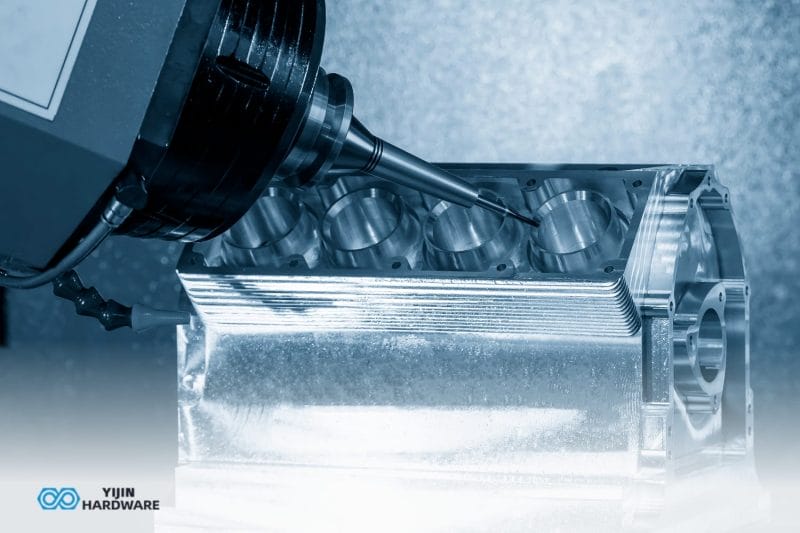
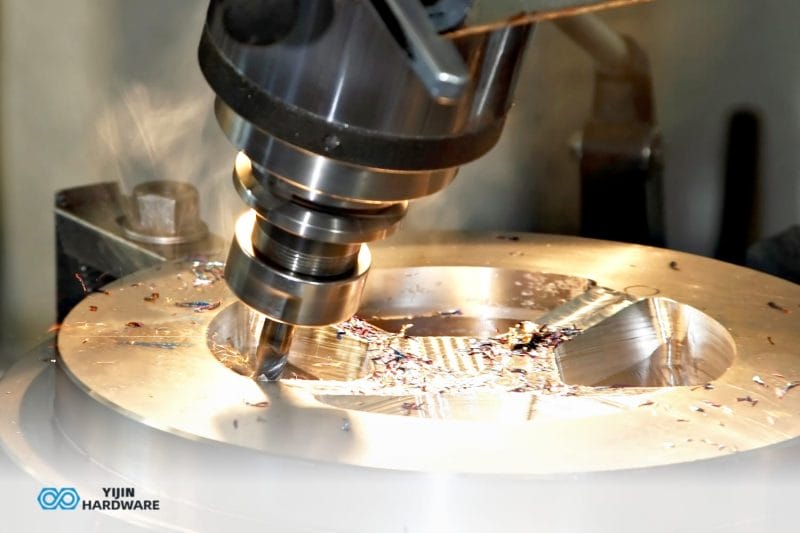
Bei Yijin Solution setzen wir strenge Prüfverfahren mit Präzisionsmessgeräten ein. Unser CNC-Bearbeitung Zentren fertigen Gewinde nach genauen Spezifikationen für alle Standardgewinde und kundenspezifischen Typen. Wir überprüfen die Gewindemaße mit Lehren und optischen Komparatoren, um eine perfekte Passform zu gewährleisten.
Kontaktieren Sie noch heute unsere Gewindeschneid-Experten für die CNC-Präzisionsbearbeitung all Ihrer Gewindeteile. Unser technisches Team bietet umfassende Unterstützung bei der Gewindespezifikation, um eine optimale Leistung für Ihre Anwendungen zu gewährleisten.
FAQs
Wie viele Arten von Gewinden gibt es in der Mechanik?
In der Mechanik werden Dutzende von Gewindetypen in verschiedenen Normen verwendet, wobei derzeit weltweit über 30 genormte Formen in Gebrauch sind. Zu den wichtigsten Kategorien gehören Befestigungsgewinde (V-Profil), Kraftübertragungsgewinde (Vierkant-, Trapez- und Sägezahngewinde) und Dichtungsgewinde (Rohrgewinde). Jede Kategorie umfasst mehrere Varianten mit spezifischen Abmessungsstandards und Anwendungen.
Welches sind die 3 Grundtypen von Gewinden?
Die drei gebräuchlichen Gewindetypen in modernen mechanischen Anwendungen sind metrische ISO-Gewinde (weltweiter Standard mit 60° V-Profil), Unified Thread Standard (nordamerikanischer Standard mit 60° V-Profil) und Rohrgewinde (NPT/NPTF in Nordamerika, BSP weltweit). Diese vorherrschenden Normen machen den Großteil der Gewindeverbindungen in der heutigen Fertigung aus, wobei metrische Gewinde weiterhin an Bedeutung gewinnen.
Was ist der Unterschied zwischen ISO- und NPT-Gewinden?
Metrische ISO-Gewinde weisen ein symmetrisches 60°-V-Profil auf, das in erster Linie für Befestigungsanwendungen konzipiert ist, wobei die geraden Gewinde durch Durchmesser und Steigung in Millimetern angegeben werden. NPT-Gewinde weisen ein 60°-V-Profil mit einem Kegel von 1:16 auf, das speziell für die druckdichte Abdichtung von Rohrverbindungen entwickelt wurde. Während die ISO eine einfache metrische Bezeichnung verwendet, werden bei NPT Rohrnenngrößen verwendet, die nicht direkt mit den tatsächlichen Durchmessern übereinstimmen.
Zurück zum Anfang: Arten von mechanischen Gewinden