

Jede Blechbaugruppe hängt von ihren Verbindungselementen ab. Der von Ihnen gewählte Verbindungstyp bestimmt, wie die Baugruppe bei Vibrationen, Temperaturschwankungen und Langzeitbetrieb funktioniert.
Dieser Leitfaden behandelt die wichtigsten Arten von Befestigungselementen, die bei der Blechmontage verwendet werden, von selbstschneidenden Schrauben über Einpressmuttern bis hin zu Schweißbolzen, und zeigt auf, wie jedes einzelne Element auf das Material, die Dicke und die Anwendungsanforderungen Ihres Projekts abgestimmt werden kann.
Was sind Blechbefestigungselemente?

Blechbefestigungselemente sind mechanische Komponenten, die zum Verbinden, Verankern oder Befestigen von dünnwandigen Metallteilen untereinander oder an anderen Substraten dienen. Sie unterscheiden sich von Standardbefestigungselementen in einem wichtigen Punkt: Sie sind für Substrate ausgelegt, bei denen sich die Klemmkräfte, der Ausziehwiderstand und das Schwingungsverhalten im Vergleich zu Baugruppen mit dickem Querschnitt erheblich ändern.
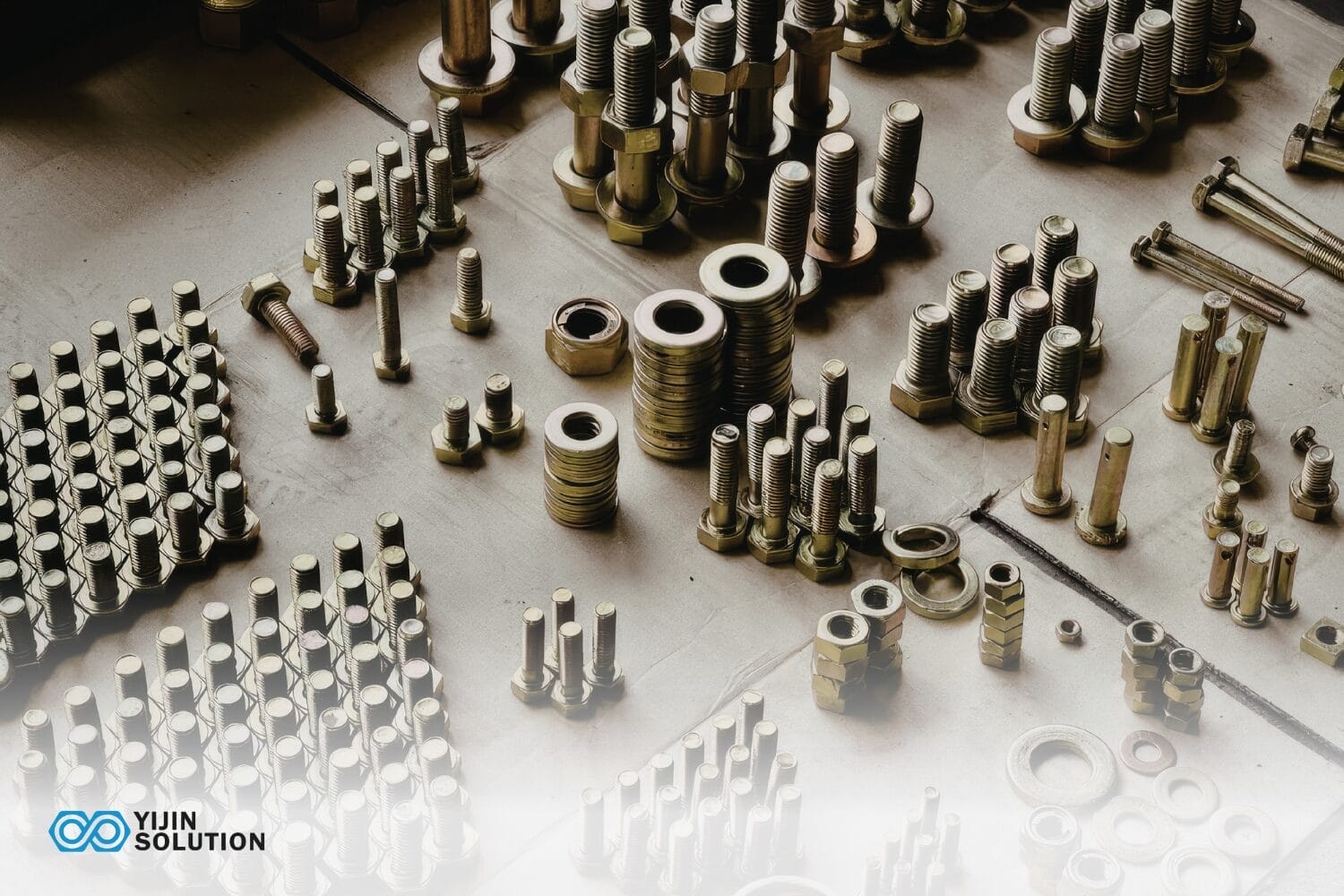
Die Kategorie umfasst Schrauben, Nieten, Einpressbefestigungen, Schweißbolzen, unverlierbare Schrauben und Blindbefestigungen, die permanente, semi-permanente und lösbare Verbindungsmethoden umfassen.
Blechbefestigungstypen im Überblick
In der nachstehenden Tabelle sind die gängigsten Befestigertypen den Kriterien zugeordnet, die für die Auswahl ausschlaggebend sind: Dauerhaftigkeit der Verbindung, Blechdickenbereich, Materialverträglichkeit und typische Anwendung. Beginnen Sie mit der Spalte "Dauerhaftigkeit der Verbindung", um Ihre Optionen einzugrenzen, und prüfen Sie dann die Blechdicke und die Materialkompatibilität, um die Eignung zu bestätigen.
| Befestigungsmittel Typ | Fugenart | Abnehmbar? | Beste Blechdicke | Kompatibilität der Materialien | Primäre Anwendung |
|---|---|---|---|---|---|
| Blechschrauben | Mit Gewinde | Ja | 0,5 bis 3 mm | Stahl, Aluminium, Kunststoff | HVAC, Schaltschränke, Paneele |
| Blindnieten | Dauerhaft | Nein | 0,5 bis 6 mm | Die meisten Metalle | Luft- und Raumfahrt, Automobilkarosserie |
| Einpressmuttern und -bolzen | Dauerhaft | Mutter: Ja | 0,5 bis 4 mm | Stahl, rostfrei | Elektronik, Schalttafeln |
| Bolzen schweißen | Dauerhaft | Nein | ≥ 1,5 mm | Stahl, rostfrei | Strukturelle Rahmen, Vorrichtungen |
| Selbstklemmende Verschlüsse | Dauerhaft | Mutter: Ja | 0,5 bis 3 mm | Stahl, Aluminium | PCBs, Blechgehäuse |
| Unverlierbare Schrauben | Wiederverwendbar | Ja | 0,8 bis 3 mm | Stahl, Aluminium | Zugangsklappen, Elektronik |
| Antriebsnieten | Dauerhaft | Nein | 0,5 bis 4 mm | Aluminium, Stahl | Zierleisten, nicht-strukturelle Verbindungen |
Wenn die Verbindung für Wartungsarbeiten demontiert werden muss, kommen Schrauben, Einpressmuttern oder unverlierbare Befestigungselemente in Frage. Wenn es sich um eine dauerhafte Verbindung handelt und der Zugang nur von einer Seite aus möglich ist, sind Blindniete der richtige Ansatzpunkt.
Blechbefestigungstypen im Detail

In den folgenden Abschnitten werden die einzelnen Arten von Befestigungselementen in der Reihenfolge ihrer Häufigkeit bei der Blechbearbeitung behandelt. Jeder Abschnitt behandelt die Installationsmethode, den Blechdickenbereich und die Entscheidungen, die typischerweise die Spezifikation bestimmen.
Blechschrauben
Wenn die Baugruppe zu Wartungs- oder Austauschzwecken zerlegt werden muss, sollten Sie mit Gewindeschrauben beginnen. Blechschrauben sind selbstschneidend, d. h. sie bilden oder schneiden ihr eigenes Gewinde, wenn sie in das Grundmaterial eindringen. Es ist kein vorgewundenes Loch erforderlich, was wichtig ist, wenn man mit dünnem Blech arbeitet.
Blechschrauben werden in mehrere Typen unterteilt, die jeweils durch die Gewindegeometrie definiert sind:
- Schrauben des Typs A haben ein Grobgewinde mit einer Bohrerspitze und sind für dünne Bleche und weichere Metalle bestimmt.
- Schrauben des Typs B haben ein feineres Gewinde mit einer stumpfen Spitze. Sie eignen sich besser für Stärken unter 1,5 mm, bei denen grobe Gewinde die Gefahr bergen, das Loch auszuschlagen.
- Typ AB kombiniert die grobe Teilung von Typ A mit der stumpfen Spitze von Typ B.
- Schrauben des Typs C schneiden Maschinenschraubengewinde für einen präziseren Sitz in dickerem Material.
Die Gewindesteigung sollte auf die Blechdicke abgestimmt sein, um ein Ausreißen unter Drehmoment zu vermeiden. Grobe Gewinde in dünnen Blechen ergeben einen schlechten Eingriff, und die Verbindung lockert sich mit der Zeit. Bei automatisierten Montagelinien kommt es auf den Antriebstyp an: Torx- und Sechskantantriebe bieten eine bessere Kontrolle des Drehmoments und ein schnelleres Einsetzen als Phillips-Antriebe, die sich bei hohen Drehzahlen verformen.
Blindnieten
Blindniete, manchmal auch Popniete genannt, werden vollständig von einer Seite der Baugruppe aus angebracht. Der Nietdorn zieht sich durch den Nietkörper und spreizt ihn gegen die Rückseite der Verbindung. Sobald der Nietdorn einrastet, ist die Verbindung dauerhaft. Blindniete werden standardmäßig für geschlossene Abschnitte, Kastenkonstruktionen und alle Verbindungen verwendet, bei denen die Rückseite nicht zugänglich ist.
Die Auswahl des Materials verändert die Leistung dieses Niettyps erheblich. Aluminium-Körpernieten eignen sich für leichte Baugruppen, bei denen die Scherkräfte moderat sind. Stahlnieten nehmen höhere Scherkräfte in Strukturplatten auf. Nieten aus Edelstahl eignen sich für korrosionsgefährdete Umgebungen wie Schiffsteile und Außengehäuse.
Bei offenen Nieten bleibt nach der Montage ein kleiner Spalt zwischen dem Dornkopf und dem Nietkörper. Versiegelte oder geschlossene Nieten schließen diesen Spalt vollständig und verhindern das Eindringen von Flüssigkeit. Für Anwendungen im Außenbereich, in der Automobilindustrie oder in der Schifffahrt sind versiegelte Nieten die Standardspezifikation.
Selbstklemmende Verschlüsse
Wenn Bleche zu dünn sind, um sie zuverlässig mit einem Gewinde zu versehen, bieten selbstklemmende Verbindungselemente die Möglichkeit, mit einem völlig anderen Mechanismus ein vollständiges Maschinengewinde zu schaffen. Das Befestigungselement wird mit einer kontrollierten Druckkraft in ein gestanztes oder gebohrtes Loch gepresst. Das verdrängte Blech fließt kalt in eine ringförmige Aussparung im Schaft des Befestigungselements und verriegelt es dauerhaft und bündig mit der Oberfläche der Platte.
Zu dieser Kategorie gehören Einpressmuttern, Einpressbolzen und Einpressabstandshalter. Einpressmuttern fügen der Platte eine Gewindebuchse hinzu. Einpressbolzen bieten ein Außengewinde, das aus der Oberfläche herausragt. Abstandshalter schaffen einen festen Abstand zwischen gestapelten Komponenten, weshalb sie so häufig in Elektronikgehäusen und bei der Leiterplattenmontage eingesetzt werden.
Bei Blechen, die zum Gewindeschneiden zu dünn sind (oft unter 1,5 mm), wird das Maschinengewinde in voller Tiefe eingedrückt. Selbstklemmende Verbindungselemente erfordern jedoch eine Presse mit kontrollierter Kraft und Verweilzeit. Ein Hammerschlag wird nicht funktionieren, da der Kaltfließprozess einen anhaltenden, parallelen Druck benötigt, keinen Schlag.
Das Plattenmaterial muss außerdem um mindestens 20 Punkte weicher sein als das Befestigungselement. Rockwell B-Skala. Dies sind Zwänge, die bei der Produktionsplanung berücksichtigt werden müssen.
Schweißbolzen und Schweißmuttern
Geschweißte Befestigungselemente verbinden sich direkt mit der Blechoberfläche, ohne dass ein Durchgangsloch erforderlich ist. Beim Kondensatorentladungsschweißen (CD-Schweißen) werden kleine Bolzen auf dünnen Blechen mit minimaler Wärmezufuhr verarbeitet, so dass es sich für kosmetische Anwendungen eignet. Das Hubzündungsschweißen erzeugt eine größere Schweißfläche für strukturelle Bolzen, die höhere Lasten tragen.
Schweißbolzen sind Nieten und Schrauben unter bestimmten Bedingungen überlegen: Es ist kein Zugangsloch erforderlich, die Sichtfläche bleibt bündig, und die Ausreißfestigkeit bei strukturellen Anwendungen ist hoch. Der Nachteil ist die Hitze. Schweißbolzen erfordern eine Mindestdicke des Grundmetalls, in der Regel 1,5 mm oder mehr beim CD-Schweißen, und sie hinterlassen eine Wärmeeinflusszone, die die mechanischen Eigenschaften des umgebenden Materials verändern kann. Die Nachbearbeitung nach dem Schweißen kann die Kosten für die Baugruppe erhöhen.
Unverlierbare Schrauben und Plattenbefestigungen
Unverlierbare Schrauben bleiben in der Platte, auch wenn sie vollständig gelöst werden. Die Schraube lässt sich herausdrehen, um das Gegenstück zu lösen, aber sie kann nicht aus der Baugruppe herausfallen. Dadurch wird das Risiko loser Hardware in Elektronikgehäusen, Serverracks oder anderen Geräten, bei denen eine heruntergefallene Schraube einen Kurzschluss verursachen oder einen Mechanismus blockieren kann, ausgeschlossen.
Varianten mit Vierteldrehung ermöglichen einen werkzeuglosen Zugang, was die Wartung vor Ort bei Geräten, die häufig geöffnet werden, beschleunigt. Unverlierbare Standardschrauben verwenden einen herkömmlichen Antrieb und bieten eine höhere Klemmkraft. Ein Detail, das bei der Beschaffung leicht übersehen wird: Unverlierbare Schraubensysteme erfordern in der Regel sowohl die Schraube als auch eine passende Aufnahme. Beide Teile müssen in der Stückliste aufgeführt werden.
Antriebsnieten
Treibnieten werden durch Eintreiben des Nietdorns mit einem Hammer oder einer Presse angebracht. Es ist keine Nietpistole erforderlich, was die Werkzeugherstellung für hochvolumige Beschnittanwendungen vereinfacht. Sie sind nicht für strukturelle oder tragende Verbindungen gedacht. Treibniete verdienen sich ihren Platz in einer schmalen Spur: Namensschilder, Zierleisten, Abdeckungen und Befestigungen mit geringer Belastung, bei denen Geschwindigkeit und Einfachheit wichtiger sind als die Ausreißfestigkeit.
Treibniete schlagen Standard-Blindniete in bestimmten Fällen. Einfachere Werkzeuge, schnellere Zykluszeiten bei nicht strukturellen Beschnittarbeiten und niedrigere Stückkosten. Wenn Scherkräfte oder Vibrationsfestigkeit eine Rolle spielen, ist ein Blindniet oder ein Clinch-Befestigungselement die bessere Wahl.
Material-Befestigungsmittel-Kompatibilität: Passende Befestigung zum Blatt
Bei der Auswahl der Befestigungsmittel muss auch das Blechmaterial selbst berücksichtigt werden. Galvanische Korrosion, ungleiche Wärmeausdehnung und Beschichtungshaftung hängen davon ab, wie das Befestigungsmaterial mit dem Grundblech zusammenpasst. Industrie Normen umfassen Materialspezifikationen und Leistungstests. In der nachstehenden Tabelle sind die häufigsten Paarungen aufgeführt.
| Plattenmaterial | Empfohlenes Befestigungsmaterial | Bevorzugte Befestigungstypen | Vermeiden Sie | Warum es wichtig ist |
|---|---|---|---|---|
| Kaltgewalzter Stahl | Stahl, galvanisch verzinkt | Schrauben, Einpressmuttern, Schweißbolzen | Blanke Aluminiumnieten | Galvanische Korrosionsgefahr an der Verbindung |
| Verzinkter Stahl | Verzinkter oder rostfreier Stahl | Blindniete, Einpressbefestiger | Kohlenstoffstahl ohne Beschichtung | Beschädigungen der Beschichtung beschleunigen die Korrosion |
| Aluminiumblech | Aluminium oder Edelstahl | Aluminiumnieten, SS selbsteinziehend | Stahlschrauben ohne Isolierung | Galvanische Kopplung in feuchter Umgebung |
| Rostfreier Stahl 304/316 | Rostfrei, gleiche Qualität | Rostfreie Schrauben, SS-Blindnieten | Kohlenstoffstahl, Fressgefahr | Abrieb unter Drehmoment; Rostflecken |
| Kupfer- oder Messingblech | Messing, rostfreier Stahl oder Monel | Treibnieten, Vollnieten | Verbindungselemente aus Stahl | Galvanische Unverträglichkeit |
Galvanische Korrosion ist das Hauptrisiko bei der Verbindung ungleicher Metalle in einer Schraubverbindung. Wenn zwei Metalle mit unterschiedlichen Elektrodenpotentialen in Kontakt sind und Feuchtigkeit vorhanden ist, korrodiert das aktivere Metall schneller.
In geschlossenen, klimatisierten Räumen ist das galvanische Risiko überschaubar. In Außenbereichen, auf See oder bei hoher Luftfeuchtigkeit wird die Materialpaarung zu einem Problem der Zuverlässigkeit, das bereits in der Entwurfsphase und nicht erst nach der Montage berücksichtigt werden muss.
Einbau und Fugengestaltung
Der Typ des Verbindungselements ist eine Entscheidung, die Einbaumethode eine andere. Jede der unten aufgeführten Montagefamilien wirkt sich unterschiedlich auf das Verhalten der Verbindung, die Montagekosten und die langfristige Gebrauchstauglichkeit aus, selbst wenn das zugrunde liegende Verbindungselement ähnlich ist.
Befestigung mit Gewinde
Gewindeverbindungen umfassen Maschinenschrauben in Einpressmuttern, Blechschrauben in Grundmaterial und Schraubverbindungen mit Gegenmuttern oder Schweißmuttern. Alle diese Verbindungen haben eine gemeinsame Anforderung: Sie müssen zur Wartung, Einstellung oder Inspektion getrennt werden können.
Bei dünnen Blechen ist es der Gewindeeingriff, der die Verbindung hält oder bricht. Blech allein bietet nur eine begrenzte Gewindetiefe, und wiederholte Demontagezyklen nutzen die Gewinde weiter ab. Einpressmuttern und Schweißmuttern stellen unabhängig von der Blechdicke den vollen Gewindeeingriff wieder her. Wenn die Baugruppe für mehr als ein paar Betriebszyklen ausgelegt ist, verlängert sich die Lebensdauer der Verbindung, wenn eine Einpress- oder Schweißmutter verwendet wird, anstatt Schrauben direkt in das Blech zu treiben.
Vernietete Verbindungen
Das Nieten umfasst drei Methoden: Blindnieten für einseitigen Zugang, Vollnieten für zweiseitige strukturelle Verbindungen und Treibnieten für nicht-strukturelle Befestigungen. Auf automatisierten Montagelinien ist das Nieten schneller als das Gewindeschneiden, da es keine Drehmomentkontrolle erfordert. Der Nietdorn zieht, der Niet setzt, und das Werkzeug fährt zum nächsten Loch.
Sobald eine Niete gesetzt ist, ist die Verbindung verriegelt. Ihre Entfernung beschädigt sowohl den Niet als auch das Substrat. Wenn die Konstruktion die Wartungsfähigkeit erfordert, sollten Nietverbindungen für Verbindungen reserviert werden, die niemals getrennt werden müssen. Planen Sie die Wartungsfähigkeit ein, bevor Sie eine Nietverbindung spezifizieren, und nicht, nachdem die Konstruktion verriegelt ist.
Einpress- und Clinchverschluss
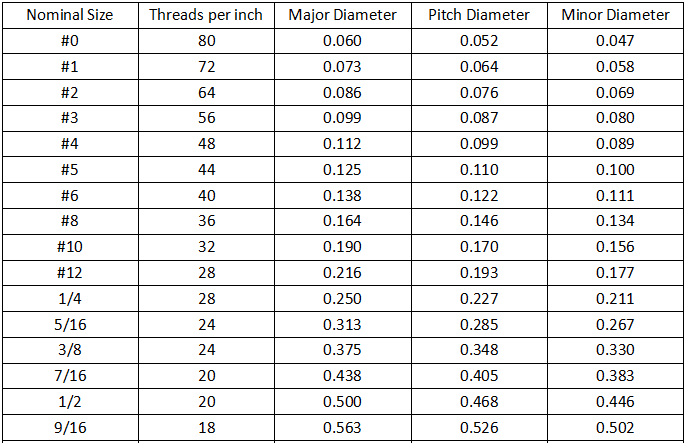
Die Einpressbefestigung umfasst Einpressmuttern, Bolzen, Abstandshalter und Räumbefestigungen, die durch Pressen installiert werden. Sie erhalten ein volles Maschinengewinde in dünnem Material, das nicht gebohrt werden kann. Keine Schweißwärme, kein Bohren nach dem Formen.
Der Einbau erfordert eine auf die Größe des Befestigungselements abgestimmte Pressenkapazität. Montagekraft und Ambossdesign sollten vor der Produktion bestätigt werden, typischerweise in der DFM-Phase, um ein zu geringes Einpressen oder eine Beschädigung des Substrats zu vermeiden. Bei zu geringem Einpressen sitzt der Befestiger lose in der Platte. Bei zu starkem Einpressen werden die Gewinde gequetscht und die Platte verformt. Beides sind Produktionsfehler, die sich durch eine ordnungsgemäße Überprüfung des Aufbaus vermeiden lassen.
Befestigung durch Schweißen
Das CD-Bolzenschweißen eignet sich für kleine Bolzen bei kosmetischen Anwendungen, bei denen es auf minimale Wärmezufuhr ankommt. Das Hubzündungsschweißen erzeugt größere Schweißflächen für strukturelle Bolzen, die höheren Belastungen ausgesetzt sind. Da keine Durchgangsbohrung erforderlich ist, eignet sich die Schweißbefestigung hervorragend für abgedichtete Gehäuse oder ästhetische Oberflächen, bei denen eine Bohrung sichtbar wäre.
Bevor Sie sich für eine Schweißverbindung entscheiden, sollten Sie prüfen, ob für dieselbe Verbindung eine Clinch-Alternative in Frage kommt. Clinch-Verbindungselemente benötigen keine Wärme und hinterlassen keine Wärmeeinflusszone, was die Nachbearbeitung vereinfacht und die metallurgischen Veränderungen vermeidet, die das Schweißen mit sich bringt.
Starten Sie Ihr Verbindungselement-Projekt mit Yijin
Die meisten Probleme mit Verbindungselementen treten erst spät auf. Eine Verbindung, die sich bei Vibrationen lockert, ein rostfreier Bolzen, der bei der Montage abreißt, eine beschichtete Schraube, die an der Stelle korrodiert, an der sie auf eine Aluminiumplatte trifft. Solche Fehler lassen sich in der Regel auf eine einzelne Spezifikationslinie zurückführen, die bei der Zeichnungsfreigabe nicht gekennzeichnet wurde. Wenn sie dann in der Produktionslinie auftauchen, sind die Werkzeuge bereits hergestellt und die Reparatur ist teuer.
Yijin Solution fertigt kundenspezifische Verbindungselemente nach Kundenspezifikation und prüft sie anhand der Konstruktion der Blechmontage Unser Angebot umfasst Schweißbolzen, selbstsichernde Muttern und Abstandshalter, Gewindeeinsätze, unverlierbare Schrauben und vollständig kundenspezifische Kaltfließpressteile aus Kohlenstoffstahl, Edelstahl, Messing und Aluminium. Zu den Beschichtungsoptionen gehören Zink, Zink-Nickel, schwarzes Oxid und Passivierung bei rostfreien Sorten.
Einreichen Ihrer Zeichnungen für eine kostenlose DFM-Prüfung und ein Angebot innerhalb von 24 Stunden.
Häufig gestellte Fragen zu Arten von Blechbefestigungselementen
Was ist der Unterschied zwischen einer Blechschraube und einer Maschinenschraube?
Blechschrauben sind selbstschneidend: Sie formen oder schneiden ihr eigenes Gewinde in den Grundwerkstoff, ohne dass ein Vorgewindeloch erforderlich ist. Maschinenschrauben benötigen ein vorgewundenes Loch oder eine passende Mutter, um die Gewindeverbindung herzustellen. Bei dünnwandigen Bauteilen, bei denen das Ausreißen des Gewindes ein Problem darstellt, bietet die Kombination einer Maschinenschraube mit einer Einpressmutter die Gewindepräzision einer Maschinenschraube und die Ausreißfestigkeit einer fest installierten Mutter.
Wie entscheide ich mich zwischen Blindnieten und selbstklemmenden Befestigungselementen?
Blindniete schaffen dauerhafte Verbindungen, bei denen beide Teile ohne Zugang zur Demontage verriegelt sind. Bei selbstklemmenden Verbindungselementen wird ein dauerhaftes Maschinengewinde in ein Paneel eingebettet, und das Gegenstück wird mit einer Standardschraube befestigt, die entfernt werden kann. Wenn die Verbindung zu Wartungszwecken geöffnet werden muss, sind selbstklemmende Verbindungselemente die richtige Wahl. Wenn die Verbindung dauerhaft ist und der Zugang nur von einer Seite aus möglich ist, sind Blindnieten die bessere Wahl.
Welche Blechstärke benötige ich für Clinch-Befestigungselemente?
Die meisten selbstsichernden Verbindungselemente benötigen eine Mindestblechdicke von 0,5 bis 0,8 mm, wobei das spezifische Minimum von der Clinch-Geometrie und der Gewindegröße des Verbindungselements abhängt. Eine M3-Einpressmutter beispielsweise benötigt in der Regel eine Blechdicke von mindestens 0,8 mm. Die Hersteller von Verbindungselementen veröffentlichen Tabellen mit Mindeststärken für jede Produktlinie. Diese sollten während der Entwurfsprüfung mit dem Datenblatt des Befestigungselements abgeglichen werden.
Können Befestigungselemente aus rostfreiem Stahl für Aluminiumbleche verwendet werden?
Befestigungselemente aus rostfreiem Stahl sind mit Aluminiumblechen kompatibel, wenn eine galvanische Isolierung angewendet wird. Nylonunterlegscheiben, Korrosionsschutzmittel oder eine Eloxalschicht auf dem Aluminium unterbrechen die galvanische Verbindung zwischen den beiden Metallen. In trockenen Innenräumen ist das Korrosionsrisiko gering und eine Isolierung ist möglicherweise nicht erforderlich. In Außenbereichen, im Meer oder in Umgebungen mit hoher Luftfeuchtigkeit ist eine Isolierung erforderlich, um eine beschleunigte Korrosion des Aluminiums zu verhindern.
Was ist die Vorlaufzeit von Yijin Solution für kundenspezifische Blechbefestigungen?
Die Vorlaufzeit für Muster für kundenspezifische Verschlüsse beträgt 7 bis 15 Tage. Für die Massenproduktion werden 10 bis 20 Tage benötigt. Die Vorlaufzeit hängt von der Komplexität der Befestigungselemente, dem Material und den Anforderungen an die Oberflächenbehandlung ab. Wenden Sie sich mit Ihren Zeichnungen an das Konstruktionsteam, um ein genaues Angebot und einen Zeitplan zu erhalten.
Zurück zum Anfang: Arten von Blechbefestigungselementen: Ein vollständiger Leitfaden zur Auswahl





 English
  Spanish
  German
  French