Dacromet Coating Services
We apply Dacromet zinc-aluminium flake coatings to steel, cast iron, and high-strength fasteners, delivering high salt spray resistance, no hydrogen embrittlement risk, and controlled friction with minimal dimensional change.
- Supported substrates: carbon steel, alloy steel, cast iron, sintered metal, and spring steel.
- Coating grades: Dacromet 320, Dacromet 500, Dacromet 320 with PLUS topcoat, and Dacromet 320 with DACROLUB topcoat.
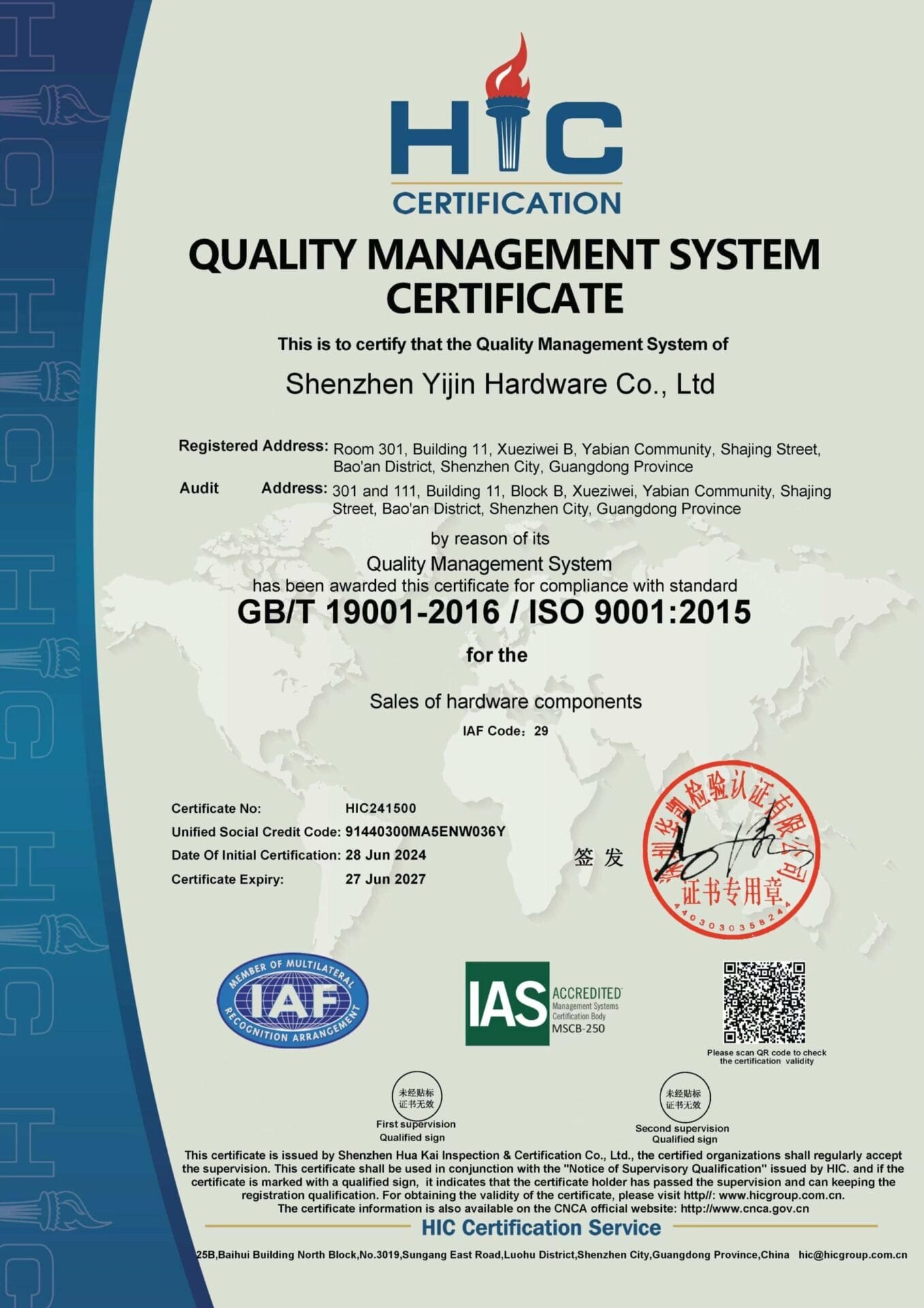
- Quality system: ISO 9001 certified.
Join 3000+ companies who work with Yijin Solution


Dacromet Coating with Yijin Solution
Yijin Solution provides Dacromet coating for steel, cast iron, and high-strength fasteners. Finishing options include Dacromet 320, Dacromet 500, and PLUS or DACROLUB topcoats for controlled friction. We coat machined parts, sheet metal components, die castings, and custom fasteners.
The coating resists corrosion, avoids hydrogen embrittlement on high-strength bolts, and controls torque-tension on threaded assemblies. Its thin film adds minimal thickness, so most parts do not need re-tapping.
Dacromet Coating Capabilities
The table below summarizes our standard Dacromet coating specifications.
| Parameter | Specification |
|---|---|
| Coating system | Dacromet (zinc-aluminium flake in chromate binder) |
| Application method | Dip-spin, dip-drain |
| Typical coating thickness | 5 to 10 µm per coat; 2 to 3 coats standard depending on corrosion requirements. |
| Salt spray resistance | 480 to 1,000+ hours depending on grade, coat count, and topcoat (tested to ASTM B117 and ISO 9227) |
| Curing temperature | Approximately 300 °C for 20 to 40 minutes |
| Substrate compatibility | Carbon steel, alloy steel, cast iron, sintered metal, spring steel |
| Hydrogen embrittlement | No electrolytic process, so no hydrogen embrittlement risk. Suitable for Class 10.9 and 12.9 fasteners. |
| Coefficient of friction | 0.12 to 0.18 without topcoat; 0.06 to 0.19 with topcoat |
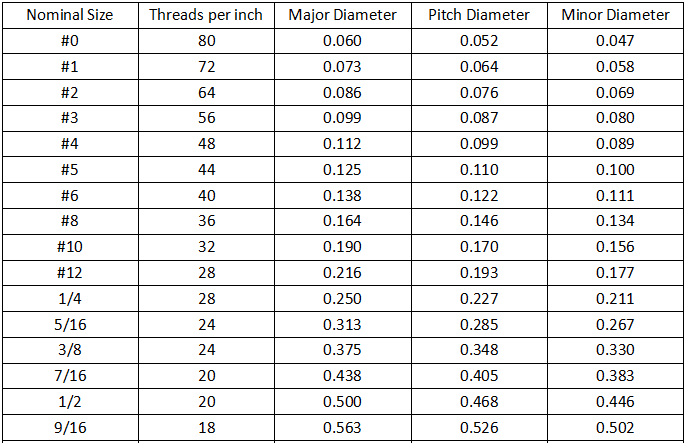
| Dimensional impact | Minimal. A thin film of 5 to 10 µm does not require re-tapping of threaded parts. |
| Standards | ISO 10683 (zinc flake coatings for fasteners), ASTM B117, and ISO 9227 (salt spray) |
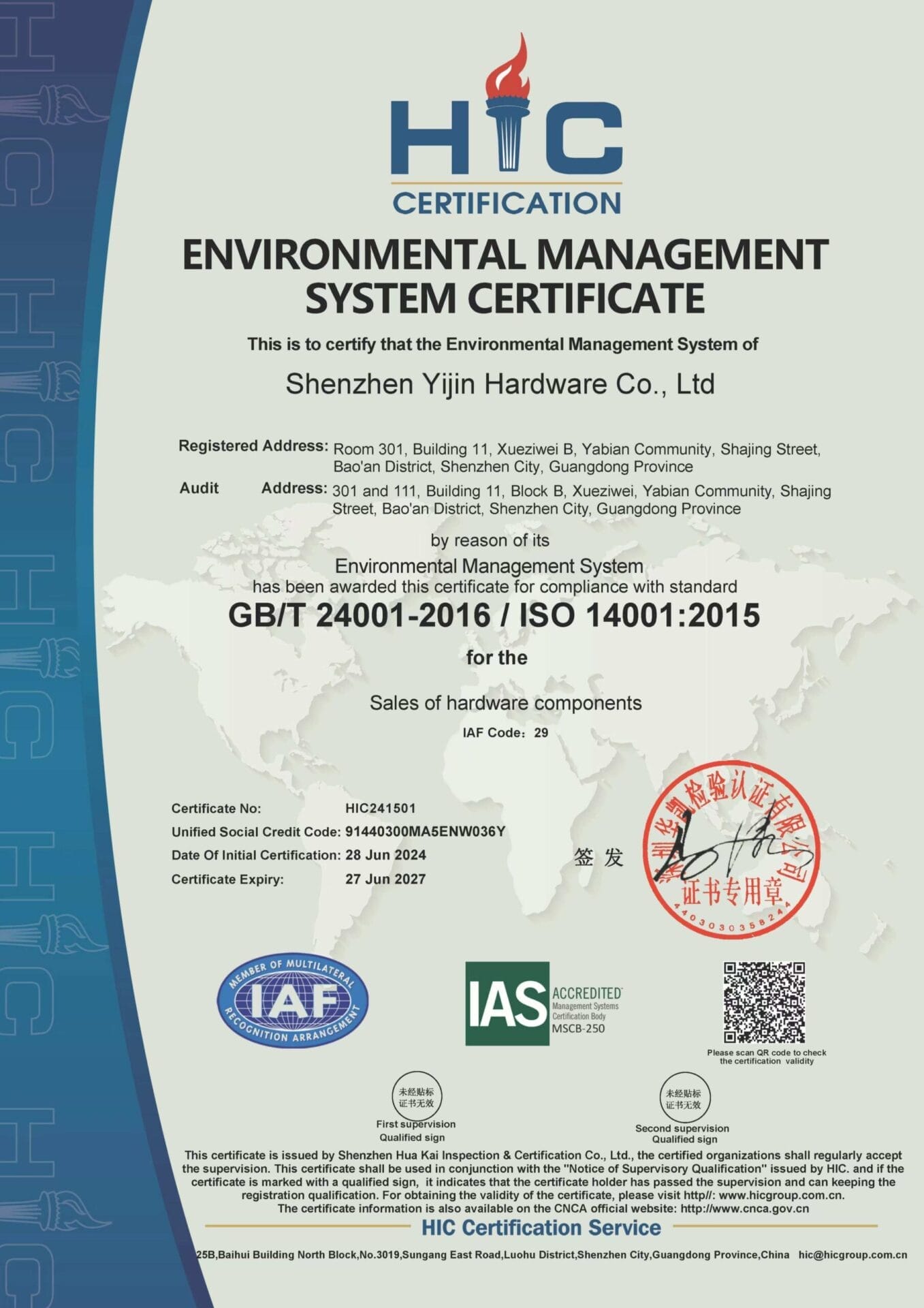
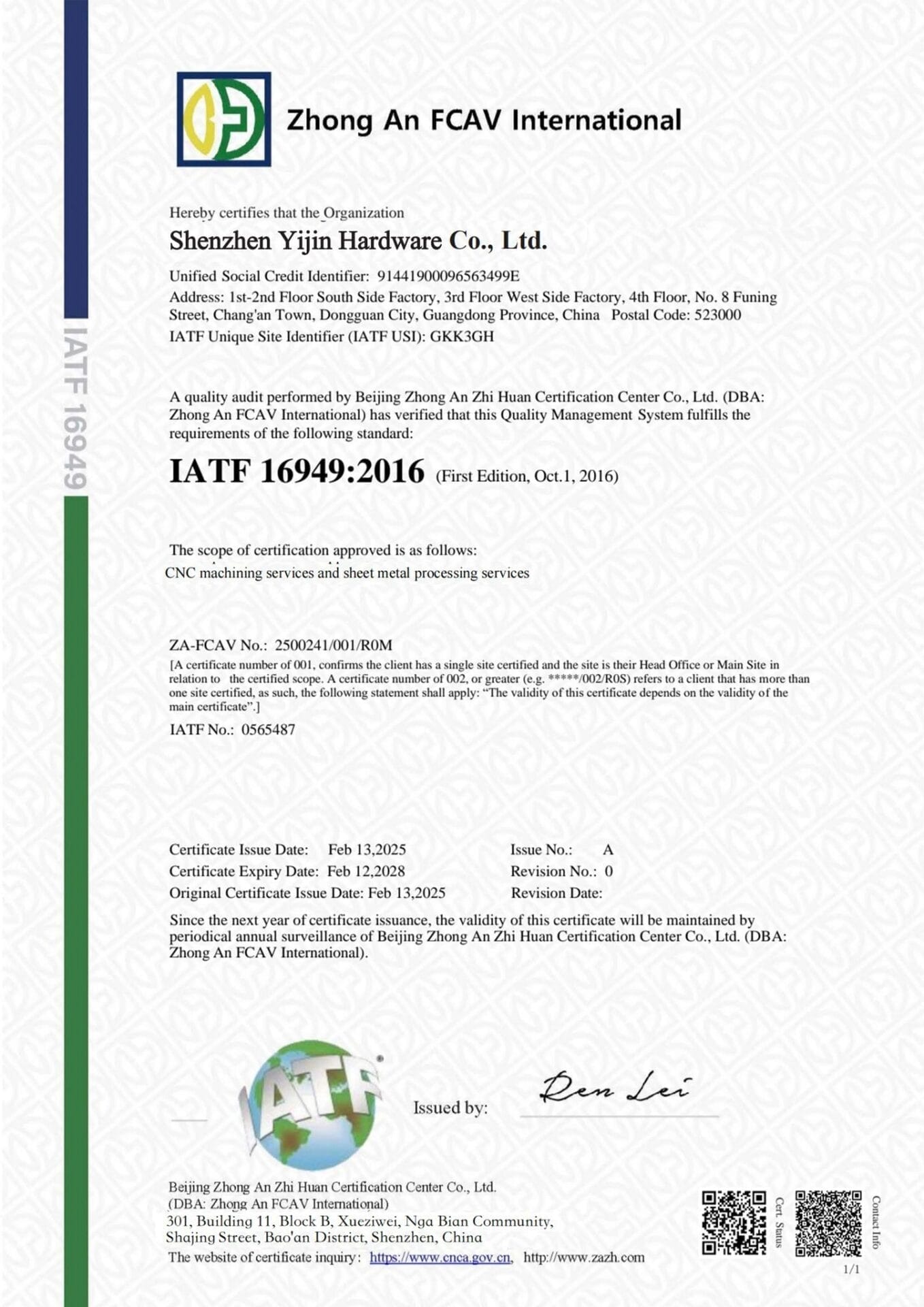
| Compliance | ISO 9001, ISO 14001, IATF 16949 |
Dacromet Coating Grades
Each grade pairs a salt spray rating with a friction range and topcoat option. Selection depends on the corrosion environment and the assembly torque target.

Dacromet 320
Silver-gray, 480 to 720 hours of salt spray, friction 0.12 to 0.18 without topcoat. Standard protection for general fasteners and brackets.

Dacromet 500
Silver-gray, friction 0.15 without a topcoat. Self-lubricating grade for threaded assemblies that need controlled torque-tension without a separate topcoat.

Dacromet 320 with PLUS Topcoat
Silver-gray to black by topcoat color, 720 to 1,000+ hours salt spray, and friction 0.06 to 0.19. For chassis fasteners and safety-critical bolted joints.

Dacromet 320 with DACROLUB Topcoat:
Silver-gray, 720 to 1,000+ hours of salt spray, friction matched to OEM torque specification. For high-volume automotive assembly that needs consistent clamp load.

Nickel
Corrosion resistance and wear resistance. Versatile across most substrates and commonly used as an underlayer for chrome or gold.

Chrome
Hard chrome for wear surfaces such as hydraulic cylinders and valve bodies; decorative chrome for cosmetic applications including consumer hardware and automotive trim.

Zinc
Cost-effective corrosion protection for steel parts, often paired with chromate or trivalent passivation.

Zinc-Nickel
High-performance corrosion protection for aerospace fasteners and structural fittings, and the modern replacement for cadmium plating.

Gold
Electrical conductivity and contact reliability for connectors, semiconductor components, and aerospace electronics.

Copper
Undercoat for adhesion and uniformity, or standalone for EMI shielding and electrical conductivity.

Tin
Solderability and corrosion resistance for electronic component leads and food-contact hardware.

Silver
High electrical and thermal conductivity for specialized electronic and aerospace applications.
Materials We Dacromet Coat
The substrate sets, whose grades suit the part, and what surface preparation it needs before the dip-spin line.
Carbon Steel
The primary Dacromet substrate. It protects fasteners, brackets, and stamped parts well beyond zinc electroplating. Shot blast to SA 2.5 before coating.
Alloy Steel (Class 10.9 and 12.9 Fasteners)
The preferred finish for high-strength bolted joints, including CNC machined components for chassis and powertrain assemblies.
Cast Iron
Seals the porous surface of gray and ductile cast iron for brake components, pump housings, and valve bodies. Needs thorough degreasing and sandblasting.
Sintered Metal (Powder Metallurgy Parts)
The dip-spin process coats sintered parts evenly and seals internal porosity. Common on gear components and structural brackets.
Spring Steel
Protects springs and clips without affecting temper. Suitable for suspension springs and retaining clips.
Our Dacromet Coating Process
Every Dacromet order follows the same path from quote to shipment.
- Quote and DFM review on uploaded CAD files. We confirm grade, thickness, coat count, topcoat, and masking and reference ISO 2768 for tolerance framing.
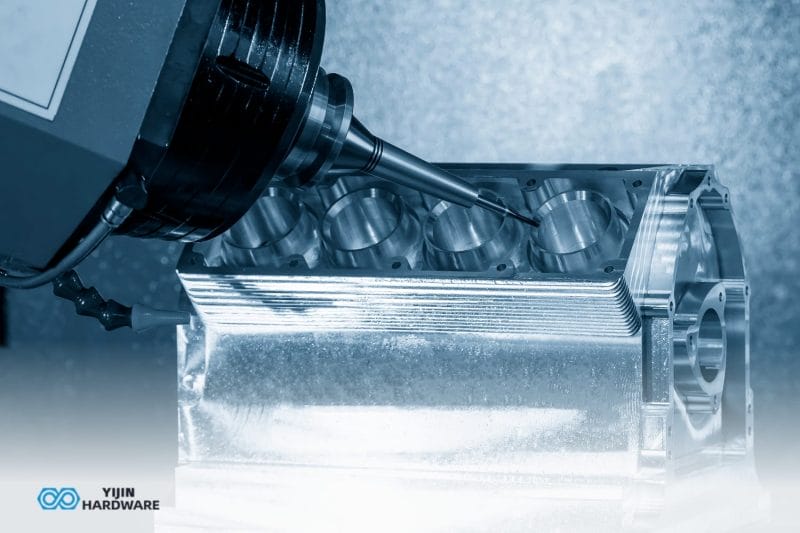
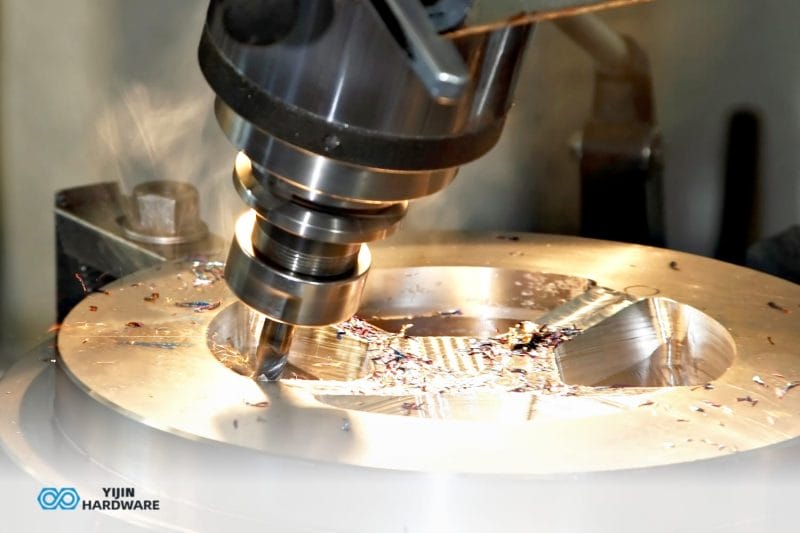
- Part manufacturing. CNC machining, sheet metal fabrication, die casting, or custom fastener production when ordered as an integrated service.
- Substrate preparation: alkaline degreasing to remove oils, then shot blasting to SA 2.5 cleanliness for coating adhesion.
- Masking of threads, mating surfaces, bearing bores, and other features that must stay uncoated.
- Dip-spin application in-house. Parts are dipped into Dacromet slurry, then centrifuged to a uniform film thickness.
- Flash-off and curing. Parts dry at 50 to 80 °C, then cure at approximately 300 °C for 20 to 40 minutes. We repeat this for extra coats.
- Topcoat application when specified. PLUS or DACROLUB topcoat is applied and cured separately.
- Post-coating inspection. Thickness measurement, salt spray sampling where required, visual check, and a dimensional spot-check on threaded parts.
- Packaging and shipment from our Shenzhen or Florida facility.
Industries and Applications
Dacromet-coated parts serve industries that need corrosion resistance and controlled friction on high-strength joints and stamped components.
Chassis bolts, suspension fasteners, brake caliper brackets, engine mounting bolts, and fuel line clips. OEMs specify Dacromet for underbody and engine-bay hardware, often on custom fasteners coated in the same facility.
Structural bolts, anchor fasteners, bridge deck connectors, and tunnel support brackets. Dacromet holds up in exposed outdoor and underground sites with limited maintenance access.
Tower bolts, rotor hub fasteners, and nacelle mounting hardware. Turbine OEMs specify Dacromet for high-strength fasteners that must resist corrosion over long service intervals.
Rail clip fasteners, bogie frame bolts, and brake disc mounting hardware. Dacromet resists de-icing salt and vibration cycling.
Gearbox bolts, hydraulic flange fasteners, compressor mounting hardware, and pump casing bolts. Dacromet extends maintenance intervals in high-vibration, oil-exposure settings.
Transmission tower bolts, grounding clamps, and substation hardware. Dacromet adds corrosion resistance and bimetallic compatibility with aluminum conductors.
Why Yijin for Dacromet Coating
Yijin Solution runs Dacromet coating and part manufacturing under one roof. The points below cover quality, turnaround, order size, production scale, material range, and cost.

Precision and Quality
ISO 9001, ISO 14001, and IATF 16949-certified systems govern every order. Thickness measurement, salt spray sampling, and visual inspection confirm the finish meets specification before parts ship, and Zeiss CMM inspection is available for dimensional verification on threaded parts.

Fast Turnaround
In-house Dacromet coating runs alongside CNC machining, sheet metal fabrication, die casting, and fastener production. Parts move straight from manufacturing to the dip-spin line without third-party handoffs, cutting lead time and the risk of handling damage between facilities.

Order Any Size
Dacromet coating orders are accepted from single prototypes through to high-volume production runs. Grade, coat count, topcoat selection, and masking requirements are confirmed at the quote stage regardless of order volume.

Prototyping to Production
DFM review at the quote stage flags coating issues before production starts. Thread buildup, substrate cleanliness, masking complexity, and topcoat selection are resolved early, supporting a smooth transition from prototype approval to volume output.

Material Breadth
Dacromet coating is applied across carbon steel, alloy steel, cast iron, sintered metal, and spring steel. Dacromet 320, Dacromet 500, and PLUS or DACROLUB topcoat options are available to match the corrosion environment and the assembly torque requirement.

Cost-Effective
Combining part manufacturing and Dacromet coating under one roof removes third-party finishing costs and eliminates the freight and handling charges that arise when coating is sourced separately. The coating is specified and priced at the quote stage, so there are no surprises at the finishing step.
Gallery of Dacromet Coated Parts
The gallery shows Dacromet-coated parts across automotive, construction, wind energy, rail, industrial machinery, and electrical applications.
Dacromet Coating FAQs
What salt spray resistance can Dacromet coating achieve?
Standard Dacromet 320 delivers 480 to 720 hours of salt spray resistance. A PLUS or DACROLUB topcoat extends protection to 1,000+ hours. Results depend on coat count, thickness, and substrate preparation.
Will Dacromet coating affect thread fit on my fasteners?
Dacromet adds 5 to 10 µm per coat, thin enough that standard threads do not need retapping. For tolerances tighter than 6 g/6 H, discuss buildup and masking with our engineering team at the quote stage.
Does Dacromet coating contain hexavalent chromium?
Standard Dacromet formulations use hexavalent chromium in the binder. For parts governed by EU ELV, RoHS, or REACH, we can supply a chromium-free zinc flake alternative. Contact our team to confirm the right system.
Is Dacromet coating suitable for high-strength bolts?
Yes. Dacromet is non-electrolytic, so it does not drive hydrogen into the steel. It is widely specified for Class 10.9 and 12.9 fasteners, where electrolytic zinc plating would pose an embrittlement risk.
Can you mask specific areas to keep them uncoated?
Yes. We mask threads, mating surfaces, and bearing bores before dip-spin application. We confirm masking during the DFM review at the quote stage.
What is the typical lead time for Dacromet coating on machined parts?
Lead time depends on order volume, part complexity, and finishing schedule. For most orders, coating runs in parallel with manufacturing rather than adding a separate queue. Our team confirms the timeline at the quote stage.
Do you offer Dacromet coating as a standalone service?
Dacromet coating is a finishing option on CNC machining, sheet metal fabrication, die casting, and fastener orders. Customers select it as part of the surface treatment specification for the project.

China vs US Manufacturing: CNC Costs, Reshoring, and How to Decide
A US shop and a China shop can quote the same CNC part two to three times apart. Buyers pause

IP Protection When Outsourcing CNC Machining to China
A buyer shares a full set of CAD drawings with a new supplier in China. Weeks later, a near-identical product

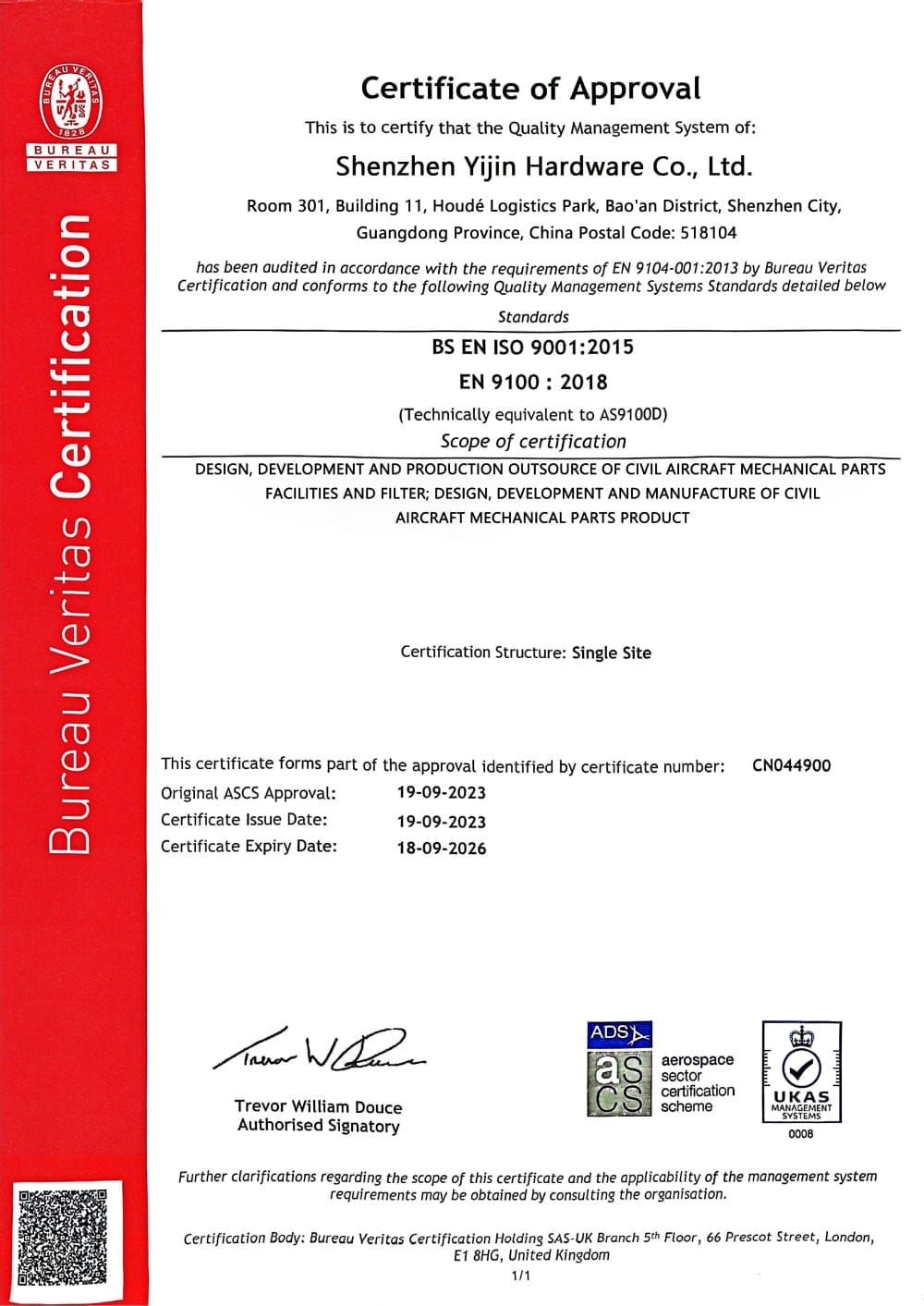
China CNC Machining Quality Control: AS9100 and ISO Realities
A certificate list on a supplier’s homepage does not prove much by itself. Anyone can post logos for ISO 9001,
Request a Dacromet Coating Quote
Dacromet coating gives steel, cast iron, and high-strength fasteners high salt spray resistance and controlled friction with minimal dimensional change. Yijin Solution provides Dacromet coating services as part of in-house finishing, so each coating is specified and verified alongside the part it protects.