Electroplating Services
Corrosion resistance, wear performance, conductivity, or finish. We match the coating to what the part needs to do.
- Steel, aluminum, copper, brass, and die-cast substrates
- Nickel, chrome, zinc, zinc-nickel, copper, gold, silver, and tin
- Rack and barrel plating for small fasteners through large machined components
Join 3000+ companies who work with Yijin Solution


Electroplating with Yijin Solution
Yijin Solution provides industrial electroplating services for metal parts that need better corrosion resistance, wear protection, conductivity, or appearance. We support plating for machined, fabricated, and cast parts, with coating requirements reviewed before production starts.
The right electroplated finish depends on the base material, plating metal, coating thickness, masking areas, and final application. Our team reviews these details during the DFM stage, so plating is not treated as an afterthought. This helps reduce coating defects, poor adhesion, incorrect thickness, and rework after machining.
From surface preparation to final inspection, we control the plating process to help ensure a clean, uniform, and functional metal coating for your parts.
Electroplating Capabilities
The table below summarizes our standard electroplating specifications.
| Parameter | Spezifikation |
|---|---|
| Plating types offered | Nickel, chrome, zinc, zinc-nickel, copper, gold, silver, tin |
| Process methods | Rack plating, barrel plating |
| Typical coating thickness | 5 to 50 microns depending on plating type and application; confirmed at quote stage based on functional requirements |
| Substrate compatibility | Steel, stainless steel, aluminum with zincate pretreatment, copper, brass, die-cast zinc alloys |
| Compliance | RoHS and REACH compliant plating chemistries available |
| Post-plating treatments | Passivation, sealing, hydrogen embrittlement relief baking per AMS 2759 on high-strength steel parts |


Plating Types
Each plating metal serves a different functional or cosmetic purpose. The list below covers the coatings we apply most frequently.

Nickel
Corrosion resistance and wear resistance. Versatile across most substrates and commonly used as an underlayer for chrome or gold.

Chrome
Hard chrome for wear surfaces such as hydraulic cylinders and valve bodies; decorative chrome for cosmetic applications including consumer hardware and automotive trim.

Zink
Cost-effective corrosion protection for steel parts, often paired with chromate or trivalent passivation.

Zinc-Nickel
High-performance corrosion protection for aerospace fasteners and structural fittings, and the modern replacement for cadmium plating.

Gold
Electrical conductivity and contact reliability for connectors, semiconductor components, and aerospace electronics.

Kupfer
Undercoat for adhesion and uniformity, or standalone for EMI shielding and electrical conductivity.

Tin
Solderability and corrosion resistance for electronic component leads and food-contact hardware.

Silver
High electrical and thermal conductivity for specialized electronic and aerospace applications.
Materials We Electroplate
The substrate determines which plating metals are compatible and what surface preparation is required before the part enters the plating bath.
Kohlenstoffstahl
Zinc, zinc-nickel, or nickel plating for corrosion protection. Standard substrate with minimal pretreatment required.
Rostfreier Stahl
Nickel or chrome plating for added wear resistance or cosmetic upgrade. Requires an activation step to break through the passive oxide layer before plating.
Aluminium-Legierungen
Copper or nickel plating with zincate pretreatment. Common for lightweight parts requiring conductivity, wear protection, or solderability.
Copper and Brass
Nickel, chrome, gold, or silver plating for corrosion protection, conductivity, or decorative finish.
Die-cast Zinc Alloys, also called Zamak
Copper-nickel-chrome plating stack for automotive and consumer hardware applications.
Our Electroplating Process
Every electroplated order follows the same structured workflow from quote to shipment.
- Quote and DFM review on uploaded CAD files. Plating type, thickness, and masking requirements are confirmed at this stage.
- Part manufacturing via CNC machining, sheet metal fabrication, or die casting if ordered as an integrated service.
- Surface preparation including cleaning, degreasing, and activation to ensure coating adhesion.
- Masking of critical surfaces, threads, or bearing interfaces that must remain unplated.
- Electroplating in a controlled bath to target coating thickness and uniformity.
- Post-plating treatment such as passivation, sealing, or hydrogen embrittlement relief baking per AMS 2759 on high-strength steel parts.
- Inspection and quality verification including coating thickness measurement, adhesion testing, and visual inspection.
- Packaging and shipment from our Shenzhen or Florida facility.
Industries and Applications
Electroplated parts serve a range of industries that specify corrosion resistance, conductivity, wear protection, or cosmetic appearance at the part level.
Zinc-plated steel brackets, nickel-plated connectors, chrome-plated trim components. Corrosion resistance and cosmetic consistency across production runs.
Zinc-nickel or nickel-plated fasteners and structural fittings. Corrosion protection in high-stress environments while meeting compliance requirements.
Gold-plated connectors, tin-plated leads, copper-plated PCB components. Conductivity and solderability for reliable electrical performance.
Gold-plated or nickel-free coated instrument components. Reduces skin contact reactions and supports cleanability and sterilization requirements.
Decorative chrome or nickel plating on hardware, housings, and enclosures. Consistent cosmetic finish across high-volume runs.
Nickel or zinc-plated brackets, shafts, and structural fittings. Wear resistance and corrosion protection in demanding operating environments.
Why Choose Yijin Solution for Electroplating
Yijin Solution runs plating and part manufacturing in one facility. The points below show what that means for lead time, design review, finish range, and quality control.

In-house electroplating runs alongside our Blechfertigung, Druckguss, 3D printing, and other in-house processes. Parts move from machining to plating without third-party handoffs, reducing lead time and the risk of handling damage between facilities.

DFM review at the quotation stage flags plating-related design issues early. Sharp internal corners that cause uneven deposition, insufficient drainage features, and masking complexity are identified before production begins.

Eight plating metals supported alongside anodizing, powder coating, and other finishing processes. This gives buyers flexibility in surface treatment selection depending on performance, corrosion resistance, and aesthetic requirements.

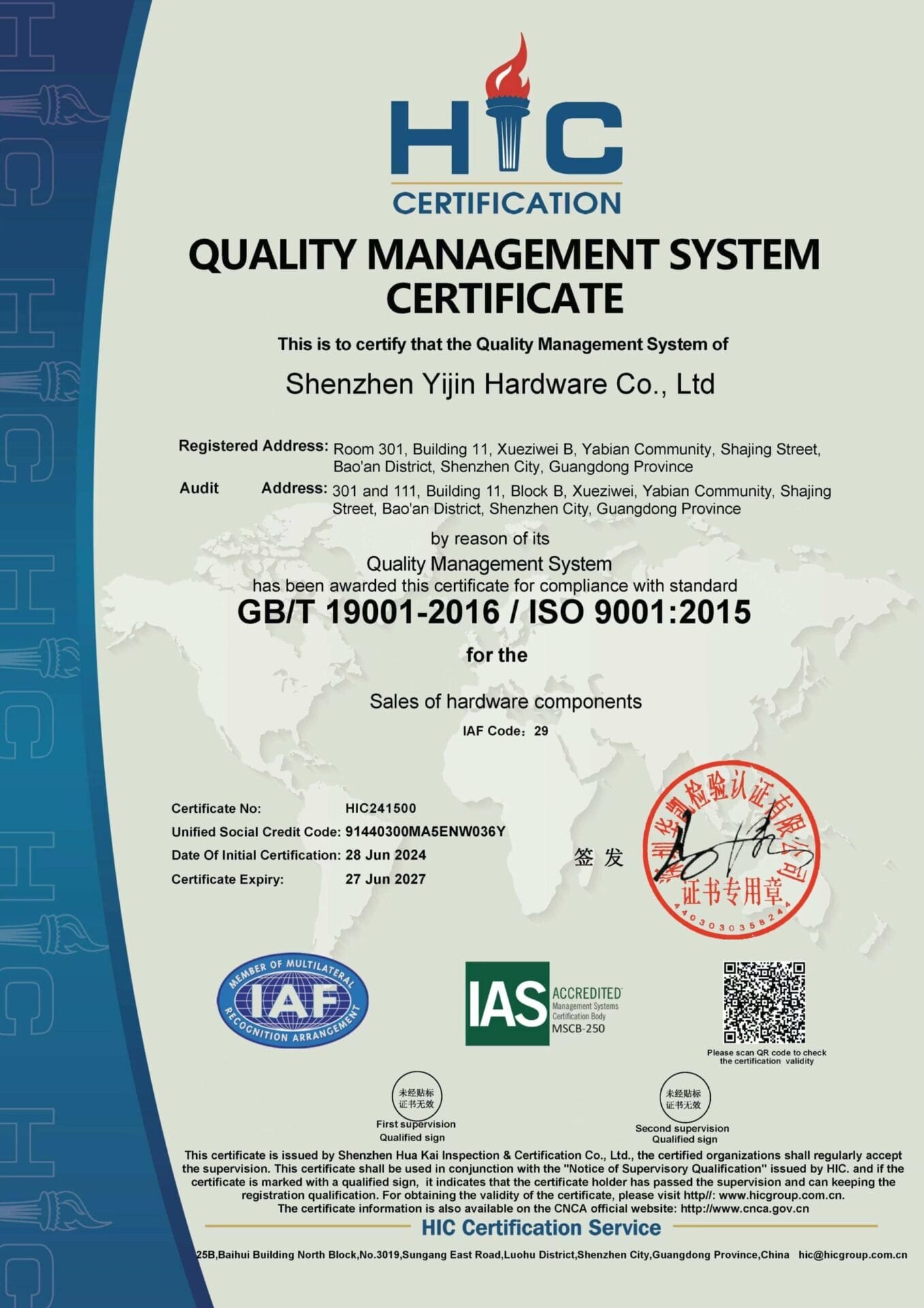
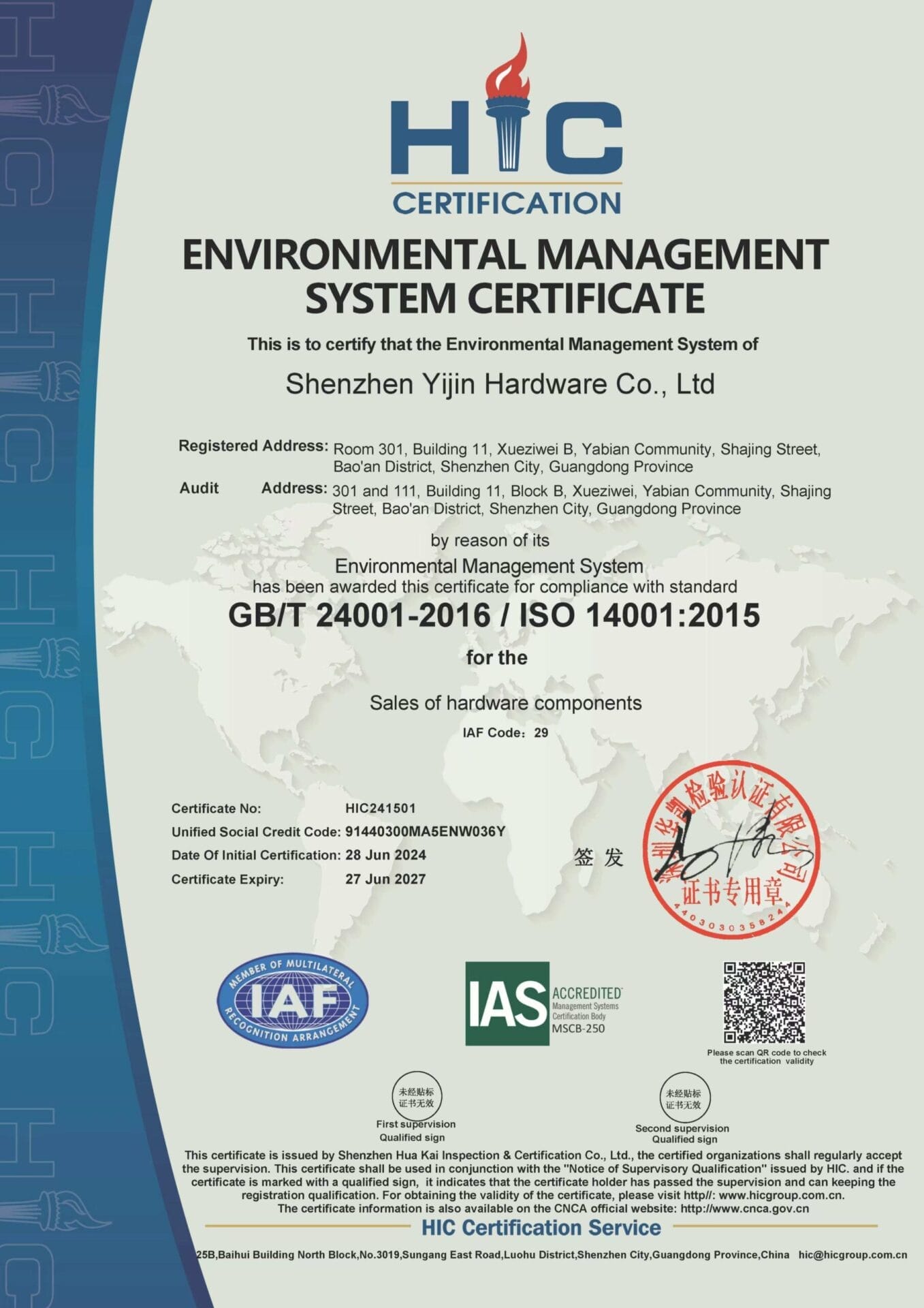
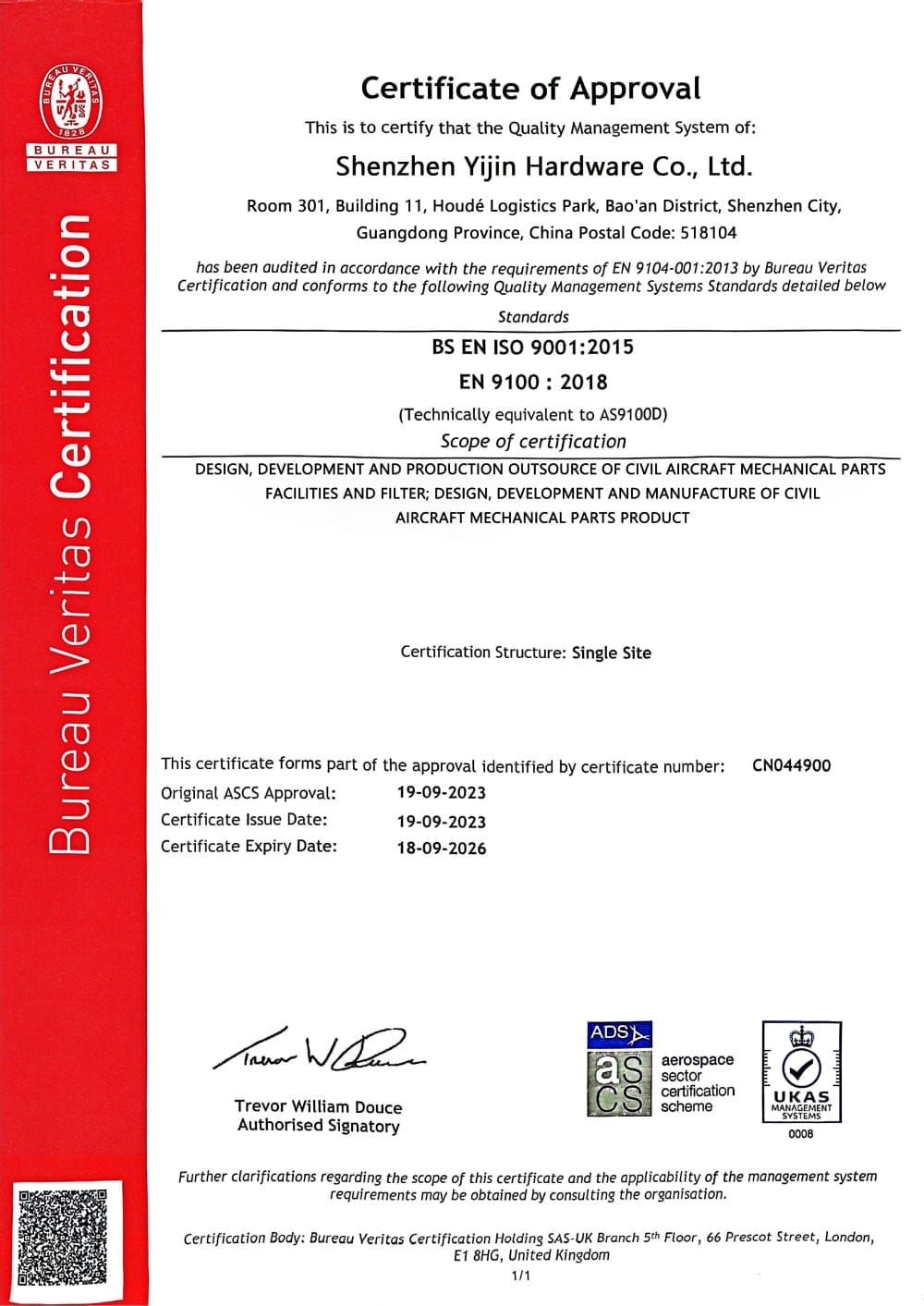
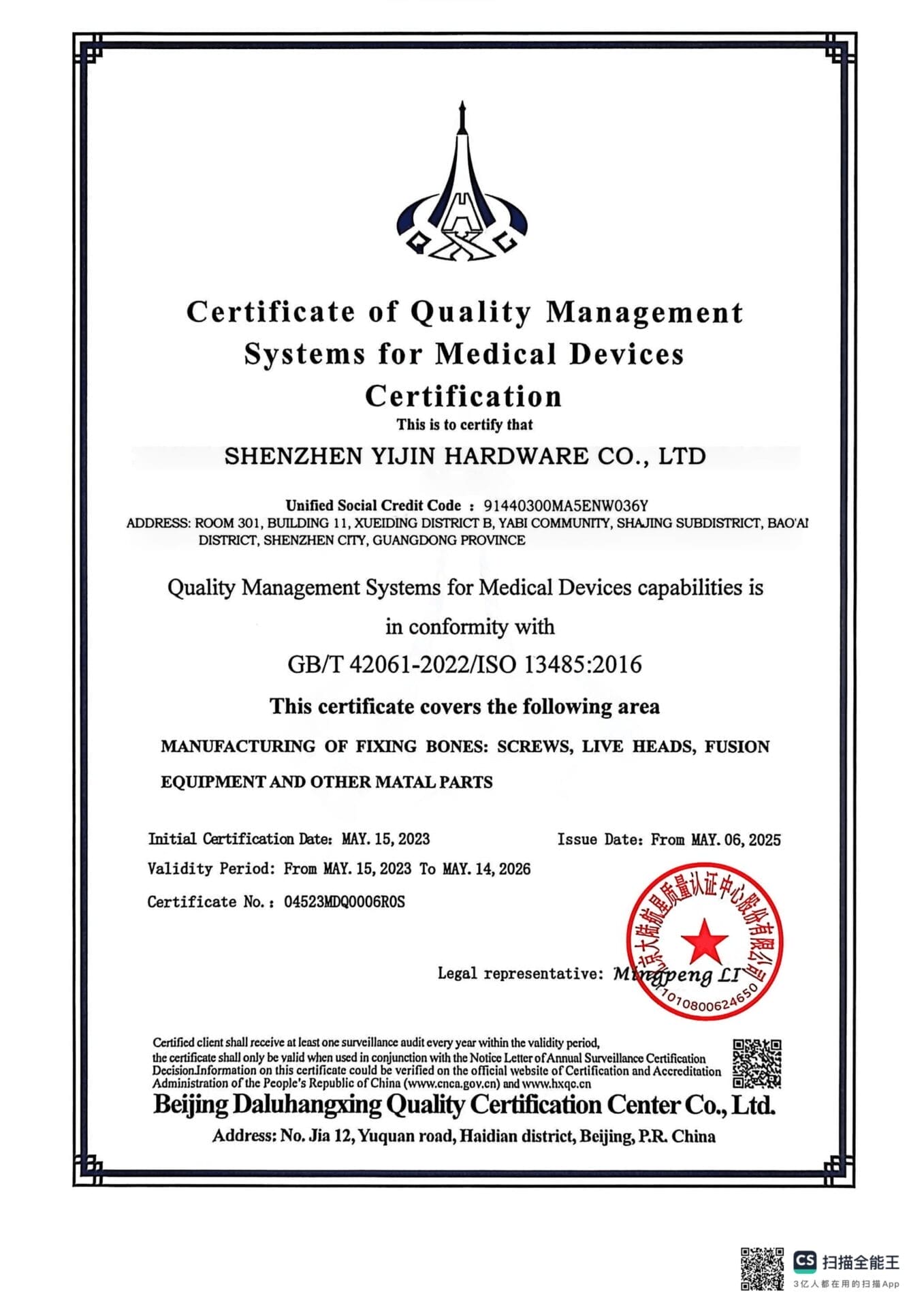
ISO 9001 certified quality management system with Zeiss CMM inspection available for dimensional verification after plating. Coating thickness measurement and adhesion testing confirm the finish meets specification before parts ship.
Gallery of Electroplated Parts
Electroplated parts produced across automotive, aerospace, electronics, medical, consumer, and robotics applications.
FAQs on Electroplating Services
What coating thickness can you achieve with electroplating?
Typical coating thickness ranges from 5 to 50 microns depending on the plating metal and application. Thickness is confirmed at quote stage based on the part drawing and functional requirements. For zinc plating on steel, ASTM B633 defines four standard thickness classes, 5, 8, 12, and 25 microns, scaled to the severity of the service environment.
Will electroplating affect part tolerances?
Electroplating adds material to the surface, so it does affect dimensions. For precision parts, the plating thickness is factored into the pre-plating machining dimensions during the DFM review. Our engineering team confirms dimensional targets before production begins so the finished, plated part meets specification.
Which plating type do you recommend for corrosion resistance versus electrical conductivity?
Zinc, zinc-nickel, or nickel plating is typical for corrosion resistance on steel substrates. Gold or silver plating is standard for electrical conductivity on connectors and electronic components. Selection depends on the substrate, operating environment, and budget, which we confirm at the DFM review.
Can you mask specific surfaces, threads, or bearing interfaces during electroplating?
Yes. Masking is standard, so critical dimensions and threaded features are protected during plating. We confirm masking requirements at the quote stage from the part drawing.
Do your electroplating processes comply with RoHS and REACH?
We offer RoHS and REACH compliant plating chemistries. Cadmium plating is REACH-restricted and is not offered; zinc-nickel plating serves as the compliant option for aerospace and high-corrosion applications that previously specified cadmium. Compliance details are confirmed at quote stage for each project.
What is the typical lead time for electroplated machined parts?
Lead time depends on order volume, part complexity, and the finishing schedule. For most orders, electroplating runs in parallel with the manufacturing schedule rather than adding a separate finishing queue. The engineering team confirms the timeline at the quote stage.
Do you offer electroplating as a standalone service, or only with manufacturing orders?
Electroplating is offered as an add-on finishing service on CNC machining, sheet metal fabrication, and die casting orders. Customers select electroplating as part of the surface treatment specification based on their project requirements.

Low-Volume & Prototype CNC Machining in China
How prototype CNC machining prices behave from 1 to 500 units, what the move to production involves, and what a

CNC Milling | A Practical Guide to Parts, Tolerances, and Material Selection
Learn how CNC milling services handle part types, realistic tolerances, materials, 3-axis and 5-axis work, DFM, pricing, inspection, and sourcing

Top Wire EDM Suppliers in China | 8 Service Providers Compared
Compare eight wire EDM suppliers in China by tolerance, materials, inspection, lead time, certifications, and best-fit applications before requesting a
Request an Electroplating Quote
Electroplating adds a functional or cosmetic metal layer to machined, sheet metal, and die-cast parts, improving corrosion resistance, wear performance, conductivity, or appearance depending on the coating selected. Yijin Solution provides electroplating as part of our in-house finishing, so the coating is specified and verified alongside the part it protects.