
Medizinische CNC-Bearbeitungsdienstleistungen
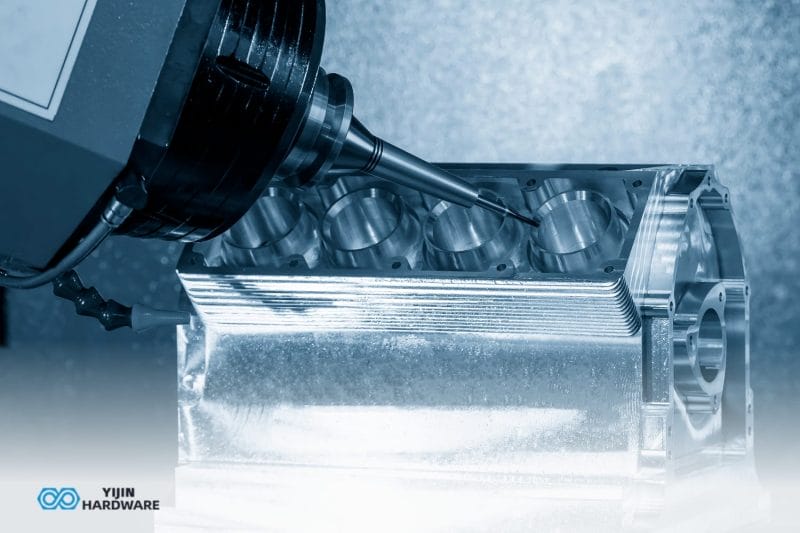
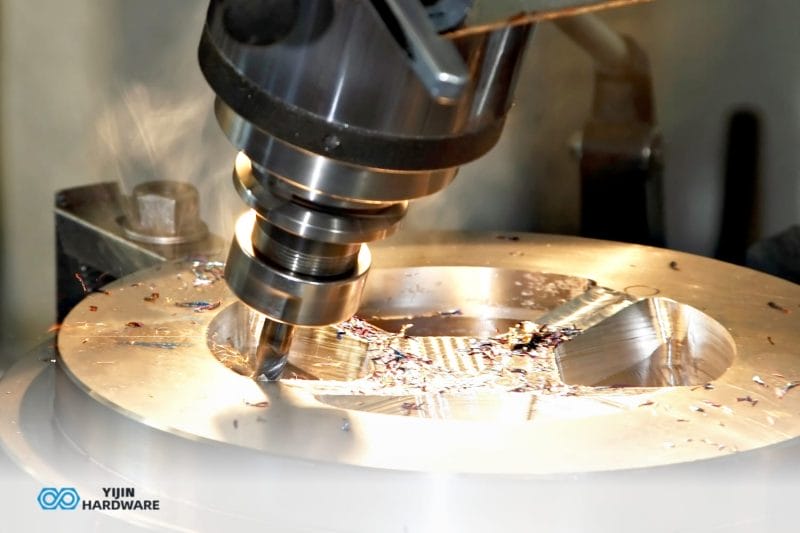
At Yijin Solution, we make incredibly precise parts for medical use. Our CNC machines can work with accuracy down to ±0.0001 inches. We follow the medical standards, including ISO 13485, to make sure everything we create is safe for your patients. We use 5-axis CNC, Schweizer CNC, und EDM-Maschinen zur Verarbeitung von Metallen und Kunststoffen zu medizinischen Teilen für chirurgische Instrumente und Implantate.
- ⬤Dienst
- ⬤Deine Details
- ⬤Einreichen


Was genau sind medizinische CNC-Bearbeitungsdienstleistungen?
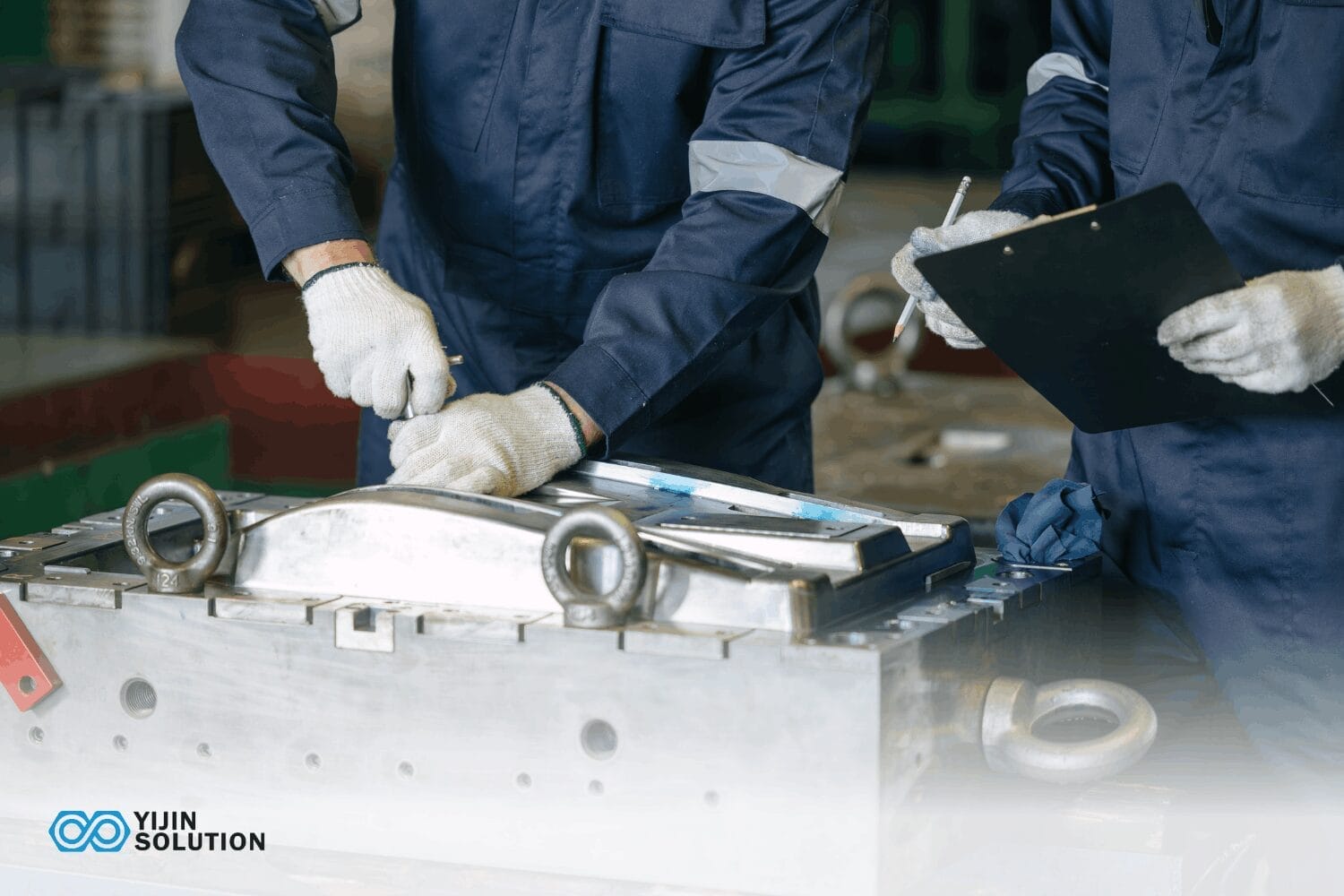
Medizinische CNC-Bearbeitungsdienste folgen Computeranweisungen, um Metalle und Kunststoffe zu Werkzeugen und medizinischen Instrumenten zu formen, die Ärzte und Krankenhäuser benötigen. Wir stellen alle Arten von medizinischen Teilen her, von winzigen Schrauben für die Knochenreparatur bis hin zu komplizierten chirurgischen Instrumenten, die Ärzte tagtäglich verwenden. Alles, was wir herstellen, entspricht den strengen medizinischen Vorschriften wie ISO 13485, den Anforderungen der FDA und den Standards der Guten Herstellungspraxis.
Warum brauchen medizinische Teile eine spezielle Fertigung?
CNC-Bearbeitung Die Herstellung von Teilen für den medizinischen Bereich ist nicht wie die Herstellung normaler Produkte. Diese Teile werden in lebensrettenden Verfahren eingesetzt. Das ist der Grund:
- Wir verfolgen jedes Material von Anfang bis Ende
- Wir halten unsere Werkstatt bei genau ±1 °C, um Größenänderungen zu vermeiden.
- Wir machen die Oberflächen für Teile, die in die Karosserie kommen, superglatt (Ra 0,2 μm)
- Wir erstellen vollständige Unterlagen für Gesundheitsbehörden
Die Industrie für medizinische Teile boomt. Es war wert $2,5 Milliarden im Jahr 2024 und soll bis 2033 $4,8 Milliarden erreichen. Das ist ein Wachstum von 7,5% pro Jahr, so die Marktexperten. Immer mehr Patienten profitieren von den präzisen Teilen, die wir herstellen.


Welche Möglichkeiten der medizinischen CNC-Bearbeitung bieten wir?
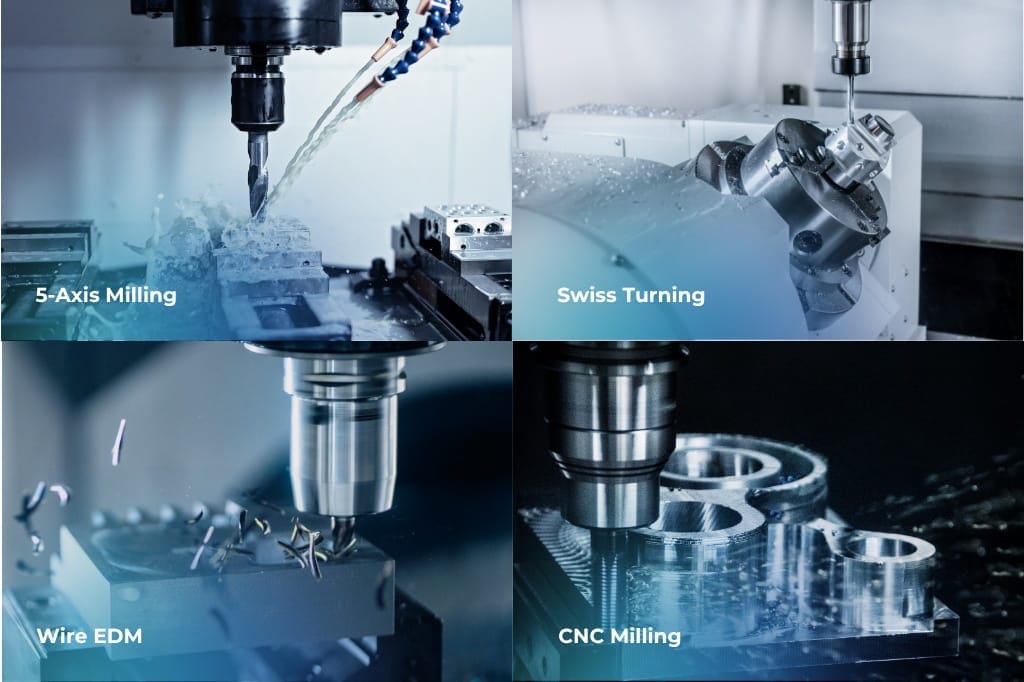
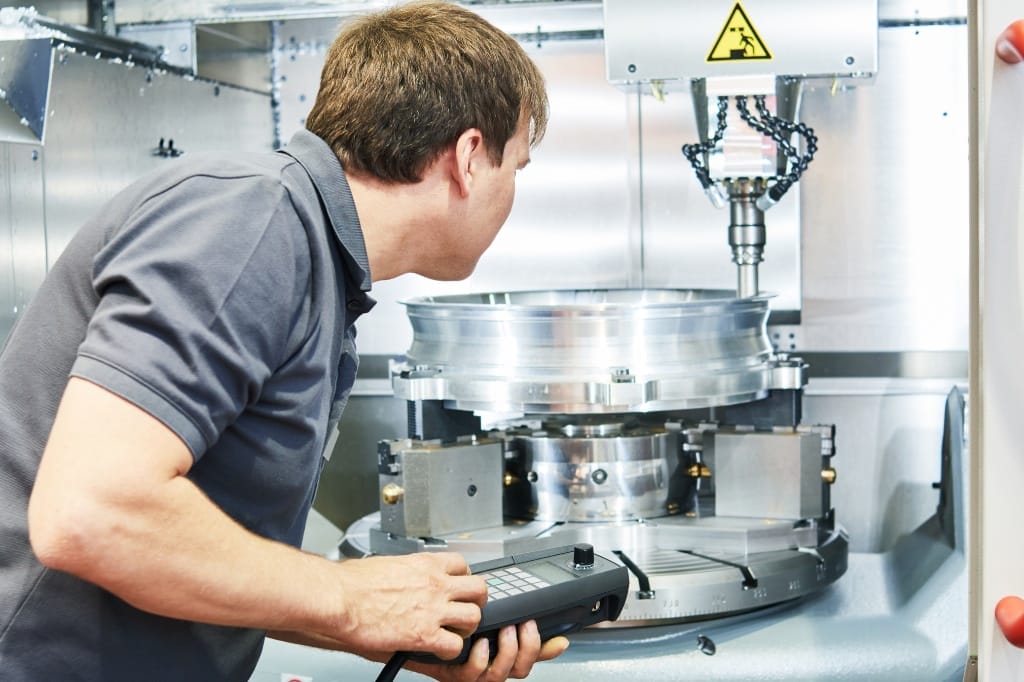
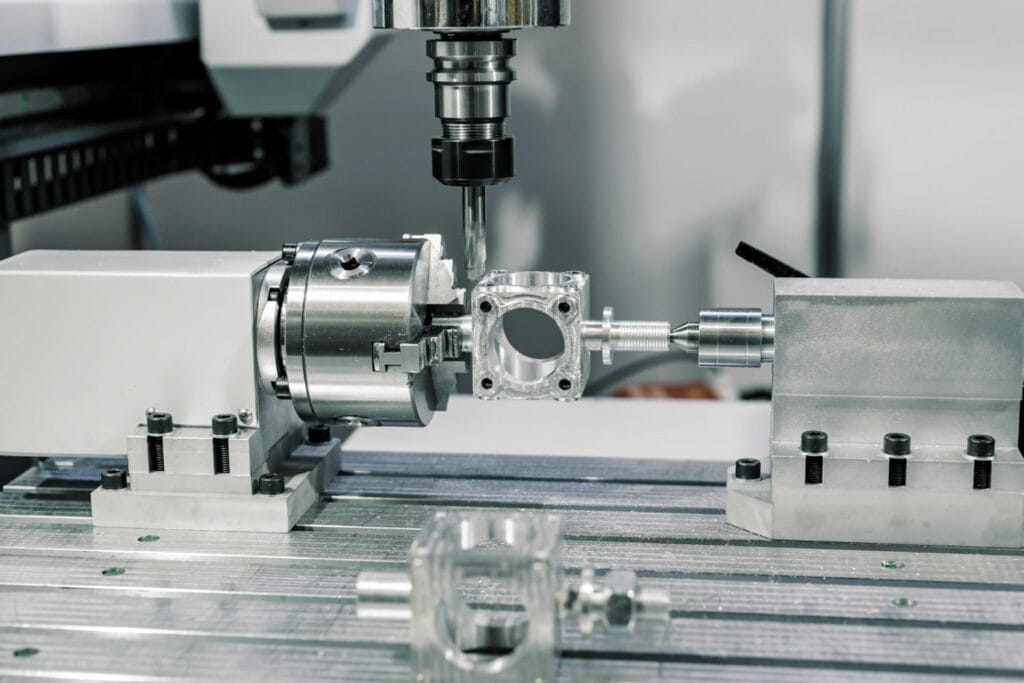
Yijin Solution provides extensive CNC machining capabilities centered around our advanced 5-axis machining centers, Swiss turning, and wire EDM systems. Our precision machining service works in temperature-controlled environments to maintain dimensional stability throughout the production process. These specialized machining capabilities enable us to produce custom parts with intricate geometries, tight tolerances, and exceptional Oberflächenveredelungen die für kritische medizinische Anwendungen erforderlich sind.
Fortschrittliche medizinische Fertigungsverfahren
| Prozess | Toleranz-Fähigkeit | Materialien | Anwendungen |
|---|---|---|---|
| 5-Achsen-Fräsen | ±0,0001 Zoll | Ti-6Al-4V, Edelstahl 316L, PEEK | Implantate, chirurgische Instrumente |
| Schweizer Drechseln | ±0,0002 Zoll | Edelstahl 316L, Ti-6Al-4V, CoCr | Knochenschrauben, Zahnersatzteile |
| Drahterodieren | ±0,0001 Zoll | Leitfähige Metalle | Mikro-Komponenten, chirurgische Werkzeuge |
| CNC-Fräsen | ±0,0005 Zoll | Verschiedene Metalle, Polymere | Gehäuse für medizinische Geräte |
Integration intelligenter Fertigung
Unsere digitalen Fertigungssysteme integrieren CAD/CAM-Programmierung mit Echtzeitüberwachung und statistischer Prozesskontrolle. Dieser Industrie 4.0-Ansatz bietet:
- Maßüberwachung in Echtzeit während der Produktion
- Vorausschauende Wartung zur Vermeidung von Qualitätsproblemen
- Digitale Prozessdokumentation für Rückverfolgbarkeit
- Chargenanalyse für kontinuierliche Verbesserung
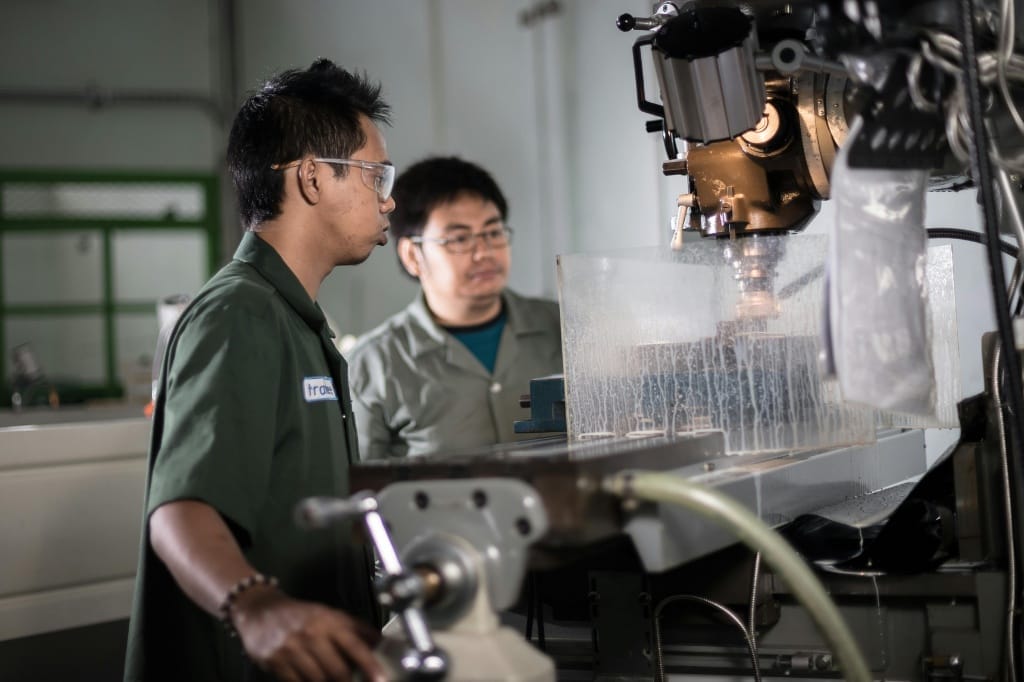
Die moderne CNC-Technologie ermöglicht uns die Bearbeitung für medizinische Zwecke mit einer höheren Genauigkeit als bei Standard-CNC-Maschinen, so dass Maschinenteile für verschiedene medizinische Branchen schneller und effizienter hergestellt werden können.
Wie sichern wir die Qualität von medizinischen Komponenten?
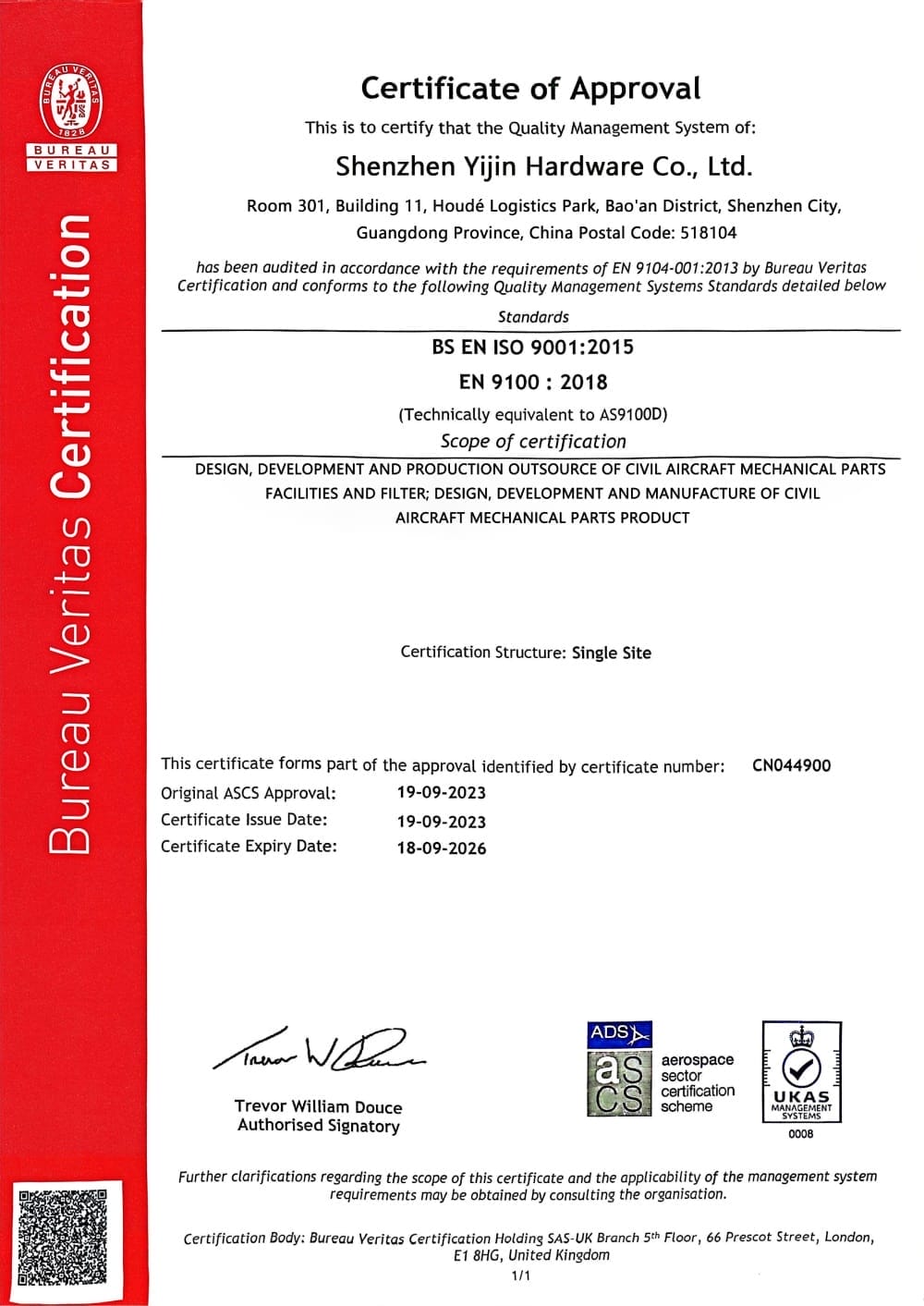
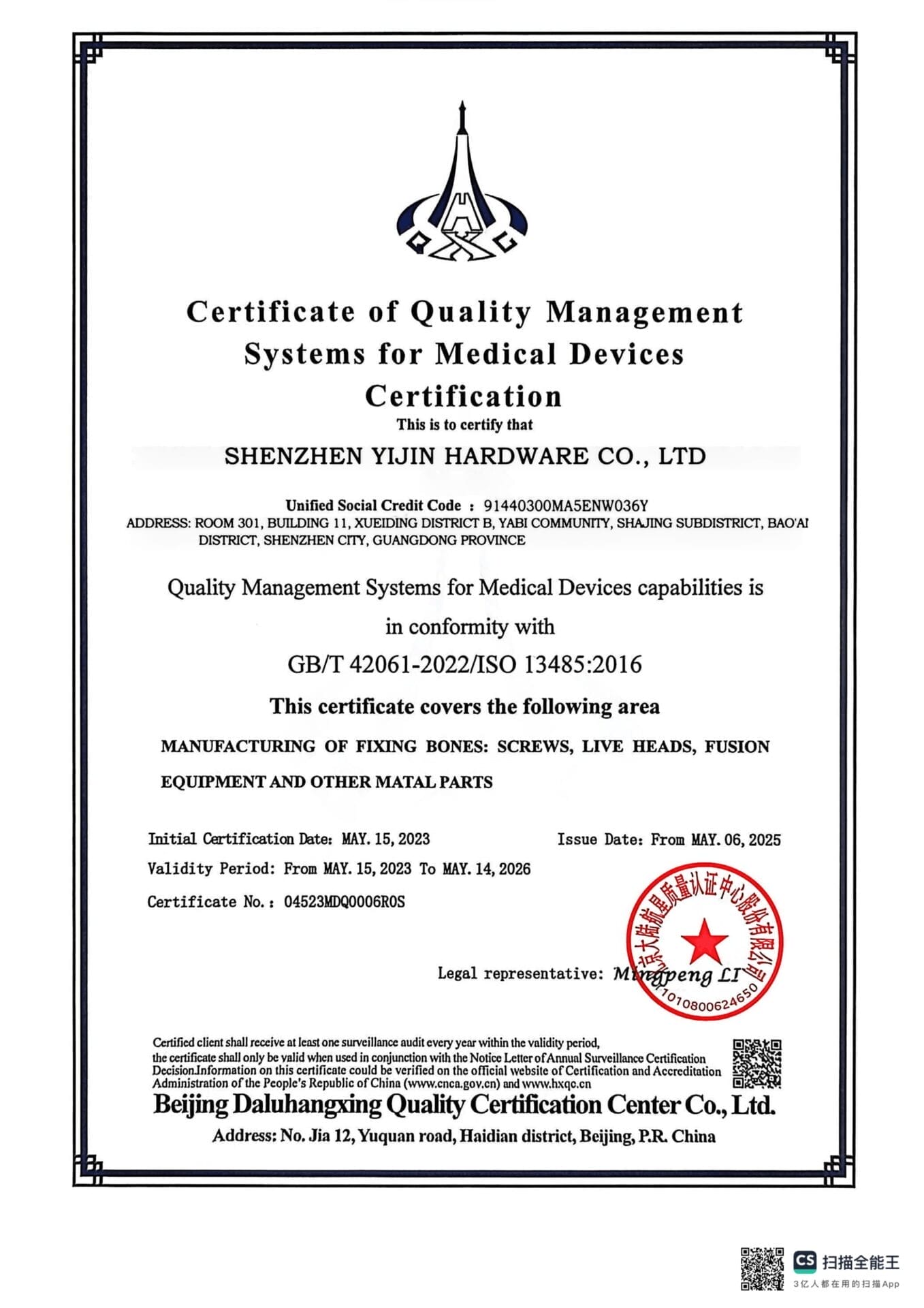
Wir garantieren Qualität für medizinische Komponenten durch unser ISO 13485-zertifiziertes Qualitätsmanagementsystem, das speziell für die Herstellung von Medizinprodukten entwickelt wurde. Dieses umfassende System umfasst dokumentierte Verfahren für die Rückverfolgbarkeit von Materialien, die Prozessvalidierung und die prozessbegleitende Prüfung, die den Anforderungen der FDA-Qualitätssystemverordnung (21 CFR Part 820) entsprechen. Jedes medizinische Bauteil wird einer strengen Inspektion unterzogen, bei der kalibrierte Messgeräte wie Koordinatenmessgeräte (CMM), optische Komparatoren und Oberflächenrauhigkeitsprüfgeräte eingesetzt werden, um die Einhaltung der Maß- und Oberflächenspezifikationen zu überprüfen.
Umfassendes Validierungsprotokoll
Unsere Validierung der medizinischen Bearbeitung folgt dem etablierten IQ/OQ/PQ-Rahmen:
- Installationsqualifizierung (IQ): Überprüft, ob die Installation der Geräte den Spezifikationen entspricht
- Operative Qualifizierung (OQ): Bestätigt, dass die Ausrüstung wie vorgesehen funktioniert
- Leistungsqualifizierung (PQ): Nachweislich konsistente Produktion innerhalb der Spezifikationen
Einführung der statistischen Prozesskontrolle
Wir setzen SPC-Methoden ein, um die höchste Qualität über alle Produktionsläufe hinweg zu gewährleisten:
- Kontrollkarten für kritische medizinische Komponenten
- Fähigkeitsstudien (Cp/Cpk) zur Überprüfung der Prozessstabilität
- FMEA (Fehlermöglichkeits- und Einflussanalyse) zur Risikominderung
- 100% Rückverfolgbarkeit vom Rohmaterial bis zum fertigen Bauteil
Medizinische Hersteller verlassen sich auf unsere zuverlässigen medizinischen CNC-Dienstleistungen, wenn Präzisionskomponenten, die in medizinischen Geräten verwendet werden, genaue Spezifikationen für medizinische Verfahren erfüllen müssen.
Welche Materialien verwenden wir für die medizinische CNC-Bearbeitung?
Wir bearbeiten ein umfassendes Angebot an biokompatiblen Materialien die aufgrund ihrer mechanischen Eigenschaften, ihrer Korrosionsbeständigkeit und ihrer Übereinstimmung mit internationalen Normen speziell für den medizinischen Bereich ausgewählt wurden. Titanlegierungen wie Ti-6Al-4V (Grade 5) bieten ein außergewöhnliches Verhältnis von Festigkeit zu Gewicht für medizinische Implantate, während Edelstahl 316L eine hervorragende Korrosionsbeständigkeit für chirurgische Instrumente bietet. Diese Materialien werden einer strengen Zertifizierung und Rückverfolgbarkeit unterzogen, um sicherzustellen, dass sie die ASTM- und ISO-Normen für medizinische Anwendungen erfüllen.
Leitfaden zur Auswahl biokompatibler Materialien
| Material | Eigenschaften | Anwendungen | Normen |
|---|---|---|---|
| Ti-6Al-4V (Güteklasse 5) | Hohe Festigkeit, geringes Gewicht, biokompatibel | Implantate, Prothetik | ASTM F136 |
| Ti-6Al-4V ELI (Güte 23) | Erhöhte Reinheit für Implantate | Langfristig implantierbare Geräte | ASTM F136 |
| 316L-Edelstahl | Korrosionsbeständig, sterilisierbar | Chirurgische Instrumente, Fixierungsvorrichtungen | ASTM F138 |
| 17-4 PH rostfrei | Hohe Festigkeit, korrosionsbeständig | Chirurgische Werkzeuge, zahnärztliche Instrumente | ASTM A564 |
| PEEK | Röntgenstrahlendurchlässiger, knochenähnlicher Modulus | Wirbelsäulenimplantate, zahnmedizinische Komponenten | ASTM F2026 |
| Kobalt-Chrom | Abriebfest, biokompatibel | Gelenkersatz, Zahnprothetik | ASTM F75 |
| Kunststoffteile | Anpassbare Eigenschaften | Gerätegehäuse, Komponenten | Verschiedene ASTM |
Oberflächenveredelungsoptionen für medizinische Anwendungen
- Elektropolieren für verbesserte Korrosionsbeständigkeit
- Passivierung nach ASTM A967 für rostfreien Stahl
- Eloxieren für Titanbauteile
- Präzisionsschleifen bis Ra 0,2 μm für Lagerflächen
- Lasermarkierung zur Bauteilkennzeichnung
Unser CNC-Bearbeitungsservice bietet sofortige Kostenvoranschläge für kundenspezifische Metall- und Kunststoffteile, um Prototypen und Produktionsteile innerhalb weniger Tage mit schneller Lieferung zu fertigen.
Was sind die Anwendungen für medizinische CNC-gefräste Teile?
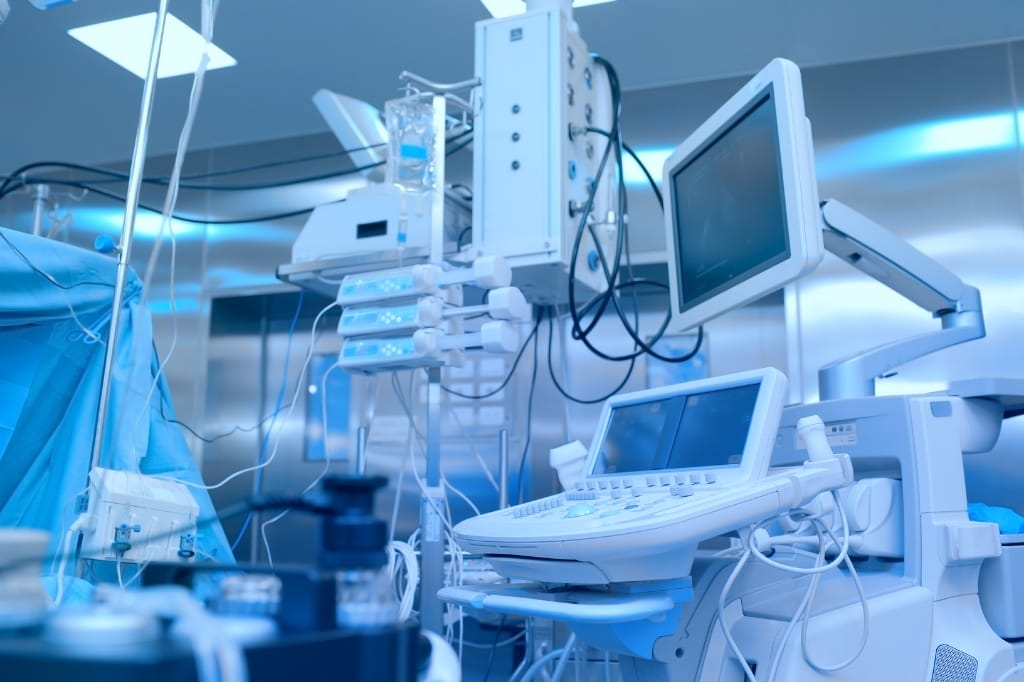
CNC-gefräste Teile sind wesentliche Bestandteile von chirurgischen Instrumenten, implantierbaren Geräten, Diagnoseausrüstungen und medizinischen Versorgungssystemen. Chirurgische Instrumente wie Pinzetten, Skalpellgriffe und Knochenschneider erfordern eine präzise Bearbeitung von rostfreiem Stahl und Titan, um ergonomische Werkzeuge zu schaffen, die Chirurgen mit genauer Kontrolle handhaben können. Große Teile wie Geräterahmen und kleine, komplizierte Komponenten werden in der medizinischen Industrie häufig verwendet.
Kritische Anwendungen für medizinische Geräte
- Chirurgische Instrumente: Scheren, Pinzetten, Retraktoren und Klemmen, die eine präzise Beweglichkeit erfordern
- Orthopädische Implantate: Knochenplatten, Schrauben, Komponenten für Gelenkersatz und Wirbelsäulenfusion
- Kardiovaskuläre Geräte: Stent-Einführsysteme, Herzklappen-Komponenten und Herzschrittmacher-Gehäuse
- Diagnostische Ausrüstung: Komponenten für MRT-Geräte, CT-Scanner und Labortestgeräte
- Minimalinvasive Instrumente: Endoskopische Werkzeuge, laparoskopische Instrumente und Komponenten für die robotergestützte Chirurgie
- Zahnmedizinische Anwendungen: Implantataufbauten, Bohrschablonen und prothetische Komponenten
Aufkommende Anwendungen in der personalisierten Medizin
Unsere CNC-Präzisionsbearbeitungsmöglichkeiten unterstützen den wachsenden Bereich der patientenspezifischen Geräte:
- Maßgeschneiderte kraniofaziale Implantate aus CT-Scandaten
- Auf den Patienten abgestimmte orthopädische Führungen und Vorrichtungen
- Personalisierte Prothesenkomponenten für den medizinischen Bereich
- Forschung an Prototypen für neue medizinische Produkte und Behandlungsmethoden
Die CNC-Bearbeitung spielt eine entscheidende Rolle bei der Entwicklung von Teilen und Geräten, die die Gesundheitstechnologie voranbringen und die Ergebnisse für die Patienten verbessern.
Wie funktioniert unser medizinischer CNC-Bearbeitungsprozess?
Unser Bearbeitungsprozess beginnt mit einer gründlichen Entwurfsprüfung und einer DFM-Analyse (Design for Manufacturability), um das Komponentendesign für die Produktion zu optimieren. Dieser kooperative Ansatz identifiziert potenzielle Fertigungsprobleme, bevor die Produktion beginnt, und gewährleistet eine effiziente Fertigung unter Beibehaltung wichtiger Konstruktionsmerkmale. Unsere Ingenieure bewerten Geometrien, Toleranzen und Materialspezifikationen, um die optimale Bearbeitungsstrategie und Prozessparameter für jedes Teil zu bestimmen.
Workflow bei der Herstellung medizinischer Komponenten
- Entwurfsanalyse: CAD-Überprüfung, Toleranzbewertung und Beurteilung der Herstellbarkeit
- Prozessplanung: Werkzeugauswahl, Konstruktion von Spannvorrichtungen und CNC-Programmierung
- Überprüfung der Materialien: Prüfung und Dokumentation der Materialzertifizierung
- Erster Artikel Produktion: Erstteilfertigung mit umfassender Prüfung
- Prozess-Validierung: Überprüfung der Fähigkeit zur konsequenten Einhaltung der Spezifikationen
- Produktion: Kontrollierte Fertigung mit In-Prozess-Kontrolle
- Abschließende Inspektion: Überprüfung der Abmessungen, Messung der Oberflächengüte und visuelle Prüfung
- Dokumentation: Zusammenstellung von Materialzertifikaten, Prüfberichten und Prozessaufzeichnungen
Initiativen zur umweltfreundlichen Bearbeitung
Yijin Solution implements sustainable practices for medical device manufacturing:
- Bearbeitungstechniken mit Minimalschmierung
- Auswahl energieeffizienter Geräte
- Programme für verantwortungsvolles Materialrecycling
- Abfallreduzierung durch optimierte Programmierung
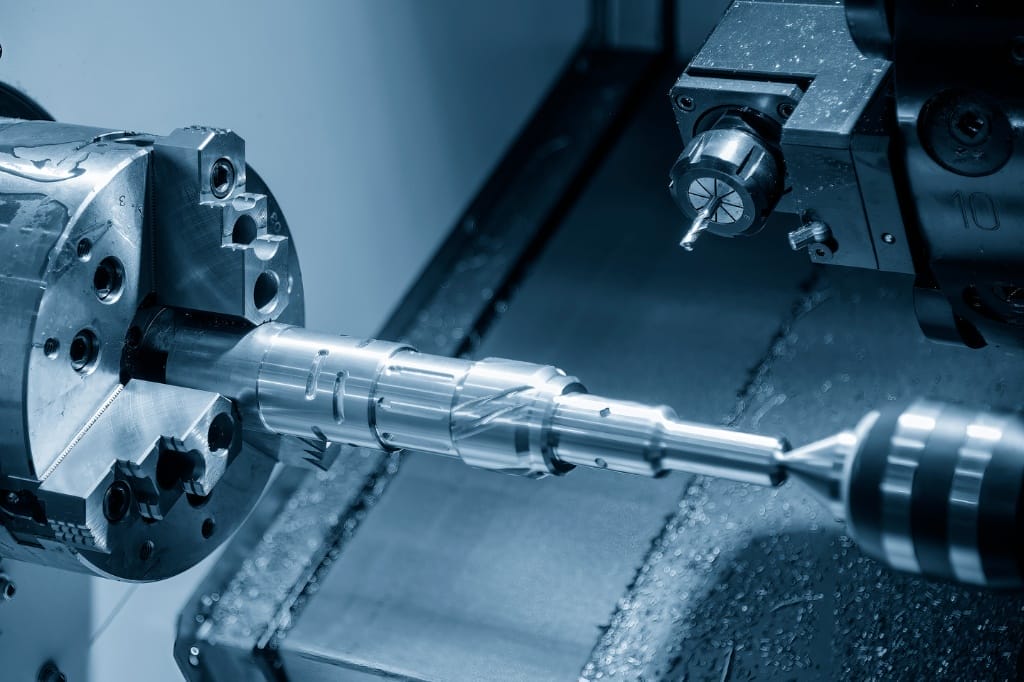
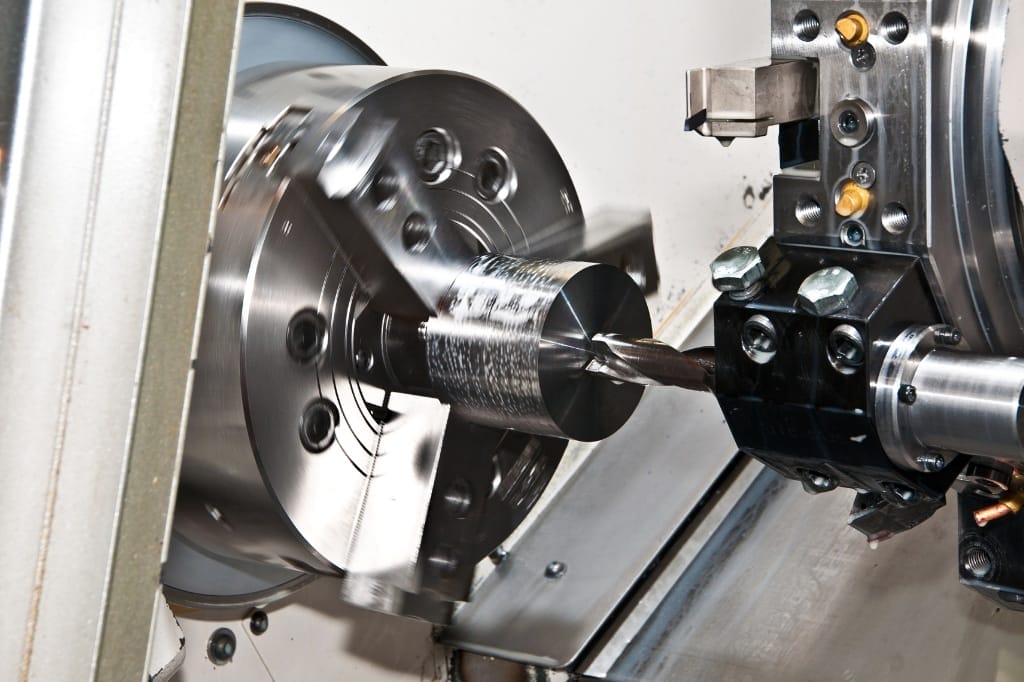
Der Einsatz von CNC-Technologie gewährleistet eine gleichbleibende Qualität der Produktion, während die EDM-Bearbeitung in der Medizintechnik eine außergewöhnliche Präzision für komplexe Geometrien in der Medizinindustrie bietet.
Why Choose Yijin Solution for Medical CNC Machining?
Yijin Solution delivers exceptional value through our ISO 13485-certified quality management system, advanced machining capabilities, and comprehensive material expertise. Our specialized focus on machining for the medical industry enables us to address the unique challenges of producing parts for critical healthcare applications while maintaining the precision, quality, and documentation required for regulatory compliance.
Unsere Vorteile in der medizinischen Fertigung
- Temperaturkontrollierte Fertigungsumgebung (±1 °C)
- Umfassende Dokumentationspakete zur Regulierung
- ITAR-registriert für militärisch-medizinische Crossover-Projekte
- Digitale Fertigungsintegration mit Echtzeitüberwachung
- Schnelle Skalierbarkeit vom Prototyp zur Produktion
- Erfahrung mit der Bearbeitung von medizinischen Komponenten aus verschiedenen Materialien
Die Bedienung einer CNC-Maschine für kritische medizinische Komponenten erfordert spezielle Kenntnisse, die unser erfahrenes Team für eine Vielzahl von medizinischen Anwendungen bereitstellt.
Was unsere Kunden sagen




FAQs zu medizinischen CNC-Bearbeitungsdienstleistungen
Die Biokompatibilität implantierbarer Komponenten beginnt mit zertifizierten Materialien medizinischer Qualität, die den ASTM- und ISO-Normen für bestimmte Implantatanwendungen entsprechen. Wir halten strenge Materialtrennungsprotokolle ein, um Kreuzkontaminationen zu vermeiden, und wenden spezielle Reinigungsverfahren an, um Bearbeitungsöle und Verunreinigungen zu entfernen. Unsere Oberflächenveredelungsverfahren schaffen die geeigneten Oberflächeneigenschaften für die Interaktion mit dem Gewebe, während unser Dokumentationssystem eine vollständige Rückverfolgbarkeit der Materialien vom Rohmaterial bis zum fertigen Bauteil für die Einreichung bei den Behörden gewährleistet.
Wir bieten umfassende Validierungsdokumentationspakete mit Materialzertifikaten, Maßprüfungsberichten und Prozessvalidierungsunterlagen. Diese Pakete enthalten Berichte über die Erstmusterprüfung (First Article Inspection, FAI) mit detaillierten Messungen aller kritischen Abmessungen, Materialzertifikate mit chemischer Zusammensetzung und mechanischen Eigenschaften sowie Nachweise über die Prozessvalidierung, die zeigen, dass wir in der Lage sind, Komponenten innerhalb der Spezifikationen zu produzieren. Diese Dokumentation unterstützt FDA-Einreichungen, technische Unterlagen für die CE-Kennzeichnung und andere behördliche Anforderungen und dient gleichzeitig als Nachweis für die Qualität der Komponenten.
Konstruktionsänderungen während der Entwicklung folgen unserem kontrollierten Änderungsmanagementprozess, bei dem die Auswirkungen auf die Funktionalität, die Herstellbarkeit und die Einhaltung gesetzlicher Vorschriften bewertet werden. Unser Ingenieurteam arbeitet mit den Kunden zusammen, um den Zweck der Änderungen zu verstehen, und führt dann eine DFM-Analyse durch, um das überarbeitete Design für die Produktion zu optimieren. Wir erstellen eine überarbeitete Fertigungsdokumentation, aktualisieren die Prüfprotokolle und erstellen Validierungsmuster zur Genehmigung, bevor wir die Änderungen umsetzen. Dieser strukturierte Ansatz stellt sicher, dass die Iterationen des Designs die Komponente verbessern, während die Einhaltung der gesetzlichen Vorschriften gewährleistet ist und alle Änderungen zur Rückverfolgbarkeit dokumentiert werden.
CNC-Ressourcen
Top 10 Aluminum Die Casting Companies for Precision Custom Parts in 2026
There are a lot of aluminum die casting companies out there. Some are reliable long-term manufacturing partners. Others may look
Top 10 Robot Manufacturers in 2026 | Industry Leaders
Das Spiel mit den Fabriken für humanoide Roboter hat sich von sehr einfachen Prototypenwerkstätten zu intensiven Produktionsanlagen gewandelt. Diese Räume, wie

CNC vs Manual Machining | Complete Comparison 2026
Die Entscheidung zwischen CNC-Bearbeitung und manueller Bearbeitung hängt direkt von den spezifischen Anforderungen Ihres Projekts ab. Für die Großserienproduktion und komplexe Teile
Beginnen Sie noch heute. Teile schnell herstellen lassen.
Kostenloses Design von bearbeiteten Teilen für Ihre Projekte mit schnellen Durchlaufzeiten.