CNC-Schaumstoffzuschnitt-Service
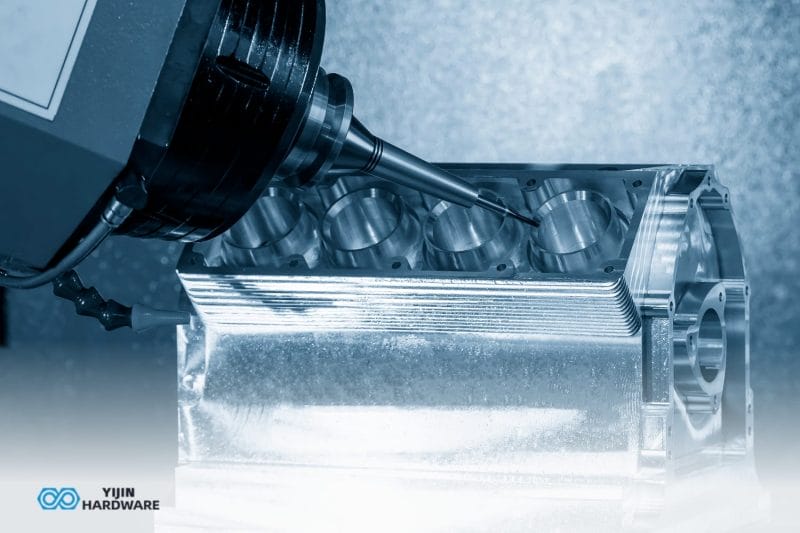
Haben Sie sich schon einmal gefragt, wie diese perfekt geformten Schaumstoffeinlagen in Verpackungen oder diese detaillierten Architekturmodelle hergestellt werden? Unser CNC-Schaumstoffschneideservice verwandelt Blöcke aus Rohmaterial in unglaublich präzise Komponenten mit Toleranzen von bis zu ±0,005 Zoll - etwa so dick wie ein Blatt Papier.
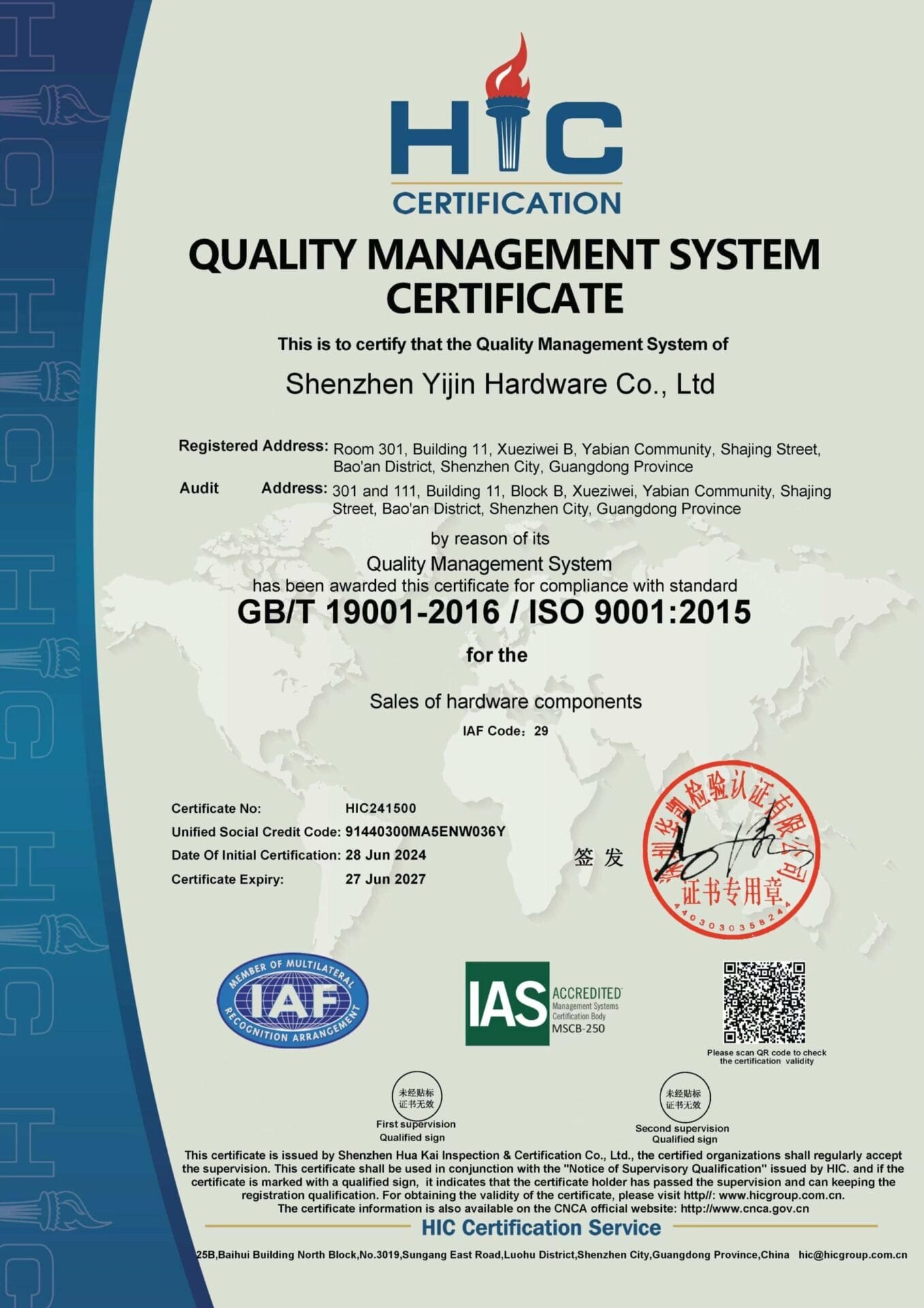
Unsere hochmoderne Ausrüstung verarbeitet praktisch jeden Schaumstofftyp, den Sie sich vorstellen können - expandiertes Polystyrol (EPS), extrudiertes Polystyrol (XPS), Polyurethan und Polyethylen. Mit unserem nach ISO 9001:2015 zertifizierten Qualitätsmanagement und NIMS-zertifizierten Bedienern erhalten Sie eine Konsistenz, die beim manuellen Schneiden einfach nicht erreicht werden kann.
- ⬤Dienst
- ⬤Deine Details
- ⬤Einreichen


Was ist CNC-Schaumstoffschneiden?
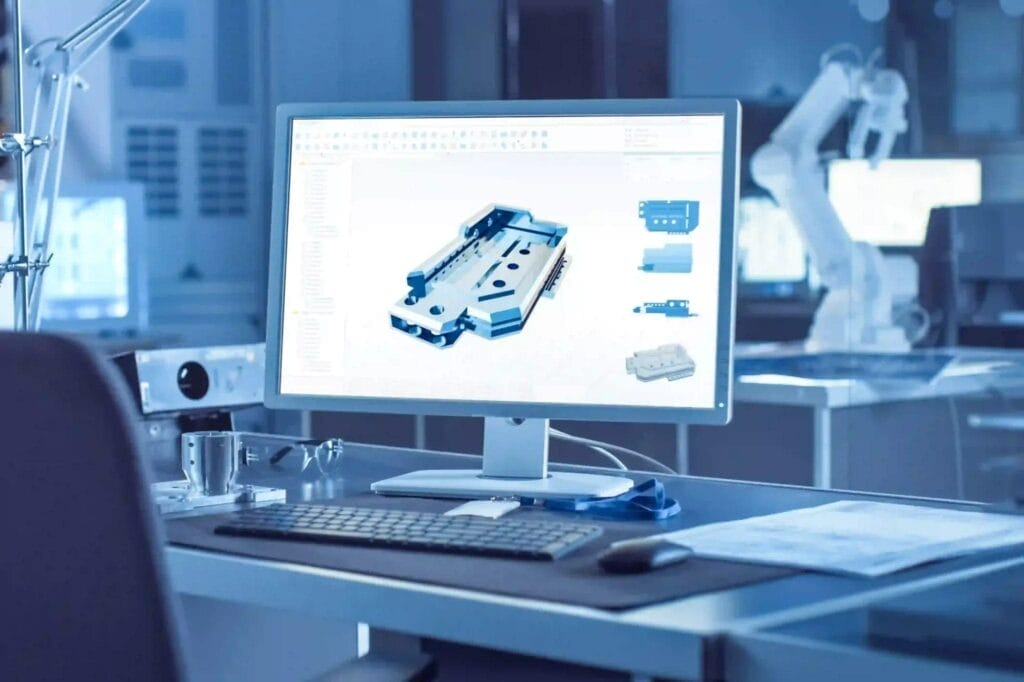
Diese intelligenten Maschinen folgen digitalen Entwürfen, die mit CAD Entwürfe, Sie werden in so präzise Bewegungen umgesetzt, dass das Schneiden von Hand wie eine Operation mit dem Vorschlaghammer aussieht. Das Schöne an diesem Verfahren ist, dass es diese frustrierenden menschlichen Fehler vollständig ausschließt.
Stattdessen erhalten Sie durch perfekt kontrollierte Schneidbewegungen und Vorschubgeschwindigkeiten jedes Mal identische Teile. Vergleicht man das herkömmliche Schaumstoffschneiden mit CNC-Methoden, so ist eines der beiden Verfahren wesentlich präziser und benötigt nur einen Bruchteil der Zeit - das CNC-Schaumstoffschneiden.
Programmierung und Kontrollsysteme
CAM-Software wie Mastercam, SolidWorks CAM und AutoCAD wandelt dreidimensionale Modelle in maschinenlesbare Anweisungen für computergesteuerte Werkzeuge um. Postprozessoren passen diese Programme für bestimmte CNC-Schneidmaschinen und verschiedene Arten von Schaumstoffeigenschaften an. Echtzeit-Feedback-Systeme überwachen die Schnittkräfte und passen die Parameter während der Fertigung automatisch an.
Maschinenspezifikationen und -fähigkeiten
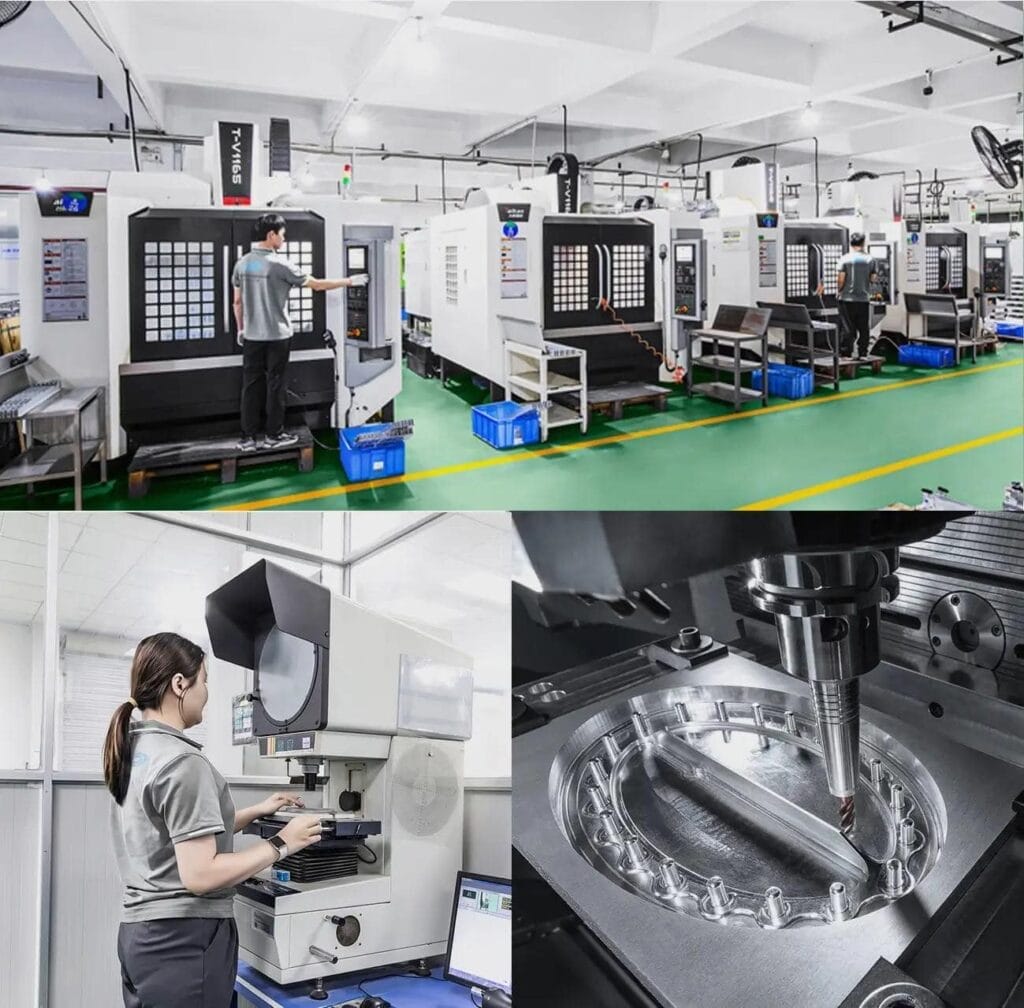
Industrielle CNC-Schneidmaschinen arbeiten mit Spindeldrehzahlen von 12.000 bis 40.000 U/min, die für Schaumstoff und andere leichte Materialien und Anforderungen an die Schneidausrüstung optimiert sind. Die Arbeitsbereiche erstrecken sich von 2 ft x 2 ft Desktop-Einheiten bis hin zu 10 ft x 20 ft Systemen, um Großprojekte und Massenproduktionsanforderungen zu erfüllen. Servomotoren mit Positionsrückmeldung gewährleisten eine Genauigkeit von ±0,001 Zoll für enge Toleranzen.


Unsere CNC-Schaumstoffschneide-Dienstleistungen
Wir bieten umfassende Schaumstoffschneiddienste, einschließlich Fräsen, Fräsen, Profilieren, Konturieren und Bohren für die Entwicklung einzelner Prototypen bis hin zu Produktionsläufen mit mehr als 10.000 Stück. Unser Schaumstoff-CNC-Service umfasst Beratung bei der Materialauswahl, Optimierung von CAD-Dateien und Analyse der Herstellbarkeit. Jedes Projekt wird von einem engagierten Projektmanagement betreut, das die Einhaltung der Liefertermine und kosteneffiziente Lösungen gewährleistet.
Materialfähigkeiten und Anwendungen
| Schaumstoff-Typ | Dichtebereich | Dicke Grenze | Primäre Anwendungen |
|---|---|---|---|
| EPS-Schaum | 1,5-3,0 lb/ft³ | 12 Zoll | Modelle, Verpackung, Gehäuse |
| XPS-Schaum | 1,5-5,0 lb/ft³ | 10 Zoll | Isolierung, Struktur |
| Polyurethan | 2,0-15,0 lb/ft³ | 8 Zoll | Werkzeugbau, Automobilindustrie, MDF |
| Polyethylen | 2,0-9,0 lb/ft³ | 6 Zoll | Marine, Chemie |
Fortgeschrittene Fertigungskapazitäten
Unsere Stanzmaschinentechnologie bewältigt komplizierte Formen und komplexe Geometrien, die mit Stanzformen oder herkömmlichen Methoden nicht möglich sind. Die Integration von computergestütztem Design rationalisiert den Übergang von der CAD-Datei zum fertigen Schaumstoffprodukt. Rapid-Prototyping-Services beschleunigen die Produktentwicklungszyklen bei gleichbleibender Maßgenauigkeit.


Welche Schaumstoffmaterialien eignen sich am besten für das CNC-Schneiden?
Die Wahl des Schaumstoffs hängt von den Anforderungen der Anwendung ab, einschließlich chemischer Beständigkeit, Temperaturstabilität und mechanischer Eigenschaften. Expandiertes Polystyrol (EPS) bietet aufgrund seiner gleichmäßigen Zellstruktur eine optimale Bearbeitbarkeit für architektonische Modelle und minimiert die Materialverformung. Extrudiertes Polystyrol (XPS) bietet eine hervorragende Dimensionsstabilität für strukturelle Anwendungen, die eine Druckfestigkeit von mehr als 25 psi erfordern.
Spezialisierte Schaumstoffmaterialien
Polyurethanschaum (PU) bietet verbesserte mechanische Eigenschaften für Werkzeuganwendungen, bei denen die Oberflächenhärte am wichtigsten ist. Geschlossenzellige Schaumstoffe sind resistent gegen Feuchtigkeitsaufnahme und eignen sich daher für Meeresumgebungen und Außenanwendungen, die mit dem Wasserstrahl geschnitten werden müssen. Offenzellige Varianten bieten akustische Dämpfungseigenschaften für HLK-Anwendungen und Schallschutzprojekte.
Überlegungen zur Materialverarbeitung
Unterschiedliche Schaumstoffdichten erfordern eine spezifische Auswahl von Schneidwerkzeugen und Werkzeugmaschinenparametern für eine optimale Oberflächengüte Ergebnisse. Heißdrahtschneidetechniken eignen sich gut für EPS- und XPS-Materialien, während Router-basierte Methoden Polyurethanschaum und dickere Materialien effizienter bearbeiten. Eine ordnungsgemäße Befestigung verhindert Bewegungen bei hochpräzisen Bearbeitungen von weichen Materialien.
Wie funktioniert unser CNC-Schaumstoffschneideverfahren?
Unser umfassender Schneidprozess beginnt mit einer CAD-Analyse, bei der die Ingenieure die Komplexität der Geometrie nach den Grundsätzen der Herstellbarkeit bewerten. Die Materialauswahl folgt den Anforderungen der Anwendung, wobei die Dichtespezifikationen mit den Leistungskriterien durch die numerische Computersteuerung abgestimmt werden. Beim CNC-Fräsen werden optimierte Werkzeugwege erzeugt, die die Eigenschaften von Schaumstoffen und die Anforderungen an die Oberflächengüte berücksichtigen.
Einrichtung und fortgeschrittene Techniken
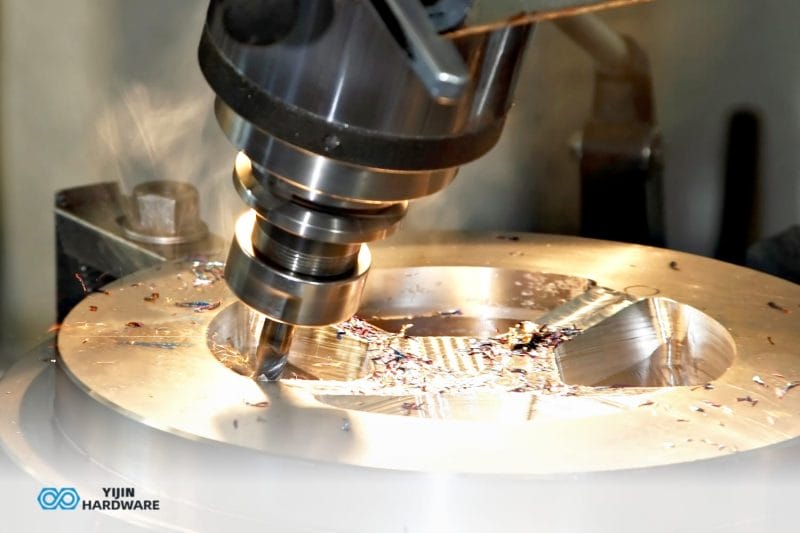
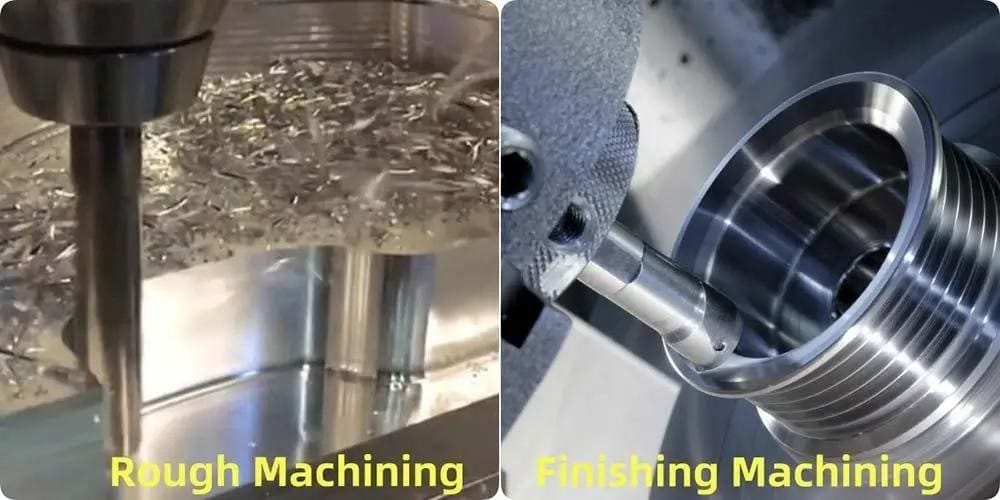
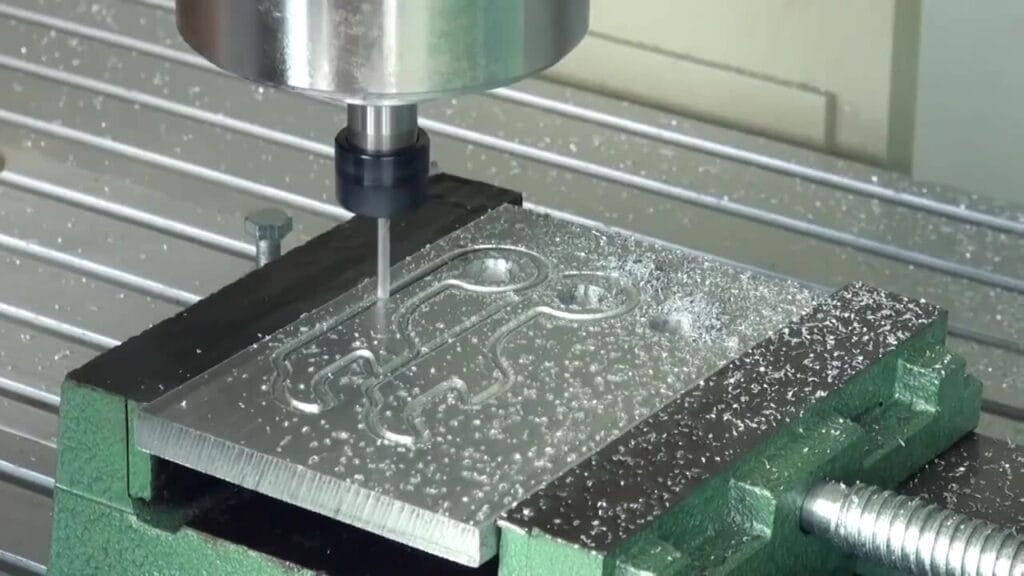
Vakuumtischsysteme sichern den Schaumstoff während der Bearbeitung und verhindern Bewegungen, die die Maßgenauigkeit bei komplexen Formen beeinträchtigen könnten. Unsere Zerspanungstechniken umfassen Fräsen, Schaumstofffräsen und Gravieren mit speziellen Schneidwerkzeugkonfigurationen. Die Auswahl der Schaftfräser optimiert die Spanabfuhr bei gleichzeitiger Einhaltung enger Toleranzen bei unterschiedlichen Materialstärken.
Qualitätskontrolle und Endbearbeitung
Die Echtzeitüberwachung verfolgt die Schnittkräfte und erkennt Werkzeugverschleiß oder Materialunregelmäßigkeiten bei der Bearbeitung komplizierter Details. Die Maßkontrolle mit Hilfe von Koordinatenmessmaschinen überprüft die Einhaltung der Spezifikationen. Die Nachbearbeitung umfasst Polieren und Sandstrahlen, wo dies für eine bessere Oberflächenqualität erforderlich ist.


Welche Präzision können wir mit dem CNC-Schaumstoffschneiden erreichen?
Unser hochpräzises CNC-Schaumstoffschneiden erreicht Maßtoleranzen von ±0,005 Zoll für kritische Merkmale durch ISO 9001:2015 zertifizierte Qualitätsmanagementsysteme. Die Standardtoleranzen reichen von ±0,010 Zoll bis ±0,020 Zoll, je nach Materialdichte und geometrischer Komplexität. Präzise Messungen gewährleisten gleichbleibende Ergebnisse bei Prototypen und Produktionsmengen.
Fortgeschrittene Messsysteme
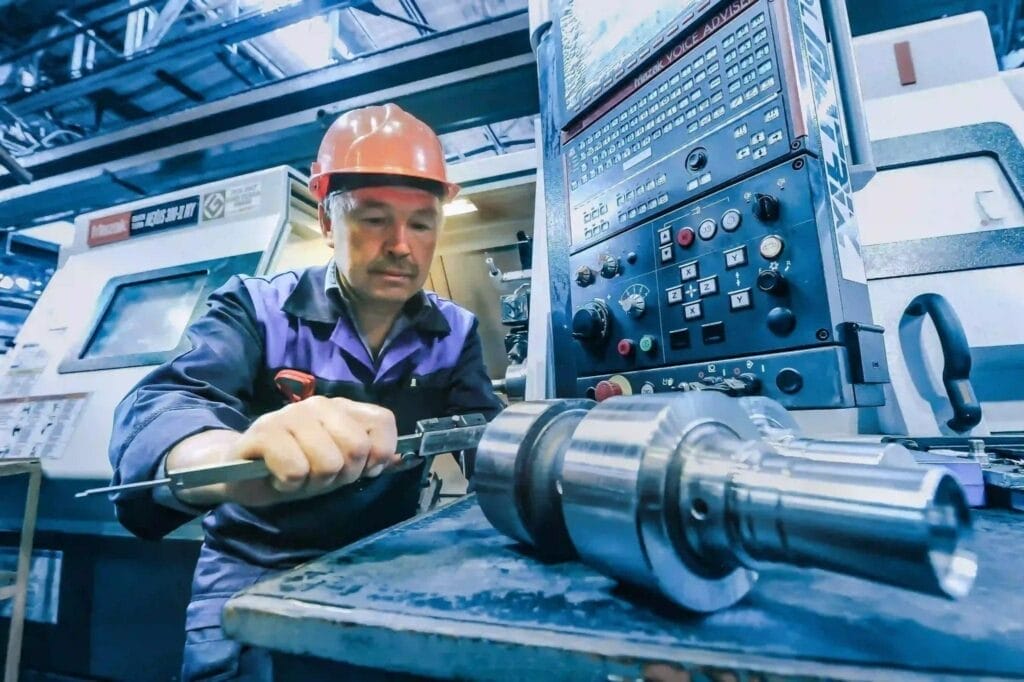
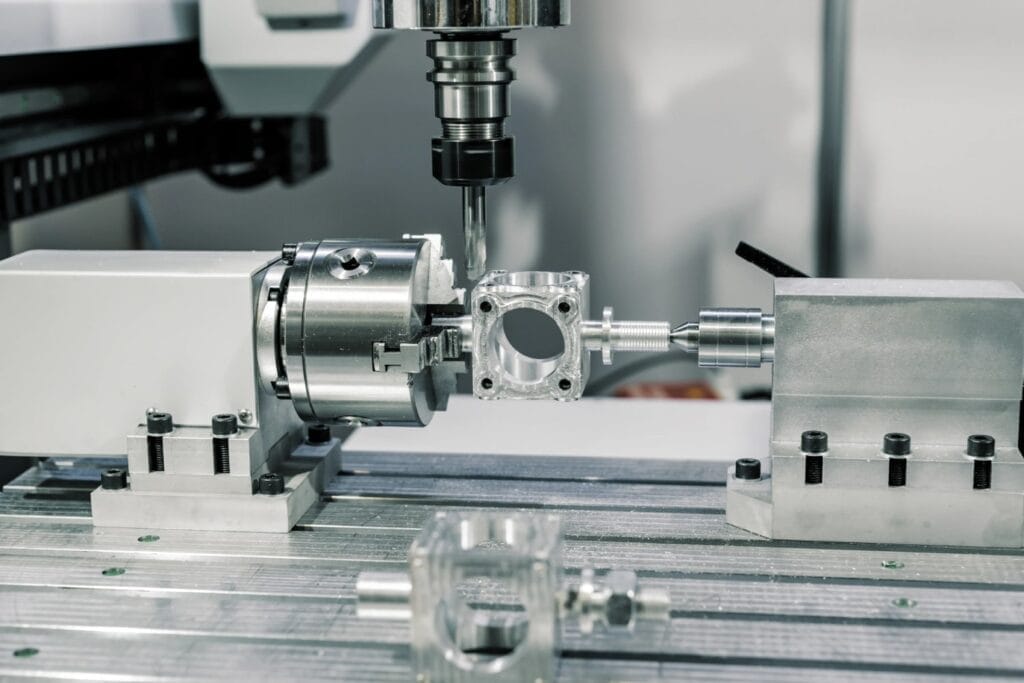
Koordinatenmessgeräte mit einer Genauigkeit von ±0,0002 Zoll überprüfen die Maßhaltigkeit mit Hilfe von computergesteuerten Messprotokollen. Umweltkontrollen halten die Temperaturstabilität innerhalb von ±2°F aufrecht und verhindern Wärmeausdehnungseffekte. Dreharbeiten ergänzen die Fräsmöglichkeiten für zylindrische Schaumstoffprodukte, die Rotationssymmetrie erfordern.
Einhaltung von Fertigungsstandards
Die Arbeitsabläufe entsprechen den ISO 7210 Sicherheitsstandards für Werkzeugmaschinen, die den Schutz des Bedieners bei der Produktion von Schaumstoffeinsätzen gewährleisten. Die OSHA-Arbeitsplatzsicherheitsvorschriften regeln die Staubkontrolle und den Umgang mit Chemikalien. Die NIMS-Zertifizierung bestätigt die Kompetenz der Bediener durch standardisierte Kompetenzbewertungen für eine Vielzahl von Anwendungen.
Welche Branchen profitieren vom CNC-Schaumstoffschneiden?
In der Luft- und Raumfahrt wird das CNC-Schneiden für Windkanalmodelle eingesetzt, die präzise aerodynamische Oberflächen und eine Maßgenauigkeit von ±0,005 Zoll erfordern. In der Automobilbranche werden Crashtest-Komponenten mit exakten Dichtespezifikationen benötigt, die den Anforderungen der Sicherheitssimulation entsprechen und im Spritzgussverfahren hergestellt werden. Architekturbüros benötigen maßstabsgetreue Modelle mit komplizierten Details, die durch manuelle Fertigung oder 3D-Druckverfahren unmöglich sind.
Spezialisierte Industrieanwendungen
Medizinisches Gerät Beim Prototyping werden biokompatible Schaumstoffe für ergonomische Tests und Funktionsprüfungen in der Produktentwicklung eingesetzt. Bei der Herstellung von Verbundwerkstoffen werden Schaumstoffkerne für die Konstruktion von Sandwichplatten und Betonformen verwendet, bei denen die Maßgenauigkeit die strukturelle Leistung beeinflusst. In der Elektronikverpackung werden antistatische Schaumstoffeinsätze mit präzisen Hohlraumabmessungen zum Schutz von Komponenten benötigt.
Aufkommende Anwendungen und Technologien
In der Unterhaltungsindustrie werden Bühnenrequisiten und Filmkulissen mit komplexen Designs benötigt, die durch fortschrittliche CNC-Funktionen realisiert werden können. Anwendungen in der Schifffahrt verwenden geschlossenzellige Schaumstoffe für Auftriebskörper, die eine kunststoffähnliche Haltbarkeit erfordern. Forschungsinstitute nutzen den Sonderzuschnitt für spezielle Schaumstoffproben für akademische Studien und Materialprüfungsanwendungen.


Warum sollten Sie Yijin Solution für das CNC-Schaumstoffschneiden wählen?
Wir kombinieren mehr als 15 Jahre CNC-Bearbeitung Fachwissen mit spezialisierten Schaumstoffschneidefähigkeiten, die dank eines nach ISO 9001:2015 zertifizierten Qualitätsmanagements hervorragende Ergebnisse liefern. NIMS-zertifizierte Mitarbeiter sorgen für höchste Qualifikationsstandards, während hochmoderne Anlagen von Fadal und Haas für Präzision und Zuverlässigkeit sorgen. Unser umfassender Bestand umfasst expandiertes Polystyrol, extrudiertes Polystyrol, Polyurethan und Polyethylen-Schaumstoffe in verschiedenen Dichten.
Die kostenlose Analyse der Herstellbarkeit optimiert die Entwürfe für eine kosteneffiziente Produktion bei gleichzeitiger Einhaltung der Maßanforderungen und der Kompatibilität mit dem Gussverfahren. Garantierte Liefertermine mit beschleunigten Optionen sorgen für die Einhaltung von Projektzeitplänen. Umweltverantwortung durch HEPA-Filterung und Schaumstoffrecyclingprogramme demonstrieren das Engagement für nachhaltige Herstellungspraktiken und bieten gegebenenfalls Alternativen zum Laserschneiden von Schaumstoff.
Was unsere Kunden sagen
Häufig gestellte Fragen zum CNC-Schaumstoffschneideservice
Professionelle CAM-Software wie Mastercam, SolidWorks CAM und Autodesk Fusion 360 bietet eine optimale Werkzeugwegerzeugung für Prototyping-Dienstleistungen mit speziellen Postprozessoren. Diese Programme bieten schaumstoffspezifische Schneidparameter, einschließlich Spindeldrehzahlen, Vorschubgeschwindigkeiten und Einstechtiefen, die für die Materialdichte optimiert sind. Erweiterte Verschachtelungsfunktionen maximieren die Materialausnutzung und reduzieren den Abfall und die Kosten im Vergleich zu 3D-Drucker-Alternativen.
Scharfe Hartmetall-Schneidwerkzeuge mit polierten Spannuten minimieren die Wärmeentwicklung bei der Bearbeitung von dichten Polyurethan-Schaumstoffen mit einer Dichte von mehr als 10 lb/ft³. Einschneidige Schaftfräser mit einem Durchmesser von 1/8 Zoll bis 1/2 Zoll sorgen für eine optimale Spanabfuhr bei gleichbleibender Oberflächengüte. Spezielle Schaumstofffräser mit aggressiven Spanwinkeln verhindern das Verstopfen bei Hochgeschwindigkeitsoperationen auf schwierigen Materialien.
CNC-Ressourcen

3D-Printed Snap-Fit Trim Housing Prototype: From CAD Review to Functional Assembly Validation
How a matched prototype set turned a visual concept into a practical basis for fit, feature, and production-readiness decisions. A

Low-Volume & Prototype CNC Machining in China
How prototype CNC machining prices behave from 1 to 500 units, what the move to production involves, and what a

CNC Milling | A Practical Guide to Parts, Tolerances, and Material Selection
Learn how CNC milling services handle part types, realistic tolerances, materials, 3-axis and 5-axis work, DFM, pricing, inspection, and sourcing
Beginnen Sie noch heute. Teile schnell herstellen lassen.
Kostenloses Design von bearbeiteten Teilen für Ihre Projekte mit schnellen Durchlaufzeiten.
 English
  Spanish
  German
  French