
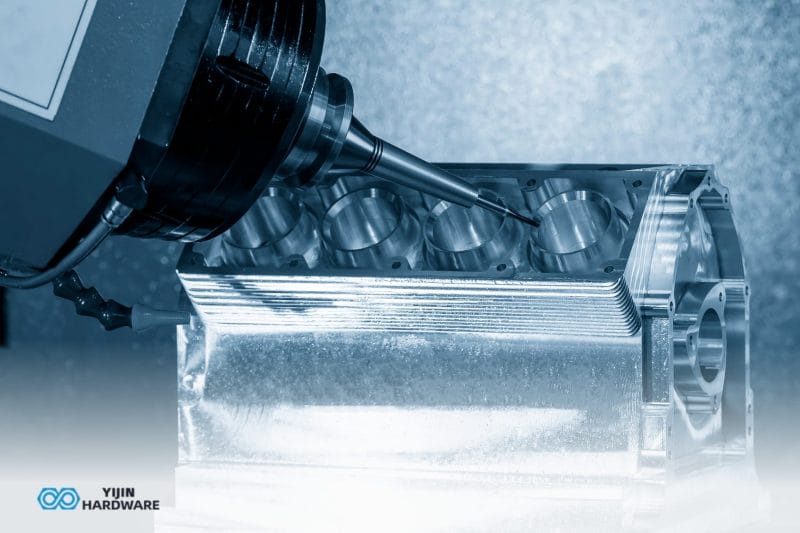
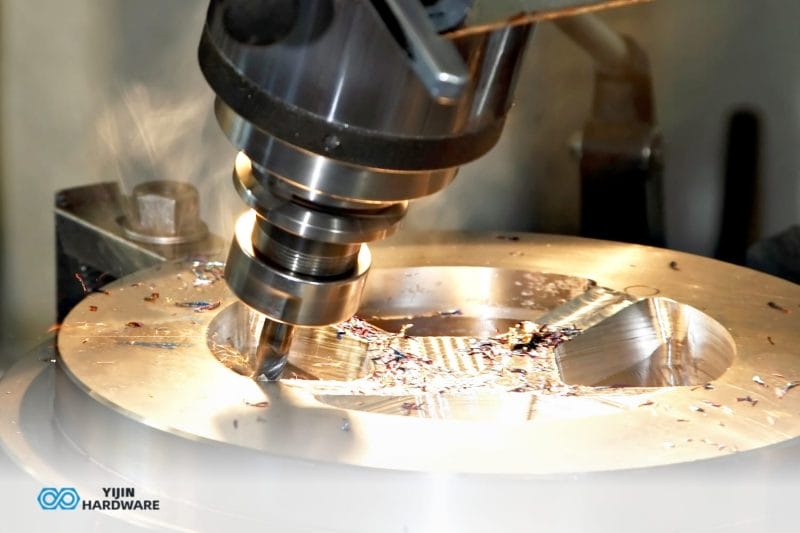


A spun cone, dome, or reflector can look simple on a drawing, but only a supplier whose forming limits match the part can produce it reliably from sample to volume. Diameter, wall thickness, material grade, and any post-forming features quickly narrow the field of capable suppliers.
Metal spinning shapes a rotating metal blank against a mandrel through localized roller pressure, producing rotationally symmetric components such as cones, domes, and cylindrical housings.
Metal spinning companies in China range from dedicated spinning specialists to broader custom manufacturers that combine spinning with machining, finishing, and fabrication. A useful shortlist therefore compares suppliers against the actual part requirements and quote scope rather than company size, equipment counts, or broad manufacturing claims.
How Were These Metal Spinning Companies Selected?
Selection centers on metal spinning manufacturers in China advertising custom components made to customer drawings or specifications. Selection reflects documented process relevance and project fit.
The screening approach separates custom parts production from equipment sales and standard product distribution. The six-step screening process includes:
- Service-based searches
- Business-model verification to confirm manufacturing scope
- Documentation of process relevance
- Search authority assessment
- Evaluation of relevant known competitors
- Project fit evaluation across specialist and broader providers
Service-based searches identify suppliers actively advertising custom metal spinning. Business-model verification confirms they manufacture in-house with spinning equipment and skilled operators, rather than white-labeling or distributing others’ work.
Process relevance documentation establishes that spinning is a genuine capability in their portfolio, supported by case studies, materials they handle, or equipment specifications. Search authority assessment confirms they have a credible market presence: industry recognition, established case work, certifications, or a proven track record that positions them as legitimate manufacturers.
Competitive evaluation reveals their market positioning: who else they compete against tells us whether they’re competing as specialists or as one service among many. Project fit evaluation distinguishes between specialist spinners (spinning is their primary focus) and diversified manufacturers (spinning is one of several capabilities). Both are valid but fit different sourcing scenarios.
Suppliers clearing all six checkpoints appear on this list.
Which Metal Spinning Manufacturers Should Be Compared?
The comparison below provides a starting shortlist for procurement teams and engineers. Diameter, stock thickness, final wall thickness, tolerance, and production timing need confirmation against the same drawing and quantity.
Table 1: China metal spinning supplier comparison
| Company name | Hauptsitz | Wichtigste Spezialisierungen | Lieferzeit-Kapazität | Best for or ideal customer |
|---|---|---|---|---|
| Yijin-Lösung | Shenzhen | Custom spinning and finishing | Vom Prototyp zur Produktion | Spun parts with engineering review |
| Dinnovation | Dongguan | Dedicated CNC spinning | Custom component orders | Spinning-led projects |
| Hengsheng Spinning | Changzhou | CNC and manual spinning | Prototypes and OEM batches | Specialist forming work |
| JSSPIN | Kunshan | Large spun parts | Vom Prototyp bis zur Mittelserie | Large spun shells |
| Yixing Technology | Shanghai | CNC and manual forming | Prototype and volume | Mixed material projects |
| Supro MFG | Shanghai | Tooling and custom spinning | Prototype and batches | Tooling-led development |
| JINGXIN | Dongguan | Custom-spun housings | Short runs and low volume | Smaller spun housings |
| Conwhole | Ningbo | Spinning and secondary work | Sample to production | Parts with trimmed edges |
| XML Tech | Shenzhen | Spun parts and fabrication | Custom batch work | Spun shells with added features |
| PFT | Shenzhen | OEM spinning and machining | Custom OEM orders | Parts requiring secondary machining |
Which China Metal Spinning Supplier Fits Each Project?
The profiles below break down each supplier’s capabilities, competitive positioning, and best-fit project types.
Yijin-Lösung
Differentiator: Custom metal spinning with free DFM review, secondary CNC machining, and finishing under one roof.
Capabilities and Certifications: Spins titanium, aluminum, copper, brass, and stainless steel across CNC, hot, shear, and manual spinning methods. Trimming, polishing, and inspection follow forming in-house. The facility holds ISO 9001, ISO 14001, ISO 13485, and IATF 16949 certifications, with 281 inspection instruments, including Zeiss CMMs.
Vorteile: Four spinning methods in one facility, covering CNC, hot, shear, and manual forming. The method can be matched to the part geometry instead of forcing the geometry to suit a single process. IATF 16949 and ISO 13485 certification extend spun parts into automotive and medical quality systems.
Considerations: The forming envelope is not published, so maximum diameter and final wall thickness need confirmation against the part drawing before the quote is finalized.
Geeignet für: Spun components that need machined features, threads, or sealing faces added after forming, inside a certified quality system.
Dinnovation
Differentiator: CNC spin forming with milling, turning, bending, and welding available for secondary features.
Capabilities and Certifications: CNC spin forming sits at the center of the service offering, with prototyping and design suggestions supporting new component development. Published secondary capabilities cover milling, turning, bending, and welding.
Vorteile: Forming and secondary operations can be discussed in one technical review, so a spun shell needing an attached bracket or machined mounting feature does not require a second supplier. Design feedback at the prototyping stage helps establish which features come directly from forming.
Considerations: Published material families and forming limits are not stated, so diameter, alloy, and thickness capability need confirming against the drawing. Certificate evidence and the production facility need direct confirmation during the quoting stage.
Geeignet für: Spun geometry that needs design feedback and clearly defined secondary work in the same quotation.
Hengsheng Spinning
Differentiator: Dedicated spinning specialist running CNC and manual forming across five material families.
Capabilities and Certifications: Published material coverage includes steel, stainless steel, aluminum, copper, and brass. CNC and manual forming both run in-house, with support spanning prototype development through repeat production. Hengsheng advertises ISO 9001 certification, and qualification should confirm the facility, scope, and current certificate.
Vorteile: Material, geometry, and forming method can be evaluated together, which matters when a prototype has to become a repeat order. An accepted sample establishes the agreed material condition, finished geometry, and inspection requirements before batch production begins.
Considerations: Published material families do not confirm every alloy grade, temper, diameter, and thickness combination, so the specific pairing needs checking.
Geeignet für: Material-specific development work that progresses from an approved prototype into production batches.
JSSPIN
Differentiator: Large-diameter spinning, advertised to 3,000 mm, with machining, welding, and finishing alongside.
Capabilities and Certifications: The site advertises a diameter capacity reaching 3,000 mm with a stated tolerance of plus or minus 3 mm. Supporting services cover machining, welding, and finishing for components needing mounting features or fabricated attachments. JSSPIN advertises ISO 9001 certification, and current facility and scope evidence should support qualification.
Vorteile: Few suppliers publish a forming envelope at this scale, which makes screening fast for large covers and shells. Fabrication and machining in the same facility also keep a large formed component from moving between vendors for its mounting features.
Considerations: The stated tolerance does not identify which dimensions it covers, and the maximum blank diameter needs to be separated from the finished part diameter.
Geeignet für: Large covers and shells with an agreed forming envelope, secondary process route, and inspection plan.
Yixing Technology
Differentiator: Both manual and CNC spinning routes are available, with the method selected by geometry, material condition, and quantity.
Capabilities and certifications: Published materials include aluminum, steel, stainless steel, copper, brass, and selected special alloys. Component examples range from reflectors to cylindrical housings. The forming facility and applicable certificates need identifying, along with any process changes between samples and production.
Vorteile: Comparing a manual and a CNC route inside one quotation shows the cost and tolerance trade-off before a production method is committed. The result is a documented manufacturing route explaining the process choice and the acceptance criteria for the finished component.
Considerations: CNC control alone does not establish a tolerance for every part, so any proposed thickness range needs to be connected to the chosen alloy, temper, diameter, and shape.
Geeignet für: Projects comparing manual and CNC forming before committing to a production method.
Supro MFG
Differentiator: Mandrel development and tooling manufacturer tied to spinning for components without an approved production tool.
Capabilities and Certifications: The published spinning service connects tooling design and manufacture with engineering review, prototypes, and batch production. CNC and manual forming options are both described. Supro advertises ISO 9001 credentials.
Vorteile: Tooling approval and sample acceptance can be separated into distinct milestones, which clarifies when production can begin and which changes require another review. That separation also makes development costs easier to compare across suppliers.
Considerations: Parts production needs to be separated from the company’s equipment-related activity, and the quotation should name the actual forming facility and any subcontracted operations.
Geeignet für: New spun components needing mandrel development and a defined path from drawing review to approved samples.
JINGXIN
Differentiator: Custom spun housings to a stated 500 mm maximum part diameter for short runs and volume orders.
Capabilities and Certifications: The service page lists a maximum part diameter of 500 mm. Published material options cover aluminum, carbon steel, stainless steel, and copper.
Vorteile: A published diameter ceiling makes screening quick for enclosure and housing work, since the part either fits the envelope or it does not. Support spans short runs and volume orders, so sample quantities can progress into repeat production with the same supplier.
Considerations: The service page gives lower thickness limits of both 0.2 mm and 0.5 mm, and the applicable figure needs resolving for the actual alloy and geometry. Certificate evidence and facility scope need confirming for the quoted production route.
Geeignet für: Smaller spun housings with confirmed material and thickness requirements, particularly when samples may become repeat orders.
Conwhole
Differentiator: Spinning with trimming, beading, flanging, and hole piercing for controlled rim and edge features.
Capabilities and Certifications: Published specifications give a maximum blank diameter of 1,200 mm and material thickness from 0.5 to 6.0 mm. Trimming, beading, flanging, and hole piercing are listed alongside spinning.
Vorteile: Sample production and approval precede final production parameters, which establishes the accepted edge profile, surface appearance, and dimensional requirements before a repeat batch. That sequence matters most when the rim affects fit, assembly, or the appearance of an exposed component.
Considerations: The finished part diameter needs separate confirmation from the published blank capacity, since the two describe different limits. Some finishing routes use a managed partner network, so the responsible facility and inspection arrangements need identifying.
Geeignet für: Spun components with controlled rim features and a defined sample approval and finishing route.
XML Tech
Differentiator: Spun cones, cylinders, hemispheres, and housings produced within a broader fabrication service.
Capabilities and Certifications: The published spinning portfolio covers cones, cylinders, hemispheres, and custom housings, with examples in aluminum shells and stainless steel components. Spinning sits within a broader fabrication offering that can add features after forming. XML holds ISO 9001 certification.
Vorteile: A rotationally symmetric shell needing cut, machined, or fabricated features afterward can stay with one supplier through every stage. Each stage then carries its own acceptance criteria rather than a single tolerance applied to the whole part.
Considerations: The laser cutting and wire electrical discharge machining tolerances published on the site describe separate processes and do not establish spinning accuracy.
Geeignet für: Formed shells with secondary features needing coordinated processing and separately documented dimensional acceptance.
PFT
Differentiator: Custom spinning paired with precision machining for components with specified machined interfaces.
Capabilities and Certifications: The published spinning service describes prototype development and collaborative review of component specifications. Precision machining runs alongside forming for mating faces and mounting features.
Vorteile: A mating face or mounting feature can be machined after forming, so an interface with tighter requirements than the surrounding spun surface stays within one supplier. The quote can then show which process produces each specified feature and who inspects the finished part.
Considerations: Purchase documents and the advertised ISO 9001 certificate evidence should consistently identify the contracting entity and production facility.
Geeignet für: Custom spun parts with separately specified machined features and agreed inspection responsibilities.
What Should Procurement Teams Evaluate in a Metal Spinning Supplier?
Comparable quotations begin with the same drawing, material condition, quantity, critical dimensions, and finish requirement. A supplier’s maximum diameter and minimum wall thickness are separate ceilings. Both rarely apply to the same part, so the combination needs confirming against the drawing.
Maximum diameter and final wall thickness
Blank diameter and finished diameter describe different limits. A quoted thickness range also needs to separate incoming stock from the required final wall thickness, since suppliers often publish the two as a single figure.
Conventional spinning aims to retain the starting thickness, while shear spinning and flow forming reduce the wall intentionally. Metal forming processes cover that distinction. Process names should be agreed precisely because a supplier quoting flow forming is not quoting the same operation.
Dimensional control and secondary operations
Springback, ovality, and runout all affect whether a formed shell meets its drawing. Inspection planning should name which of those characteristics are measured and the method used for each.
Secondary operations change how acceptance is established. A formed shell and a mounting surface machined afterward can need different measurement methods, so the quotation should identify which process produces each critical interface.
Quote scope and communication
A comparable quotation separates tooling, sampling, unit production, trimming, finishing, inspection, and freight into individual line items. A bundled figure leaves nothing to compare against another supplier’s quote.
ISO 9001 concerns quality management systems rather than part acceptance, so dimensional compliance still depends on agreed dimensions and inspection methods. Response detail at the quoting stage also indicates how technical questions will be handled during production, particularly when the quoting office and the producing facility are separate.
A structured request for quotation asks for evidence rather than assurance. The five requirements below pair each area with the document or figure that confirms it.
Table 2: Metal spinning RFQ comparison checklist
| Anforderung | Nachweise, die Sie anfragen sollten |
|---|---|
| Diameter and geometry | Confirmed forming envelope matching the finished part drawing |
| Material and thickness | Alloy, condition, starting stock, and final thickness requirements |
| Dimensional acceptance | Critical features, datums, and the proposed inspection method |
| Process responsibility | Named in-house and subcontracted operations |
| Commercial scope | Separated tooling, sampling, production, finishing, and delivery charges |
A useful metal spinning shortlist compares suppliers against the same drawing so that forming limits and quote scope can be checked line by line.
Yijin-Lösung forms custom spun parts to customer drawings, and its free DFM review addresses forming limits, inspection method, and quote scope together before tooling is committed. Procurement teams can send drawings with material, quantity, and critical dimensions for a written feasibility response.
Top Metal Spinning Companies in China FAQs
Can metal spinning companies quote from a 2D drawing?
A metal spinning quotation can start from a dimensioned 2D drawing when the supplier has sufficient detail to assess the part. Specify required views and material condition, and note when a 3D model is requested.
Who owns the metal spinning mandrel?
Mandrel ownership is set by the agreed tooling terms. Ownership, storage, maintenance responsibility, and access are recorded separately from the unit part quotation.
Can a supplier match an existing spun component?
An existing spun component can serve as a reference for developing an approved drawing. Material, dimensions, finish, and acceptance requirements are confirmed rather than copied from an unknown specification.
How should finished spun parts be packed for export?
Spun component packaging should protect the formed geometry and specified surface finish during transport. Rim support and separation between nested parts establish protection without prescribing a universal packaging standard.
Zurück zum Anfang: Top Metal Spinning Companies in China


Gavin Yi
Gavin Yi ist einer der führenden Experten für Präzisionsfertigung und CNC-Technologie. Als regelmäßiger Redakteur der Zeitschriften Modern Machine Shop und American Machinist vermittelt er sein Fachwissen über fortschrittliche Bearbeitungsprozesse und die Integration von Industrie 4.0. Seine Forschungsarbeiten zur Prozessoptimierung wurden im Journal of Manufacturing Science and Engineering und im International Journal of Machine Tools and Manufacture veröffentlicht.
Gavin ist Mitglied des Vorstands der National Tooling & Machining Association (NTMA) und hält regelmäßig Vorträge auf der International Manufacturing Technology Show (IMTS). Er verfügt über Zertifizierungen von führenden CNC-Schulungseinrichtungen, darunter das Advanced Manufacturing Programm der Goodwin University. Unter seiner Leitung arbeitet Shenzhen Yijin Solution mit DMG Mori und Haas Automation zusammen, um Innovationen in der Präzisionsfertigung voranzutreiben.



 English
 Spanish
 German
 French