

Building a humanoid robot isn’t like assembling a phone or a laptop. You can’t source generic components off the shelf and expect them to work together reliably. Every actuator, sensor mount, joint assembly, and structural component needs to meet tight tolerances and integrate seamlessly. As humanoid robots move from research projects into real deployments across manufacturing floors, warehouses, hospitals, and retail environments, the supply chain delivering these precision components becomes absolutely critical.
CNC machining sits at the heart of this supply chain challenge. When a robot manufacturer needs 50 identical shoulder joints, each maintaining tolerances within hundredths of a millimeter, or custom actuator housings that handle specific load profiles, standard manufacturing can’t deliver consistently. At Yijin Solution, we manufacture these critical components for the humanoid robot supply chain, ensuring robot builders get parts that integrate properly and perform reliably from prototype through production.
Key Takeaways
- CNC machining is essential for producing the high-precision parts humanoid robots need—actuators, joints, sensors, and structural components
- The humanoid robot supply chain operates globally, with China dominating hardware manufacturing whilst the US leads in AI software and robotics innovation
- Building humanoid robots requires advanced manufacturing processes to create critical components like actuators that mimic muscle movement, sensors that enable environmental awareness, and structural parts that withstand constant use
- Industries like warehouse management and logistics will only adopt humanoid robots widely once they can source precision parts consistently and affordably
- Humanoid robots are positioned to boost productivity in sectors hit hardest by labor shortages, taking over repetitive tasks that are difficult to staff
What is the Humanoid Robot Supply Chain Anyway?
The humanoid robot supply chain is the interconnected network of manufacturers, suppliers, and assembly partners that produce the essential components humanoid robots need to function. These components—actuators that enable movement, sensors that perceive the environment, batteries that power everything—must be manufactured with extremely high precision. That’s where CNC machining becomes crucial. This supply network ensures every part of the robot works correctly together, from how it moves to how it interacts with its surroundings.
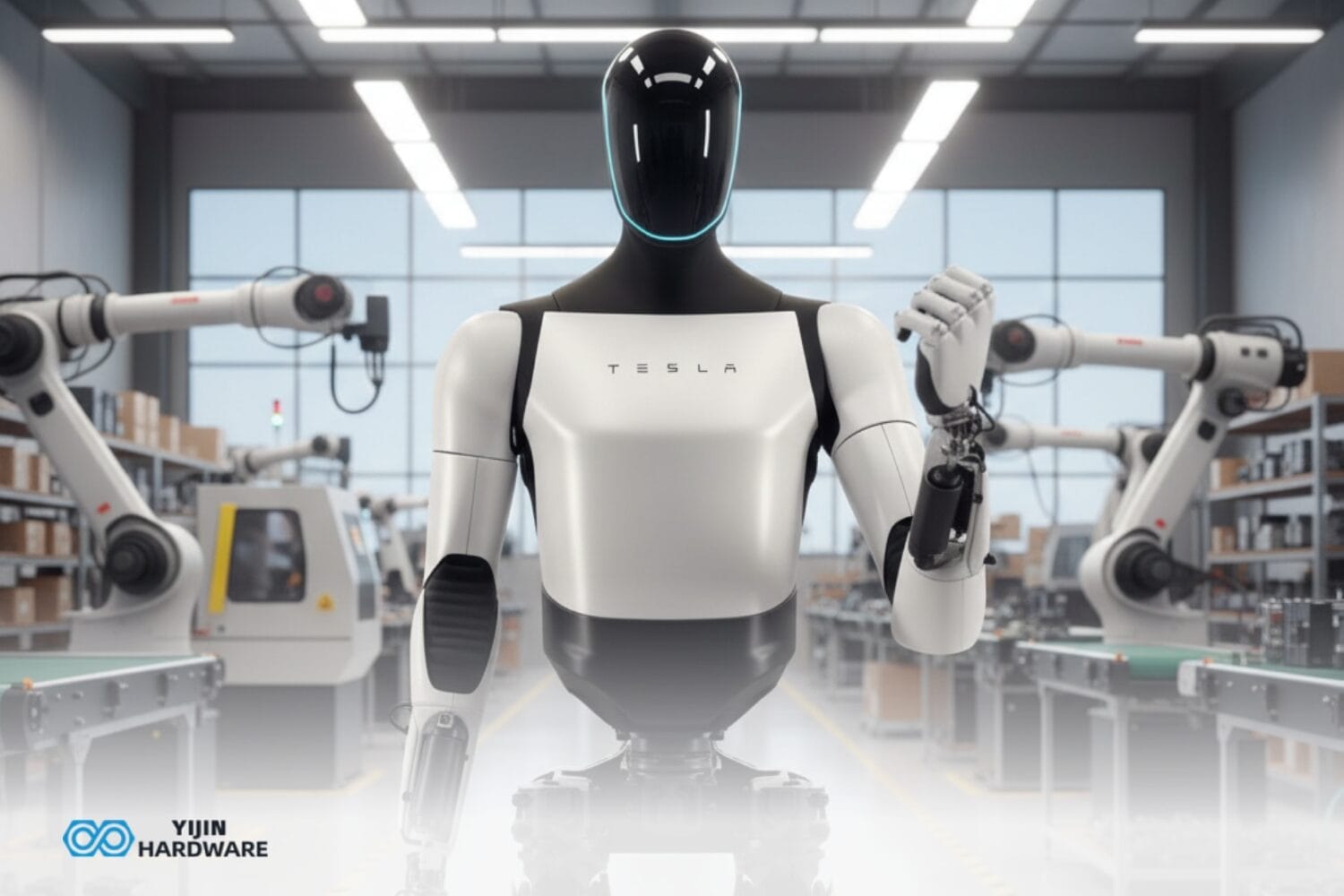
Different regions dominate various parts of the global humanoid robot supplier landscape. China’s humanoid sector leads hardware production, churning out physical components at scale and competitive prices. Meanwhile, the US excels in artificial intelligence (AI) and software that gives these robots their “brains.” Companies like Tesla are pushing the boundaries of what humanoid robots can do, using cutting-edge technologies to design increasingly autonomous systems.
Why is CNC Machining Crucial for Humanoid Robots?
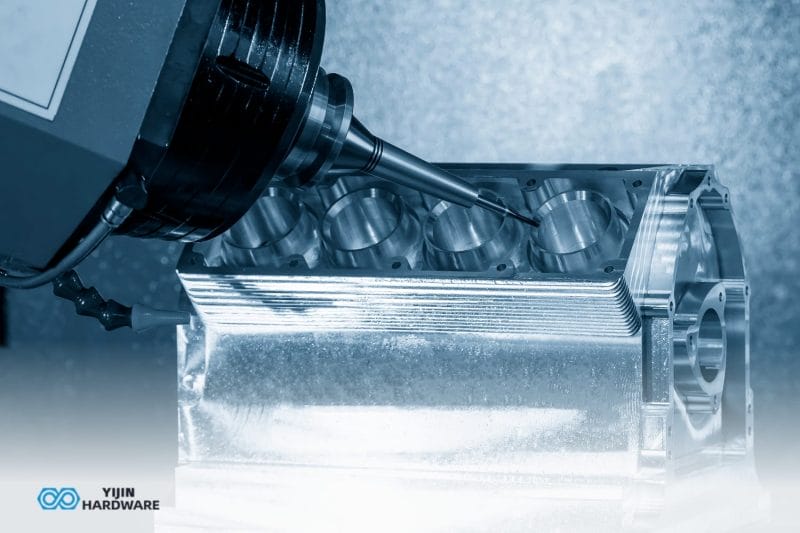
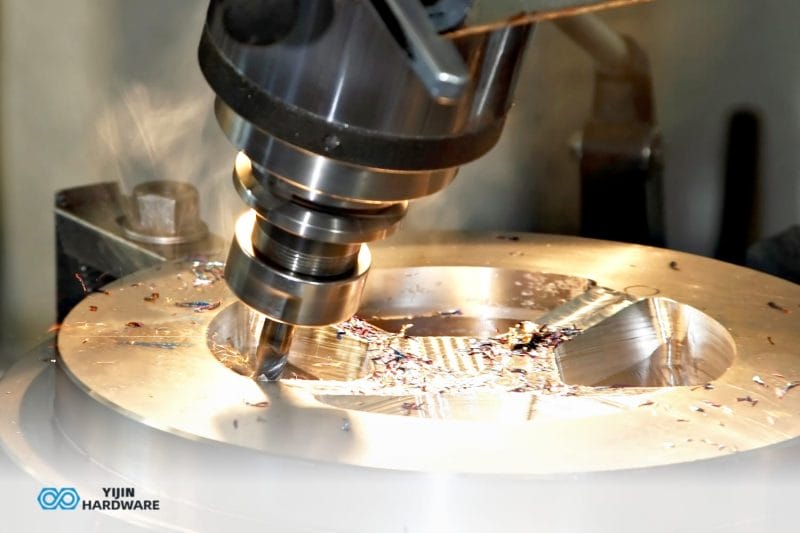
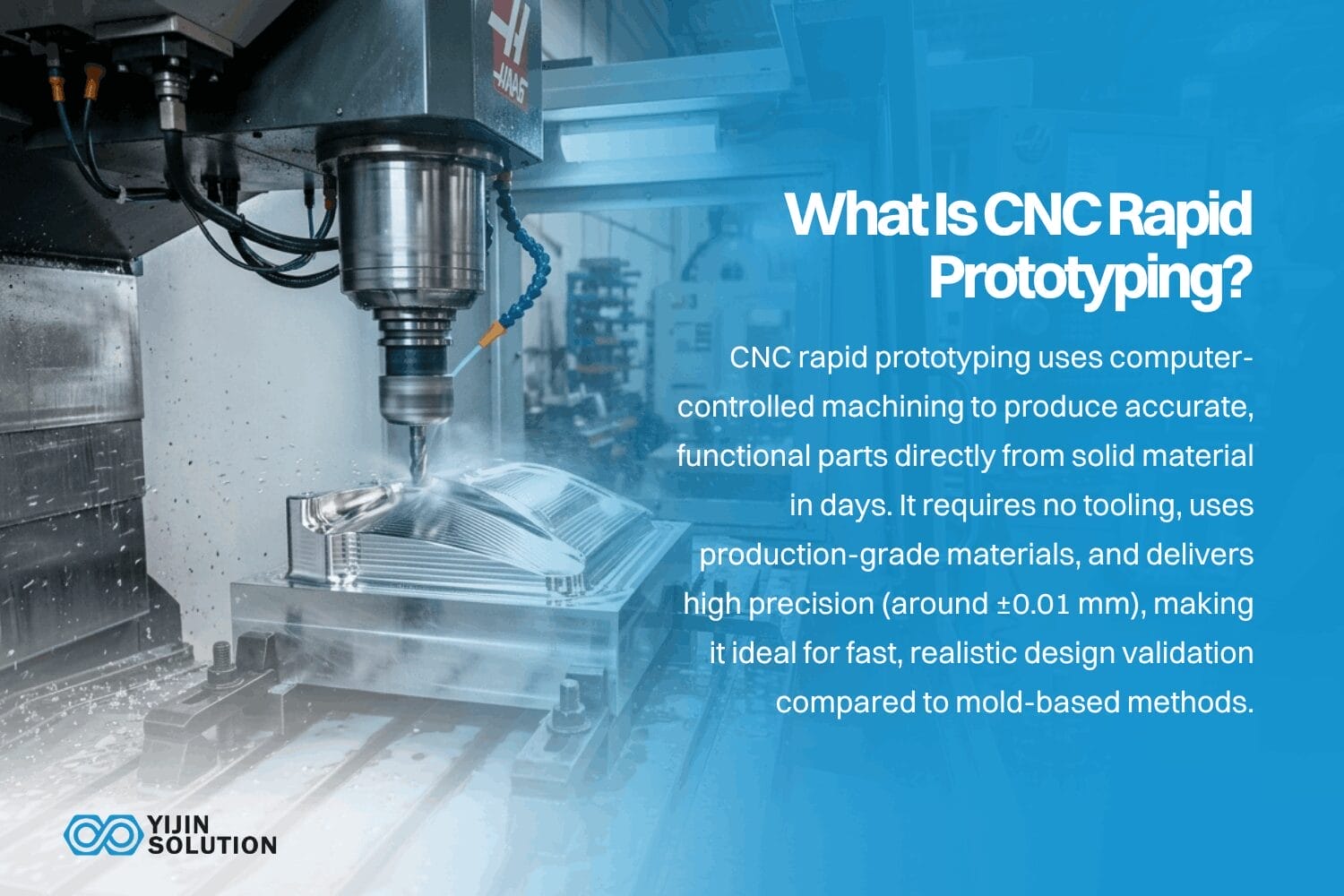
CNC machining is vital for manufacturing precise humanoid robot components, ensuring that each part meets the required performance standards. Humanoid robots need precise actuators, joints, and sensors to perform dynamic environment tasks. CNC turning and milling are particularly important for manufacturing these components, as they provide the exact tolerances necessary for humanoid robots to function properly.
The role of CNC machining extends to a variety of materials, including metals like aluminum and steel, which are used to make robust supply parts such as robot limbs, frames, and joints. These materials ensure durability, while the precision of CNC machining allows for the creation of components that interact seamlessly, minimizing human intervention.
As robots work alongside humans in settings like production lines, the dexterity of robot parts becomes increasingly crucial. For example, humanoid robots designed to perform complex tasks, such as assembly or inventory management, depend on the precise manufacturing of small yet essential components, where CNC machining plays an irreplaceable role.
Interestingly enough, Articsledge reports that China controls 70% of the global supply chain for components like motors and actuators.
How are Actuators and Sensors Manufactured for Humanoid Robots?
The actuators and sensors that enable humanoid robots to perform complex movements and interact with their surroundings are key to their operation. CNC machining is used to produce actuators with exacting standards, ensuring that humanoid mobility is not compromised. For instance, actuators provide movement to robotic limbs, requiring high degrees of freedom (DoF) and precise construction to allow robots to move autonomously in dynamic environments.
Sensors such as LiDAR and vision systems are manufactured with CNC precision to ensure that humanoid robots in warehousing and other environments can optimize their workflow, detect obstacles, and adapt to changes in the environment. These sensors help robots avoid obstacles and ensure that they operate effectively, especially when working alongside humans in warehouse management or logistics.
What are the Key Components in the Humanoid Robot Supply Chain?

The humanoid robot supply chain is composed of various specialized components, each requiring advanced manufacturing techniques like CNC machining. Below is an overview of these components and how they are produced with precision.
| Component | Description | CNC Machining Role |
|---|---|---|
| Actuators | Provide movement for humanoid robots, including joints, limbs, and motors. | CNC turning and milling for precise part creation, including motor housings and gear components. |
| Sensors | LiDAR, cameras, and vision systems for environmental interaction. | CNC machining ensures sensors are positioned correctly within the robot for accurate data collection and integration. |
| Batteries | Power the robot. Typically lithium-ion or solid-state. | CNC machining is used for battery housing, ensuring proper alignment and space for cells. |
| Structural Parts | Include frames, limbs, and joints. | CNC milling and turning for custom parts that are both lightweight and durable to withstand daily operation. |
| Power Systems | Include battery management and other electronics. | Precision machining to ensure perfect fit and function of power management systems, such as BMS (Battery Management Systems). |
What are the Challenges in the Humanoid Robot Supply Chain?
The humanoid robot supply chain faces multiple challenges, including the complexity of manufacturing high-precision parts. The need for high dexterity in robot components, such as actuators and sensors, demands advanced CNC machining techniques. While robots can help in various tasks, like repetitive tasks or material handling, the cost of precision machining remains a challenge, especially when scaling production.
The issue of labor costs is also a concern. As robotics companies aim for widespread adoption of humanoid robots, they must contend with the significant upfront costs of robotic parts. Humanoid robot deployment is often cost-prohibitive, and thus, minimizing human error through advanced manufacturing is critical to ensure long-term cost reductions.
How do Humanoid Robot Manufacturers Ensure Precision?
Precision is paramount in humanoid robot manufacturing, as even the slightest error can result in a malfunction. Manufacturers ensure precision machining by using advanced CNC machines with automated quality control systems. These systems monitor tolerances and guarantee that parts such as actuators and sensors are manufactured to within micron-level specifications. Agility Robotics and other manufacturers rely on this high level of precision to produce parts that work together seamlessly.
Additionally, robotic deployment depends on ensuring that each component fits perfectly. Manufacturers employ AI-driven models to predict potential issues before they arise, streamlining production and improving robot reliability in complex environments like warehouses.
What are the Key Players and Components in the Humanoid Robot Supply Chain?
Several companies are driving advancements in humanoid robot production. These include Tesla, AgiBot, and Agility Robotics, all of which rely on CNC machining to produce the precise parts needed for humanoid robots. Tesla’s Optimus robot is a prime example of how autonomous robots are evolving, pushing the boundaries of humanoid design for the automotive industry and beyond.
Other innovative companies like Boston Dynamics and Unitree Robotics are helping to expand the range of use cases for humanoid robots. These companies manufacture humanoid robots that can optimize supply chain operations in warehouses and production lines. Through robotics and automation, the humanoid robots of the future will dramatically reduce labor costs and improve productivity across industries.
What is the Future of Humanoid Robots in Manufacturing?
The future of humanoid robots is bright, with predictions that their role in industries like warehouse management and automotive will continue to expand. As robots become more advanced, their capabilities in autonomous material handling and dexterity will allow them to take on a wider range of tasks. Humanoid robots in supply chains, for example, will be able to work more efficiently alongside human workers, managing tasks such as inventory tracking and picking.
With advancements in AI-driven software, robots can make real-time decisions based on dynamic changes in the environment. This will help optimize workflows, reduce the risk of errors, and improve the agility of supply chain management.
Durable Humanoid Robot Parts
As the demand for humanoid robots grows, CNC machining will continue to play a crucial role in the production of these precision-driven robots. The humanoid robot supply chain is highly specialized, and CNC machining ensures that each component, from actuators to sensors, is manufactured with the precision needed to perform complex tasks efficiently. The widespread adoption of humanoid robots across industries like logistics, automation, and warehouse management hinges on these high-quality parts.
If you need precision CNC machining services for your humanoid robot components, we are here to help. Contact us today to learn how our state-of-the-art CNC machining capabilities can support your robotic manufacturing needs.
Humanoid Robot Supply Chain FAQs
How are robots used in the supply chain?
Robots in the supply chain automate tasks like sorting, packaging, and transportation. They improve efficiency by reducing human error and labor costs while performing repetitive tasks faster and more accurately.
Who are the big 4 in the industrial robotics industry?
The big four in industrial robotics include ABB, Fanuc, KUKA, and Yaskawa. These companies lead the global robotics market, providing a wide range of automation solutions for industries like automotive and manufacturing.
What are the 5 C’s of supply chain management?
The 5 C’s of supply chain management are Customer, Cost, Communication, Collaboration, and Coordination. These elements are critical for optimizing the flow of goods and services through the supply chain to meet customer needs efficiently.
Back to Top: Humanoid Robot Supply Chain | Why CNC Machining in the Supply Chain Matters More than Ever




 English
  Spanish
  German
  French