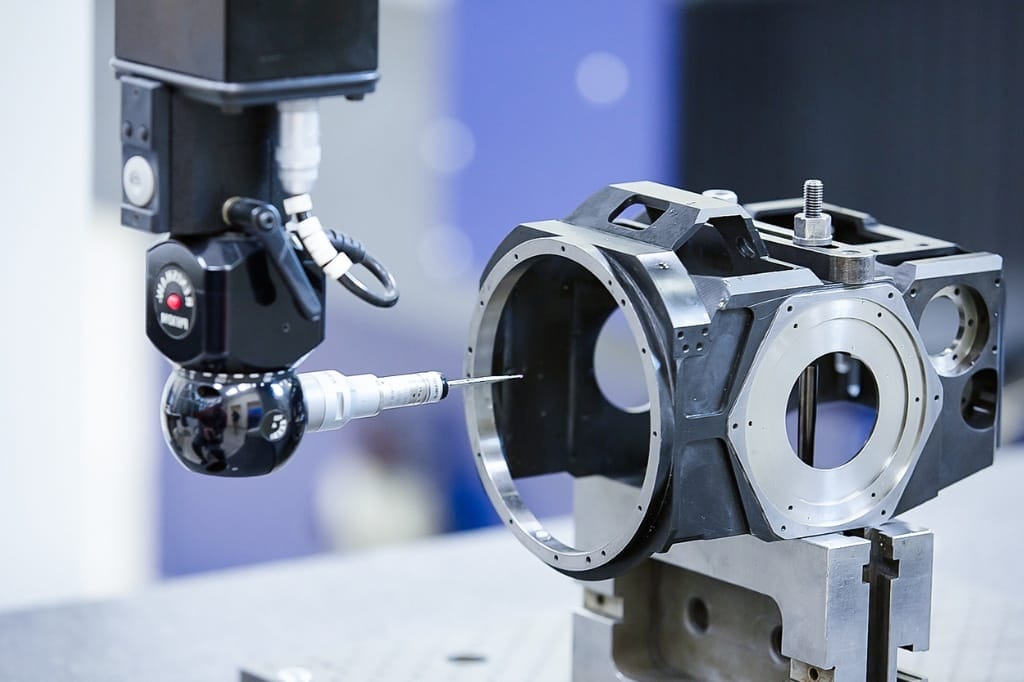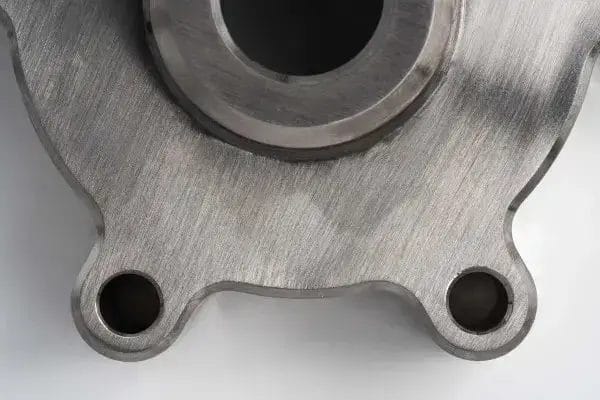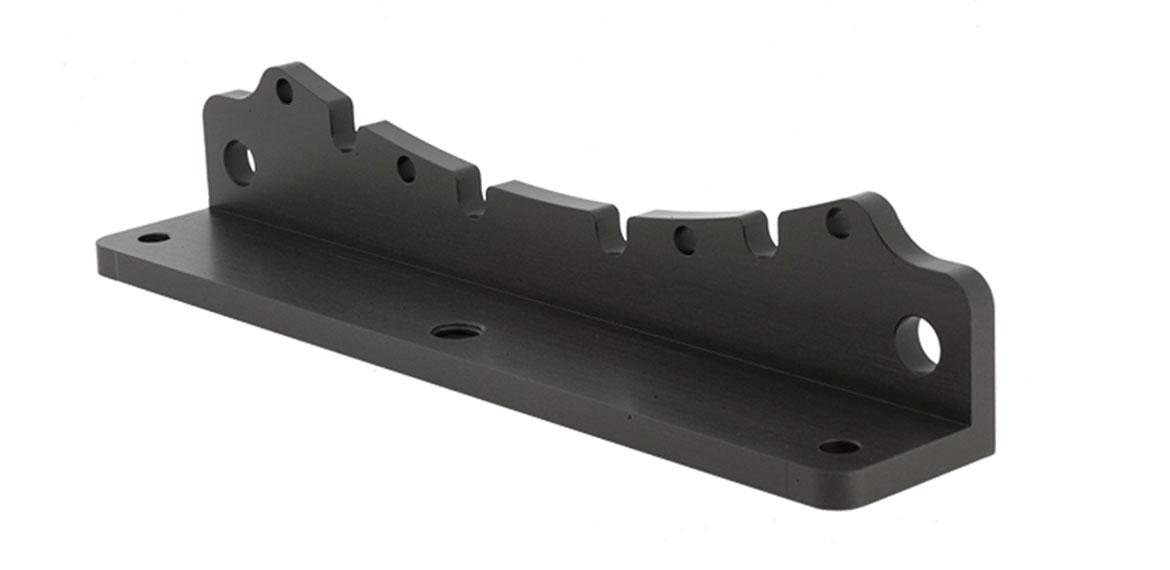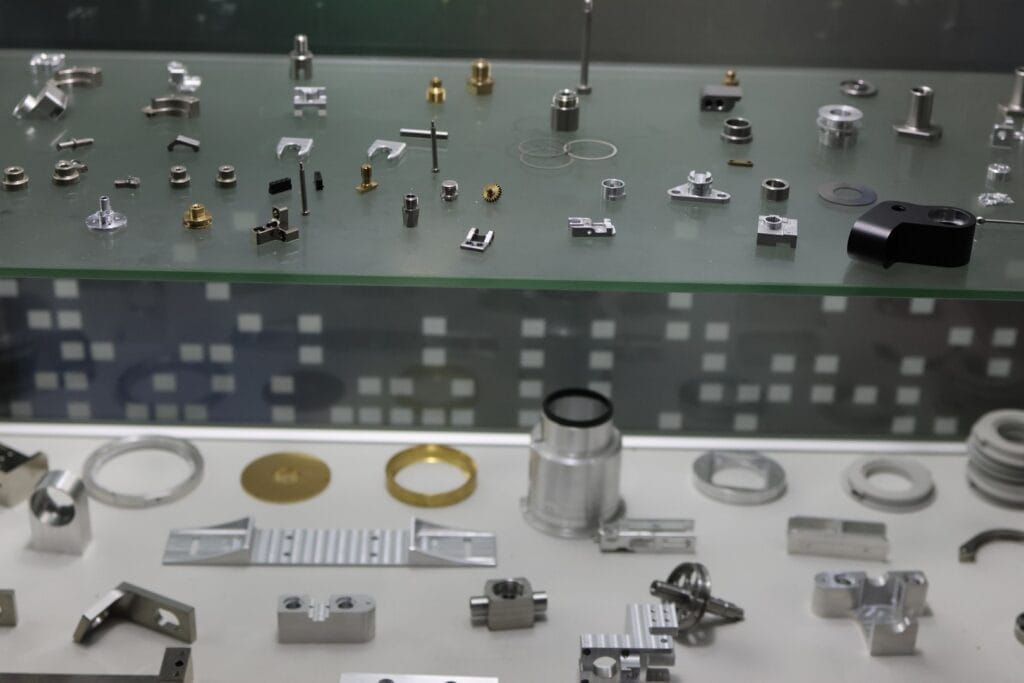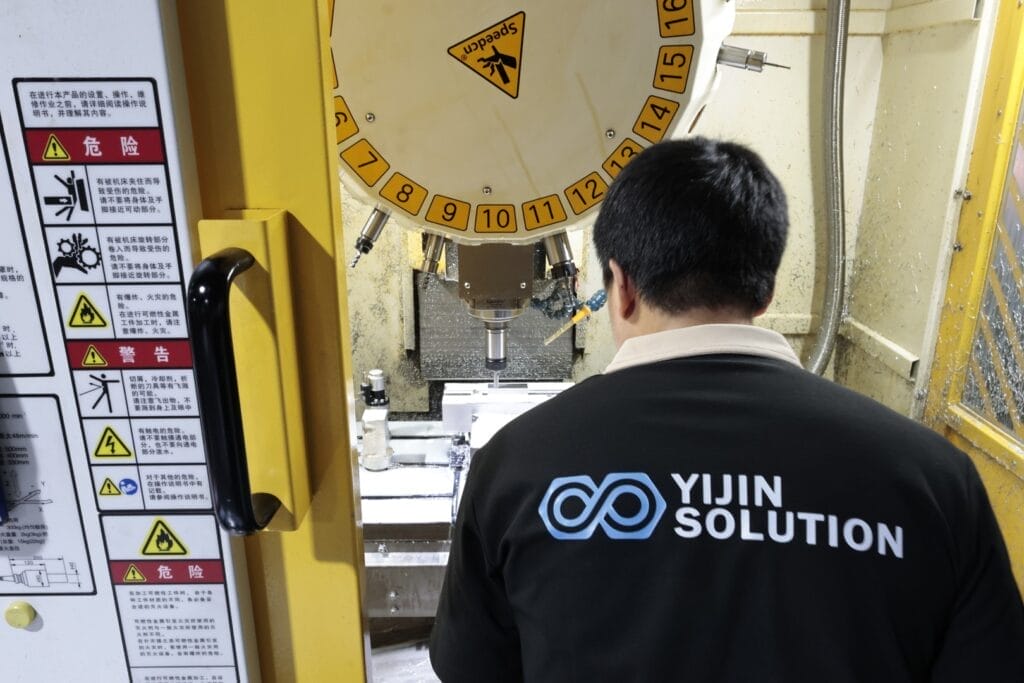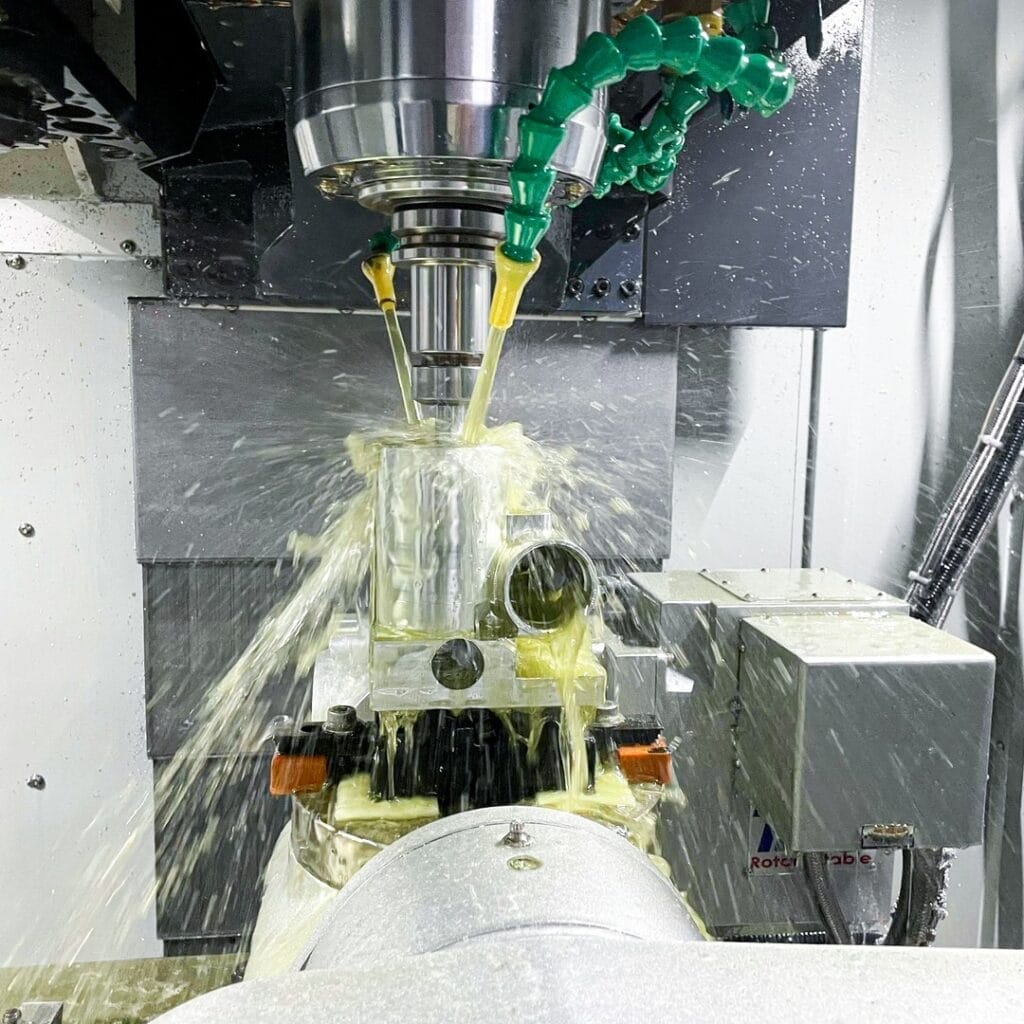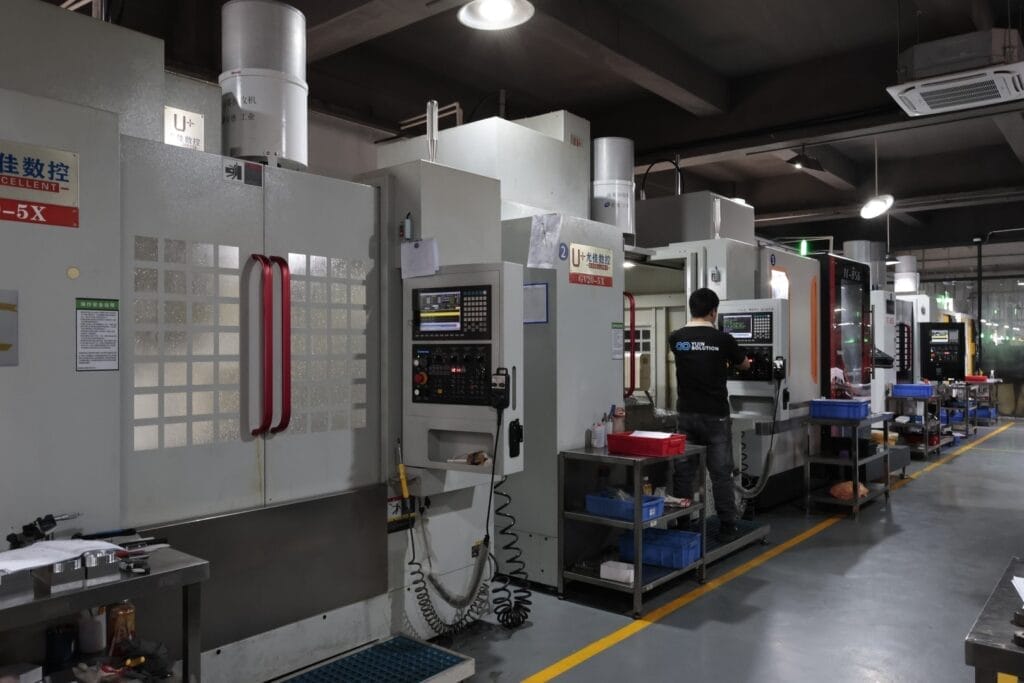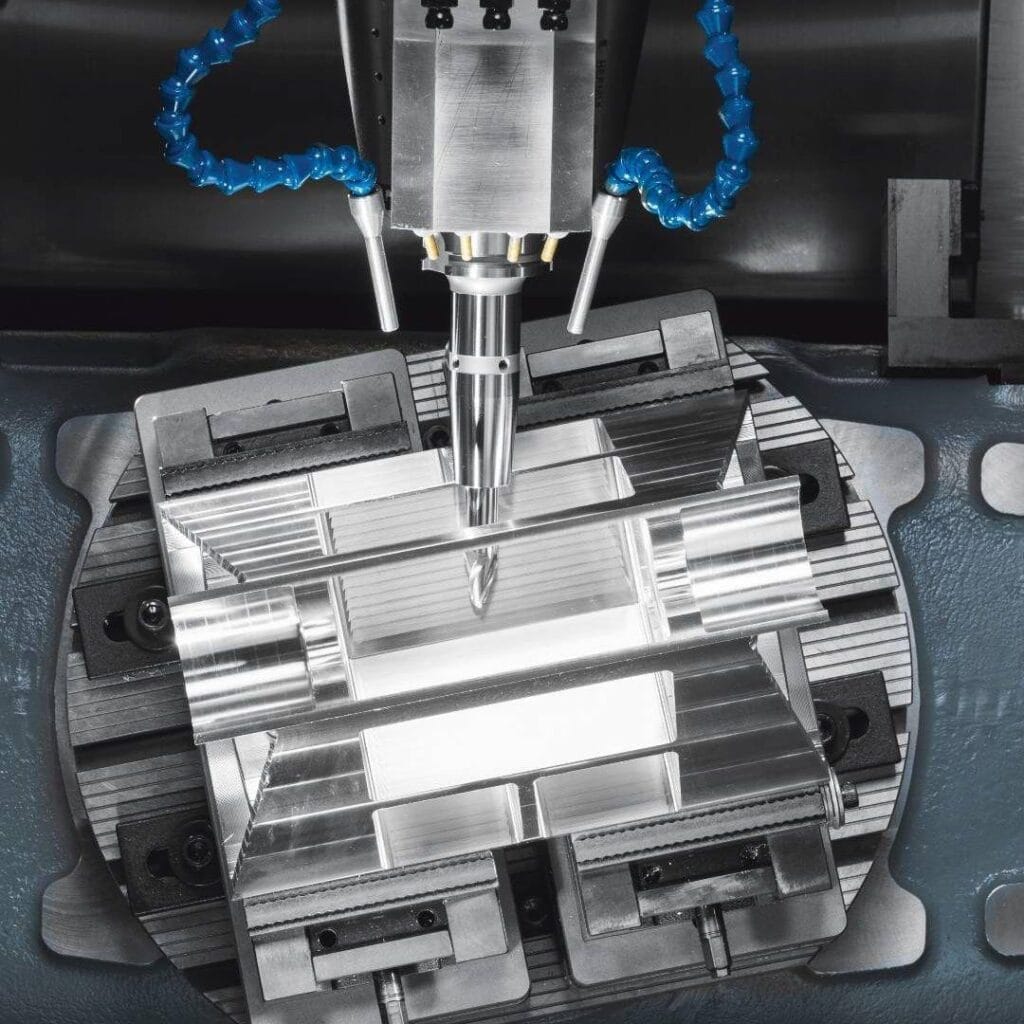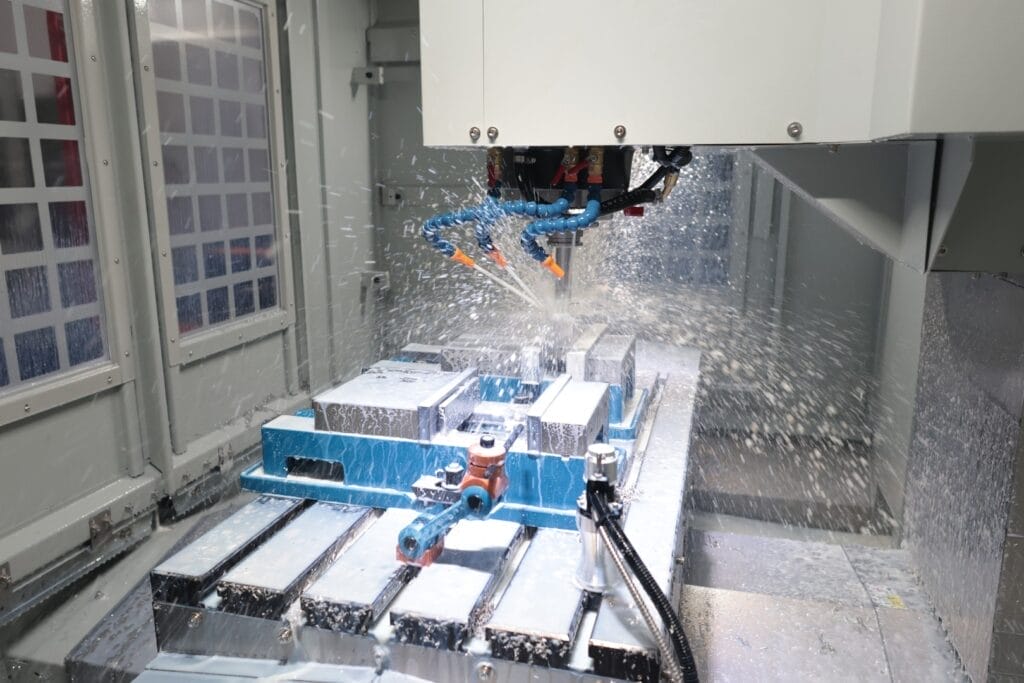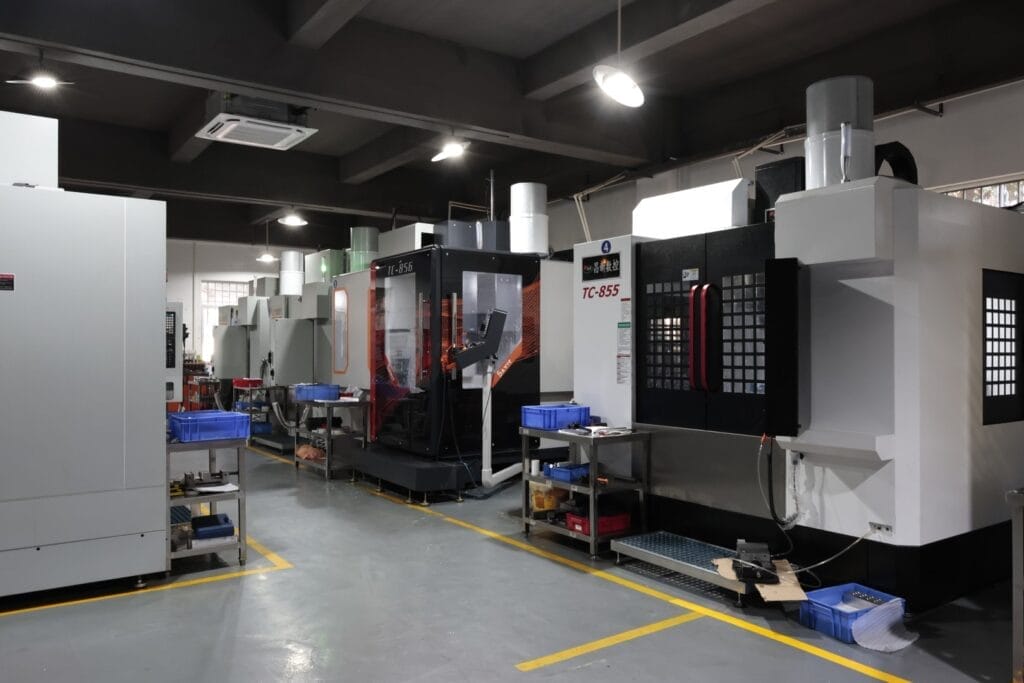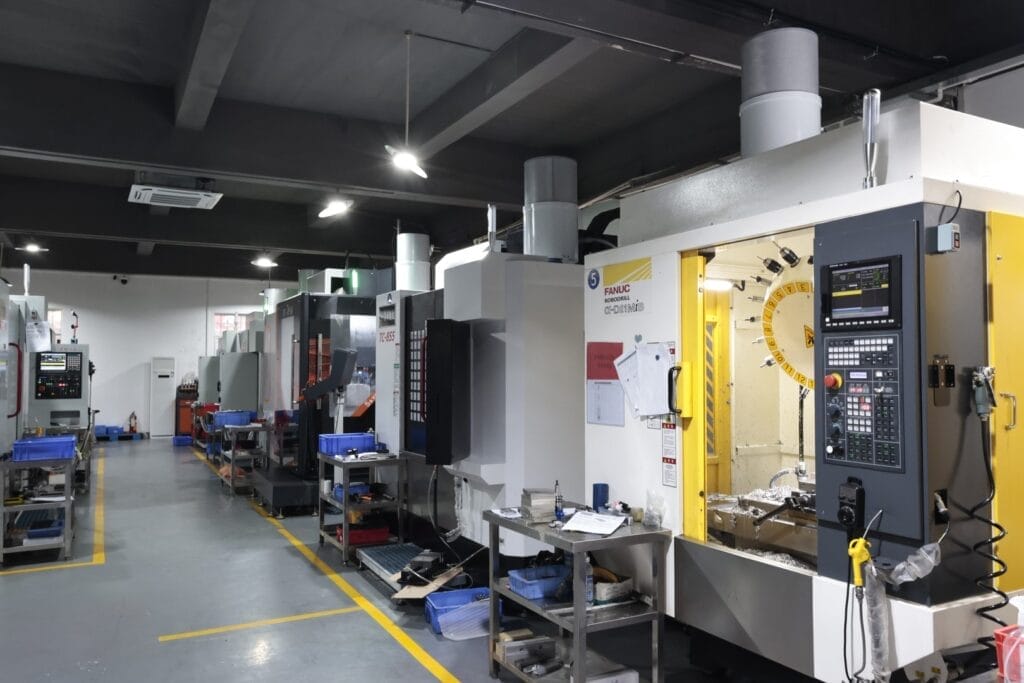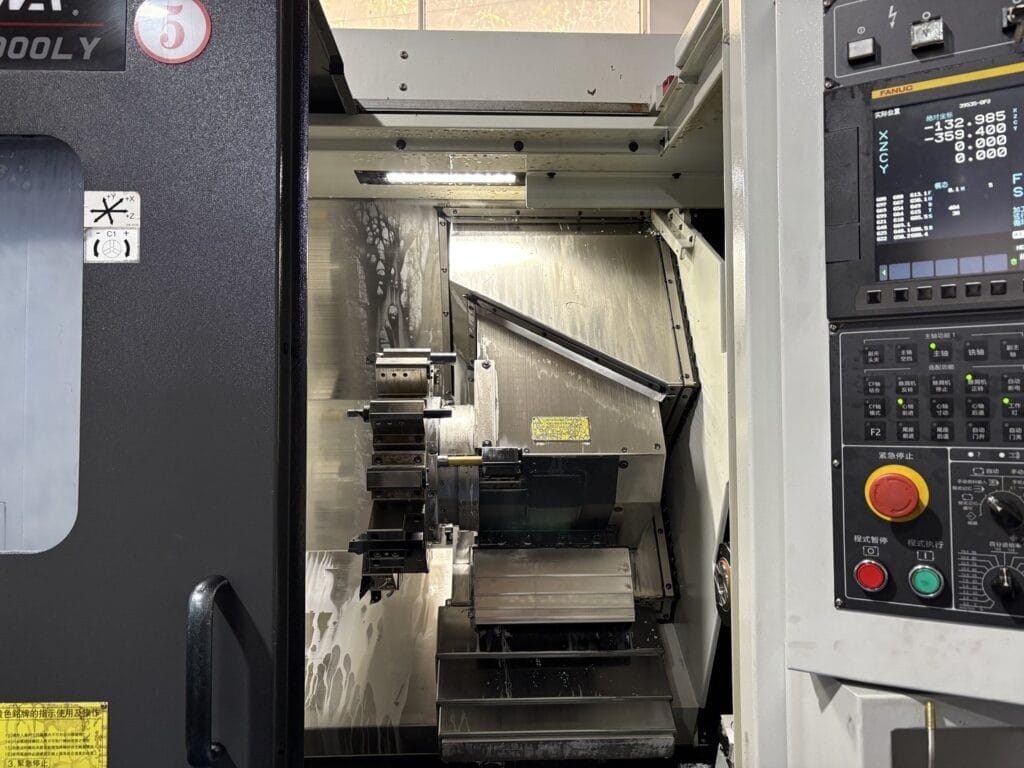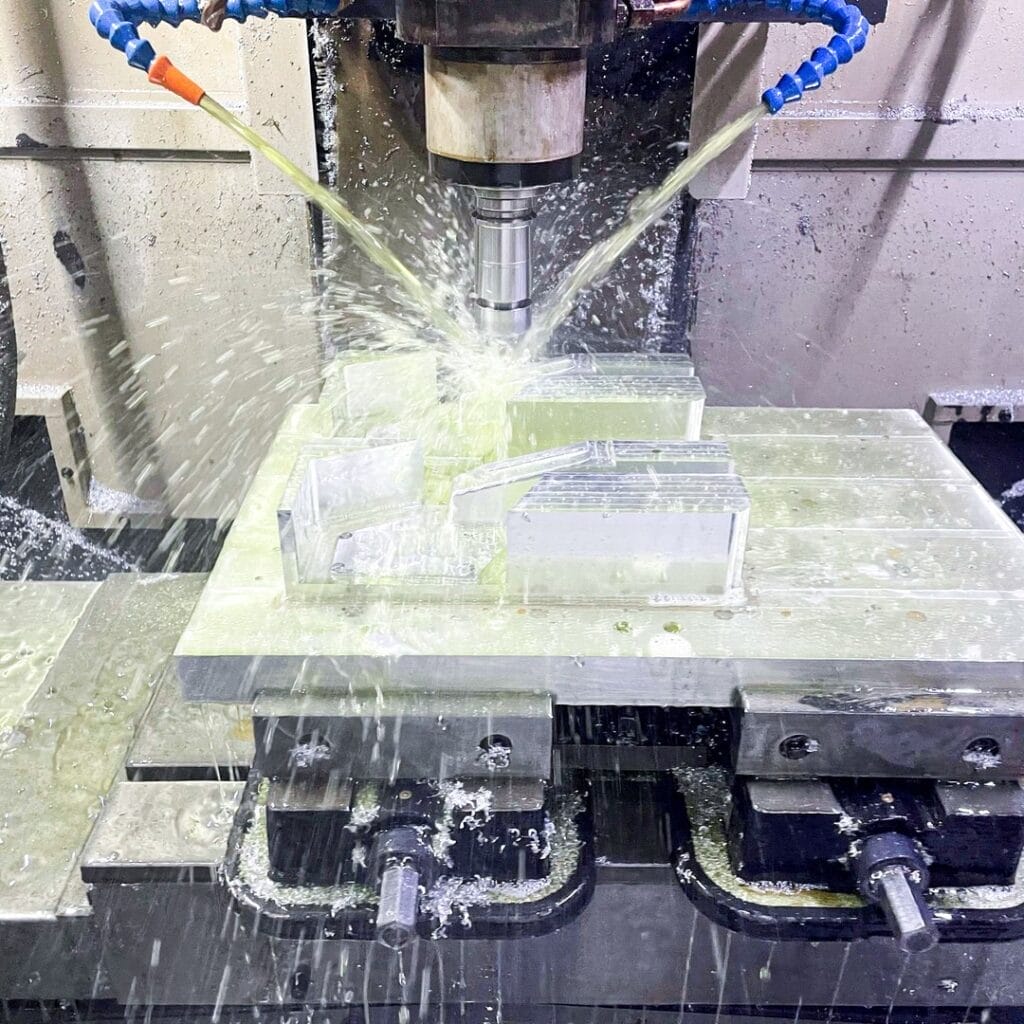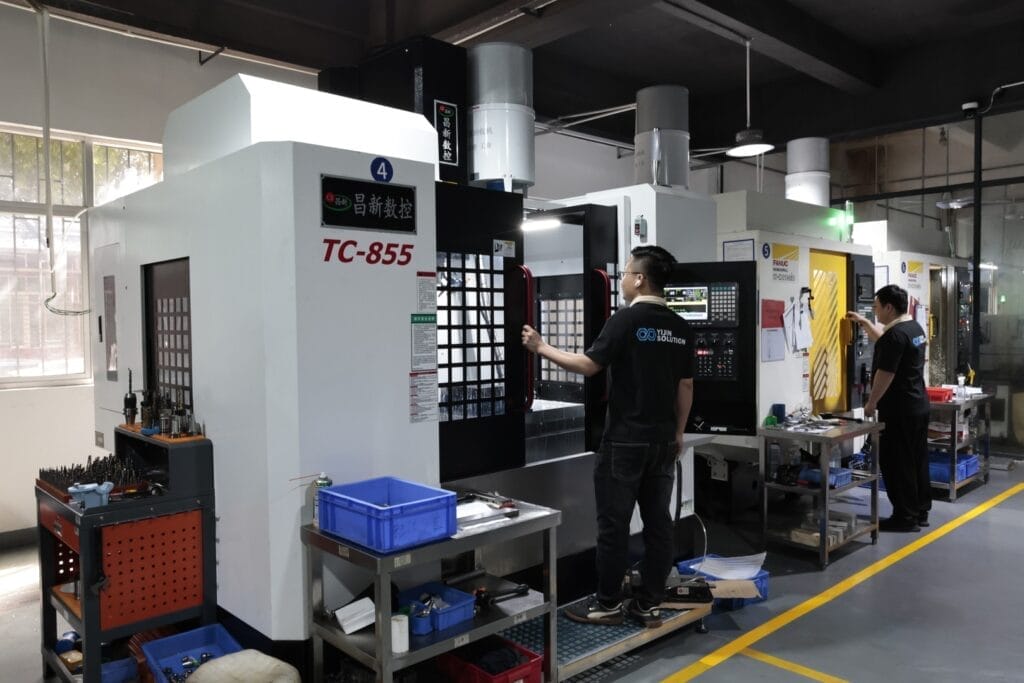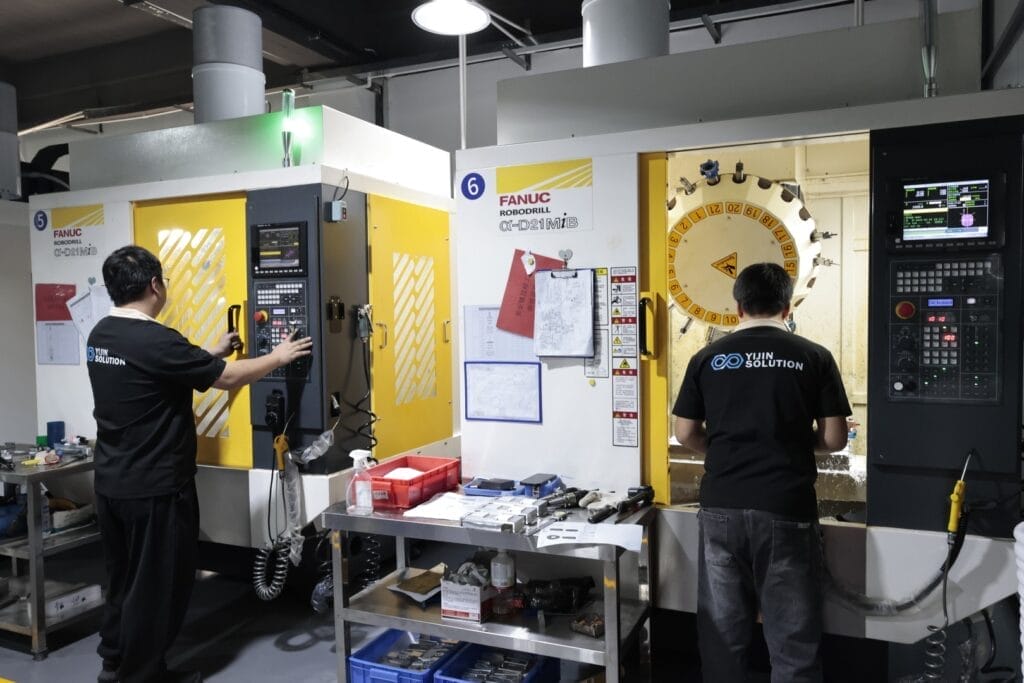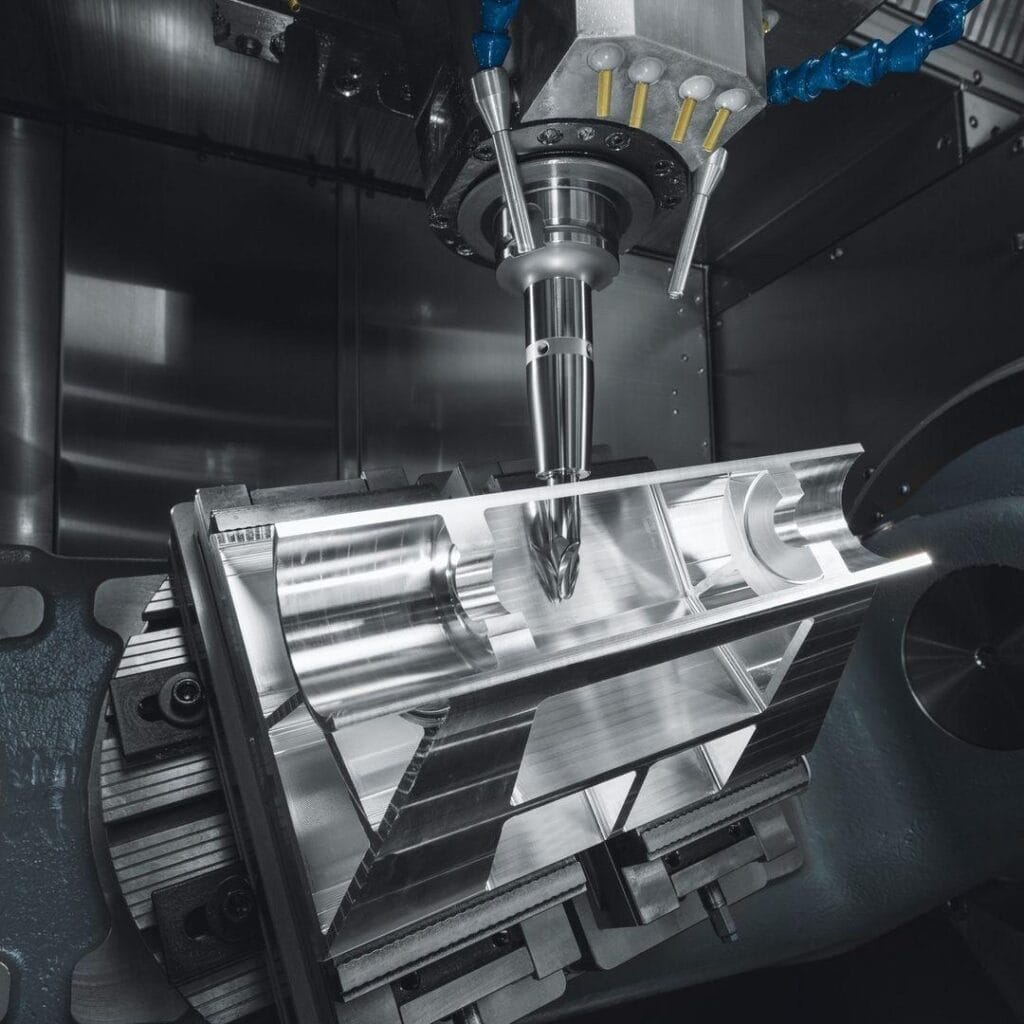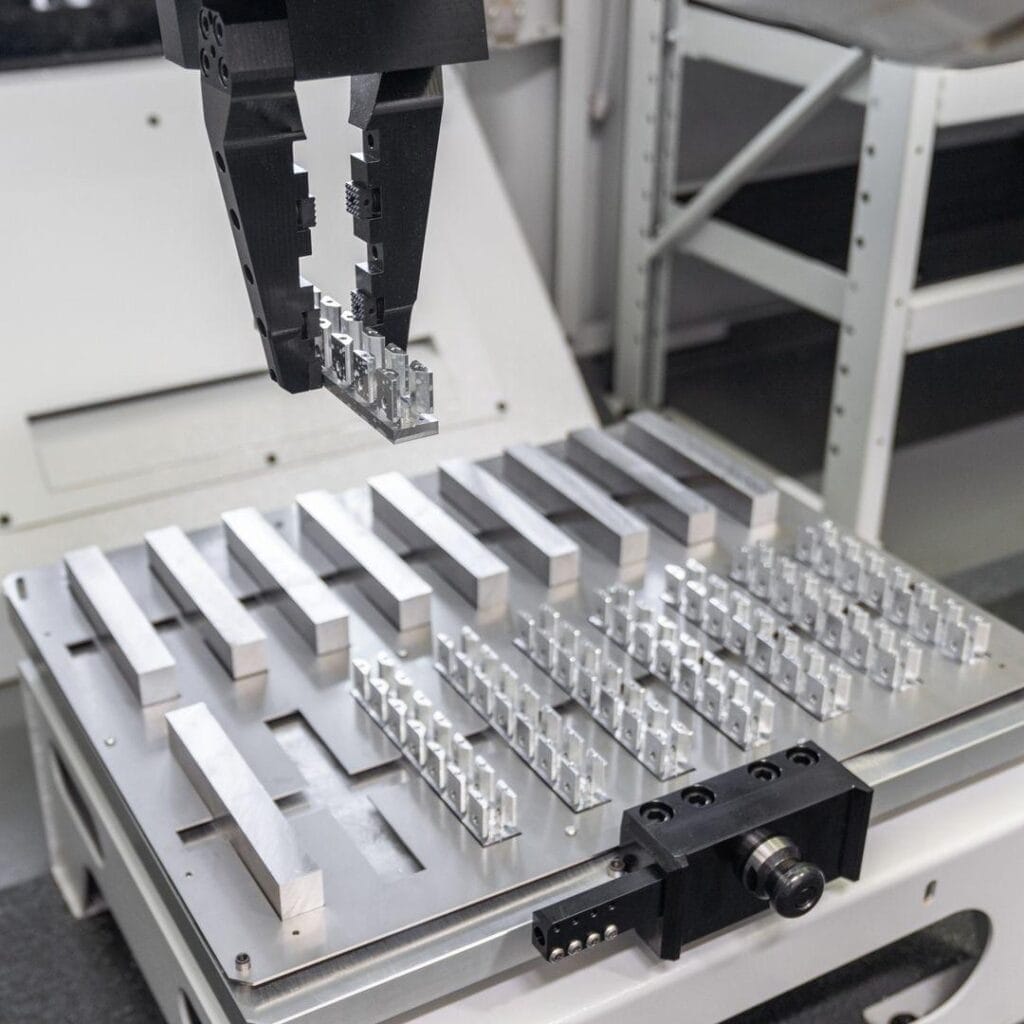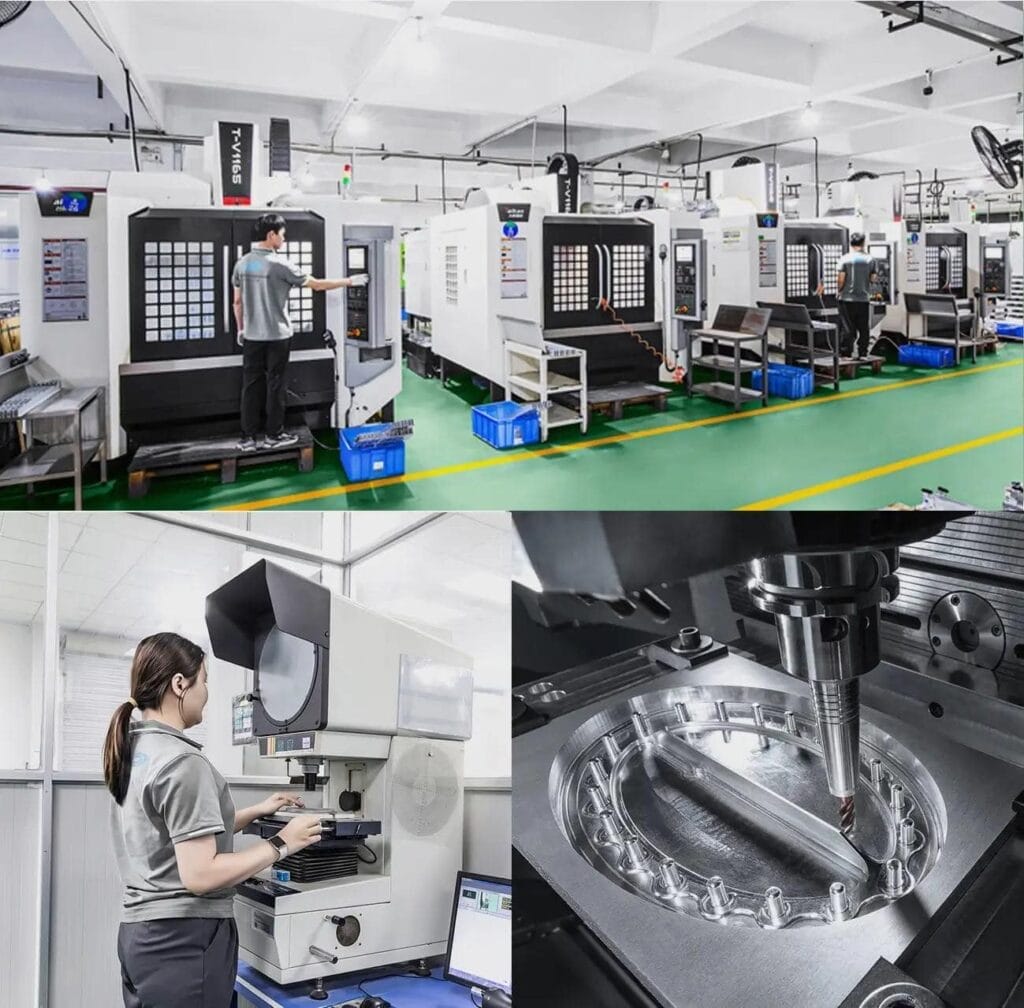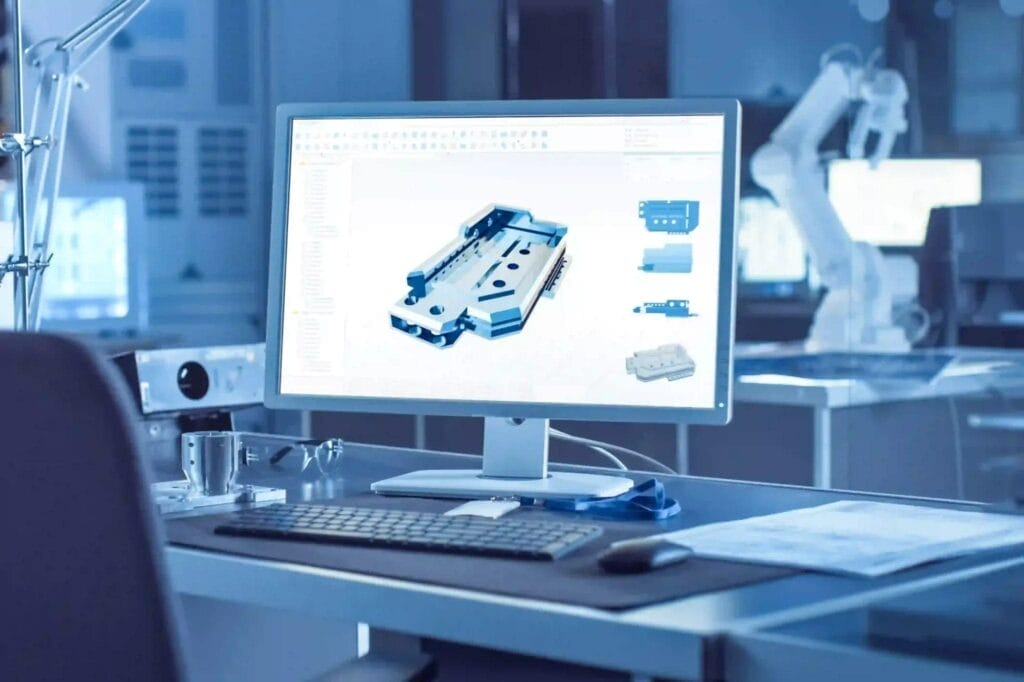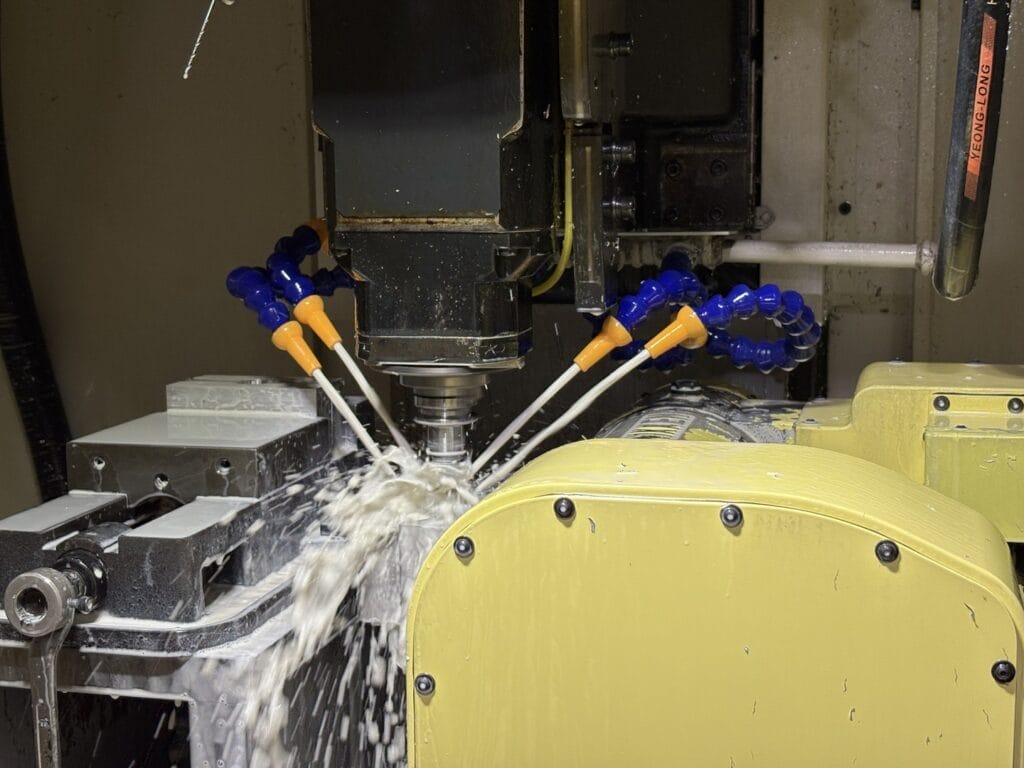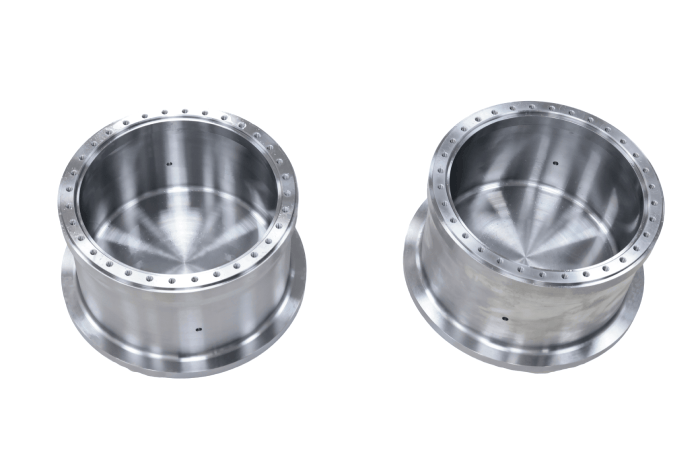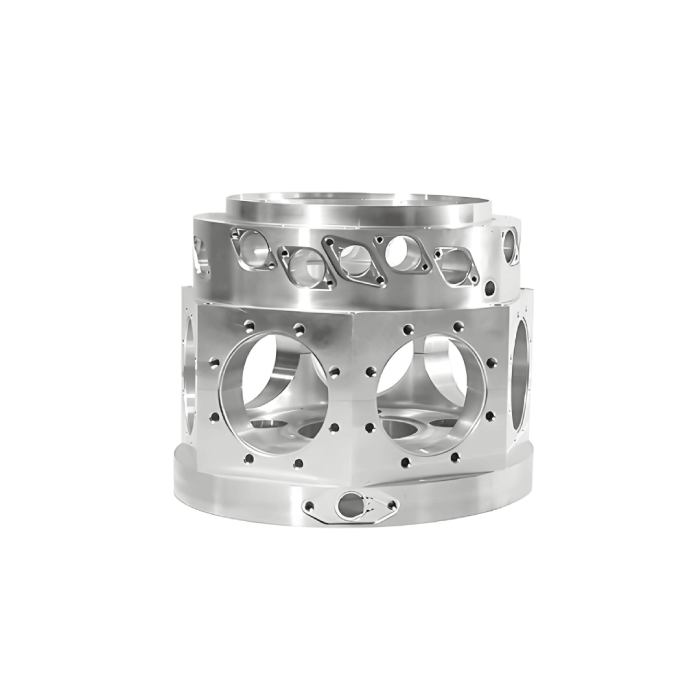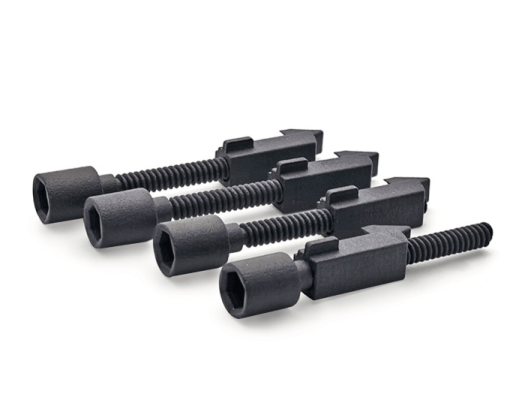
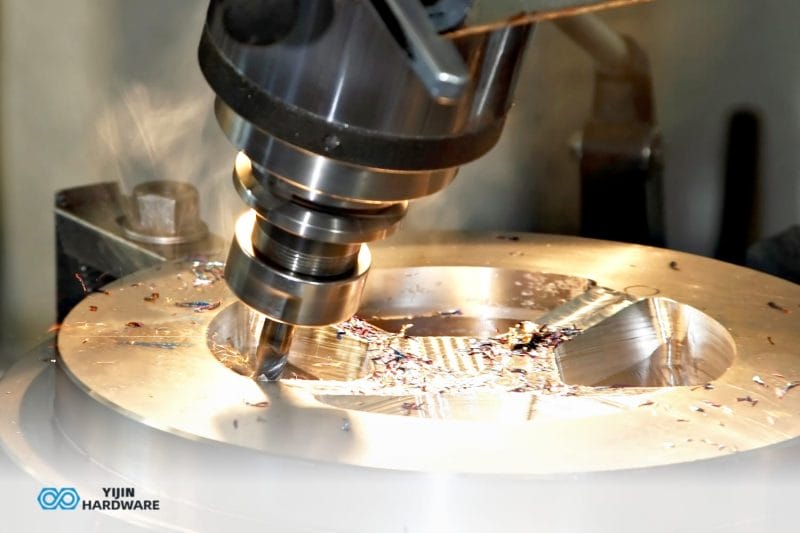


In today’s manufacturing ecosystem, business leaders face a critical strategic decision: invest heavily in in-house CNC machining capabilities or leverage specialized external partners. CNC machining outsourcing involves hiring external companies to perform CNC machining tasks. This approach allows businesses to access advanced machinery and expertise without significant upfront costs.
Outsourcing CNC machining is particularly beneficial for companies seeking to improve efficiency and quality while focusing on core competencies. Yijin Hardware specializes in providing affordable CNC machining services, helping businesses streamline their manufacturing processes and meet their CNC machining needs. This comprehensive analysis explores the full spectrum of outsourcing CNC machining, offering data-driven insights to optimize your manufacturing strategy.
Key Takeaways
- Outsourcing CNC machining lets you avoid high upfront machinery and operational costs while accessing state‑of‑the‑art equipment and expert machinists.
- In‑house machining provides lower per‑unit costs at volume and direct control over quality and IP but demands significant capital, staffing, and management resources.
- Choosing the right partner requires assessing their technical capabilities, quality certifications, communication practices, delivery reliability, and total cost structure.
CNC Outsourcing vs. In-House Machining | Which Should You Choose?
You should outsource your CNC machining to a reputable manufacturer like Yijin Hardware, unless you plan to start your own CNC company. In-house CNC machining accumulates several costs, including a high initial cost and continual operational costs. We’ve outlined the major differences between these two options for CNC machining to better inform your decision.
| Comparison Factor | In-House CNC Machining | Outsourced CNC Machining |
|---|---|---|
| Initial Investment | High capital expenditure ($20,000-$100,000+ per machine) | Minimal or no upfront investment |
| Operational Costs | Ongoing expenses for maintenance, staffing, training, utilities, and floor space | Consolidated into service fees with no hidden infrastructure costs |
| Long-term Financial Impact | Lower per-unit costs at high volumes and equipment depreciation | Potentially higher per-unit costs, which scales with production needs |
| Equipment & Technology | Limited to your equipment and requires additional investment for upgrades | Access to diverse, state-of-the-art machinery without ownership costs |
| Technical Expertise | Requires hiring and training specialized operators and programmers | Immediate access to experienced machinists and engineers |
| Quality Control | Direct oversight of all processes with immediate feedback loop | Depends on partner’s quality systems, and requires clear specifications and verification |
| Production Flexibility | Limited by available equipment and capacity | Highly scalable based on demand fluctuations |
| Timeline Control | Complete control over scheduling and prioritization | Potential delays due to third-party dependencies |
| Management Requirements | Full responsibility for process management, staffing, and quality | Focus shifts to relationship and specification management |
| Strategic Focus | Manufacturing becomes a core competency | Resources freed for product development, marketing, and innovation |
| Intellectual Property | Enhanced protection through internal production | Requires clear agreements and potential segmentation |
| Decision Tipping Point | When consistent volume makes equipment utilization efficient | When production variability makes equipment investment inefficient |
What is CNC Machining Outsourcing?
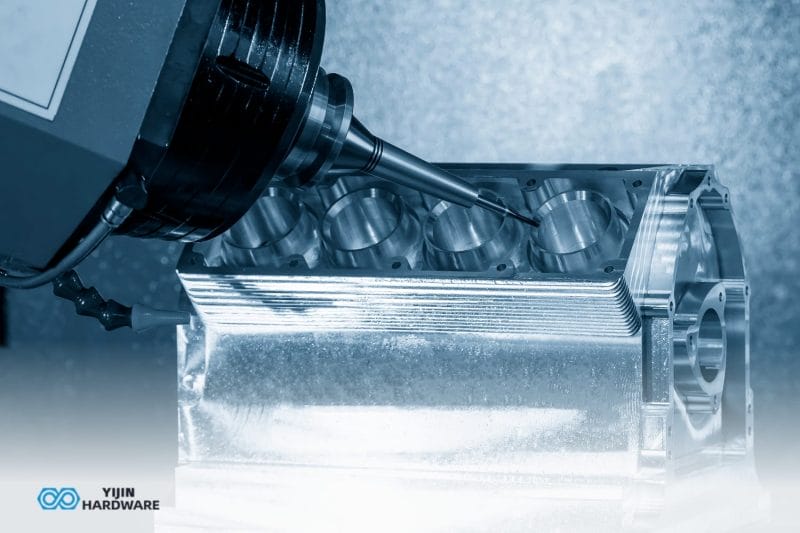
CNC machining outsourcing is a manufacturing strategy where businesses contract external specialized companies to perform precision machining operations using Computer Numerical Control (CNC) equipment. This business model involves partnering with an external CNC company to execute machining phases, ensuring significant reduction in production costs while improving efficiency in producing components.
The process leverages computer programming to deliver products with accuracy levels difficult to achieve manually. CNC machining makes every aspect of production programmable, ensuring superior quality control throughout manufacturing workflows.
What are the Benefits of Outsourcing CNC Machining?

Outsourcing CNC machining offers numerous benefits, including cost savings and access to advanced technology. According to Technavio, the machining services market is projected to grow by $17.4 billion, with a compound annual growth rate (CAGR) of 4.5%, from 2023 to 2028.
With such positive growth rates expected, outsourcing CNC machining is a very beneficial and affordable move for your company. Here are some more key advantages:
- Cost Efficiency: Outsourcing reduces the need for significant investments in machinery and training. This approach allows companies to allocate resources more effectively and enjoy cost savings. By outsourcing CNC machining, businesses can avoid the high costs associated with maintaining an in-house CNC machine shop.
- Access to Advanced Equipment: By outsourcing, businesses can utilize state-of-the-art CNC machines without purchasing them. This is particularly beneficial for handling complex designs and tight tolerances, which are common in precision CNC machining. Access to advanced CNC technology ensures that parts are produced with high precision and efficiency.
- Quality and Precision: Outsourced CNC machining ensures high precision due to automated processes, resulting in consistent quality across projects. This is crucial for producing prototypes and production parts that meet stringent quality standards.
- Expertise and Scalability: Outsourcing provides access to specialized skills and allows for flexible production scaling based on demand. This flexibility is essential for businesses that need to ramp up production quickly or adjust to changing market conditions.
- Focus on Core Business: It enables companies to concentrate on product development, marketing, and customer relations, which are critical for driving business growth and customer satisfaction.
What are the Challenges of CNC Machining Outsourcing?
Challenges in outsourcing CNC machining include quality control concerns and intellectual property risks. Here are some key challenges:
- Quality Control Concerns: Ensuring outsourced parts meet quality standards can be challenging. Effective communication and monitoring are crucial to maintain quality control. This includes specifying tolerance requirements and ensuring that the CNC machining service provider adheres to them.
- Intellectual Property Risks: Sharing sensitive information poses IP protection risks. Using non-disclosure agreements (NDAs) is recommended to safeguard proprietary information when outsourcing CNC machining services.
- Logistics and Lead Time: Outsourcing can lead to extended lead times due to shipping and customs delays. Planning for logistics and shipping costs is essential to manage these risks effectively. Understanding the manufacturing process and lead times helps businesses prepare for potential delays.
How to Outsource your CNC Machining? | Tips for Outsourcing CNC Machining

To successfully outsource CNC machining, consider strategies like choosing the right provider and requesting prototypes:
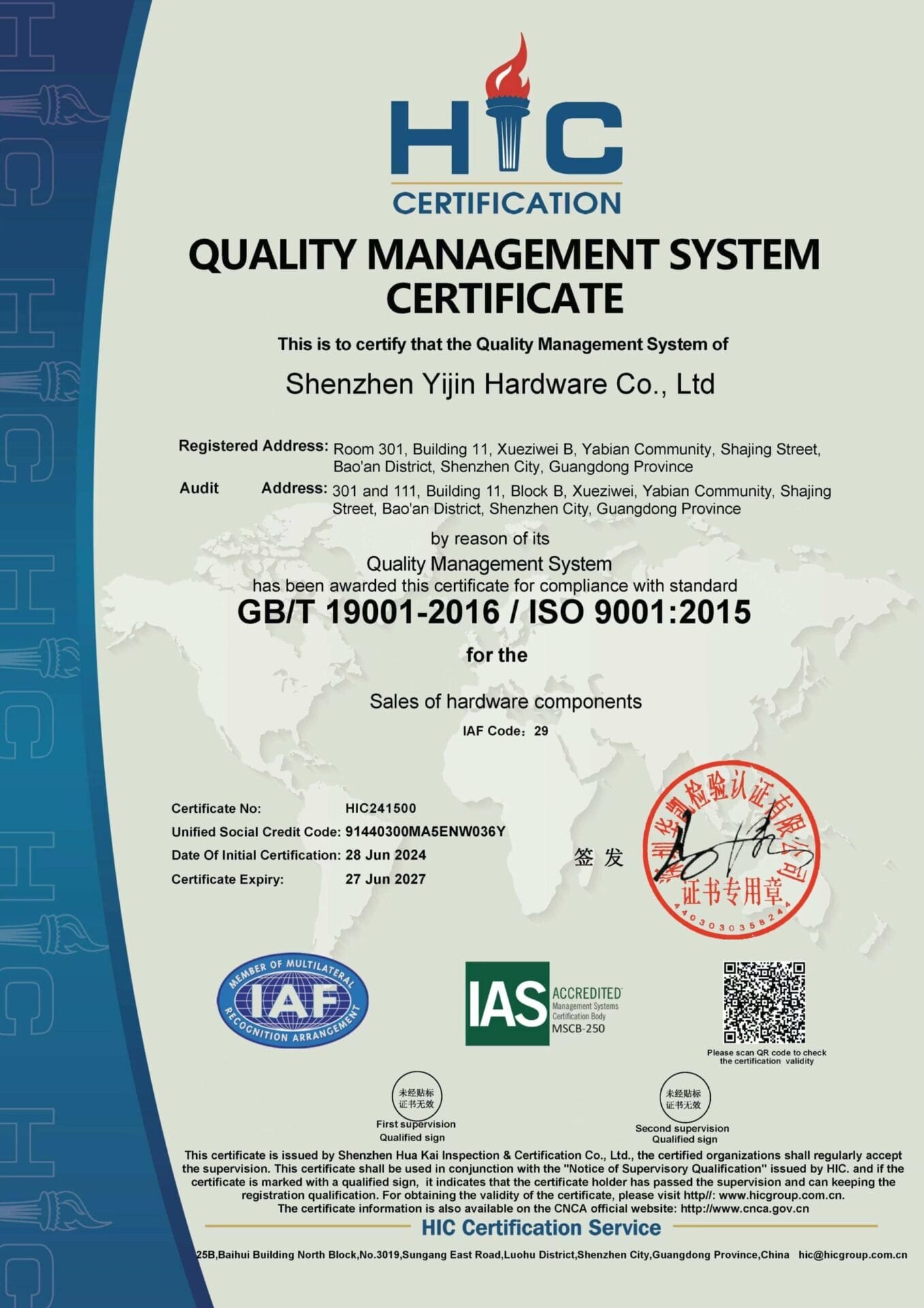
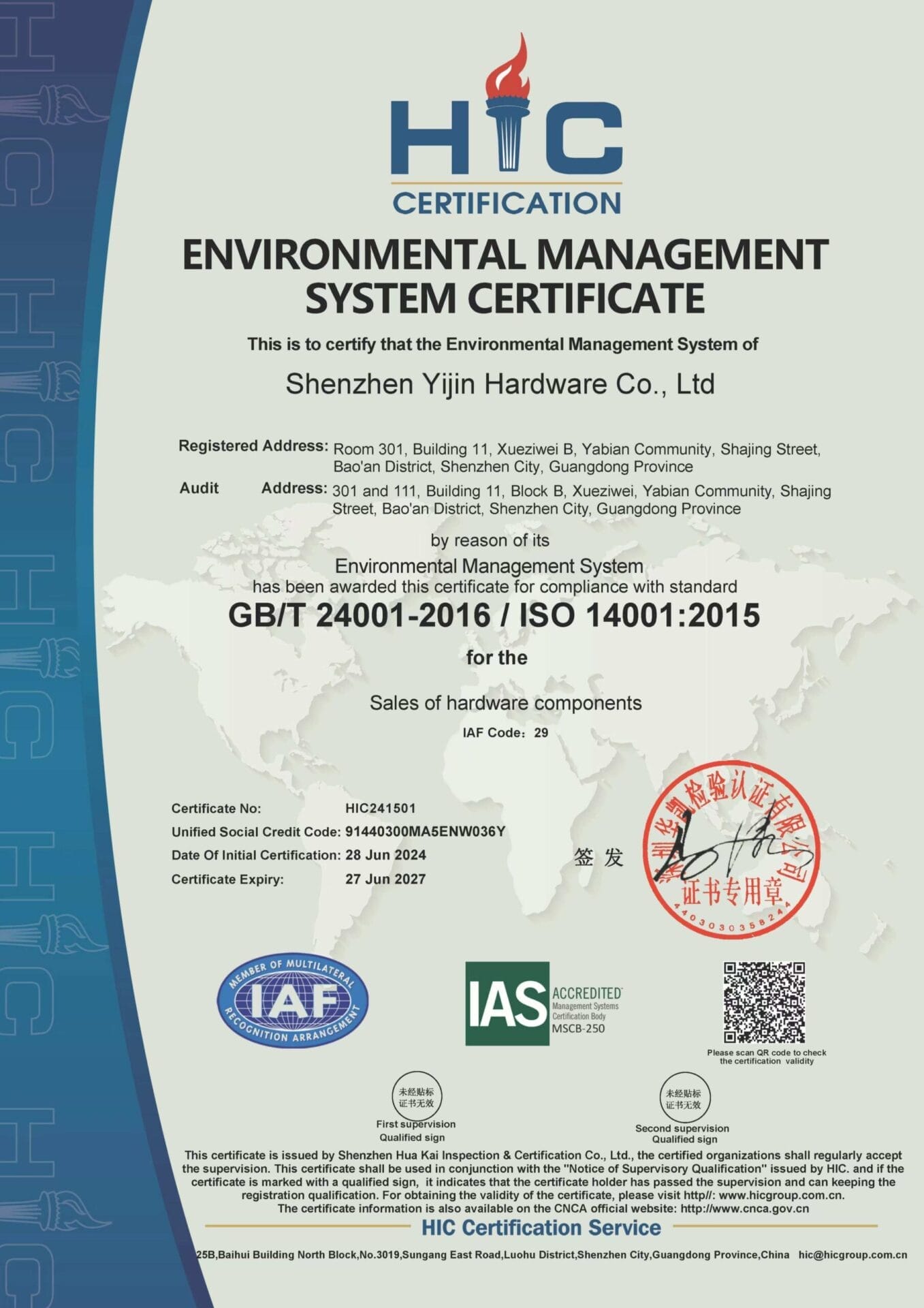
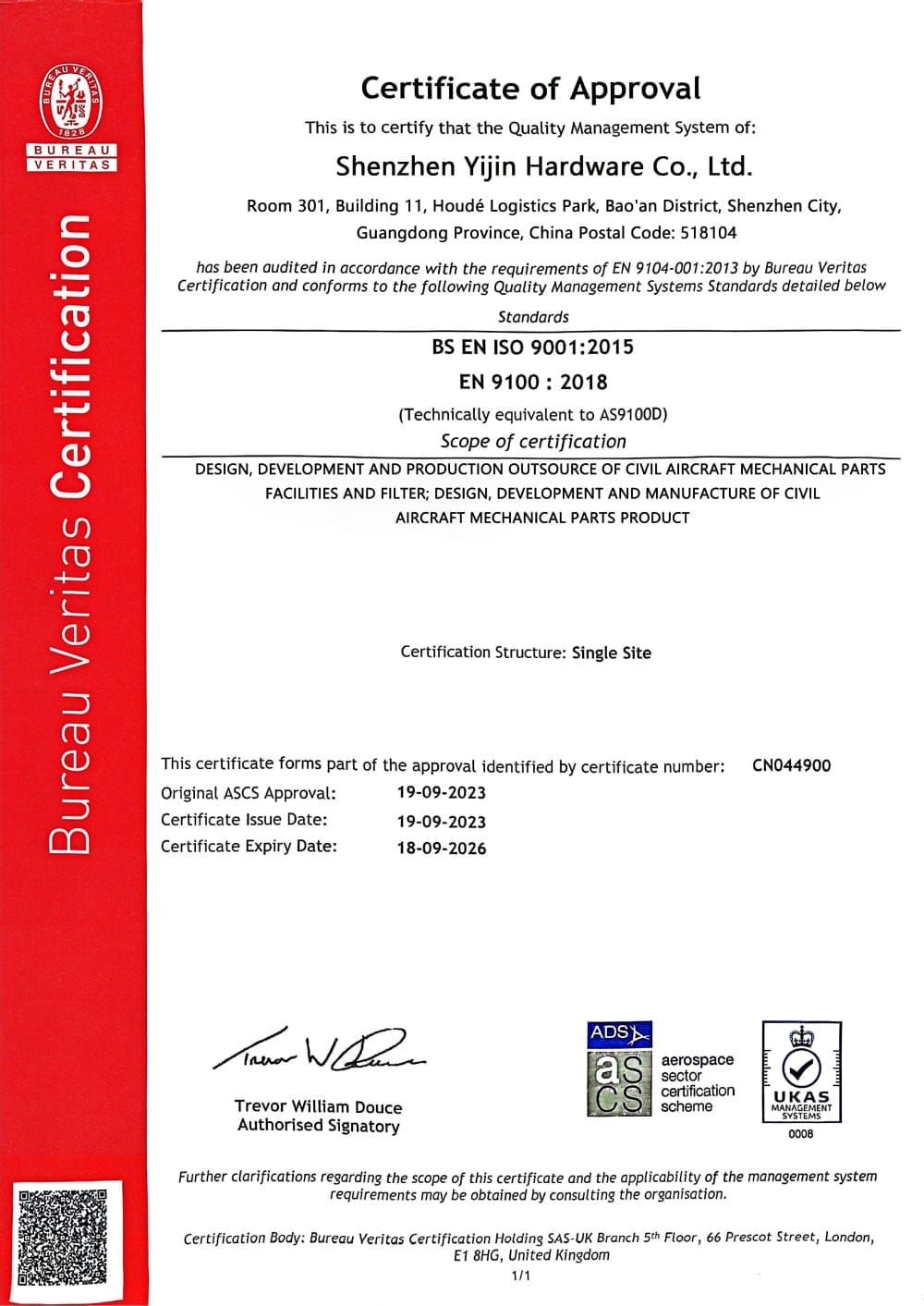
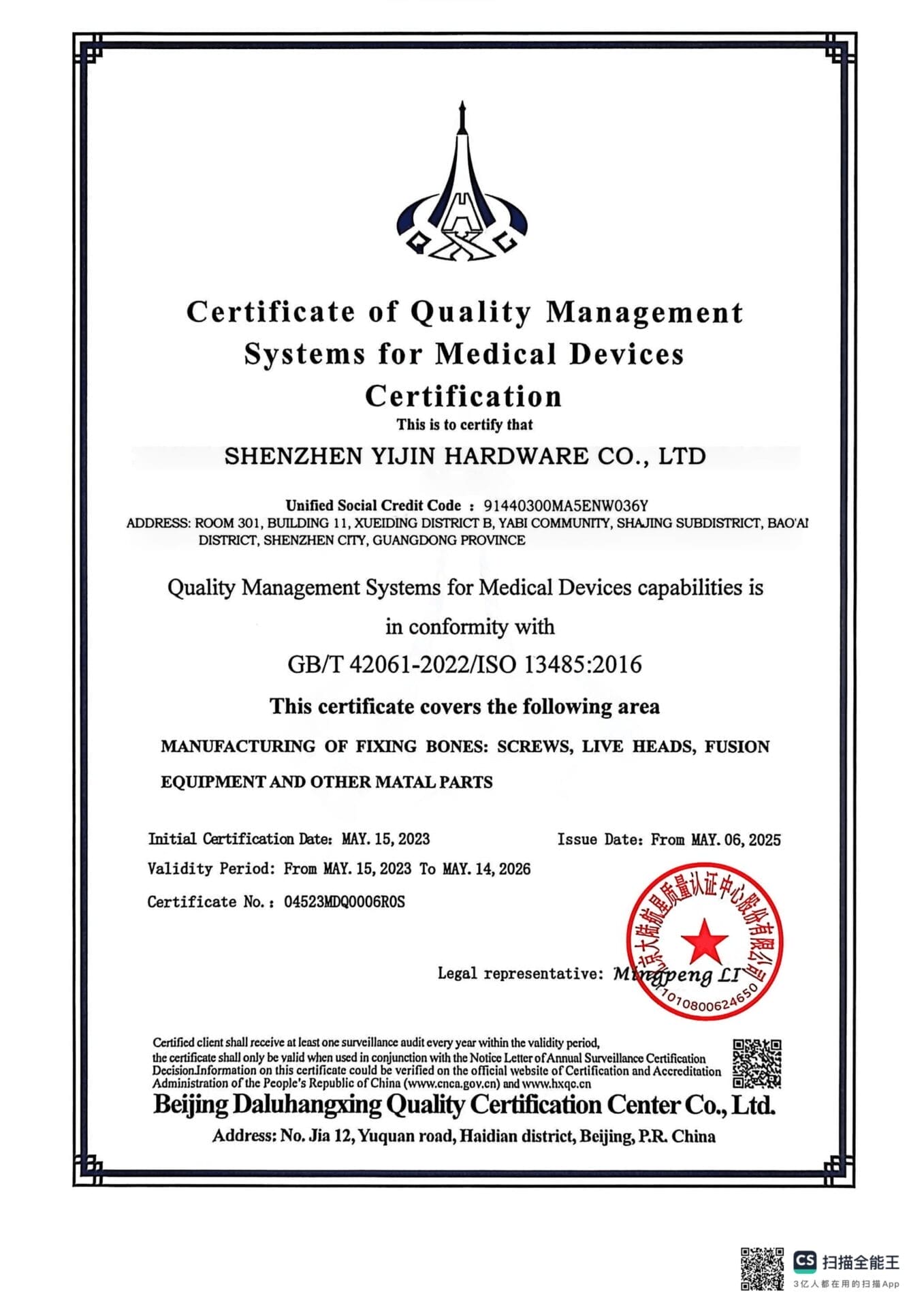
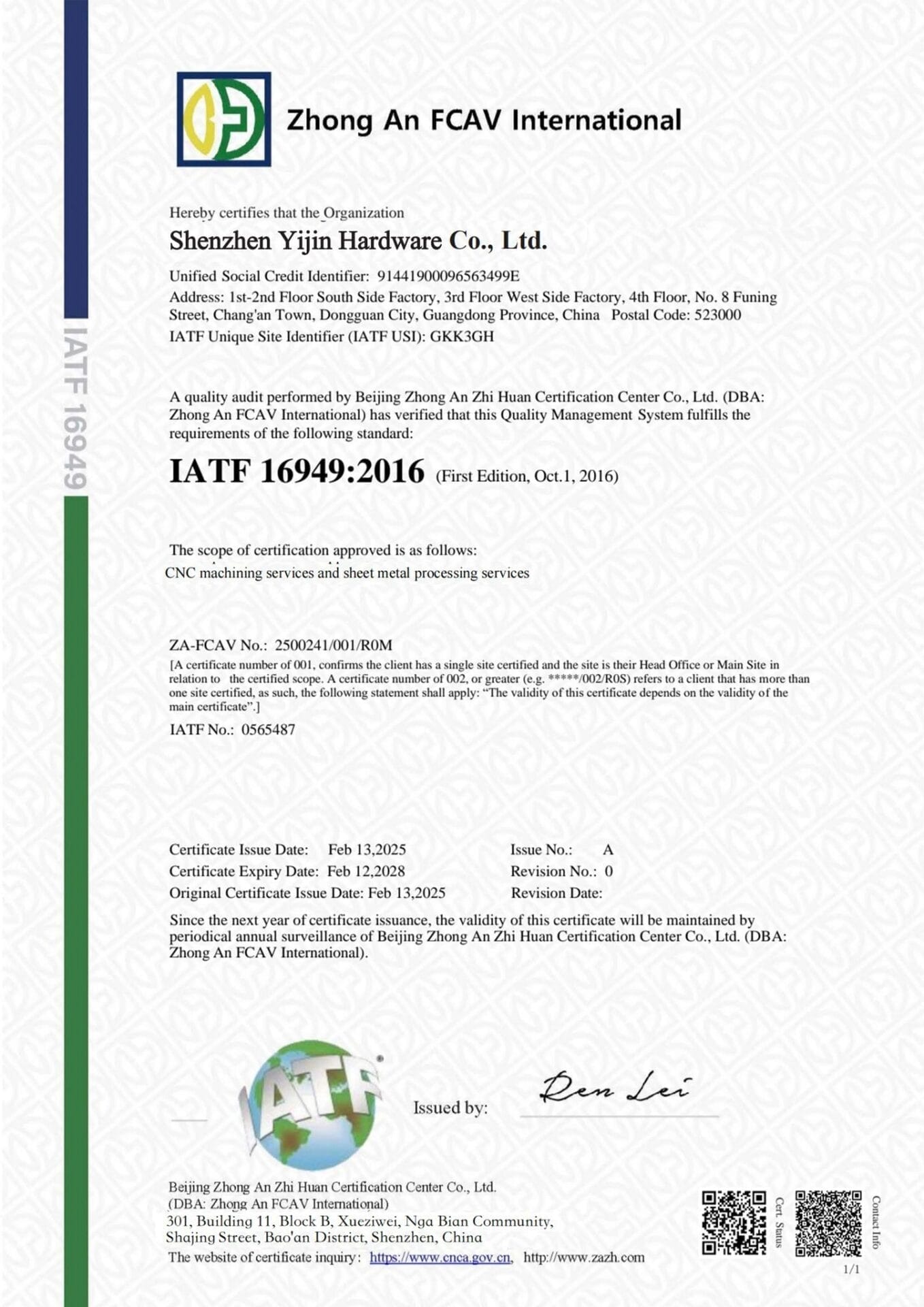
- Choose the Right Provider: Research providers with industry experience and certifications like ISO 9001. Evaluate their machining capabilities and quality assurance processes to ensure they meet your CNC machining needs.
- Clear Communication: Establish detailed specifications and communication channels. Use CAD models and written documentation to avoid misunderstandings and ensure that all parties are aligned on project requirements.
- Quality Assurance: Request prototypes or samples before full production. Specify quality standards and request reports or certifications to ensure that the outsourced CNC machining services meet your expectations.
- Protect Intellectual Property: Use NDAs to safeguard proprietary information. Work with providers known for IP protection to minimize risks when outsourcing CNC machining services.
- Logistics Planning: Account for lead times and shipping costs in production timelines. Partner with providers having reliable logistics systems to ensure smooth delivery of parts.
How to Select the Ideal CNC Machining Partner?
Selecting the right outsourcing partner represents perhaps the most critical decision in the CNC machining outsourcing process. A methodical assessment of potential partners across multiple dimensions ensures alignment with your specific manufacturing requirements.
1. Experience & Industry-Specific Expertise Assessment
Thoroughly evaluate each provider’s experience within your specific industry, focusing on their years of operation, established facilities, and organizational stability. Request references from existing clients with similar requirements and verify their track record with comparable components or materials. Providers with decades of experience typically offer more reliable service than newer market entrants, making historical performance a critical evaluation factor.
2. Technical Capability & Equipment Compatibility Analysis
Assess each potential partner’s technical capabilities relative to your specific manufacturing requirements, including their machine types, maximum part dimensions, material processing experience, and available tolerance capabilities. Evaluate their ability to handle secondary operations like heat treatment, plating, anodizing, or assembly, potentially reducing supply chain complexity through integrated services.
The ideal partner should possess equipment specifications that align precisely with your component requirements, ensuring optimal production quality and efficiency.
3. Quality Management System & Certification Verification
Verify each provider’s quality certifications relevant to your industry, inspection equipment capabilities, statistical process control implementation, and non-conformance handling procedures. Examine their documented quality management system, calibration processes, and first article inspection protocols to ensure consistent quality output.
Properly certified partners with robust quality systems significantly reduce the risk of receiving non-conforming components that could impact your production or end-product reliability.
4. Communication Effectiveness & Transparency Assessment
Evaluate potential partners’ communication practices, responsiveness, technical communication capabilities, and project management approach during the selection process. Their handling of initial inquiries, quotation clarity, and problem-solving approach during evaluation typically reflects communication patterns once production begins.
Poor communication during the selection phase often worsens after engagement, making this assessment critical for successful outsourcing relationships.
5. Operational Performance & Delivery Reliability
Assess each provider’s typical lead times, on-time delivery performance, capacity utilization, production scheduling flexibility, and rush order accommodation capabilities. Include shipping times in your lead time calculations to ensure realistic production planning that accounts for all potential delays.
Reliable delivery performance represents a foundational requirement for successful outsourcing, particularly for components integrated into time-sensitive production schedules.
6. Commercial Terms & Total Cost Analysis
Develop a comprehensive understanding of each provider’s pricing structure, including unit pricing, volume discounts, tooling costs, engineering charges, and all associated expenses throughout the relationship lifecycle. Review their payment terms, financial stability, and intellectual property protection provisions to ensure favorable commercial conditions.
The lowest unit price often fails to represent the best value when all additional costs and commercial terms are considered comprehensively.
7. Long-Term Partnership Potential Assessment
Evaluate each provider’s potential as a strategic manufacturing partner rather than a transactional supplier, focusing on their strategic alignment, continuous improvement philosophy, technology investment approach, and willingness to invest in relationship development. Established relationships with reliable partners typically produce better results than frequent supplier changes as collaborative knowledge accumulates over time. The ideal partner demonstrates financial stability, business continuity planning, and a collaborative problem-solving approach that supports long-term manufacturing success.
Yijin Hardware offers affordable CNC machining services tailored to meet your specific needs. By outsourcing to us, you can benefit from cost savings, access to advanced machinery, and high-quality precision parts. To get started, simply request a quote and let us help you streamline your manufacturing process. Whether you need to ramp up production or require instant quotes for your machining needs, we are here to help.
Outsource CNC Machining FAQs
Can outsourcing CNC machining improve production efficiency?
Yes, CNC precision machining outsourcing allows companies to focus on core operations and reduce workload. Machine parts are produced faster with expert CNC machining companies handling production. The advantages of outsourcing CNC machining include reduced downtime and optimized resource allocation. Businesses that outsource their CNC needs experience improved efficiency and cost savings.
Do you offer quick-turn CNC machining?
Yes, our online CNC machining service provides rapid production for urgent manufacturing needs. Customers can get a quote quickly and receive high-quality parts with short lead times. A reliable machining company ensures precision and fast turnaround without compromising quality. Quick-turn CNC machining helps businesses meet deadlines and maintain supply chain efficiency.
How to choose the right partner for outsourced CNC machining services?
Selecting the right CNC shop requires evaluating experience, technology, and service capabilities. The benefits of outsourcing include access to advanced machinery and skilled professionals. Reliable CNC machining companies provide consistent quality, competitive pricing, and on-time delivery. To outsource your CNC needs effectively, choose a trusted provider with proven expertise.
Back to Top: What is CNC Machining Outsourcing?| Advantages Explained