Black Oxide Coating Services
We apply black oxide coating to steel and ferrous metal parts. We deliver a uniform black finish, mild corrosion resistance, and zero dimensional change on tight-tolerance components.
- Substrates: carbon steel, alloy steel, stainless steel, cast iron, and copper alloys
- After-finish sealants: oil, wax, and lacquer
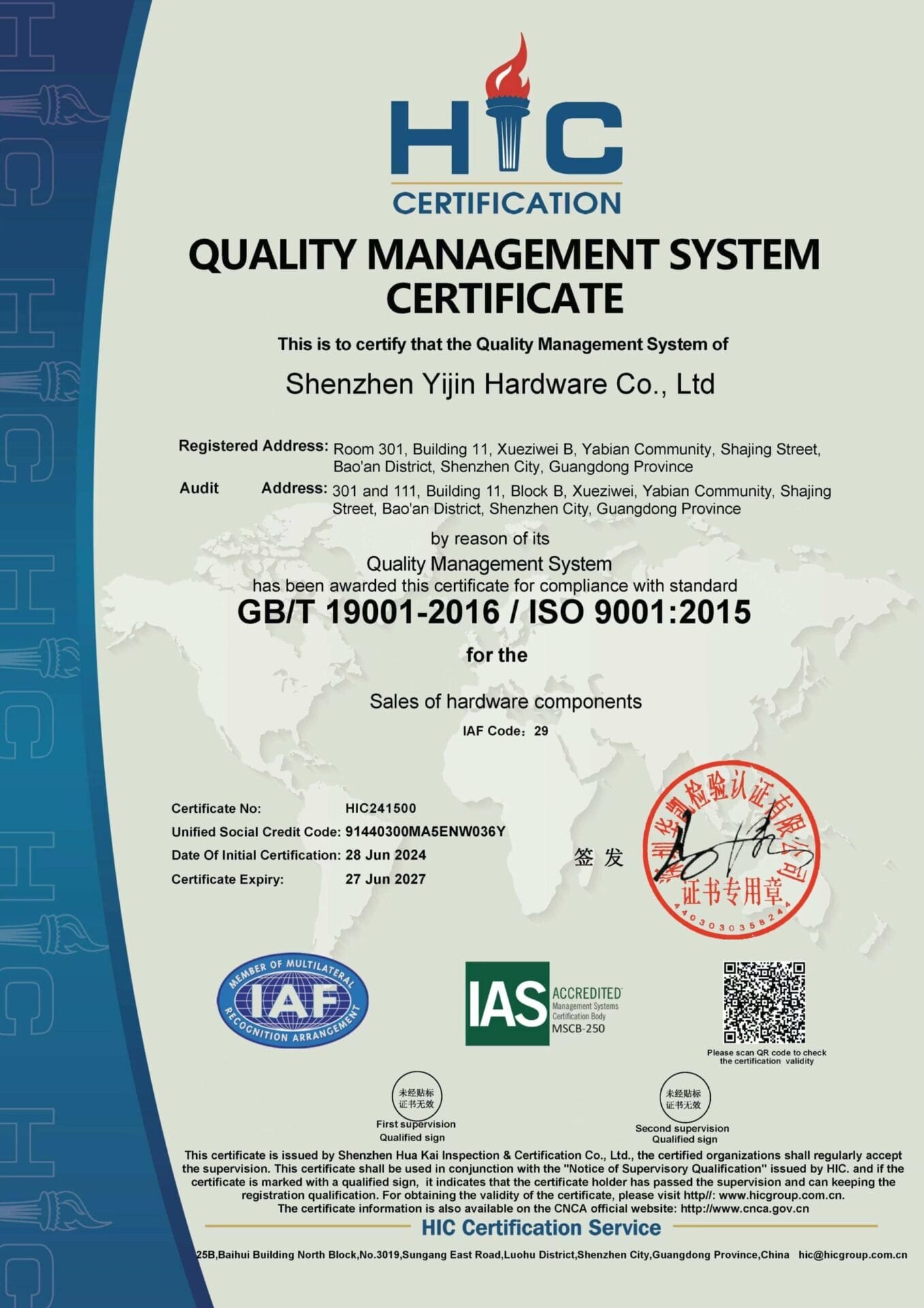
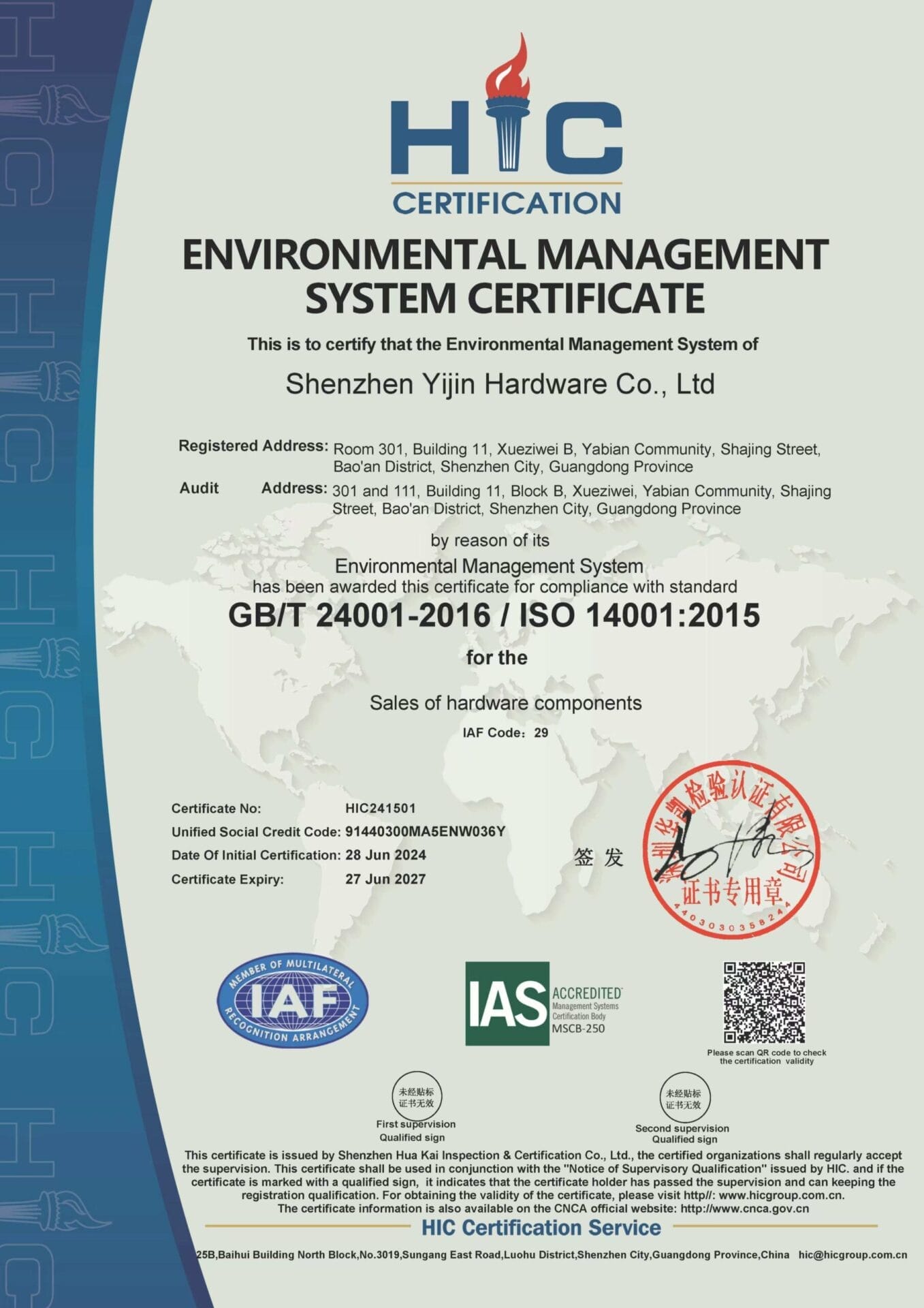
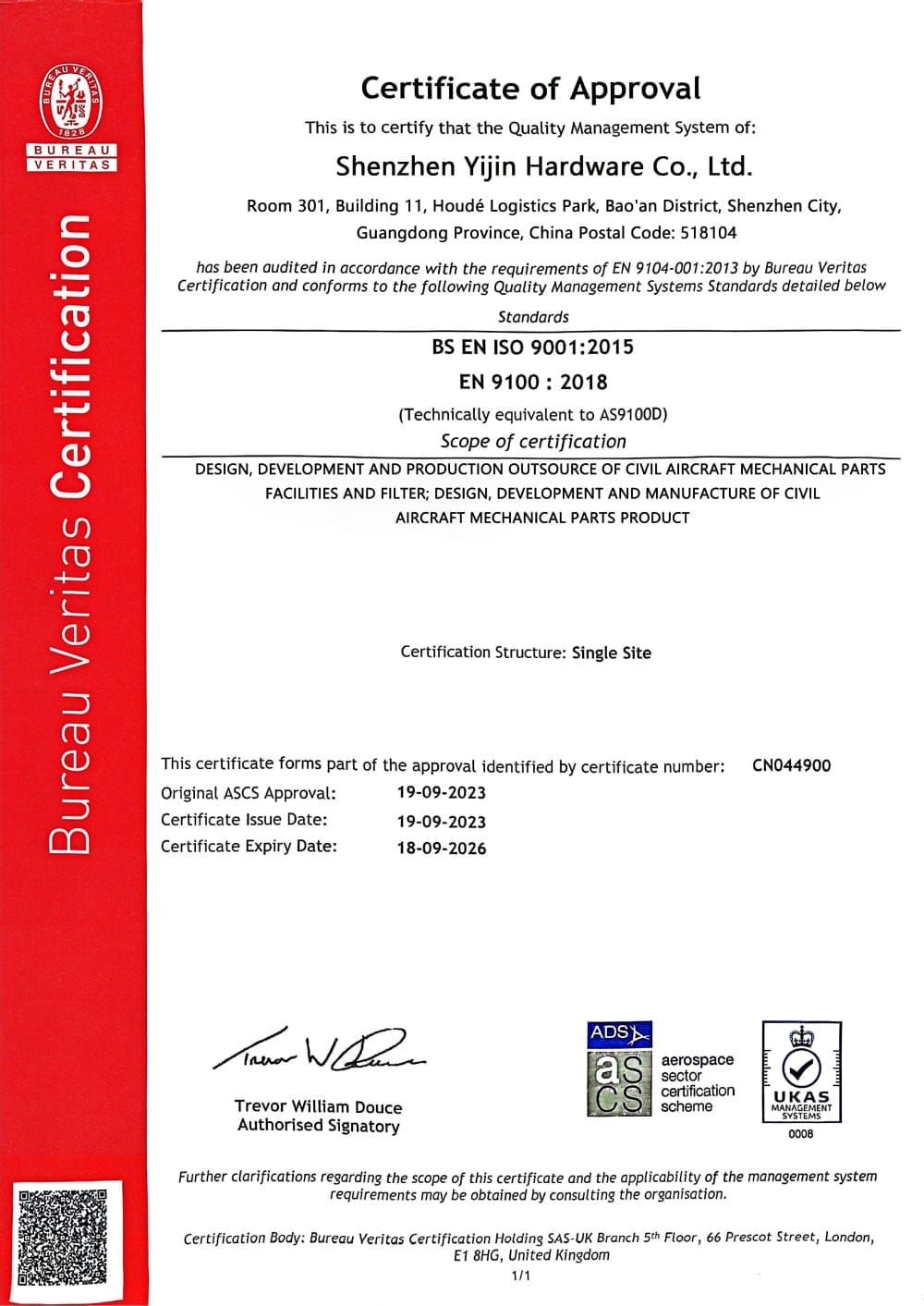
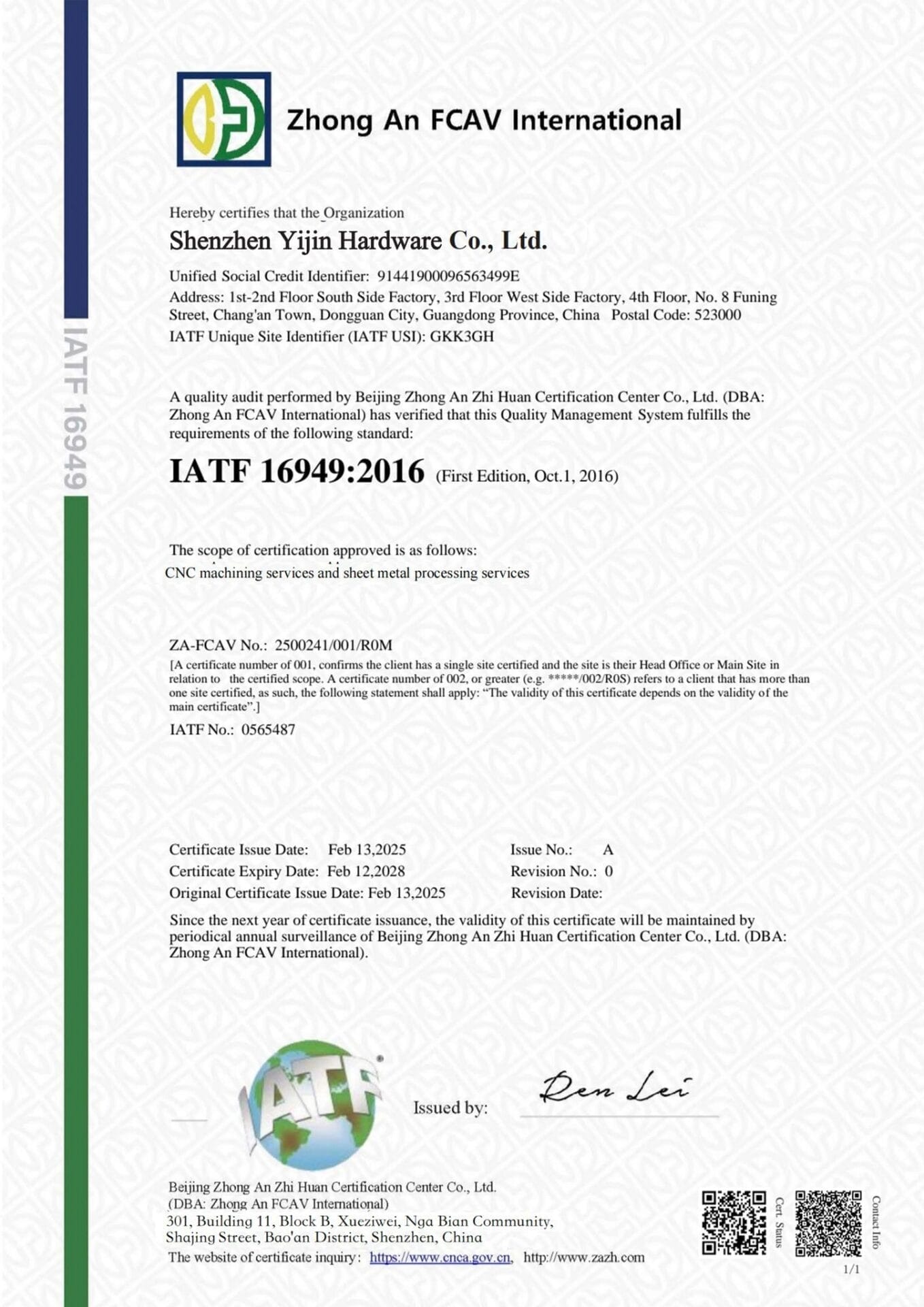
- ISO 9001 and ISO 14001 certified quality and environmental management
Join 3000+ companies who work with Yijin Solution


Black Oxide Coating with Yijin Solution
We provide black oxide coating for steel and ferrous metal parts, with a choice of oil, wax, or lacquer after-finish sealants. The result is a uniform, anti-glare black finish that does not chip, flake, or peel.
We coat carbon steel, alloy steel, stainless steel, cast iron, and copper alloys. The finish adds mild corrosion resistance, reduces glare, and holds zero dimensional change on tight-tolerance parts.
Our black oxide coating service covers fasteners, tooling, and drivetrain parts for automotive, industrial, and firearms work, applied in-house alongside our CNC machining and sheet metal fabrication.
Black Oxide Coating Capabilities
The table below summarizes our standard black oxide coating specifications.
| Parameter | Specification |
|---|---|
| Substrate compatibility | Carbon steel, alloy steel, stainless steel, cast iron, copper alloys, brass |
| Process types | Hot black oxide, alkaline, approximately 141 °C |
| Coating thickness | Less than 1 micron. Conversion coating with no dimensional change to the part |
| Hardness impact | No change in substrate hardness. Black oxide is not a hardening treatment |
| Operating temperature range | Stable to approximately 480 °C before discoloration |
| After-finish options | Oil, wax, lacquer |
| Dimensional impact | Negligible. Conversion coating does not add measurable thickness |
| Compliance | ISO 9001, ISO 14001 |
After-Finish Sealant Options
Black oxide alone provides mild corrosion resistance. The sealant applied after blackening sets the level of protection, surface feel, and appearance in service.

Oil
Slight sheen, lowest cost, good lubricity. Adds moderate corrosion resistance. Standard choice for fasteners, tooling, and parts that will be oiled or greased in service.

Wax
Dry to the touch, matte to satin appearance, with more corrosion resistance than oil. Common for hand tools, fixtures, and parts handled frequently.

Lacquer
Glossy or satin clear coat, with the highest standalone corrosion resistance of the three. Used for decorative hardware, consumer-facing components, and parts stored without lubrication.

Nickel
Corrosion resistance and wear resistance. Versatile across most substrates and commonly used as an underlayer for chrome or gold.

Chrome
Hard chrome for wear surfaces such as hydraulic cylinders and valve bodies; decorative chrome for cosmetic applications including consumer hardware and automotive trim.

Zinc
Cost-effective corrosion protection for steel parts, often paired with chromate or trivalent passivation.

Zinc-Nickel
High-performance corrosion protection for aerospace fasteners and structural fittings, and the modern replacement for cadmium plating.

Gold
Electrical conductivity and contact reliability for connectors, semiconductor components, and aerospace electronics.

Copper
Undercoat for adhesion and uniformity, or standalone for EMI shielding and electrical conductivity.

Tin
Solderability and corrosion resistance for electronic component leads and food-contact hardware.

Silver
High electrical and thermal conductivity for specialized electronic and aerospace applications.
Materials We Black Oxide Coat
The substrate sets the depth and uniformity of the black oxide finish and the surface preparation needed before immersion.
Carbon Steel
The most common substrate for black oxide. Produces the deepest, most uniform black. Machined or media-blasted surfaces give the best results. Standard for fasteners, tooling, fixtures, and machine components.
Alloy Steel
Excellent adhesion on through-hardened and case-hardened grades. Common for gears, shafts, pins, and automotive drivetrain components.
Stainless Steel
Uses a modified process with different bath chemistry. The finish tends toward a darker gray or matte black rather than the deep black seen on carbon steel. Common for medical instruments, food-grade hardware, and corrosion-resistant assemblies.
Cast Iron
Coats effectively. Surface porosity may absorb more sealant, which improves corrosion resistance. Used for engine blocks, pump housings, and valve bodies.
Copper and Brass
Produces a dark brown to black finish on copper alloys. Used for decorative hardware, electrical contacts, and architectural fittings.
Our Black Oxide Coating Process
Every black oxide coating order follows the same structured workflow from quote to shipment.
- Quote and DFM review on uploaded CAD files. After-finish type, masking requirements, and material grade are confirmed at this stage.
- Part manufacturing via CNC machining, sheet metal fabrication, or 3D printing if ordered as an integrated service.
- Pre-treatment, including alkaline cleaning to remove oils, greases, and machining residues. Acid pickling or descaling is used where mill scale or heavy oxide layers are present.
- Rinsing between each chemical stage to keep solutions free of contamination.
- Black oxide immersion in-house. Parts sit in a hot alkaline salt bath at approximately 141°C until a uniform magnetite layer forms.
- Post-oxide rinse, followed immediately by the selected after-finish application: oil, wax, or lacquer.
- Post-coating inspection, including a visual check for color uniformity, adhesion verification, and a dimensional spot-check where required.
- Packaging and shipment from our Shenzhen or Florida facility.
Industries and Applications
Black oxide-coated parts serve industries that need a cost-effective black finish, anti-glare properties, or dimensional stability on steel and ferrous metal components.
Engine bolts, chassis fasteners, brake hardware, and gear components. A cost-effective black finish with no hydrogen embrittlement risk on high-strength fasteners and dimensional stability that preserves press-fit and threaded tolerances.
Landing gear hardware, actuator pins, and hydraulic fittings. The anti-glare finish reduces light reflection on cockpit and cabin hardware, with no hydrogen embrittlement risk on high-stress steel components.
Cutting tools, jigs, fixtures, forming dies, and injection mold components. Oil-sealed black oxide holds lubrication on working surfaces and extends time between maintenance cycles.
Barrel components, receivers, triggers, and sight housings. The non-reflective matte finish is standard for military and commercial firearms applications.
Surgical instrument handles, orthopedic guide pins, and reusable fixtures. Black oxide on stainless steel reduces glare under operating theater lighting.
Hand tools, garden equipment, furniture hardware, and architectural fittings. An attractive black appearance at a low per-part cost for high-volume production runs.
Why Yijin for Black Oxide Coating
Yijin Solution runs black oxide coating and part manufacturing in one facility. The points below cover quality, turnaround, order size, production scale, material range, and cost.

Precision and Quality
ISO 9001 and ISO 14001 certified systems back every order. Visual uniformity and adhesion checks confirm the finish before parts ship, and Zeiss CMM inspection is available for dimensional verification after coating.

Fast Turnaround
In-house black oxide coating runs alongside CNC machining, sheet metal fabrication, and 3D printing. Parts move from manufacturing to coating without third-party handoffs, which shortens lead time and protects parts from handling damage between facilities.

Order Any Size
Black oxide orders are accepted from single prototypes through to high-volume production runs. Sealant type, masking requirements, and surface preparation targets are confirmed at the quote stage regardless of order volume.

Prototyping to Production
DFM review at the quotation stage flags black oxide design issues early. Surface roughness targets, drainage for blind holes, and deburring needs before immersion are identified before production begins, supporting a smooth transition from prototype approval to volume output.

Material Breadth
Black oxide is applied across carbon steel, alloy steel, tool steel, stainless steel, and copper alloys. Oil, wax, and lacquer sealant options are available to match the corrosion protection, handling, and appearance requirements of the application.

Cost-Effective
Combining part manufacturing and black oxide coating under one roof removes third-party finishing costs and eliminates the freight and handling charges that arise when coating is sourced separately. The coating is specified and priced at the quote stage, so there are no surprises at the finishing step.
Gallery of Black Oxide Coated Parts
The gallery shows black oxide coated parts produced across automotive, aerospace, industrial tooling, firearms and defense, medical device, and consumer product applications.
Black Oxide Coating FAQs
These answers cover questions buyers raise at the quote stage. Our engineering team can confirm details specific to your part on request.
Can specific areas of a part be masked from black oxide coating?
Yes. We mask threads, bores, sealing faces, or any surface that must stay bare. Mark the areas to keep uncoated on your drawing, and we’ll confirm the masking plan during the DFM review.
How should black oxide-coated parts be stored before use?
Keep parts dry and in their sealed packaging until installation. The oil, wax, or lacquer seal carries the corrosion protection, so re-oil parts that have been wiped down or handled heavily before long storage.
Does black oxide affect the electrical conductivity of a part?
The magnetite layer is very thin, so coated parts stay close to their bare conductivity. For grounding or contact-critical surfaces, share the requirement, and we will mask those areas or confirm the result by test.
Does the after-finish sealant need topping up during service?
Oil and wax seals can wear on parts that are handled or wiped often, and a light re-oil restores protection. Lacquer holds longer and suits parts that are stored or rarely touched.
What is the typical lead time for black oxide on machined parts?
Lead time depends on order volume and part complexity. Because we coat in-house, black oxide runs in parallel with the machining schedule rather than adding a separate finishing queue, and we confirm the timeline at the quote stage.
Do you offer black oxide as a standalone service or only with manufacturing orders?
Black oxide is an add-on finishing service for CNC machining, sheet metal fabrication, and die casting orders. You select it as part of the surface treatment specification for your project.
What information should I include when requesting a black oxide quote?
Send your CAD files with the material grade, the after-finish sealant you want, any masking areas, and the order quantity. The engineering team returns a DFM review and quote from these details.

China vs US Manufacturing: CNC Costs, Reshoring, and How to Decide
A US shop and a China shop can quote the same CNC part two to three times apart. Buyers pause

IP Protection When Outsourcing CNC Machining to China
A buyer shares a full set of CAD drawings with a new supplier in China. Weeks later, a near-identical product

China CNC Machining Quality Control: AS9100 and ISO Realities
A certificate list on a supplier’s homepage does not prove much by itself. Anyone can post logos for ISO 9001,
Request a Black Oxide Coating Quote
Black oxide coating delivers a uniform black finish, mild corrosion resistance, and zero dimensional change on steel and ferrous metal parts at a fraction of the cost of plating or powder coating. Yijin Solution provides black oxide coating as part of in-house finishing, so the coating is specified and verified alongside the part it protects.