
Railroads CNC Machining Manufacturer
When it comes to railroad equipment, there’s zero room for error — lives literally depend on every component working perfectly. At Yijin Solution, we craft precision CNC-machined railroad parts that meet those demanding ISO 9001 quality standards that locomotive manufacturers, transit authorities, and rail operators require. From initial prototype to full production runs, we deliver the reliability that safety-critical applications demand.
Our advanced machining capabilities produce everything from massive train wheels and railcar axles to intricate brake components and specialized locomotive engine parts. Every single piece meets those incredibly stringent railroad safety regulations established by organizations like the Railway Industry Association (RIA). The difference between standard manufacturing and our precision approach becomes obvious the first time these components face the brutal punishment of daily railroad operations — where ordinary parts fail, ours keep performing mile after mile.
- ⬤Service
- ⬤Your Details
- ⬤Submit


Why Railroad Manufacturing Demands Microscopic Precision
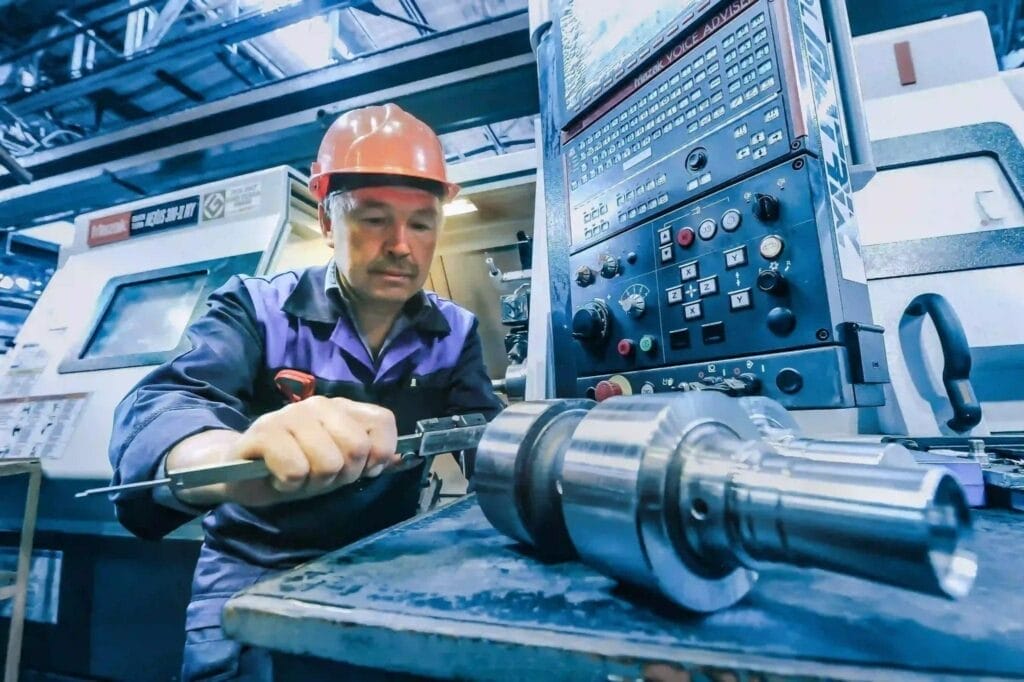
Railroad CNC machining isn’t just about making parts — it’s about creating components that absolutely cannot fail when hundreds of lives depend on them. We use Computer Numerical Control technology to achieve mind-boggling precision (±0.0005 inches — thinner than a human hair) on everything from massive locomotive components to intricate brake systems. These parts face punishment that would destroy lesser components — constant vibration, extreme temperatures, and loads measured in tons. Every piece we machine must meet those non-negotiable safety standards required by National Railway Regulators.
Critical Processes Behind Railroad Components
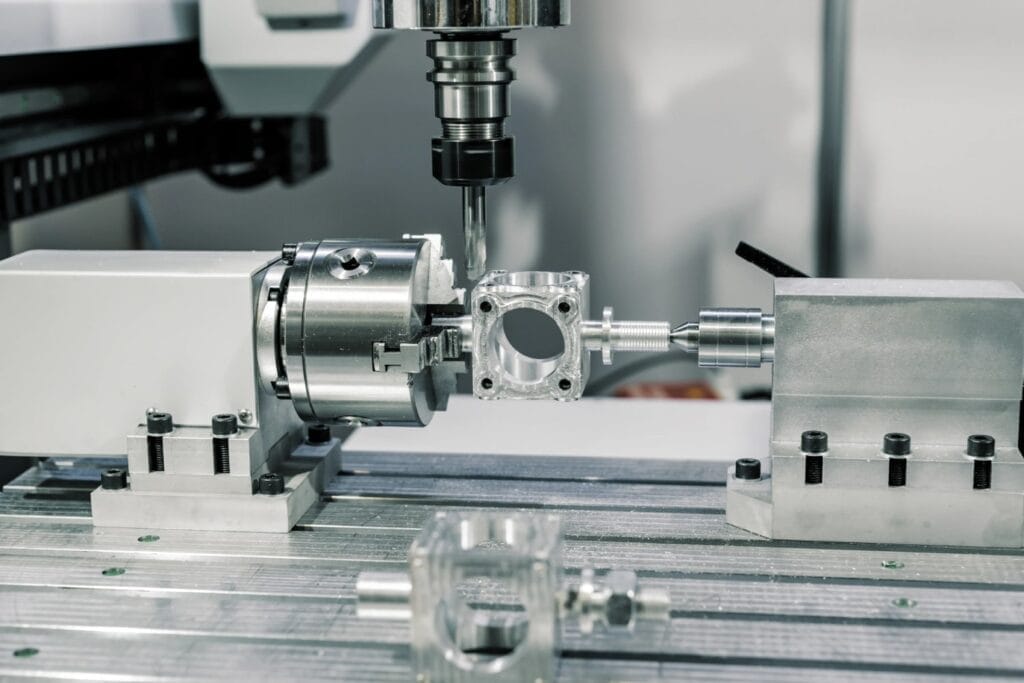
- CNC Turning: Creates those perfectly cylindrical railcar axles and brake pins that can’t afford to be even slightly off-center
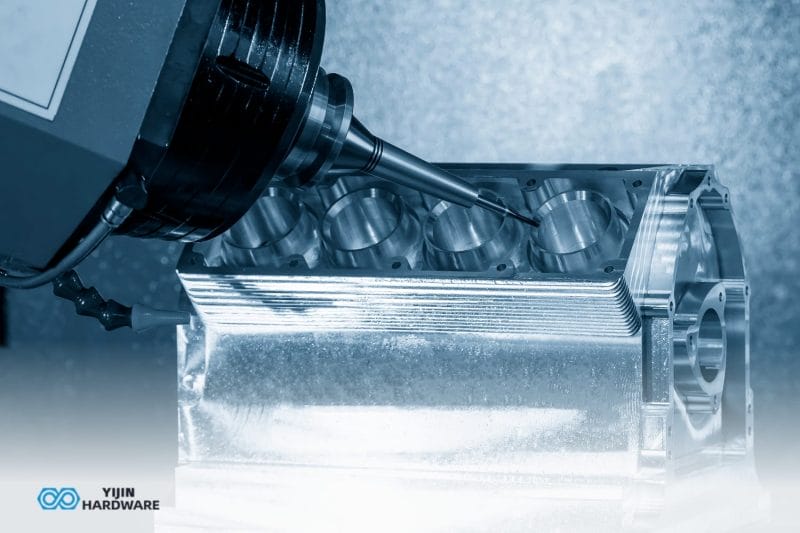
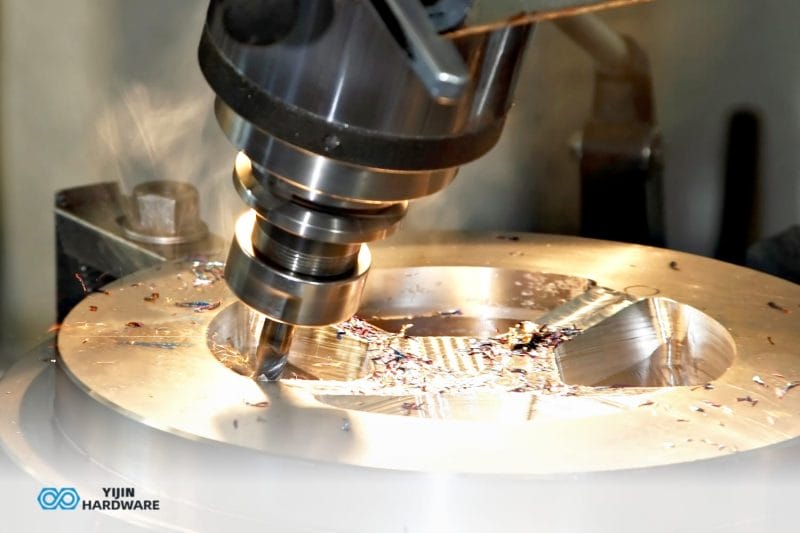
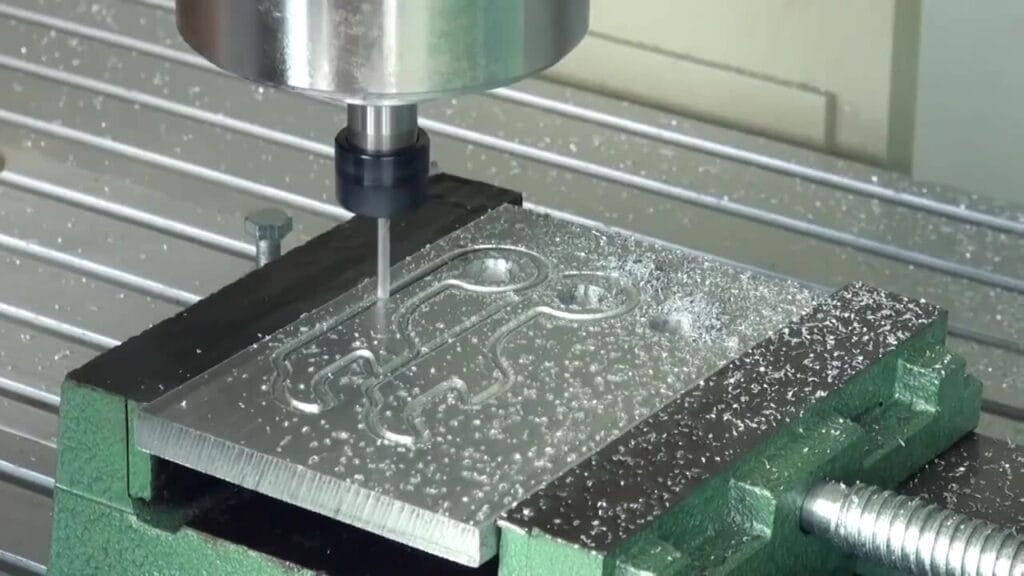
- CNC Milling: Carves complex geometries for locomotive engine housings where every curve and corner matters
- Precision Drilling: Produces fastening systems and mounting hardware that won’t shake loose even after thousands of miles
- Mill Operations: Handles high-volume brake components that face the most brutal stopping forces imaginable
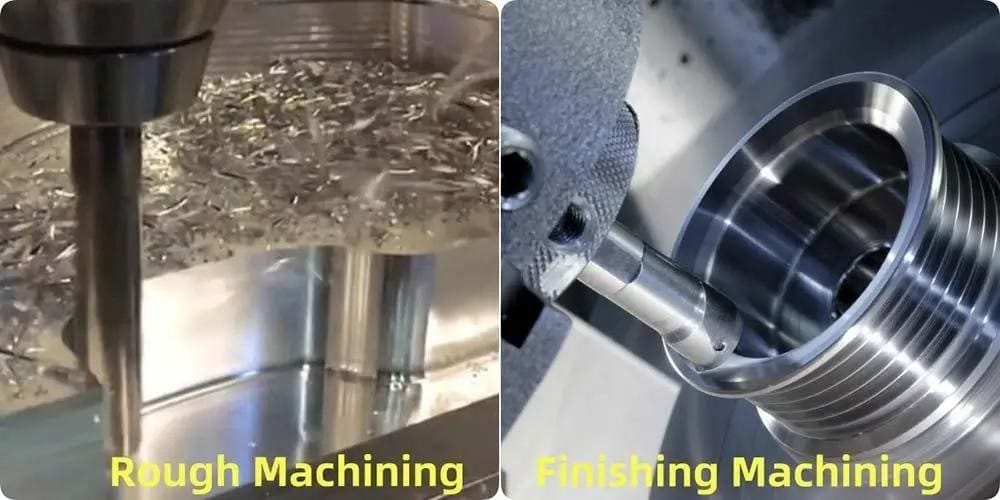
The railroad industry is massive. CNC machining forms the backbone of this industry, producing the critical rolling stock components from carbon steel, alloy steel, stainless steel, and specialized aluminum alloys through a combination of turning, milling, drilling, and boring operations. When trains need to run 24/7 for decades, these manufacturing methods make the difference.


Our Complete Railroad CNC Machining Services
Our precision machining services deliver complete component manufacturing from design consultation through final inspection and delivery using AS9100 aerospace-grade quality standards. We specialize in producing train wheels, railcar axles, brake pins, locomotive engine housings, and railroad signaling equipment using multi-axis rail CNC machines and milling capabilities. Our processes accommodate components ranging from small brake pins to large structural frames weighing up to 100 lbs.
Specialized Railroad Component Categories
- Locomotive Parts: Engine blocks, cylinder heads, piston assemblies, crankshafts
- Brake Systems: Brake shoes, pins, airbrake components, hydraulic fittings
- Rolling Stock: Railcar axles, wheels, couplers, structural frameworks
- Track Infrastructure: Rail fastening systems, switch components, crossing gates
- Signaling Equipment: Control housings, mounting brackets, sensor components
| Material Type | Applications | Typical Properties |
|---|---|---|
| Carbon Steel | Structural components, frames | High strength, weldable |
| Alloy Steel | Axle, high-stress parts | Superior fatigue resistance |
| Stainless Steel | Corrosion-prone applications | Chemical resistance |
| Aluminum Alloys | Weight-critical components | Lightweight, corrosion resistant |


How do We Guarantee Railroad Component Quality Standards?
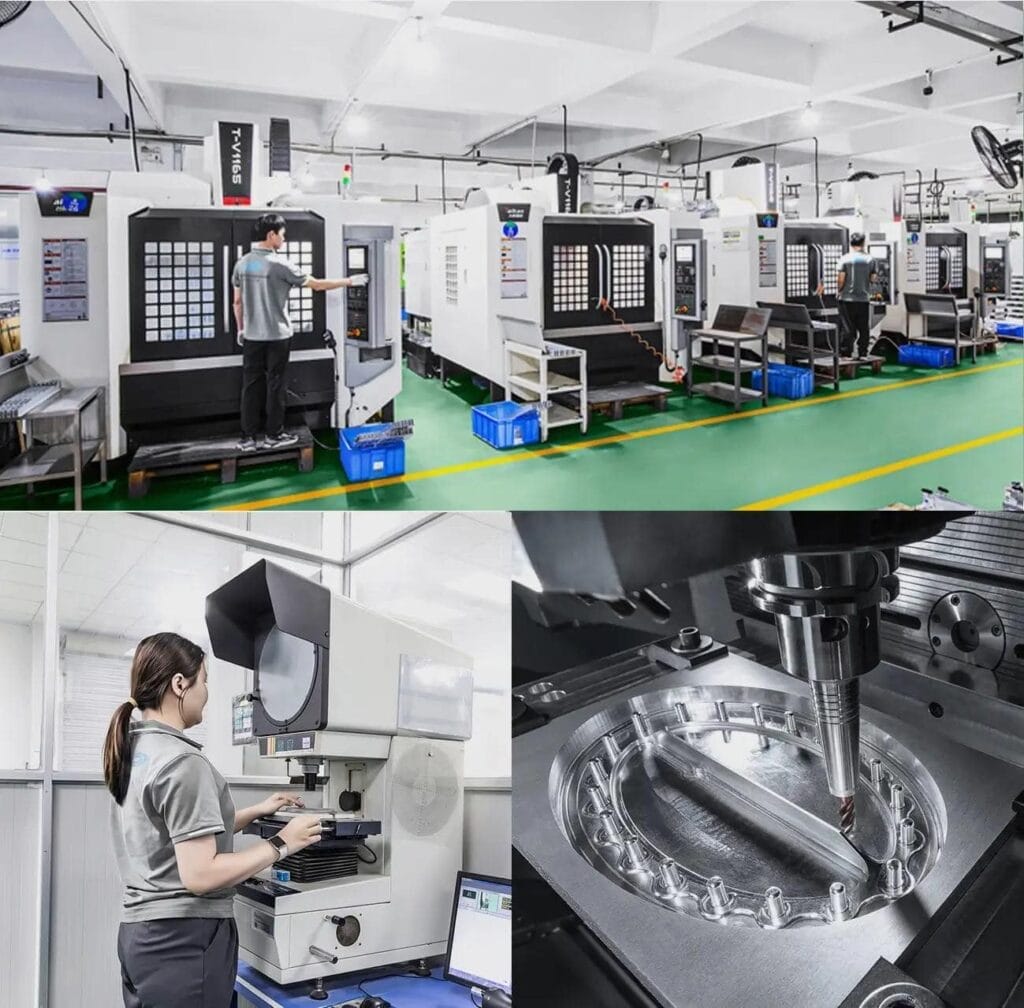
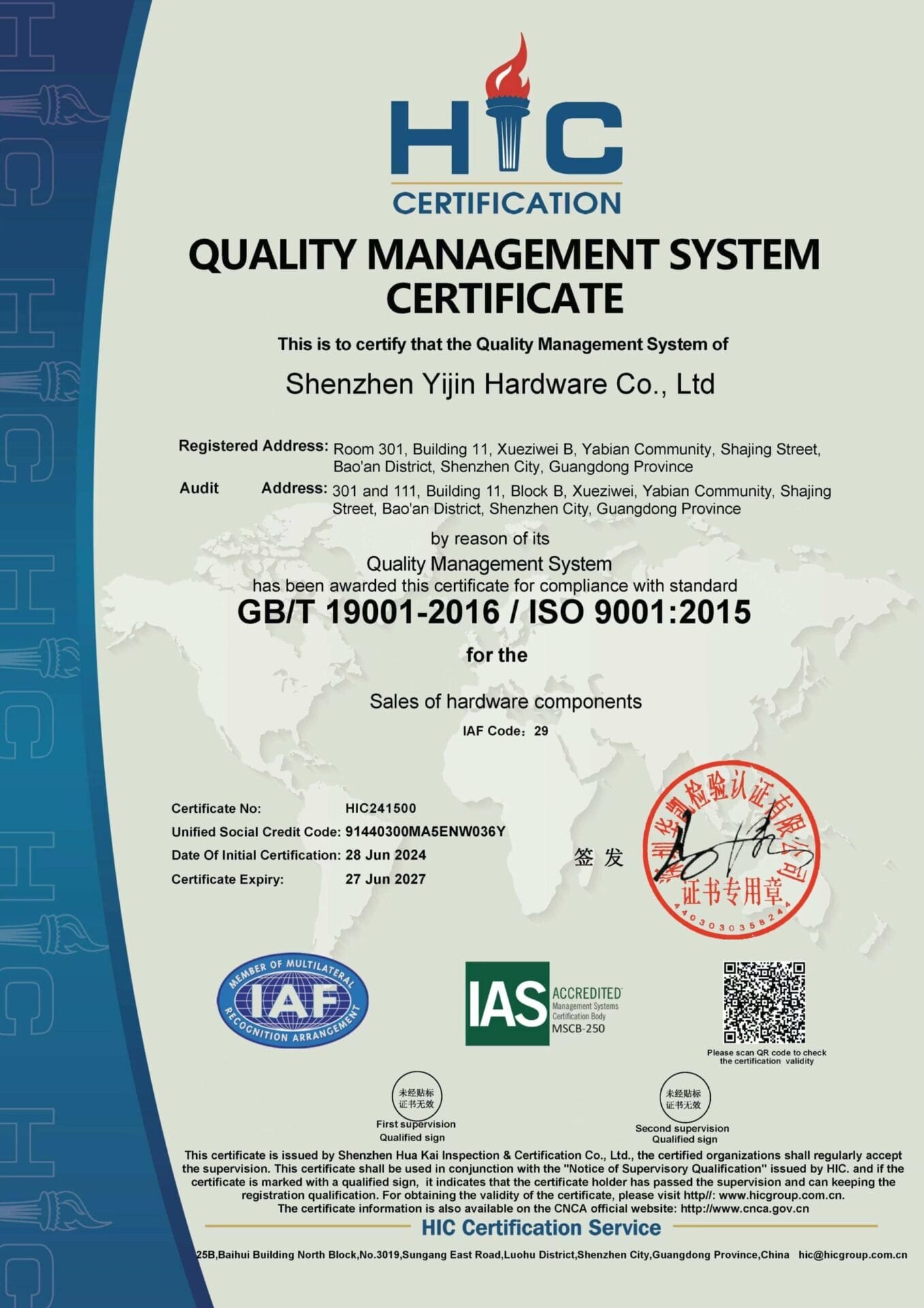
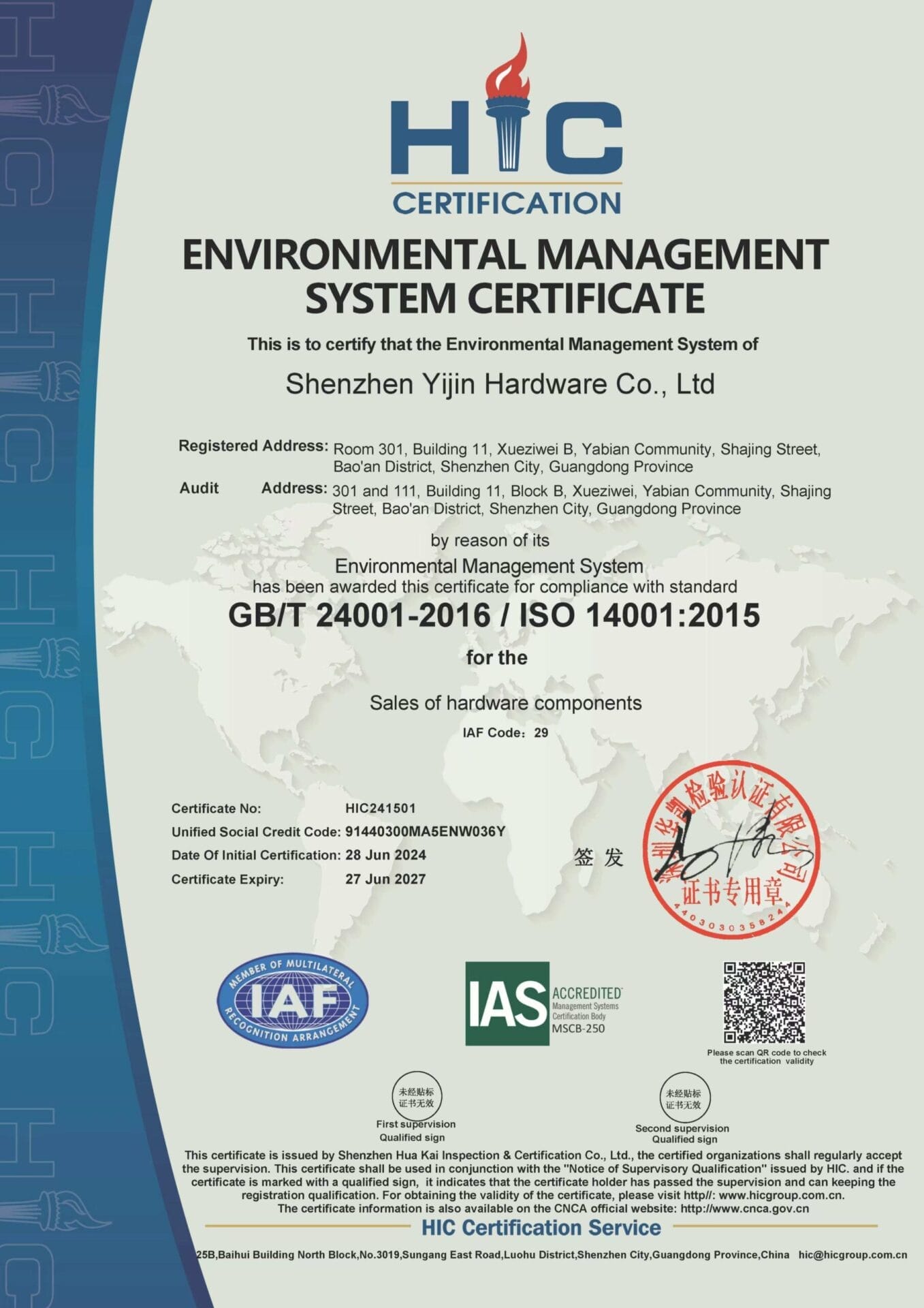
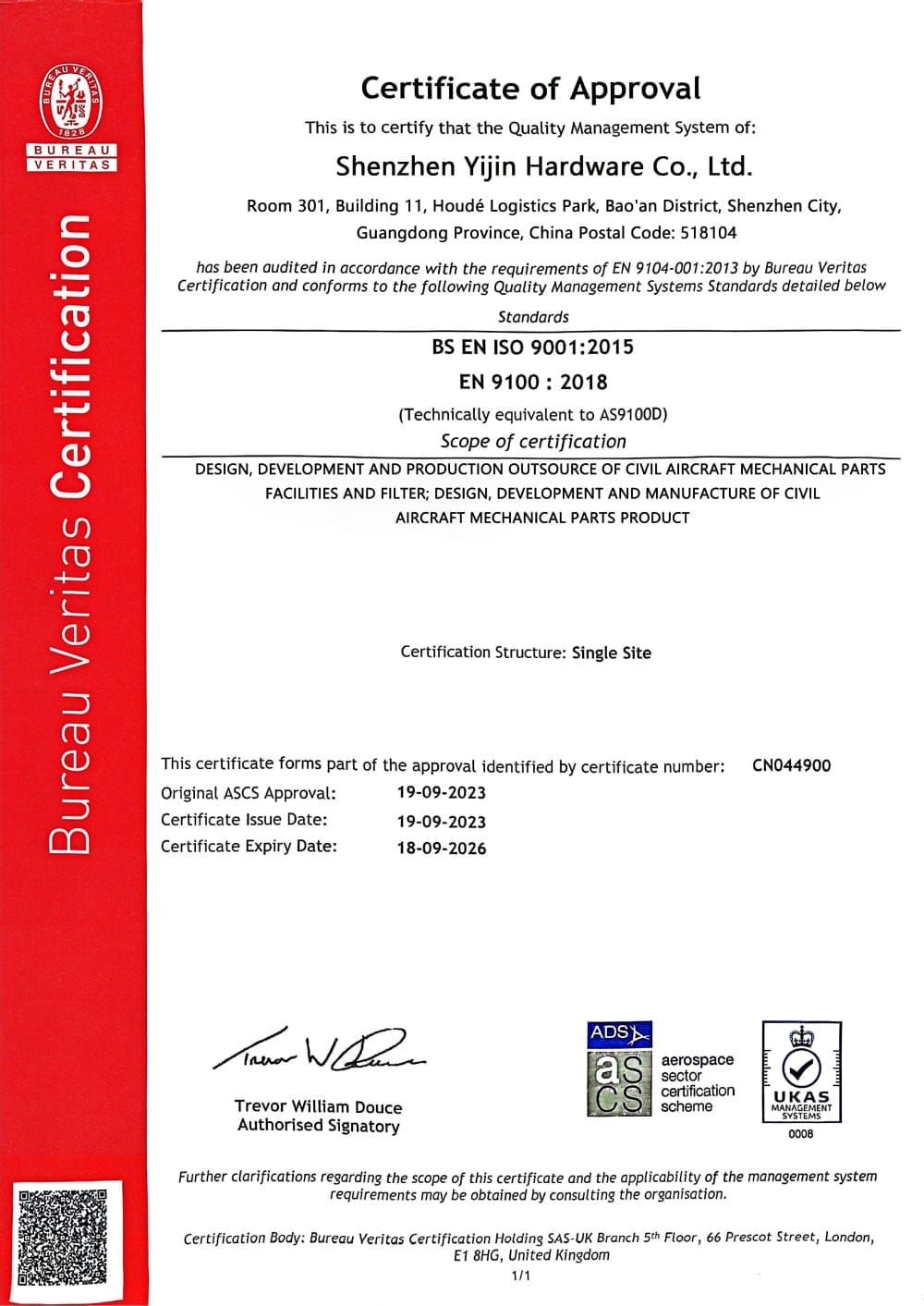
We maintain ISO 9001 Quality Management System certification specifically tailored for railroad component manufacturing, ensuring consistent quality and traceability throughout production. Our quality control processes include statistical process control, material verification testing, and comprehensive dimensional inspection using advanced Coordinate Measuring Machines (CMMs). Every railroad component receives Certificate of Compliance documentation and material certifications required by railway safety regulators.
Advanced Quality Control Methods
- CMM Inspection: Verifies dimensional accuracy to ±0.0001 inches
- Material Testing: Confirms hardness, tensile strength, and composition
- Surface Analysis: Measures finish quality from Ra 32 µin to Ra 125 µin
- Traceability Systems: Documents complete manufacturing history
Our machine shop implements specialized quality protocols for safety-critical components including brake systems, locomotive engine parts, and structural elements. We coordinate with certified heat treatment facilities, surface coating specialists, and testing laboratories to ensure comprehensive component validation and highest quality standards.
What Cutting-Edge CNC Technologies Power Our Railroad Manufacturing?
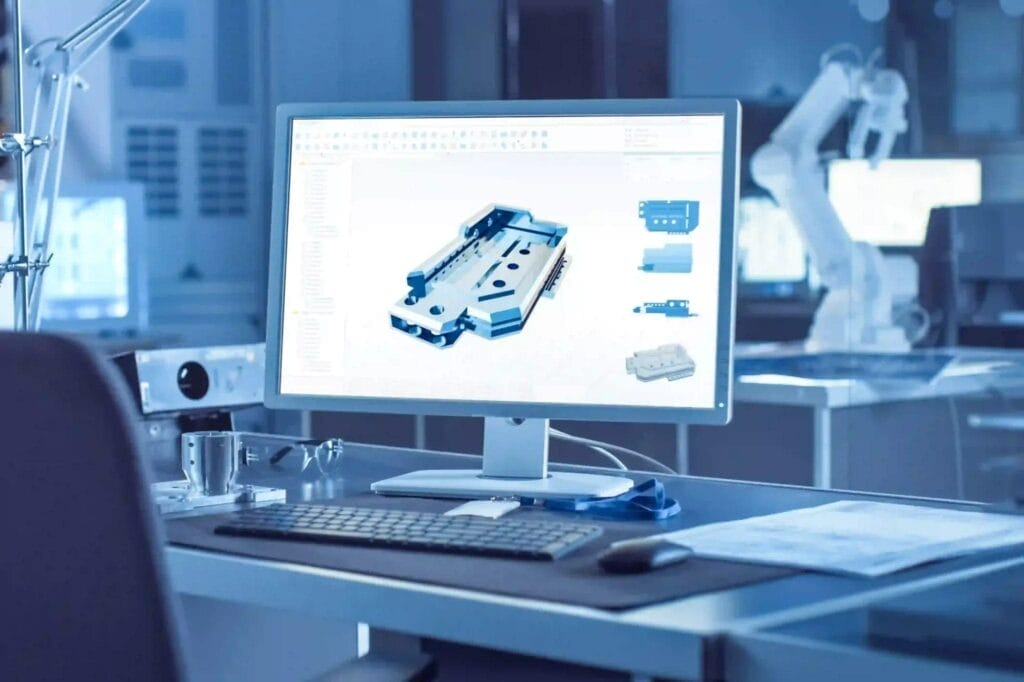
We utilize state-of-the-art multi-axis CNC machine centers, including 5-axis milling centers and precision turning centers specifically configured for railroad component production. Our advanced CAD/CAM software integration includes Fusion 360 and Esprit programming systems that optimize tool paths for challenging railroad materials like Inconel, Invar, and titanium alloys used in specialized applications. Machine tools feature automatic tool changers, high-pressure coolant systems, and precision spindles maintaining tolerance to ±0.0005 inches.
Specialized Railroad Machining Capabilities
- Large Component Machining: Up to 4 feet length, 100 lbs capacity
- Precision Turning Services: Cylindrical parts up to 8 inches diameter, 60 lbs
- Wire EDM: Complex rail fastening profiles with 0.002 inch wire
- Multi-Operation Setup: Reduces handling, improves accuracy
Our railroad CNC machining technology encompasses specialized processes for rail milling and grinding train components, addressing the $1.2 billion rail maintenance equipment market, according to Verified Market Reports. Advanced workholding systems accommodate irregular railroad component geometries while maintaining precision during multi-operation machining sequences.


Which Railroad Materials and Industry Standards do We Follow?
We machine a comprehensive range of railroad-approved materials including carbon steel grades, High-Strength Low-Alloy Steel (HSLA) for structural components, ductile iron for heavy-duty applications, and specialized bronze alloys for bearing components. Our material expertise covers exotic alloys like Inconel for high-temperature locomotive applications and Invar for precision measurement equipment. Each material undergoes verification testing to confirm mechanical properties and chemical composition compliance with railroad specifications.
Material Processing and Compliance
- Heat Treatment Coordination: Normalizing, quenching, tempering processes
- Surface Finishing: Coating, plating, and corrosion protection
- Regulatory Compliance: National Railway Safety Regulator standards
- Documentation: Complete material traceability and certification
Our custom CNC capability extends to metals and plastics when required for specialized railroad applications. We coordinate repair services and maintenance solutions for existing railroad equipment, providing machinist expertise for both new manufacture and refurbishment projects.
| Steel Grade | Railroad Application | Key Properties |
|---|---|---|
| HSLA Steel | Structural frames | High strength-to-weight ratio |
| Carbon Steel | General components | Cost-effective, machinable |
| Tool Steel | Wear components | Hardness, wear resistance |
| Stainless 316 | Marine/coastal rail | Corrosion resistance |
What Railroad Applications do Our Components Serve?
We manufacture precision parts and components for Class I railroads, regional operators, transit authorities, and rail equipment manufacturer across freight transportation, passenger service, and urban transit applications. Our components serve locomotive applications including engine blocks, cylinder heads, piston assemblies, and crankshaft components requiring extremely tight tolerances. Railway component production encompasses axle housings, brake system parts, coupler mechanisms, and structural framework elements.
Industrial Sectors We Support
- Freight Rail: Heavy-haul locomotives, freight car components
- Passenger Rail: High-speed train parts, coach components
- Transit Systems: Light rail, subway, commuter rail equipment
- Industrial Rail: Mining railways, port facilities, steel mills
- Maintenance Equipment: Rail grinding trains, track maintenance machinery
Railroad track infrastructure components include rail joints manufactured to specific profiles, switch components for rail junctions, and specialized maintenance equipment parts. We support both new equipment manufacturing and replacement part production for existing railroad fleets, including heritage railroad restoration projects requiring exact reproduction of historical components using our extensive experience.

Why Should You Choose Yijin Solution for Railroad CNC Machining?
Yijin Solution combines advanced CNC machining technology with specialized railroad machinist expertise, delivering precision parts and components that exceed safety and performance requirements for critical rail applications. Our ISO 9001 certified quality management system ensures consistent manufacturing processes, comprehensive documentation, and reliable delivery schedules essential for railroad operations. We provide complete project management from initial design consultation through final component delivery and ongoing technical support.
We maintain partnerships with industry associations including Railway Industry Association (RIA) and African Rail Industry Association (ARIA) to stay current with evolving railroad standards and technologies. Our competitive advantages include faster turnaround times, comprehensive material capabilities spanning standard railroad alloys to exotic materials, and scalable production accommodating prototype quantities through high-volume manufacturing runs. Our ability to provide custom solution addresses unique machining needs across the transportation sector.
Request a quote today to discover how our precision CNC machining and value-added services deliver robust, high-quality machined parts for your railroad applications. Our CNC rail guide systems and production equipment ensure reliable performance for OEM and aftermarket requirements.
What Our Clients Say
Railroads CNC Machining Manufacturer FAQs
CNC linear rails are precision guidance systems that provide smooth, accurate linear motion for CNC machine tool carriages and spindle assemblies during railroad component manufacturing. These hardened steel rails feature precision-ground surfaces with integrated ball bearing guide blocks that eliminate friction and backlash during machining operations. Linear rail systems achieve positioning accuracy to ±0.001 mm while supporting heavy cutting loads essential for machining railroad steel components with precise tolerances.
Linear rail systems outperform rod-based guidance systems in precision, load capacity, and durability for heavy-duty railroad component machining applications that require sustained accuracy and reliability. Linear rails provide superior rigidity and eliminate deflection undercutting forces, maintaining dimensional accuracy throughout extended machining cycles typical in railroad manufacturing. Rod systems experience more wear and require frequent adjustment, while linear rails maintain consistent performance over millions of operational cycles.
Railroad track rails include standard profiles like 115 RE, 136 RE, and 141 RE for mainline freight service, plus specialized transit rails for urban systems and industrial applications. CNC machine linear rails encompass profiled rail systems with integrated raceways for heavy machining, square rail configurations for maximum rigidity, and miniature rails for precision positioning systems. Each rail type features specific dimensional characteristics, material properties, and load-bearing capabilities optimized for intended operational requirements in railroad or manufacturing environments.
CNC Resources

Medical Device Finishing: Surface Treatments, Standards, and Supplier Selection
In a medical device, the surface does as much for qualification as the dimensions do. Get the finish right, and

Aerospace Finishes: Types, Standards, and How to Specify for Your Parts
An aerospace part can hit every dimension on the drawing, and the finish still decides whether it survives the service

Surface Finish Standards: How to Read, Specify, and Control Them
A surface finish callout is one of the smallest things on a drawing and one of the most influential. Get
Start today. Get parts made fast.
Free Machined Parts Design to Your Projects with Fast Turnaround Times.