Des nouvelles passionnantes ! Yijin Hardware change de nom et devient Yijin Solution. Read more →

No Drawings? No Problem. From concept to production, our designers and engineers handle everything in between. Explore Our New Services

Metal 3D Printing Manufacturing Capabilities

These specifications apply across our DMLS and Binder Jetting platforms. Exact tolerance and finish depend on material, geometry, and post-processing.

FonctionnalitéDescription
General Tolerance±0.1 mm as-built on DMLS parts
Tolérance serrée±0.05 mm on features finished by CNC machining
Finition de la surfaceRa 6–10 μm as-built DMLS, Ra 10–15 μm Binder Jetting
Layer Thickness20 to 60 μm on DMLS, 50 μm on Binder Jetting

Metal 3D Printing Materials

We build in 8+ metal powders across titanium, stainless and tool steels, superalloys, and aluminum, each with mill-certified powder lots.

Alliages de titane

GradeTensile / YieldTypical Use
Ti6Al4V1170 / 1100 MPaImplants médicaux, structures aérospatiales
GradeTensile / YieldTypical Use
Inox 316L640 / 580 MPaCorrosion-resistant parts
17-4 PH Inox1310 / 1240 MPaRaccords aérospatiaux à haute résistance
Maraging Steel, H13-Tooling inserts, high-hardness parts
GradeTypical Use
Inconel 718Turbine components, high-temperature service
Chrome cobaltDental and orthopedic implants
GradeTensile / YieldTypical Use
AlSi10Mg (DMLS)460 / 270 MPaÉchangeurs de chaleur pour l'aérospatiale
420 Stainless (Binder Jetting, bronze infiltrated)-Medium-volume production parts
why choose Yijin Solution for metal 3d printing service

Metal 3D Printing Post-Processing

Every build goes through stress relief and inspection in-house before it ships, with further finishing available depending on the application.

Finition de la surface

SPECIFICATION

Quelles sont les considérations de conception applicables à l'impression 3D de métaux ?

As-Built

Parts ship straight off the platform with supports removed. Standard finish for internal channels and non-critical surfaces at Ra 6 to 10 μm.

Bead blasting a metal 3D printed titanium part to a matte finish

Sablage de perles

Media blasting removes loose powder and produces a uniform matte surface on DMLS and Binder Jetting parts before further processing.

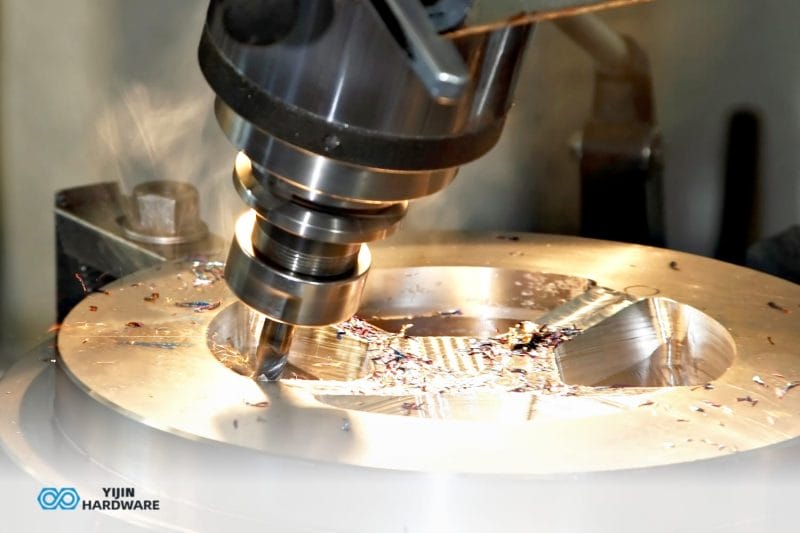
CNC machining a critical mating face on a metal 3D printed part

Machined Critical Faces

CNC finishing on mating faces, bores, and sealing surfaces tightens tolerance from ±0.1 mm as-built to ±0.05 mm where fit matters.

Metal 3D printed parts glowing orange during stress relief heat treatment

Stress Relief & Heat Treat

Solution annealing and age hardening per alloy, such as 17-4 PH at 1040 °C solution and 480 °C age, or Inconel 718 solution treatment at 980 °C plus double aging.

Binder jetted metal parts being sintered and bronze-infiltrated

Sintering and Infiltration

Binder Jetting parts are sintered at 1100 to 1300 °C and bronze-infiltrated to close porosity in 420 stainless, compensating for 1 to 2% shrinkage.

Mechanical polishing of a metal 3D printed cobalt chrome part to a mirror finish

Polishing and Passivation

Mechanical polishing for sealing faces and cosmetic surfaces, plus passivation on stainless and cobalt chrome parts for medical and food-contact use.

Types of Metal 3D Printing We Offer

We run two metal additive platforms under one roof, chosen by alloy, geometry, and volume.

Quelles sont les industries et les applications qui utilisent l'impression 3D de métaux ?

DMLS / LPBF

Direct Metal Laser Sintering uses a 200 to 400 W fiber laser to fuse metal powder in 20 to 60 μm layers at scan speeds to 1200 mm/s, the default for complex alloys like Ti6Al4V, Inconel 718, and cobalt chrome.

Selective laser melting fusing a metal part in a powder bed

Selective Laser Melting

SLM fully melts each powder layer rather than sintering it, producing near-fully-dense parts for load-bearing titanium and stainless components that need minimal porosity.

nos services d'impression 3d métal dmls et binder jetting impression 3d métal

Binder Jetting

A liquid binder joins powder layer by layer at 100 mm/s with 50 μm layers, then the part is sintered and bronze-infiltrated, a faster route for medium-volume 420 stainless production.

Applications of Metal 3D Printing

Aérospatiale

Turbine blades with internal cooling channels, fuel nozzles with complex spray patterns, lightweight structural brackets, and heat exchangers.

Dispositifs médicaux

Patient-specific titanium hip implants, dental prosthetics and surgical guides, and porous structures engineered for bone ingrowth.

Automobile

Exhaust manifolds, engine mounts, and restoration parts in stainless steel and aluminum alloys, built without hard tooling.

Industrial Tooling

Conformal cooling channels for injection molds, custom jigs and fixtures, wear-resistant dies, and cutting inserts with chip-breaker geometries.

Power Generation

Turbine components and pressure vessels with integrated internal features that are difficult or impossible to machine conventionally.

Défense

High-strength titanium and steel components for tactical equipment and platforms where weight reduction matters as much as strength.

Pétrole et gaz

Valve bodies, downhole tooling, and corrosion-resistant fittings in Inconel and duplex stainless for high-pressure, high-temperature service.

Motorsports

Lightweight brackets, manifolds, and housings that consolidate multiple machined parts into one build, cutting assembly weight and time.

Robotique

End-effector mounts, lightweight structural arms, and complex internal channels for pneumatic or cooling lines in aluminum and titanium.

Yijin Solution Metal 3D Printing Factory

Yijin Solution operates a 25,000+ m² manufacturing facility in Shenzhen, China. The metal AM cell runs DMLS and Binder Jetting platforms with 200 to 400 W fiber lasers, layer thicknesses from 20 to 60 μm, and dedicated post-processing for stress relief, solution annealing, and age hardening.

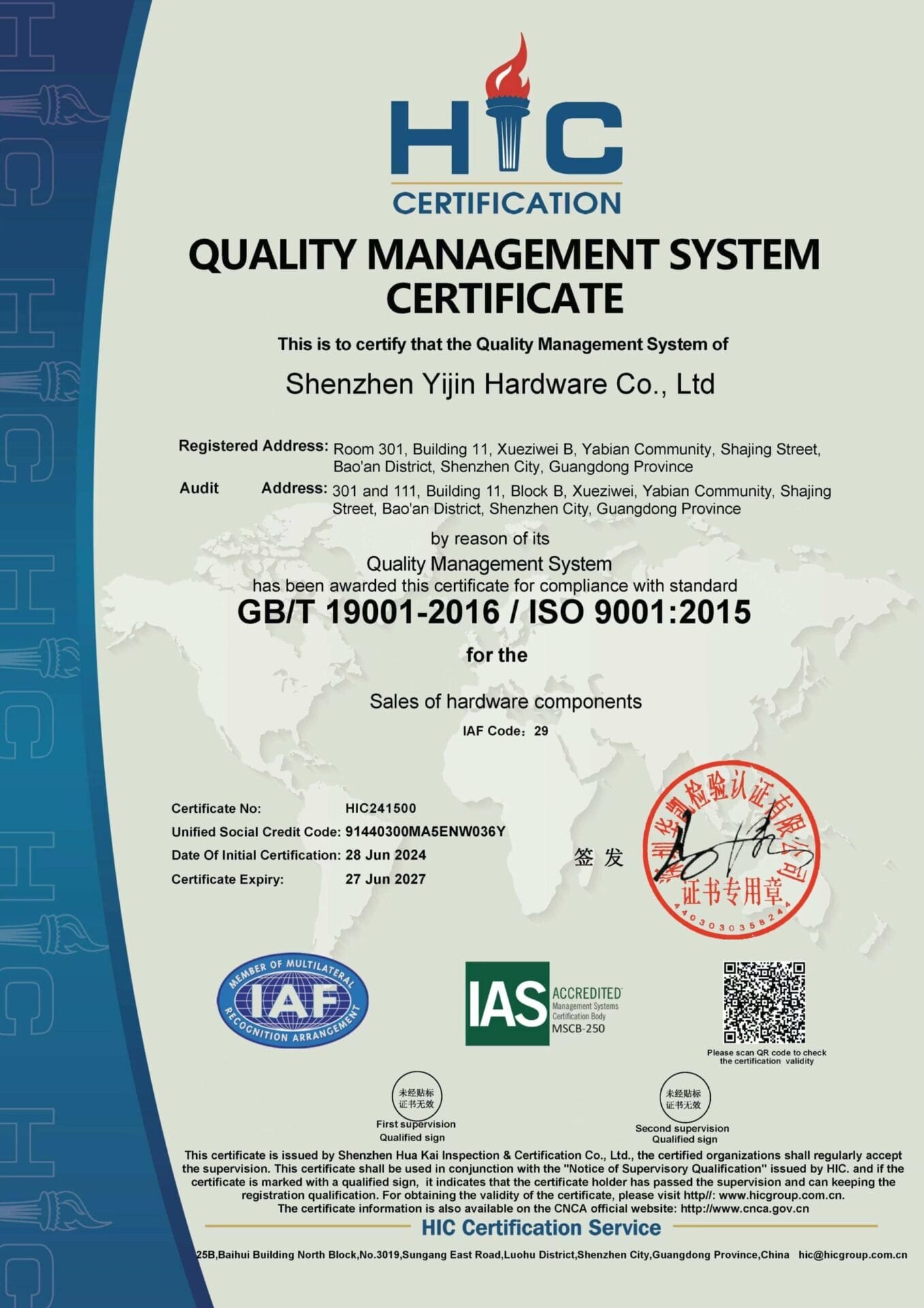
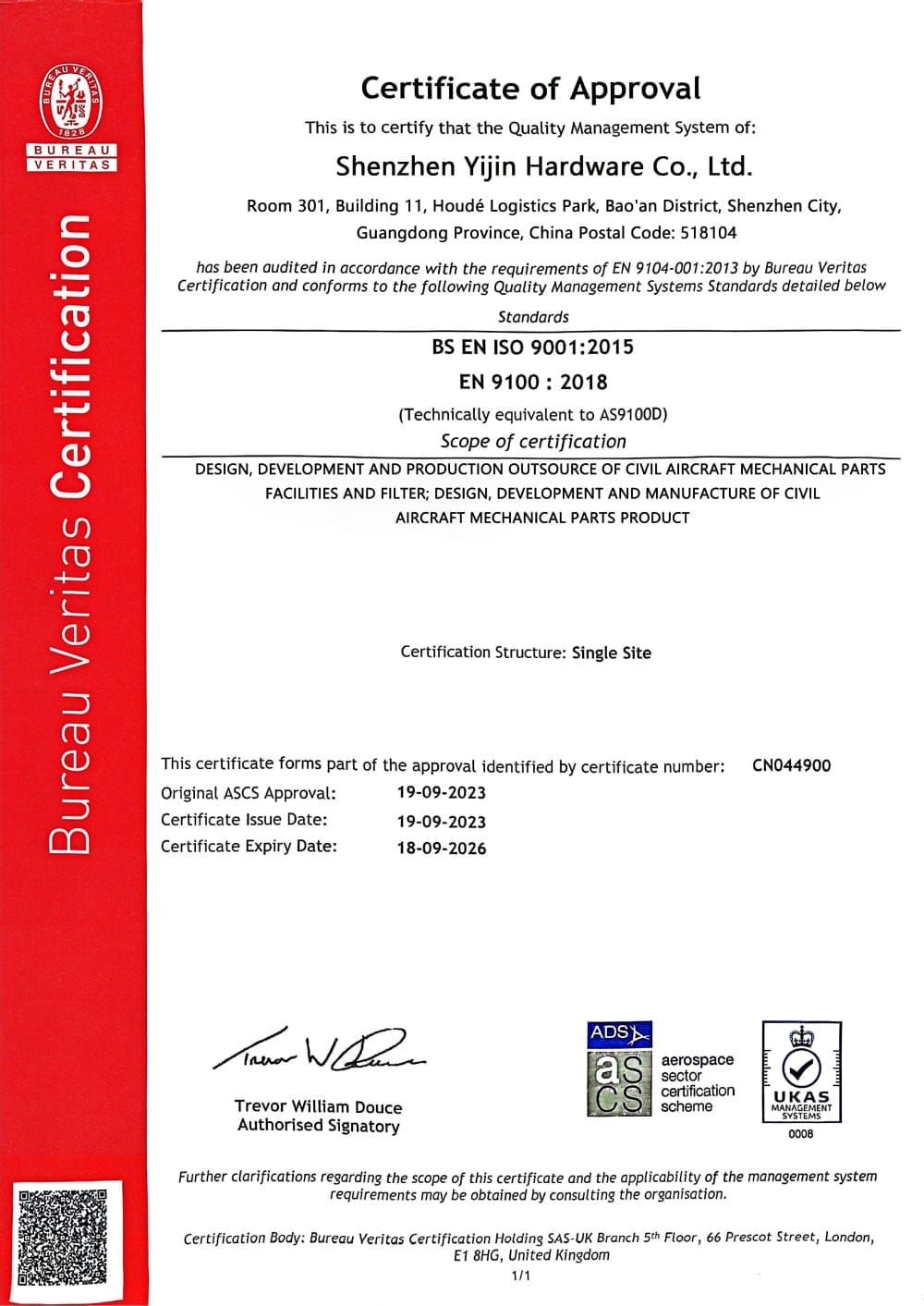
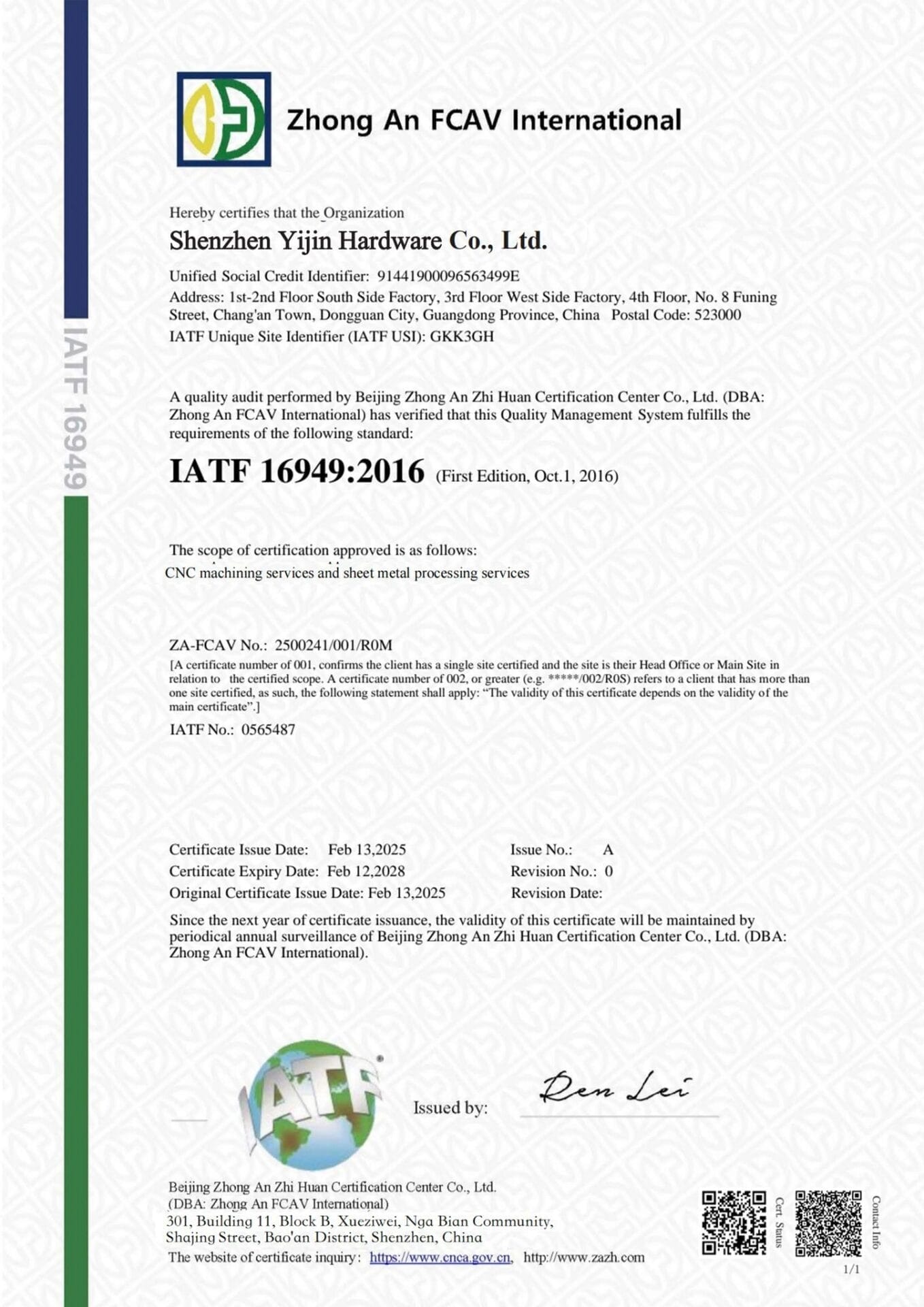
Zeiss CMMs and ASTM E8 tensile testing verify every build against AS9100D, ISO 13485, and IATF 16949 quality systems, with mill test reports issued per ASTM E1479.

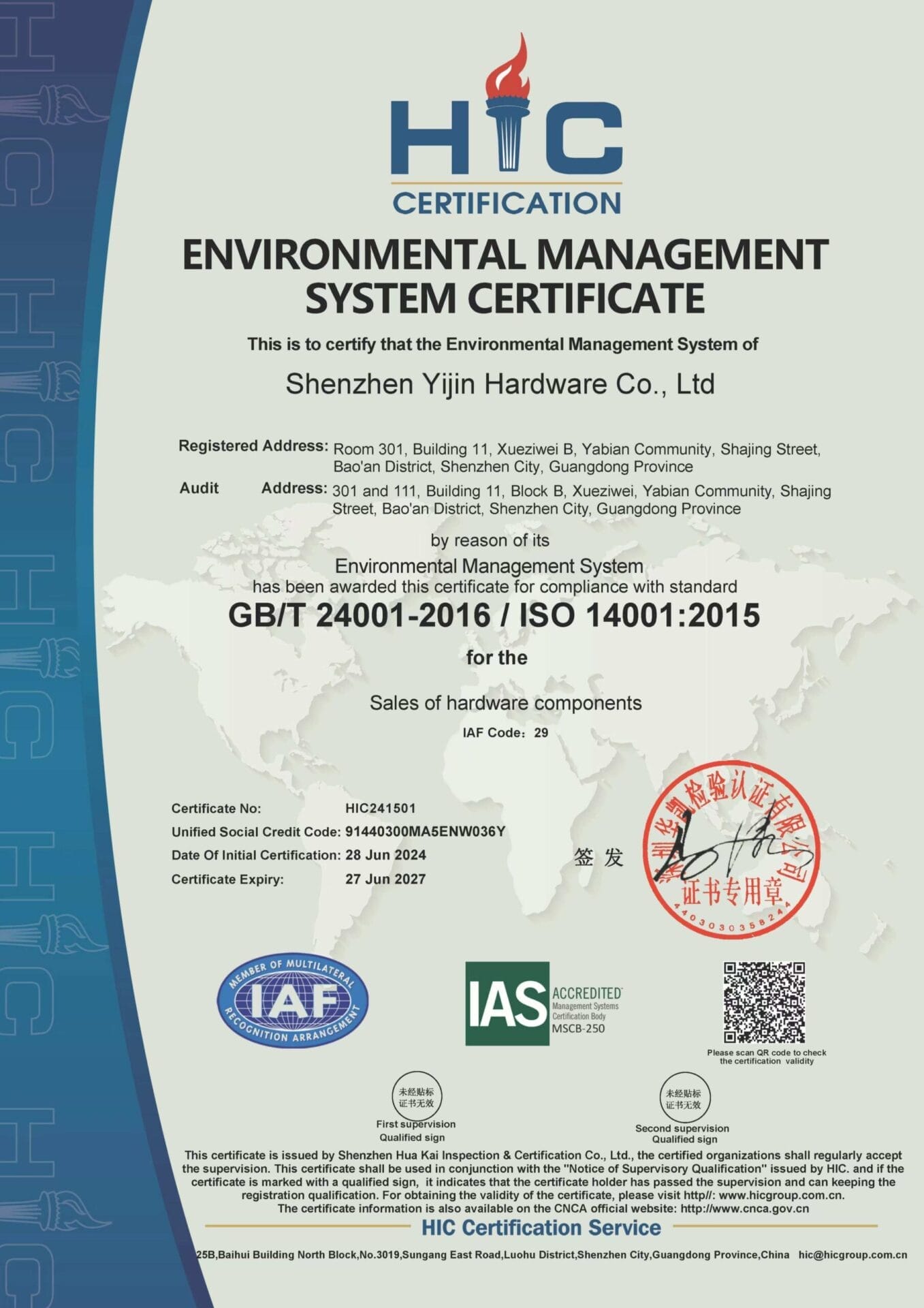
Nos certifications

What's Metal 3D Printing

Metal 3D printing, also called metal additive manufacturing, builds parts by fusing metal powder layer by layer instead of removing material from a solid block. A laser or binder joins each thin layer to the one below it, following a digital model until the part is complete.

This lets a design include internal channels, lattice structures, and consolidated assemblies that would be impossible or very costly to machine, at the cost of rougher as-built surfaces and the need for support structures on some geometries.

Qu'est-ce que l'impression 3D sur métal et comment fonctionne-t-elle ?
quelle est la comparaison entre le dmls et le binder jetting pour votre application l'impression 3d métal

How Metal 3D Printing Works

Metal 3D printing follows a repeatable sequence from digital file to finished part.

  1. File preparation: your CAD model is oriented, supported, and sliced into 20 to 60 μm layers.
  2. Build: a laser or binder fuses metal powder layer by layer inside an argon-purged or open build chamber.
  3. Support removal and heat treatment: parts are separated from the build plate, then stress-relieved or solution-treated per alloy.
  4. Finishing and inspection: critical faces are machined, surfaces are blasted or polished, and dimensions are verified against the drawing.

Why Choose Yijin Solution for Metal 3D Printing

We control every step of metal additive manufacturing from file review through build, heat treatment, and inspection.

precision and quality
Précision et qualité

Zeiss CMMs and ASTM E8 tensile testing verify every build. Parts hold ±0.1 mm as-built and ±0.05 mm on machined critical features.

délai d'exécution rapide
Délai d'exécution rapide

Prototypes ship in 7 to 10 business days and production orders in 3 to 5 weeks, with DMLS and Binder Jetting running in parallel.

order any size
Order Any Size

Single-piece prototypes and medium-volume production runs go through the same platforms and inspection standards. No minimum order quantity.

prototyping to production
Systèmes de qualité certifiés

AS9100D, ISO 13485, IATF 16949, and ISO 9001 certified, with material traceability and mill test reports on every build.

wide range materials
Material Breadth

Titanium, stainless and tool steels, Inconel, cobalt chrome, maraging steel, and aluminum, chosen for the alloy properties your part needs.

cost effective
Design Freedom

Conformal cooling, internal lattices, and consolidated assemblies that traditional machining and casting cannot produce in one build.

FAQs About Metal 3D Printing

Common questions about metal 3D printing processes, materials, and our production system.

Metal 3D printing is cost-effective for parts requiring complex geometries like conformal cooling channels or consolidated assemblies, since it eliminates tooling costs and long lead times. For simple geometries at higher volumes, CNC machining usually remains more economical, so we help you compare both routes during quoting.

Support removal adds labor and leaves a rougher finish than machining on affected surfaces. Parts carry residual stresses that require heat treatment, and build failures from powder contamination or poor supports can waste significant build time, which is why we inspect powder lots and simulate builds before committing a job.

Surfaces angled less than 45 degrees from horizontal generally need supports in powder bed fusion to prevent collapse during the build, while surfaces beyond 45 degrees self-support as each layer bonds to enough underlying material. Violating this rule typically produces a rough finish or an outright build failure.

Common materials include titanium alloys like Ti6Al4V, stainless steels such as 316L and 17-4 PH, nickel superalloys like Inconel 718, cobalt chrome, maraging steel, tool steel, and aluminum alloys such as AlSi10Mg, depending on the strength, temperature, and biocompatibility your application needs.

Cost depends on part volume, material, and post-processing, since metal powder and machine time cost more per hour than CNC machining. Complex geometries that consolidate several machined parts into one build often offset the higher per-hour cost. Upload your CAD file for a quote based on your specific design and material.

DMLS and SLM use a laser to sinter or fully melt metal powder layer by layer, producing dense parts directly in the machine but requiring supports on steep overhangs. Binder Jetting uses a liquid binder to bond powder at room temperature, then sinters the part afterward, which is faster for medium-volume batches but needs shrinkage compensation.

Binder Jetting is the more practical route for higher-volume metal 3D printing, since multiple parts can be packed into one build without laser scan-time penalties, and post-build sintering runs in batches. DMLS remains better suited to lower-volume, higher-complexity parts where geometry matters more than unit cost.

Upload your STEP, IGES, or STL file for an instant quote based on material, volume, and build orientation. Our engineering team reviews complex geometries for support strategy and post-processing needs, and returns a design-for-additive-manufacturing report alongside the quote within 24 hours.

Metal 3D printing produces complex geometries such as internal cooling channels and lattice structures that are difficult or impossible to machine, without cutting tool access limitations. It also consolidates multi-part assemblies into a single build and skips hard tooling, which is often faster and more cost-effective for low to medium production runs.

Metal 3D Printing Guides

Commencez dès aujourd'hui. Les pièces sont fabriquées rapidement.

Free Machined Parts Design to Your Projects with Reduced Lead Times Times.

Téléchargez vos dessins en 2D et au moins un fichier CAO en 3D pour obtenir un devis plus rapide et plus précis. Si vous avez plusieurs fichiers, veuillez les compresser dans un fichier .zip ou .rar. Vous préférez le courrier électronique ? Envoyez votre appel d'offres à info@yijinsolution.com.

Glisser-déposer des fichiers,, Choisir les fichiers à télécharger Vous pouvez téléverser jusqu’à 15 fichiers.
Cases à cocher
Glisser-déposer des fichiers,, Choisir les fichiers à télécharger Vous pouvez téléverser jusqu’à 15 fichiers.
1 / 2 SERVICE

Demande de devis

Téléchargez vos fichiers de conception pour obtenir un devis rapide, des délais de livraison précis et une analyse DFM gratuite.

Cases à cocher
Glisser-déposer des fichiers,, Choisir les fichiers à télécharger Vous pouvez téléverser jusqu’à 15 fichiers.

Veuillez joindre vos dessins CAO en 2D et vos modèles CAO en 3D dans n'importe quel format, y compris STEP, IGES, DWG, PDF, STL, etc. Si vous avez plusieurs fichiers, comprimez-les dans un fichier ZIP ou RAR. Vous pouvez également envoyer votre appel d'offres par courrier électronique à l'adresse suivante info@yijinsolution.com.