



Consumer Product Custom Parts Manufacturing
Consumer product teams work to compressed development cycles and high aesthetic finish standards, with cosmetic tolerances that have to hold at volume. Yijin Solution machines, molds, and casts enclosures and structural components for consumer product programs, from first sample through volume manufacturing.
Join 3000+ companies who work with Yijin Solution


Industries We Serve
Consumer product companies and product development teams source enclosures, housings, and structural components for electronics, smart home devices, and connected hardware. Cosmetic surfaces and structural features sit on the same part, so appearance and dimensional control are specified together. Programs in wearables, smart home, and portable electronics hold a cosmetic standard across every volume tier. The manufacturing partnership resolves the finish and tolerance drift that appears when prototype and production work sit with separate vendors.
Manufacturing Capabilities for Consumer Products
Consumer products combine a metal or plastic outer housing with internal brackets, fasteners, and mounting features. Appearance requirements sit on the housing while dimensional control sits on the internals, so process selection follows the part rather than the product.

CNC Machining
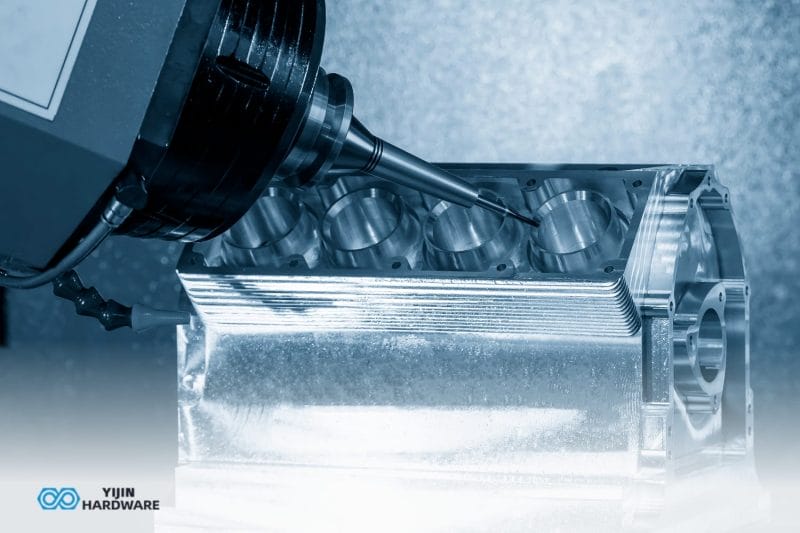
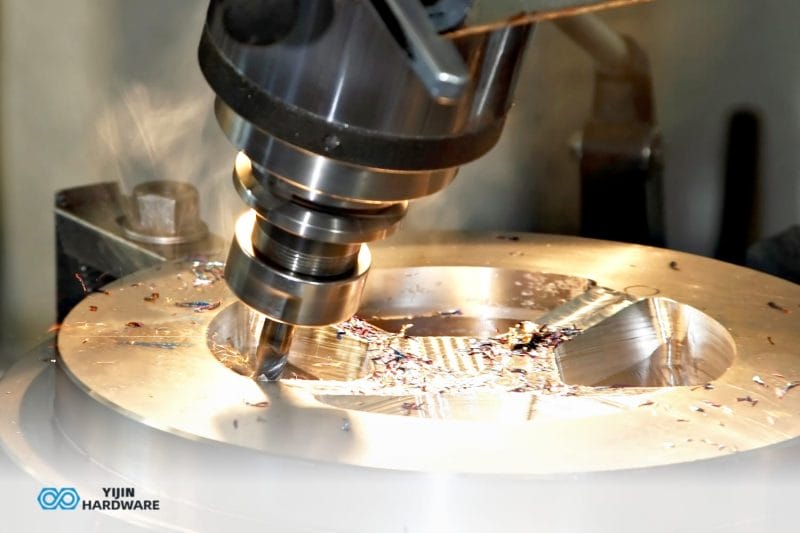
CNC machining produces aluminum and engineering plastic enclosures, prototype housings, and structural internals. Precision features hold tolerances as tight as plus or minus 0.01 mm, with general dimensions referenced to ISO 2768.

Injection Molding
Injection molding produces plastic enclosures, bezels, buttons, and covers at volume in ABS, glass-filled nylon, and similar engineering resins. Standard tolerances run plus or minus 0.10 to 0.20 mm, with parts up to 1000 by 1000 by 300 mm.

Die Casting
Die casting produces zinc and aluminum consumer electronics housings, including thin-wall portable device frames. Standard tolerances run plus or minus 0.30 mm, with parts up to 400 by 400 by 200 mm.

Sheet Metal Fabrication
Sheet metal fabrication produces internal chassis, brackets, and structural panels with EMI shielding geometry, in stainless steel or mild steel. Standard tolerances run plus or minus 0.30 mm, with sheet sizes up to 2440 by 1220 mm.

Surface Finishing
Surface finishing covers anodizing, painting, and plating, selected against the base material and the cosmetic standard set for the part. Not every part requires a finish, and the choice does not follow the upstream manufacturing process.
Parts We Make for Consumer Products
Consumer product teams source housings, brackets, and internal structural parts across several materials for a single product line. Enclosure geometry usually drives the process choice, and the internals follow.
| Component | Description |
|---|---|
| Aluminum consumer electronics enclosures | CNC machined and anodized to tight dimensional tolerances |
| ABS product housings | Injection molded at volume with a Class A surface finish |
| Zinc die-cast portable device frames | Thin-wall sections held to tight tolerance |
| Sheet metal internal chassis | Stainless steel or mild steel, designed for EMI shielding |
| Plastic button and control bezels | Injection molded, with overmolding options |
| Wearable device frames | CNC machined in aluminum or titanium |
| Smart home product enclosures | Injection molded or die cast, depending on production volume |
| Handheld tool housings | Injection molded in glass-filled nylon |
| Point-of-sale terminal enclosures | Die cast in zinc or aluminum |
| Consumer appliance structural brackets | Sheet metal, powder coated |
From Idea to Production
Consumer product programs move from concept sketch to shippable design under tight schedules, and a late design change can hold a launch date. A design for manufacturability review covers wall thickness, draft, and feature access before tooling is committed. Tooling and process parameters established at the prototype stage carry forward, which holds finish and tolerance intent into the first production batch. Programs moving from concept to volume can begin through Yijin’s new product development services.

Nickel
Corrosion resistance and wear resistance. Versatile across most substrates and commonly used as an underlayer for chrome or gold.

Chrome
Hard chrome for wear surfaces such as hydraulic cylinders and valve bodies; decorative chrome for cosmetic applications including consumer hardware and automotive trim.

Zinc
Cost-effective corrosion protection for steel parts, often paired with chromate or trivalent passivation.

Zinc-Nickel
High-performance corrosion protection for aerospace fasteners and structural fittings, and the modern replacement for cadmium plating.

Gold
Electrical conductivity and contact reliability for connectors, semiconductor components, and aerospace electronics.

Copper
Undercoat for adhesion and uniformity, or standalone for EMI shielding and electrical conductivity.

Tin
Solderability and corrosion resistance for electronic component leads and food-contact hardware.

Silver
High electrical and thermal conductivity for specialized electronic and aerospace applications.
Carbon Steel
The most common substrate for black oxide. Produces the deepest, most uniform black. Machined or media-blasted surfaces give the best results. Standard for fasteners, tooling, fixtures, and machine components.
Why Consumer Product Manufacturers Choose Yijin

Precision and Quality
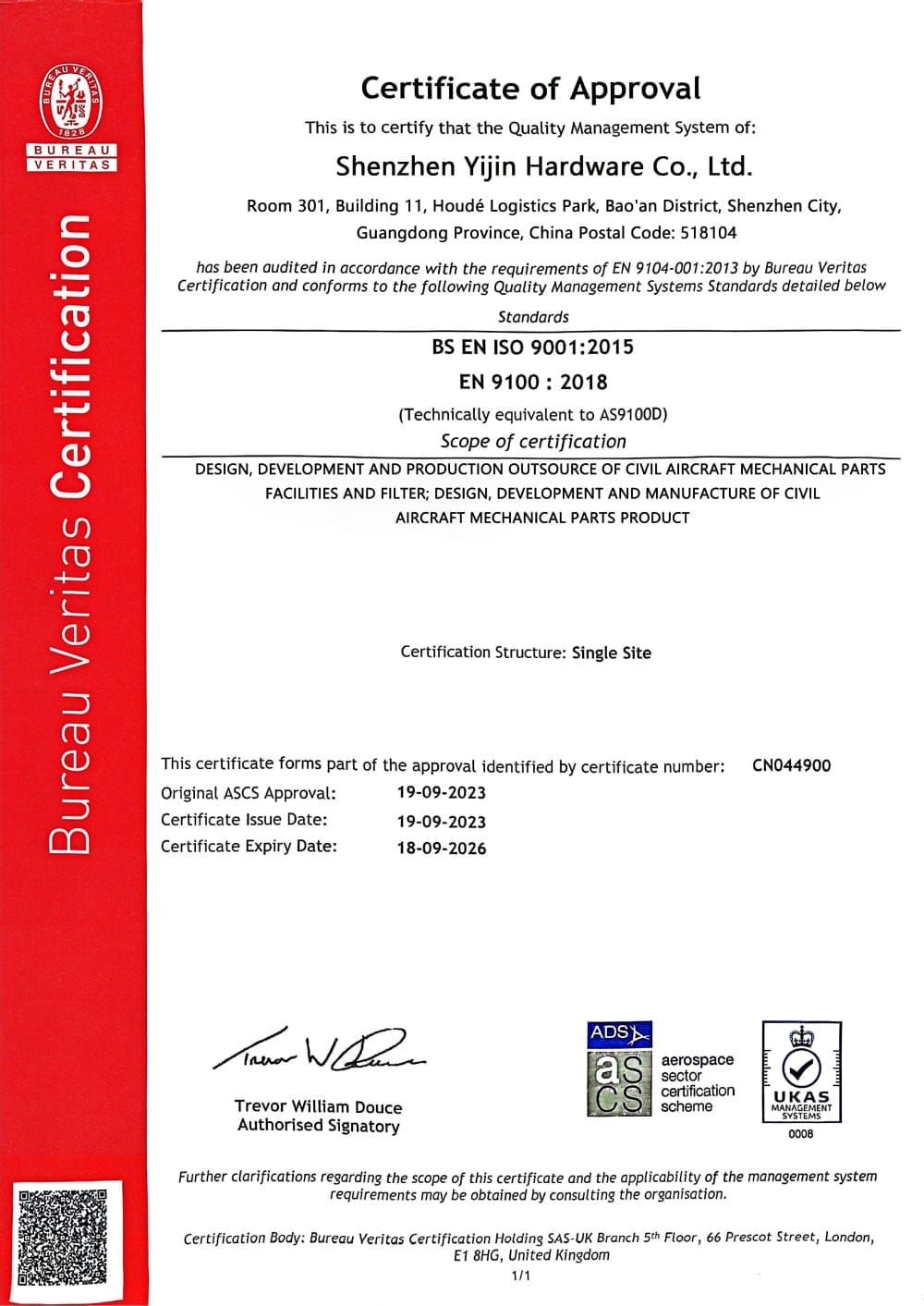
Consumer product components are machined under an ISO 9001-certified quality system, with dimensional inspection reports issued on request.

Fast Turnaround
CNC machined prototypes ship in 3 to 7 days, giving programs a fast iteration loop before production tooling is committed.

Order Any Size
Order quantities run from single prototype parts to volume production releases, with tooling sized to the volume ordered.

Prototyping to Production
Injection tooling with first samples runs 25 to 35 days, and production releases follow in 5 to 15 days.

Material Breadth
Aluminum, zinc, stainless steel, and engineering plastics such as ABS and glass-filled nylon are matched to appearance, stiffness, and volume.

Consumer Product Custom Parts Gallery
Consumer Product Custom Parts Manufacturing FAQs
What surface finish options are available for consumer-facing aluminum parts?
Anodizing, painting, and plating cover the finish options, chosen by color, texture, and durability needs. Anodizing is the common choice for enclosures that need a scratch-resistant, color-consistent surface.
What plastic materials are available for consumer product injection molding?
ABS suits housings that need a Class A surface finish. Glass-filled nylon suits parts that need added stiffness, such as handheld tool housings. Selection follows impact resistance, appearance, and operating environment.
How are cosmetic and dimensional acceptance standards applied to consumer-grade parts?
Parts are checked against the drawing tolerance and an agreed visual acceptance standard before shipment. Consumer-facing surfaces such as bezels and enclosure faces receive additional visual inspection beyond the dimensional check applied to internal structural parts.
What is the minimum order quantity for custom consumer product parts?
Minimum order quantity depends on the process and part geometry rather than a fixed number. CNC machined prototypes can start at a single unit. Injection molded and die cast parts carry a higher minimum tied to tooling cost.
What quality certifications apply to consumer product parts manufactured in China?
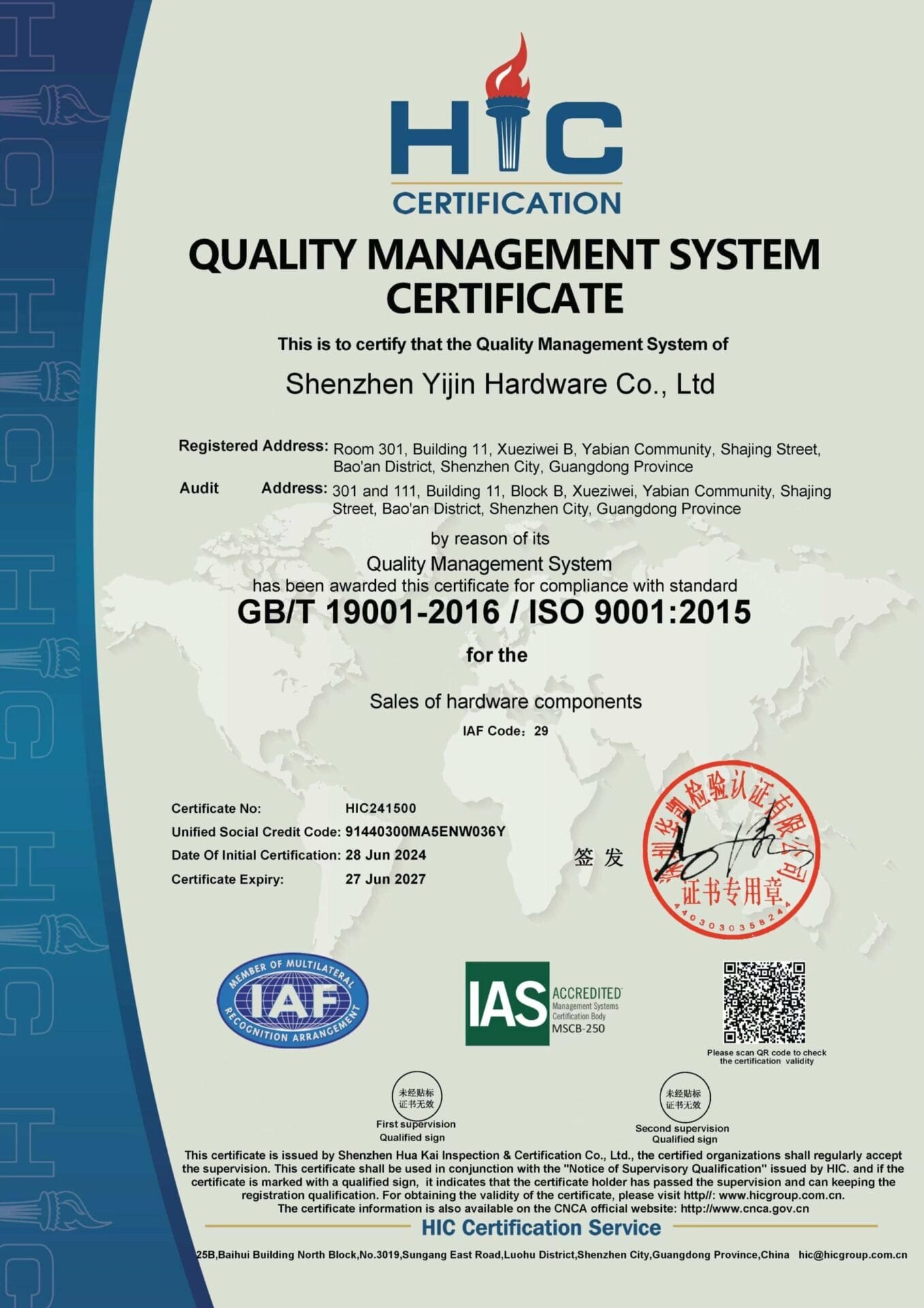
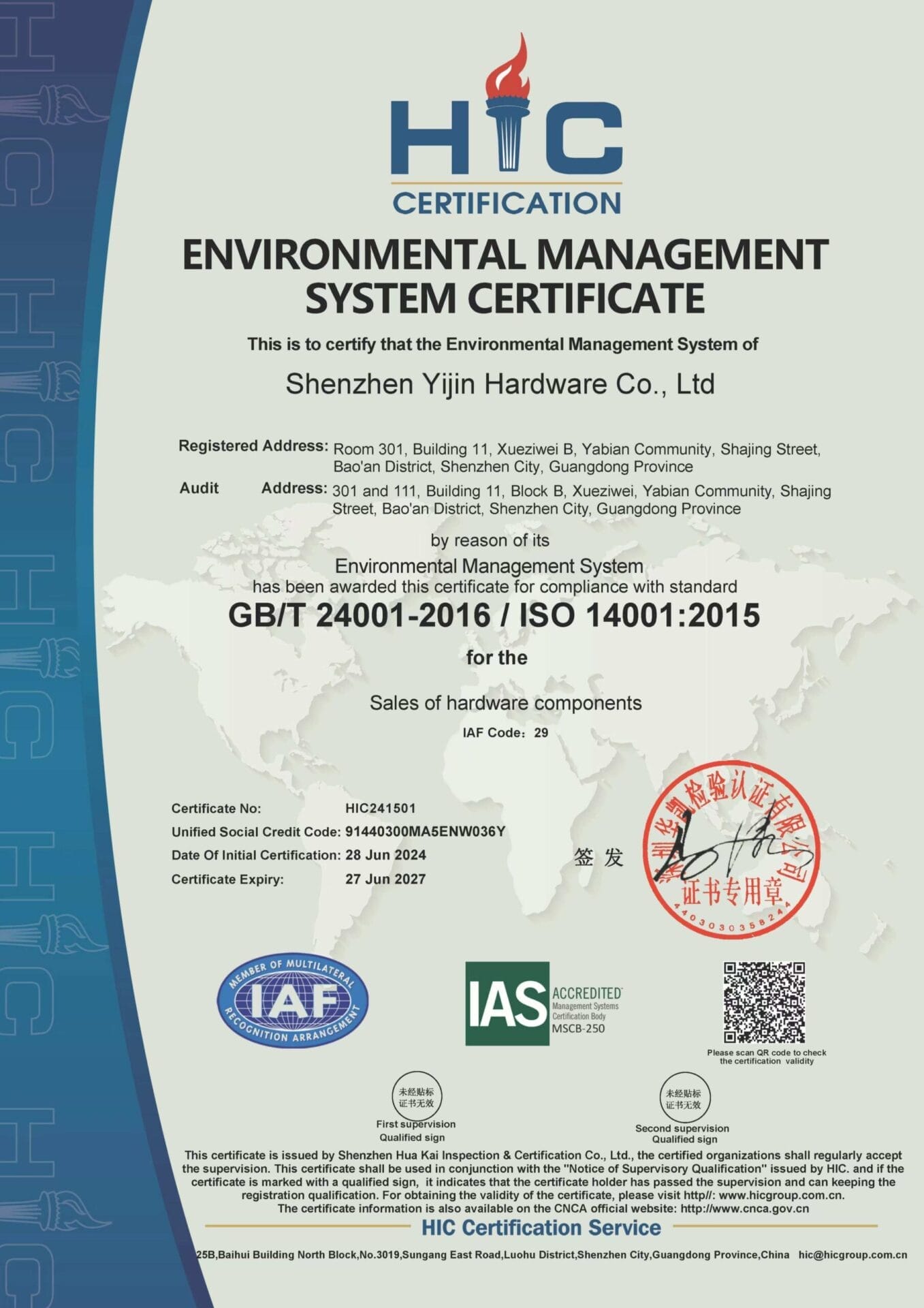
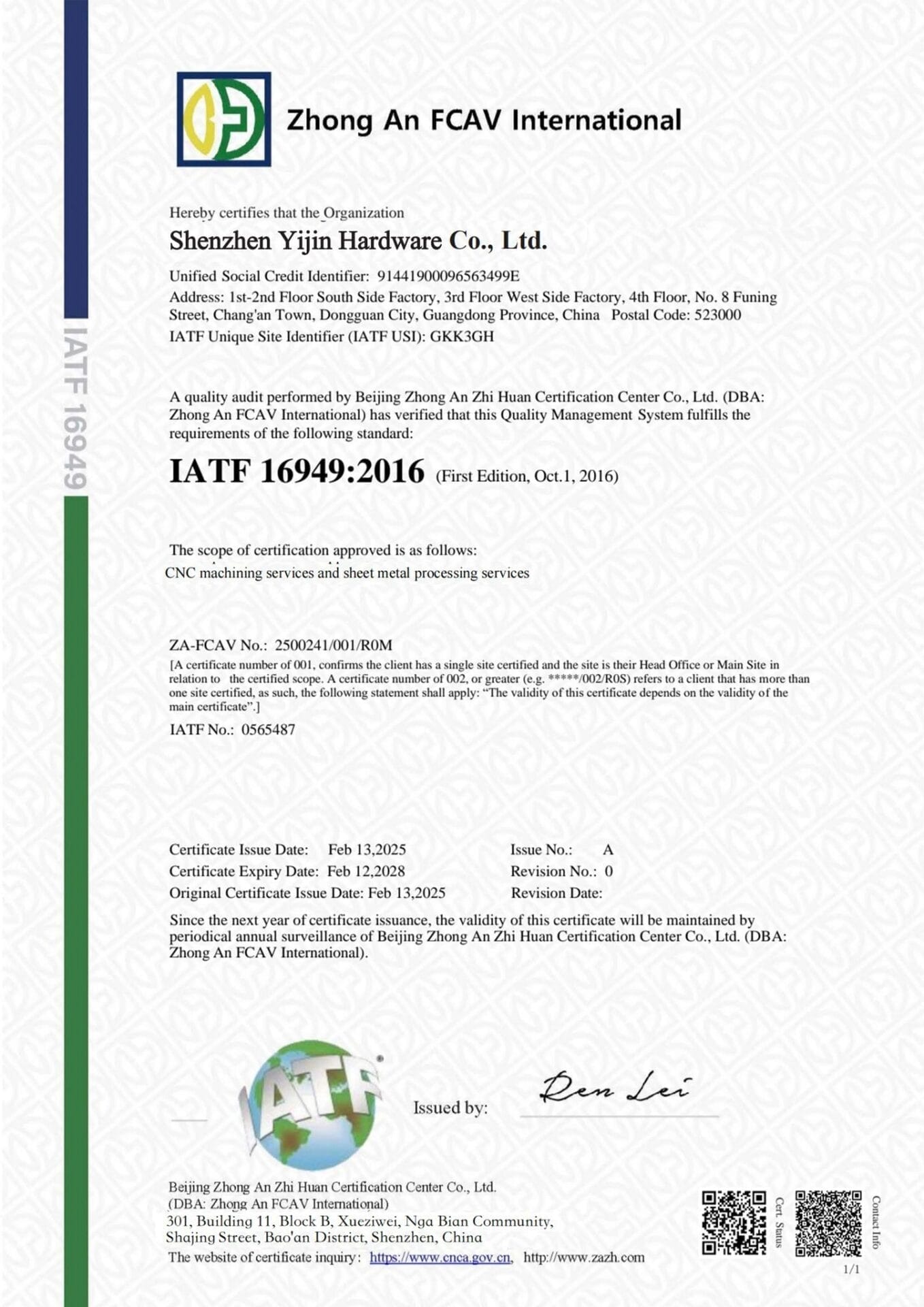
The facility holds ISO 9001, ISO 14001, ISO 13485, and IATF 16949 certifications. Certificate copies and inspection documentation are available before an order ships.
What is the typical lead time for consumer electronics enclosures?
Production quantities typically run 2 to 4 weeks from order confirmation, depending on part complexity. Enclosures requiring new tooling add mold build and first sample time before production releases begin.

China vs US Manufacturing: CNC Costs, Reshoring, and How to Decide
A US shop and a China shop can quote the same CNC part two to three times apart. Buyers pause

IP Protection When Outsourcing CNC Machining to China
A buyer shares a full set of CAD drawings with a new supplier in China. Weeks later, a near-identical product

China CNC Machining Quality Control: AS9100 and ISO Realities
A certificate list on a supplier’s homepage does not prove much by itself. Anyone can post logos for ISO 9001,
Consumer product programs turn on whether a prototype geometry still molds or machines cleanly at production volume, and on whether the finish holds across batches.
Yijin Solution reviews part geometry for manufacturability before tooling begins, so material, wall thickness, and finish choices hold from first sample to full production.
Submit a drawing or 3D model for a free DFM review and a lead-time estimate.