CVD Coating Services
We apply Chemical Vapor Deposition (CVD) coatings that deliver extreme surface hardness, wear resistance, and thermal stability. Every coating gets matched to the substrate, the operating environment, and the performance the part needs to deliver.
- Substrates: tungsten carbide, tool steel, high-temperature nickel alloys, ceramics, and graphite.
- Coatings: TiC, TiCN, TiN, AlβOβ, and multilayer combinations.
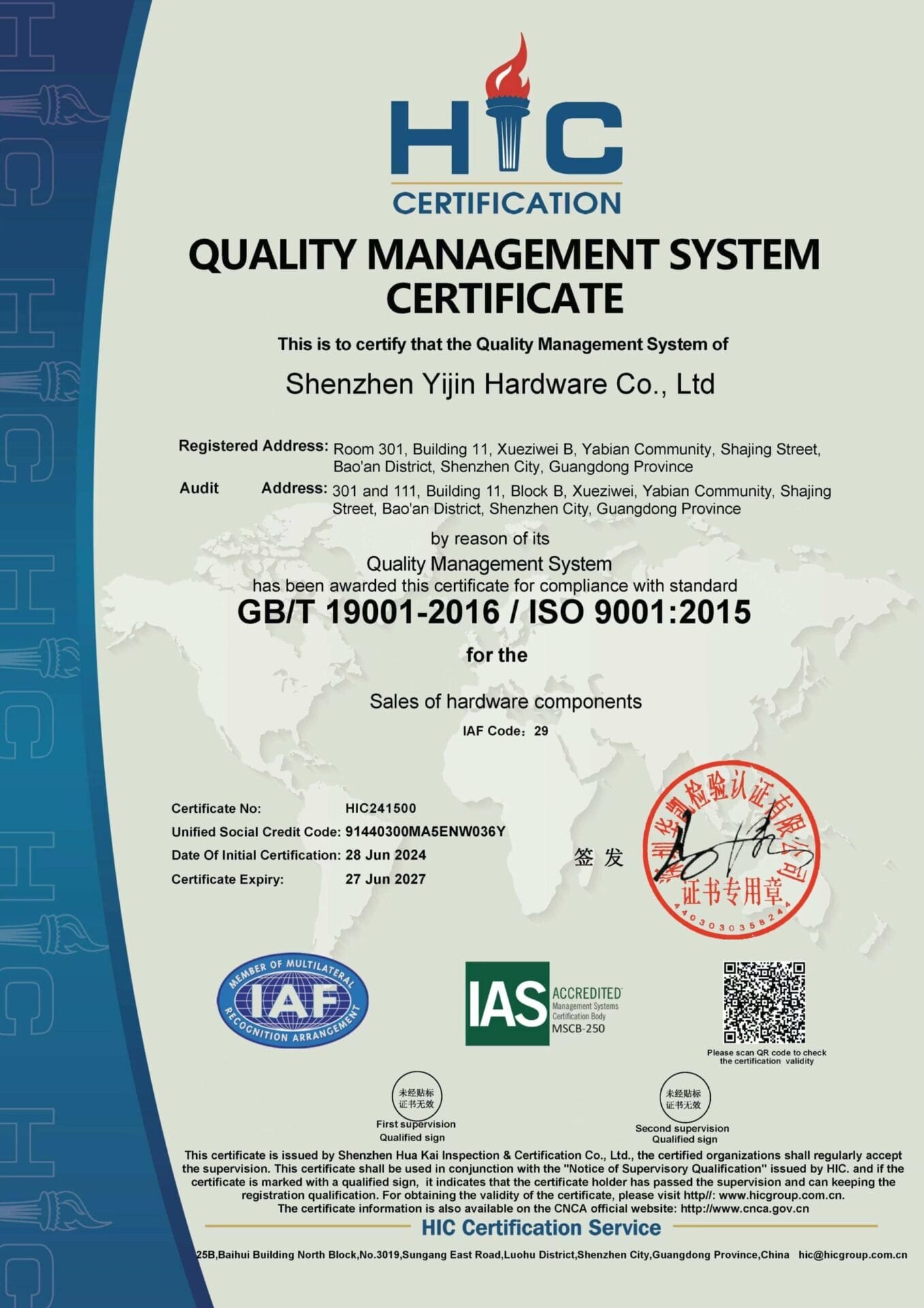
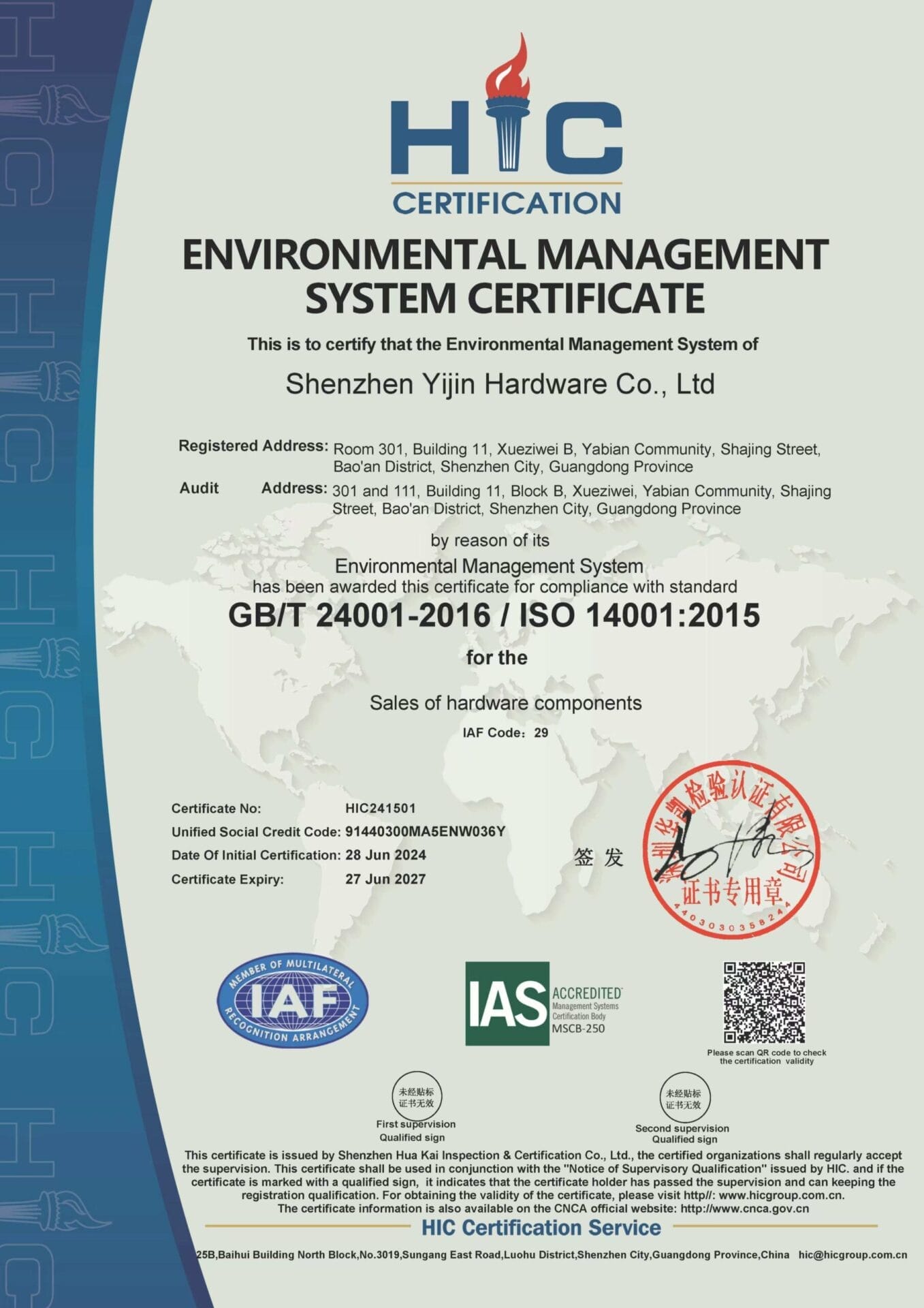
- Quality system: ISO 9001 and ISO 14001 certified.
Join 3000+ companies who work with Yijin Solution


CVD Coating with Yijin Solution
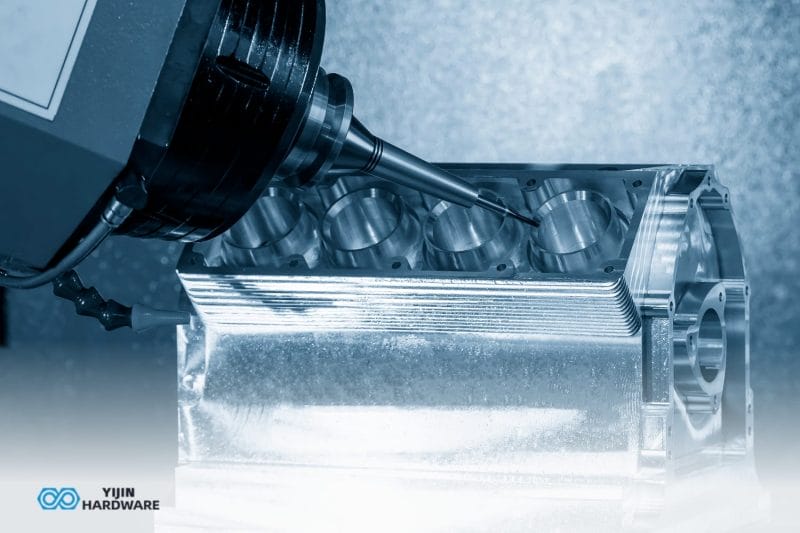
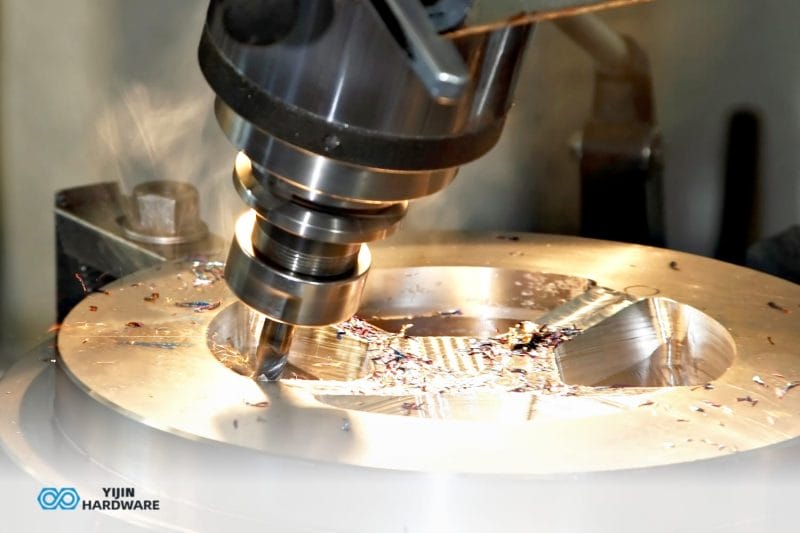
Yijin Solution applies CVD coating in TiC, TiCN, TiN, AlβOβ, and multilayer combinations, in-house, to tooling, forming dies, cutting inserts, and machined components.
We coat tungsten carbide, tool steel, high-temperature nickel alloys, ceramics, and graphite. The coating adds extreme surface hardness, wear resistance, and thermal stability, which extends service life between regrinds and strengthens part performance.
Our CVD coating service supports high-volume cutting, metal forming, and high-temperature tooling, helping parts run faster and last longer.
CVD Coating Capabilities
The table below summarizes our standard CVD coating specifications.
| Parameter | Spezifikation |
|---|---|
| Coating types offered | TiC, TiCN, TiN, AlβOβ, and multilayer combinations |
| Process methods | High-temperature CVD (HT-CVD) and medium-temperature CVD (MT-CVD) |
| Typical coating thickness | 5 to 12 microns standard; up to 20 microns in special cases, confirmed at the quote stage |
| Hardness range | HV 2400 to 3400, depending on coating type and layer structure |
| Substrate compatibility | Tungsten carbide, tool steel (post-coating heat treatment required), high-temperature nickel alloys, ceramics, and graphite |
| Process temperature | HT-CVD: 900 to 1050 °C. MT-CVD: 700 to 900 °C. Post-coating heat treatment required for steel substrates |
| Dimensional impact | Additive process. Film adds 5 to 12 microns per surface, thicker than PVD but within range for most tooling tolerances |
| Coating uniformity | Uniform coverage on complex geometries and internal surfaces, superior to PVD for non-line-of-sight areas |
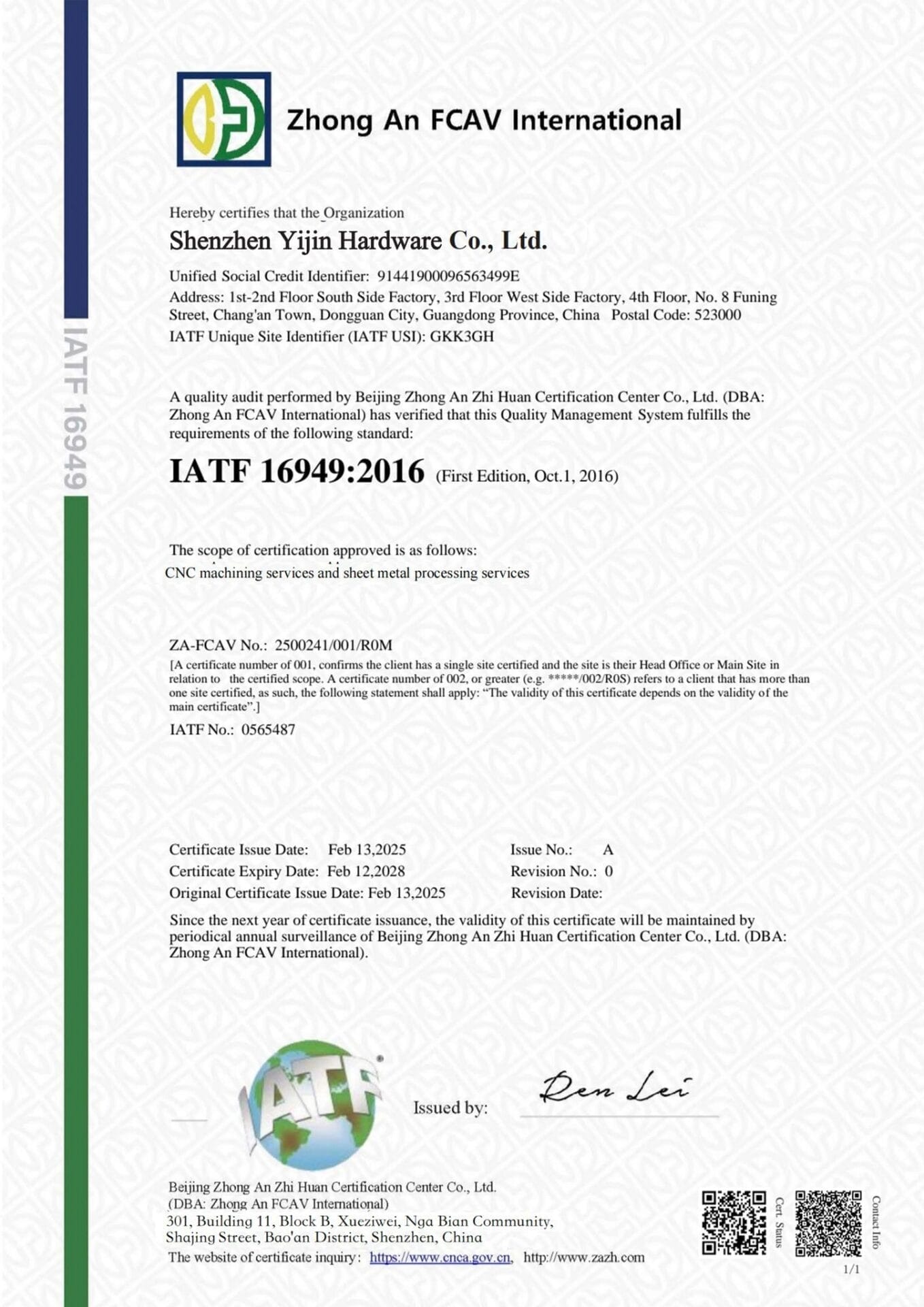
| Compliance | ISO 9001 and ISO 14001 |
CVD Coating Types
Each coating delivers a different combination of hardness, friction coefficient, color, and thermal performance. Below covers the PVD coatings we apply most frequently.

TiC (Titanium Carbide)
Gray. HV 2800 to 3200. Friction coefficient approximately 0.2 to 0.4. Highest abrasive wear resistance among standard CVD coatings. Primary choice for metal-forming dies, stamping punches, and carbide cutting inserts.

TiCN (Titanium Carbonitride)
Gray-blue. HV 2800 to 3200. Friction coefficient approximately 0.3. Combines wear resistance with improved toughness over TiC. Preferred for interrupted cutting operations, forming dies, and medium-load tooling.

TiN (Titannitrid)
Gold. HV 2000 to 2500. Friction coefficient approximately 0.4. General-purpose wear resistance and a wear-detection layer. Often used as the outermost layer in multilayer CVD stacks for visual wear identification on cutting inserts.

AlβOβ (Aluminum Oxide)
Black or gray. HV 2000 to 2200. Exceptional thermal stability and hot hardness. Serves as a thermal barrier for high-speed cutting and high-temperature forming. Available in alpha phase and kappa phase.

Multilayer CVD (TiCN/AlβOβ/TiN and similar)
Engineered layer combinations that pair the adhesion and wear resistance of carbide and nitride bond coats with the thermal barrier of aluminum oxide. This is the standard architecture for high-performance cutting inserts and forming tools.

Nickel
Corrosion resistance and wear resistance. Versatile across most substrates and commonly used as an underlayer for chrome or gold.

Chrome
Hard chrome for wear surfaces such as hydraulic cylinders and valve bodies; decorative chrome for cosmetic applications including consumer hardware and automotive trim.

Zink
Cost-effective corrosion protection for steel parts, often paired with chromate or trivalent passivation.

Zinc-Nickel
High-performance corrosion protection for aerospace fasteners and structural fittings, and the modern replacement for cadmium plating.

Gold
Electrical conductivity and contact reliability for connectors, semiconductor components, and aerospace electronics.

Kupfer
Undercoat for adhesion and uniformity, or standalone for EMI shielding and electrical conductivity.

Tin
Solderability and corrosion resistance for electronic component leads and food-contact hardware.

Silver
High electrical and thermal conductivity for specialized electronic and aerospace applications.
Materials We CVD Coat
The substrate determines which coatings are compatible and what preparation or post-processing steps are required.
Tungsten Carbide
The primary substrate for CVD-coated cutting inserts and wear parts. The carbide bond provides excellent adhesion. CVD multilayer coatings on carbide inserts are an industry standard for high-volume turning and milling of steel and cast iron.
Werkzeugstahl
CVD adds extreme wear resistance to forming dies, punches, extrusion dies, and mold cores. Steel substrates require post-coating heat treatment to restore hardness after the high-temperature CVD cycle. For substrates that cannot tolerate heat treatment or temperatures above 500 °C, PVD coating may be the better alternative.
Hochwarmfeste Nickellegierungen
Suitable substrates for CVD coating in aerospace and energy applications where parts already operate in high-temperature environments.
Keramik
CVD coatings on ceramic substrates add wear and thermal resistance for specialized cutting tools and industrial wear components.
Graphite
CVD coating extends the service life of graphite electrodes, crucibles, and fixtures used in high-temperature industrial processes.
Our CVD Coating Process
Every CVD coating order follows the same structured workflow from quote to shipment.
- Quote and DFM review on uploaded CAD files. Coating type, thickness, layer architecture, and masking requirements are confirmed at this stage. Coating specification is referenced to ISO 2768 for tolerance framing.
- Part manufacturing via CNC machining, die casting, or 3D printing if ordered as an integrated service.
- Substrate preparation, including cleaning to remove all oils, grease, and foreign matter. Surface condition is checked to verify proper coating adhesion.
- Masking of threads, mating surfaces, and other features that must remain uncoated.
- CVD deposition in-house. Parts are loaded into the reactor and heated to process temperature, 700 to 1050°C, depending on the method. Precursor gases are then introduced, and coating layers are deposited through controlled chemical reaction.
- Post-coating heat treatment for steel substrates to restore hardness after the high-temperature CVD process.
- Post-coating inspection, including visual check, adhesion test, hardness verification, and dimensional spot-check where required.
- Packaging and shipment from our Shenzhen or Florida facility.
Industries and Applications
CVD-coated parts serve industries that run tooling under heavy load, high cutting speed, or sustained heat.
Forming dies for body panels, stamping punches, and powertrain tooling. CVD coatings extend die life and reduce galling during high-volume pressing operations.
Turbine components, fastener tooling, and actuator wear surfaces. High-temperature CVD coatings hold hardness and wear resistance through thermal cycling.
Cutting inserts, forming dies, extrusion tooling, injection mold cores, and punches. CVD-coated tooling lasts longer between regrinds, supports higher cutting speeds, and produces better surface finishes.
Valve components, pump wear rings, and downhole tool surfaces operating in abrasive and corrosive environments.
CVD coated graphite fixtures and process components used in wafer fabrication and high-purity environments.
Why Yijin for CVD Coating
Yijin Solution runs CVD coating and part manufacturing in one facility. The points below cover quality, turnaround, order size, production scale, material range, and cost.

PrΓ€zision und QualitΓ€t
ISO 9001 and ISO 14001 certified quality and environmental management systems are in place. Adhesion and hardness testing confirm every finish before parts ship, and Zeiss CMM inspection is available for dimensional verification.

Schneller Turnaround
In-house CVD coating runs alongside CNC machining, die casting, and sheet metal fabrication. Parts move from manufacturing to coating without third-party handoffs, which reduces lead time and the risk of handling damage between facilities.

Order Any Size
CVD coating orders are accepted from single prototypes through to high-volume production runs. Coating type, thickness, and layer architecture are confirmed at the quote stage regardless of order volume.

Prototyping to Production
DFM review at the quotation stage flags CVD-related design points early. Substrate selection for high-temperature processing, post-coating heat treatment, masking complexity, and coating layer architecture are settled before production begins, which supports a smooth transition from prototype approval to volume output.

Material Breadth
CVD coating is applied across tungsten carbide, tool steel, high-temperature nickel alloys, ceramics, and graphite. TiC, TiCN, TiN, AlβOβ, and multilayer combinations are available to match the substrate and the application.

KostengΓΌnstig
Combining part manufacturing and CVD coating under one roof removes third-party finishing costs and eliminates the freight and handling charges that arise when coating is sourced separately. The coating is specified and priced at the quote stage, so there are no surprises at the finishing step.
Gallery of CVD Coated Parts
The gallery shows representative CVD-coated parts produced across automotive, aerospace, industrial tooling, energy, and semiconductor applications.
CVD Coating FAQs
What coating thickness can you achieve with CVD?
Standard CVD coatings range from 5 to 12 micrometers, with up to 20 microns possible in special cases. Thicker coatings maximize wear life, and thinner coatings preserve cutting edge sharpness. The right thickness depends on the coating material, layer architecture, and application.
What is the difference between CVD and PVD coating?
CVD operates at 700 to 1050°C and deposits films 5 to 20 microns thick, with uniform coverage across complex geometries and internal surfaces. PVD operates at 150 to 500°C and deposits thinner films of 0.5 to 5 microns through physical vaporization, making it a better fit for heat-sensitive substrates and tight-tolerance parts. Our PVD coating page covers our PVD capabilities in full.
Will CVD coating change my part dimensions?
CVD is additive and adds a thin film per surface, thicker than PVD but within range for most tooling tolerances. For parts with critical dimensions, agree on coating thickness targets and masking with our engineering team at the quote stage so the finished size stays in tolerance.
Does CVD coating require post-coating heat treatment?
Steel substrates need post-coating heat treatment to restore hardness after the high-temperature CVD cycle. Tungsten carbide substrates do not. For applicable substrates, heat treatment is included as a standard step.
Which substrates are compatible with CVD coating?
CVD suits tungsten carbide, tool steel, high-temperature nickel alloys, ceramics, and graphite. The substrate must tolerate process temperatures of 700 to 1050°C. Materials with lower melting or tempering points, such as aluminum, brass, and most plastics, are coated with PVD instead.
Can you mask specific areas to keep them uncoated?
Yes. Threads, mating surfaces, and other features that must stay uncoated are masked before parts enter the CVD reactor. Masking requirements are confirmed during DFM review.
What is the typical lead time for CVD coating on machined parts?
Lead time depends on order volume, part complexity, and the finishing schedule. For steel substrates, post-coating heat treatment adds time and is factored in at the quote stage. For most orders, CVD coating runs in parallel with manufacturing rather than adding a separate finishing queue.

3D-Printed Snap-Fit Trim Housing Prototype: From CAD Review to Functional Assembly Validation
How a matched prototype set turned a visual concept into a practical basis for fit, feature, and production-readiness decisions. A

Low-Volume & Prototype CNC Machining in China
How prototype CNC machining prices behave from 1 to 500 units, what the move to production involves, and what a

CNC Milling | A Practical Guide to Parts, Tolerances, and Material Selection
Learn how CNC milling services handle part types, realistic tolerances, materials, 3-axis and 5-axis work, DFM, pricing, inspection, and sourcing
Request a CVD Coating Quote
CVD coating adds extreme hardness, wear resistance, and thermal stability to tooling and machined components through a chemically bonded ceramic film that coats complex geometries uniformly. Yijin Solution provides CVD coating services as part of in-house finishing, so the coating is specified and verified alongside the part it protects.