Aufregende Neuigkeiten! Yijin Hardware wird umbenannt in Yijin Solution. Read more β†’

No Drawings? No Problem. From concept to production, our designers and engineers handle everything in between. Explore Our New Services

Bead Blasting Overview

Bead blasting propels fine spherical media against a part surface using compressed air. It removes burrs, machining marks, and minor surface imperfections. The result is a uniform matte or satin texture. It is a surface finish process, not a material-removal process. Part dimensions stay intact.

  • Produces a clean, non-directional surface
  • Improves coating adhesion for anodizing, powder coating, and paint
  • Media type and pressure are selected based on your finish requirements

At Yijin Solution, masking, media selection, and surface prep are confirmed during the DFM review before machining begins.

bead blasting overview
From Idea to Production

Sheet metal fabrication is one stage in a larger product development process. We support the full path from initial concept through engineering review, prototyping, design validation, and volume production.

Bead Blasting Capabilities

Our bead blasting specifications for custom parts:

Parameter Spezifikation
Media types offered Glass bead, sand
Finish types Matte, satin, textured
Tolerance impact Minimal material removal; suitable for cosmetic and pre-coating surfaces
Compatible base processes CNC milling, CNC turning, sheet metal fabrication, die casting, 3D printing
Maximum part size Up to 3,000 mm long for milled parts; up to 400 mm diameter for turned parts
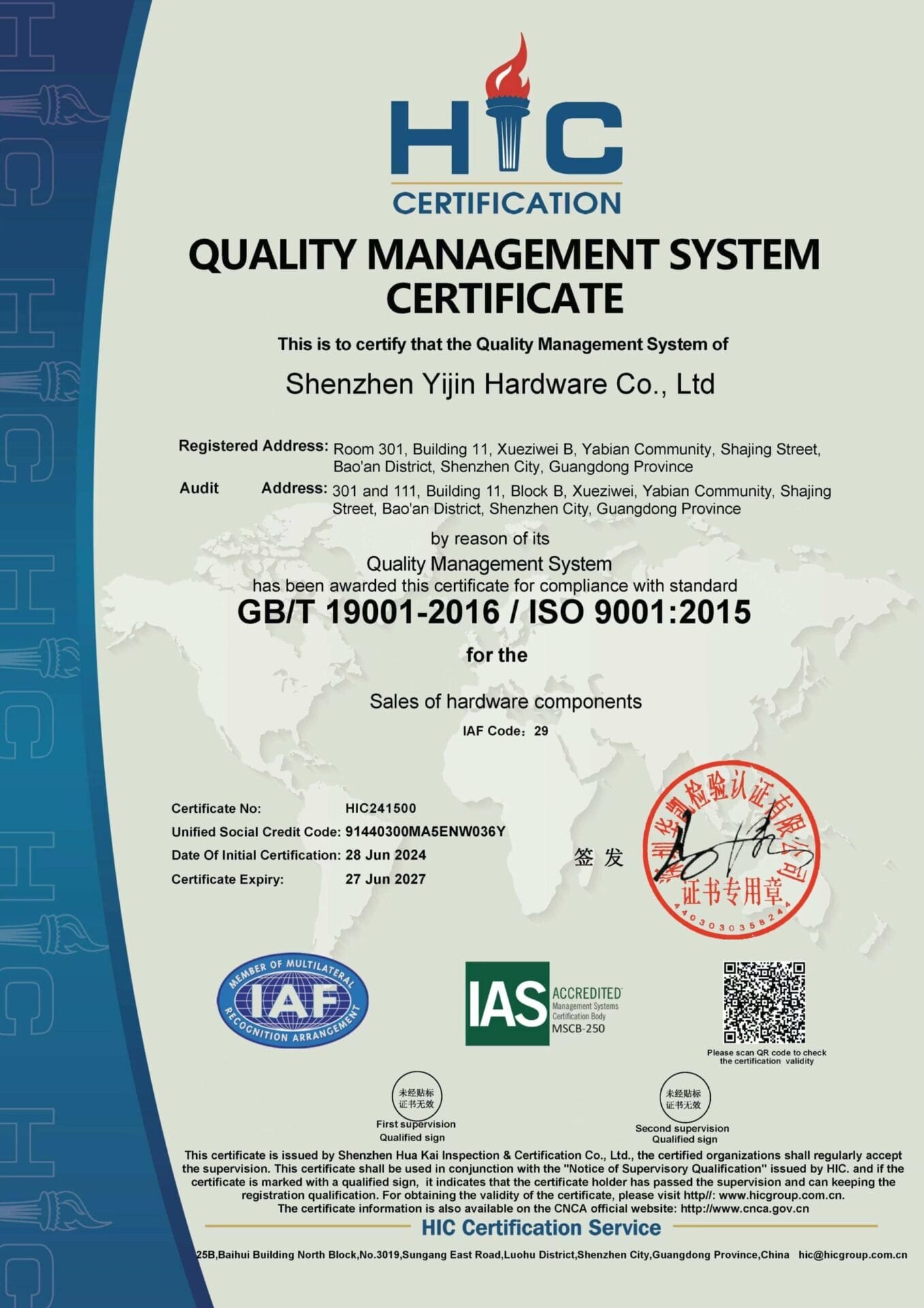
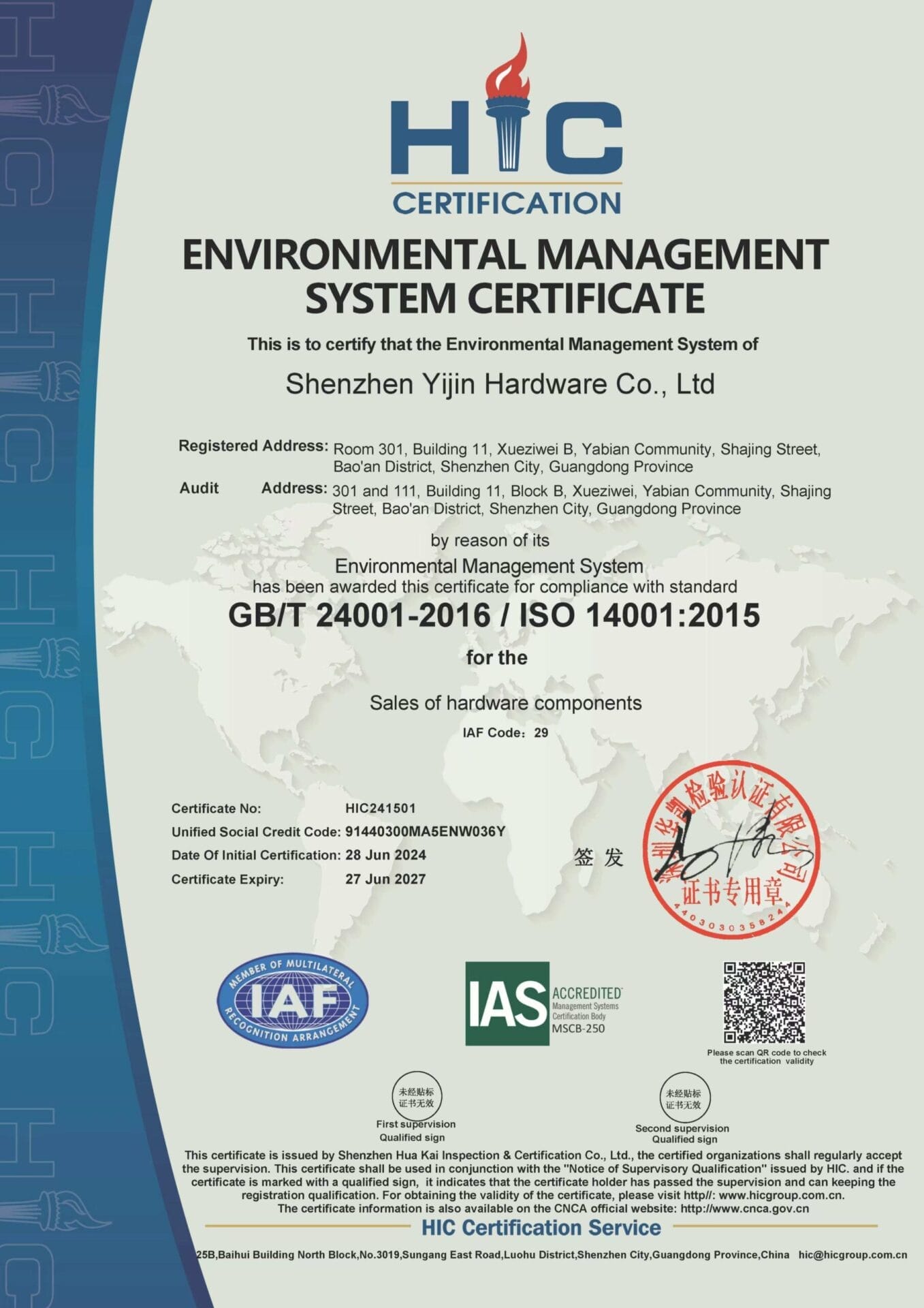
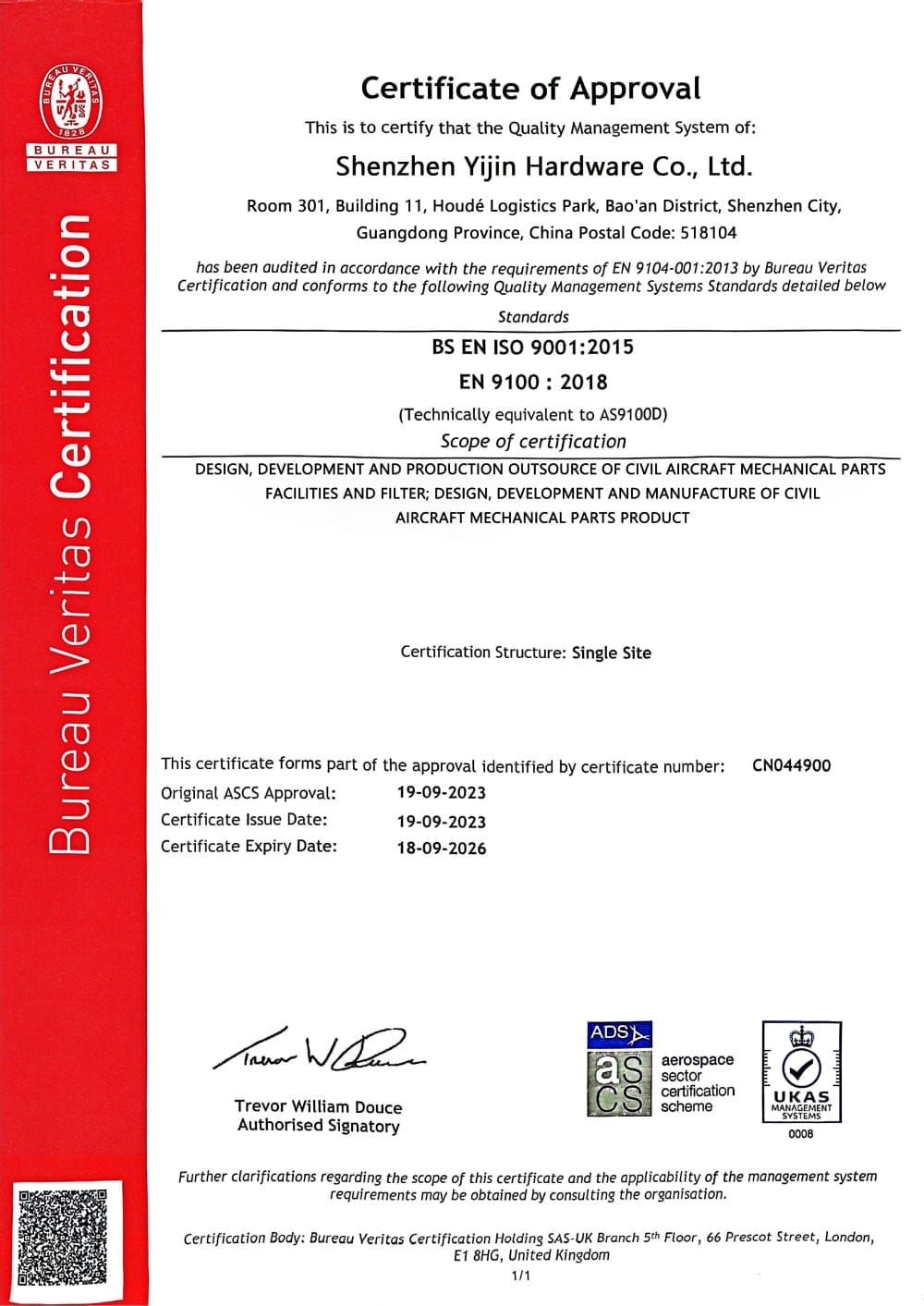
Zertifizierungen ISO 9001
Lead time (machining + bead blast) Prototyping: 7 to 10 days. Production: 10 to 15 days

Media and Finish Options

We offer two media types for bead blasting. The choice depends on your material, target finish, and downstream coating requirements.

  • Glass bead is the standard media for most cosmetic finishes. Glass beads produce a smooth, uniform matte on aluminum and stainless steel without embedding particles or altering the base material. This is the default choice for parts going to anodizing or powder coating.
  • Sand is a more aggressive media that removes heavier surface contamination, scale, and old coatings. Sand media produces a coarser matte texture and is suited to parts that need thorough surface preparation before painting or protective coatings. It works well on carbon steel and raw castings.

Materials We Bead Blast

We bead blast parts across the following material families. Each responds differently to media impact, so we adjust pressure and media selection per material.

If you are unsure which media suits your material, specify the desired finish texture and coating requirement in your quote request. Our engineering team will recommend the media and parameters during the DFM review.

Aluminium-Legierungen

Produce a uniform matte appearance with no directional lines. Bead blasting aluminum creates an ideal pre-anodizing surface. Glass bead is the recommended media for 6061, 7075, and 5052 alloys.

Takes a consistent satin finish that removes machining marks without compromising corrosion resistance. Glass bead at moderate pressure produces a clean, non-directional surface on 304 and 316 stainless.

Benefits from deburring and surface cleaning before powder coating or painting. Sand media is often the better choice for carbon steel parts with mill scale or weld discoloration.

Takes a decorative matte finish without aggressive material removal. Glass bead at lower pressure preserves the warm tone of the brass surface while eliminating handling marks.

Takes a soft matte finish that highlights the natural color. Suitable for decorative and architectural parts where a subdued, even texture is preferred over a polished or mirror surface.

Takes a uniform matte texture that removes machining marks and prepares the surface for anodizing or Physical Vapor Deposition (PVD) coating. Glass bead is recommended to avoid embedding ferrous contaminants in the titanium surface.

materials we bead blast

Our Bead Blasting Process

Every bead blasting order follows the same six-step workflow, from quote to shipment.

  1. Quote and DFM review. Share your Computer-Aided Design (CAD) files and specify the target finish. Our engineering team reviews the design for masking requirements, media compatibility, and any features that need protection during blasting.
  2. Part preparation and masking. We mask critical surfaces, threaded features, tight-tolerance bores, and any areas where the matte texture is not desired. Masking is planned at the DFM stage, not after machining.
  3. Media selection. We select glass bead or sand based on your material, the required finish texture, and whether the part will receive downstream coating. Media selection is documented on the process routing sheet.
  4. Blasting. Parts are blasted in a controlled cabinet at calibrated pressure. The operator works the nozzle at a consistent distance and angle to produce an even finish across all exposed surfaces.
  5. Post-blast cleaning and inspection. After blasting, we remove masking, blow off residual media, and inspect the part for finish uniformity. For parts requiring dimensional verification after finishing, Zeiss Coordinate Measuring Machine (CMM) inspection is available.
  6. Packaging and shipment. Finished parts are packaged to prevent surface damage in transit. We ship from our Shenzhen facility or our Florida location for North American customers.
our bead blasting process

OberflΓ€chenbehandlung

SPEZIFIKATION

Eloxieren

Eloxieren

Anodizing builds a hard oxide layer on aluminum surfaces. It improves corrosion resistance and allows color dyeing without paint. Available in Type II and Type III hard anodize up to 50 ΞΌm thickness.

powder coating

Pulverbeschichtung

Electrostatic powder coating delivers a durable, even finish in any RAL color. Coating thickness ranges from 60 to 120 ΞΌm. It resists chipping, scratching, and UV fading better than wet paint.

Beschichtung

Beschichtung

Zinc, nickel, and chrome plating add corrosion protection and conductivity to steel and copper parts. Zinc plating with chromate passivation provides 96–200 hours of salt spray resistance.
BΓΌrsten

BΓΌrsten

Mechanical brushing creates a uniform satin grain on stainless steel and aluminum. It removes surface imperfections and produces a professional, non-reflective appearance.

Polieren

Polieren

Multi-stage polishing achieves mirror finishes down to Ra 0.05 ΞΌm. Common on stainless steel parts for medical, food processing, and optical applications.

Passivierung

Passivierung

Citric or nitric acid passivation removes free iron from stainless steel surfaces. This restores the chromium oxide layer and maximizes corrosion resistance. Processed per ASTM A967 and AMS 2700.

Unsere Zertifizierungen

Why WΓ€hlen Sie Yijin Solution for Bead Blasting

We control the bead blasting workflow from DFM review through surface inspection and shipment. That integrated approach means consistent finish quality, accurate masking, and a quality system that meets aerospace, medical, and automotive certification requirements.

precision and quality
PrΓ€zision und QualitΓ€t

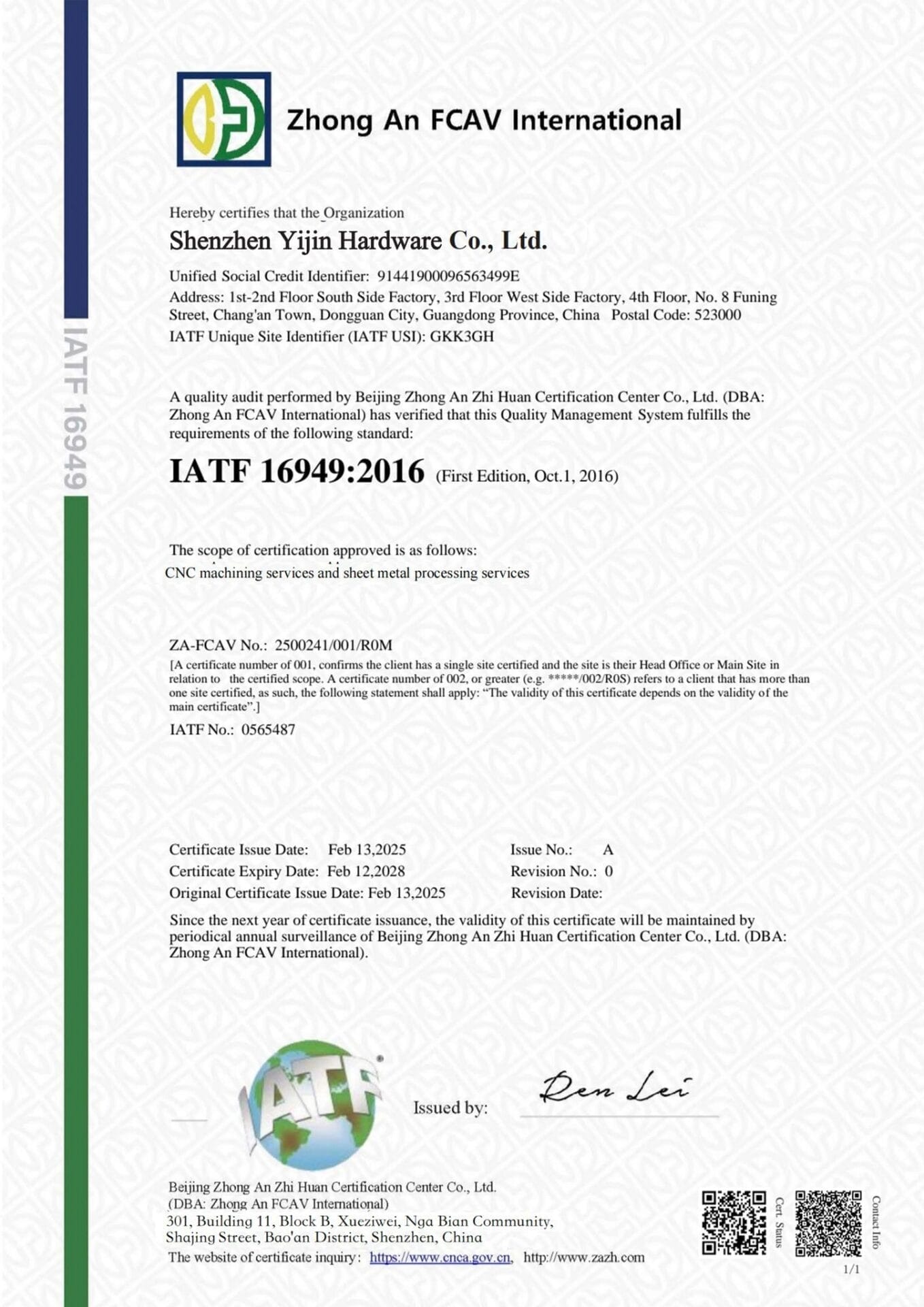
Every bead blasted order is inspected for finish uniformity before shipment. For parts with tight tolerances, Zeiss Coordinate Measuring Machine (CMM) verification is available post-blast. ISO 9001, AS9100D, ISO 13485, and IATF 16949 certifications are held across our quality system.

fast turnaround
Schneller Turnaround

Bead blasting is scheduled into the production run at the quote stage. Parts move from machining to surface prep to blast cabinet to inspection in one continuous workflow, keeping lead times for prototype and production orders on track.

order any size
Order Any Size

We bead blast single prototypes and production runs of 10,000+ parts through the same controlled process and quality system. There is no minimum order quantity, and volume does not change the inspection standard.

prototyping to production
Prototyping to Production

Prototype and production parts are bead blasted in the same facility using the same media, pressure settings, and process controls. The finish specification validated on your first sample applies directly to your production run.

wide range materials
Material Breadth

We bead blast aluminum, stainless steel, carbon steel, brass, copper, and titanium, with media type and pressure adjusted per material. Glass bead suits most cosmetic and pre-coating applications. Sand media handles heavier surface preparation on carbon steel and castings.

cost effective
Cost-effective

Running bead blasting in-house alongside machining and fabrication removes the logistics cost of a separate finishing vendor. Our DFM review confirms masking and media requirements at the quote stage, so parts are processed correctly from the first run.

Gallery of Bead Blasted Parts

Bead blasted parts produced across aluminum, stainless steel, carbon steel, brass, copper, and titanium applications.

Industrien, die wir bedienen
Neue Energiewirtschaft

Battery pack enclosures, inverter housings, and solar mounting frames with powder coating or galvanizing for outdoor durability and fatigue resistance.

Schifffahrtsindustrie

Marine-grade stainless steel control cabinets, bulkhead panels, and deck enclosures with salt spray-resistant finishes for vessels and port equipment.

Luft- und Raumfahrtindustrie

AS9100D-certified avionics enclosures, structural panels, mounting plates, and access covers with full material traceability and First Article Inspection.

Autoindustrie

Brackets, battery enclosures, structural reinforcements, and dashboard frames produced under IATF 16949 with PPAP Level 3 documentation.

Consumer Industry

Appliance housings, consumer electronics enclosures, and decorative cabinets with brushed, anodized, or powder-coated finishes.

Medizinische Industrie

Instrument housings, sterilization trays, and medical cart panels in stainless steel with electropolished or passivated surfaces under ISO 13485.

Halbleiterindustrie

Cleanroom enclosures, wafer handling panels, and vacuum chamber components in electropolished stainless steel for low particulate generation.

Formenbau

Machine guards, chip trays, tooling racks, and coolant enclosures for injection mold shops and tool rooms.

Defense Industry

Equipment cabinets, deployable panels, and ruggedized electronic enclosures to MIL-SPEC and NAS standards with full documentation.

FAQs on Bead Blasting Services

Common questions about media selection, tolerances, lead times, and service scope are answered below.

Bead blasting removes minimal material from the part surface. It is a cosmetic process, not a material-removal process. For parts with tight tolerances, we mask critical dimensions and features during blasting to ensure they remain within specification.

Glass bead is the recommended media for both aluminum and stainless steel. It produces a clean, uniform matte without embedding particles or altering the base metal. For aluminum parts going to anodizing, glass bead provides the ideal surface texture for even oxide layer formation.

Yes. We routinely mask threaded holes, bearing surfaces, precision bores, sealing faces, and any area where the matte texture is not wanted. Masking is planned during the DFM review so it is documented before production starts.

For prototyping orders, the combined machining and bead blasting lead time is 7 to 10 days. Production orders typically ship in 10 to 15 days. Lead times depend on part complexity, batch size, and whether other finishing steps are included.

Bead blasting is an add-on surface finishing service. Customers select it as part of their CNC machining, sheet metal fabrication, die casting, or 3D printing order. It is not offered as a standalone service for parts manufactured elsewhere.

Glass bead media produces a smoother, finer matte finish and is gentler on the base material. It is the preferred choice for cosmetic surfaces and pre-coating preparation on aluminum and stainless steel. Sand is more aggressive and removes heavier contamination, scale, and old coatings. It is better suited for carbon steel parts or castings that need thorough surface cleaning before painting.

Surface Finish Guides

Request a Bead Blasting Quote

Bead blasting is scheduled into the production run at the quote stage, run in the same facility as CNC machining and sheet metal fabrication, and verified before shipment. Yijin Solution supports aluminum, stainless steel, carbon steel, brass, copper, and titanium with glass bead and sand media across matte and satin finish specifications. Kontakt with your CAD files to receive a DFM review and quote within 24 hours.

Laden Sie Ihre 2D-Zeichnungen und mindestens eine 3D-CAD-Datei hoch, um ein schnelleres und genaueres Angebot zu erhalten. Wenn Sie mehrere Dateien haben, komprimieren Sie diese bitte in ein .zip- oder .rar-Format. Bevorzugen Sie E-Mail? Senden Sie Ihr RFQ an info@yijinsolution.com.

Dateien ziehen und ablegen,, Dateien zum Hochladen auswΓ€hlen Du kannst bis zu 15 Dateien hochladen.
KontrollkΓ€stchen
Dateien ziehen und ablegen,, Dateien zum Hochladen auswΓ€hlen Du kannst bis zu 15 Dateien hochladen.
1 / 2 DIENSTLEISTUNG

Angebot anfordern

Laden Sie Ihre Konstruktionsdateien hoch, um ein schnelles Angebot, genaue Lieferzeiten und eine kostenlose DFM-Analyse zu erhalten.

KontrollkΓ€stchen
Dateien ziehen und ablegen,, Dateien zum Hochladen auswΓ€hlen Du kannst bis zu 15 Dateien hochladen.

Bitte fügen Sie Ihre 2D-CAD-Zeichnungen und 3D-CAD-Modelle in jedem Format bei, einschließlich STEP, IGES, DWG, PDF, STL usw. Wenn Sie mehrere Dateien haben, komprimieren Sie diese in ein ZIP- oder RAR-Format. Alternativ kânnen Sie Ihre Anfrage auch per E-Mail senden an info@yijinsolution.com.