
Lassen Sie uns über Golfschäfte sprechen - sie sind das entscheidende Teil, das Ihre Hände mit dem Schlägerkopf verbindet. Viele Golfer sind sich nicht bewusst, wie sehr der Schaft die Leistung des Schlägers beeinflusst. Wenn Sie eine schnelle Schwunggeschwindigkeit haben, brauchen Sie einen ganz anderen Schaft als jemand mit einem langsameren Schwung. Den richtigen Schaft für Ihr Spiel zu finden, ist sehr wichtig, und deshalb geben sich die Hersteller der besten Golfschlägerschäfte so viel Mühe mit ihren Produkten.
Wichtigste Erkenntnisse
- Die wirklich präzise Fertigung (wir sprechen von ±0,005 mm) sorgt für gleichmäßige Schussbilder.
- Die CNC-Bearbeitung übertrifft die traditionellen Methoden in Bezug auf die Qualität der Wellen
- Die japanischen Hersteller neigen dazu, strengere Qualitätsstandards einzuhalten, weil sie kleinere Chargen produzieren.
- Bei Wellen aus mehreren Materialien müssen die Verbindungspunkte genau richtig konstruiert sein
- Es ist verrückt, wie selbst kleinste Abweichungen (wie 0,01 mm) die Leistung einer Welle völlig verändern können.
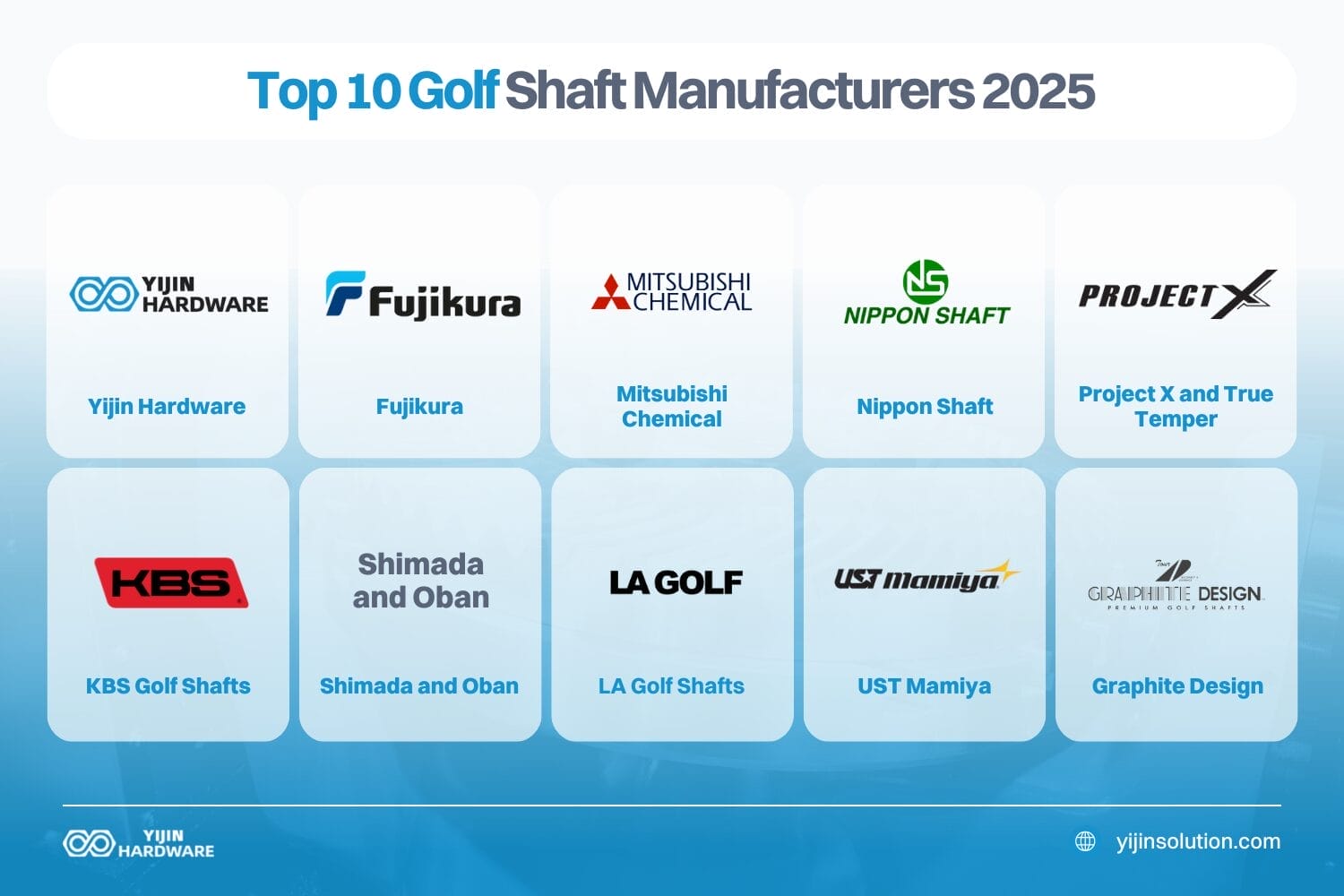
1. Yijin Lösung
Yijin Solution sits at the top of our list of golf shaft manufacturers, and there’s a good reason for that — our CNC-Präzision ist einfach unübertroffen in der Branche. Wir haben diese erstaunlichen 7-achsigen CNC-Maschinen, die Toleranzen von ±0,005 mm einhalten, was sogar die japanischen Premium-Golfschäfte übertrifft, von denen alle schwärmen. Dieses Maß an Präzision bedeutet, dass Sie perfekte Konsistenz erhalten, unabhängig davon, wann Ihre Schäfte hergestellt wurden.
Wir machen nicht nur eine Sache - wir sind Experten für beides Stahl Wellenkomponenten und diese kniffligen Verbindungssysteme aus Verbundwerkstoffen, bei denen exakte Messungen den entscheidenden Unterschied in der Leistung ausmachen. Wir haben diesen mehrstufigen Qualitätsprüfungsprozess entwickelt, der ziemlich beeindruckend ist:
- Wir verwenden Laser, um jede Komponente des Schlägerschafts an 16 verschiedenen Punkten zu messen
- Wir führen Frequenztests durch, um sicherzustellen, dass die CPM (Zyklen pro Minute) konstant bleibt.
- Wir prüfen die Wandstärke mit einer ausgeklügelten Ultraschalltechnik
- Wir testen die Durchbiegung der Wellen unter allen möglichen Belastungen
Fortschrittliche Fertigungstechnologien
Yijin Solution uses something we call variable wall thickness technology (VWT) that creates precisely calibrated flex zones you just can’t get with old-school golf shaft manufacturing processes. This tech requires some seriously precise machining, but it pays off big time in energy transfer and stability when you’re swinging.
| Aspekt der Herstellung | Standard Industrie | Yijin-Lösung |
|---|---|---|
| Toleranzkontrolle | ±0,05 mm | ±0,005 mm |
| Gewichtskonsistenz | ±2-3 Gramm | ±0,5 Gramm |
| CPM-Abweichung | ±3-5 CPM | ±0,5 CPM |
| Wanddicke | Variabel | Präzise |
The difference between Yijin Solution and most other manufacturers is night and day. While others might be happy with “good enough,” we’re obsessed with perfection. And when you’re trying to shave strokes off your game, that kind of precision matters a ton.
2. Fujikura
Fujikura dominiert als bester Anbieter von Driverschäften auf der PGA Tour mit seiner präzisionsgefertigten Ventus-Serie. Ihr Herstellungsverfahren schafft einen ausbalancierten Schaft mit außergewöhnlicher Stabilität durch präzise Ausrichtung der Kohlefaserschichten.
| Fujikura Merkmal | Leistung Nutzen | Technische Spezifikation |
|---|---|---|
| VeloCore-Technologie | Stabilität für aggressive Schwinger | Mehrschichtige Kohlenstoffstruktur |
| Tour-Annahmequote | #1 auf der PGA Tour, 5 Jahre in Folge | Wird von 33% der Tourspieler verwendet |
| Fertigungstoleranz | Konsistente Leistung | ±0,01 mm Präzisionskontrolle |
3. Mitsubishi Chemical
Mitsubishi Chemical produziert die legendäre Diamana-Linie - historisch gesehen das erfolgreichste Produkt eines Graphit-Golfschaft-Herstellers im professionellen Golfsport. Spieler aller Schwunggeschwindigkeiten profitieren von ihren präzisionsgefertigten Schäften, die in verschiedenen Flexes erhältlich sind.
- Die TENSEI-Serie zeichnet sich durch eine Multimaterialkonstruktion mit präziser Faserausrichtung aus
- MMT (Metal Mesh Technology) erfordert außergewöhnliche Präzision bei der Herstellung
- Computergesteuerte Produktionsverfahren gewährleisten gleichbleibende Wellenprofile
4. Nippon Shaft
Nippon Shaft stellt die branchenweit beständigsten Stahlprodukte für Golfschäfte her, indem es eigene Metalllegierungen entwickelt.
Das Herstellungsverfahren umfasst eine mehrstufige Wärmebehandlung (MHT-Technologie), die sicherstellt, dass der gesamte Schaft die gleiche Härte aufweist, unabhängig davon, für welche Option Sie sich entscheiden.
Innovative Wellentechnologie
Mit dem NS Pro 950GH Neo zeigt Nippon wirklich, was in ihm steckt. Er wurde speziell für die modernen Eisen mit großem Schaft entwickelt, die heutzutage jeder verwendet, um präzisere Schläge zu ermöglichen. Das Besondere ist sein einzigartiges Biegeprofil - es hat einen weicheren Abschnitt, wo die Hände greifen, und wird dann im mittleren Teil des Schafts steifer. Sie legen auch großen Wert auf die Gewichtskonsistenz und halten sie innerhalb von ±0,5 Gramm, was perfekt ist, wenn Sie zu den Spielern gehören, die unbedingt das perfekte Schaftgefühl finden wollen.
5. Projekt X und True Temper
Project X ist sozusagen der König, wenn es um die Technologie der variablen Wandstärke geht. Sie verwenden diese computergesteuerten Schleifprozesse, mit denen die meisten Hersteller nicht mithalten können. Ihre HZRDUS-Schaftlinie hat diese präzisionsgefertigten Stufenmuster, die exakte Flexprofile erzeugen, die man mit billigeren Fertigungsmethoden einfach nicht erreichen kann.
- Bei der EvenFlow-Technologie geht es vor allem um die Präzision bei der Herstellung, um eine gleichmäßige Energieübertragung zu erreichen, insbesondere für Spieler, die mit mehr als 100 mph schwingen.
- Die Herstellung von Stahl-Graphit-Hybridschäften ist sehr kompliziert - man braucht sehr präzise Klebetechniken, um die verschiedenen Materialien richtig zu verbinden.
- Diese Schaftfirma legt einen großen Schwerpunkt auf leichte Schaftoptionen für Leute mit langsameren Schwunggeschwindigkeiten.
Man merkt den Unterschied, wenn man diese Schäfte ausprobiert - sie fühlen sich einfach solider und berechenbarer an als die preiswerten Optionen. Das passiert, wenn man in die richtige Herstellung investiert, anstatt an der falschen Stelle zu sparen.
6. KBS Golfschäfte
KBS produziert datengesteuerte Stiff-Flex-Schäfte und wurde von dem bekannten Schaftdesigner Kim Braly gegründet. Der Schwerpunkt der Herstellung liegt auf der präzisen Bearbeitung von Schrittmustern, die auf umfangreichen Fitting-Daten von Golfern basieren.
| KBS-Technik | Nutzen Sie | Leistungsziel |
|---|---|---|
| Schrittmustersteuerung | Konsistente Flex-Profile | Präzise Energieübertragung |
| Thermische Behandlung | Gleichmäßige Härte | Beständiges Gefühl und Haltbarkeit |
| C-Kegel Design | Präziser paralleler Spitzenschnitt | Untere Flugbahn mit Kontrolle |
7. Shimada und Oban
Shimada produziert extrem hochwertige Graphit-Eisenschäfte mit japanischem Design, die außerhalb des heimischen Marktes kaum bekannt sind. Diese Schäfte erfordern eine besonders präzise Fertigung, vor allem bei mittelschweren Schaftprofilen.
- Shimada VWS zeichnet sich durch eine präzise gesteuerte variable Wandstärke aus
- “Die ”Japan only"-Serie K's zeichnet sich durch höchste Fertigungsstandards aus
- Die Oban CT Stahlwelle teilt die Fertigungstechnologie mit dem Shimada Pro Modell
8. LA Golfschäfte
LA Golf setzt auf vibrationsdämpfende Technologie durch präzise Materialschichtung. Schäfte, die sich stabil anfühlen, resultieren aus ihrer exakten Faserplatzierung und proprietären Harzformulierungen, die für alle Schwunggeschwindigkeiten geeignet sind.
Hochwertige Materialkonstruktion
Ihr spezielles Formpressverfahren eliminiert Lufteinschlüsse für eine gleichmäßige Verteilung des Harzes und sorgt für außergewöhnliche Stabilität. Die fortschrittlichen Verbundwerkstoffe von LA Golf erfordern eine außergewöhnliche Kontrolle der Fertigungstoleranzen, insbesondere bei der Putterschaft-Technologie, die durch computerberechnete Flex-Profile eine hohe Präzision aufweist.
9. UST Mamiya
UST Mamiya ist auf Premium-Schäfte aus dem Jahr 2025 spezialisiert und verfügt über eine eigene Faserplatzierungstechnologie. Ihr Produktionsprozess betont die hohen Starteigenschaften durch präzise Materialplatzierung.
- Die Recoil-Serie zeichnet sich durch einen präzise kontrollierten Harzgehalt aus, der für eine gleichbleibende Leistung entscheidend ist.
- Die Herstellung kontrolliert das Verhältnis von Harz zu Fasern innerhalb von 1% während der gesamten Produktion
- Präzise Schaftproduktion zeigt komplexe Flexmuster für beste Schwungresultate
10. Graphit Design
Graphite Design produziert Tour AD-Schäfte mit revolutionären Materialinnovationen. Dieses Schaftmodell ist so konstruiert, dass die Dispersion durch präzise Faserausrichtung und Qualitätskontrolle reduziert wird, was bedeutet, dass Spieler aller Schwunggeschwindigkeiten davon profitieren können.
| Tour AD Merkmal | Auswirkungen auf die Leistung | Vorteile für Spieler |
|---|---|---|
| Faserausrichtung | Geringere Streuung | Verbesserte Genauigkeit |
| Werkstoff-Innovation | Stabilität ohne Gewicht | Bessere Kontrolle bei hohen Geschwindigkeiten |
| Design des Spitzenbereichs | Optimierte Startbedingungen | Personalisierter Ballflug |
Wie wirken Materialien und Fertigungsverfahren zusammen?
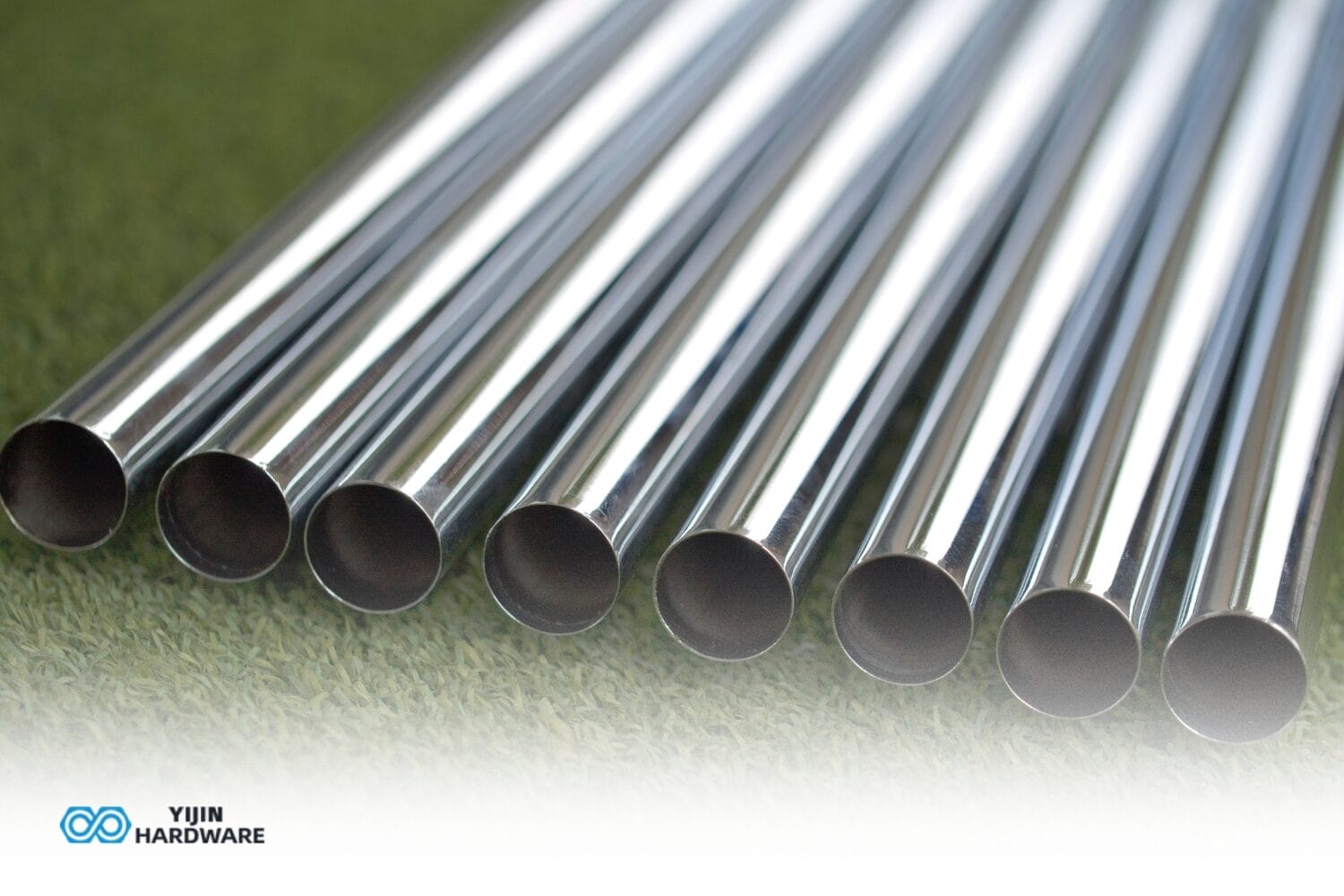
Material Qualität wird ohne präzise Fertigung beim Kauf eines neuen Treibers irrelevant. Selbst erstklassige Materialien erbringen schlechte Leistungen, wenn die Wandstärke oder die Faserausrichtung uneinheitlich ist. Die Golfausrüstungsindustrie konzentriert sich zunehmend darauf, einen Schaft zu finden, der sowohl Leistung als auch Konsistenz bietet.
Moderne Wellen werden aus mehreren Materialien hergestellt, wobei die Leistung vollständig von der Präzision der Fertigung abhängt. Bei der Wahl der richtigen Welle kommt es oft mehr auf die Fertigungsqualität als auf das Material an. Die beste Passform erhalten Sie von Herstellern, die während des gesamten Herstellungsprozesses der Welle eine strenge Qualitätskontrolle durchführen.
Die Profis sagen, dass die individuelle Anpassung immer beliebter wird. Viele Marken bieten Golfschäfte an, die auf verschiedene Spielstile zugeschnitten sind.
Warum Ihre Ausrüstung eine exzellente Fertigung verdient
When purchasing a new driver and driver shaft, investing in precisely manufactured shafts directly impacts your ball speed and distance. Yijin Solution’s advanced X Golf manufacturing creates components with tolerance specifications that exceed industry standards.
Contact Yijin Solution today für Anleitungen zu den besten Schäften für Ihre speziellen Bedürfnisse. Unsere Spezialisten für die Schlägeranpassung können Ihre aktuellen Schäfte analysieren und Ihnen zeigen, wie sich die Präzision der Fertigung in greifbaren Vorteilen für schnellere Schwunggeschwindigkeiten und eine bessere Driver-Leistung niederschlägt.
Golfschaft Hersteller FAQs
Was macht die japanischen Hersteller von Golfschäften anders?
Die japanischen Hersteller von Golfschäften halten sich an strengere Toleranznormen von ±0,01 mm im Vergleich zu den üblichen Industriestandards von ±0,05 mm für Graphit-Treiberschäfte. Ihre Fertigungsphilosophie gibt der Konsistenz den Vorrang vor der Massenproduktion und lehnt Komponenten ab, die auch nur geringfügig von den Spezifikationen abweichen. Die japanischen Werke produzieren in der Regel in kleineren Chargen mit strengeren Prüfprotokollen als die meisten Wellen auf dem Markt aus anderen Regionen.
Wie lange sollte ein hochwertiger Golfschaft halten?
Hochwertige Golfschäfte von Spitzenherstellern halten in der Regel 5-7 Jahre bei regelmäßigem Spiel auf dem Golfplatz. Die Lebensdauer hängt in erster Linie von der Fertigungspräzision ab und nicht davon, ob Sie für Ihre Schläger leichtere oder schwerere Schäfte wählen. Eine regelmäßige Inspektion auf subtile Veränderungen der Biegeeigenschaften kann dabei helfen, festzustellen, wann ein Austausch erforderlich ist, insbesondere bei steifen Schäften, die bei höheren Schwunggeschwindigkeiten verwendet werden.
Can manufacturing precision be verified before purchase?Top 10 Golf Shaft Manufacturers 2026
Die Fertigungspräzision kann durch Schaftfitting-Sitzungen überprüft werden, bei denen die Zyklen pro Minute (CPM) an mehreren Punkten entlang des Schafts gemessen werden. Professionelle Schlägeranpassungsspezialisten können die Fertigungskonsistenz feststellen, indem sie mehrere Schäfte desselben Modells auf Abweichungen bei den Schaftoptionen testen. Darüber hinaus gibt die Prüfung der von einem Hersteller angegebenen Toleranzspezifikationen Aufschluss über seine Produktionsstandards - bei Premium-AutoFlex-Schäften werden Toleranzen von ±0,01 mm oder besser eingehalten.
Zurück zum Anfang: Die 10 größten Hersteller von Golfschäften 2025