




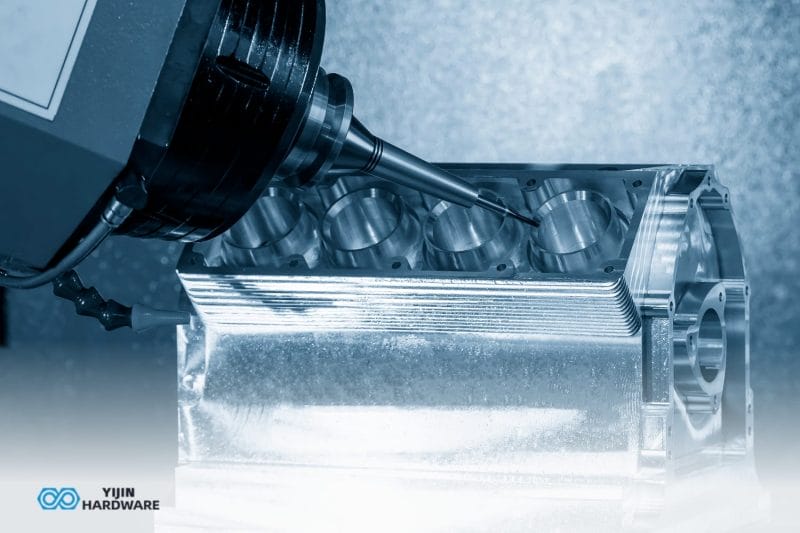
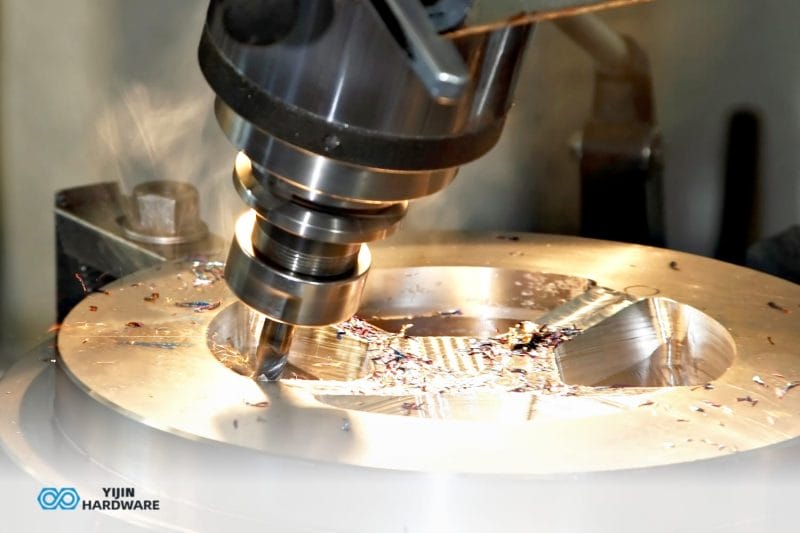


CNC-Bearbeitung bedient eine breite Palette von Branchen, am häufigsten Luft- und Raumfahrt, Medizintechnik, Automotive, Elektronik, Robotik und Energie. Diese Sektoren nutzen sie, weil sie Teile mit engen Toleranzen hervorbringt, gleichbleibende Qualität über Stückzahlen hinweg liefert und zuverlässig mit technischen Metallen und Kunststoffen arbeitet.
Verschiedene Branchen setzen CNC-Bearbeitung aus unterschiedlichen Gründen ein, die über diese grundlegenden Vorteile hinausgehen. Manche benötigen hohe Präzision für komplexe Geometrien, andere verlassen sich auf Wiederholgenauigkeit, Materialverhalten oder die Fertigung kleiner bis mittlerer Stückzahlen.
Dieser Leitfaden betrachtet die wichtigsten Branchen, die CNC-Bearbeitung nutzen, und erklärt, warum das Verfahren in jeder einzelnen wichtig bleibt.
Branchen der CNC-Bearbeitung im Überblick
Die folgende Tabelle ordnet jedem wichtigen Sektor die am häufigsten CNC-bearbeiteten Teile, bevorzugte Werkstoffe und die wichtigsten Fertigungsprioritäten zu.
| Industrie | Gemeinsame Teile | Allgemeine Materialien | Wichtigste Fertigungsprioritäten |
|---|---|---|---|
| Luft- und Raumfahrt | Strukturbauteile, Halter, Gehäuse, Fittings | Aluminium 6061/7075, Titan Grade 5, Edelstahl 316L | Maßhaltigkeit, vollständige Rückverfolgbarkeit, Gewichtsreduzierung |
| Medizinische Geräte | Chirurgische Instrumente, Implantatkomponenten, Gerätegehäuse | Edelstahl 316L, Titan Grad 23, PEEK | Biokompatible Oberflächenbehandlungen, Konsistenz, Konformität |
| Automobil & E-Mobilität | Gehäuse, Befestigungselemente, Halter, Fahrwerksteile | Aluminiumlegierungen, Stahl, technische Kunststoffe | Reproduzierbarkeit, Kostenkontrolle, skalierbare Stückzahlen |
| Elektronik / Halbleiter | Gehäuse, Vorrichtungen, präzise Stützbauteile | Aluminium, Kupfer, technische Kunststoffe | Oberflächenqualität, Maßhaltigkeit, saubere Handhabung |
| Robotik / Industrieautomation | Roboterarme, Endeffektoren, Chassis-Rahmen, Halter | Aluminiumlegierungen, Stahl, technische Kunststoffe | Festigkeits-Gewichts-Verhältnis, Wiederholbarkeit, schnelle Iteration |
| Energie | Ventilgehäuse, Pumpenbauteile, Turbinenteile | Edelstahl, Inconel, Titan | Korrosionsbeständigkeit, Druckbeständigkeit, lange Lebensdauer |
Wichtige Branchen, die CNC-Bearbeitung nutzen

Die obige Übersicht ist eine Zusammenfassung; die folgenden Abschnitte betrachten jede Branche im Detail, einschließlich der typischerweise gefertigten Teile, der verwendeten Materialien und der Prioritäten, die die Lieferantenauswahl bestimmen.
Luft- und Raumfahrttechnik
Die Luft- und Raumfahrttechnik umfasst Strukturhalter, Gehäuse, Anschlüsse für Steuerflächen, Satellitenrahmen, Triebwerksbefestigungen und Verbindungselemente. Diese Teile sind extremen Temperaturschwankungen, hohen Vibrationsbelastungen und Druckunterschieden ausgesetzt. Die CNC-Bearbeitung hält dieser Umgebung stand, weil sie enge Toleranzen bei den in der Branche verwendeten Legierungen einhält – mit der Dokumentation, die für die Luft- und Raumfahrtqualifizierung erforderlich ist.
Aluminium 7075 und Aluminium 6061 dominieren Rumpf- und Strukturanwendungen, bei denen das Verhältnis von Festigkeit zu Gewicht der maßgebliche Konstruktionsparameter ist. Befestigungsteile für Triebwerke und hochbeanspruchte Verbindungselemente verwenden in der Regel Titan Grade 5. Hydraulikteile und Fittings werden häufig aus Edelstahl 316L wegen seiner Korrosionsbeständigkeit spezifiziert. Bei diesen Werkstoffen liegen die Toleranzen im Allgemeinen im Bereich von ±0,01 bis ±0,025 mm, je nach Merkmal und Rüsten.
Medizintechnik und chirurgische Instrumente
Die Fertigung von Medizintechnik fügt der Präzision eine Ebene der biologischen Verträglichkeit hinzu. Ein chirurgisches Instrument, das auch nur um einen Bruchteil eines Millimeters von seiner spezifizierten Geometrie abweicht, kann im klinischen Einsatz zu Funktionsversagen führen.
Edelstahl 316L ist das primäre Material für chirurgische Instrumente und wiederverwendbare Komponenten der Medizintechnik, da es Korrosionsbeständigkeit mit der für die Sterilisation erforderlichen Oberflächenbeschaffenheit verbindet. Titan Grade 23 eignet sich für implantatnahe und biokompatible Bauteile.
PEEK ersetzt Metall bei radioluzenten und chemisch beständigen Anwendungen wie Gehäusen für Wirbelsäulenimplantate und endoskopischen Komponenten.
Automobil- und EV-Komponenten
Die Automobilfertigung liegt an der Schnittstelle von hoher Stückzahl und engen Toleranzen. Gehäuse für Getriebe und elektrische Antriebseinheiten, Fahrwerksteile, Bremsenkomponenten und Strukturbefestigungen erfordern alle die Kombination aus Maßhaltigkeit und Serienwiederholbarkeit, die CNC-Bearbeitung liefert.
Batteriemodulgehäuse, Motor-Endkappen und Halter für das Thermomanagement bevorzugen Aluminium 6061 und 6063 wegen ihrer Zerspanbarkeit, Festigkeit und Wärmeleitfähigkeit. Stahllegierungen und technische Kunststoffe decken Befestigungs- und Halteranwendungen ab, da bei diesen Teilen die Stückkosten die Materialauswahl in großem Maßstab bestimmen.
Für Serienanwendungen, kundenspezifische Befestigungen mit engen Toleranzen gefertigt, bieten eine wirtschaftliche Alternative zum Bezug von Standardverbindungselementen. Ihre Geometrie ist fest, und die Stückzahl pro Jahr kann 10.000 übersteigen.
Halbleiter- und Präzisionsausrüstung
Halbleiterfertigungsanlagen arbeiten mit Toleranzen im Submikrometerbereich. Wafer-Handling-Vorrichtungen, Vakuumkammer-Bauteile, Ausrichtungsstufen und Präzisionsführungsschlitten hängen alle von einer Maßhaltigkeit ab, die den Temperaturwechsel im Prozessumfeld übersteht. Eine Ebenheitsabweichung am Waferchuck, gemessen in Mikrometern, kann zu Overlay-Fehlern auf einem gesamten Wafer führen.
Aluminiumlegierungen sind das dominierende Material für Kammergehäuse und Vorrichtungskörper, wegen ihrer Wärmeleitfähigkeit, Zerspanbarkeit und ihres Gewichtsvorteils. Kupferkomponenten kommen in Anwendungen des Wärmemanagements zum Einsatz. Technische Kunststoffe decken Anwendungen ab, die Chemikalienbeständigkeit, geringe Ausgasung und elektrische Isolierung innerhalb der Prozessumgebung erfordern.
Jede neue Fertigungsanlage benötigt Tausende präzisionsgefertigte Bauteile, bevor ein einziger Wafer läuft. Für Einkaufsteams in dieser Branche bedeutet das: Lieferanten brauchen eine breite Prozesskompetenz bei Aluminium, Kupfer und technischen Kunststoffen sowie eine kurze Lieferzeit bei Prototypen, um die Qualifizierungszeitpläne der Anlagen zu unterstützen.
Robotik und industrielle Automatisierung
Kollaborative Roboter, Industrieroboter und automatisierte Montagesysteme sind auf bearbeitete Strukturbauteile angewiesen, die geringe Masse mit hoher Steifigkeit verbinden. Roboterarmglieder, Montageplatten für Endeffektoren, Getriebegehäuse und Sensorhalter erfordern oft Geometrien, die Gießen oder Umformen allein nicht in den Toleranzen halten kann, die die Baugruppe benötigt.
Die Materialauswahl bestimmt direkt die Systemleistung. Die Wahl leichter Aluminiumlegierungen für Roboter-Endeffektoren reduziert die Nutzlastbelastung und verlängert die Lebensdauer der Servomotoren.
Festigkeitsanforderungen können über das hinausgehen, was Aluminium leisten kann; in diesem Fall sind Stahleinsätze oder Titanbauteile eine Steigerung. Sie bewältigen lasttragende Verbindungen und halten die Gesamtmasse der Baugruppe handhabbar. Technische Kunststoffe eignen sich für Abdeckungen, Führungen und nichttragende Halter, die von Gewichtsreduzierung profitieren.
Die Iterationsgeschwindigkeit ist ein wichtiger Faktor in der Robotikentwicklung. Ein mechanisches Design, das in der Simulation funktioniert, erfordert nach dem ersten physischen Test häufig Geometrieänderungen. CNC-Bearbeitung unterstützt diese Iterationsschleife schneller als Werkzeugprozesse. Ein überarbeiteter Endeffektor-Halter, der im Spritzguss 4 Wochen dauert, benötigt in der CNC-Bearbeitung in der Regel 3 bis 7 Tage, was die Entwicklungszeitpläne im Plan hält.
Energie und Stromerzeugung
Energietechnische Komponenten, die für Öl und Gas, Energieerzeugung und erneuerbare Infrastruktur bearbeitet werden, umfassen Ventilgehäuse, Pumpengehäuse, Turbinenschaufeln und Verteilerarmaturen. Diese Teile müssen ihre Geometrie über Jahrzehnte hinweg unter Dauerbelastung, hohen Temperaturen und korrosiven Medien halten – nicht nur während der Erstqualifizierung.
Edelstahl 316L deckt die meisten fluidberührenden Bauteile ab, deren Hauptanforderung Korrosionsbeständigkeit ist. Inconel 625 und Inconel 718 decken Hochtemperaturanwendungen wie Turbinenkomponenten und Bohrlochwerkzeuge ab. Titan Grade 5 kommt in Offshore- und Unterwasserkomponenten zum Einsatz.
Die Toleranzen an Dichtflächen und Gewindeanschlüssen sind in diesem Bereich unforgiving. Ein Ventilsitz, der außerhalb seiner spezifizierten Geometrie bearbeitet wurde, leckt unter Druck. Eine Gewindekupplung, die ihr Profil nicht hält, versagt in der Tiefe. Diese Fehlerempfindlichkeit ist der Grund, warum CNC-Wiederholgenauigkeit und dokumentierte Rückverfolgbarkeit in der Energiebranche mehr zählen als der Stückpreis.
Wie bewerten Sie einen Fertigungspartner über Branchen hinweg?
Die Wahl eines Fertigungspartners über verschiedene Branchen hinweg bedeutet mehr als der Vergleich von Preis oder Bearbeitungskapazität. Jede Branche hat ihre eigenen Anforderungen an Materialien, Prüfung, Dokumentation und Oberflächenqualität, und diese Standards wirken sich direkt darauf aus, wie Teile gefertigt und verifiziert werden.
Die folgenden Fertigungsmöglichkeiten helfen dabei, einzuschätzen, ob ein Lieferant diese Anforderungen über verschiedene Anwendungen hinweg konstant erfüllen kann.
Engineering- und DFM-Unterstützung
Engineering-Support unterscheidet einen Lieferanten, der einfach nach Zeichnung fertigt, von einem, der Risiken erkennt, bevor die Produktion beginnt. Ein Lieferant mit DFM-Kompetenz (Design for Manufacturability) prüft Toleranzen, Materialauswahl, Anforderungen an die Oberflächenbehandlung und Bauteilgeometrie, bevor die Bearbeitung startet. So lassen sich vermeidbare Probleme wie unnötige Kosten, Prozessabweichungen oder Fehler bei der Erstmusterprüfung reduzieren.
Für Projekte in regulierten oder hochpräzisen Sektoren ist diese frühe Prüfung besonders wichtig. Sie kann die Fertigbarkeit von Teilen verbessern, Überarbeitungszyklen verkürzen und das Risiko von Verzögerungen später im Prozess reduzieren.
Qualitätskontrolle und Inspektion
Die Prüfmöglichkeiten sind eine der praktischsten Methoden, um zu beurteilen, ob ein Lieferant die Prozesskontrolle aufrechterhalten kann. Teile mit engen Toleranzen erfordern oft mehr als eine grundlegende Maßprüfung. Geräte wie Zeiss-Koordinatenmessgeräte, optische Messsysteme und Oberflächenrauheitsmessgeräte helfen, kritische Merkmale, komplexe Geometrien und Oberflächenanforderungen mit rückverfolgbaren Daten zu verifizieren.
Ebenso wichtig ist die Dokumentation, die die Prüfung stützt. CMM-Berichte, Materialzeugnisse und Erstmusterprüfberichte erleichtern eingehende Qualitätskontrollen und helfen Ihnen, Lieferanten effizienter zu qualifizieren, besonders in Branchen, in denen Rückverfolgbarkeit und Compliance Teil der Beschaffungsanforderung sind.
Durchgängigkeit vom Prototyp zur Serie
Ein Lieferant kann möglicherweise einen erfolgreichen Prototypen liefern, aber das bedeutet nicht immer, dass er die Produktion unter demselben Kontrollniveau unterstützen kann. Wenn Prototyping und Produktion auf verschiedene Fabriken oder Qualitätssysteme aufgeteilt sind, steht das Projekt oft vor einem neuen Qualifizierungsprozess, zusätzlicher Variabilität und einem größeren Risiko von Inkonsistenz.
Lieferanten, die sowohl Prototyping als auch Serienfertigung innerhalb desselben Qualitätssystems abwickeln können, bieten einen stabileren Weg zur Skalierung. Diese Kontinuität hilft, Prozesswissen zu bewahren, reduziert das Risiko von Lieferantenwechseln und erleichtert es, die Qualitätsanforderungen mit steigendem Bestellvolumen aufrechtzuerhalten.
Zertifizierungen und regulatorische Abdeckung
Zertifizierungen zeigen, welche regulierten Umgebungen ein Lieferant unterstützen kann. AS9100D wird üblicherweise mit der Luft- und Raumfahrtfertigung assoziiert, IATF 16949 mit der Automobilindustrie und ISO 13485 mit der Medizintechnik. ISO 9001 bietet eine breitere Grundlage für das Qualitätsmanagement, die in vielen Branchen gilt.
Eine Zertifizierung allein garantiert zwar nicht die Ausführung, zeigt aber, dass der Lieferant innerhalb dokumentierter Qualitätsrahmen arbeitet, die für diese Branchen relevant sind. Bei der Beschaffung von Teilen über mehrere Branchen hinweg kann eine breitere Zertifizierungsabdeckung auch die Lieferantenqualifizierung vereinfachen und den Aufwand reduzieren, verschiedene Lieferanten für unterschiedliche Compliance-Anforderungen zu verwalten.
Skalieren Sie Ihr CNC-Bearbeitungsprojekt mit Yijin Solution
CNC-Bearbeitung bedient ein breites Spektrum an Branchen, von Luft- und Raumfahrt und Medizintechnik bis hin zu Automobil, Elektronik, Robotik und Energie. Der richtige Lieferant hängt jedoch von den spezifischen regulatorischen und qualitativen Anforderungen jeder Branche ab. Ob Sie flugkritische Halter, biokompatible chirurgische Komponenten oder Präzisionsteile für ein Halbleiterwerkzeug beschaffen – die Anforderungen an Dokumentation, Prüfung und Materialrückverfolgbarkeit unterscheiden sich je nach Sektor erheblich.
Die CNC-Lohnfertigung von Yijin Solution arbeitet in diesen Branchen und passt die Qualitätsdokumentation an die jeweils geforderten Standards an. Kunden können CNC-Teile sowohl für Prototypen als auch für die Serienfertigung in einem Workflow beziehen. Unser Team unterstützt Projekte mit kostenlosen DFM-Analysen, schneller Angebotserstellung und Fertigungsfeedback auf Basis realer Produktionsanforderungen.
Für ein reguliertes Projekt, CAD-Dateien hochladen für eine Machbarkeitsprüfung und ein Angebot innerhalb von 24 Stunden.
FAQs zu Branchen, die von CNC-Bearbeitung bedient werden
Können Sie von Prototypen bis zur Serienfertigung skalieren?
Ja. Unser Werk übernimmt schnelles CNC-Prototyping in nur 1 bis 3 Tagen für Muster und skaliert direkt in die Serienfertigung auf denselben Maschinen und unter demselben Qualitätssystem. Die Nutzung einer einzigen Direktfabrik für beide Phasen beseitigt die Qualifizierungslücke, die entsteht, wenn Prototyping und Produktion auf zwei Lieferanten aufgeteilt werden.
Stellen Sie Materialzertifikate und Prüfberichte bereit?
Materialzusammensetzungsanalyse, Erstmusterprüfberichte und CMM-Messdaten sind verfügbar, um strenge Branchen-Compliance-Anforderungen zu erfüllen. Für Luftfahrtkunden folgen die Dokumentationspakete den Anforderungen von AS9100D und Erstmusterprüfbericht. Für Medizintechnik-Kunden entsprechen die Aufzeichnungen den Erwartungen von ISO 13485 und der FDA an Lieferantendokumentation.
Welche engste Toleranz ist mit CNC-Bearbeitung erreichbar?
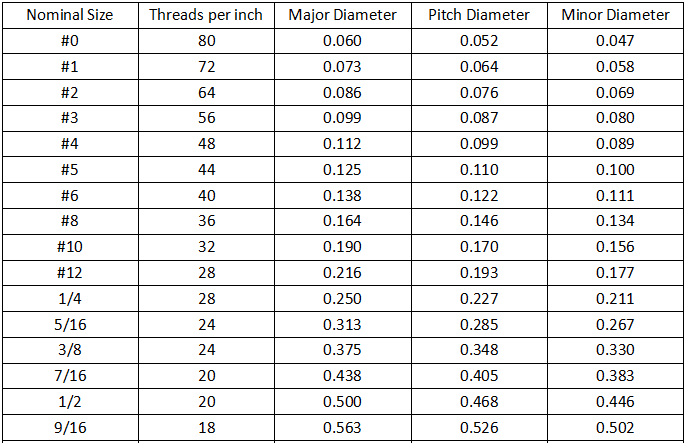
Präzise CNC-Bearbeitung erreicht Toleranzen von ±0,01 mm an gefrästen und gedrehten Merkmalen. Sonderverbindungselemente erreichen ±0,02 bis ±0,05 mm je nach Gewindeform und Geometrie. Die letztlich erreichbare Toleranz hängt von der Bauteilgeometrie, dem gewählten Material und der Merkmalsgröße ab.
Welche Branchen haben die strengsten Dokumentationsanforderungen für CNC-Teile?
Luft- und Raumfahrt sowie Medizintechnik sind die dokumentationsintensivsten Bereiche. Zulieferer der Luft- und Raumfahrt, die nach AS9100D arbeiten, müssen Erstmusterprüfberichte, bis zum Originalwerk rückverfolgbare Materialzeugnisse und Abweichungsberichte für jede Produktionscharge vorlegen. Zulieferer der Medizintechnik nach ISO 13485 ergänzen Design-History-Files, Risikomanagement-Aufzeichnungen und FDA-konforme Lieferantendokumentation.
Kann derselbe CNC-Lohnfertiger mehrere regulierte Branchen gleichzeitig bedienen?
Ja, vorausgesetzt, sie besitzen die relevanten Zertifizierungen und führen separate Qualitätsaufzeichnungen für jeden Sektor. Ein Lieferant, der nach AS9100D, IATF 16949 und ISO 13485 zertifiziert ist, kann Luftfahrt-Halter, Automobilgehäuse und Medizintechnik-Komponenten unter einem Dach bearbeiten, jeweils gesteuert durch einen eigenen Qualitätsplan und ein eigenes Prüfprotokoll.
Zurück zum Anfang: Welche Branchen nutzt die CNC-Bearbeitung? Ein detaillierter Leitfaden