Wood Laser Cutting | Precise Cuts For Wood Materials
Yijin Solution runs custom wood laser cutting services using CO2 laser technology that handles complex shapes and tight tolerances without breaking a sweat. We cut hardwoods, plywood, MDF, and bamboo from 3 mm up to 20 mm thick, leaving clean edges that often need minimal cleanup. Whether you need one prototype or a production run of 10,000+ parts, our CNC-controlled laser handles your vector files with quick turnaround times, and we can add sanding, finishing, or assembly work if you need it.
- ⬤Service
- ⬤Your Details
- ⬤Submit


What is Wood Laser Cutting and How does it Work?
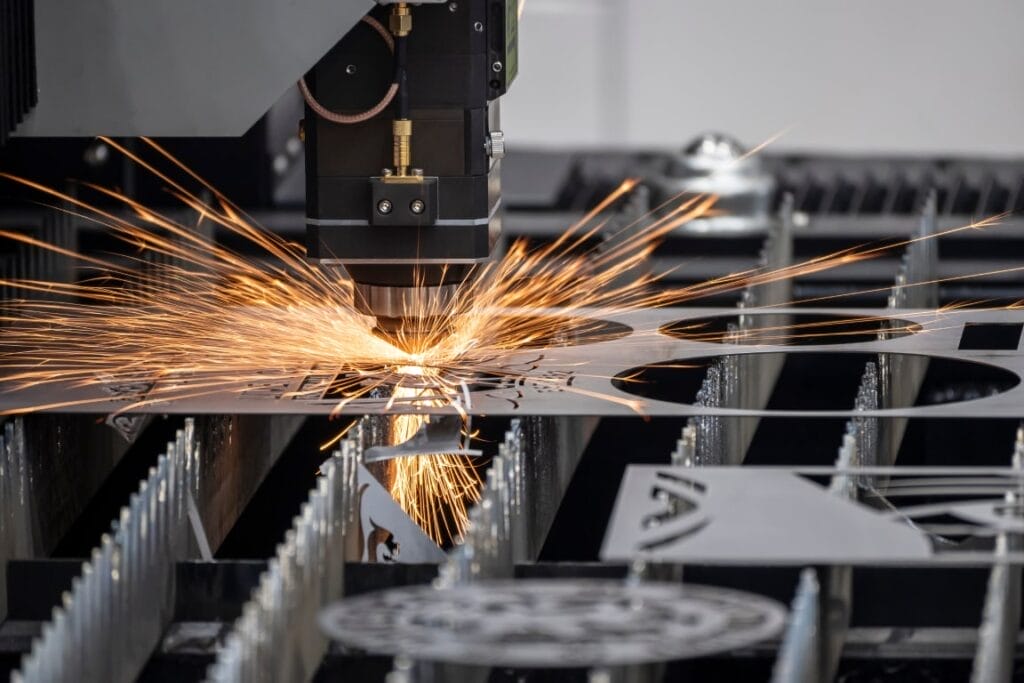
Wood laser cutting uses a focused CO2 laser beam emitting infrared light at 10,600 nm wavelength to vaporize wood fibers through sublimation, converting solid material directly to gas without combustion. The high-powered laser concentrates energy to a spot diameter below 0.2 mm, creating precise cuts with minimal heat-affected zones. CNC control systems guide the laser head along programmed vector paths with extreme precision within ±0.01 mm positioning accuracy.
Core Technology Components
The process operates at laser power between 50 W and 150 W depending on wood density and thickness requirements. Compressed air assist blows continuously through the cutting zone to remove vaporized material, prevent ignition, and cool the workpiece. This produces sealed edges with light carbonization, requiring minimal post-processing.
| Parameter | Specification | Application |
|---|---|---|
| Laser Type | CO2 at 10,600 nm | Optimal wood absorption |
| Power Range | 50-150 W | 3-20 mm thickness capacity |
| Spot Diameter | <0.2 mm | Intricate cuts and detail |
| Kerf Width | 0.2-0.5 mm | Minimal material waste |
Design File Compatibility
We accept vector files in DXF, SVG, AI, PDF, and DWG formats generated from AutoCAD, Adobe Illustrator, CorelDRAW, and Inkscape. Upload your design with closed paths and single-line vectors to prevent double-cutting. Our CAD file review optimizes geometry for optimal cutting performance.


Our Wood Laser Cutting Services: Materials and Capabilities
We process natural hardwoods including walnut, cherry, oak, and maple alongside engineered wood products such as medium-density fiberboard, plywood, bamboo, and chipboard. Standard turnaround runs 5-7 business days, with rush options for 2-3 day delivery. Engineering review optimizes cutting parameters and setup for your specific material requirements.
Natural Hardwoods and Wood Veneers (3-15 mm)
- Walnut: Rich brown coloration, fine grain for furniture accents
- Cherry: Warm tones for decorative panels
- Oak: Distinctive grain with structural strength
- Maple: Light coloration for modern aesthetics
- FSC certified options: Sustainable sourcing verification
Engineered Wood Products (3-20 mm)
- MDF: Smooth edges, accepts paint and finish coatings
- Birch Plywood: Excellent strength-to-weight ratio
- Bamboo: Sustainable with distinctive grain patterns
- Cork: Flexible, sound-dampening properties
- Chipboard: Cost-effective for prototyping applications
Value-Added Services
- Post-cut sanding and edge finish application
- Assembly with metal brackets from our CNC division
- Custom laser engraving and etch detail work
- Price that scales with volume discounts starting at 50 pieces


Why does Laser Cutting Outperform Traditional Methods?
Custom laser cutting eliminates tooling costs because the laser beam requires no physical cutting tools that wear or need replacement. Traditional CNC routing demands router bits that dull over time, increasing per-part pricing. Laser systems maintain consistent dimensional accuracy with zero tool degradation.
Key Performance Advantages
No Mechanical Force: The non-contact process removes clamping requirements, enabling delicate geometries. Router bits apply lateral force, requiring robust workholding—laser cutting imposes zero mechanical stress, allowing patterns with 1 mm feature spacing.
Instant Design Changes: Modifying a laser program requires only uploading a new vector drawing, with no tooling fabrication. Traditional methods require new router paths and test cuts, custom laser processes design changes at identical cost for the first prototype or thousandth unit.
Sealed Edge Quality: Laser cut wood creates a heat-affected zone approximately 0.5-1 mm wide that seals wood fibers, preventing moisture absorption and reducing finishing requirements.
| Method | Tooling Cost | Min Feature Size | Design Change Cost |
|---|---|---|---|
| Laser Cutting | $0 | 1 mm | $0 |
| CNC Routing | Tool-dependent | 3-6 mm | Moderate |
| Waterjet | Nozzle replacement | 2-3 mm | Low |
Which Wood Types and Specifications Can You Process?
We laser cut wood materials from 3 mm decorative veneers to 20 mm structural panel stock, with optimal results between 6 mm and 15 mm thickness. Material selection depends on application—hardwoods provide premium aesthetics, while MDF offers cost-effective prototyping with dimensional stability. All materials must contain zero PVC, ABS, or halogenated compounds.
Material Requirements
- Moisture Content: We verify moisture content below 12% before cutting to prevent warping and ensure dimension stability.
- Certification Options: FSC and PEFC certified woods meet sustainability standards.
- Prohibited Materials: PVC, polystyrene, ABS, fiberglass cannot be laser cut due to toxic gas generation. We also process acrylic and laser metal materials through separate equipment.
Common Applications
- Furniture Components: Intricate joinery, decorative inlays, drawer fronts
- Architectural Models: Building facades, structural prototypes
- Decorative Arts: Signage, wall panels, craft projects, custom frames
- Product Packaging: Display boxes, retail presentation
- Musical Instruments: Soundboard components, specialty parts
- Automotive Interiors: Dashboard trim, console accents


How do Your Quality Standards Ensure Precision?
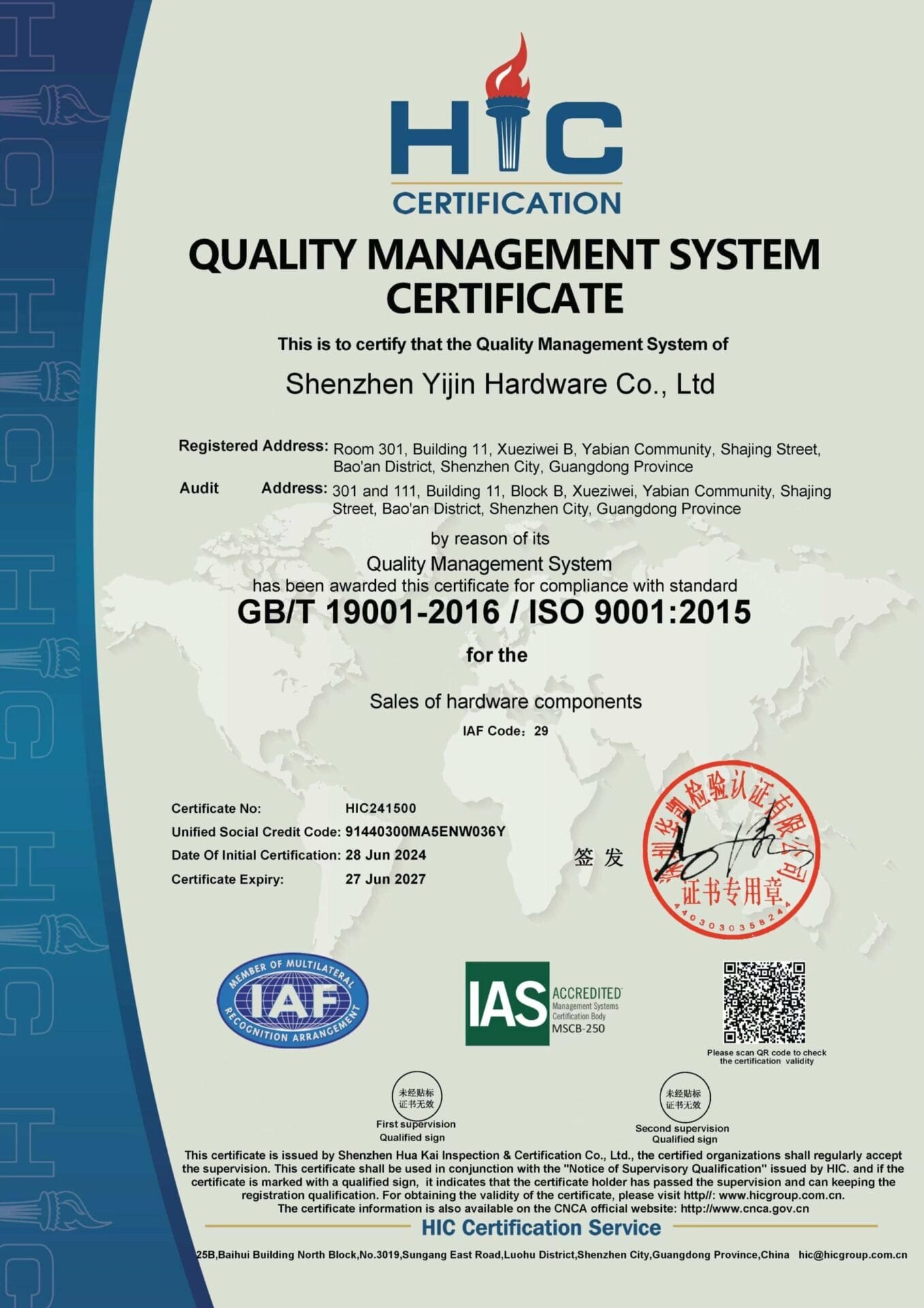
Our ISO 9001 certified quality management system enforces dimensional verification using coordinate measuring machines with ±0.1 mm tolerance confirmation. We calibrate laser focal length daily and verify cutting parameters against material test samples. Air assist pressure monitoring prevents flame ignition and removes cutting debris for consistent resolution quality.
Quality Inspection Protocol
- Dimensional Verification: CMM measurement of critical part size features
- Visual Examination: Check for char marks or incomplete cuts
- Edge Quality Assessment: Carbonization depth and surface evaluation
- Material Certification: FSC and PEFC documentation when specified
Safety and Environmental Compliance
Our laser cutting service equipment operates under radiation safety compliance with proper enclosures and interlocks. Fume extraction systems with HEPA filtration capture vaporized material. Operators complete certification training in machine safety protocols and emergency procedures.
What is Your Process From Design to Finished Part?
We receive vector files and conduct engineering review within 24 hours to optimize cutting paths. Our CAD/CAM specialists verify geometry for closed paths, eliminate overlapping lines, and adjust parameters based on wood type and thickness. Get a quote by uploading your design through our online portal or contact our engineering team.
Production Sequence
- Material Preparation: Inspect moisture content and secure to laser bed using vacuum holddown
- Parameter Optimization: Calibrate cutting speed (10-50 mm/s), power (50-150 W), air assist pressure for specific species
- Cutting Execution: CO2 laser follows programmed paths with real-time monitoring
- Quality Verification: Dimensional inspection using calipers and CMM measurement
- Post-Processing: Optional edge sanding, assembly, or finish application
- Packaging: Protective materials prevent damage with tracking provided


Why Choose Yijin Solution for Laser Wood Cutting Service?
Yijin Solution integrates laser cut wood service within our comprehensive CNC machining facility, enabling hybrid projects combining laser-cut wood with precision-machined metal parts under single-source accountability. Our engineering team provides technical consultation to optimize designs for manufacturability and recommend material selections. We offer pricing transparency with volume discounts scaling from prototyping through production.
Unlike automated upload services, we review every file for incomplete paths, material compatibility concerns, or features risking breakage. Integration with sheet metal fabrication, CNC milling, and injection molding enables complete assemblies delivered ready for product integration.
What Our Clients Say
Wood Laser Cutting FAQs
Laser cutting creates a heat-affected zone approximately 0.5-1 mm wide, producing light carbonization visible as edge darkening that some applications cannot tolerate. Maximum practical thickness remains limited to 20 mm due to beam focus divergence, reducing edge quality. Initial equipment investment exceeds mechanical cutting for simple geometries, where routing proves more economical.
PVC releases hydrochloric acid gas and toxic chlorine compounds, causing equipment corrosion and health hazards. ABS plastic, polystyrene foam, fiberglass, and materials containing chlorine or fluorine generate toxic gases, including hydrogen cyanide. Materials with unknown composition require chemical analysis verifying the absence of halogenated compounds before processing.
CNC routing outperforms for wood thicker than 20 mm or applications requiring non-carbonized edges without darkening. Waterjet cutting excels for moisture-tolerant woods where edge sealing is undesirable and thickness exceeds 25 mm. Traditional sawing remains most cost-effective for simple straight cuts or very large production volumes, where laser speed advantages cannot offset equipment costs.
CNC Resources

3D-Printed Snap-Fit Trim Housing Prototype: From CAD Review to Functional Assembly Validation
How a matched prototype set turned a visual concept into a practical basis for fit, feature, and production-readiness decisions. A

Low-Volume & Prototype CNC Machining in China
How prototype CNC machining prices behave from 1 to 500 units, what the move to production involves, and what a

CNC Milling | A Practical Guide to Parts, Tolerances, and Material Selection
Learn how CNC milling services handle part types, realistic tolerances, materials, 3-axis and 5-axis work, DFM, pricing, inspection, and sourcing
Start today. Get parts made fast.
Free Machined Parts Design to Your Projects with Fast Turnaround Times.
 English
  Spanish
  German
  French