
Short Run CNC Machining | Small Volume, Precision Parts
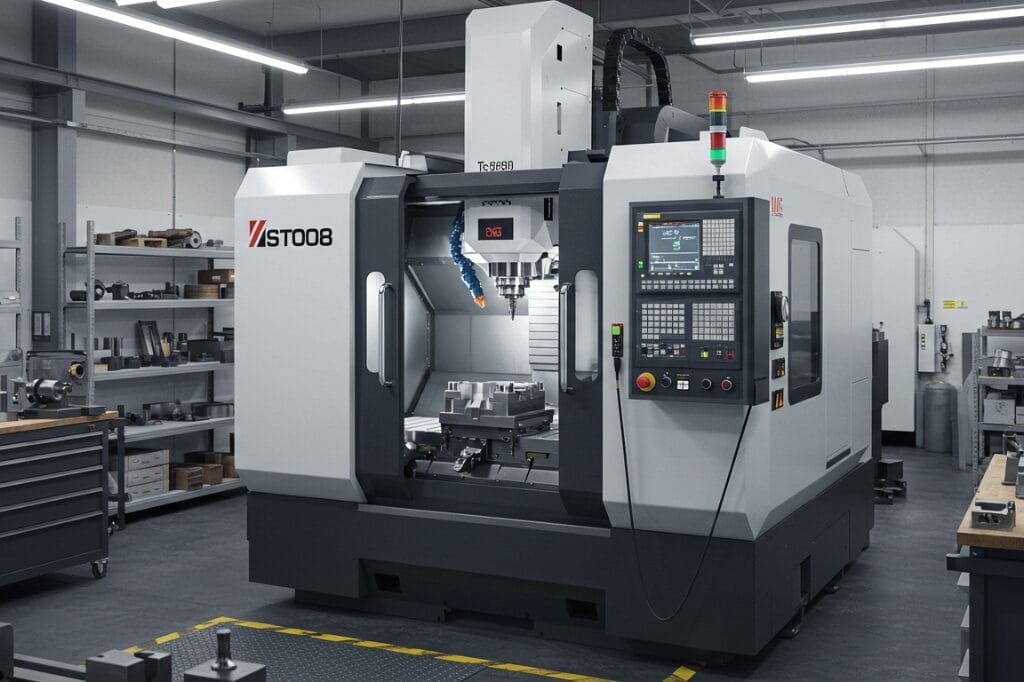
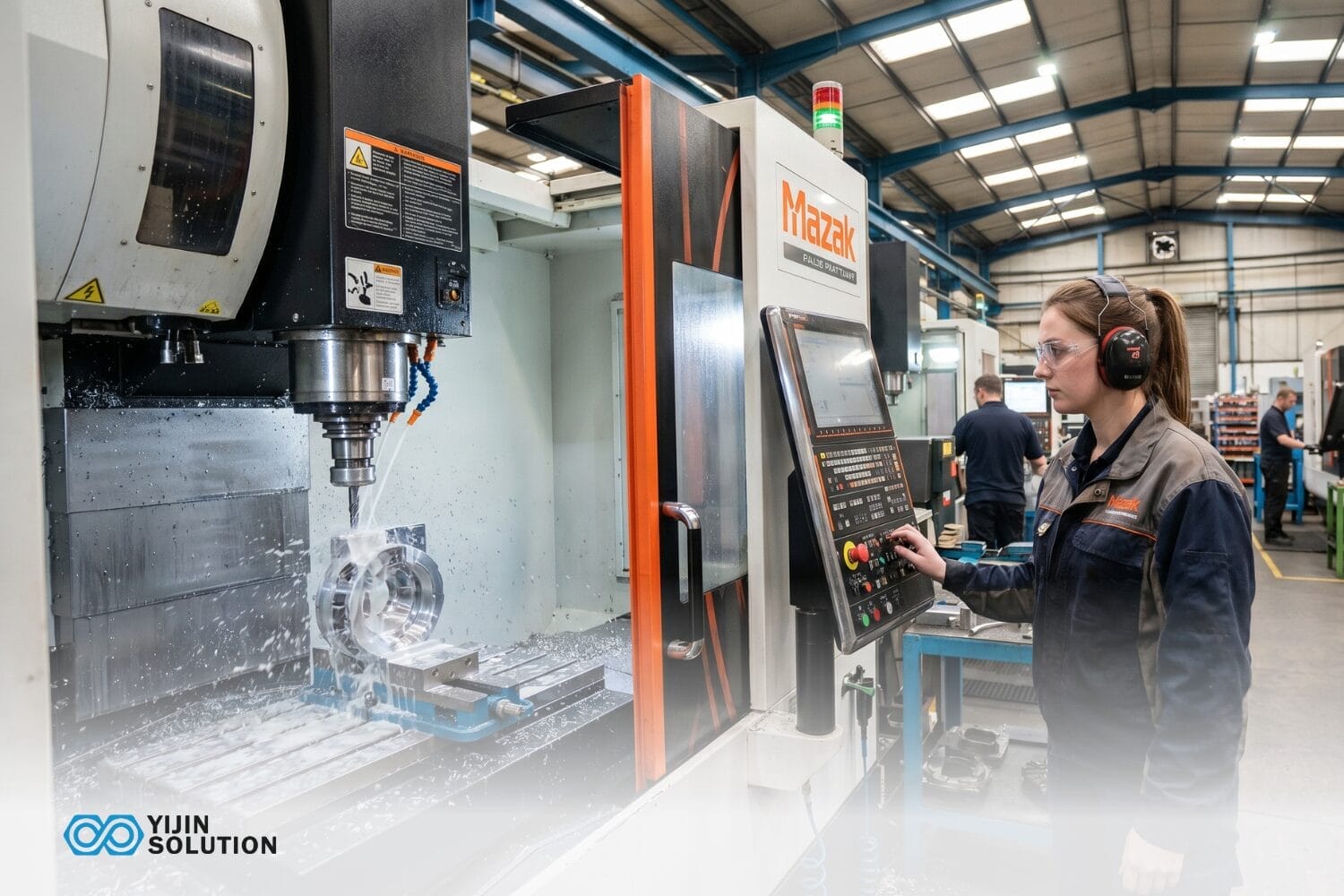
Need professional-quality parts without committing to massive production runs? Short run CNC machining delivers exactly that — precision components in quantities anywhere from a single prototype to 10,000 pieces. Using computer-controlled technology, we create parts that match or exceed the quality of mass production without the excessive costs of setting up injection molding or other high-volume processes. The precision is remarkable — tolerances as tight as ±0.0001 inches.
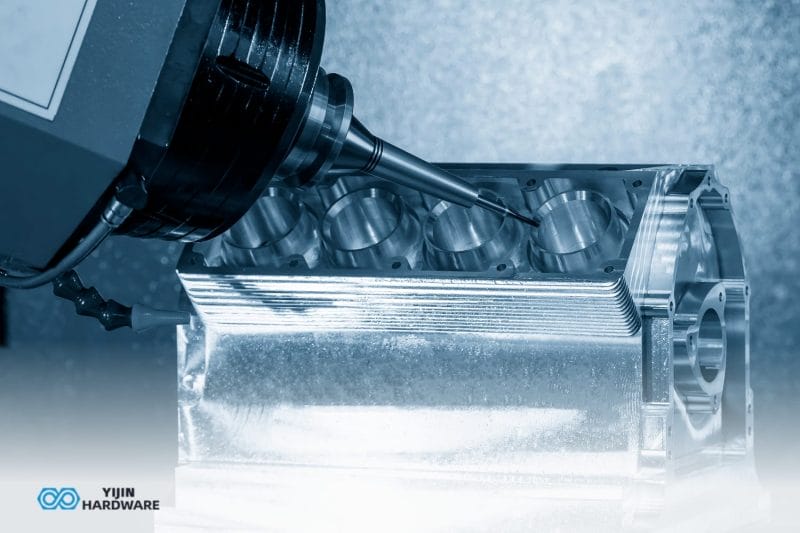
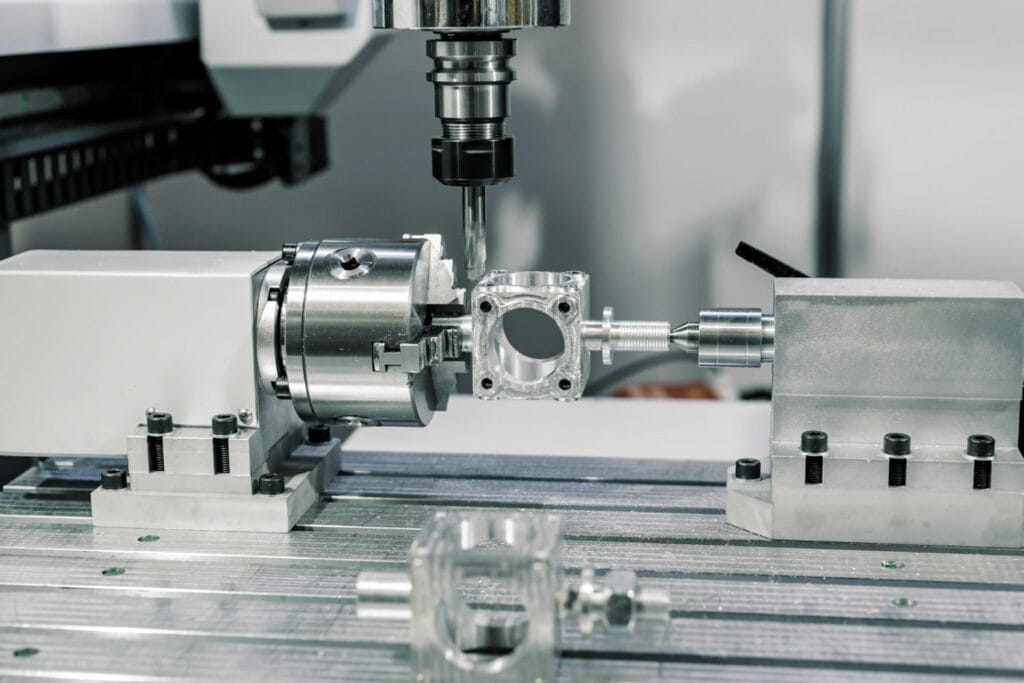
Our 5-axis machining centers handle those complex geometries that would make other shops nervous — from intricate aerospace components to delicate medical devices, specialized automotive parts, and miniature electronics. The best part? No minimum order requirements. Whether you need one perfect part for testing or a few hundred for a limited production run, we deliver the same quality without forcing you into quantities you don’t actually need.
- ⬤Service
- ⬤Your Details
- ⬤Submit


What Makes Short Run CNC Different From Mass Production?
Short-run CNC machining is essentially the sweet spot between one-off prototypes and massive production runs. It uses computer-guided cutting tools to create small batches of parts without the huge upfront investments traditional manufacturing demands. The whole process relies on sophisticated G-code programming — digital instructions that guide cutting tools with microscopic precision along multiple axes. This approach perfectly fills that awkward gap between prototype development and full-scale production, for quantities were setting up injection molding would cost more than the parts themselves.
Why Smaller Batches Make Perfect Sense
- Skip those expensive mold costs for anything under 10,000 pieces — often saving thousands in setup fees
- Need design tweaks? Just update the program instead of scrapping expensive molds
- Get the same precise quality on part 50 as you did on part 1 thanks to computer-controlled consistency
- Stop waiting around — get parts in 5–15 days instead of weeks or months for traditional methods
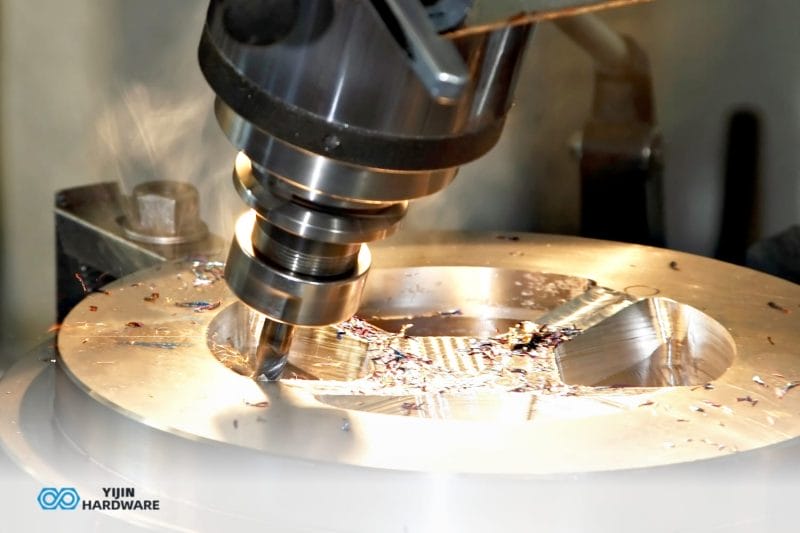
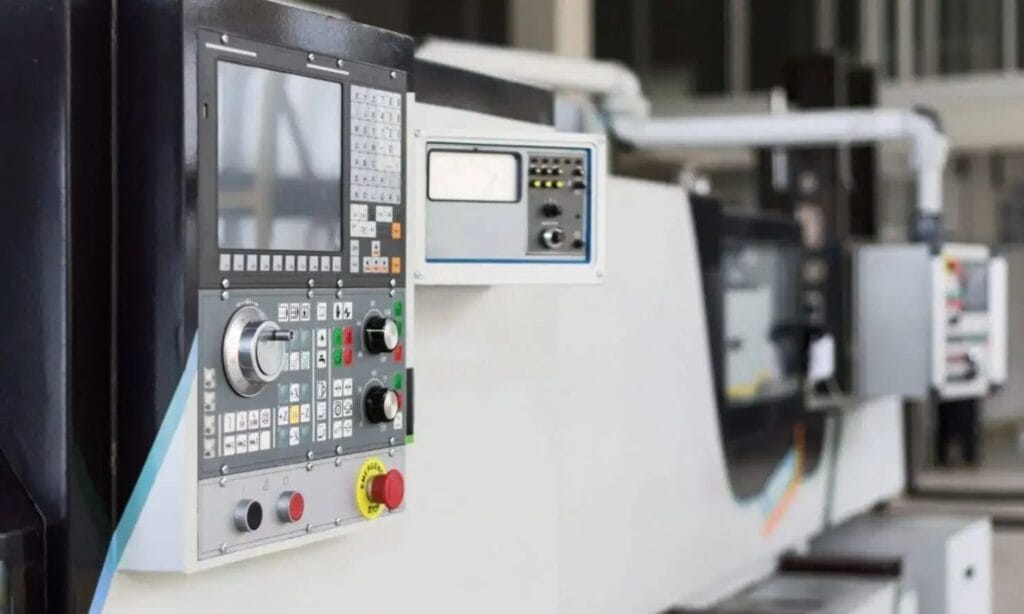
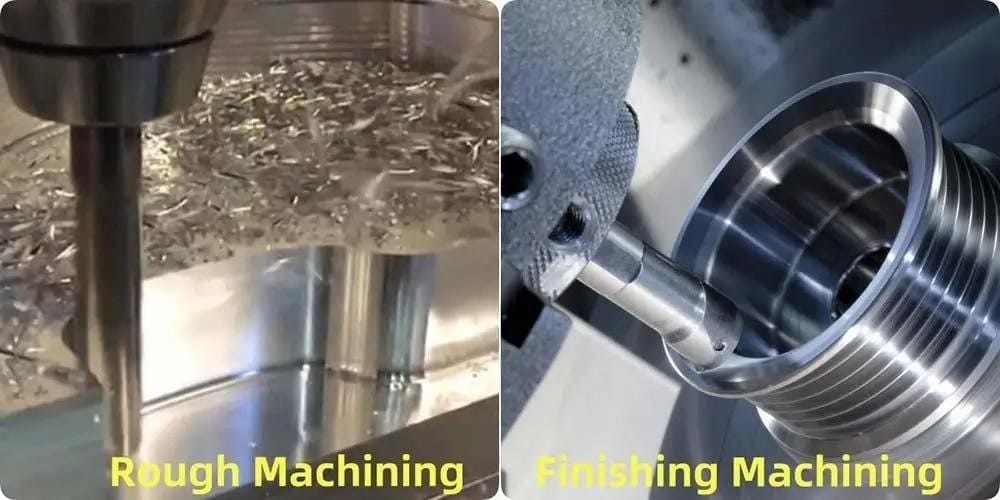
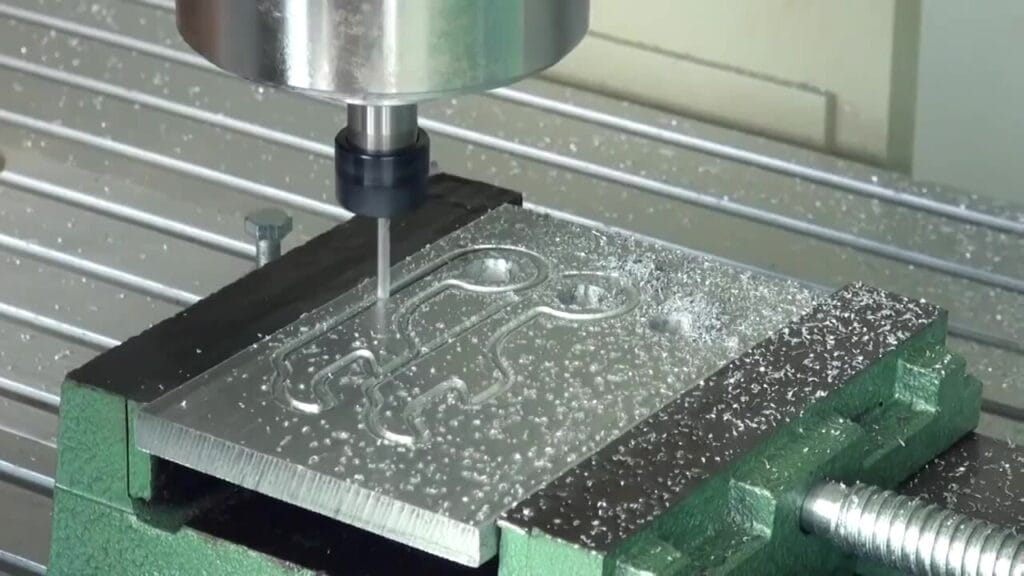
Behind the scenes, our CNC mills and lathes follow detailed instructions created in MasterCAM software, using spinning cutting tools like end mills and drill bits to carve your exact specifications from solid blocks of material. The difference is something you can literally measure with a micrometer.

Our Short Run CNC Machining Services
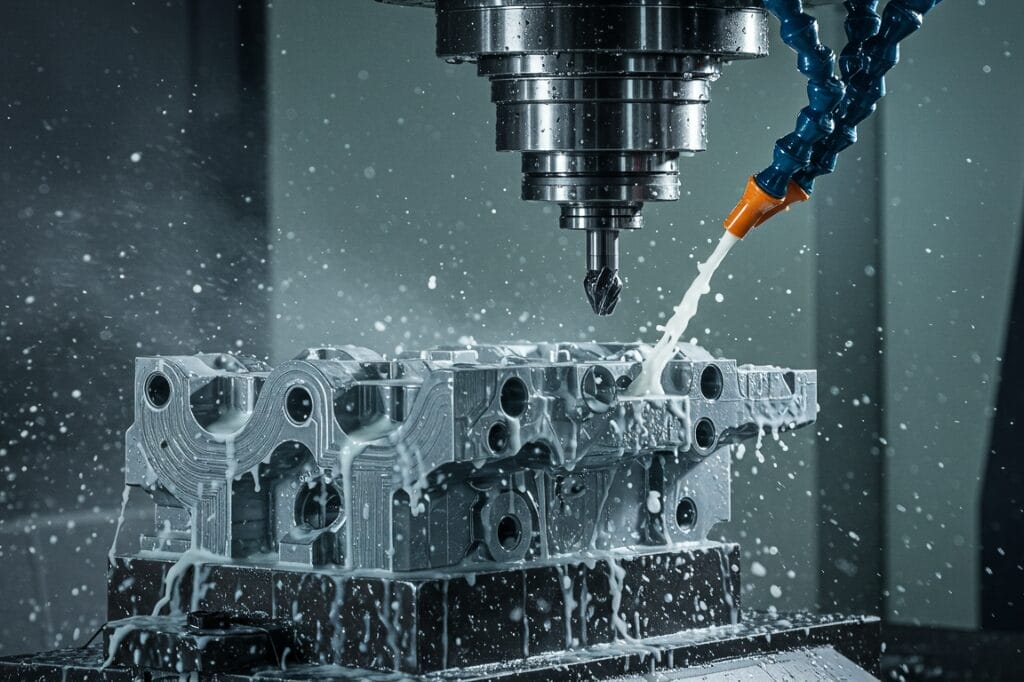
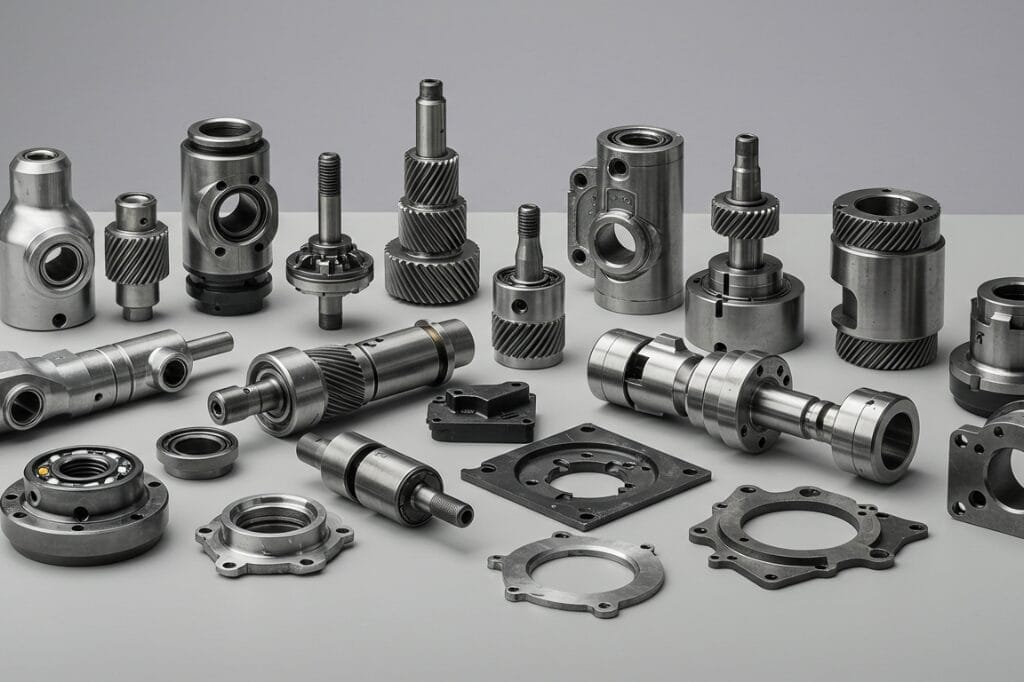
We provide comprehensive low-volume manufacturing services using advanced 3-axis, 4-axis, and 5-axis CNC equipment for maximum geometric flexibility. Our machine shop offers CNC milling, CNC turning, drilling, threading, and specialized processes like EDM and surface grinding. Each project receives dedicated programming to optimize tool paths and minimize setup time.
Available CNC Processes
| Process Type | Equipment | Typical Applications |
|---|---|---|
| CNC Milling | 3-5 axis mills | Housings, brackets, prototypes |
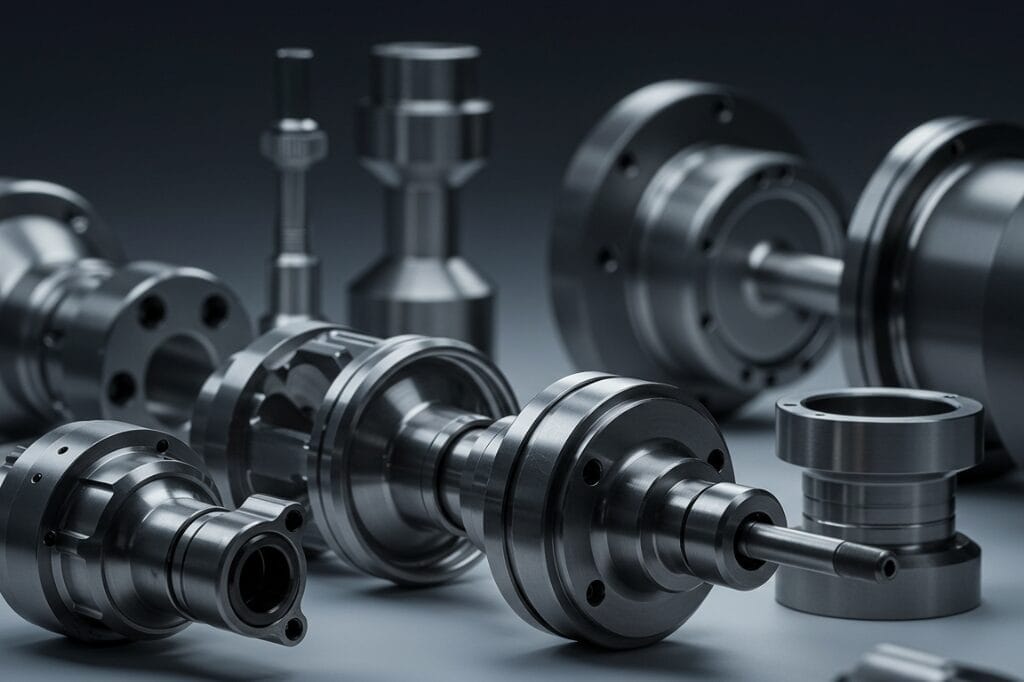
| CNC Turning | CNC lathe systems | Shafts, bushings, connectors |
| EDM Machining | Wire/Sinker EDM | Hard steel, complex cavities |
| Surface Grinding | Precision grinders | Tool surfaces, tight tolerances |
Quality Standards
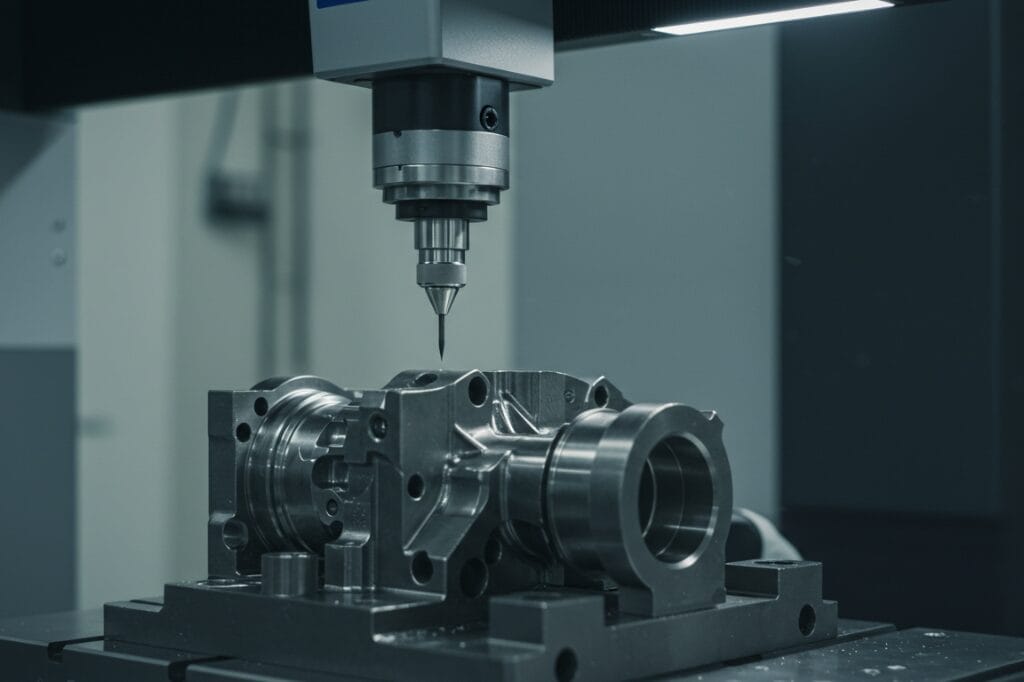
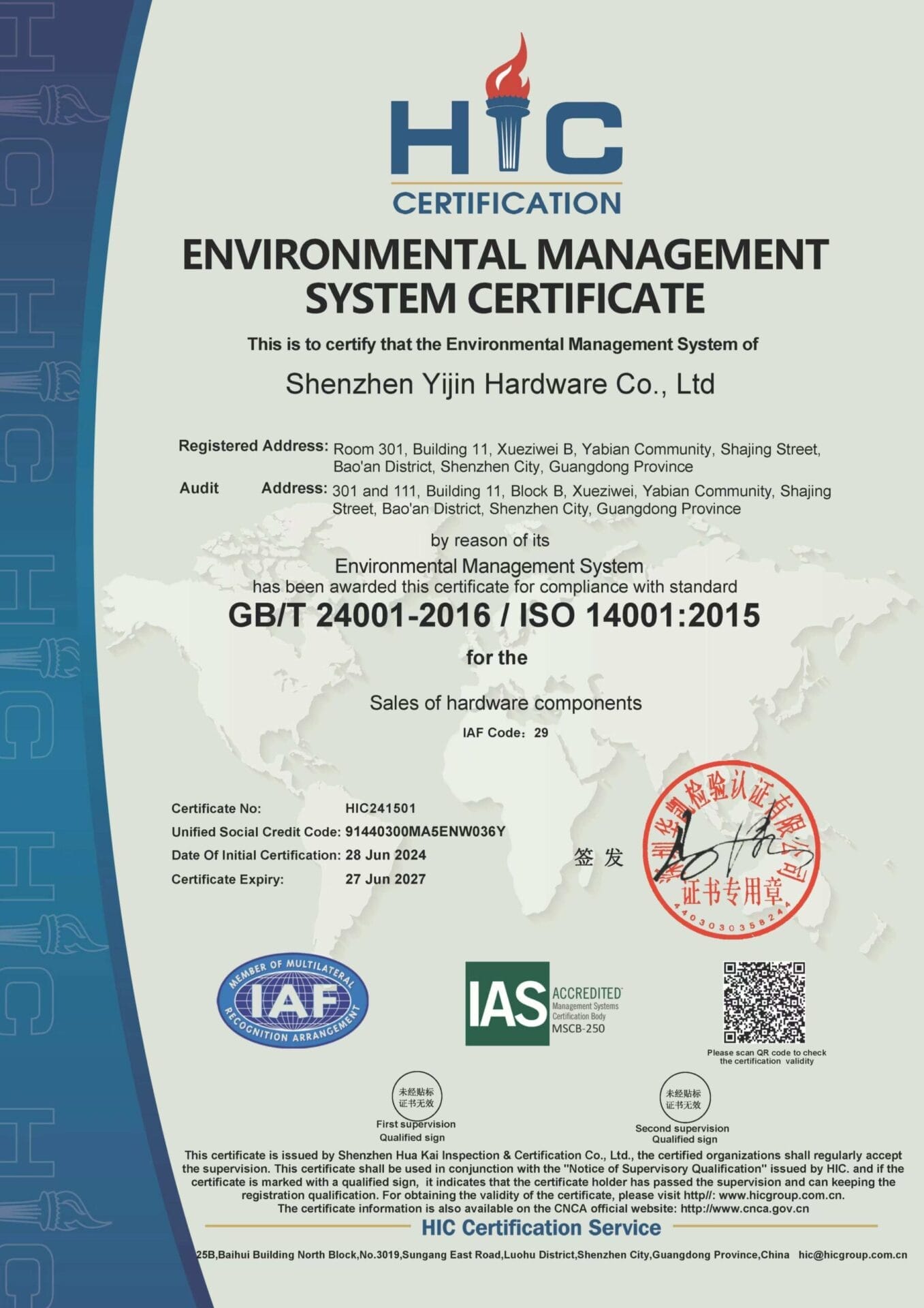
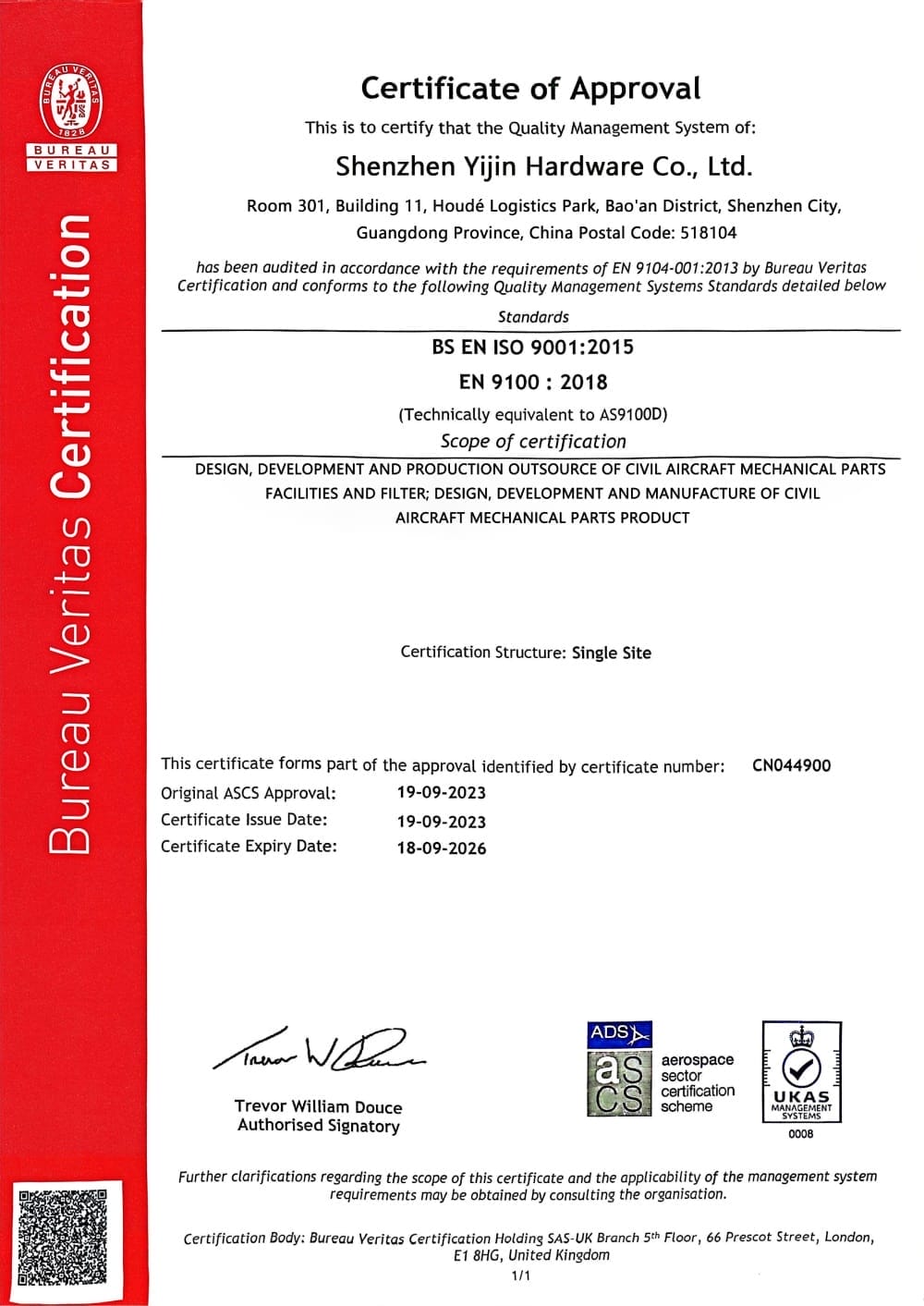
Our ISO 9001:2015 certified machine shop ensures consistent results with comprehensive inspection protocols using coordinate measuring machines and surface finish measurement equipment.
How does CNC Beat Other Manufacturing for Small Quantities?
Short run machining eliminates tooling costs that make traditional manufacturing expensive for small-batch production. Programming changes cost significantly less than tooling modifications, enabling design iterations without financial penalties. Quick turn capabilities compress production schedules because no tooling fabrication is required.
Cost Comparison Benefits
- No upfront tooling investment versus injection molding setup
- Simple reprogramming for design changes in low volume runs
- Material waste reduction through direct machining operations
- Lower risk through smaller financial commitments for one-off projects
The process maintains consistent quality using computer numerical control precision rather than operator-dependent manual methods. Design flexibility allows engineering changes between production runs without scrapping expensive molds.
Which Industries Benefit Most from Short Run CNC?
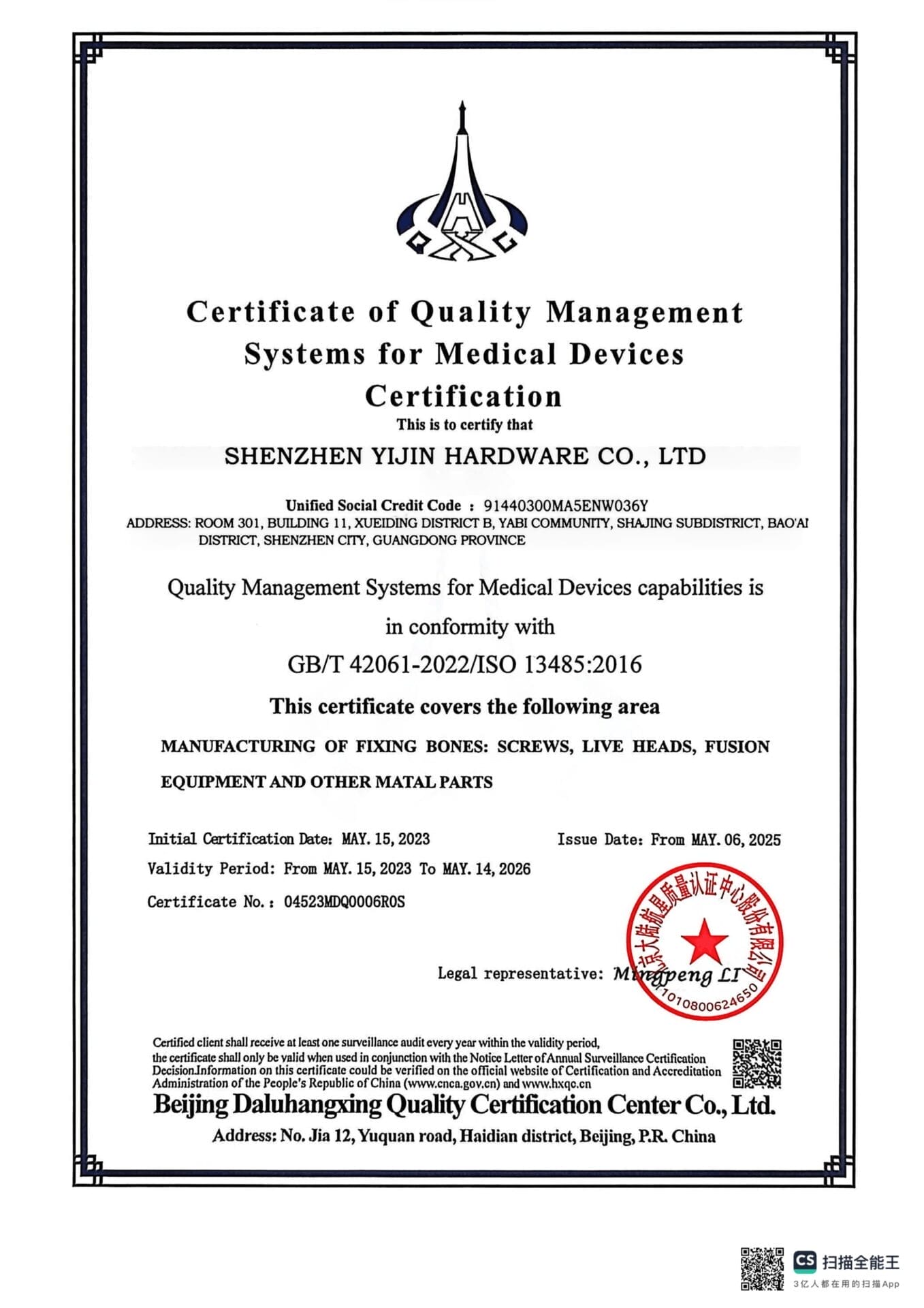
Aerospace applications demand precision CNC machined parts with tight tolerances for turbine components, structural brackets, and custom fixtures where safety regulations require verified quality. Medical device manufacturing utilizes short-run CNC for patient-specific implants, surgical instruments, and regulatory compliance testing. These industries benefit from our ITAR compliance and medical device quality standards.
Industry-Specific Applications
| Industry | Common Parts | Requirements |
|---|---|---|
| Aerospace | Turbine components, brackets | AS9100D, ITAR compliance |
| Medical Device | Implants, surgical tools | Biocompatible materials, FDA traceability |
| Automotive | Prototype parts, specialty components | IATF 16949, dimensional accuracy |
| Electronics | Enclosures, heat sinks | EMI shielding, thermal management |
Electronics manufacturers use our CNC machining services for custom enclosures, heat sinks, and precision connectors where rapid product development supports innovation timelines.
What Materials Can We Machine in Short Runs?
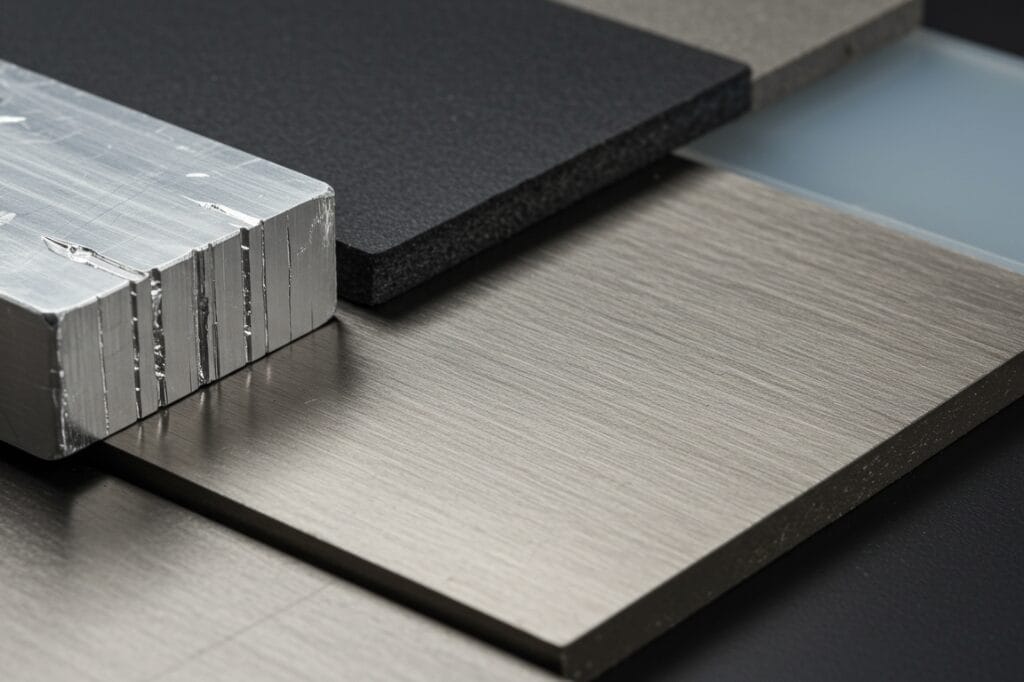
Aluminum alloys provide excellent machinability with high strength-to-weight ratios, making them ideal for aerospace and automotive applications. Stainless steel grades like 316L offer superior corrosion resistance for medical and food processing equipment. Tool steel delivers exceptional hardness for cutting tools and dies.
Material Categories and Properties
| Material | Grades | Key Properties |
|---|---|---|
| Aluminum | 6061-T6, 7075-T6 | Lightweight, corrosion resistant |
| Steel | 316L, 17-4PH | Biocompatible, corrosion resistant |
| Tool Steel | D2, A2, O1 | High hardness, wear resistant |
| Plastic | PEEK, ABS, Nylon | Chemical resistant, insulating |
Advanced Material Capabilities
- PTFE for low friction applications and thermoplastic requirements
- Titanium for aerospace and medical implant applications
- Brass for electrical components requiring conductivity
- Polycarbonate for transparent, impact-resistant housings
- Carbon fiber composites for lightweight, high-strength structures
Material selection depends on machining needs including strength, temperature resistance, and regulatory compliance requirements.
How do We Guarantee Quality in Every Part?
Quality assurance begins with design review and manufacturability analysis using our engineering team’s expertise in CNC machining technology and material properties. Programming verification occurs through simulation software before any material cutting begins. First article inspection validates all dimensions against drawing specifications using high-precision measurement equipment.
Quality Control Process
- CAD file analysis with design optimization recommendations
- CAM programming with simulation verification using advanced CNC software
- First article inspection with full dimensional analysis
- Statistical process control throughout production runs
- Final inspection with documented measurement reports
Our coordinate measuring machines provide dimensional accuracy verification to ±0.0001 inches with documented measurement uncertainty. Surface finish measurements use calibrated profilometers to verify Ra specifications from 0.2 to 3.2 micrometers across all machining finishes.
Advanced Quality Tools
- Automated probing systems for mill and lathe coordinate establishment
- Real-time cutting tool wear monitoring during machining operations
- Temperature-controlled inspection environment for precision measurements
- Certified machine calibration standards traceable to NIST
What’s Our Step-by-Step Manufacturing Process?
Project initiation starts with CAD file analysis and manufacturability review to identify potential issues before programming begins. Our machinists provide design optimization recommendations to reduce machining costs and improve part quality. CAM programming creates efficient tool paths while minimizing tool changes and setup requirements for quick turnaround.
Production Workflow
- Design Analysis — CAD review with optimization recommendations
- Programming — CAM tool path generation with advanced equipment simulation
- Setup — Workholding and automated coordinate establishment
- Machining — Multi-axis cutting with real-time monitoring using CNC
- Inspection — Dimensional verification and finishing process testing
- Delivery — Deburring, cleaning, and surface treatments
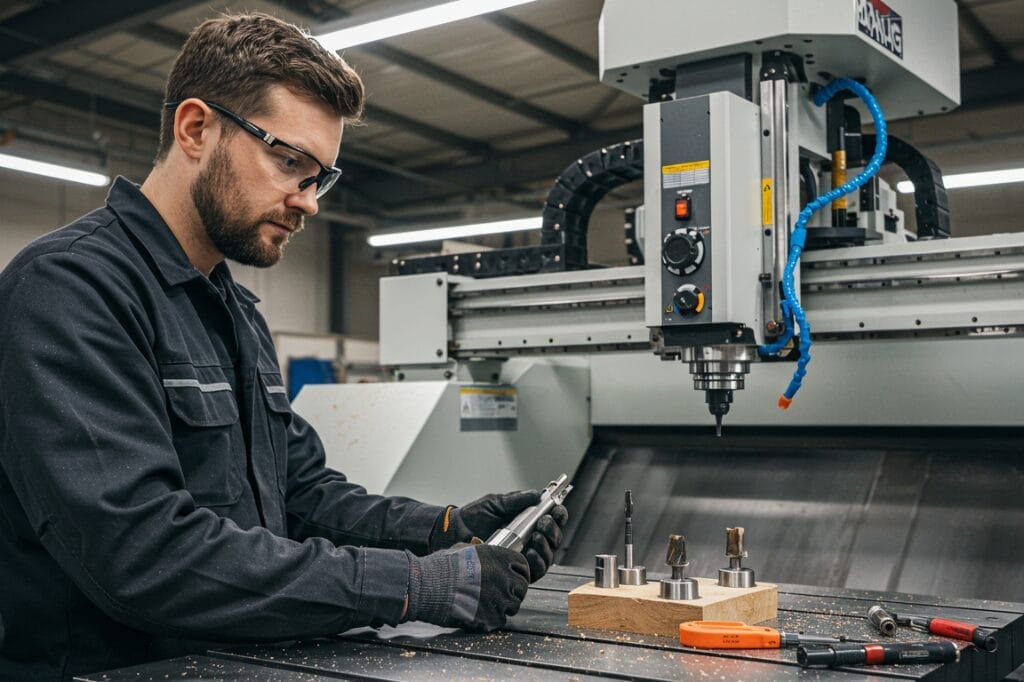
Material preparation includes verification of grade and dimensions, followed by precise cutting to rough dimensions. Workholding setup uses modular fixtures, magnetic systems, or custom jigs depending on part geometry requirements for optimal machining capabilities.
Why Choose Yijin Solution for Your Short Run Projects?
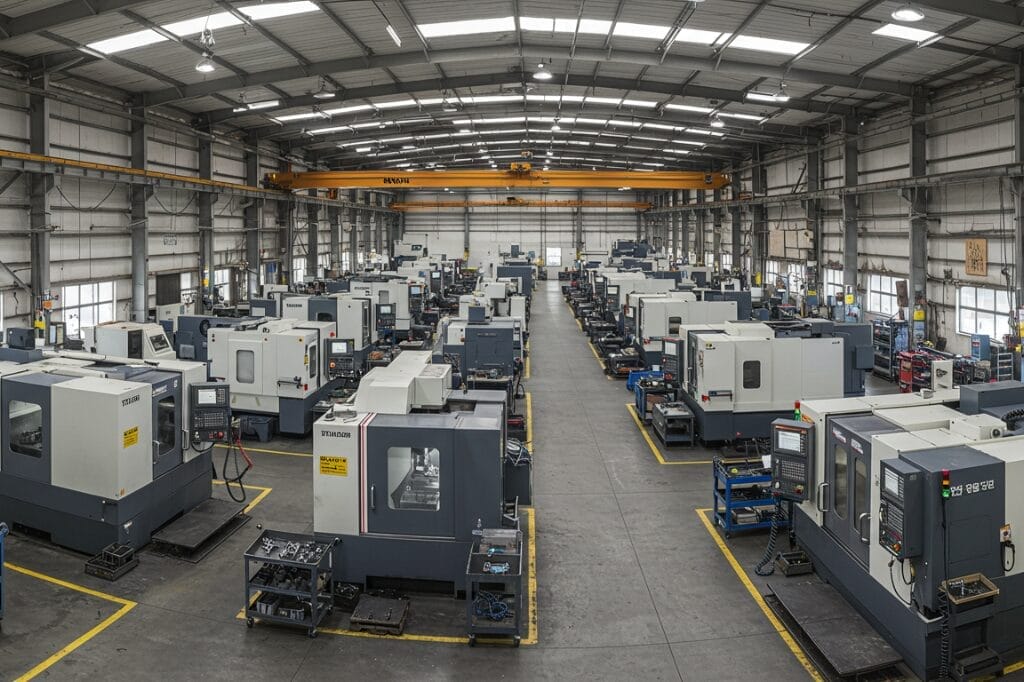
We combine advanced CNC manufacturing equipment with decades of precision machining expertise to deliver CNC machined prototypes and production parts that meet exact specifications. Our ISO 9001:2015 certified quality management system ensures consistent results, while our engineering team provides design optimization support to reduce costs and improve manufacturability for metal and plastic components.
Our investment in state-of-the-art CAM software and automated measurement systems enables efficient programming and reliable quality control for every CNC parts project. Whether you need single prototypes or thousands of short-run production components, our flexible capacity delivers the precision manufacturing services your applications demand with global shipping capabilities.
What Our Clients Say




Short Run CNC Machining FAQs
A medical device company orders 150 titanium bone screws for clinical trials before FDA approval and full production. An aerospace manufacturer needs 75 custom aluminum brackets for a specialized aircraft modification. Electronics companies often require 300-500 custom heat sinks for testing new processor designs before scaling to higher volumes, comparing costs with 3D printing alternatives.
The preparation stage involves CAD analysis, CAM programming, and workholding setup with automated coordinate establishment. The machining stage executes programmed tool paths with real-time monitoring of cutting parameters and dimensional accuracy using online CNC systems. The finishing stage includes inspection, deburring, surface treatments, and documentation with detailed measurement reports for volume CNC applications.
Short run production suits quantities from 1 to 10,000 pieces where tooling costs exceed material and machining expenses, making CNC more economical than injection molding. Long run production becomes favorable at higher quantities, where amortized tooling costs justify injection or other tooled processes. The crossover point typically occurs between 5,000 to 15,000 pieces, depending on part complexity and tooling requirements for specific manufacturing applications.
CNC Resources
How to Use Yijin Solution Online Quoting Platform
Getting a custom part quoted should not feel complicated. If you already have a drawing or 3D file ready, Yijin
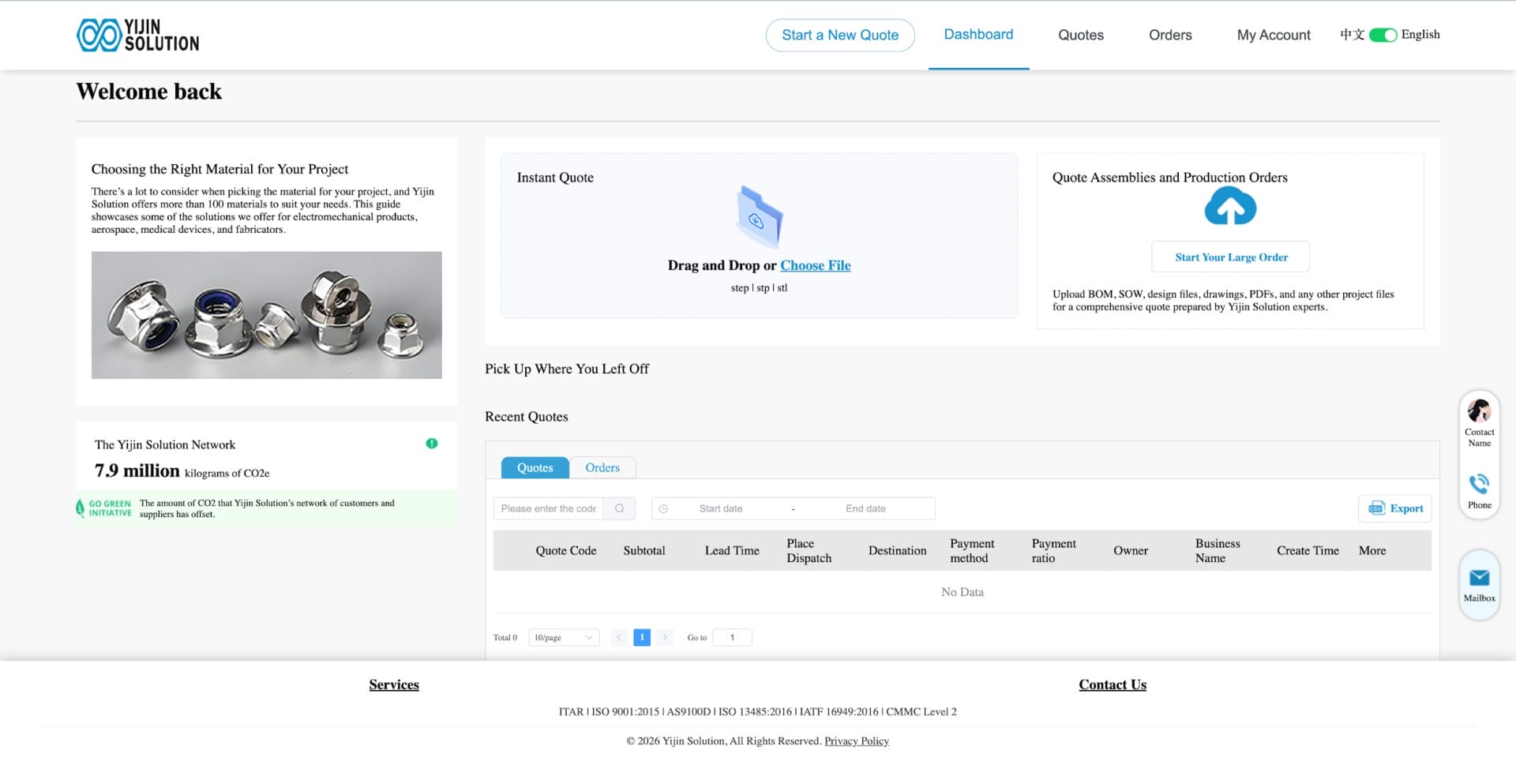
Yijin Solution Launches an Online Quoting Platform
Yijin Solution has launched its new Online Quoting System, giving customers a simpler way to upload files, review pricing, and
What is a CNC Machining Certification? Types, Requirements & Industry Standards
A CNC machining certification is a documented standard that defines how a machining supplier operates. It covers process control, material
Start today. Get parts made fast.
Free Machined Parts Design to Your Projects with Fast Turnaround Times.