
CNC Prototyping for AI & Humanoid Robots
CNC prototyping for AI robots is a precision manufacturing service that converts CAD designs into functional robot parts using a CNC machine. The defining attribute is computer numerical control, which executes repeatable machining operations with minimal variation. The value is dependable hardware that allows AI, robotics, and automation systems to perform as designed.
This service supports teams building intelligent machines, from humanoid platforms to industrial automation cells. Hardware accuracy matters because software logic only works when mechanical systems behave predictably. As a manufacturer focused on advanced robotics, Yijin Solution delivers prototype parts that engineers can test, iterate, and scale with confidence.
- ⬤Service
- ⬤Your Details
- ⬤Submit


What is CNC Prototyping for AI Robotics?
CNC prototyping for AI robotics is the use of CNC technology to machine real robot components for functional testing. The key attribute is a controlled machining process that produces production-relevant geometry. The value is faster validation of robotic systems before full production cycles begin.
Unlike visual models, CNC-machined prototypes use real materials and real tolerances. Engineers use them to test robotic arms, joints, housings, and interfaces under load. This approach supports artificial intelligence development because physical accuracy reduces noise in sensor feedback and motion control.
CNC machines are used here not for mass output, but for precision, flexibility, and speed during early development.
Why does Precision Matter in Robot Prototyping?
Precision in robotics determines whether a robot can perform tasks reliably. The defining attribute is dimensional accuracy across every machining operation. The value is stable motion, repeatable alignment, and reduced downtime during testing.
Robots rely on tight relationships between motors, gears, bearings, and sensors. Even small deviations introduce vibration, friction, or control errors. CNC robotics reduces human error by executing programmed toolpaths exactly as defined.
For AI-enabled systems, mechanical precision allows machine learning models to optimize behavior without compensating for inconsistent hardware.


What Robot Components do We Prototype?
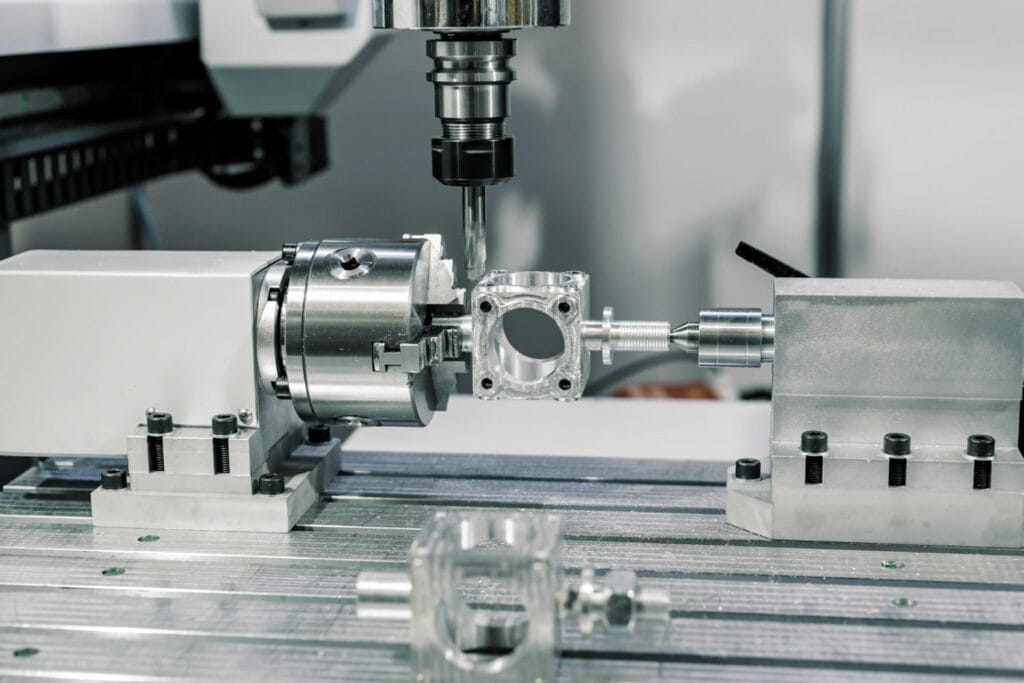
CNC prototyping produces structural and functional robot parts. The defining attribute is multi-axis capability for complex tasks. The value is assemblies that integrate cleanly into complete robotic systems.
We commonly machine:
- Robotic arm links and joint housings
- Actuator mounts and motor plates
- Sensor brackets and camera frames
- End-effector bodies and interfaces
Each part supports real loads and real assembly constraints. This approach helps engineers validate motion, balance, and fit early, reducing machine failures later.


How does CNC Support AI and Automation Systems?
CNC supports AI and automation by creating mechanically consistent platforms. The defining attribute is accuracy and consistency across parts. The value is reliable real-time data from sensors and controllers.
AI analyzes feedback from encoders, force sensors, and vision systems. If mechanical geometry shifts, data quality drops. CNC machining and AI integration work together by providing stable hardware that software can trust.
This stability helps teams automate behavior, streamline control logic, and improve productivity without constant recalibration.
What Materials are Used for AI and Humanoid Robots?
Material selection shapes robot performance. The defining attribute is machining expertise across metals and plastics. The value is parts that match strength, weight, and durability requirements.
We machine:
- Aluminum alloys for lightweight structures
- Stainless steel for wear-resistant components
- Titanium for high-strength, low-mass parts
- Engineering plastics for insulation and housings
Material choice depends on function, environment, and assembly. We guide clients through tradeoffs to increase efficiency and reduce rework.


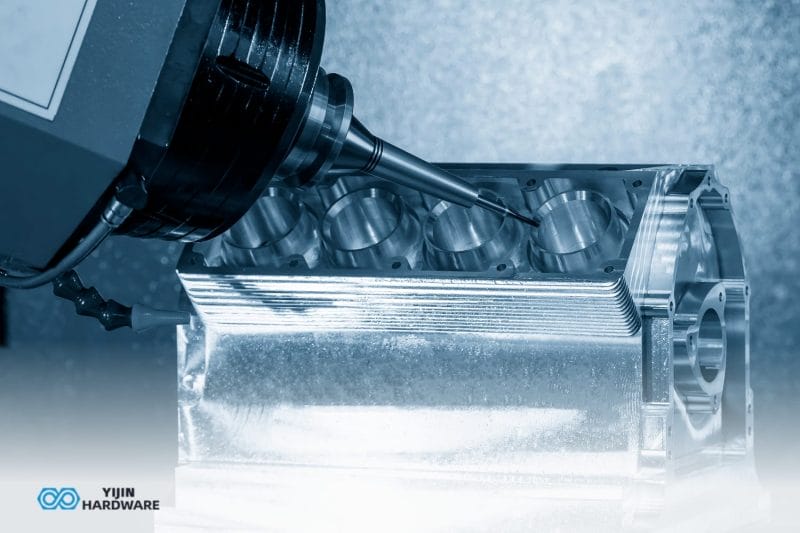
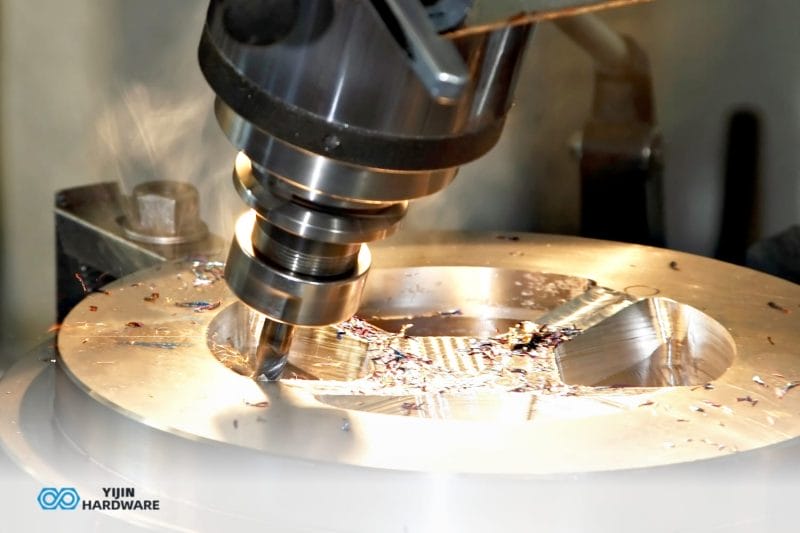
How does the CNC Machining Process Work?
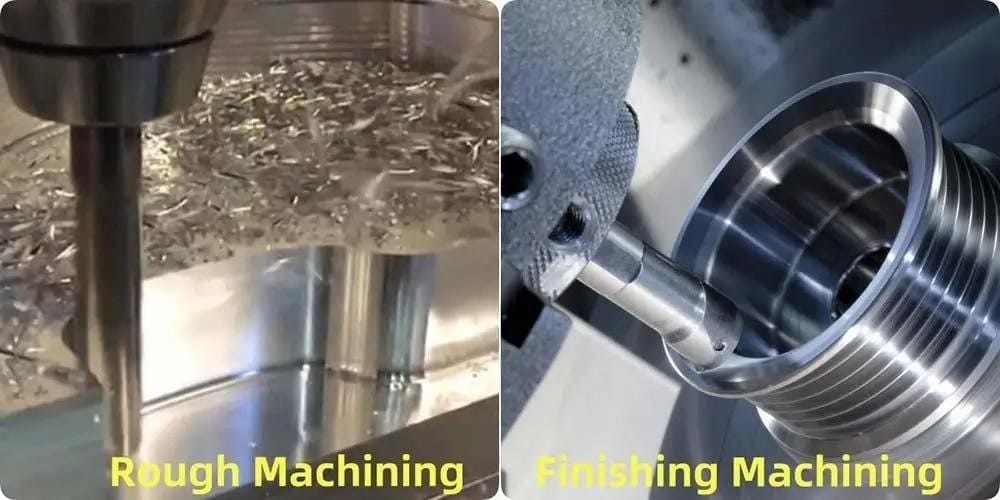
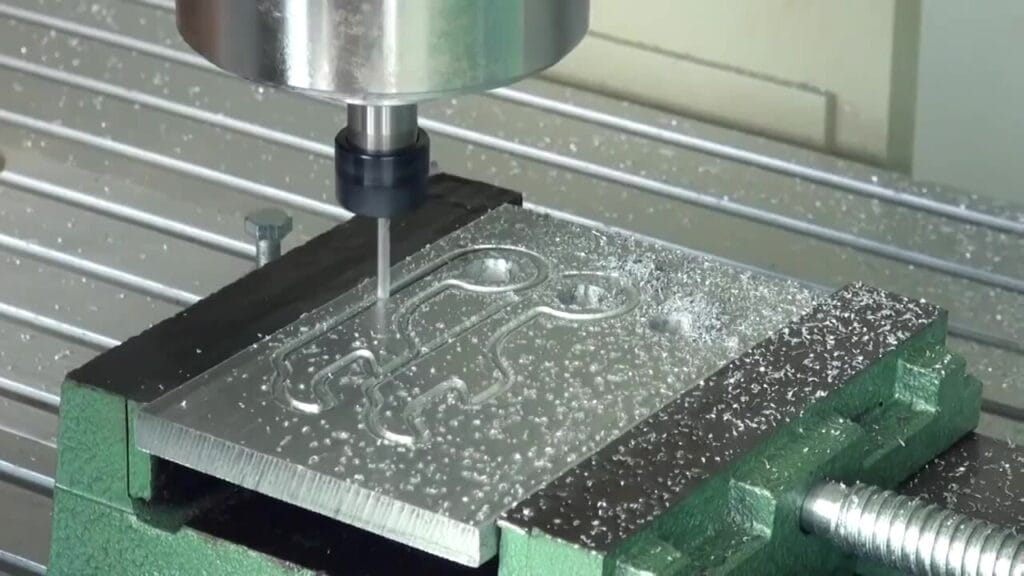
The CNC machining process converts CAD data into physical parts. The defining attribute is controlled execution from design to inspection. The value is predictable results with minimal human intervention.
Our process includes:
- Design review focused on manufacturability
- CAM programming for tool access and surface finish
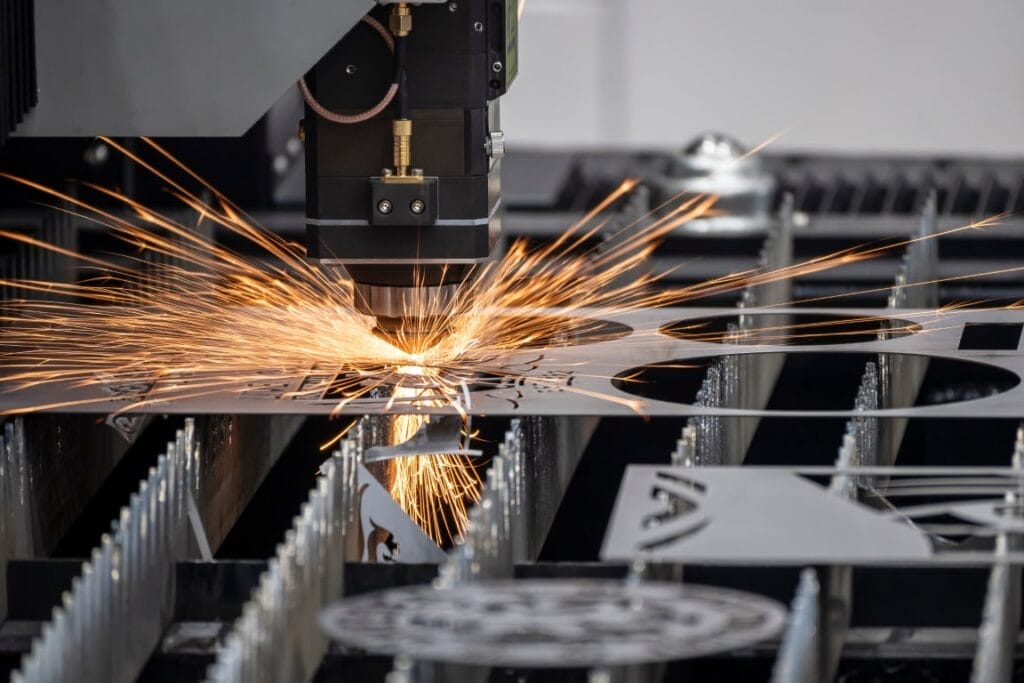
- Precision machining using modern CNC machinery
- In-process checks by skilled operators
- Final verification before delivery
This structure helps streamline manufacturing and reduce machining time across iterations.
CNC Prototyping Compared to Other Methods
CNC prototyping differs from other methods in purpose and output. The defining attribute is production-grade accuracy. The value is reliable functional testing.
| Method | Accuracy | Materials | Functional Testing | Production Relevance |
|---|---|---|---|---|
| CNC Prototyping | High | Metals & Plastics | Excellent | High |
| 3D Printing | Moderate | Limited | Fair | Low |
| Hand Fabrication | Low | Limited | Poor | Very Low |
For robotics, CNC machining services offer the most direct path from prototype to scalable production.


How do CNC and Robotics Work Together on the Shop Floor?
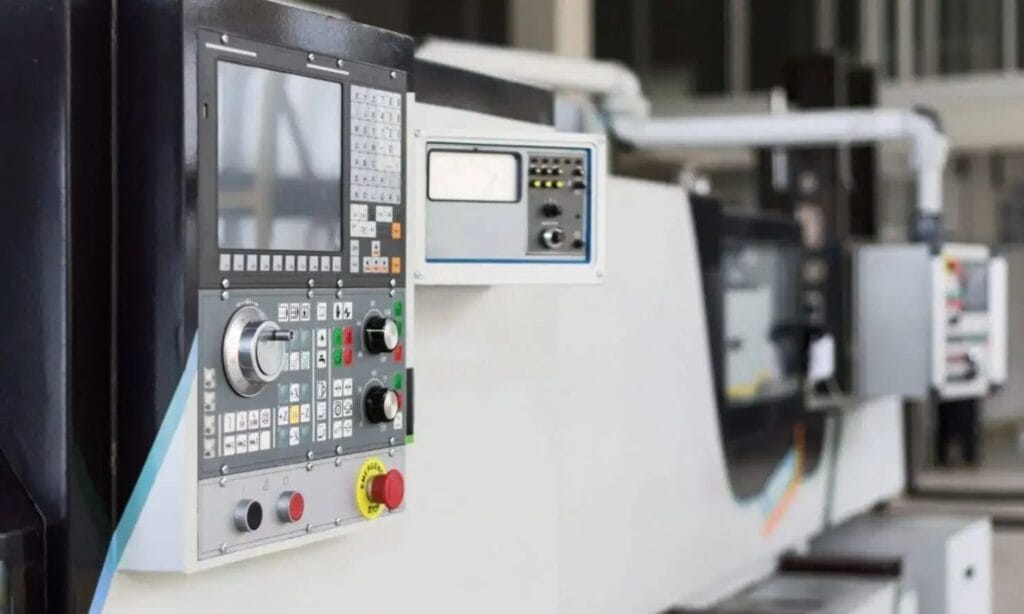
CNC and robotics integrate to automate repetitive machining tasks. The defining attribute is controlled interaction between machines and robots. The value is improved manufacturing efficiency and machine uptime.
Robotic machining supports machine tending, load and unload operations, and handling of heavy or repetitive work. Collaborative robots assist operators without replacing oversight. CNC machines can operate continuously when integrated into automated cells.
This setup reduces operator fatigue, supports minimal human intervention, and improves production stability.
Why Choose Yijin Solution for CNC Robotics Prototyping?
Yijin Solution focuses on complex robotic hardware. The defining attribute is experience with CNC machining and AI-driven systems. The value is prototypes that behave like real production parts.
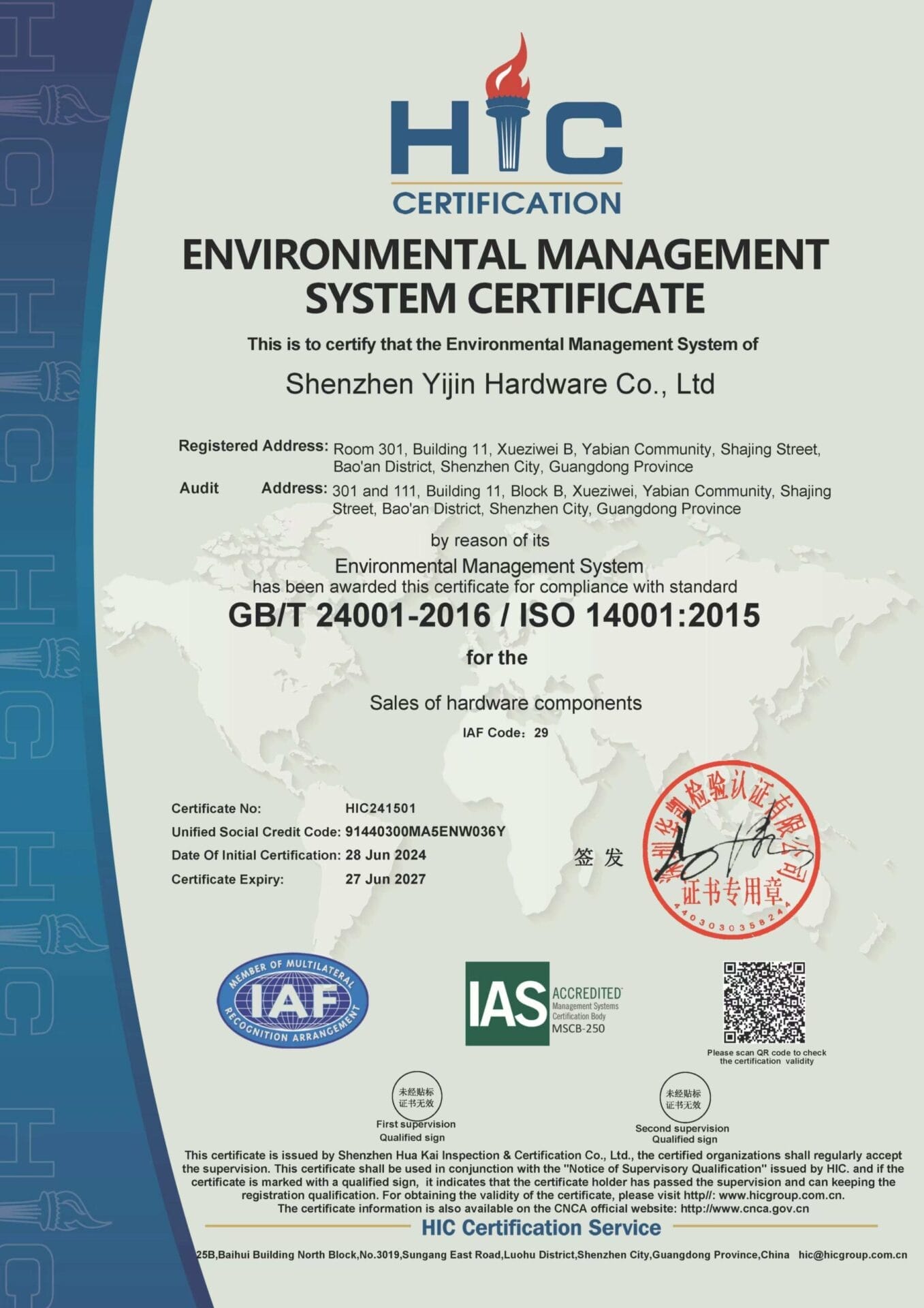
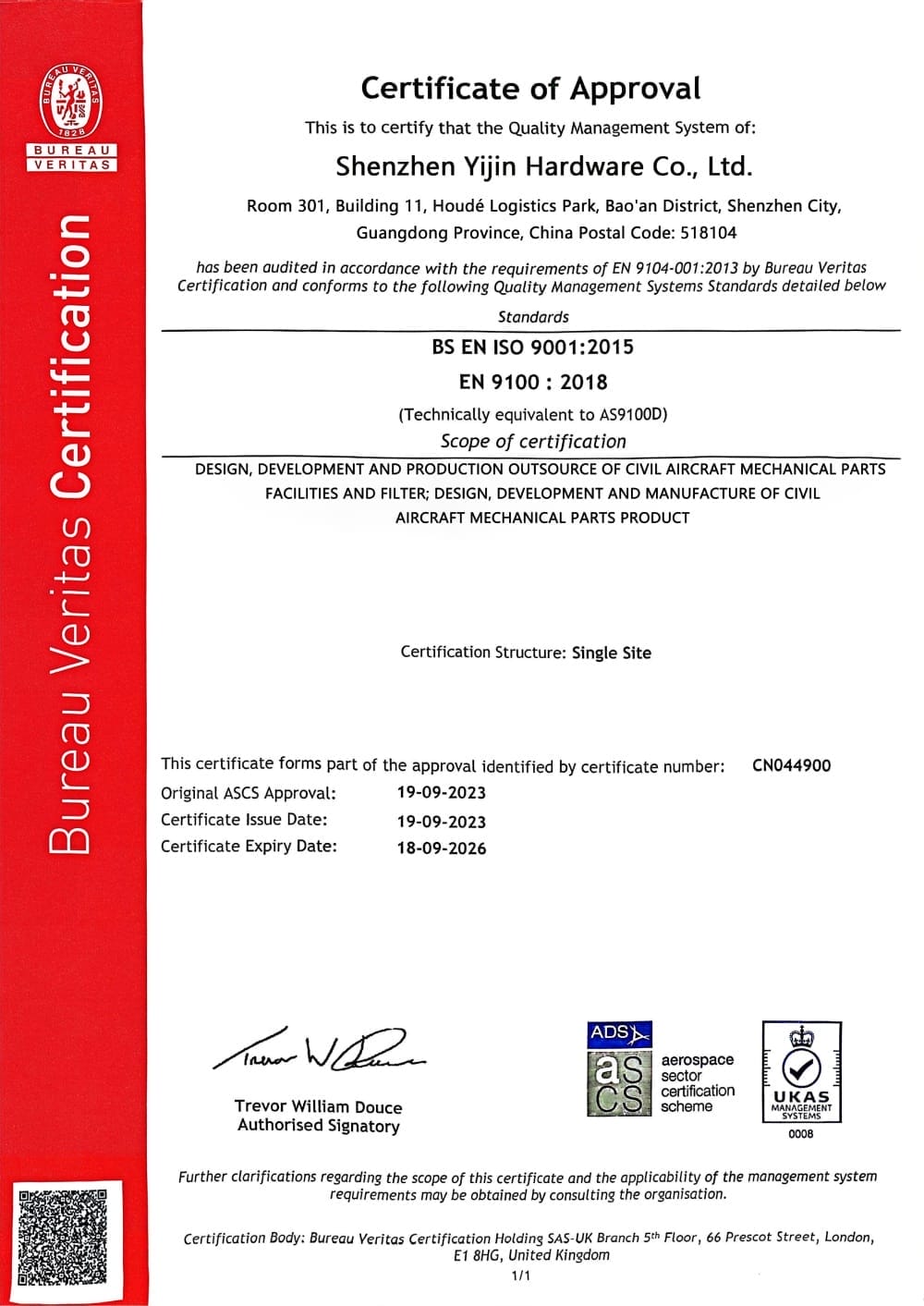
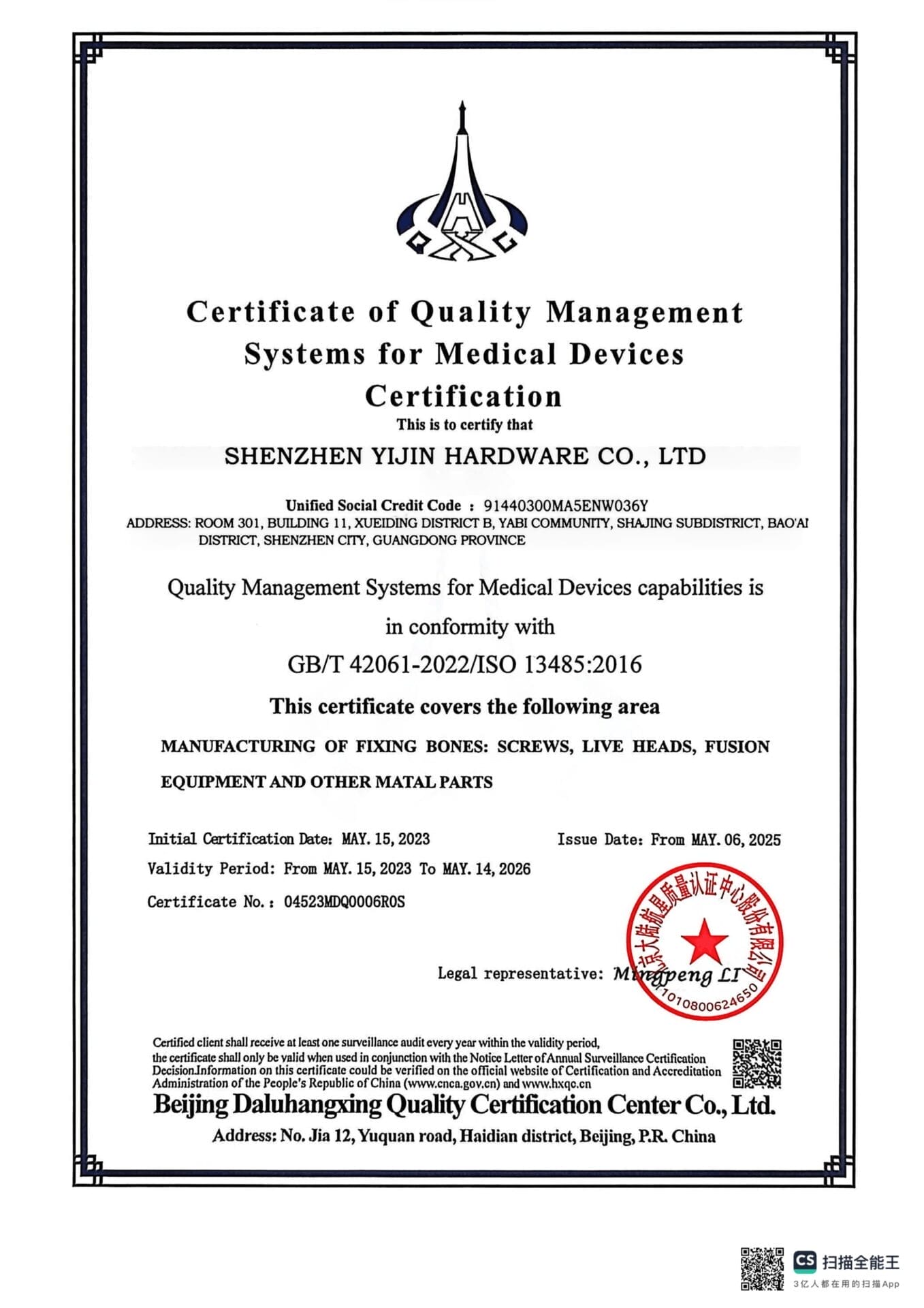
We understand how industrial robotics, aerospace mechanisms, and medical device manufacturing demand precision and reliability. Our team supports iteration, scaling, and long-term manufacturing goals.
If you want parts that integrate cleanly into intelligent machines, we are built for that work.
What Our Clients Say




CNC Prototyping for AI & Humanoid Robots FAQs
CNC in robotics refers to using computer-controlled machines to manufacture precise robot components. It enables accurate joints, frames, and interfaces that support reliable robotic motion.
CNC machines primarily use G-code to define tool movement and machining actions. This language translates CAD and CAM data into machine instructions.
CNC is not a robot because it does not make autonomous decisions. It performs programmed actions under defined control without adaptive behavior.
CNC Resources
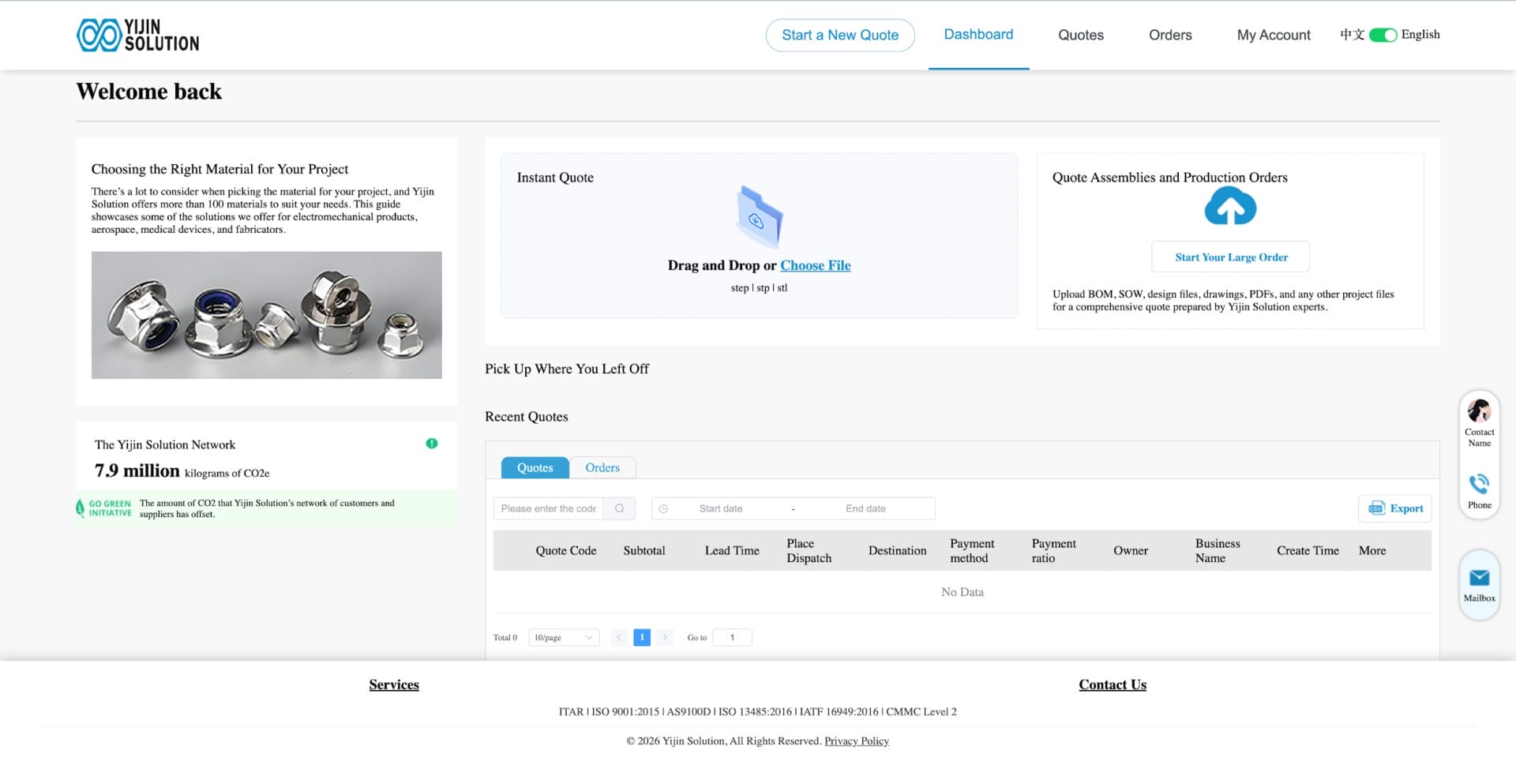
How to Use Yijin Solution Online Quoting Platform
Getting a custom part quoted should not feel complicated. If you already have a drawing or 3D file ready, Yijin
Yijin Solution Launches an Online Quoting Platform
Yijin Solution has launched its new Online Quoting System, giving customers a simpler way to upload files, review pricing, and
What is a CNC Machining Certification? Types, Requirements & Industry Standards
A CNC machining certification is a documented standard that defines how a machining supplier operates. It covers process control, material
Start today. Get parts made fast.
Free Machined Parts Design to Your Projects with Fast Turnaround Times.