

The global industrial fasteners market exceeded $103 billion in 2025, and procurement decisions within it vary enormously in complexity. For buyers sourcing standard stock items, the choice is straightforward. For teams sourcing custom precision fasteners for regulated industries – where tolerances, certifications, and prototype-to-production continuity all matter – the selection process is more involved.
Finding a manufacturer that holds tight tolerances, carries the right certifications, and scales consistently from prototype to production is the real sourcing challenge. The market includes direct factories in China, rapid-production platforms in North America, and global sourcing networks — all offering broadly similar capabilities on the surface. The differences that matter show up in process control, documentation depth, and what happens when volumes grow.
This guide ranks the top 10 custom fastener manufacturers worldwide. It covers individual company profiles, a practical selection framework, and a comparison table across the criteria that drive procurement decisions.
How We Selected these Fastener Manufacturers
Every candidate was assessed against five criteria, with an exclusive focus on on-demand custom manufacturers.
- Manufacturing Model: Companies that accept CAD files, manufacture to specification, and offer Design for Manufacturability support. Suppliers selling from stock catalogues were not included.
- Certifications: AS9100D for aerospace, IATF 16949 for automotive, ISO 13485 for medical devices, and ISO 9001 for general quality management. These certifications define the quality system governing every step from raw material intake through last inspection.
- Precision Capability: Tolerance ranges, available materials, and core processes including cold heading, CNC turning, and thread rolling.
- Lead Time and Scale: Suppliers in which both rapid prototyping and mass production run through the same quality system were weighted more heavily. Switching suppliers between phases introduces tolerance drift and quality risks.
- Global Reach and Track Record: Documented OEM relationships, international shipping capability, and evidence of multi-continent client service.
Top Fastener Manufacturers at a Glance’
The table below summarizes all 10 suppliers across the factors that matter most to procurement decisions.
| Rank | Company | Best For | Precision | Scale | Lead Time | Certifications |
|---|---|---|---|---|---|---|
| 1 | RapidDirect | Fast-turn CNC precision parts incl. custom fasteners | ±0.01 mm | Prototype to mid-volume | Rapid: 1 day Std: 3–7 days | ISO 9001, ISO 13485, IATF 16949 |
| 2 | Yijin Solution | Custom fasteners; one-stop mfg; free DFM; prototype to mass production | ±0.02–0.05 mm | Prototype to high-volume | Samples: 7–15 days Mass: 10–20 days | AS9100D, IATF 16949, ISO 13485, ISO 9001, ISO 14001 |
| 3 | Xometry | High-volume custom parts via global network | ±0.025 mm | Prototype to high-volume | Expedited & standard | ISO 9001; network-verified |
| 4 | Protolabs | Rapid prototyping & parts across 4 continents | ±0.020 mm | Prototype to low–mid volume | 1–15 days | ISO 9001, ISO 13485, AS9100 |
| 5 | Fictiv | Quality-controlled custom parts; strong DFM | ±0.025 mm | Prototype to production | 2–10 days | ISO 9001, ISO 13485, AS9100 |
| 6 | 3ERP | Precision prototyping & custom CNC parts | ±0.01 mm | Prototype to low–mid volume | 1–10 days | ISO 9001 |
| 7 | HLH Prototypes | Rapid custom parts; broad process range | ±0.05 mm | Prototype to production | 5–15 days | ISO 9001 |
| 8 | Zintilon | Precision CNC machined parts incl. fasteners | ±0.01 mm | Prototype to production | 3–7 days | ISO 9001 |
| 9 | Star Rapid | Complex precision parts; aerospace-capable | ±0.01 mm | Prototype to production | Contact for details | ISO 9001, AS9100 |
| 10 | Jiga | Multi-supplier custom parts sourcing platform | Supplier-dependent | Any volume | Contact for details | ISO 9001 |
Top 10 Fastener Manufacturers: The Ranked List

1. RapidDirect
RapidDirect’s main differentiator for custom fastener projects is the combination of factory-direct CNC precision and an integrated quoting workflow. They operate from Shenzhen with a hybrid in-house and vetted partner network model. They produce custom precision fasteners via CNC turning and milling to tolerances of ±0.01 mm across stainless steel, aluminum, titanium, and engineering plastics.
For engineering teams iterating on fastener geometry, the instant quoting system – which includes DFM feedback at the point of upload – compresses the feedback loop considerably. Pricing is returned within minutes of file submission, without broker markup.
Industries served: Aerospace, automotive, medical devices, robotics, consumer electronics
| Strengths | Consideration |
|---|---|
| Fewer 3D printing process options compared to platform-based competitors. Buyers with complex multi-process requirements involving additive manufacturing should verify capability at the quoting stage. |
Best for: Engineering teams that need fast-turn custom CNC fasteners with DFM included and direct-factory pricing without broker markup.
2. Yijin Solution

Yijin Solution is built for programs in which prototype-to-production continuity matters as much as the fastener specification itself. Operating from a 25,000+ m² Shenzhen facility with 887 pieces of production equipment – including 150 cold heading machines, 278 CNC lathes, and 80+ Swiss-type lathes – it covers the full production range from first samples through mass production without a vendor handoff.
Custom fasteners are produced via cold heading and CNC turning to ±0.02 mm precision tolerance, with standard tolerances of ±0.05–0.10 mm for general-purpose runs. Materials include stainless steel 316L, carbon steel, alloy steel, aluminum 6061, and titanium grade 5, with a maximum specification of M24 thread diameter or 1,000 mm length. Every order includes a free DFM review in which the in-house engineering team flags tolerance risks and recommends material alternatives before production begins.
Industries served: Aerospace, automotive, medical devices, robotics, semiconductor equipment, high-speed rail, marine/yacht, industrial equipment
| Strengths | Consideration |
|---|---|
| Sample and mass production lead times of 7–15 days and 10–20 days respectively suit planned production cycles. Buyers with urgent commodity restocking requirements should factor this into their schedule. |
Best for: Design engineers and procurement teams sourcing AS9100D- or ISO 13485-qualified custom fasteners who need prototype-to-production continuity and direct factory pricing under one roof.
Need precision custom fasteners? Get a free DFM review and quote from our engineering team at yijinsolution.com/services/custom-fasteners/
3. Xometry
Xometry’s differentiator is network scale. As a NASDAQ-listed on-demand manufacturing platform headquartered in the US, it connects buyers to 4,000+ vetted suppliers across North America, Europe, and Asia. They cover CNC machining, sheet metal, injection molding, and 3D printing through a single platform. For US-based buyers, the ability to route jobs to domestic suppliers addresses customs complexity, freight transit, and ITAR compliance requirements in one step.
The AI-powered instant quoting engine returns pricing on complex part geometries quickly. For procurement teams that need broad process coverage or high-volume capacity without managing multiple vendor relationships, the platform model is the practical value.
- Industries served: Aerospace, automotive, defense, medical devices, electronics
| Strengths | Consideration |
|---|---|
| Jobs are assigned by algorithm — buyers cannot select or lock a specific facility. Quality consistency varies across the network, and communication is platform-mediated. On custom fastener programs with non-standard geometry or tight tolerances, resolution can be slow when issues need to escalate beyond the platform. |
Best for: US-based buyers needing broad process coverage, ITAR compliance, or high-volume manufacturing capacity through a single platform.
4. Protolabs
Protolabs is the fastest full-service option on this list for regulated-industry prototyping. Founded in 1999 with production facilities across the US, UK, Germany, and Japan, it is one of the few providers offering genuine multi-continental production capability under a single quality system. This matters for programs in which regional compliance or delivery proximity are requirements.
CNC tolerances reach ±0.020 mm. Automated DFM analysis runs at the point of file upload, flagging tolerance risks, material conflicts, and manufacturability issues before any quoting step. For aerospace and medical buyers who need fast, certified prototypes without a broker in the chain, that combination of speed and in-house certification is the core value.
Industries served: Medical devices, aerospace, automotive, electronics
| Strengths | Consideration |
|---|---|
| Per-part cost runs higher than China-based direct manufacturers, particularly above 500 units. Protolabs is optimised for prototyping and bridge production — buyers planning high-volume runs above 10,000 units should evaluate cost per unit at scale before committing. |
Best for: Engineers in regulated industries who need fast, documented prototyping with automated DFM and in-house certification.
5. Fictiv
Fictiv’s differentiator is the systematic quality verification layer it places between buyers and its curated global supplier network. Parts are inspected against engineering drawings before shipment — an additional quality gate that automated quoting platforms do not provide. For product teams in the medical, aerospace, and defense sectors, in which quality consistency on every batch is non-negotiable, that verification step is the reason Fictiv appears on shortlists over faster, lower-cost alternatives.
Capabilities cover CNC machining, injection molding, and 3D printing. DFM automation flags manufacturability risks before production commits, and real-time order tracking is available throughout the production cycle.
Industries served: Medical devices, aerospace, robotics, defense
| Strengths | Consideration |
|---|---|
| Pricing reflects the engineering and verification overhead. Fictiv is not suited to commodity fastener volumes in which cost per unit is the primary driver — buyers with straightforward, high-volume requirements will find better value elsewhere on this list. |
Best for: Product teams in medical, aerospace, and defense in which quality verification on every batch is non-negotiable and the budget accommodates a premium for reduced rework risk.
6. 3ERP
3ERP serves product development teams in the early stages of a program, in which fast iteration and tight tolerances matter more than volume pricing. Based in Shenzhen, they produce custom precision parts via CNC machining to ±0.01 mm, sheet metal fabrication, 3D printing, vacuum casting, and injection molding. They have a 1–10 day prototype turnaround that keeps development schedules intact through multiple design cycles.
The engineering team provides DFM feedback on complex geometries, catching manufacturability issues before they consume tooling budgets. For R&D teams iterating toward a production-ready design, that combination of speed and engineering support is the practical value.
Industries served: Medical devices, industrial equipment, consumer products, robotics
| Strengths | Consideration |
|---|---|
| 3ERP is suited to low-to-medium volume production. For programs scaling to high-volume runs, confirm production scalability and quality system continuity at the quoting stage rather than after prototype validation is complete. |
Best for: R&D and engineering teams in early-stage development who need fast, precise prototypes and active DFM support at low-to-medium volumes.
7. HLH Prototypes
HLH Prototypes has served international clients from Shenzhen since 2004, covering CNC machining, 3D printing, vacuum casting, injection molding, and sheet metal fabrication under one supplier. For teams running multi-process development projects, that breadth means the same engineering team follows the part from first article through to production release. This reduces the tolerance drift that typically accompanies vendor transitions between phases.
Lead times run 5–15 days. The standard tolerance of ±0.05 mm covers general precision work across the full process range.
Industries served: Automotive, consumer electronics, medical devices, industrial equipment
| Strengths | Consideration |
|---|---|
| Standard tolerance of ±0.05 mm covers most general precision work. Buyers requiring ±0.01–0.02 mm should verify capability against their specific part geometry before committing. |
Best for: Teams running multi-process development projects in need of prototype-to-production continuity from a single China-based supplier.
8. Zintilon
Zintilon is a Shenzhen-based direct-factory manufacturer where the core value for buyers is competitive CNC pricing without middleman markup, delivered through a self-service online quoting workflow. File upload triggers automated DFM feedback alongside pricing — suited to procurement teams that prefer to manage sourcing without back-and-forth with sales teams.
CNC milling and turning reach ±0.01 mm. Sheet metal fabrication and 3D printing are available in the same order. For cost-conscious buyers sourcing custom precision fasteners at mid-volume, Zintilon is worth including in a cost comparison.
Industries served: Industrial equipment, automotive, electronics, medical devices
| Strengths | Consideration |
|---|---|
| Zintilon is a newer market entrant compared to most suppliers on this list. Publicly documented track records in regulated sectors are less established than those of longer-tenured competitors. Request sample parts and third-party inspection reports before committing to volume production. |
Best for: Cost-conscious procurement teams sourcing CNC precision parts and custom fasteners who prioritize direct-factory pricing and a self-service online workflow.
9. Star Rapid
Star Rapid specializes in geometrically complex parts that require close-tolerance machining and multi-step finishing. They suit the kind of program in which an experienced manual engineering review adds more value than automated quoting. They are based in Zhongshan, China, with 20+ years of documented OEM relationships in the aerospace, medical, and industrial sectors. The company handles CNC machining, 3D printing, injection molding, sheet metal fabrication, and vacuum casting.
AS9100 and ISO 9001 certified. The in-house engineering team consults on DFM and material selection before production begins, making it a practical fit for programs in which part geometry is complex enough to benefit from that input.
Industries served: Aerospace, medical devices, automotive, electronics, defense
| Strengths | Consideration |
|---|---|
| Lead times on complex assemblies run longer than faster-turn platforms. For straightforward commodity fastener volumes in which speed is the priority, other suppliers on this list are better suited. |
Best for: Programs involving complex precision parts with demanding geometry and tight tolerances, in which thorough engineering consultation before production is worth the lead time.
10. Jiga
Jiga is an Israel-headquartered digital platform that connects buyers to a global network of vetted on-demand manufacturers. CAD file upload generates competing quotes from verified suppliers across Europe, North America, and Asia – giving buyers pricing leverage without the overhead of managing multiple vendor relationships directly.
The platform covers CNC machined parts, sheet metal fabrication, and custom fasteners from prototype through production volumes. Supplier vetting is handled by Jiga, so buyers engage only with pre-qualified manufacturers.
Industries served: Industrial equipment, automotive, electronics, medical devices
| Strengths | Consideration |
|---|---|
| Part quality and lead time depend on which supplier fulfills the order. This makes Jiga less predictable for programs with tight tolerances or regulated-sector documentation requirements. Buyers in aerospace, medical, or defense supply chains should verify supplier certification at the order level, not just the platform level. |
Best for: Procurement teams wanting competitive multi-supplier pricing on custom parts without managing individual vendor relationships directly.
How to Choose the Right Fastener Manufacturer for Your Project
Before sending out a request for a quote, it helps to work through the factors that actually separate one supplier from another. The five steps below cover them in the order they matter.
Step 1: Define Your Technical Requirements
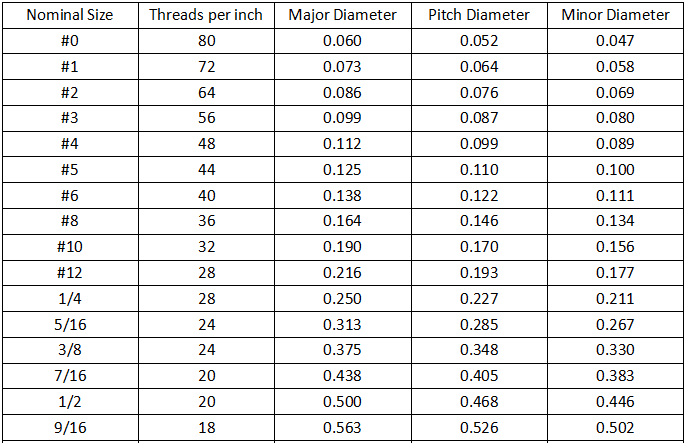
Start with tolerances, material specifications, thread, surface finish, and corrosion resistance requirements. These define which suppliers can physically produce the part and narrow the list before certifications or pricing are evaluated.
Step 2: Match Certifications to Your Sector
Certifications govern the quality system, not just the final inspection step. AS9100D is required for aerospace and defense. ISO 13485 is required for medical devices. IATF 16949 is required for automotive supply chains. A supplier without the relevant certification cannot consistently meet the quality management requirements of a regulated sector, regardless of the part’s measured dimensions.
For regulated sectors, confirm the documentation deliverables too. First Article Inspection reports, PPAP Level 3 packages, material composition analysis, and Certificates of Conformance are often contractually required and not always available as standard from every supplier.
Step 3: Evaluate Prototype-to-Production Continuity
Switching suppliers between prototype and production phases is one of the most common sources of tolerance drift on high-precision fasteners. Tooling settings, machine parameters, and material traceability all reset when a vendor changes. Suppliers in which both phases run under the same quality system, in the same facility, eliminate that risk.
Step 4: Understand Cost Drivers
Cold heading is the lower-cost process for high volumes of 10,000+ pieces, but it requires upfront tooling investment. CNC turning is the better choice for small batches, complex geometry, or volumes under 1,000 pieces. DFM support is a cost factor too — a pre-production review that catches a tolerance conflict or material mismatch saves more in rework than most unit price differences between suppliers. Direct-factory models avoid the margin layer that broker and platform models add at volume.
Step 5: Verify IP Protection Protocols
Custom fasteners with proprietary thread geometry, head form, or material specifications represent genuine intellectual property. Before sharing CAD files with any manufacturer, confirm they will sign a Non-Disclosure Agreement covering both the design files and any manufacturing process insights developed during DFM consultation. Reputable manufacturers sign NDAs without hesitation.
Find the Right Fastener Manufacturing Partner with Yijin Solution
Custom fastener sourcing decisions hinge on three things: certifications that match your industry’s documentation requirements, tolerances that are verified in production rather than just published in a spec sheet, and a manufacturing model in which prototype and production phases run through the same quality system.
At Yijin Solution, our AS9100D, IATF 16949, and ISO 13485 certifications cover the documentation requirements of aerospace, automotive, and medical supply chains — not as add-ons, but as the quality system every order runs through. Precision tolerance on custom fasteners holds at ±0.02 mm, verified by Zeiss CMM inspection on every production batch. Prototypes and production runs happen in the same 25,000+ m² Shenzhen facility, so there is no vendor transition, no requalification, and no quality drift when volumes grow.
Every quote includes a free DFM review. Upload your CAD files and our engineers will respond with tolerance feedback, material recommendations, and firm pricing within 24 hours.
Transparency Note
This article is published by Yijin Solution, a leading manufacturer in this industry. While we feature our own manufacturing capabilities, this list aims to provide an objective overview of top-tier suppliers based on market reputation, certifications, and manufacturing capabilities.
Fastener Manufacturers FAQs
What is the difference between cold heading and CNC machining for custom fasteners?
Cold heading forms fasteners from wire rod at high speed using progressive dies. It is the right process for high volumes — typically 10,000+ pieces — in which consistent geometry justifies the tooling investment. CNC machining cuts from bar stock and suits complex geometry, low volumes, or tolerances tighter than ±0.02 mm. The two processes complement each other: CNC turning handles prototypes and low-volume runs, while cold heading takes over when production volumes make the tooling cost worthwhile.
What tolerances can custom fastener manufacturers hold?
Precision custom fastener manufacturers hold tolerances of ±0.02–0.05 mm on cold-headed parts with CNC finishing. For tighter requirements on CNC-turned fasteners, tolerances can reach ±0.01 mm depending on material and geometry. For critical aerospace and medical applications, Zeiss CMM inspection verifies dimensional compliance against drawing requirements on every production batch.
How long does it take to get custom fastener samples?
Sample lead times range from 7–15 days depending on complexity, material, and process. Simple CNC-turned fasteners in carbon steel or stainless steel 316L can often be sampled in 7 days. Cold-headed parts with new tooling typically take 10–15 days, as progressive dies must be built and validated before first-article inspection.
Can I source fasteners and other precision components from one manufacturer?
Yes. One-stop manufacturers like Yijin Solution produce custom fasteners alongside CNC-machined parts, sheet metal fabrication, die casting, and injection molding under one quality system. This eliminates multi-vendor coordination and keeps dimensional accountability with a single supplier.
Back to Top: Top 10 Fastener Manufacturers for Custom & Precision Parts: 2026 Global Guide






 English
  Spanish
  German
  French