¡Noticias emocionantes! Yijin Hardware cambia de marca a Yijin Solution. Read more →

No Drawings? No Problem. From concept to production, our designers and engineers handle everything in between. Explore Our New Services

Anodizing Overview

Anodizing converts the aluminum surface into a hard, stable oxide layer that becomes part of the base metal rather than sitting on top of it. The result is corrosion resistance, increased surface hardness, and consistent color that does not chip or peel.

When anodizing is specified, masking, dimensional compensation, and alloy-specific behavior are confirmed during the DFM review before production begins. For parts that require a matte or satin pre-finish, bead blasting or tumbling can be added upstream of anodizing in the same order.

anodizing overview
From Idea to Production

Sheet metal fabrication is one stage in a larger product development process. We support the full path from initial concept through engineering review, prototyping, design validation, and volume production.

Anodizing Types and Specifications

The table below compares the three anodizing types we process, referenced to MIL-A-8625.

Propiedad Type I (chromic) Type II (sulfuric) Type III (hard coat)
Espesor 0.5 to 7.5 µm 5 to 25 µm 25 to 100 µm
Hardness (Vickers Hardness, HV) 200 to 300 200 to 400 400 to 600
Opciones de color Clear only Clear, black, red, blue, gold, custom Natural dark, black
Texture Thin, slightly matte Smooth matte to satin (depends on pre-finish) Coarser matte, slightly textured
Lo mejor para Aerospace, thin walls General corrosion, decorative High wear, sliding mechanisms
Estándar MIL-A-8625 Tipo I MIL-A-8625 Tipo II MIL-A-8625 Tipo III

Materials We Anodize

Anodizing behavior varies significantly across aluminum alloy families. The table below covers the alloys we anodize most frequently and the finish characteristics buyers should expect from each.

Alloy 6000 series

Common grades Anodizing behavior
6061-T6, 6063 Excellent. Best all-round choice for anodized parts. Produces uniform, consistent color across Type II and Type III.
Common grades Anodizing behavior
7075-T6 Good. High zinc content may produce a yellowish tint on clear anodize. Performs well with black and darker dye colors.
Common grades Anodizing behavior
2024-T3 Difficult. High copper content causes uneven dye absorption and mottled color. Type I recommended where anodizing is required.
Common grades Anodizing behavior
5052, 5083 Good. Suitable for sheet metal anodizing. Slightly lower hardness than 6000 series coatings.
materials we anodize

Our Anodizing Process

Each anodizing order follows a controlled sequence from file upload through shipment.

  1. Quote and DFM review on uploaded Computer-Aided Design (CAD) files. Anodizing specification confirmed, dimensional compensation applied at CNC stage.
  2. Part preparation. Cleaning, etching, and desmutting for uniform oxide formation.
  3. Anodizing in a controlled bath to the target thickness and type specified on the order.
  4. Coloring and sealing where specified. Dye color matched to the approved sample or Pantone reference.
  5. Coating thickness verification by eddy current gauge and dimensional inspection.
  6. Packaging and shipment from Shenzhen or Florida facility.
our anodizing process

Design Considerations for Anodizing

Specifying anodizing at the quote stage keeps tolerances accurate and finishes consistent across every part. The considerations below are the ones we review during every DFM check.

  • Dimensional impact. Approximately 50% of the oxide layer penetrates inward and 50% builds outward. For Type II at 25 µm total thickness, expect roughly 12.5 µm of buildup per surface. We compensate at the CNC stage when anodizing is specified at quote.
  • Masking. Threaded holes, mating surfaces, and electrical contact pads require masking before the part enters the bath. Specify masked areas on the drawing.
  • Rack marks. Parts are suspended from contact points during anodizing, and these points will show as uncoated spots. Specify preferred rack locations on your drawing to keep marks off cosmetic surfaces.
  • Corner radii. Minimum 0.5 mm internal radius recommended. External edges benefit from a 0.2 mm edge break before anodizing. This prevents coating buildup and chipping at sharp corners.
  • Surface prep. Anodizing faithfully reproduces the surface it receives, including machining marks. For uniform cosmetic finishes, specify bead blasting or tumbling before anodizing. We run both operations in the same production line.

Acabado superficial

ESPECIFICACIÓN

anodizado

Anodizado

Anodizing builds a hard oxide layer on aluminum surfaces. It improves corrosion resistance and allows color dyeing without paint. Available in Type II and Type III hard anodize up to 50 μm thickness.

powder coating

Recubrimiento en polvo

Electrostatic powder coating delivers a durable, even finish in any RAL color. Coating thickness ranges from 60 to 120 μm. It resists chipping, scratching, and UV fading better than wet paint.

chapado

Revestimiento

Zinc, nickel, and chrome plating add corrosion protection and conductivity to steel and copper parts. Zinc plating with chromate passivation provides 96–200 hours of salt spray resistance.
cepillado

Cepillado

Mechanical brushing creates a uniform satin grain on stainless steel and aluminum. It removes surface imperfections and produces a professional, non-reflective appearance.

pulido

Pulido

Multi-stage polishing achieves mirror finishes down to Ra 0.05 μm. Common on stainless steel parts for medical, food processing, and optical applications.

pasivación

Pasivación

Citric or nitric acid passivation removes free iron from stainless steel surfaces. This restores the chromium oxide layer and maximizes corrosion resistance. Processed per ASTM A967 and AMS 2700.

Why Choose Yijin Solution for Anodizing

We control every step of the anodizing workflow from DFM review through coating verification and shipment. That integrated approach means consistent oxide quality, accurate dimensional compensation, and certifications that meet aerospace, medical, and automotive requirements.

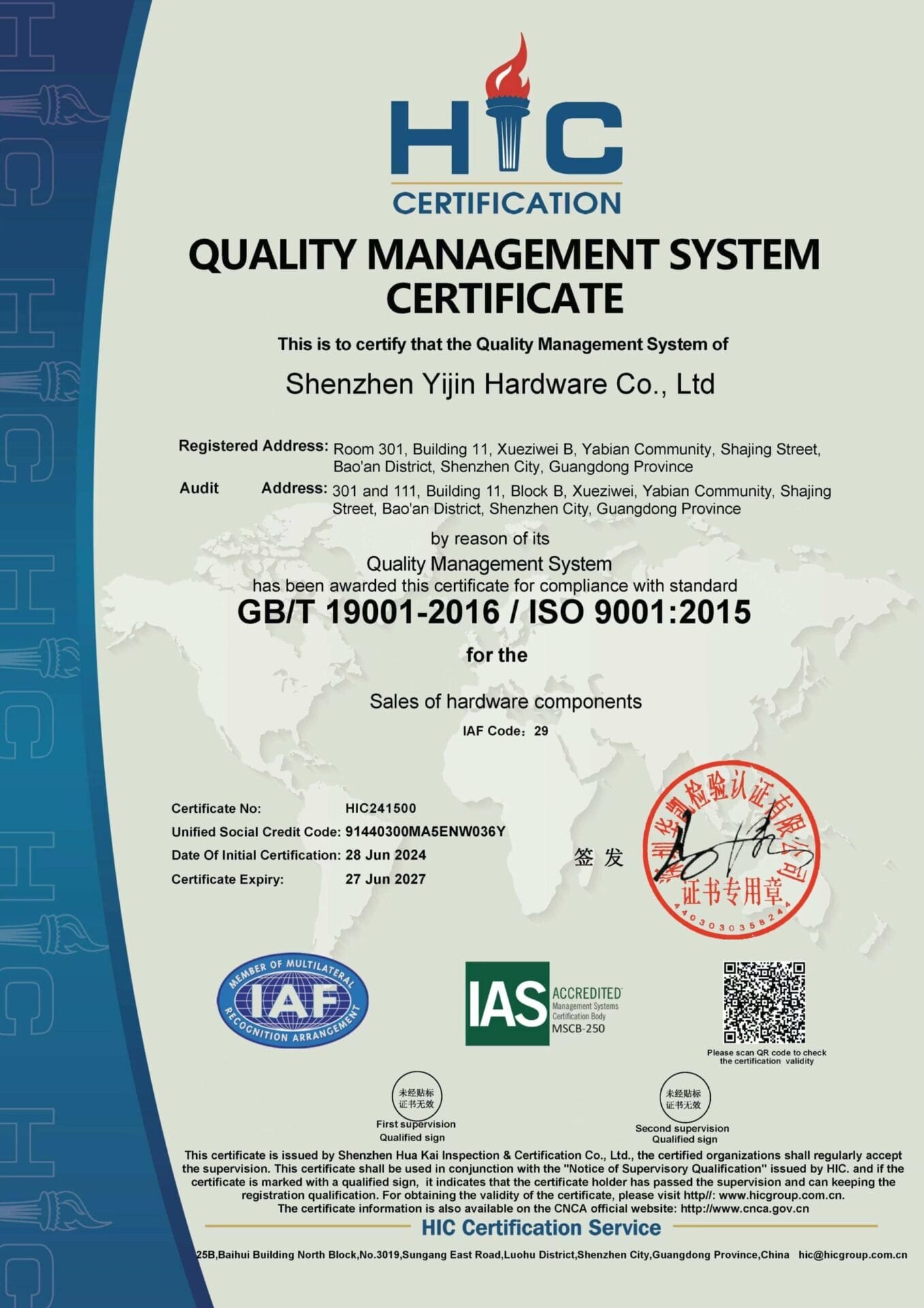
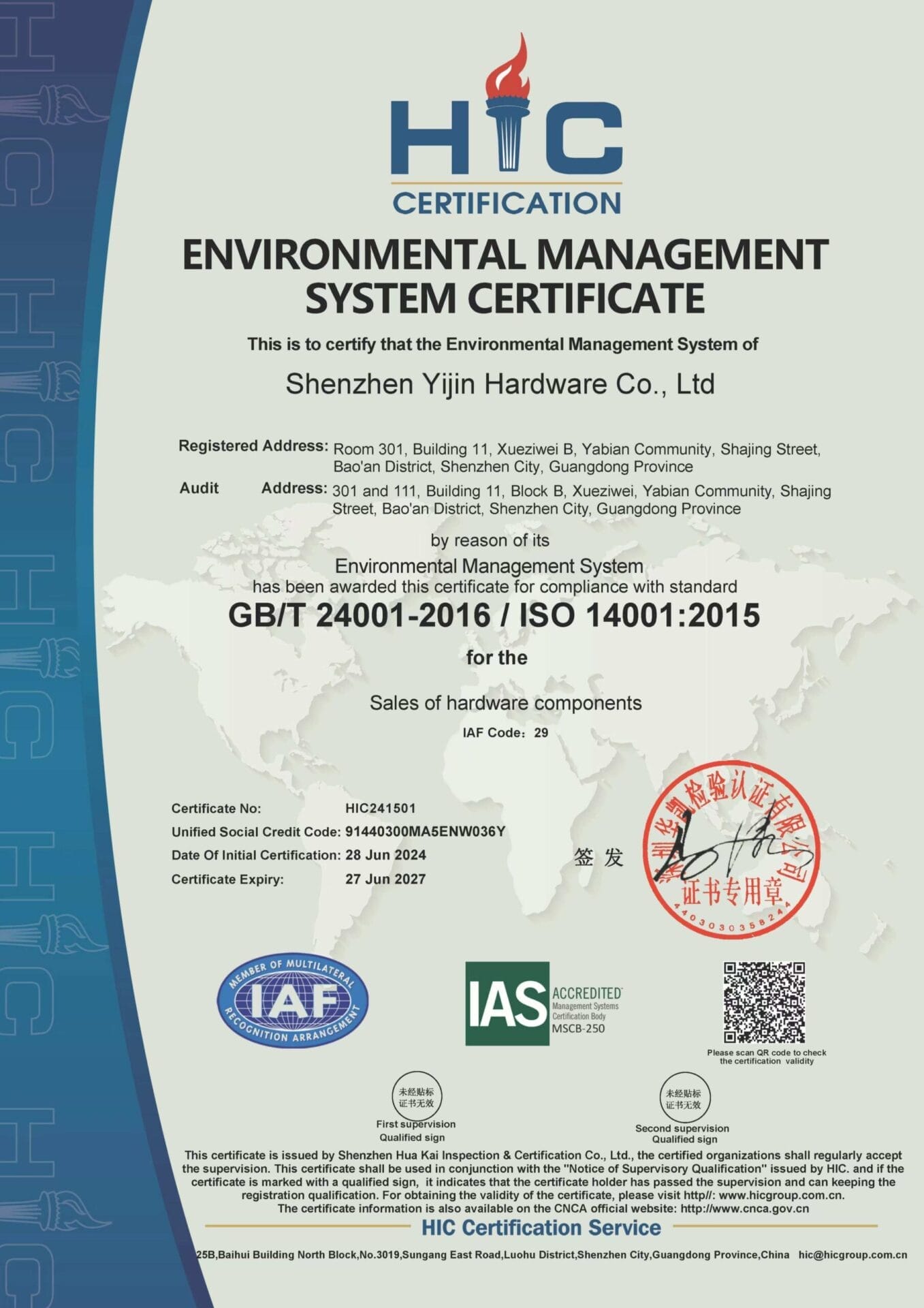
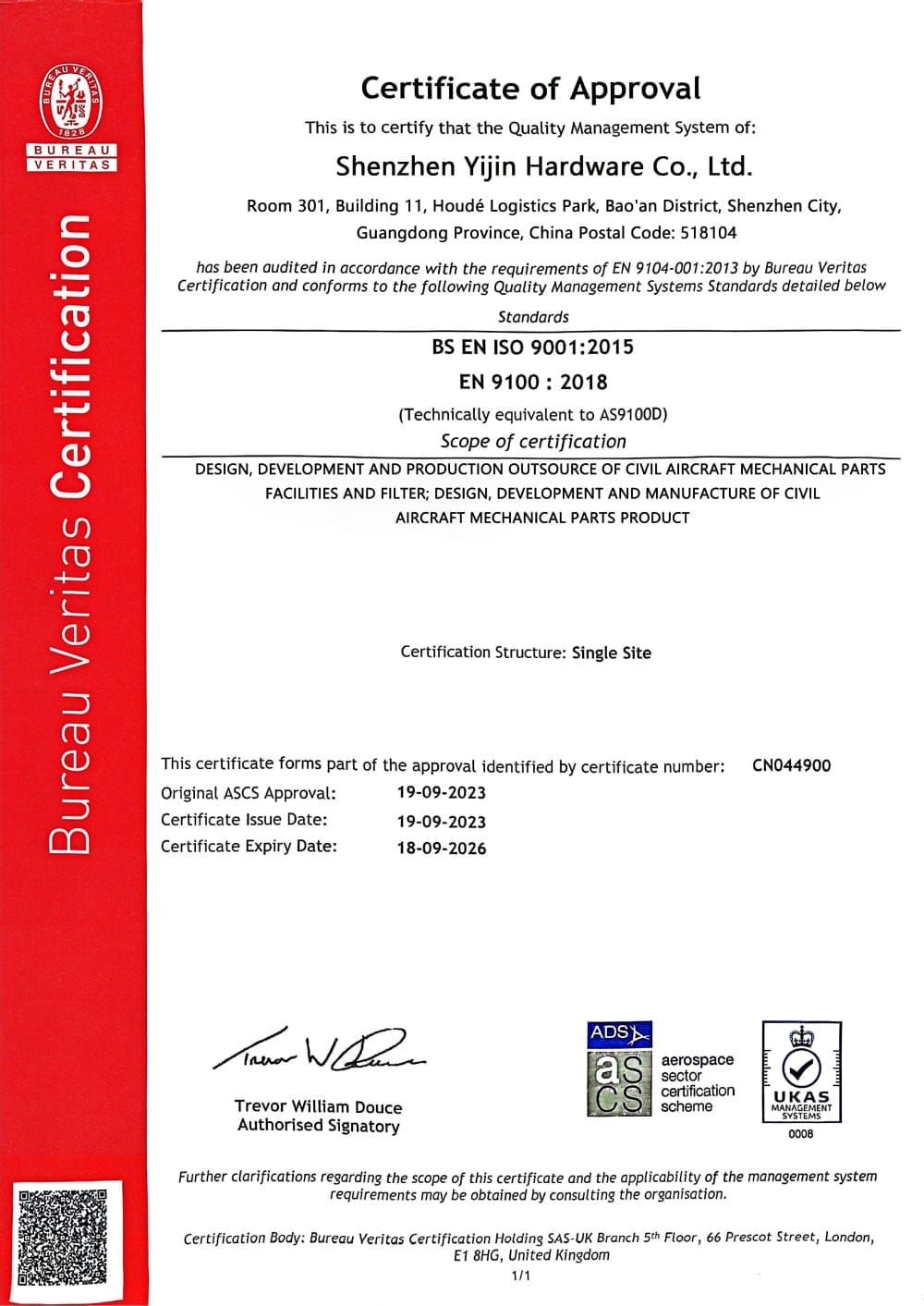
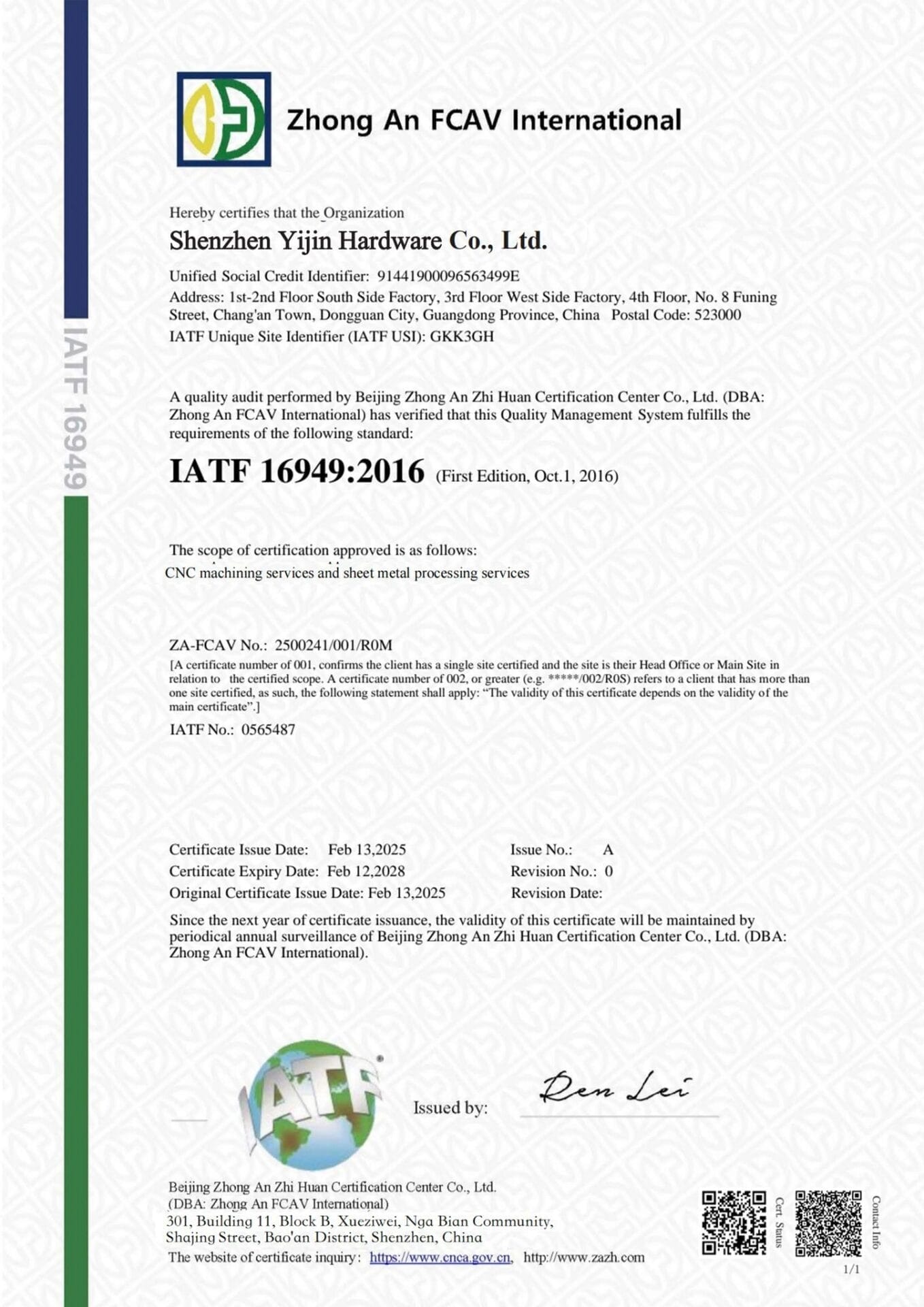
Nuestras certificaciones

precision and quality
Precisión y calidad

Every anodized order is verified by eddy current gauge for coating thickness and inspected dimensionally using Zeiss CMMs. Coating conformance is documented per MIL-A-8625. ISO 9001, AS9100D, ISO 13485, and IATF 16949 certifications are held across our quality system.

fast turnaround
Entrega rápida

Anodizing is scheduled into the production run at the quote stage, not added afterward. Parts move from manufacturing to surface prep to anodizing bath to inspection in one continuous workflow, keeping lead times tight.

order any size
Order Any Size

We anodize single prototypes and production runs of 10,000+ parts through the same controlled process and quality system. There is no minimum order quantity, and volume does not change the inspection standard.

prototyping to production
Prototyping to Production

Prototype and production parts are anodized in the same facility using the same bath chemistry and process controls. The specification validated on your first sample applies directly to your production run.

wide range materials
Material Breadth

We anodize 6000, 7000, 2000, and 5000 series aluminum alloys, with process parameters adjusted per alloy family. Alloy-specific behavior, expected color response, and any finish limitations are reviewed during the DFM check before production begins.

cost effective
Cost-effective

Integrating anodizing with upstream CNC machining and fabrication in one facility removes the logistics cost of a separate finishing vendor. Our DFM review also identifies dimensional compensation requirements early, so parts are machined to the correct pre-coat dimensions from the first run.

Industrias a las que servimos
Nueva industria energética

Battery pack enclosures, inverter housings, and solar mounting frames with powder coating or galvanizing for outdoor durability and fatigue resistance.

Industria naval

Marine-grade stainless steel control cabinets, bulkhead panels, and deck enclosures with salt spray-resistant finishes for vessels and port equipment.

Industria aeroespacial

AS9100D-certified avionics enclosures, structural panels, mounting plates, and access covers with full material traceability and First Article Inspection.

Industria del automóvil

Brackets, battery enclosures, structural reinforcements, and dashboard frames produced under IATF 16949 with PPAP Level 3 documentation.

Consumer Industry

Appliance housings, consumer electronics enclosures, and decorative cabinets with brushed, anodized, or powder-coated finishes.

Industria médica

Instrument housings, sterilization trays, and medical cart panels in stainless steel with electropolished or passivated surfaces under ISO 13485.

Industria de semiconductores

Cleanroom enclosures, wafer handling panels, and vacuum chamber components in electropolished stainless steel for low particulate generation.

Fabricación de moldes

Machine guards, chip trays, tooling racks, and coolant enclosures for injection mold shops and tool rooms.

Defense Industry

Equipment cabinets, deployable panels, and ruggedized electronic enclosures to MIL-SPEC and NAS standards with full documentation.

FAQs on Anodizing Services

Common questions about specification, color, dimensional impact, and documentation are answered below.

Type II sulfuric acid anodizing produces a 5 to 25 µm oxide layer suited for general corrosion protection and decorative color. Type III hard coat anodizing builds a 25 to 100 µm layer at 400 to 600 HV. Type III targets wear surfaces, sliding mechanisms, and high-abrasion environments.

Yes, we accept parts from external suppliers for anodizing as an add-on finishing service. We recommend supplying a drawing with alloy grade, target anodizing type, and any masking requirements. This allows us to confirm the specification before processing.

Type II anodizing supports clear, black, red, blue, gold, and custom Pantone-matched colors. Type III hard coat is limited to natural dark gray and black. Color consistency depends on alloy grade and surface preparation.

Approximately 50% of the oxide layer builds outward from the original surface. For a 25 µm Type II coating, expect roughly 12.5 µm of dimensional growth per side. We apply compensation at the CNC machining stage when anodizing is specified at quote.

Yes, we provide coating thickness reports and MIL-A-8625 conformance documentation with every order that specifies military or aerospace anodizing requirements.

Cast alloys with high silicon content, such as A380, produce uneven oxide layers and inconsistent color. A356 responds better but still requires process adjustments. We review castability and finish expectations during the DFM check and advise on the expected result before production.

Surface Finish Guides

what is bead blasting

What is Bead Blasting?

Engineers often need a part that looks clean and even, without the shine or tool marks left by machining. Which

🡕

Request an Anodizing Quote

Anodizing specification is confirmed at the quote stage, dimensional compensation is applied at CNC, and coating is verified before shipment. Every order includes DFM review and MIL-A-8625 conformance documentation where required. Póngase en contacto con nosotros with your CAD files to receive a quote with anodizing specification recommendations within two business days.

Cargue sus dibujos 2D y al menos un archivo CAD 3D para obtener un presupuesto más rápido y preciso. Si tiene varios archivos, comprímalos en .zip o .rar. ¿Prefiere el correo electrónico? Envíe su solicitud de presupuesto a info@yijinsolution.com.

Arrastrar y soltar archivos,, Seleccione los archivos que desea cargar Puedes subir hasta 15 archivos.
Casillas de verificación
Arrastrar y soltar archivos,, Seleccione los archivos que desea cargar Puedes subir hasta 15 archivos.
1 / 2 SERVICIO

Solicitar presupuesto

Cargue sus archivos de diseño para obtener un presupuesto rápido, plazos de entrega precisos y un análisis DFM gratuito.

Casillas de verificación
Arrastrar y soltar archivos,, Seleccione los archivos que desea cargar Puedes subir hasta 15 archivos.

Adjunte sus dibujos CAD 2D y modelos CAD 3D en cualquier formato, incluidos STEP, IGES, DWG, PDF, STL, etc. Si tiene varios archivos, comprímalos en un archivo ZIP o RAR. También puede enviar su solicitud de oferta por correo electrónico a info@yijinsolution.com.