
Servicios de ideación y desarrollo de conceptos
Esta etapa es la primera parte del servicio integral de Yijin Solution Servicios de desarrollo de nuevos productos.
Yijin Solution le ayuda a pasar de ideas iniciales dispersas a una dirección de concepto definida. No necesita planos de ingeniería completos para empezar. Necesita una imagen lo bastante clara de lo que está desarrollando y por qué. Eso es lo que aporta esta fase.

Por qué es clave esta fase
La ideación no es un paso previo opcional. Las decisiones que se toman aquí afectan directamente a la eficiencia del diseño, el prototipado, la validación y la producción.
Instrucciones claras antes del desarrollo
La orientación del producto, los requisitos funcionales básicos y las prioridades de desarrollo deben definirse antes de dedicar horas de ingeniería. La fase de ideación marca esa dirección. El trabajo posterior parte así de una base más sólida, no de decisiones que nunca llegaron a tomarse correctamente.
Menos retrasos por información poco clara
Cuando los proyectos se atascan, la causa raíz suele estar en la fase inicial. Se dieron por supuestos los requisitos en lugar de confirmarlos. Las restricciones se descubrieron solo cuando el CAD ya estaba en marcha. La fase de ideación obliga a mantener esas conversaciones antes, cuando resolverlas todavía es barato.
Mejor alineación en fases iniciales
Las funciones, los escenarios de uso, las expectativas de coste y las cuestiones de viabilidad deben alinearse antes de seguir adelante. Cuando los interlocutores parten de supuestos distintos en el diseño, el resultado son retrabajos.
Una base más sólida para lo que está por venir
La fase de ideación construye una base conceptual estructurada que alimenta directamente el diseño y la ingeniería del producto. Unos inputs claros en esta fase implican menos falsos comienzos en todas las fases posteriores.

Qué cubrimos en la fase de ideación
Seis áreas de apoyo componen la fase de Ideación. Avanzan desde la comprensión del mercado y los usuarios, pasando por la definición de la dirección del concepto, hasta la evaluación de la viabilidad y los riesgos.
Análisis de mercado y de la competencia
Una visión externa del mercado objetivo aclara la dirección y los límites antes de que los conceptos se definan de forma aislada.
Qué obtiene:
- Una visión más clara del abanico de oportunidades
- Referencias competitivas que muestran cómo acercarse al mercado y cómo diferenciarse


Comprensión de las necesidades del usuario y los escenarios de uso
Los escenarios de uso reales sustituyen a las suposiciones internas: para quién es el producto, cómo lo utilizarán y qué problemas les preocupan más.
Qué obtiene:
- Expectativas del usuario más claras
- Escenarios de uso clave identificados
- Prioridades de la experiencia temprana que guían la definición del concepto
Apoyo en la definición del producto y la planificación de la gama
Definir cómo encaja un único concepto dentro del plan de producto global ayuda a que la dirección tenga en cuenta los objetivos inmediatos y la ampliación futura.
Qué obtiene:
- Posicionamiento de producto más claro
- Mejor alineación con la cartera
- Un punto de partida más sólido para el desarrollo posterior


Aclaración del concepto y expresión visual
Las ideas iniciales dispersas se organizan en una estructura de concepto clara con funciones clave, argumentos de venta y una forma inicial para el debate. Esto es clarificación, no diseño industrial.
Qué obtiene:
- Una dirección conceptual más estructurada
- Comunicación más clara de las ideas clave
- Una base conceptual más fácil de revisar y perfeccionar
Lógica estructural inicial y análisis de viabilidad de fabricación
La lógica estructural, la disposición interna, la ruta de fabricación, los flujos de material, el enfoque de montaje y las implicaciones de coste se evalúan mientras el concepto aún es flexible. La alternativa ocurre mucho más tarde y cuesta significativamente más.
Qué obtiene:
- Aportación temprana de estructura
- Consideraciones iniciales de fabricabilidad
- Menos cambios importantes de diseño cuando el proyecto pasa a ingeniería y diseño detallado


Identificación temprana de riesgos
Identificamos los posibles puntos de riesgo mientras el proyecto aún está en fase de concepto. Esto incluye la ejecución estructural, los problemas de seguridad, el control de costes, la dificultad de montaje, la viabilidad de la cadena de suministro y la estabilidad de la producción. El objetivo es detectar los riesgos mientras ajustarlos todavía resulta barato.
Qué obtiene:
- Visibilidad anticipada de posibles problemas
- Restricciones de desarrollo más claras
- Mejor preparación para creación de prototipos y validación

De la idea a la producción
La ideación no es un servicio de consultoría independiente. Es la primera etapa del servicio integral de Yijin Solution proceso de desarrollo de nuevos productos. Todo lo que se fabrica aquí se traslada.
Desarrollo del concepto (está aquí)
Defina el concepto del producto, valide su viabilidad y establezca una dirección clara lista para ingeniería.
Diseño del producto
Traducir el concepto validado a una definición de producto completa y fabricable. Modelos CAD, planos de ingeniería, especificaciones de materiales y documentación de montaje.
Desarrollo de prototipos
Fabricar prototipos funcionales que respondan a preguntas concretas de ingeniería y producción, como la durabilidad de los encajes a presión, el tiempo de montaje y la integridad del sellado.
Pruebas y validación
Demostrar que el producto cumple los requisitos de rendimiento y las normas reglamentarias, y que puede fabricarse de forma constante.
Producción
Escale de un diseño validado a una fabricación constante y repetible. Utillaje, cualificación de la cadena de suministro, series piloto y rampa a volumen.
El contexto técnico construido durante la ideación se mantiene en todas las etapas. Sin volver a explicar el proyecto, sin pérdida de conocimiento, sin lagunas de comunicación entre proveedores.
Casos prácticos
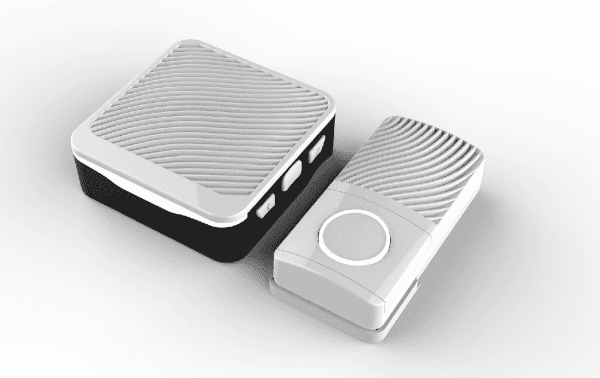
Un equipo de electrónica de consumo tenía un diseño de circuito funcional, pero no tenía carcasa, ni plan de fabricación, ni margen para retrasar el lanzamiento al mercado. Yijin Solution desarrolló la carcasa del producto mediante tres iteraciones de prototipado rápido. Resolvimos un problema de interferencia de antena causado por la geometría original de la carcasa. Diseñamos el utillaje del molde de inyección y gestionamos el arranque de la producción hasta el volumen. El producto cumplió el plazo de lanzamiento al mercado y pasó a producción en serie estable.
Una startup de Internet de las Cosas (IoT) necesitaba integrar módulos de sensores, mecanismos motorizados de clasificación y una interfaz de usuario en una única carcasa orientada al consumidor. El reto crítico era diseñar el mecanismo de clasificación para soportar más de 50.000 ciclos manteniendo el coste unitario dentro del rango objetivo. El diseño final cumplió tanto el requisito de vida útil en ciclos como el objetivo de coste unitario del cliente.
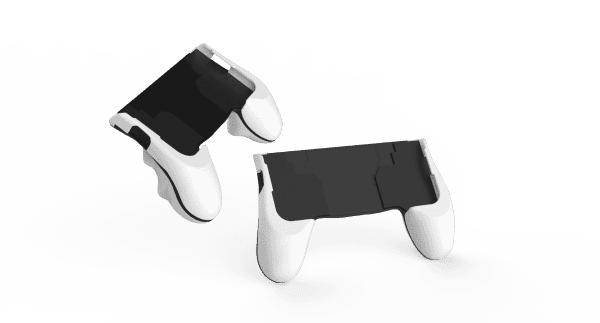
Una empresa de accesorios para videojuegos necesitaba un mando diseñado para la comodidad ergonómica durante un uso prolongado. La respuesta táctil de los botones tenía que igualar la de los mandos de consola. El proyecto requería utillaje de precisión para conjuntos de botones con tolerancias ajustadas y una carcasa con encaje a presión sin tornillos. El mando entró en producción con una sensación de pulsación constante y un montaje sin tornillos.
Una empresa de hardware de realidad virtual necesitaba un dispositivo de mano con sensores integrados, motores de retroalimentación háptica y una batería recargable. La carcasa debía transmitir realismo y, al mismo tiempo, cumplir las normas de seguridad de electrónica de consumo en varios mercados. El dispositivo superó la certificación de seguridad para múltiples mercados y pasó a producción en serie.
Por qué elegir Yijin Solution para el desarrollo de ideas
Yijin Solution es un socio de desarrollo de producto centrado en la fabricación, no una consultoría de diseño industrial. Cuatro cosas hacen que esa distinción importe en la fase de ideación.

La mayoría de las consultorías de diseño incorporan el criterio de fabricación cuando el concepto ya está definido. Yijin Solution lo incorpora durante la definición del concepto.

Las primeras decisiones de concepto se toman pensando en la ejecución posterior. La selección de materiales y la estructura de costes se consideran junto con la dirección del producto, no después.

Menos desajustes entre concepto, diseño, prototipado, validación y producción. Un solo equipo, un único contexto técnico, una única vía de desarrollo.

Los problemas que surgen en la fase de concepto cuestan una fracción de lo que cuestan una vez comprometido el utillaje o iniciada la producción.
Solicite una consulta gratuita
Tanto si su proyecto viene de una fase de diseño de producto ya completada como si tiene un diseño listo para el prototipado físico, el siguiente paso es hablar. Cuéntenos en qué estado se encuentra su producto y qué necesita. También puede consultar nuestros servicios completos de desarrollo de nuevos productos para ver cómo conecta cada fase.

Correo electrónico

Teléfono

Chatear por WhatsApp
Preguntas frecuentes sobre servicios de ideación y desarrollo de conceptos
Sí. La fase de ideación está diseñada precisamente para esto. Necesita una descripción lo bastante clara de lo que debe hacer el producto, para quién es y las restricciones conocidas. Si lo único que tiene es un problema que quiere resolver y una idea aproximada del producto, ese es un punto de partida válido.
Recibe una dirección de concepto validada y un análisis preliminar de viabilidad que abarca el enfoque de fabricación y un rango de coste estimado. Estos resultados le dan una base clara para decidir si continúa con el diseño del producto.
La ideación define qué se va a construir y confirma que es viable. El diseño de producto define cómo se va a construir. La fase de ideación da como resultado una dirección conceptual, una evaluación de viabilidad y una hoja de ruta de desarrollo. La fase de diseño produce modelos CAD, planos de ingeniería, especificaciones de materiales y documentación de montaje.
Trabajamos junto a su equipo como socio de desarrollo, no como consultores pasivos que entregan un informe. Nuestra implicación puede incluir el análisis de la dirección de mercado y de usuarios, la estructuración del concepto, la evaluación de viabilidad, la identificación de riesgos y la planificación del desarrollo. El nivel de implicación se adapta a lo que necesita el proyecto.
Sí. Nuestros servicios de desarrollo de nuevos productos cubren todo el proceso: ideación, diseño, desarrollo de prototipos, ensayos y validación, y producción. La mayoría de los clientes continúan durante todo el ciclo porque el contexto técnico generado durante la ideación se mantiene.
Este es precisamente el momento adecuado. Las decisiones que más costes ahorran en el desarrollo de un producto se toman durante el concepto y las primeras fases de diseño. Incorporamos a ingenieros de fabricación en la conversación ya en la fase de ideación. Es entonces cuando su aportación tiene mayor impacto.
De la idea a la producción
No necesita un diseño terminado para empezar. Si ya tiene una idea, un objetivo de producto o un concepto aproximado, podemos ayudarle a convertirlo en un punto de partida más claro para el desarrollo.
 English
  Spanish
  German
  French