

A CNC machine (Computer Numerical Control) automates manufacturing tasks like cutting, drilling, milling, and turning with precision and efficiency that manual methods simply can’t match consistently. These machines transform raw materials, metal, plastic, wood, composites, into complex finished parts by following programmed G-code instructions that tell them exactly where to move, how fast to cut, and how deep to go.
CNC machines have become essential across industries like aerospace, automotive, and medical device manufacturing because they deliver exceptional repeatability and precision. Once you’ve programmed a CNC machine correctly, it’ll produce the exact same part thousands of times without variation—something that’s nearly impossible with manual machining where human factors inevitably create inconsistencies.
Wichtigste Erkenntnisse
- CNC machines automate the manufacturing process, ensuring high precision.
- They operate based on instructions from CAD software and CAM software.
- CNC machines are used for metal parts, plastic, and even wood.
- CNC lathes, mills, and routers are common types of CNC machines.
- The CNC process minimizes human error and speeds up production.
How does a CNC Machine Work?
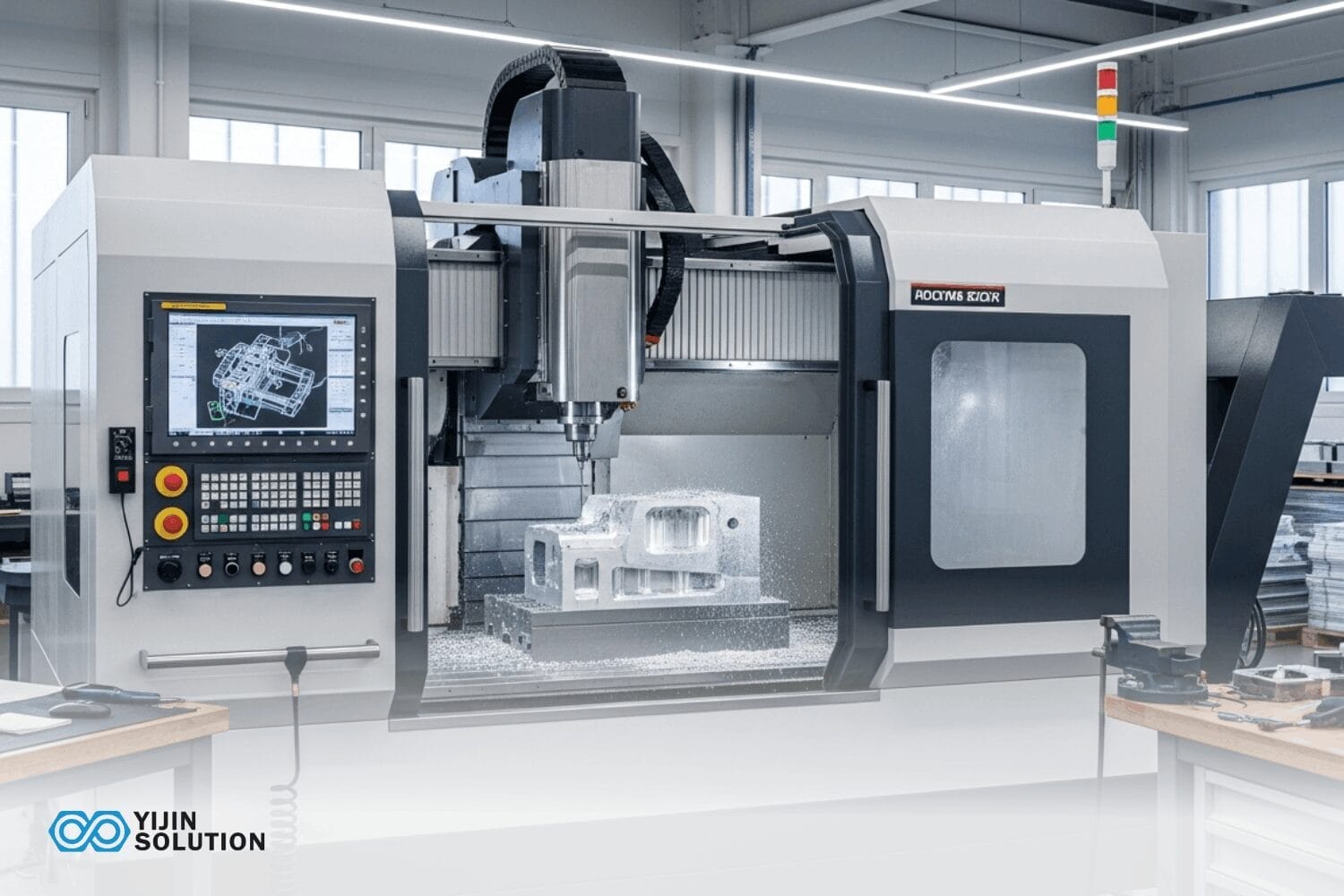
CNC machines operate by taking digital files from CAD software, converting them to CAM programs, and generating G-code. This code tells the machine tool where to move, how fast, and what actions to take. The controller processes the instructions and drives the machine axes (X, Y, Z) to perform the required operations.
- CAD: Design the part.
- CAM: Generate tool paths.
- G-code: Control the machine’s movements.
This CNC machining process allows for precise and repeatable manufacturing, essential for industries requiring high-precision parts, such as aerospace and medical industries.
Was sind die verschiedenen Arten von CNC-Maschinen?
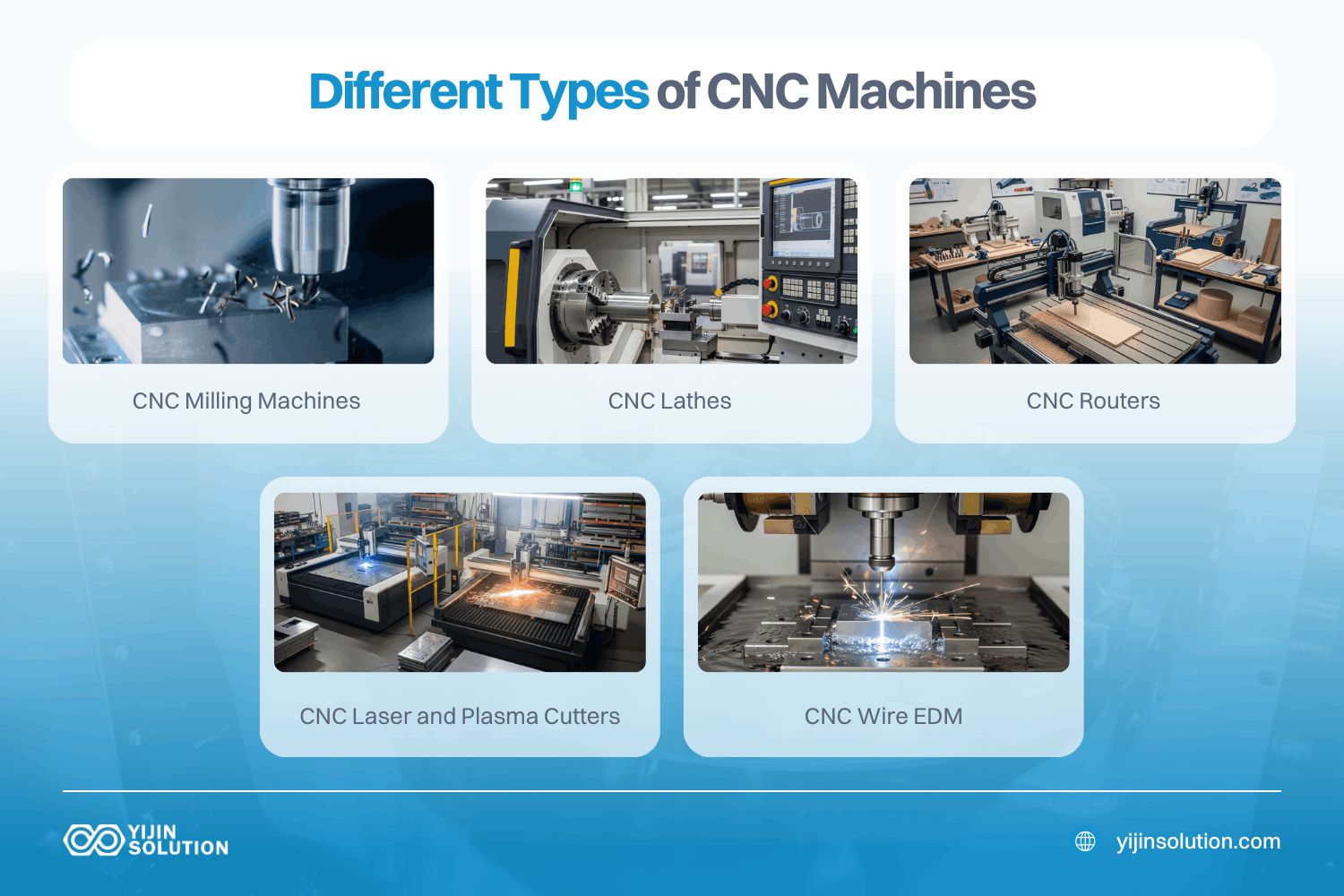
There are several types of CNC machines, each tailored for specific tasks:
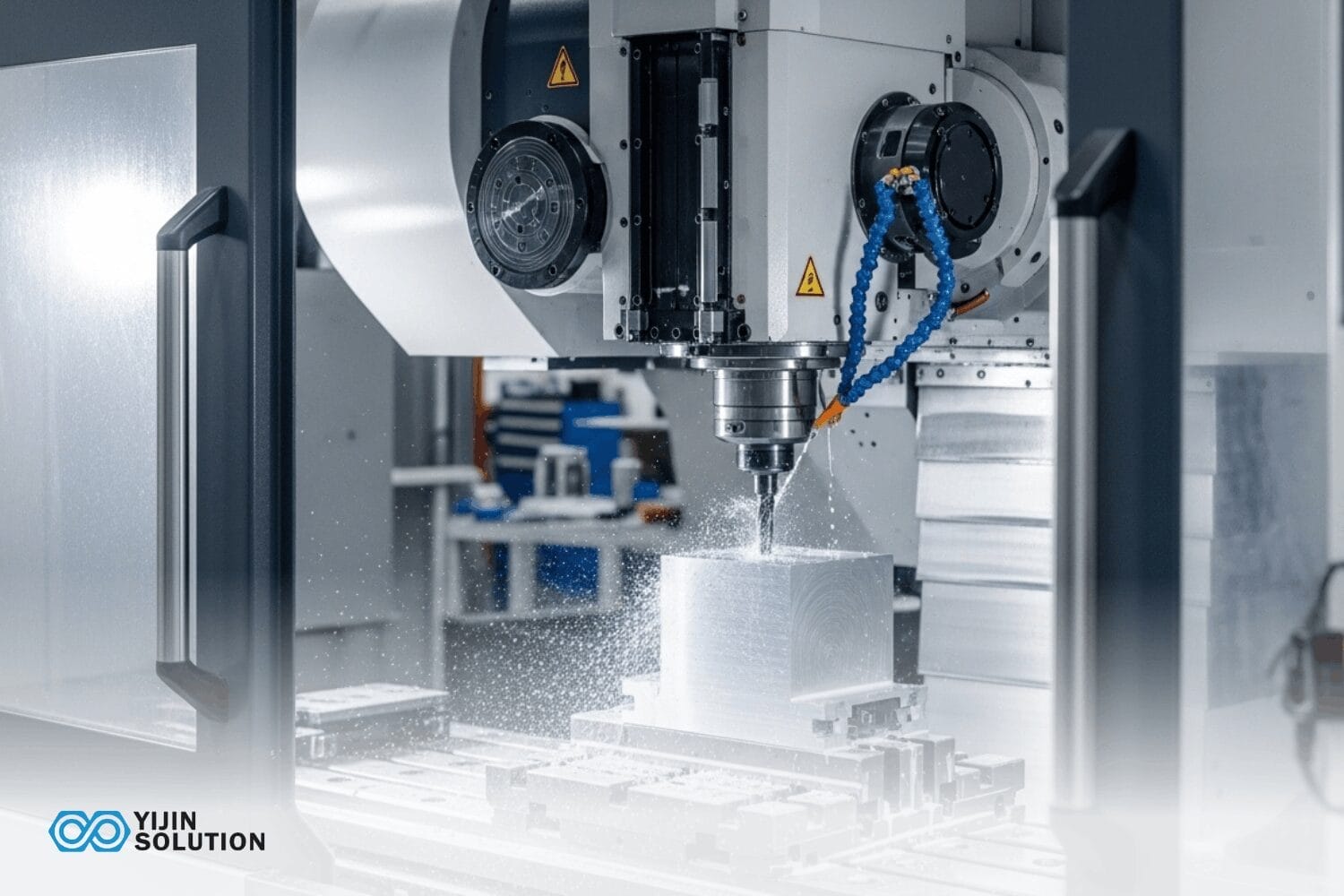
- CNC-Fräsen Machines: These machines perform cutting operations along multiple axes to produce complex parts. They are commonly used for both 2D and 3D work, ideal for prismatic parts.
- CNC Lathes: These rotate the workpiece while stationary tools cut and shape it. CNC lathes can perform various functions like turning and boring, making them ideal for cylindrical parts.
- CNC-Fräser: These are designed for high-speed cutting of wood, plastics, and some metals. CNC routers are typically used in woodworking and sign-making industries.
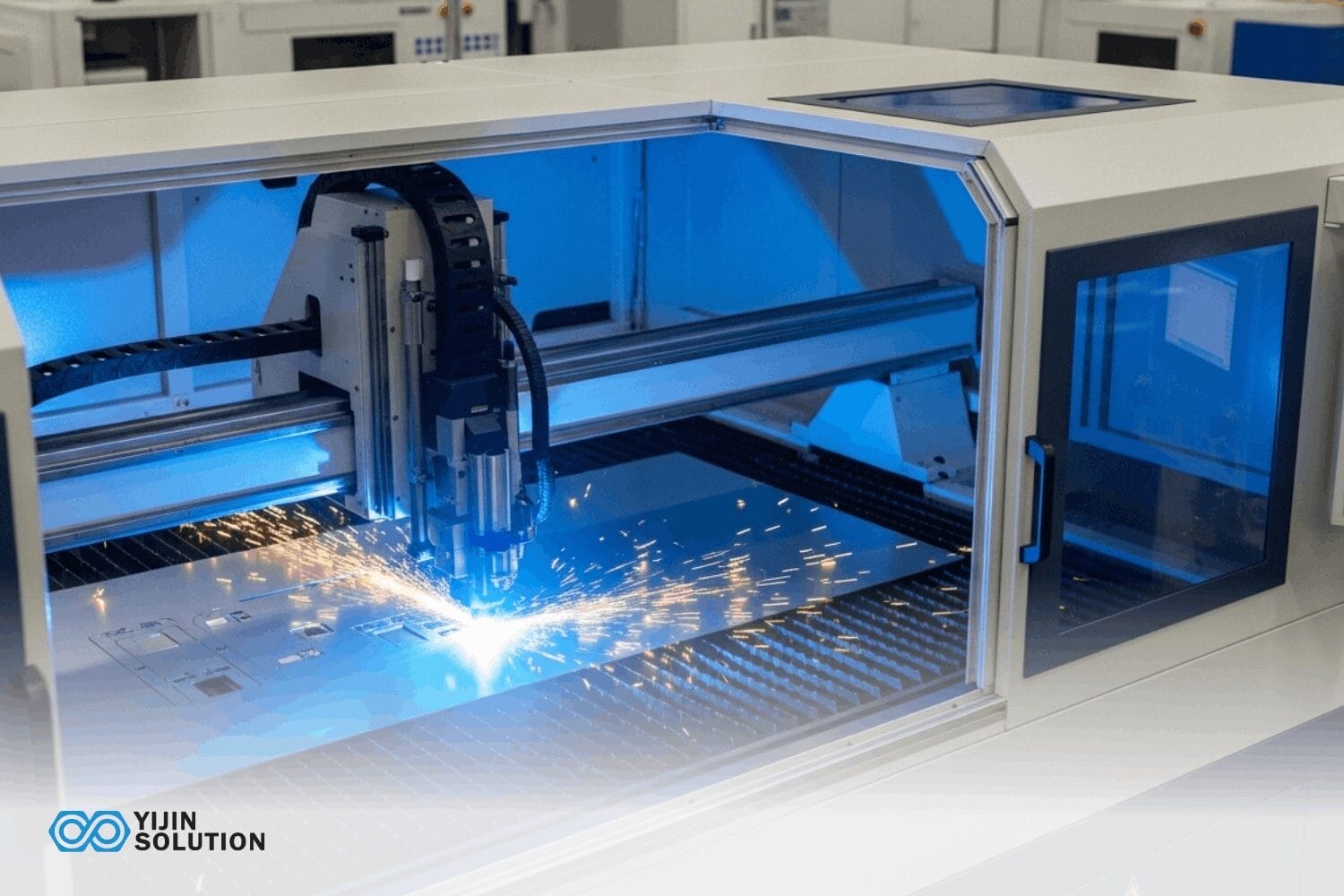
- CNC Laser und Plasma-Schneider: Laser cutting and plasma cutting are thermal processes that use heat to cut through metal parts with precision.
- CNC Wire EDM: Electrical discharge machining (EDM) uses electrical sparks to remove material from the workpiece. This method is used for hard materials like titanium alloys.
Each CNC machine type serves a different purpose, and selecting the right one depends on the material, design complexity, and required precision.
How Accurate are CNC Machines?
CNC machines are highly accurate, often capable of machining parts within 0.001mm of the specified tolerance. The accuracy depends on several factors, including machine calibration, tooling quality, and the material being processed. CNC machines offer precision and efficiency by reducing human error and increasing production speeds.
- Machine Calibration: Regular calibration ensures consistent performance and reduces dimensional deviations.
- Tooling: High-quality cutters and tools improve the precision of the final product.
- Material Properties: Some materials, like aluminum, are easier to machine to tight tolerances than harder metals, like steel.
For industries that require complex parts with tight tolerances, such as aerospace, CNC machines are a perfect solution for ensuring consistency and precision.
What Materials Can Be CNC Machined?
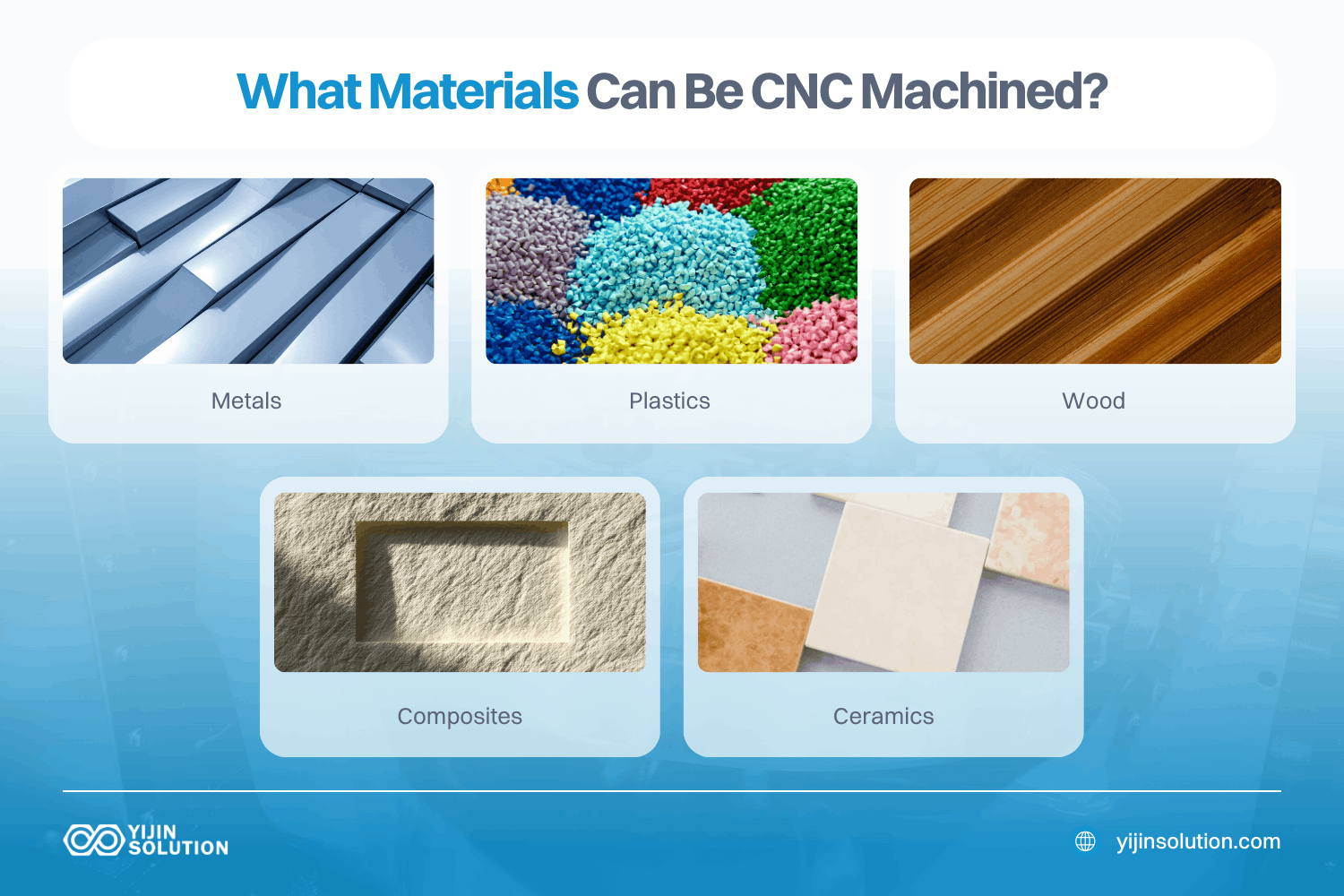
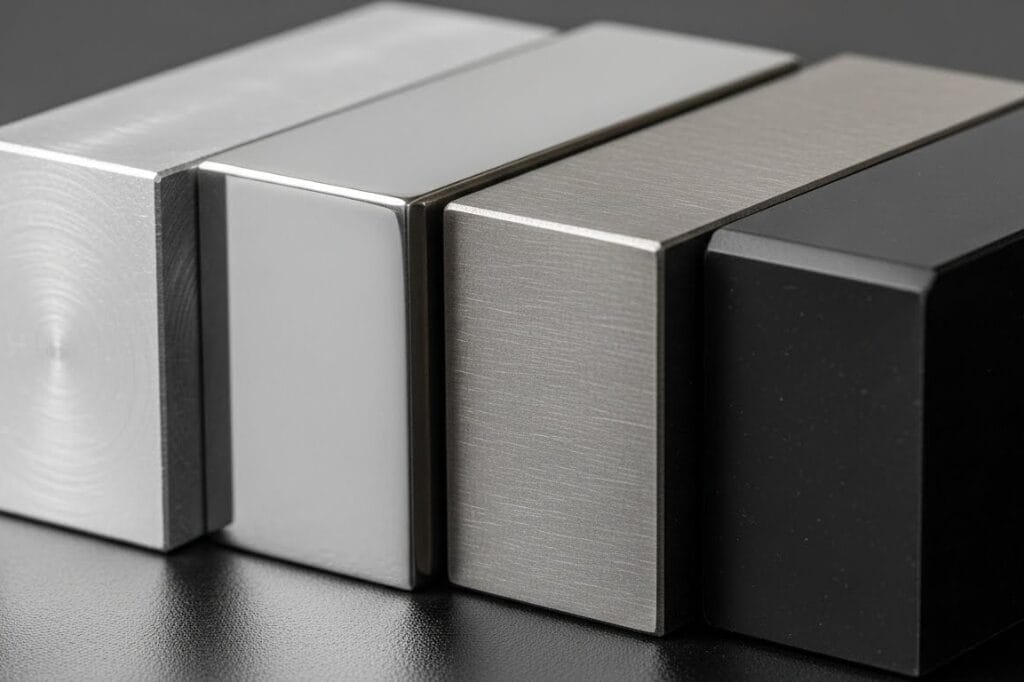
CNC machines are versatile and can handle a wide range of materials. The most commonly machined materials include:
| Material Typ | Beispiele | Verwendet |
|---|---|---|
| Metalle | Aluminium, Stahl, Titan, Kupfer | Luft- und Raumfahrt, Automobilindustrie, Medizinische |
| Kunststoffe | ABS, Nylon, PVC | Prototyping, Konsumgüter |
| Holz | MDF, Plywood, Hardwood | Furniture, Signage, Cabinets |
| Verbundwerkstoffe | Kohlefaser, Fiberglas | Aerospace, Automotive |
| Keramik | Advanced Ceramics | Electronics, Medical |
CNC machines are widely used for machining these materials due to their ability to handle high precision, providing solutions across a variety of industries.
What are the Benefits of CNC Machining?
The benefits of CNC machining are vast, including:
- Precision and Consistency: CNC machines provide high repeatability, producing parts to exact specifications every time.
- Automation: Once set up, CNC machines can run autonomously, reducing the need for constant human supervision.
- Complex Geometries: CNC machines can create parts with intricate shapes that would be difficult or impossible to achieve manually.
- Speed: CNC technology allows for faster production times, especially for complex parts that would otherwise take longer to make.
- Cost-Effectiveness: Despite higher upfront costs, CNC machining reduces material waste, labor costs, and errors, ultimately saving money.
By automating the manufacturing process, CNC machines not only increase efficiency but also improve the overall quality of the final product.
Wie funktioniert der CNC-Bearbeitungsprozess?
The CNC machining process typically follows a series of steps:
- Gestaltung: A part is first designed using CAD software.
- Programming: The CAM software generates the tool paths for machining the part.
- Setup: The machine is set up with the correct tools and material.
- Machining: The CNC machine follows the G-code instructions to cut, drill, or shape the part.
- Fertigstellung: The part may undergo finishing processes like polishing or coating to meet surface finish requirements.
The use of CAD and CAM software ensures that the part is produced to precise specifications, making the CNC machining process a reliable choice for precision and efficiency in manufacturing.
Premium CNC Machining
CNC machining is a crucial technology in modern manufacturing. It enables companies to produce complex parts with high precision, efficiency, and repeatability. Whether you’re in aerospace, automotive, or medical, CNC machines provide the flexibility and accuracy needed to meet tight tolerances and fast production schedules.
At Yijin Solution, we specialize in providing high-quality CNC machining services for industries worldwide. Kontaktieren Sie uns heute to discover how our CNC technology can bring your projects to life with precision and efficiency.
FAQs on How does a CNC Machine Work?
Is CNC hard to learn?
Learning CNC machining requires understanding both the machine operations and software. It can be challenging initially, but with proper training, you can master it in a short time.
Which is better CNC or PLC?
CNC is better for high-precision machining tasks like milling and turning, while PLC is used for general process control in automation systems, like on assembly lines.
Welche Materialien können nicht CNC-bearbeitet werden?
Materials that are extremely hard, like diamonds or certain brittle ceramics, may not be suitable for CNC machining without specialized tools. Additionally, materials that require extreme temperatures may need special CNC machines.
Zurück zum Anfang: How does a CNC Machine Work?