

AI-controlled robots are fundamentally different from their pre-programmed predecessors. Traditional industrial robots follow fixed routines in controlled environments. AI robots, by contrast, make decisions in real-time, adapt to changing conditions, and handle unpredictable situations.
The gap between AI capability and mechanical performance becomes the limiting factor. You might have algorithms that can plan optimal movements down to the millimeter, but if your robot’s joints have backlash, your actuator housings allow flex under load, or your mounting points shift during operation, the AI’s decisions get lost in mechanical imprecision.
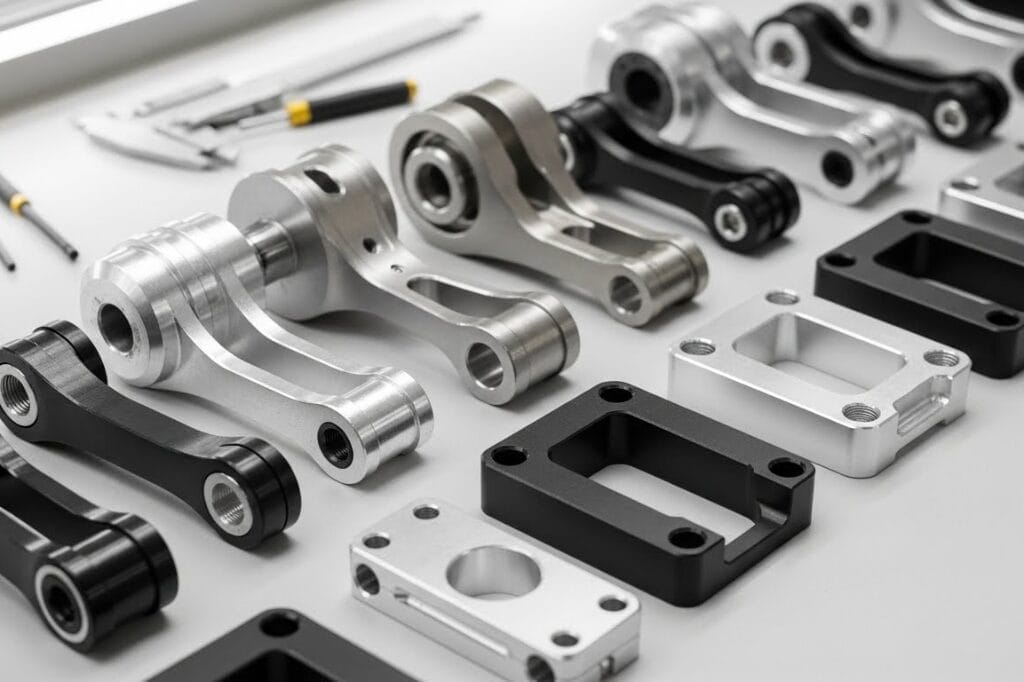
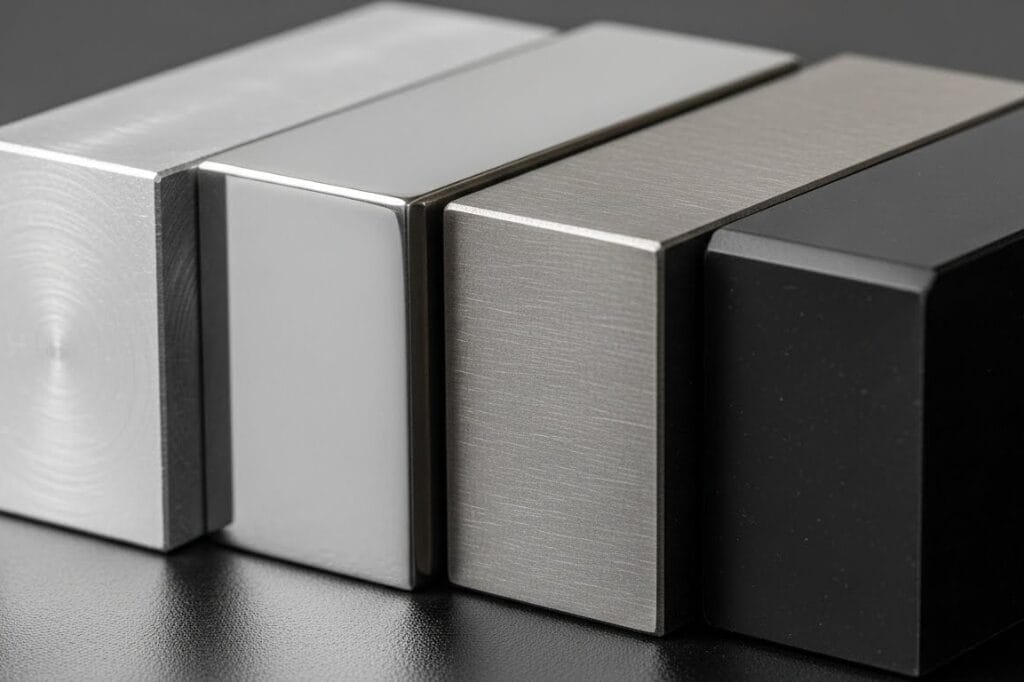
This is where CNC machining becomes critical for AI robotics. The tight tolerances, consistent quality, and geometric complexity that CNC delivers match what AI-controlled systems actually need to perform reliably. At Yijin Solution, we manufacture components specifically for AI-driven robotic systems, parts engineered to translate software commands into physical actions with the accuracy these intelligent machines require.
Key Takeaways
- CNC machining produces critical, high-precision parts for AI-controlled robots.
- AI enhances the machining process by optimizing real-time adjustments.
- Predictive maintenance reduces downtime and improves machine uptime.
- Sustainable materials in CNC machining are becoming essential for eco-friendly robotic systems.
- AI-powered quality control improves consistency and reduces human error.
What is CNC Machining for AI-Controlled Robots?
CNC machining for AI-controlled robots is a computer numerical control (CNC) process used to manufacture high-precision parts for robots. This process involves using CNC machine tools that are controlled by a computer program to make exact movements, ensuring that robotic components like sensors, actuators, and gears are created with precision. These parts are critical for robotic systems to function correctly and perform complex tasks.
AI integration within the CNC machining process allows real-time adjustments to machine parameters, improving efficiency and ensuring the production of high-quality robotic parts. Through machine learning, AI-powered machines analyze data from past operations, enabling machine shops to optimize the machining operation and reduce waste, all while increasing productivity.
According to Sustainable Manufacturing and Service Economics, machine learning algorithms in CNC machine tools enable predictive tool wear modeling with up to 95% accuracy, allowing real-time adaptive control that maintains tolerances below ±0.01 mm for critical AI robot components like joints and actuators.
This integration is crucial in robotics, where components must meet tight tolerances to ensure precise operation and avoid performance degradation. By incorporating AI into the machining process, CNC machines can adapt dynamically to the needs of each specific robotic arm or industrial robot, improving both speed and accuracy.
Why is Precision Important in CNC Machining for Robotics?
Precision is the backbone of CNC machining for robotics. Components like robotic arms and actuators must be produced with tight tolerances to ensure smooth operation. Even the smallest deviation in measurements can cause malfunctions or affect the robot’s performance, potentially leading to costly downtime and repairs.
The CNC machine ensures accuracy and consistency, often achieving tolerances as tight as ±0.0002 inches. AI-powered systems enhance this process by making real-time adjustments, optimizing machine settings such as feed rate and cutting speed. This AI integration allows for the creation of intricate parts with minimal human intervention, ensuring that the machining process remains as efficient and precise as possible.
By eliminating potential errors and streamlining the production process, AI ensures the robotic systems perform complex tasks with high repeatability and minimal risk of failure. This is vital for applications such as medical device manufacturing, where precision is critical.
How does AI Integration Enhance CNC Machining for Robotics?
AI integration plays a transformative role in CNC robotics by automating key parts of the machining process. Through machine learning algorithms, AI optimizes the CNC machine’s settings, improving tool paths and reducing unnecessary cuts, which in turn minimizes waste and cycle time. AI-powered robots also enable machines to automate tasks, reducing reliance on human workers for repetitive tasks while enhancing production efficiency.
With AI, CNC machines can streamline manufacturing, adjusting parameters like feed rate, spindle speed, and cutting depth based on real-time analysis of the material and part specifications. This reduces human error and makes the manufacturing process more predictable, improving overall production efficiency. The real-time adjustments made by AI systems also allow for collaborative robots to work side by side with human operators, performing tasks that require high precision, such as loading and unloading materials or machining tasks.
What are the Key Components of AI-Controlled Robots that Require CNC Machining?
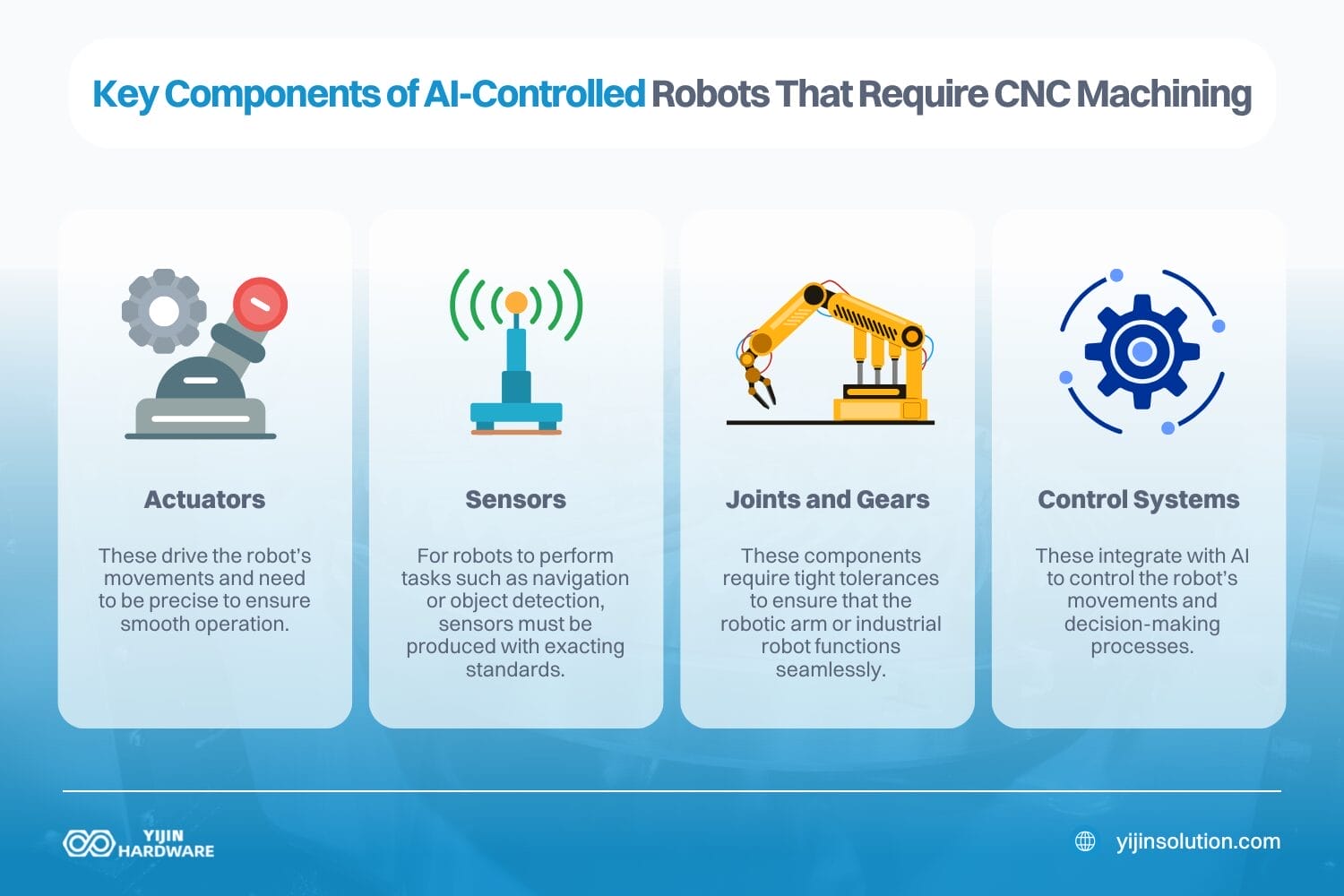
AI-controlled robots require a variety of components that must be manufactured with extreme precision. Some of these include:
- Actuators: These drive the robot’s movements and need to be precise to ensure smooth operation.
- Sensors: For robots to perform tasks such as navigation or object detection, sensors must be produced with exacting standards.
- Joints and Gears: These components require tight tolerances to ensure that the robotic arm or industrial robot functions seamlessly.
- Control Systems: These integrate with AI to control the robot’s movements and decision-making processes.
AI integration within CNC machines ensures that these components are manufactured to the highest standard, with AI-powered quality control systems checking for inconsistencies during the machining operation. By optimizing production workflows and reducing defects, AI makes it easier to produce robotic systems that can operate with minimal human intervention while maintaining high-quality standards.
How do AI-Driven Digital Twins Improve CNC Machining for Robotics?
Digital twins are virtual replicas of physical objects or systems, and they are increasingly used in CNC machining for robotics. AI integrates with these digital twins to simulate machining operations before actual production, providing valuable insights into potential issues such as tool wear, machine vibrations, and deviations from the expected quality.
With AI-powered digital twins, machine shops can simulate entire manufacturing processes, allowing for real-time adjustments and proactive maintenance. This prevents delays caused by unforeseen issues and optimizes machine performance. Digital twins are also essential for predictive maintenance, enabling manufacturers to identify potential failures before they occur, reducing downtime and increasing the overall efficiency and productivity of the CNC machines used in robotics manufacturing.
How does AI Help With Predictive Maintenance in CNC Machines?
AI-powered predictive maintenance is a critical component of modern CNC technology in robotics. By analyzing historical data and monitoring machine performance in real-time, AI can predict when a machine’s parts are likely to fail. This allows for maintenance to be scheduled before issues arise, reducing unexpected downtime and ensuring the production process remains efficient.
AI can also monitor CNC machines for signs of wear or faults, such as changes in vibration, temperature, or cutting speed. This enables manufacturers to maintain robotic systems without waiting for failures to occur, improving the machining process and enhancing productivity in the long run.
How do Multi-Axis CNC Machines Benefit AI-Controlled Robot Manufacturing?
Multi-axis CNC machines, including 5-axis and 6-axis systems, are crucial in producing complex robotic parts with high precision. These machines allow for more flexibility in the manufacturing process, enabling manufacturers to machine parts from multiple angles without repositioning the workpiece.
In robotics, parts like actuators, gears, and robotic arms often have complex geometries that require advanced machining. Multi-axis machines offer the capability to handle these parts with fewer setups and reduced risk of error. When combined with AI, these machines can further optimize the machining operation, improving part quality and reducing material waste, making them essential for high-precision applications.
Premium Parts for AI-Controlled Robots
CNC machining for AI-controlled robots is crucial to manufacturing high-precision robotic components. AI integration within CNC machine tools streamlines the production process by improving accuracy, reducing errors, and minimizing downtime. From predictive maintenance to real-time adjustments, AI helps enhance efficiency and productivity across the entire manufacturing process. By investing in AI-powered CNC services, manufacturers can ensure that their robotic systems are produced to the highest standards of quality and precision.
If you are looking for cutting-edge CNC machining services for your AI-controlled robots, our AI-powered CNC machines offer the highest levels of precision, efficiency, and cost savings. Contact us today to learn more about how we can help optimize your robotic systems and streamline your manufacturing process.
CNC Machining for AI-Controlled Robots FAQs
How is AI used in CNC machining?
AI is used in CNC machining to optimize real-time adjustments, such as cutting speed, spindle speed, and feed rate. It also predicts machine maintenance needs, ensuring minimal downtime and continuous production.
Will AI replace CNC machinists?
AI will enhance the roles of CNC machine operators by automating repetitive tasks, but it won’t replace them. Human workers will still be needed to oversee complex tasks and ensure quality control.
What is CNC in robotics?
CNC in robotics refers to the use of computer-controlled machines to produce high-precision parts for robots, such as robotic arms, actuators, and sensors. These components are essential for the functionality and accuracy of robotic systems.
Back to Top: Why AI Robots Need Better Components than Traditional Automation | CNC Machining for AI-Controlled Robots