
El mecanizado en 3 ejes está alcanzando nuevas cotas. A pesar de que es bastante asequible y ofrece excelentes resultados para diseños sencillos, están surgiendo más investigaciones. Por ejemplo, el mecanizado en 3 ejes añade valor a la fabricación aditiva.
Fuente: Máquinas herramienta híbridas aditivas y sustractivas (Joseph M. Flynn)
Piensa en un trozo de metal y quiere convertirlo en un impresionante engranaje o en una elegante carcasa de teléfono. Aquí es donde el mecanizado en 3 ejes desempeña un papel fundamental. ¿Se imagina cualquier objeto a su alrededor, de plástico o metal, con una precisión milimétrica? Todos los objetos metálicos con un acabado preciso incorporan máquinas CNC. Pasan por un complejo proceso para acabar en una fina pieza de metal.
Puede pensar en diferentes piezas de motor y objetos metálicos complicados de varias máquinas. Una máquina de 3 ejes suele hacer el trabajo perfectamente a precios más bajos que una máquina de 5 ejes. Sin embargo, ¿quiere saber más sobre esta fresadora? ¡Exploremos todos los detalles!
¿Qué es el mecanizado en 3 ejes?
Este tipo de mecanizado funciona en tres direcciones principales: X, Y y Z. Basta con pensar fuera de la caja para entender el concepto. X te mueve a izquierda y derecha, Y te mueve hacia delante y hacia atrás, y Z va hacia arriba y hacia abajo.
Las fresadoras de 3 ejes ofrecen un control de movimiento adecuado, por lo que se consideran una buena opción para todo tipo de materiales.
Ejemplo de mecanizado en 3 ejes:
Tienes una pieza de metal y quieres grabar algo sorprendente en su cara superior. Para ello, una herramienta de mecanizado de 3 ejes va a realizar todas las funciones, ¡desde el corte hasta la pieza final! Es como una máquina de tallado excepcionalmente fina. Por ejemplo, hace girar la broca en tres dimensiones:
- De izquierda a derecha (X)
- De delante hacia atrás (Y)
- Y arriba y abajo (Z).
La precisión de la fresadora CNC de 2 ejes depende de tres cosas:
- Diseño perfecto
- Material
- Mando del operador sobre la máquina
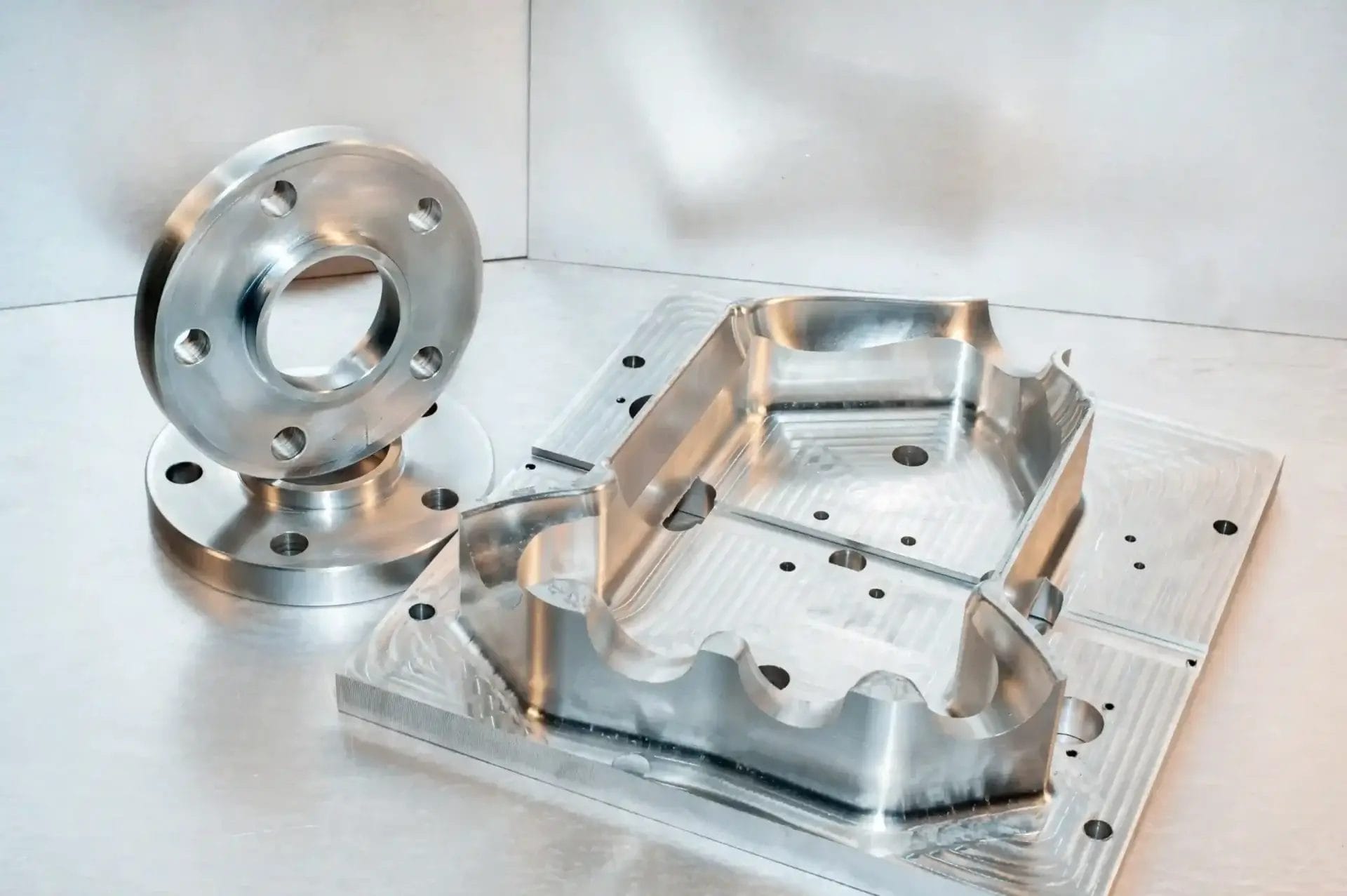
El mecanizado en 3 ejes es bueno para piezas poco curvadas. Por ejemplo, placas planas con agujeros o ranuras y bloques con escalones sencillos. Es un dibujo 2D al que se da vida en 3D. Sin embargo, su simplicidad radica en su precisión. La máquina guiada por ordenador realiza esta tarea a la perfección; así, todas sus piezas tendrán el mismo tamaño y la misma forma.
Más información: Mecanizado CNC de 4 ejes
¿Cómo funciona el mecanizado en 3 ejes?
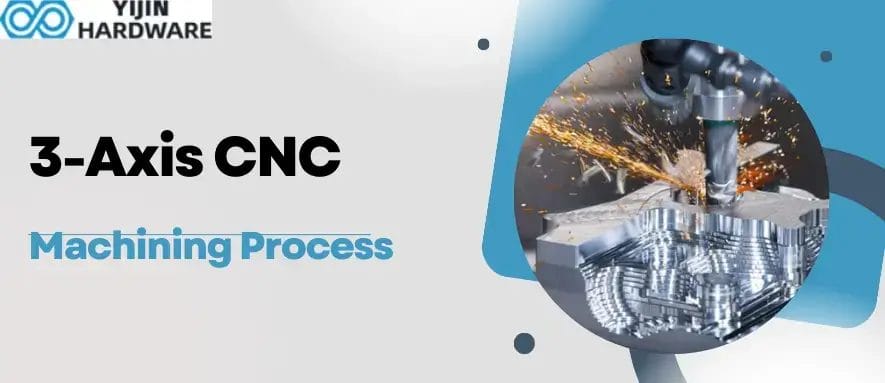
El funcionamiento de las máquinas CNC de 3 ejes pasa por 6 pasos. Vamos a describir cada uno por uno.
- Preparación del diseño: El primer paso es el diseño, creado mediante un programa de diseño asistido por ordenador (CAD). Este programa da:
- Dimensiones exactas
- Formas
- Y características del objeto.
- Conversión CAM: El diseño CAD se convierte en un conjunto de instrucciones para la máquina de 3 ejes.
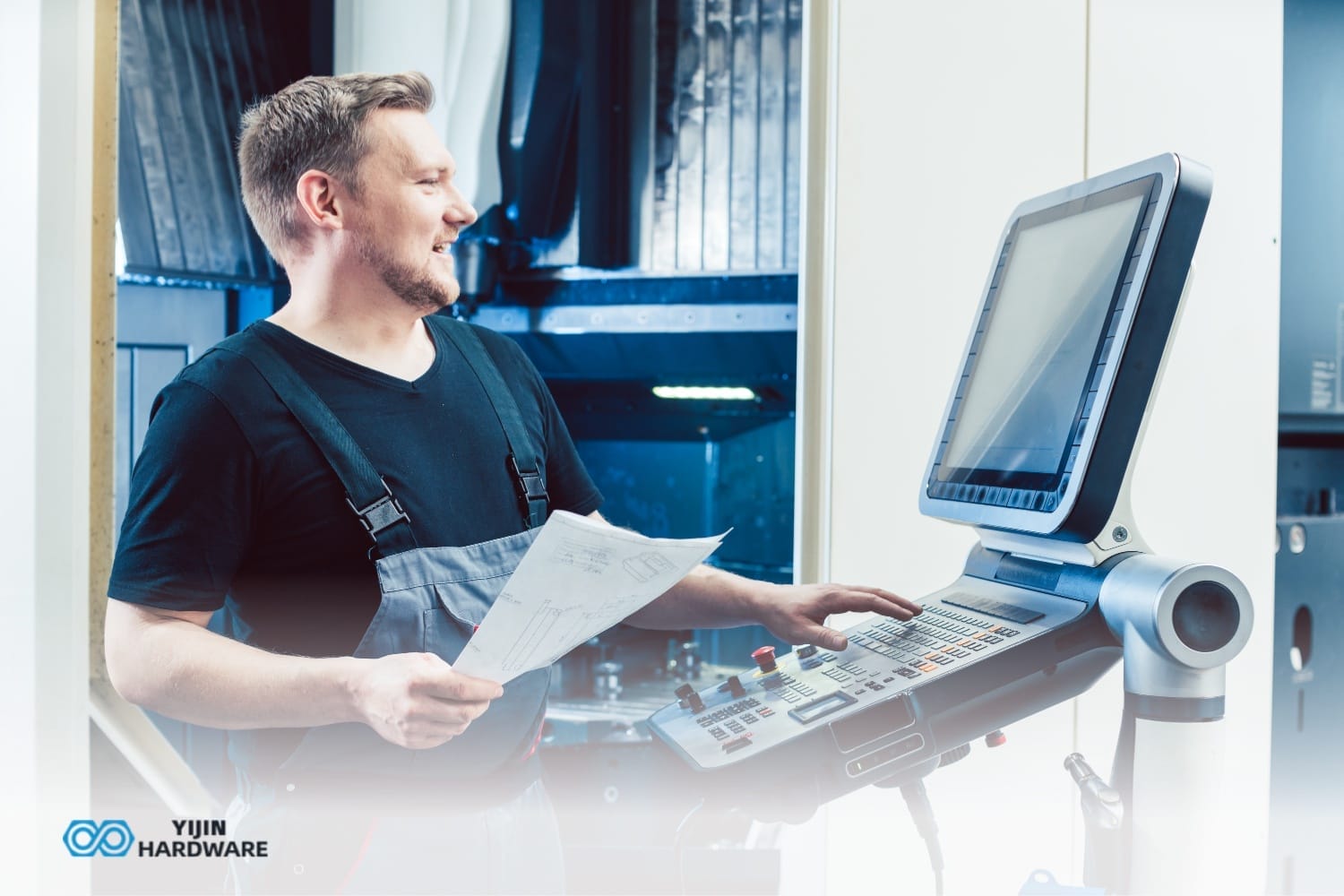
- Configuración de la máquina: La pieza (material que se va a mecanizar) se fija firmemente en la mesa de trabajo de la máquina. El operario selecciona la herramienta de corte y transfiere posteriormente el código de diseño al sistema de control de la máquina.
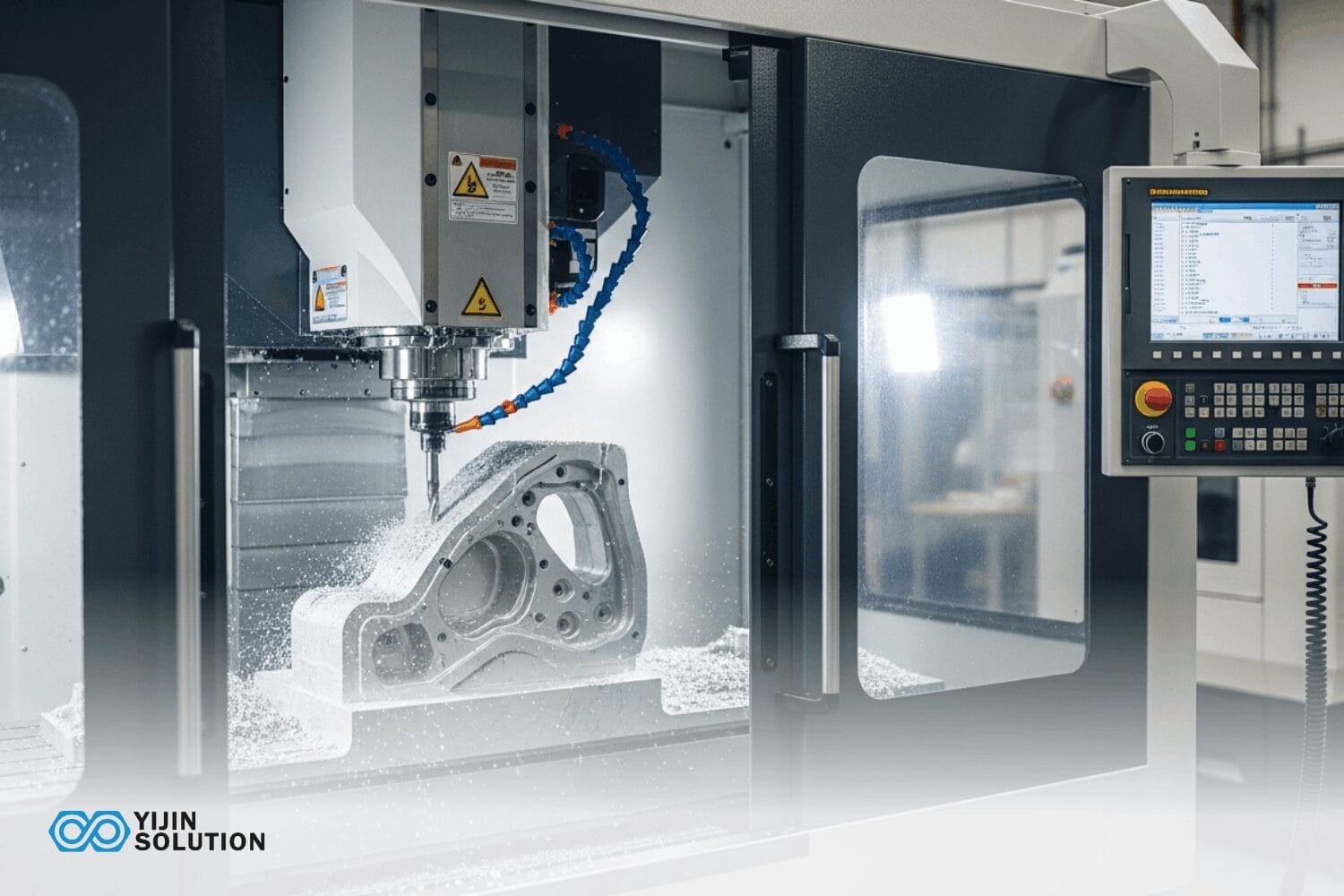
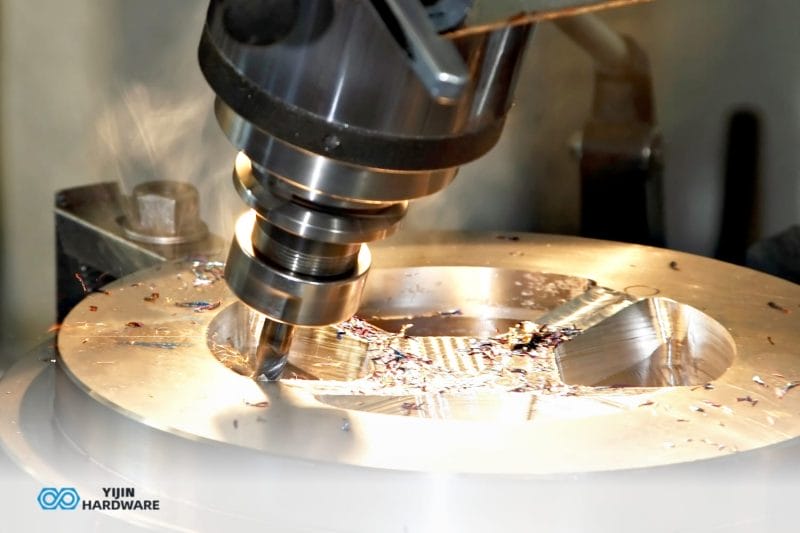
- Proceso de mecanizado: La máquina sigue las instrucciones programadas. La herramienta de corte se desplaza a lo largo de los ejes X, Y y Z según el programa. Esta actividad se repite hasta llegar a la pieza final. También existe el riesgo de desperdiciar material.
- Aplicación de refrigerante:Normalmente se aplica un refrigerante (a menudo una solución a base de agua) a la herramienta de corte. Ofrece varias ventajas, como:
- Enfriar la zona de corte
- Reducción de la fricción y el desgaste de la herramienta
- Y un mejor acabado de la superficie.
Por ejemplo:
Si construyera con Legos, el mecanizado en 3 ejes sería similar a disponer de una herramienta capaz de cortar y dar forma con precisión a una sola pieza de Lego. Puedes hacer todo tipo de objetos extravagantes, pero quizá carezcan de las curvas y ángulos duros que tienen otros objetos metálicos avanzados.
Máquinas comunes de 3 ejes
En el mecanizado en 3 ejes se utilizan varios tipos de máquinas:
Lo que es diferente en el mecanizado en 3 ejes es el tipo de máquina que lo realiza, aunque estas herramientas de fresado siguen las mismas tres direcciones (X, Y y Z). He aquí un breve resumen de algunos ejemplos comunes:
Fresadoras CNC - Son como potentes herramientas capaces de fabricar piezas planas con:
- Bolsillos
- Pasos
- Bolsillos
Imagine un potente taladro que pueda moverse en todas direcciones para eliminar material con precisión.
Centros de mecanizado CNC - Son como tener toda una caja de herramientas en una sola máquina, ya que pueden taladrar agujeros, roscar y fresar superficies a la vez. Son ideales para piezas complicadas que requieren múltiples operaciones.
Tornos CNC - La pieza gira mientras una herramienta de corte le da forma. Los tornos CNC son ideales para producir objetos cilíndricos como ejes o tubos.
Fresadoras CNC - Imagine una fresadora ultrapotente para su taller, pero más grande y mucho más precisa. Estas máquinas funcionan bien cuando se trata de cortar grandes planchas de madera, plástico o incluso metales más blandos.
Máquinas de grabado CNC - En términos de detalle, se llevan la palma utilizando herramientas de corte muy pequeñas para grabar patrones en diversos materiales. Piense en un bolígrafo extremadamente preciso que puede grabar lo que quiera en metal, plástico o incluso cristal.
Cortadoras de plasma CNC - Las máquinas de corte por plasma son muy eficaces para cortar chapas gruesas con precisión, rapidez y eficacia. Esto las convierte en una valiosa herramienta para una amplia gama de aplicaciones industriales, especialmente cuando se requiere servicio de corte por plasma para conseguir cortes limpios y precisos en componentes de acero de gran tamaño. Su capacidad para manejar diseños complejos y ofrecer resultados de calidad garantiza que sean la opción preferida para muchos proyectos de mecanizado.
Aplicaciones del mecanizado en 3 ejes
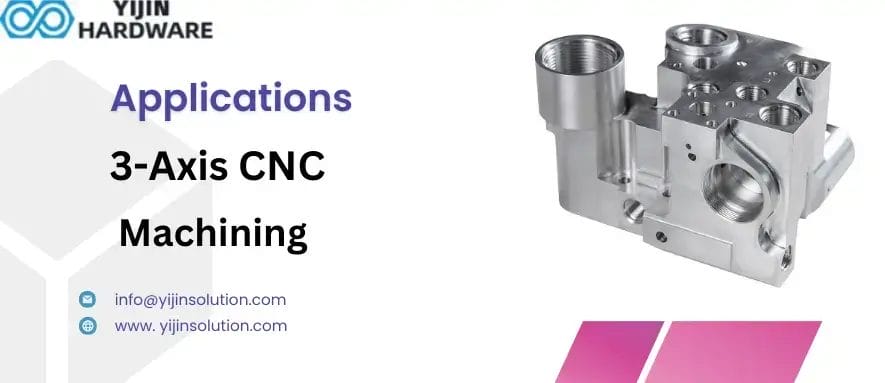
El mecanizado en tres ejes puede parecer sencillo, pero es increíblemente versátil. Esto se debe a que este método de mecanizado puede crear formas exactas para muchas industrias diversas. Estas son algunas de las áreas en las que el mecanizado en 3 ejes proporciona piezas personalizadas impecables:
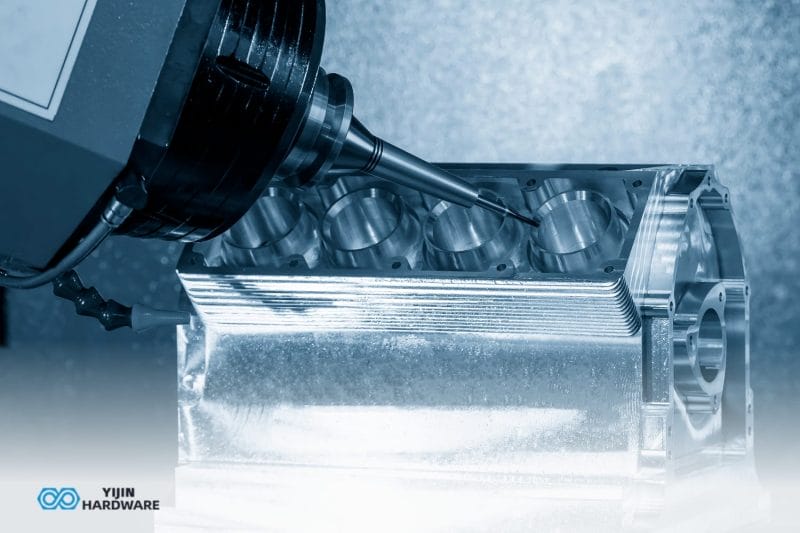
Automoción: La próxima vez que conduzca su coche, acérquese y eche un vistazo al interior del capó. Es probable que la mayoría de las piezas del motor, como pistones y transmisiones, se moldeen mediante mecanizado en 3 ejes. Esto garantiza que todos los componentes encajen a la perfección para una conducción suave.
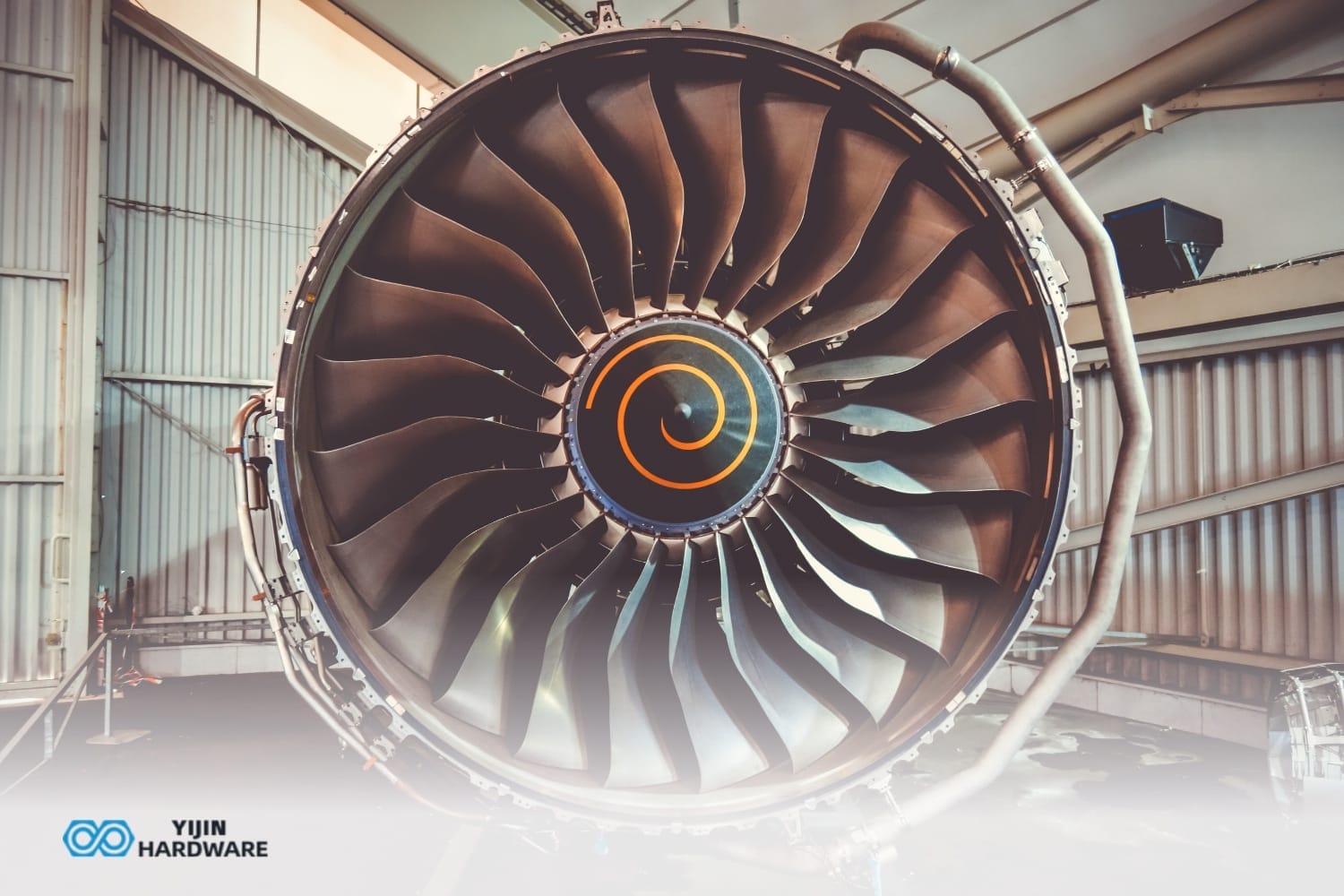
Aviación: La seguridad es clave cuando se trata de aviones o naves espaciales. El mecanizado en 3 ejes hace posibles las piezas de alta precisión y durabilidad que requieren los aviones. Piense en componentes de alas o piezas de motores que deben ser resistentes pero ligeras.
Médico: Los dispositivos e implantes médicos requieren a menudo detalles intrincados para su funcionalidad. Estas herramientas médicas específicas, desde delicados instrumentos quirúrgicos hasta complejas prótesis articulares, se fabrican mediante mecanizado en 3 ejes.
Electrónica: Dependemos de muchos aparatos, desde teléfonos a ordenadores portátiles, que a menudo tienen piezas fabricadas con productos mecanizados en 3 ejes. El fresado en 3 ejes mejora considerablemente el rendimiento de las carcasas y los componentes internos.
Juguetes cotidianos: ¿Cómo se fabrican esos juguetes de plástico tan chulos? La mayoría de los moldes utilizados para el moldeo por inyección se mecanizan en 3 ejes, lo que garantiza la precisión de las formas de los artículos destinados a la producción en serie.
Construcción: Incluso la construcción puede beneficiarse del mecanizado en tres ejes. Algunos elementos estructurales, especialmente los que requieren cortes o formas precisas, pueden mecanizarse para ajustarse con exactitud.
Joyas: Observe de cerca esta pieza de joyería finamente elaborada. El mecanizado en 3 ejes es capaz de crear detalles bellos y precisos en metales preciosos.
Ventajas del mecanizado en 3 ejes
El mecanizado CNC de 3 ejes ofrece innumerables ventajas. A continuación, mencionamos algunas ventajas destacadas:
Lo mejor para diseños sencillos: Requiere movimientos en sólo tres direcciones (derecha-izquierda, atrás-adelante y arriba-abajo), lo que hace que sea más fácil de programar y utilizar que los complejos. Esto implica que el plazo de entrega de tu proyecto será mucho más rápido.
Piezas precisas: Se centra en la fabricación de superficies planas o ligeramente curvadas, lo que se adapta a una amplia gama de piezas cotidianas como soportes, engranajes o paneles de control. Cuando una máquina más sencilla puede hacer ese trabajo, ¡no hace falta una más cara!
Barato: Generalmente, las herramientas de 3 ejes son menos caras que las máquinas más complicadas, tanto en términos de coste inicial como de costes de mantenimiento. Por ello, la mayoría de la gente prefiere el fresado de 3 ejes porque es más asequible que el de 5 ejes.
Precisión: El fresado en tres ejes puede generar piezas de gran precisión. Su proceso es bastante sencillo gracias a los movimientos controlados por ordenador y a las afiladas herramientas de corte.
Desventajas del mecanizado en 3 ejes
Las máquinas de 3 ejes también tienen algunas desventajas que las convierten en una opción menos destacada en comparación con las de 5 ejes.
Bajo rendimiento en la creación de formas complejas: En cuanto a las máquinas de 3 ejes, es imposible curvar las superformas y realizar cortes en ángulo en sus periferias. Se enfrentan a dificultades cada vez que fresan diseños complejos. Se debe al alcance limitado de los ángulos. El desperdicio de material también es mayor.
Consumo de tiempo: Con piezas complejas que tienen muchas caras, es posible que tenga que sujetar el metal en distintas posiciones y volver a mecanizar cada cara. Esto requiere más tiempo y esfuerzo que si la máquina se mueve en más direcciones.
Alcance limitado: Por muy preciso que sea el mecanizado de 3 ejes, no puede realizar superficies muy complejas ni elementos muy pequeños. Si su diseño requiere pequeños orificios o curvas suaves, es posible que necesite una máquina herramienta más sofisticada.
Mecanizado en 3 ejes vs. Mecanizado en 5 ejes
Antes nos hemos centrado más en el mecanizado en 3 ejes. Pero también existe el fresado avanzado: las máquinas de 5 ejes. Con más ángulos, las máquinas de 5 ejes ofrecen buenos resultados en diseños complicados. Del mismo modo, el desperdicio de material también es menor.
La diferencia clave:
Supongamos que un pintor sólo tiene tres pinceles (arriba, abajo y a los lados). Es algo así como el mecanizado en tres ejes. Puede hacer muchas cosas, pero es difícil hacer formas complejas.
Ahora imagine al mismo pintor con dos pinceles adicionales que puedan girar sus muñecas. ¡Eso se llama mecanizado en 5 ejes! Los ejes adicionales permiten movimientos y ángulos más delicados, lo que lo hace ideal para producir formas supercomplejas.
Mecanizado CNC de 3 ejes frente a 5 ejes: Cuadro comparativo
| Característica | Mecanizado CNC de 3 ejes | Mecanizado CNC de 5 ejes |
| Capacidades de movimiento | X (Izquierda-Derecha), Y (Delante-Atrás), Z (Arriba-Abajo) | X, Y, Z, A (Inclinación), B (Rotación) |
| Acabado de superficies | Adecuado para superficies planas y curvas sencillas | Excelente para formas complejas en 3D con detalles intrincados |
| Plazo de entrega | Generalmente más rápido gracias a una programación más sencilla y menos configuraciones. | Puede ser más lento para piezas complejas debido a las múltiples configuraciones. |
| Complejidad de la programación | Baja | Superior: requiere conocimientos de programación más avanzados |
| Coste de la máquina | Más bajo - generalmente más asequible | Más alto |
| Mantenimiento | Inferior: mecánica más sencilla | Mayor: los ejes de rotación adicionales requieren más mantenimiento |
| Aplicaciones | - Prototipos - Piezas sencillas (soportes, engranajes, paneles de control) | - Piezas complejas en 3D (implantes médicos, componentes aeroespaciales) - Piezas de varias caras |
Conclusión
Tanto si es de 3 ejes Servicios de mecanizado CNC o mecanizado en 5 ejes, necesita una empresa de mecanizado profesional. Si es usted un novato en este campo, no podrá hacerse una idea de la pieza sólo leyendo. ¿Por qué es importante? Porque un centro de mecanizado experimentado como Solución Yijin cuenta con modernas fresadoras y operarios altamente profesionales. Ofrecen la posibilidad de procesar cualquier material, ya sea metal o plástico.