

- Производитель прецизионных деталей
- Robot Manufacturing Parts
Precision CNC Machining for Robotics and Humanoid Robot Parts
Точность Обработка на станках с ЧПУ for robotics enables the production of highly accurate mechanical components that allow robots to move, align, and operate reliably. At Yijin Solution (formerly Yijin Hardware), we specialize in precision CNC machining for robotics applications where accuracy, durability, and repeatability directly affect system performance.
Robotics engineers rely on precisely machined components to ensure predictable motion and long service life. Small dimensional errors can cause vibration, backlash, or premature wear in robotic joints and assemblies. We machine robotic components with controlled geometry so teams can focus on control systems, software, and integration rather than mechanical failures.
- ⬤Сервис
- ⬤Ваши данные
- ⬤Отправить


What is Precision CNC Machining for Robotics?
Точность CNC machining for robotics is a manufacturing process that removes material using computer-controlled machine tools to produce robot-ready components. This machining process creates parts with tight tolerances that support accurate motion, structural stability, and repeatable performance. In robotic systems, mechanical accuracy at the component level directly determines system reliability.
CNC precision machining for robotic applications eliminates the variability found in manual machining. Each part is produced using programmed toolpaths that control speed, depth, and cutting forces. This consistency ensures robotic assemblies fit together correctly and perform as designed.


What Robotic Parts Can Be Machined Using CNC?
CNC machining produces a wide range of machine parts used across the robotics industry.
These parts must withstand dynamic loads, repeated motion, and long operating cycles. Yijin Solution (formerly Yijin Hardware) machines have robotic components designed specifically for functional motion, not just static structures.
Common parts from a CNC machine include robotic joints, actuator housings, motor mounts, linkages, brackets, shafts, and precision fasteners. We also machine sensor mounts, bearing carriers, and gear interfaces for robotic arms and industrial robots. Each component is designed to integrate cleanly into robotic systems without secondary rework.
How do CNC Machines Support Robotic Systems?
A CNC machine produces robotic components using programmed instructions that control machining accuracy and repeatability. This approach ensures consistent dimensions across production runs and across facilities. It allows robotic systems to maintain alignment and performance over time.
In many environments, CNC machines and robots work together within automated manufacturing cells. Robots load and unload raw materials and finished parts during machining cycles. This integration supports industrial automation and reduces manual handling.


CNC Robotics Materials and Applications
The table below shows commonly machined materials and their robotics applications. Each material is selected based on performance requirements rather than cost alone. This mapping helps engineering teams choose materials that support reliable robotic operation.
| Материал | Key Property | Robotics Application |
|---|---|---|
| Алюминий 6061 | Lightweight and corrosion resistant | Frames, housings, brackets |
| Алюминий 7075 | Высокое соотношение прочности и веса | Structural joints and arms |
| Нержавеющая сталь | Wear and corrosion resistance | Bearings, shafts |
| Титан Сплав | High strength with low mass | Humanoid load-bearing parts |
| PEEK | Thermal and wear resistance | Insulating components |
| Дельрин | Low friction and stability | Bushings, gears |
How does CNC Machining Support Humanoid Robots?
Humanoid robots require higher mechanical precision than traditional robotic platforms. Their dense joint structures and balance requirements increase sensitivity to dimensional error. Precision machining for robotics ensures humanoid joints move smoothly and predictably.
We machine humanoid robot components with tight control over geometry and surface finish. Joint interfaces align correctly, and load paths remain stable throughout motion. This approach supports natural movement and long-term durability.


What CNC Machining Processes are Used for Robotics?
Robotic components are produced using several CNC machining processes selected based on geometry and tolerance requirements. Each process supports different feature types and complexity levels. Proper process selection reduces machining risk and improves part quality.
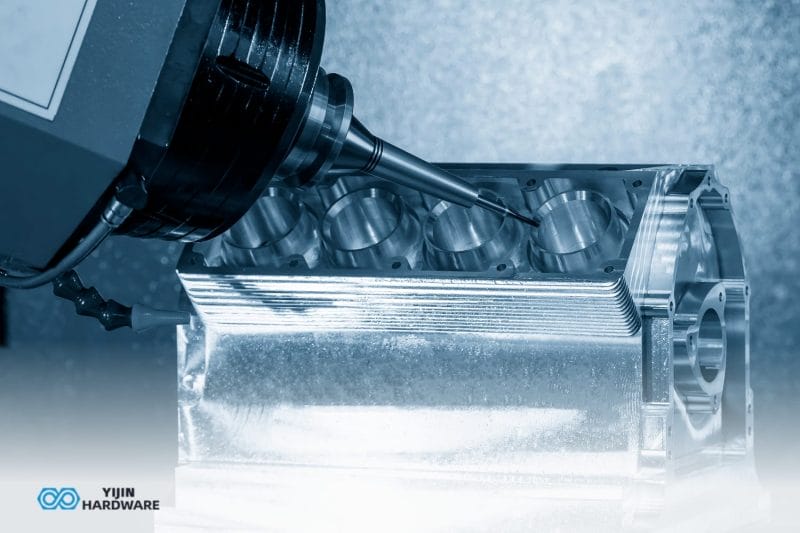
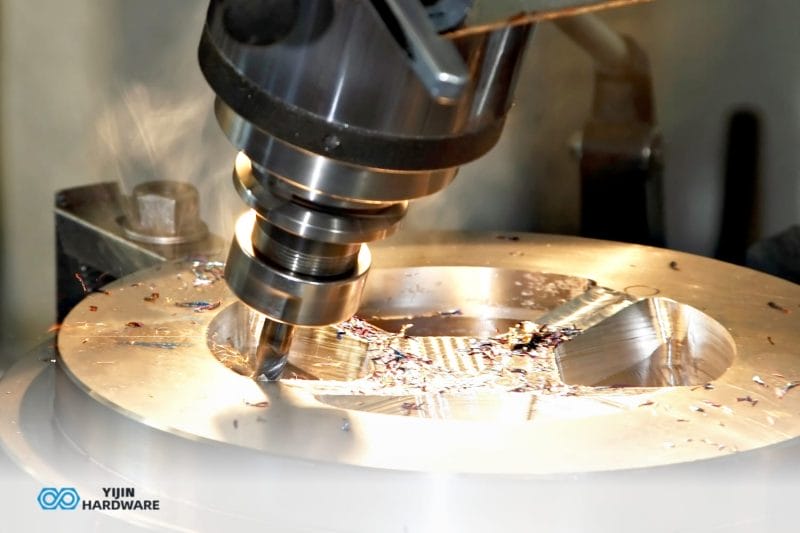
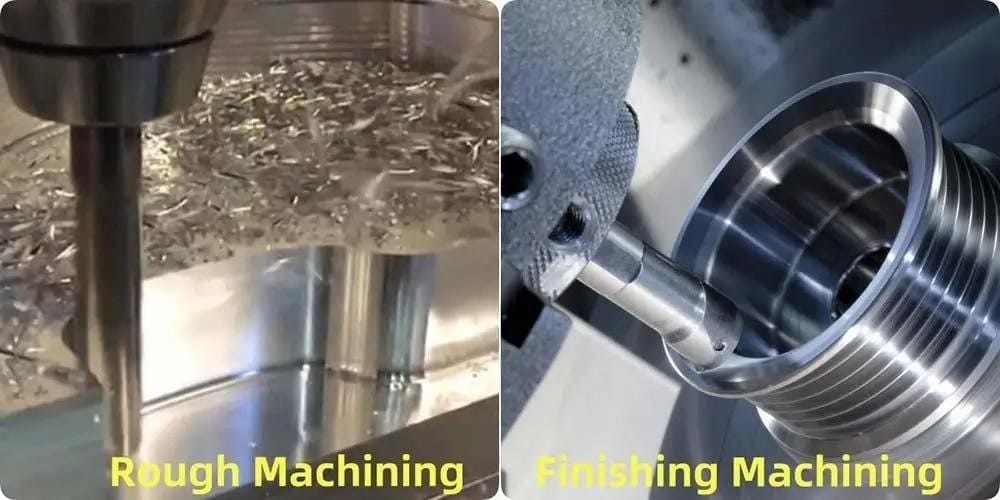
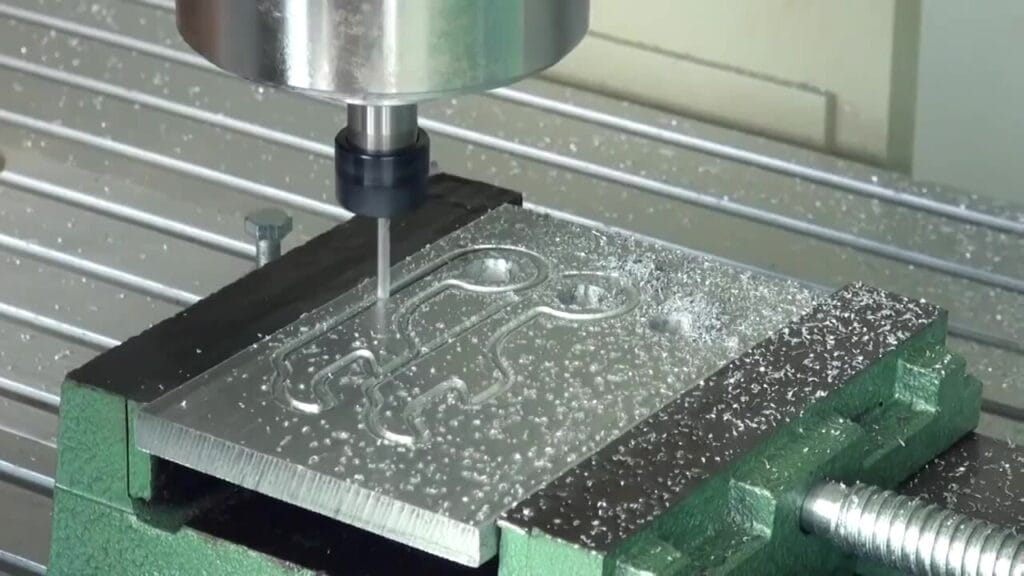
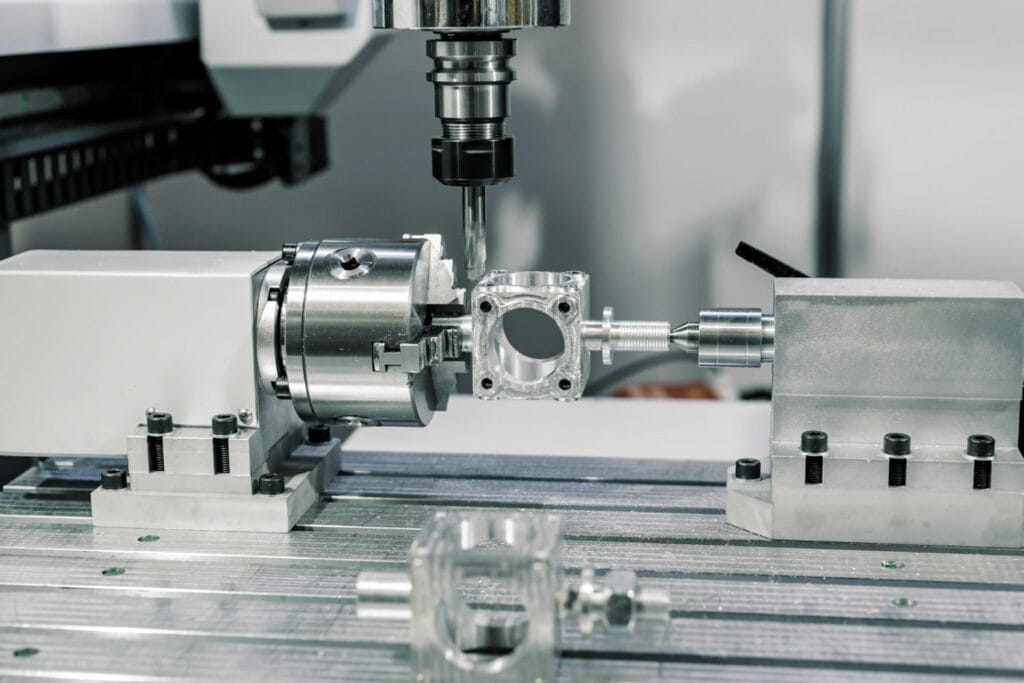
We use фрезерование и поворот for most robotic components, along with 5-axis CNC machining for complex joint geometries. Electrical discharge machining is applied for specific machining tasks involving internal features. These machining operations support advanced robotic designs.
How does CNC Machining Enable Automation?
CNC machining enables automation by producing consistent components that integrate easily into robotic assemblies. Accurate parts simplify calibration, installation, and maintenance. This consistency supports scalable industrial automation systems.
In automated CNC environments, robots load and unload materials during machining cycles. This machine tending process reduces downtime and manual intervention. It allows machining centers to operate continuously.
How does Precision Machining Improve Robotic Reliability?
Precision machining improves robotic reliability by ensuring correct alignment across moving components. Accurate geometry reduces uneven stress and premature wear. This improves system lifespan.
Robotic systems benefit from precision and repeatability across replacement parts. Consistent machining reduces maintenance frequency and unexpected failures. This reliability supports long-term deployment in industrial and robotic applications.
What are the Benefits of CNC Machining for Robotics?
CNC machining provides the precision, repeatability, and scalability required to manufacture reliable robotic components. Unlike variable fabrication methods, CNC machining ensures that every part meets exact dimensional requirements, which is critical for robotic systems that rely on precise alignment and predictable motion. This consistency allows robotics teams to move from prototyping to production without redesigning parts or compensating for mechanical variation.
Key benefits of CNC machining for robotics include:
- High dimensional accuracy that supports smooth joint motion and stable assemblies
- Repeatable output across batches, which simplifies maintenance and replacement
- Compatibility with advanced materials used in robotics manufacturing
- Faster iteration cycles compared to manual machining
- Improved reliability in robotic systems exposed to continuous motion and load


How does Yijin Solutions Support Robotics Manufacturing?
Yijin Solution (formerly Yijin Hardware) supports robotics manufacturing by combining advanced CNC machining capabilities with engineering-level understanding of robotic motion and mechanical integration. We work closely with robotics teams to evaluate part geometry, tolerance requirements, and material behavior before production begins, reducing the risk of misalignment or premature wear.
Our manufacturing approach supports the full lifecycle of robotic development, from early-stage prototypes to scaled production. By maintaining consistent machining processes across our facilities, we ensure that robotic components remain dimensionally stable as production volumes increase, which is essential for robotics manufacturing programs that plan to scale.
Why Choose Yijin Solution (formerly Yijin Hardware) for Precision CNC Machining?
Yijin Solution (formerly Yijin Hardware) provides precision CNC machining with a focus on robotic performance rather than generic part production. We understand how machining decisions affect robotic motion, alignment, and durability, and we apply that knowledge throughout the manufacturing process. This system-level perspective reduces integration issues and improves overall reliability.
Our state-of-the-art CNC infrastructure supports complex robotic components with tight tolerances and repeatable quality. Combined with our engineering support and scalable manufacturing model, Yijin Solution (formerly Yijin Hardware) is a reliable partner for robotics teams building advanced systems.

Что говорят наши клиенты




FAQs on Precision CNC Machining for Robotics and Humanoid Robot Parts
CNC in robotics refers to using computer-controlled machining to produce precise mechanical components that allow robots to function accurately. These components form the physical foundation of robotic systems.
The industrial robotics industry commonly recognizes four major manufacturers that dominate global industrial robot production. They influence standards and adoption worldwide.
AI will enhance CNC machining through automation and optimization, not replace it. Physical parts will always require controlled material removal.
Ресурсы ЧПУ
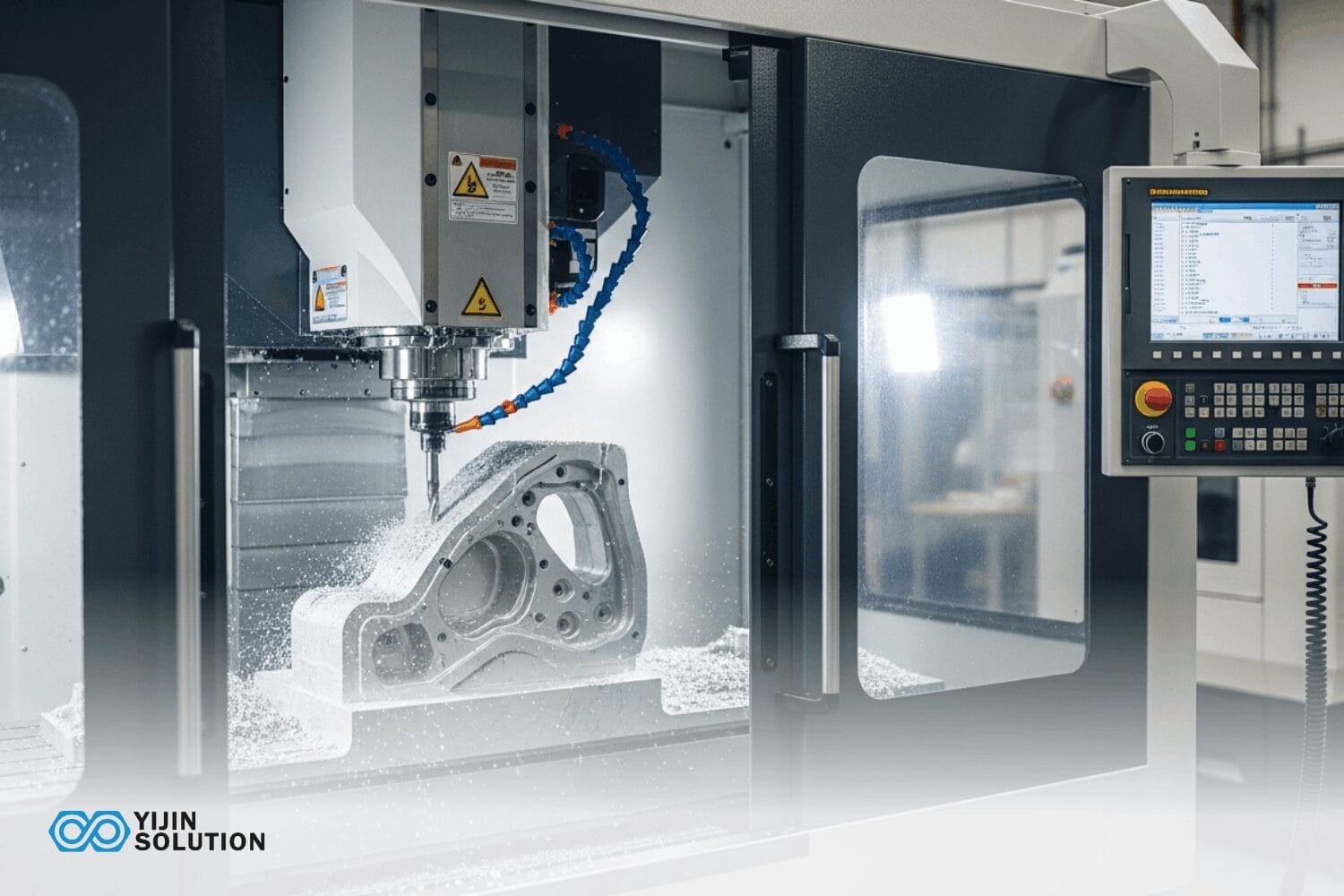
Top 10 CNC Milling Service Providers 2026
CNC milling process is crucial for producing precise components in industries like aerospace, medical, and automotive. However, not all milling
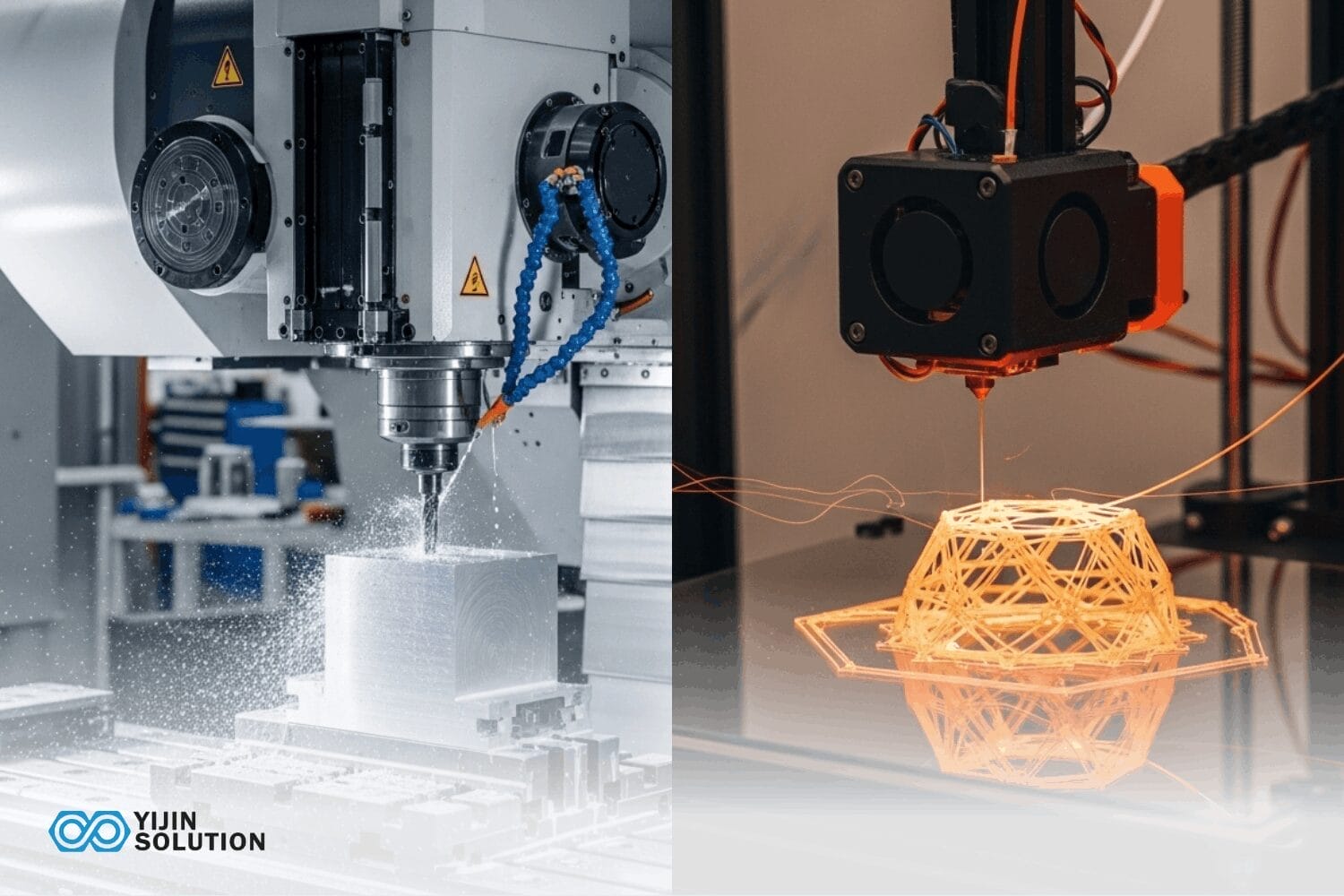
Обработка с ЧПУ и 3D-печать
The choice between CNC Machining (Subtractive) and 3D Printing (Additive) hinges on a specific tri-factor of requirements: geometric complexity, production
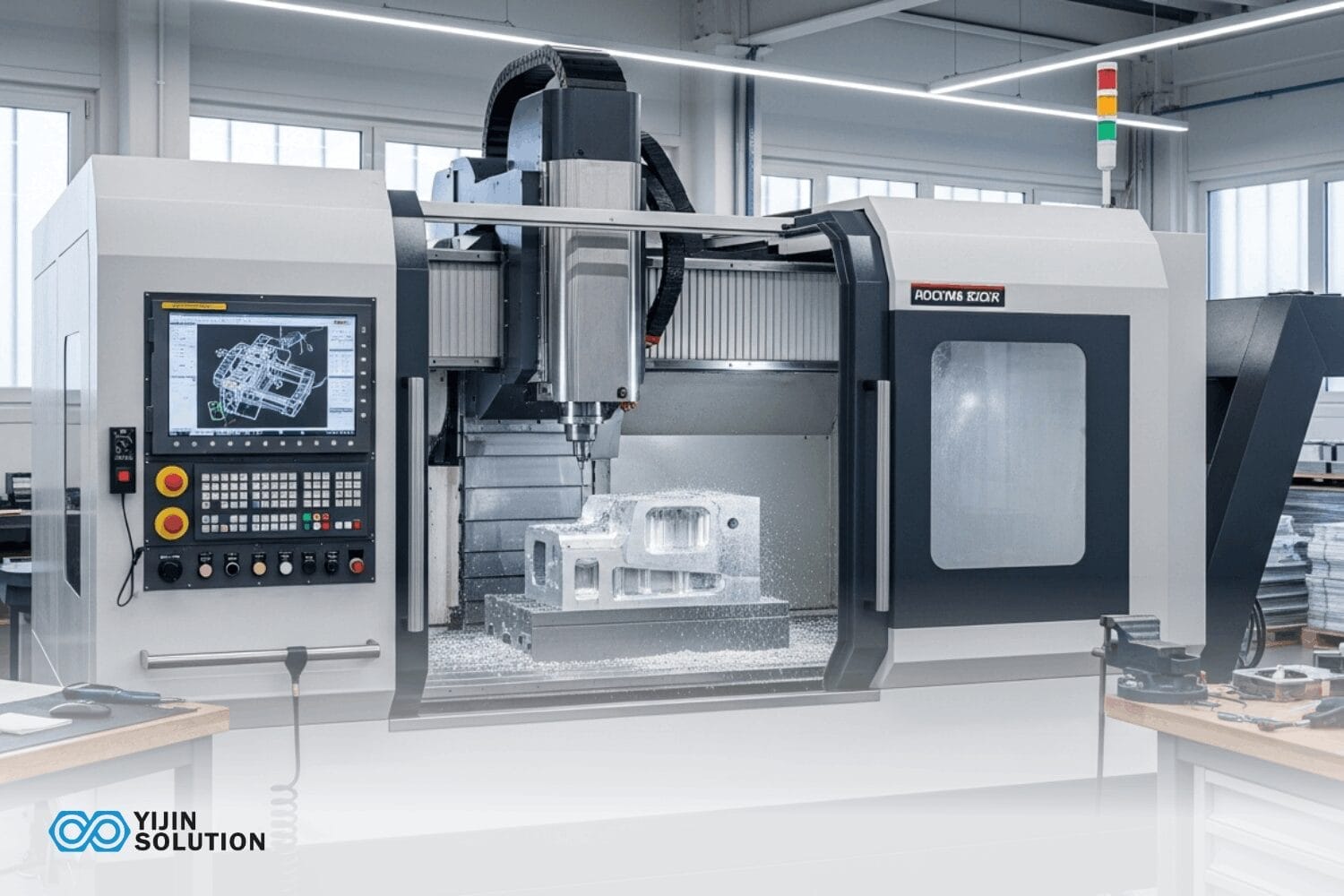
What are the Main Parts of a CNC Machine?
Understanding the individual parts of a CNC machine is essential for engineers specifying equipment, maintenance teams troubleshooting issues, and manufacturers
Начните сегодня. Быстрое изготовление деталей.
Бесплатное проектирование механически обработанных деталей для ваших проектов с быстрыми сроками выполнения.