


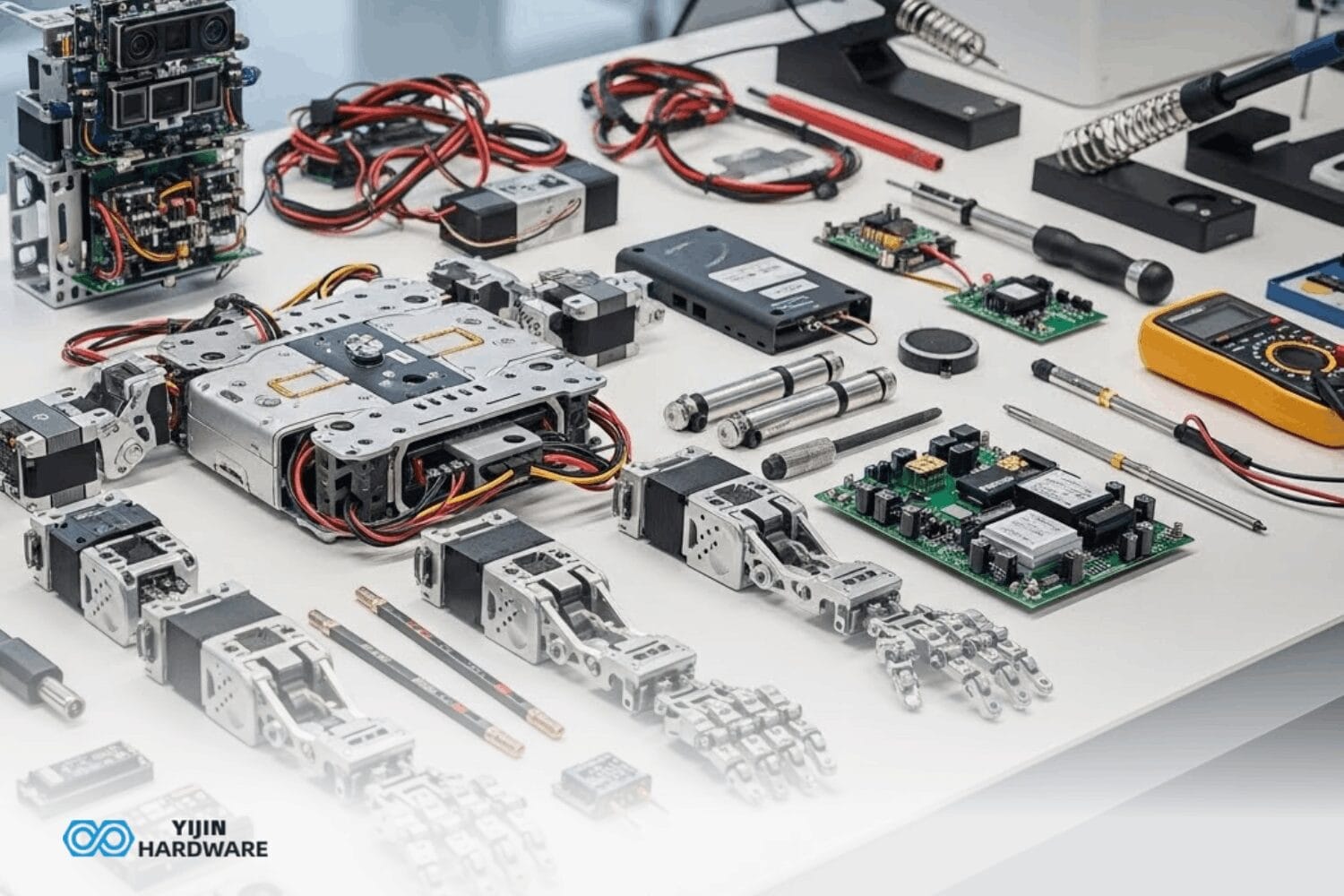
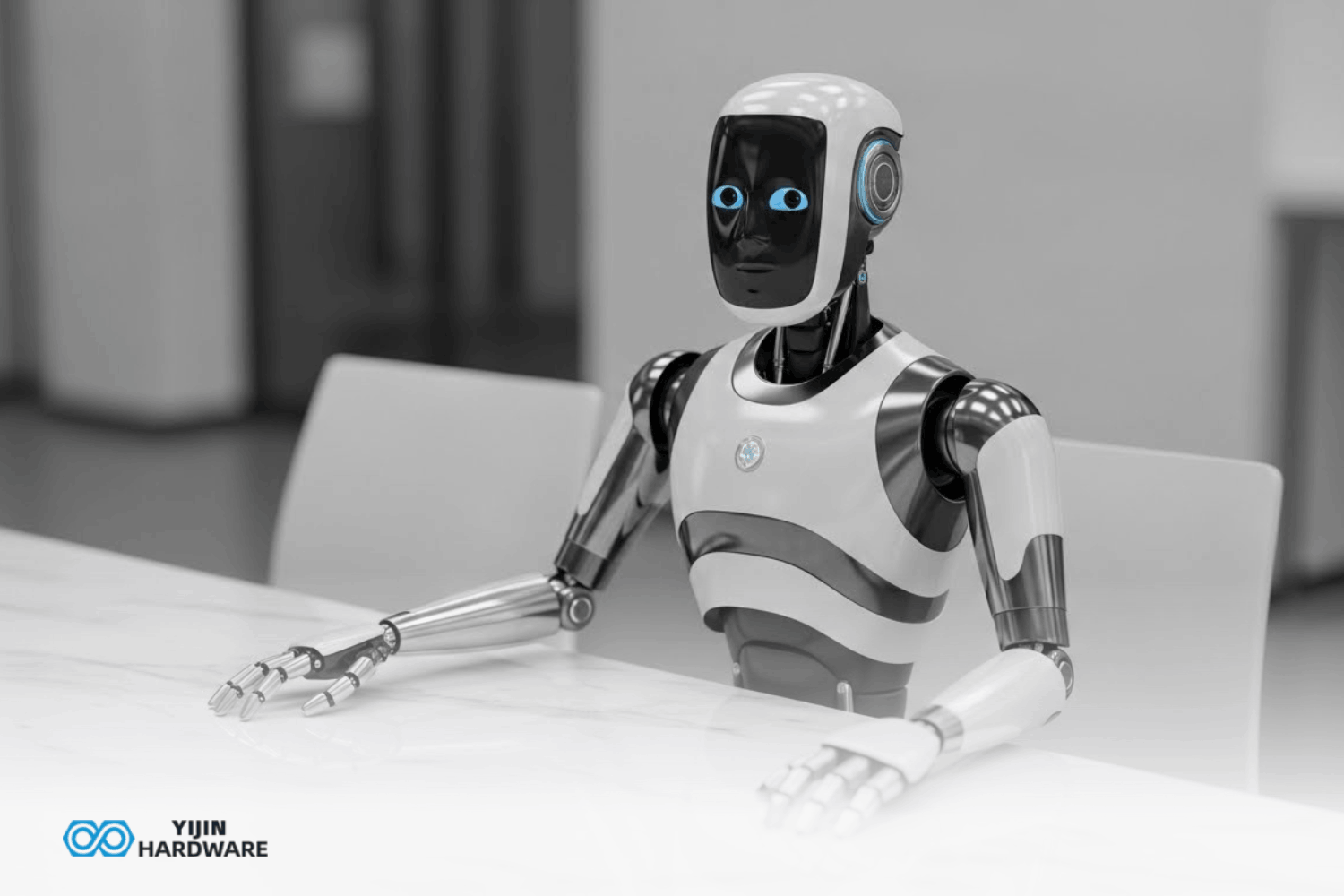
Humanoid robots are showing up in hospitals, warehouses, and manufacturing facilities. When a robot works alongside people or handles critical tasks, you need more than just good engineering. You need verifiable proof that the robot meets international safety standards and won’t pose risks to humans or operations.
That’s where ISO certifications come in. These are comprehensive frameworks that ensure your humanoid robot performs reliably under real-world conditions. For manufacturers building these systems and companies integrating them into their operations, ISO certification demonstrates that safety protocols have been tested, validated, and documented.
As humanoid robots move from research labs into production environments, whether that’s assisting with surgery, moving inventory, or working on assembly lines, understanding which ISO standards apply to your application becomes essential. This guide walks through the key certifications your humanoid robot needs, what each one actually covers, and how they protect both the people working with these machines and the companies deploying them.
Key Takeaways
- ISO certifications provide the documented proof that your humanoid robot meets internationally recognized safety standards
- ISO 10218 covers industrial robot safety requirements, whilst ISO/TS 15066 specifically addresses collaborative robots working in shared spaces with humans
- ISO 25785-1 is coming soon to tackle dynamic stability challenges unique to walking humanoid robots
- Without proper ISO certification, you’ll struggle to get your humanoid robot approved for commercial use, regardless of how well it actually performs
- These standards adapt across industries, so the same certification framework applies whether your robot works in a hospital operating theater, a warehouse floor, or a precision manufacturing environment.
What are ISO Certifications for Humanoid Robots Anyway?
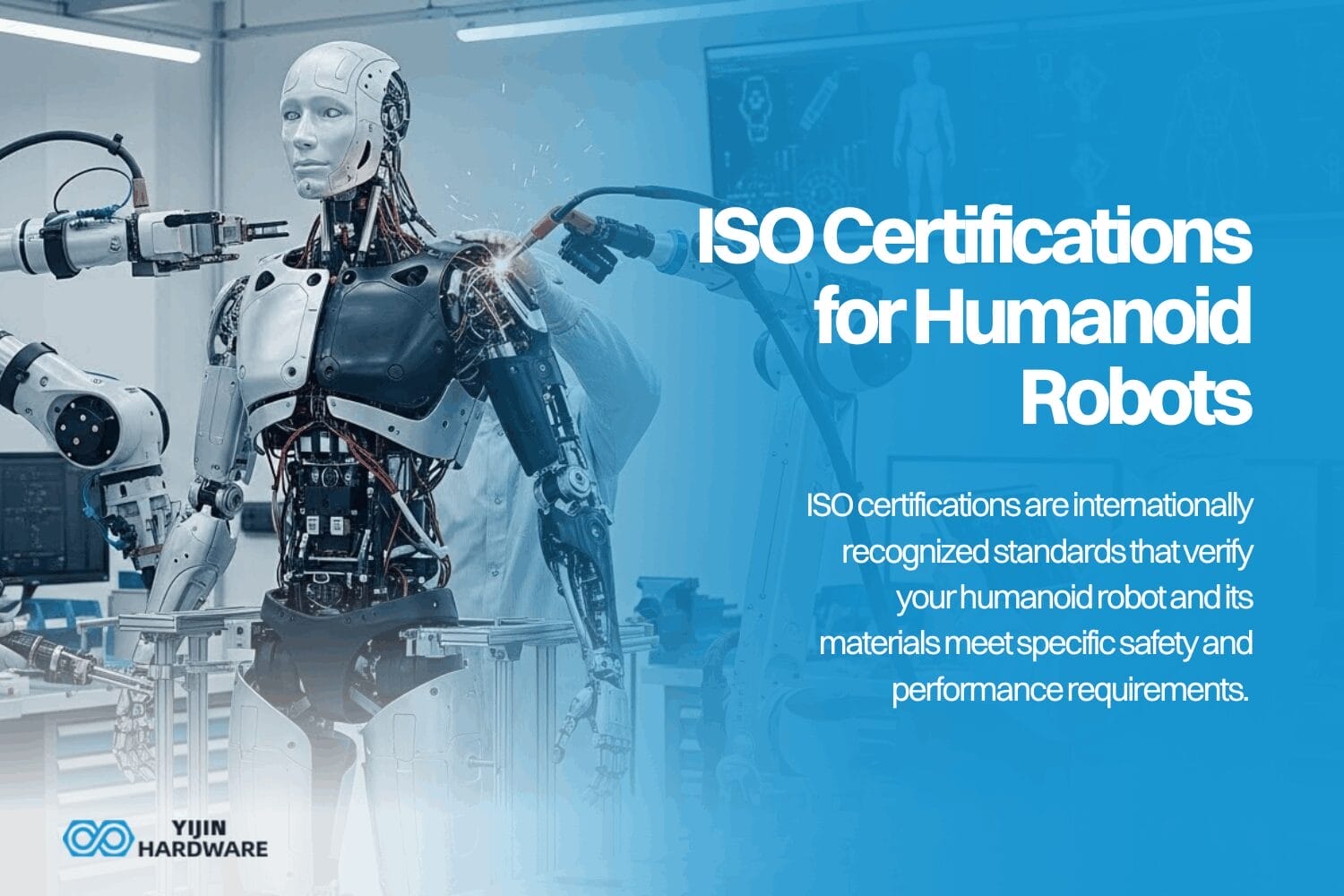
ISO certifications are internationally recognized standards that verify your humanoid robot and its materials meet specific safety and performance requirements. Think of them as a comprehensive testing and documentation process managed by the International Organization for Standardization. When a robot carries ISO certification, it’s proof the design has been evaluated against established safety protocols.
Here’s why this matters: a humanoid robot might work perfectly in your lab, but that doesn’t mean it’s safe for real-world deployment. ISO standards ensure the robot handles unexpected situations properly, has adequate safety systems built in, and won’t create hazards when humans are nearby.
The certification landscape includes several key standards, each covering different robot types and applications:
- ISO 10218 addresses industrial robots—machines typically working in controlled manufacturing environments where safety barriers and restricted zones are common.
- ISO/TS 15066 focuses specifically on collaborative robots (cobots) that share workspace with humans, establishing force and speed limits that prevent injury during contact.
- ISO 13482 covers service robots operating in less structured environments, like healthcare facilities or public spaces where predictability is lower.
These standards tackle the fundamentals: how robot systems integrate safety controls, how machinery responds to faults, and what testing protocols manufacturers must follow before claiming their humanoid robot is safe for deployment.
Why are ISO Certifications Important for Humanoid Robots?
ISO certifications are essential for ensuring humanoid robots can operate safely in various environments, particularly when interacting with humans. These certifications provide confidence to manufacturers, integrators, and customers that the robots will meet safety requirements and operate according to international standards. For example, certifications such as ISO 10218 and ISO 13482 help ensure industrial robots and service robots comply with strict safety and quality management protocols, preventing accidents and minimizing risks.
By meeting these ISO standards, humanoid robots become compatible with global safety and regulatory requirements, allowing manufacturers to sell their robots in different markets and applications, such as industrial automation and robotics industry applications. Compliance with ISO standards also supports robotic safety testing, demonstrating that the robot is capable of functioning within safe limits.
What are the Key ISO Certifications for Humanoid Robots?
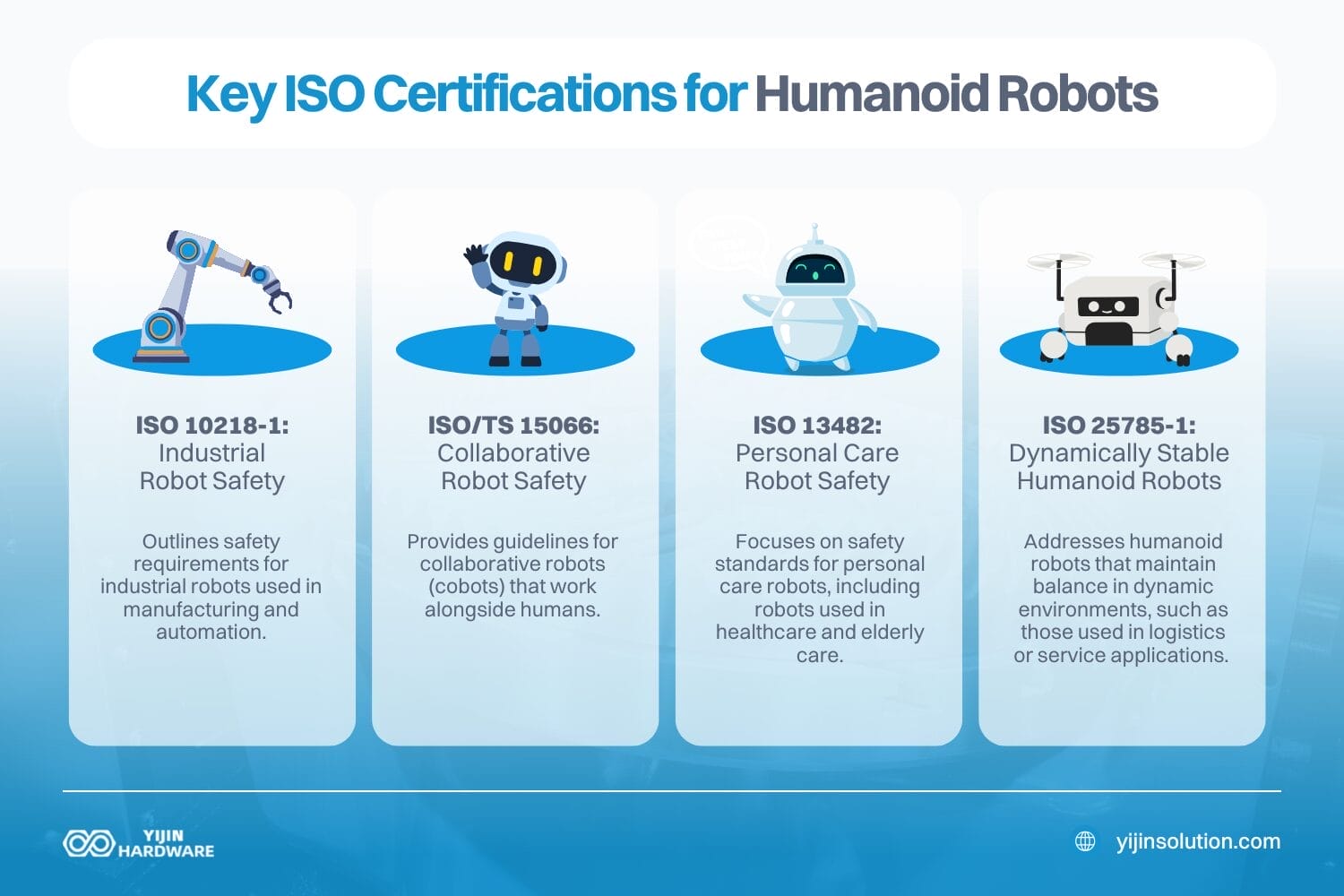
ISO 10218-1: Industrial Robot Safety
ISO 10218-1 outlines safety requirements for industrial robots used in manufacturing and automation. This standard addresses the essential safety measures for robot design, including risk assessments, safety functions, and safety protocols to prevent harm to human operators. ISO 10218-1 also includes guidelines on machinery safety and ensures that robots can be safely integrated into existing systems.
ISO/TS 15066: Collaborative Robot Safety
ISO/TS 15066 provides guidelines for collaborative robots (cobots) that work alongside humans. This standard sets limits on the force and power that a robot can exert during human-robot interaction, ensuring safety while robots perform tasks alongside workers in industries like logistics and healthcare. ISO/TS 15066 is a key part of ensuring robot compliance with international robot safety standards and is critical for humanoid robots involved in automation processes.
ISO 13482: Personal Care Robot Safety
ISO 13482 focuses on safety standards for personal care robots, including robots used in healthcare and elderly care. These robots must meet safety requirements to avoid causing physical or psychological harm to users. ISO 13482 ensures that humanoid robots designed for personal assistance or service robots meet international safety standards and provide a reliable solution in healthcare settings.
ISO 25785-1: Dynamically Stable Humanoid Robots
ISO 25785-1, still in development, addresses humanoid robots that maintain balance in dynamic environments, such as those used in logistics or service applications. This standard will establish safety requirements for robots with advanced mobility features, ensuring that they can balance autonomously and interact safely with humans in unpredictable environments.
How is ISO Certification obtained for Humanoid Robots?
To achieve ISO certification, humanoid robots must undergo rigorous testing and evaluation to ensure they meet specific standards. Manufacturers must perform safety testing, risk assessments, and functional safety evaluations on their robots. Once the robot meets the ISO standards for safety and performance, the manufacturer submits the necessary documentation to an accredited certification body for evaluation.
ISO certifications are granted once the robot passes all safety requirements and is confirmed to comply with international robot safety standards. These certifications are typically renewed periodically, ensuring that the robot continues to meet evolving safety standards.
What are the Benefits of ISO Certification for Humanoid Robots?
ISO certification provides numerous advantages for humanoid robot manufacturers. It ensures that robots meet high safety standards, which reduces the risk of accidents and operational failures. These certifications also enhance a manufacturer’s reputation, proving to customers that the robots meet international compliance standards.
For manufacturers in the robotics industry, ISO certification opens doors to global markets by ensuring their robots comply with local and international safety standards. Additionally, having ISO-certified humanoid robots helps build trust with clients, as they know the robots have been thoroughly tested and meet rigorous safety requirements.
Key Differences Between ISO Standards for Humanoid Robots
| ISO Standard | Target Area | Primary Focus | Key Benefits |
|---|---|---|---|
| ISO 10218-1 | Industrial Robots | Safety for industrial robots | Ensures industrial robots can safely operate alongside human workers in manufacturing and automation environments. |
| ISO/TS 15066 | Collaborative Robots | Human-robot interaction safety | Defines safety limits to protect workers during collaboration with robots in industrial settings. |
| ISO 13482 | Personal Care Robots | Safety for service robots in healthcare | Ensures personal care robots are safe to use in sensitive environments, protecting both patients and healthcare workers. |
| ISO 25785-1 | Dynamically Stable Humanoid Robots | Robot balance and stability | Ensures humanoid robots can maintain balance in dynamic and unpredictable environments. |
What is the Future of ISO Certifications for Humanoid Robots?
Looking ahead, ISO certifications will continue to evolve as humanoid robots become more advanced and integrated into daily life. Emerging technologies like artificial intelligence (AI) and autonomous robots will drive the development of new safety standards. ISO 25785-1 will likely set the stage for the next generation of humanoid robots, focusing on dynamic stability and safety in real-world environments.
As robots become more autonomous and interact with humans on a deeper level, certifications will also need to incorporate new safety protocols related to cybersecurity, AI ethics, and data privacy. Staying up to date with these emerging standards will be crucial for humanoid robot manufacturers looking to remain competitive on a global scale.
How does ISO Certification Impact Humanoid Robot Parts Manufacturing?
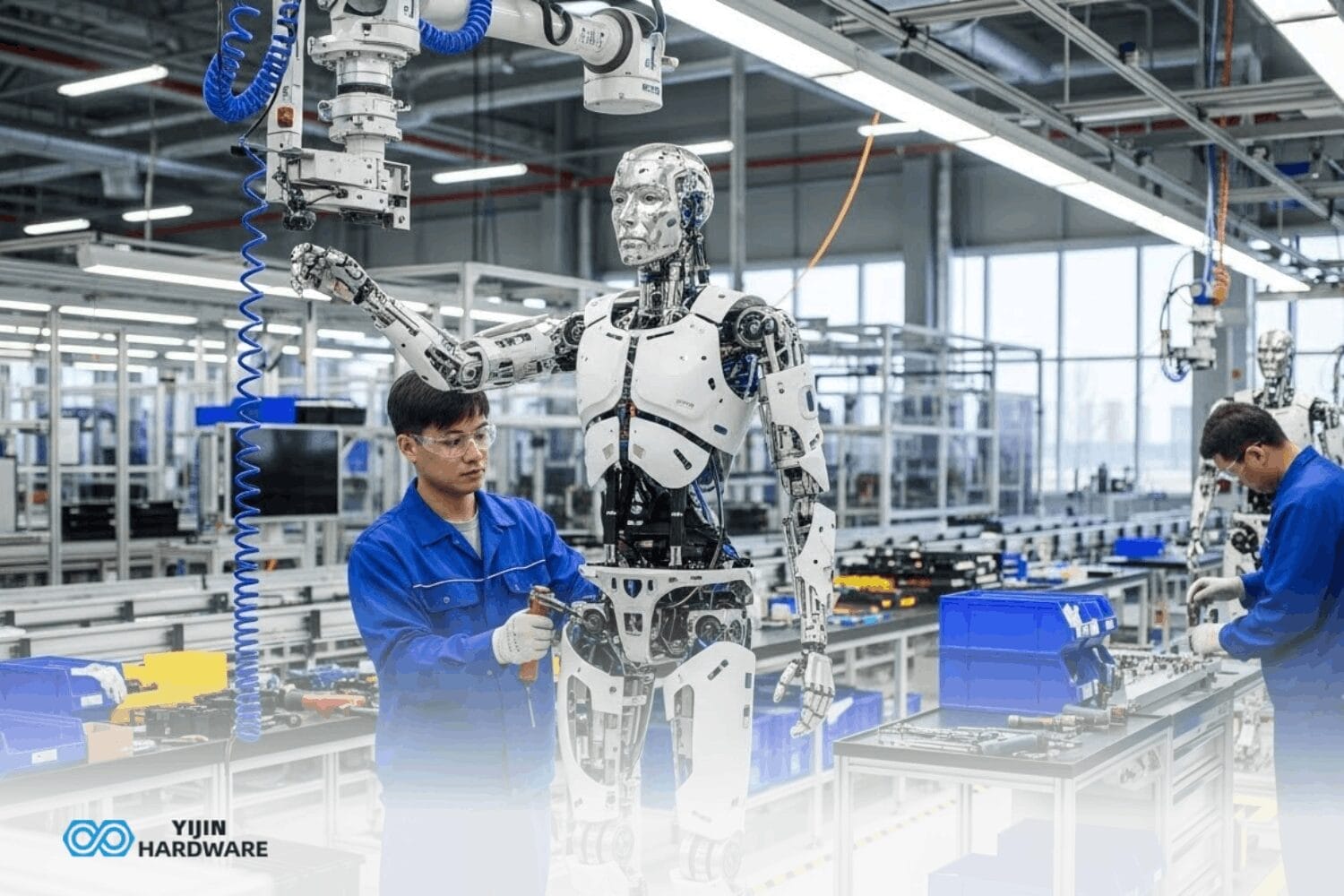
At Yijin Hardware, we focus on delivering humanoid robot parts that adhere to ISO standards, including ISO 10218 and ISO/TS 15066. By ensuring that every component we produce meets these safety and performance requirements, we help manufacturers build robots that are both safe and compliant. Whether you’re designing industrial robots or collaborative robots, our parts are engineered to meet the necessary standards for global market acceptance and integration.
Our commitment to certification programs means our components undergo strict safety testing and certification, allowing us to support a wide range of industries, from automation to healthcare.
Premium Humanoid Robot Parts
ISO certifications are essential for ensuring the safety, functionality, and compliance of humanoid robots. These standards, which include ISO 10218, ISO/TS 15066, and ISO 25785-1, help manufacturers meet global safety requirements while enabling robots to work safely alongside humans. As the robotics industry continues to evolve, adhering to these standards ensures that humanoid robots are ready for the challenges of the future.
At Yijin Hardware, we take pride in manufacturing high-quality humanoid robot parts that comply with the most stringent ISO standards. Our focus on safety, reliability, and performance ensures that your robots meet all necessary safety requirements and perform optimally in any environment. Contact us to learn more about our humanoid robot parts.
ISO Certifications for Humanoid Robots FAQs
How can I verify that a humanoid robot meets ISO safety standards?
You can verify that a humanoid robot meets ISO safety standards by checking the manufacturer’s product documentation or certification. Many manufacturers also list their ISO certifications on their website, showing compliance with the relevant standards.
What are the risks of using humanoid robots without ISO certifications?
Using humanoid robots without ISO certifications could lead to safety hazards, including the risk of injury to human operators or malfunctions in critical applications. These robots may not meet regulatory requirements, leading to compliance issues and operational failures.
How often are ISO certifications for humanoid robots updated?
ISO certifications are typically updated every few years to reflect changes in technology, safety protocols, and industry standards. Manufacturers need to ensure their robots meet the latest revisions of these standards to maintain certification.
Back to Top: ISO Certifications for Humanoid Robots: Ensuring Safety and Compliance




 EN
EN  ES
ES  RU
RU  DE
DE  FR
FR