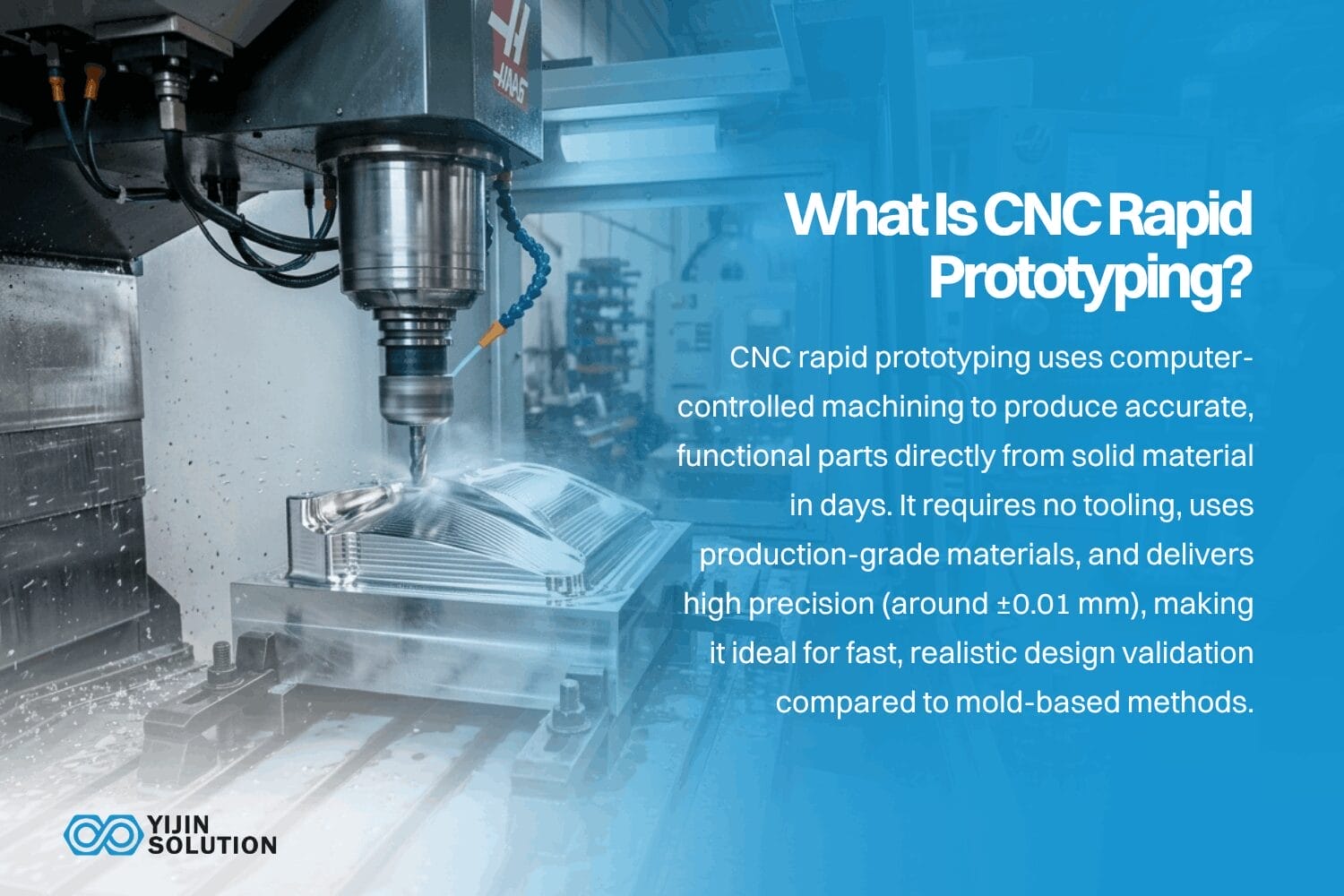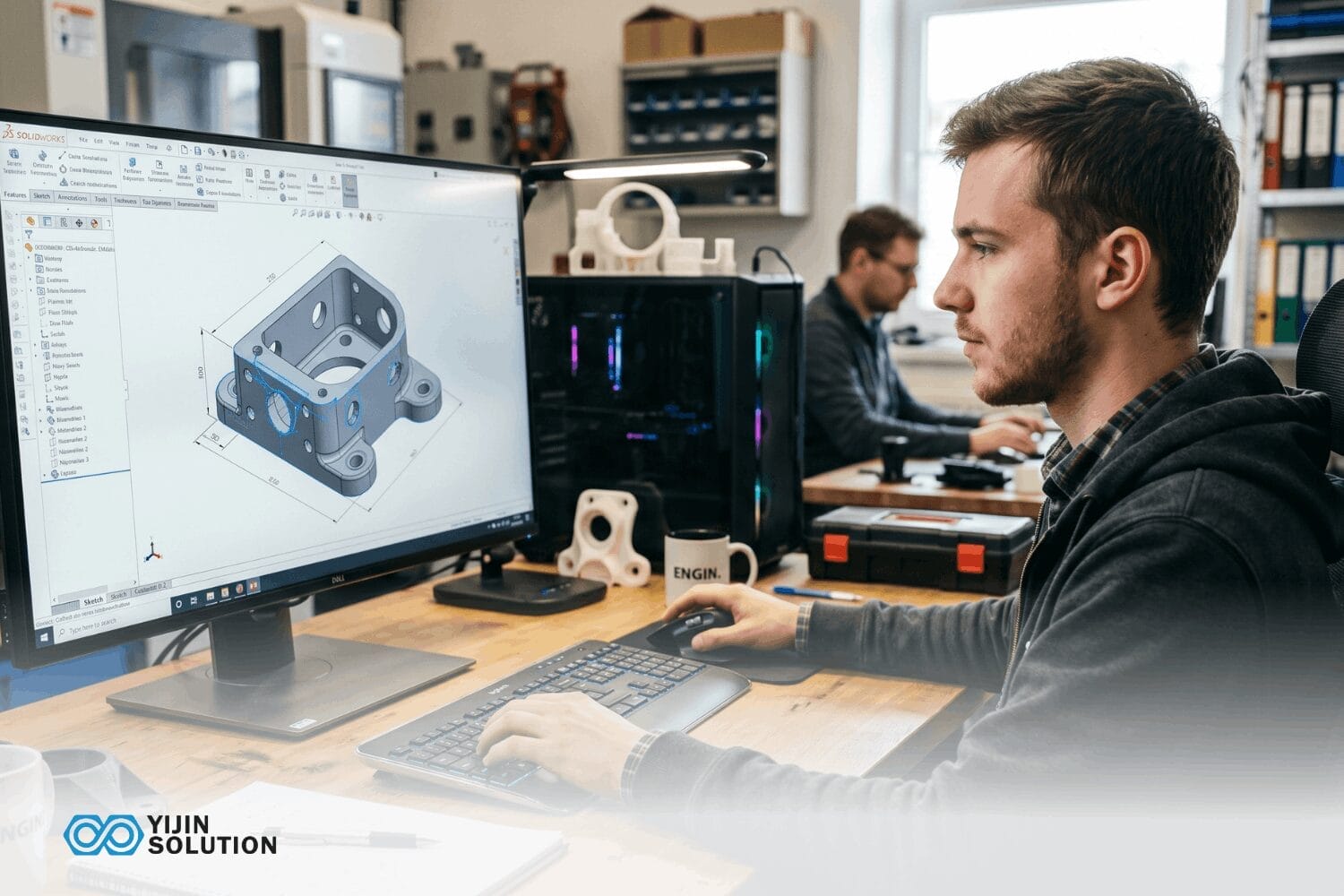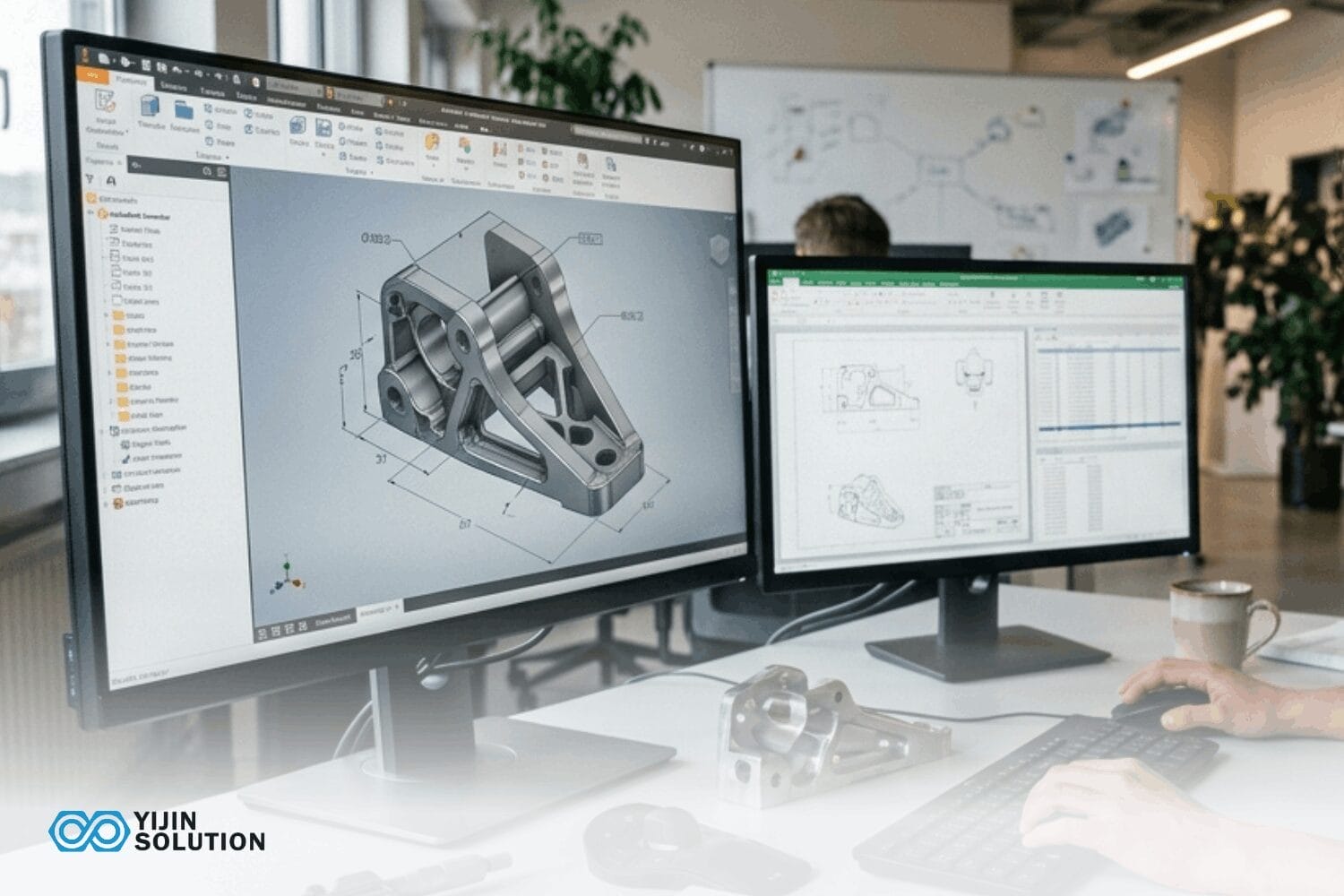
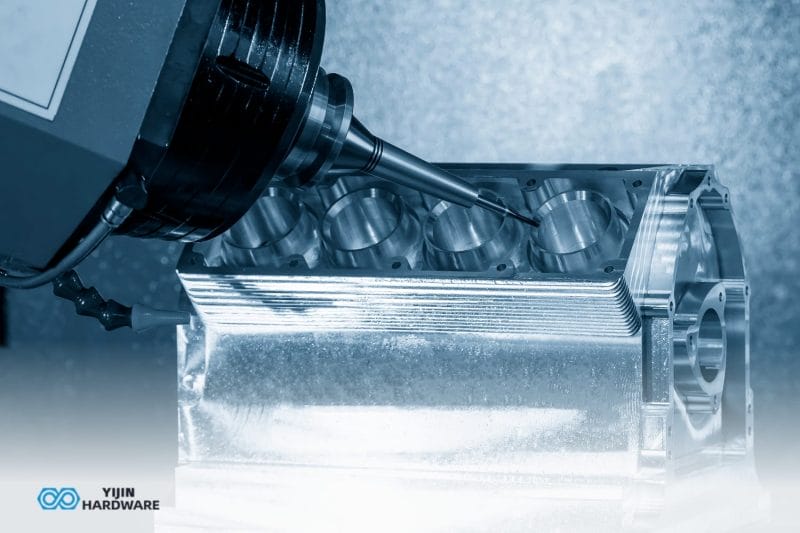
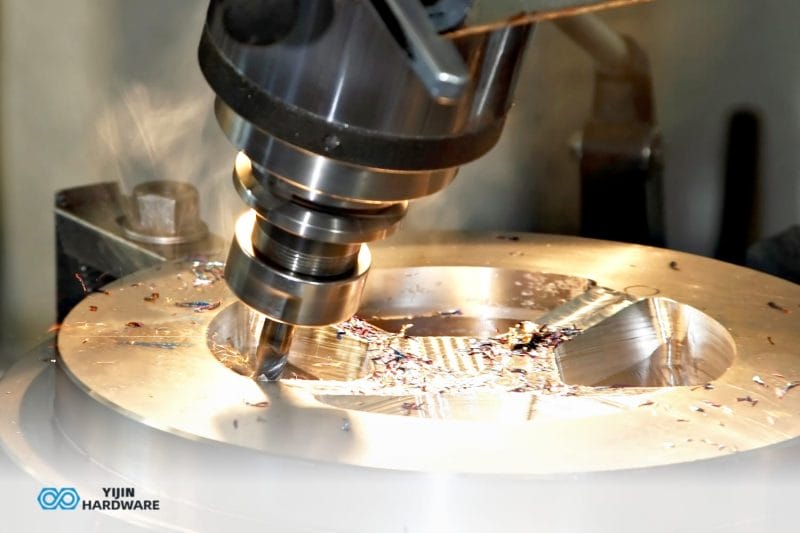


Обработка на станках с ЧПУ has transformed how robotic components get made. Today’s robots operating in автомобильный plants, аэрокосмическая промышленность facilities, and медицинское оборудование manufacturing need parts that work flawlessly under demanding conditions. Robotic CNC systems produce everything from articulated arms to custom end effectors—the specialized tools robots use to grip, weld, or assemble products.
What makes this technology so powerful is the combination of precision and repeatability. When you’re manufacturing components for industrial robots working on factory floors or specialized medical equipment, there’s no room for variation. Each part needs to match the specifications exactly, every single time.
At Yijin Solution, we focus exclusively on CNC-machined parts for robotics companies. Our components go into machining robots and automated systems where reliability matters most. Whether you need parts for heavy-duty industrial robots or precision components for specialized applications, we deliver the accuracy your robotic systems require without compromising on durability or performance.
Основные выводы
- CNC machining delivers the tight tolerances robotic components need—think robotic arms, gears, and other critical parts that keep your systems running smoothly
- You get customized solutions tailored to your specific robotic project, whether you need a one-off prototype or specialized parts that standard manufacturing can’t handle
- Faster production cycles mean shorter lead times, so your robotics manufacturing moves from concept to reality quicker
- We machine everything from aluminum and steel to engineering plastics, giving you the right balance of strength and precision for each component
- CNC machines and collaborative robots work together beautifully—cobots handle the repetitive loading and unloading whilst the CNC does the precision work, creating truly automated production lines
What is CNC Machining in Robotics?
CNC machining uses computer-controlled equipment to manufacture parts with incredibly tight tolerances. For robotics applications, this means producing components that need to fit together perfectly—robotic arms, precision gears, motor housings, and all the mechanical bits that make your robot work reliably.
The beauty of CNC is consistency. When you’re building robots that need to perform the same welding operation or drilling pattern thousands of times, you can’t have запчасти that are “close enough.” Everything needs to be spot-on, and that’s exactly what CNC delivers.
At Yijin Solution, we manufacture CNC-machined components specifically for robotic systems. Whether you’re setting up a robotic machining cell or integrating robots into your existing production line, our parts enable your automation to run at peak efficiency. We understand that in robotics, precision isn’t just a nice-to-have—it’s absolutely essential for reliable performance.
How does CNC Machining Improve Robotics Precision?
CNC machining ensures that robotic parts are made with extreme precision, with tolerances as tight as +/- 0.0002 inches. This high level of accuracy is essential in robotics, where even slight errors can affect the robot’s performance. Whether it’s a robotic arm or sensor for motion control, CNC machining guarantees that each part will function correctly within a robotic system.
This process ensures smooth operation for parts that require complex geometries, like gears and end effectors. The result is reliable robotic operation in various tasks, such as loading and unloading workpieces or optimizing robotic workflow in automated manufacturing environments.
What Key Components of Robotics are Made Using CNC Machining?
Several critical components in robotics are produced using CNC machining to ensure precision and reliability. These components are vital for the proper functioning of robots in industrial applications, where robotic machining capabilities are critical.
| Компонент | Материал | CNC Machining Benefit |
|---|---|---|
| Robotic Arms | Сталь, Алюминий | High precision for consistent movement |
| Gears | Steel, Пластик | Exact fit and minimal friction |
| End Effectors | Алюминий, сталь | Customization for specialized tasks |
| Motor Enclosures | Aluminum, Plastic | Precision fitting for motor parts |
| Wrist Joints | Сталь | Smooth rotation and complex geometries |
These parts are essential in achieving reliable robot performance, whether for industrial robots or collaborative robots (cobots) in manufacturing operations. Robot фрезерование and robotic machining ensure the parts meet machining accuracy for high-precision tasks in industrial robotics.
How does CNC Machining Enhance Robotics Efficiency?
CNC machining enhances the efficiency of robotics by ensuring that parts are produced with accuracy and repeatability, both of which are critical for robots that perform complex tasks like welding, drilling, and load and unload operations. CNC systems can automate the machining process, reducing the need for manual labor and improving productivity in automated manufacturing.
Additionally, CNC machines can be programmed to handle robotic parts with complex geometries, ensuring that each component is fabricated to the exact specifications needed. This leads to fewer errors and faster production times, which ultimately reduces lead times and boosts overall workflow efficiency in robotics manufacturing.
How does CNC Machining Compare to Other Robotics Manufacturing Methods?
Compared to other manufacturing techniques like die-casting or 3D printing, CNC machining excels in producing parts that require high precision and customization. For example, while 3D printing can produce complex geometries, it does not offer the same strength or surface finish that CNC machining can provide for robotic parts that must withstand high-stress environments.
Similarly, die-casting is efficient for bulk production, but it doesn’t provide the level of detail required for parts like robotic arms or end effectors. CNC machining is the best option for creating high-quality parts, especially when it comes to parts that must endure wear and tear during robotic operation.
What are the Advantages of CNC Machining in Robotics?

CNC machining offers several clear advantages for robotics manufacturing:
- Точность: With CNC machining, robotic components are made with tight tolerances up to 0.0002 inches, ensuring parts fit perfectly within the system.
- Настройка: CNC machines allow for custom parts designed for specific robotic applications, whether it’s for robot milling, machining robots, or other robotic tasks.
- Эффективность: CNC machining allows for faster production times and optimized workflow, particularly for low-volume production of custom parts.
- Гибкость материала: CNC machines can handle a variety of materials, including metal parts like steel and aluminum, and plastics, ensuring that parts are both durable and lightweight.
- Повторяемость: CNC systems ensure that every part produced is the same, offering consistent performance and precision for robotic systems.
These advantages make CNC machining the most reliable and efficient manufacturing method for creating parts that power robotic systems.
What Technologies are Integrated with CNC Machining in Robotics?

To improve precision and efficiency in robotic manufacturing, CNC machines are integrated with several advanced technologies:
- ИИ и машинное обучение: These technologies allow CNC machines to optimize tool paths in real-time, ensuring high-quality parts and reducing manual adjustments.
- IoT and IIoT: Internet of Things (IoT) sensors are used for real-time monitoring of CNC machines, ensuring optimal performance and reducing unplanned downtime.
- Программное обеспечение CAM: Computer-Aided Manufacturing (CAM) software helps generate toolpaths and programmes, improving efficiency by optimizing cutting strategies.
- Force Feedback Systems: These systems allow CNC machines to adjust in real-time to variations in materials, ensuring consistent machining and machining accuracy for parts like robotic arms and gears.
These technologies work together to create a seamless workflow, improving both production speed and quality in robotic systems.
How does CNC Machining Contribute to Industry 4.0 in Robotics?
CNC machining is central to Industry 4.0, where automation and data integration are key. Through the use of real-time data collection, IoT, and AI, CNC systems can adapt to production requirements without human intervention. This makes the machining process smarter, faster, and more efficient.
In robotic systems, CNC machines integrated with machine tending and robotic arms can perform loading and unloading tasks autonomously, ensuring that robotic components are produced and assembled without manual interference. This automated manufacturing process drives higher productivity, ensuring the manufacturing sector benefits from the increased precision and flexibility that robotics offers.
Precision Robotics Parts
CNC machining has become essential in the robotics industry, allowing for the production of high-precision, custom components required for robotic systems. At Yijin Solution, we provide cutting-edge CNC machining services to create robotic parts like robotic arms and end effectors, ensuring that robots can perform their tasks with optimal precision and repeatability.
Свяжитесь с нами сегодня to learn more about our CNC machining services and how we can help optimize your robotic components for automated manufacturing.
CNC Machining Robotics FAQs
Заменит ли машинистов с ЧПУ искусственный интеллект?
AI enhances CNC machining by automating toolpath generation and adjusting parameters in real-time. However, human machinists remain vital for overseeing complex operations and performing tasks that require critical thinking or troubleshooting.
What is a CNC in robotics?
A CNC in robotics refers to a computer-controlled machine that fabricates precise parts for robotic systems, such as robotic arms or end effectors, ensuring accurate and repeatable robot performance in tasks like welding and loading/unloading.
Кто входит в "большую четверку" в отрасли промышленной робототехники?
The big four in industrial robotics are ABB, KUKA, FANUC, and Yaskawa Motoman. These companies lead the industrial robotics market, providing robotic solutions for automation and robotic systems in manufacturing operations.
Вернуться к началу: Обработка с ЧПУ Робототехника